NewsBeat
Nepal flash flood death toll rises to 669 as Kathmandu rejects international search and rescue offers

The death toll from this week’s Himalayan flash floods has risen to 669 in Nepal and Tibet combined, authorities said, as Kathmandu appealed for foreign technical assistance while insisting it did not need help with general search and rescue.
Nearly 3,000 people remain unaccounted for across the two countries, authorities said on Saturday. Nepal’s disaster agency put the missing in the country at 2,426, while more than 550 remain missing in Tibet, according to Chinese state media. More than 3,700 people have been rescued in Nepal so far, and hundreds of those missing are foreign nationals who had been working, trekking or travelling on pilgrimage in the region when the flood struck.
Nepal’s foreign minister, Shisir Khanal, told Reuters the government needed foreign expertise in specialised areas where it lacks the necessary skills, including rescuing people trapped in flooded tunnels, DNA testing, and storing bodies for longer periods as hospitals struggle to cope with the number of dead.
“We have already made requests for such specialised services and technical assistance in areas where we don’t have enough expertise and technical knowhow,” he said.
The risk of a second, catastrophic flood has begun to ease, Chinese authorities said on Saturday. When the glacier collapsed on Wednesday, debris blocked a river near the border crossing at Gyirong, forming a natural dam and a lake behind it. Officials warned that if that dam gives way, it could send another wall of water downstream.
Satellite imagery now shows the lake’s surface area has shrunk to about 99,000 square metres, roughly the size of 14 football pitches, as water has gradually drained through the blockage, China’s water resources ministry said.

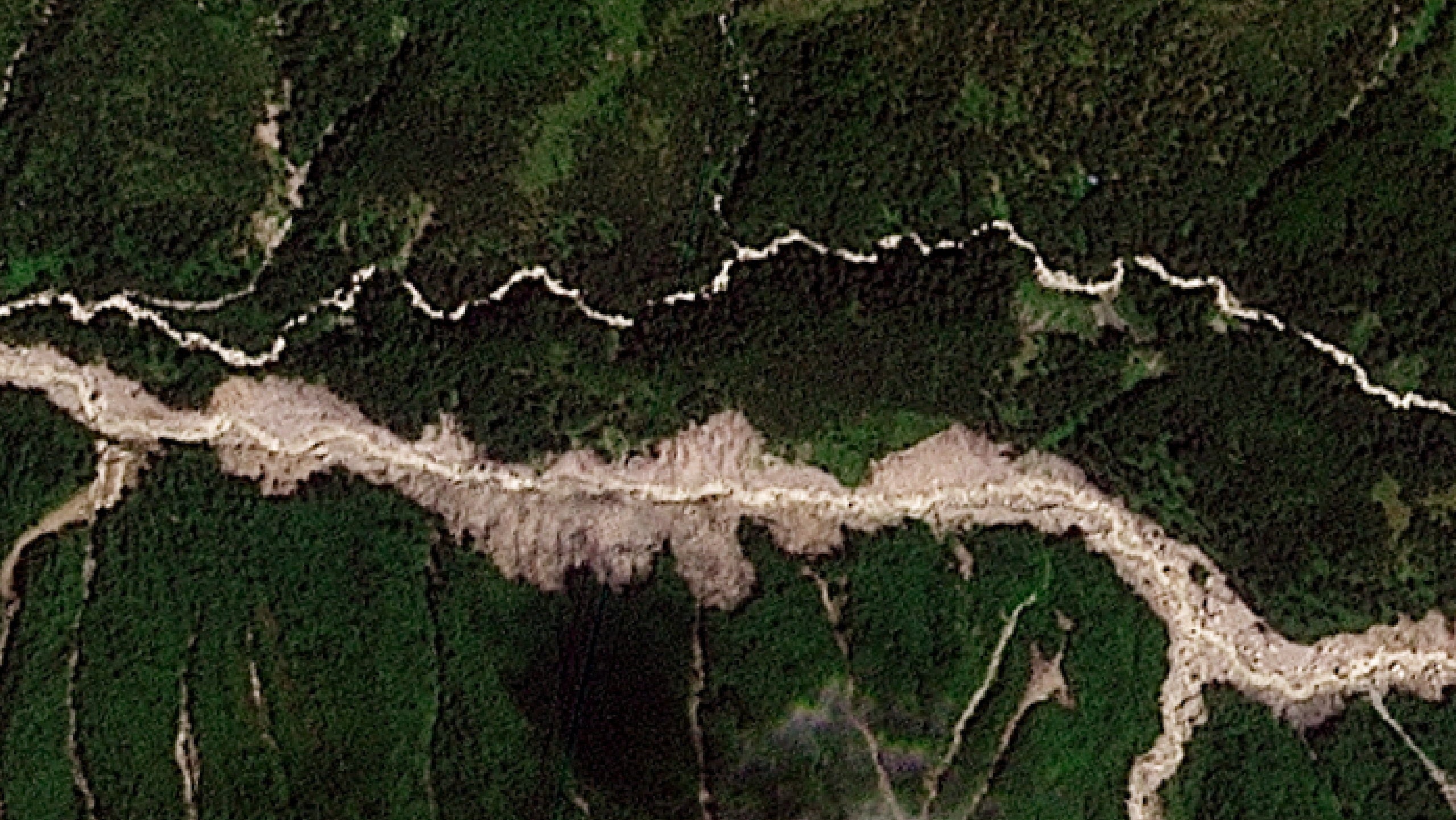
A separate, larger body of water has also formed at the base of where the glacier collapsed, covering more than 120,000 square metres, according to Chen Hongqi, a senior engineer at the ministry of natural resources’ Geological Disaster Technical Guidance Centre, though its depth is not yet known. Nepal’s disaster management authority said the risk of further flooding would persist until both lakes have fully drained.
Britain, India, China, the United States, Britain, Japan, South Korea, Sri Lanka and Bangladesh have all asked to send their own search-and-rescue teams, according to the Kathmandu Post, but Mr Khanal said Nepali rescuers were already handling that work.
“We think there is no need for repetition in this,” he said.

A British rapid response team was due to arrive in Kathmandu on Saturday, tasked with assisting relatives of the more than 30 British nationals missing in the disaster. Forming part of the UK’s wider response to the flooding, which includes £5 million of humanitarian support for relief and recovery efforts, the team will also work with families in the UK concerned about loved ones in the affected area.
Nepal has also asked India and China, the two larger neighbours between which it sits, to supply bailey bridges – portable, fast-assembly truss bridges that don’t need heavy machinery to install – to restore transport links after roughly two dozen bridges were destroyed in the flooding.
China on Saturday sent tunnel experts to Nepal on government’s request, Xinhua news agency reported.
Mr Khanal said many bodies had been recovered as far away as Chitwan and Nawalparasi, on the plains around 100 kilometres from the disaster zone, and that hospitals there had run out of refrigeration space to store them. He said the flood had caused extensive damage to schools, hospitals, hydropower plants, roads and bridges, and that Nepal would need further foreign support during reconstruction.
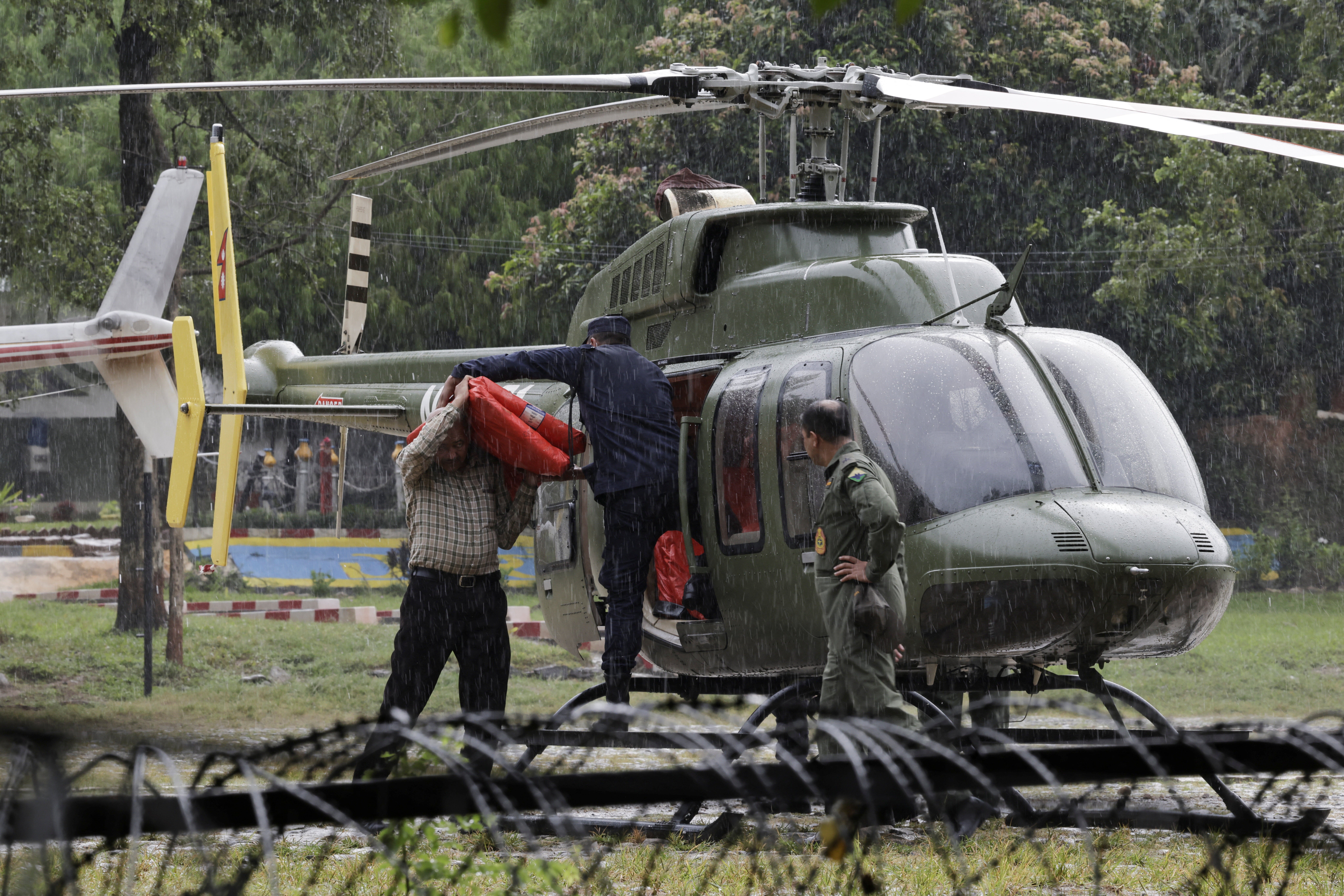
Rescue operations entered a fourth day on Saturday, hampered by poor weather that grounded helicopters. Brig Gen Raja Ram Basnet, an army spokesperson, told the AP that rescue teams remained focused on the Upper Trishuli-1 hydropower project in Rasuwa district, where more than 100 people are believed trapped in a tunnel filled with thick mud.

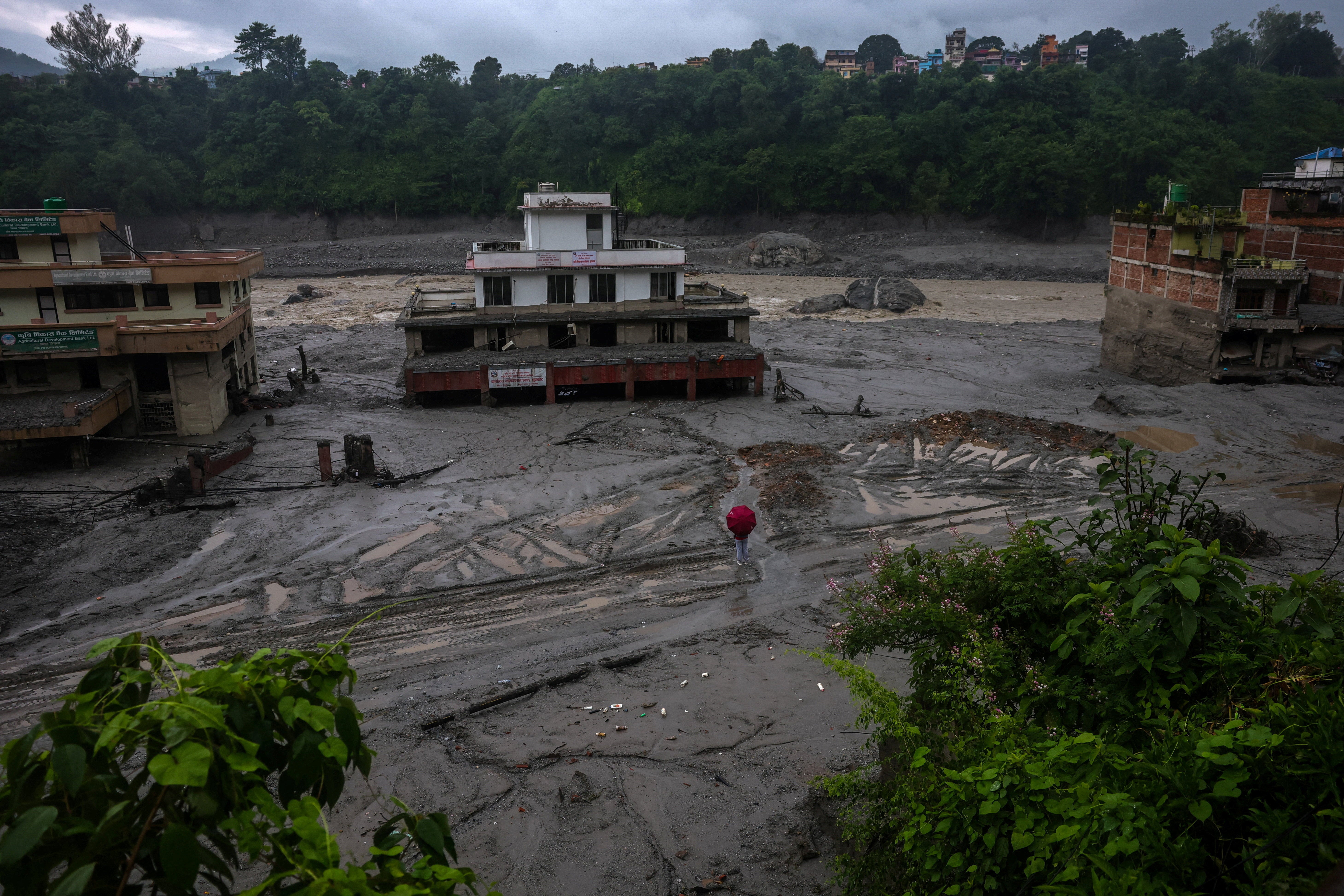
Rescuers have used ropes and baskets to reach some of those trapped, he said, though the operation has been slowed by up to five feet of mud and a shortage of locations where helicopters can land. Teams have also had to relocate temporarily on at least one occasion after further flood warnings were issued.
There is no sign of survivors at the Chinese border crossing which was engulfed by a ferocious flood wave earlier this week, rescue officials told state media, according to CNN.
Chinese rescuers arrived on Friday afternoon at the land port, an area over 3,800 meters above sea level.
“The buildings within the mudslide’s impact zone have largely been flattened, with no discernible outline of any structures,” Liu Maolin, a rescue team leader, told state broadcaster CCTV.
“The ground is covered by thick layers of mud and rubble, with extensive and deep deposits, while the port’s infrastructure has been particularly severely damaged.”
So far, no survivors have been found, but the team “will never give up as long as there is even the slightest hope,” Liu said.
The altitude is also making the search dangerous, with crews carrying dozens of kilograms of equipment while working through conditions that can trigger “severe chest tightness, shortness of breath, dizziness and headaches,” according to China Emergency Management News.
At Kathmandu’s main government hospital, families gathered from early Saturday morning searching for news of missing relatives, moving between the help desk and a noticeboard displaying photographs of both patients and unidentified bodies.
“I came here with the hope that I might find him,” said Dil Maya Lama, who travelled from Ramechhap district in search of her 26-year-old brother, a hydropower company driver in Rasuwa. “There is no information about him,” she told the Associated Press.
Gajendra Rawat, a security official at the hospital, said families had registered around 1,600 missing-person reports there alone. “People are coming from all parts of Nepal,” he said.
Search teams also reached Gyirong Port, the border crossing on the Chinese side that was severely damaged in the flooding, with some rescuers reaching the area on foot, by raft, or via equipment lowered from drones.
The floods are expected to deal a heavy blow to an economy already reliant on remittances, tourism and hydropower. Nepal’s finance minister, Swarnim Wagle, told Reuters the country may need $4 billion to $5 billion to rebuild, equivalent to nearly a tenth of its economy.
“The initial estimate is between $4-5 billion. Just an estimate,” he said.
“We will require much less than what we needed for the 2015 earthquake. Loss and damage is being assessed.”
That earlier disaster, Nepal’s worst on record, cost around $9 billion to recover from and wiped out roughly a third of the country’s economy. Wednesday’s floods have already damaged hydropower stations that account for more than 12 per cent of Nepal’s electricity generating capacity.
You must be logged in to post a comment Login