

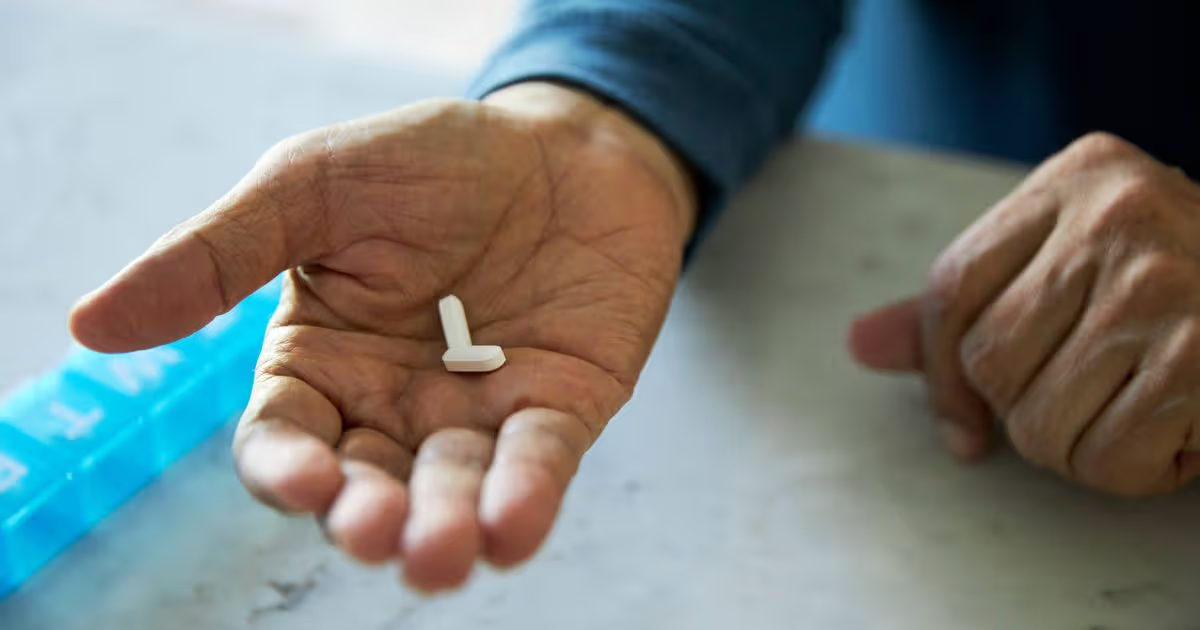
The NHS has warned that taking too much vitamin D over a long period can damage the body
The NHS has issued a warning for anyone consuming vitamin D, stating that excessive intake over extended periods could lead to a potentially fatal condition. UK health authorities recommend taking vitamin D supplements, especially during the winter.
The health service has stated: “From October to March we can’t make enough vitamin D from sunlight. To keep bones and muscles healthy, it’s best to take a daily 10 microgram supplement of vitamin D. You can get vitamin D from most pharmacies and retailers.”
Vitamin D supplements are affordable with 400 tablets available for under £8 online, equating to less than 2p daily. Vitamin D has also been linked to a reduced risk of dementia.
Research conducted in France found that individuals with vitamin D levels below 50 nmol/L were almost three times more likely to develop Alzheimer’s disease. Those at increased risk of vitamin D deficiency, all children aged between 1 and 4, and all babies (unless they’re consuming more than 500ml of infant formula daily) should take a daily supplement throughout the year.
However, both pharmacists and the NHS have issued warnings about the dangers of overdosing on vitamin D through excessive consumption over extended periods. The NHS has highlighted that this can lead to a condition damaging the kidneys and heart: “Taking too many vitamin D supplements over a long period of time can cause too much calcium to build up in the body (hypercalcaemia). This can weaken the bones and damage the kidneys and the heart.”
The NHS advises: “If you choose to take vitamin D supplements, 10 micrograms a day will be enough for most people. Do not take more than 100 micrograms (4,000 IU) of vitamin D a day as it could be harmful. This applies to adults, including pregnant and breastfeeding women and the elderly, and children aged 11 to 17 years.”
For younger children, the guidelines are different: “Youngsters aged 1 to 10 years shouldn’t have more than 50 micrograms (2,000 IU) daily. Babies under 12 months shouldn’t have more than 25 micrograms (1,000 IU) daily.”
The NHS further clarified: “Some people have medical conditions that mean they may not be able to safely take as much. If in doubt, you should consult your doctor.
If your doctor has recommended you take a different amount of vitamin D, you should follow their advice.
“You cannot overdose on vitamin D through exposure to sunlight. But always remember to cover up or protect your skin if you’re out in the sun for long periods to reduce the risk of skin damage and skin cancer.”
The NHS explains: “Vitamin D helps regulate the amount of calcium and phosphate in the body. These nutrients are needed to keep bones, teeth and muscles healthy. A lack of vitamin D can lead to bone deformities such as rickets in children, and bone pain caused by a condition called osteomalacia in adults.
“Government advice is that everyone should consider taking a daily vitamin D supplement during the autumn and winter. People at high risk of not getting enough vitamin D, all children aged 1 to 4, and all babies (unless they’re having more than 500ml of infant formula a day) should take a daily supplement throughout the year.”
The late health expert Dr Michael Mosley, who died in 2024, was a strong advocate for vitamin D supplementation, reports the Mirror. He said: “I take 25 mcg (1,000 IU), which is within the limits of what’s considered safe (anything under 100 mcg a day for adults or 50 mcg for children, according to the NHS) but closer to the sort of doses studies show you need to take to ward off infections, cancers, and maybe even dementia.”



















































You must be logged in to post a comment Login