When a gym owner in a small Himalayan town faced off a Hindu mob targeting a Muslim shopkeeper earlier this year, he quickly turned into an unlikely national figure – and the inspiration for a series of small acts of kindness and solidarity that many would come to regard as a turning of the tide against sectarian hatred in India.
Deepak Kumar’s intervention in the confrontation between members of the Hindu nationalist group Bajrang Dal and the Muslim shopkeeper in Kotdwar, in the northern state of Uttarakhand, took place on 26 January.
The Bajrang Dal is one of the prominent groups in the Hindu nationalist network informally known as the Sangh Parivar. Prime minister Narendra Modi’s BJP party is part of the same ecosystem.
The Bajrang Dal mob had confronted Vakeel Ahmed, an elderly clothing shop owner, demanding that he remove the word “Baba” from the name of his store, Baba School Dress and Matching Centre.
Advertisement
They claimed that “Baba” referred to Siddhabali Baba, a local temple dedicated to the Hindu deity Hanuman, and that a Muslim should not use it.
Kumar stepped in after noticing a crowd gathering outside Ahmed’s shop.
“I did not like these young men talking so rudely with an elderly man. They were targeting him because of his religion. They were targeting Muslims,” he later told the BBC.
When the mob asked his name during the confrontation, he responded with what would soon become an internet phenomenon: Mohammad Deepak.
Advertisement
Mohammad is a Muslim name, Deepak typically Hindu.
“By identifying myself as Mohammad Deepak, I wanted to tell them that I’m an Indian,” he told the broadcaster. “That this is India and everyone has the right to stay here, regardless of their religion.”
Almost a month later, when a dispute over religious practice emerged in Lucknow, similar images of solidarity circulated on social media.
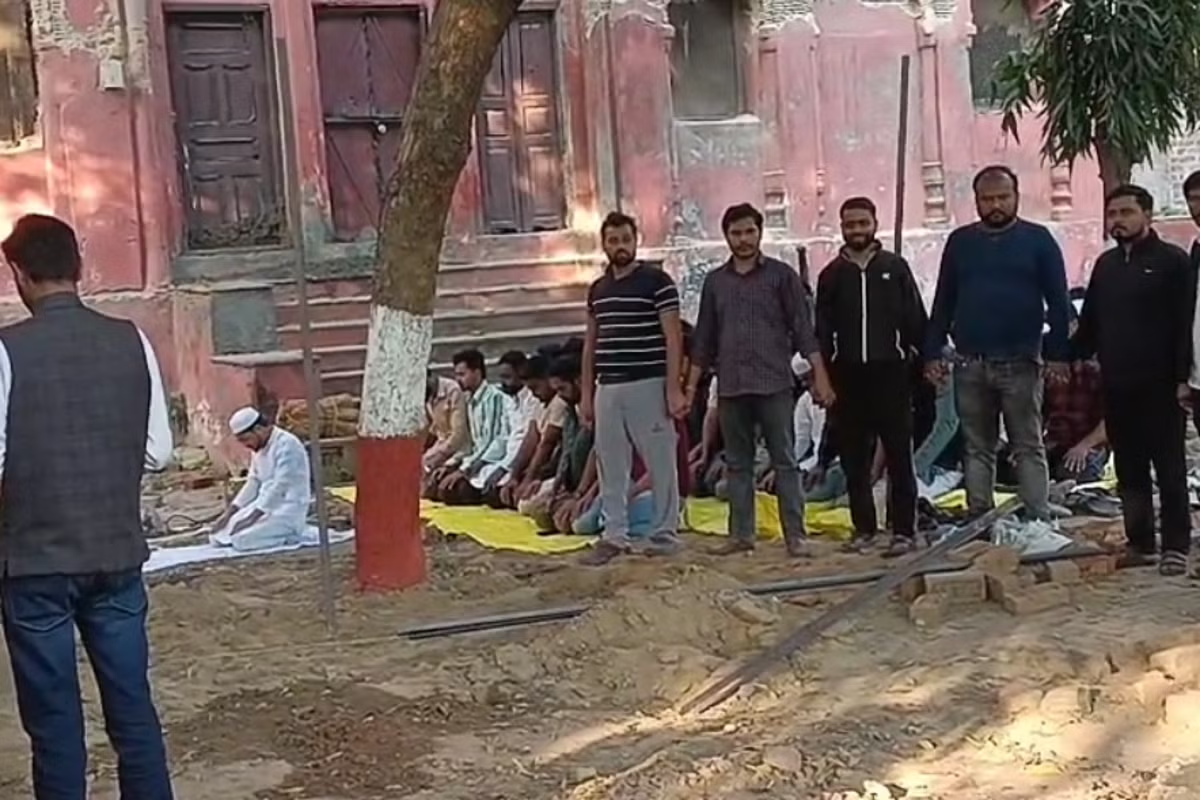
It was the early days of Ramadan, the Muslim fasting month, and students at Lucknow University had arrived to pray at the campus mosque, only to find it locked and police stationed nearby. The students said they were given no explanation or warning that the mosque was to be closed.
Advertisement
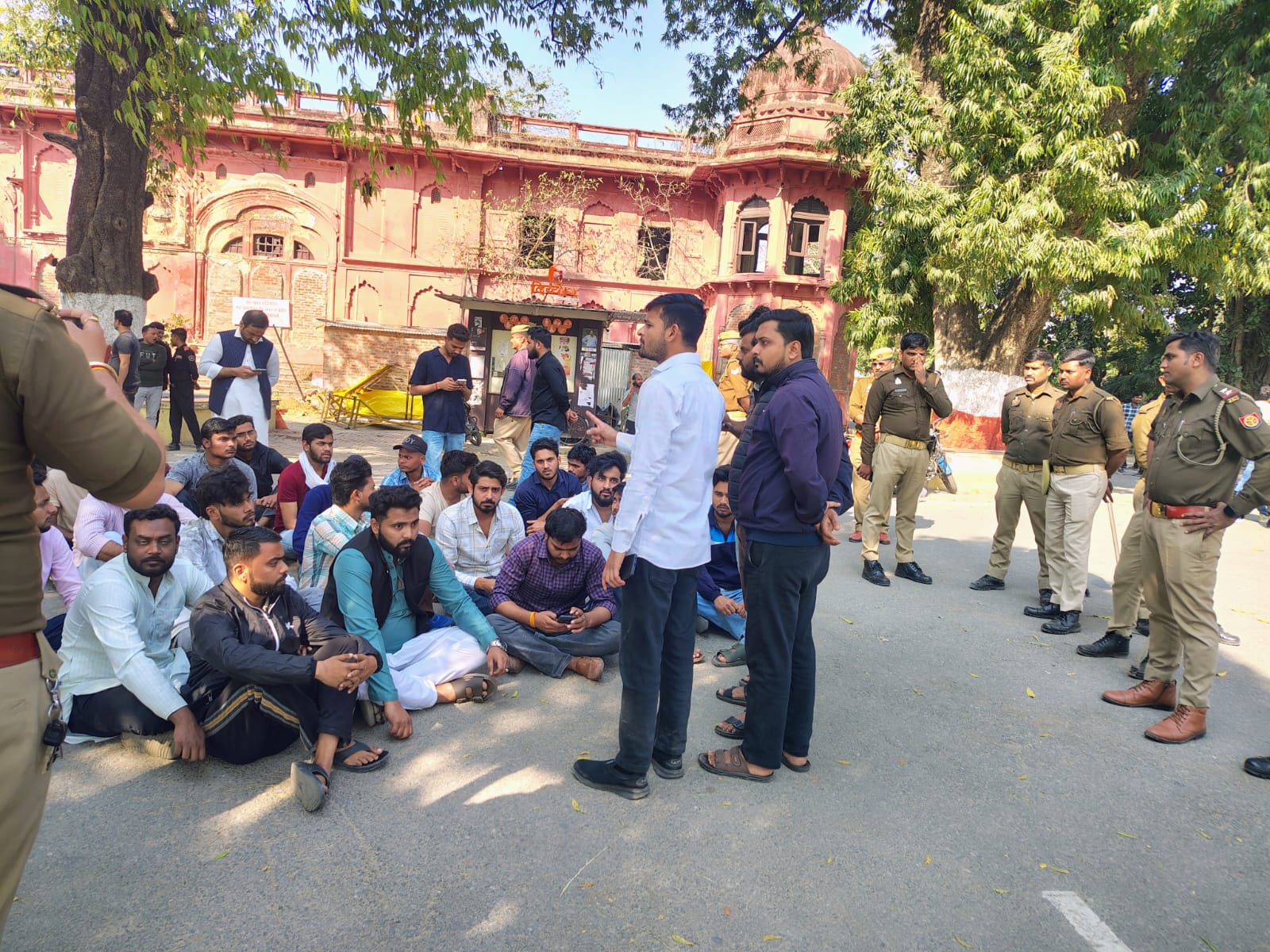
So, on 22 February, a group of students started an unusual protest right outside the mosque: a few Muslim students stood in prayer as their non-Muslim classmates formed a protective human chain around them. A video of the prayer-protest spread on social media and the incident came to be celebrated as the latest example of ordinary citizens defying sectarian fissures in India.
Many observers quickly traced this act of religious solidarity to the confrontation involving the gym owner in Uttarakhand.
Students protest outside Lal Baradari at the Lucknow University (Supplied)
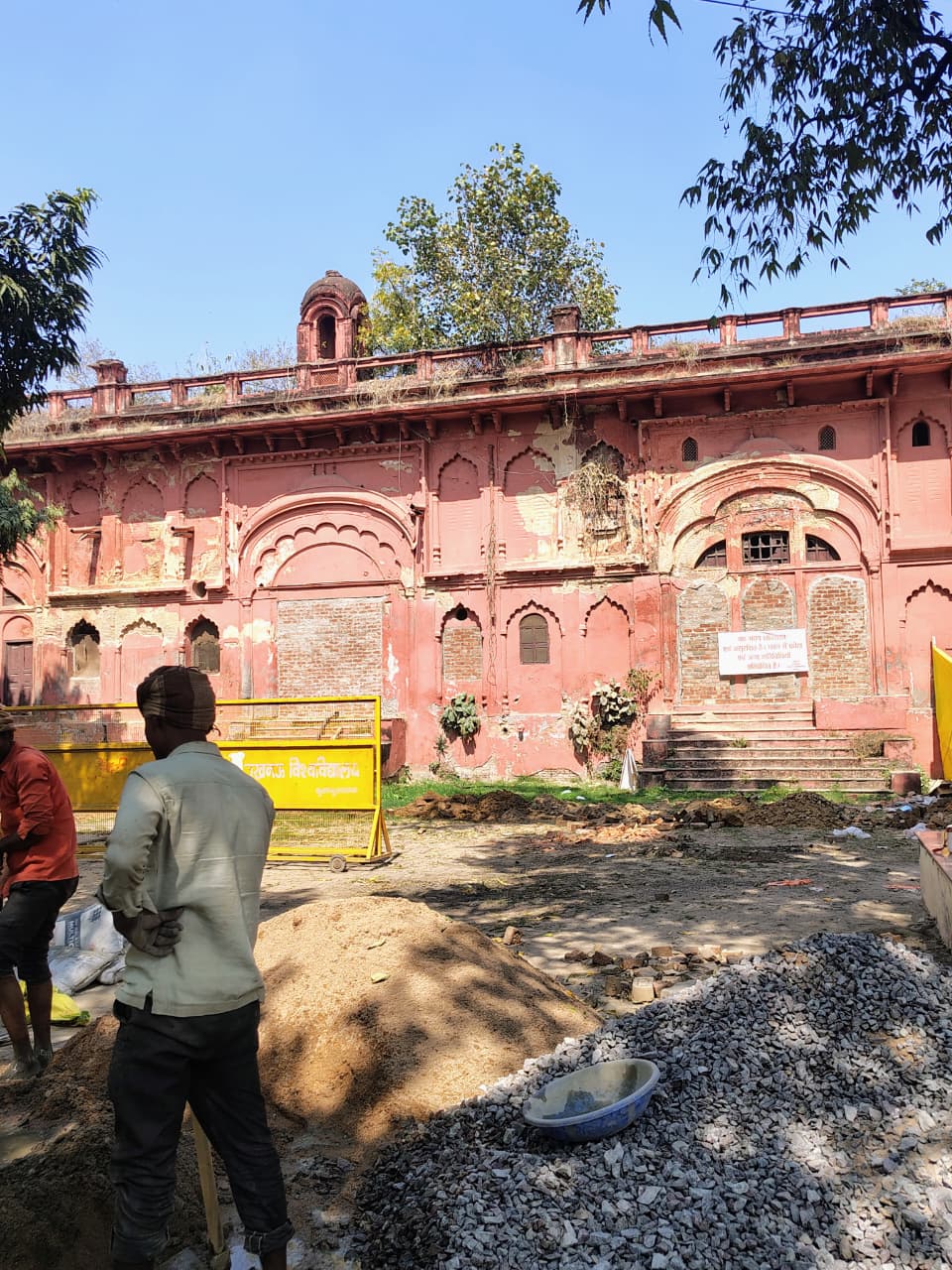
University officials said the Lal Baradari mosque was fenced off for safety reasons, the Indian Express reported. They claimed the medieval site was dilapidated and that fencing was installed to prevent people entering a potentially unsafe building.
However, students pointed out the mosque was fenced off soon after a visit to the university by Mohan Bhagwat, leader of the RSS, the mothership of the Sangh Parivar, and Pankaj Chaudhary, state president of the BJP.
“The building was sealed shut days after their visit without any executive order, illegally,” claims Shantam Nidhi, a master’s student. “This is totally ideological and RSS is targeting Muslims. The entire politics of RSS and BJP is hate politics.”
Advertisement
The Independent has reached out to the RSS, BJP and Bajrang Dal, as well as the university’s proctor, for comment.
“When I asked a professor why it had been sealed, he said he had no idea. By then police had come. I kept asking but no one told me anything. So I sat on a protest there. And I said if you have any notice to close it, then show it to me,” Taukeel Gazi, another student, says. “But the administration has so far not shown any such thing.”
Gazi had been praying at the mosque since 2020 and the practice predated him by decades. “I have completed my graduation and post-graduation from this university and, for about five years, I have been offering namaz here,” he says. “For about 100 years, people have been offering namaz here.”
Lal Baradari mosque (Supplied)
That evening, Muslim students gathered outside the mosque to offer prayers. “Out of a lack of options, I had to offer Namaz outside. And the Hindu friends formed a human chain,” Gazi says.
Among those present was former Lucknow University student Shubham Kumar. “The Lal Baradari mosque is under the Archaeological Survey of India and not the university. For several years, our Muslim friends had been offering namaz there,” Kumar, who is now the state secretary of the National Students Union of India, an affiliate of the main opposition Congress party, tells The Independent.
Advertisement
“We were concerned that if our brothers read namaz outside the mosque, then police might charge them with batons and the right-wing groups might also assault them. So we thought that if there was an attack, then at least it would be first on us – those forming the human chain – and hopefully our friends offering namaz would not be assaulted while in prayer.”
Tensions flared when members of a student organisation affiliated with the RSS arrived at the site and shouted slogans. Police were then deployed on the campus to prevent clashes.
Students eventually ended the protest after submitting a memorandum to university authorities, though notices summoning participants to appear before a magistrate were subsequently issued. The mosque remains shut.
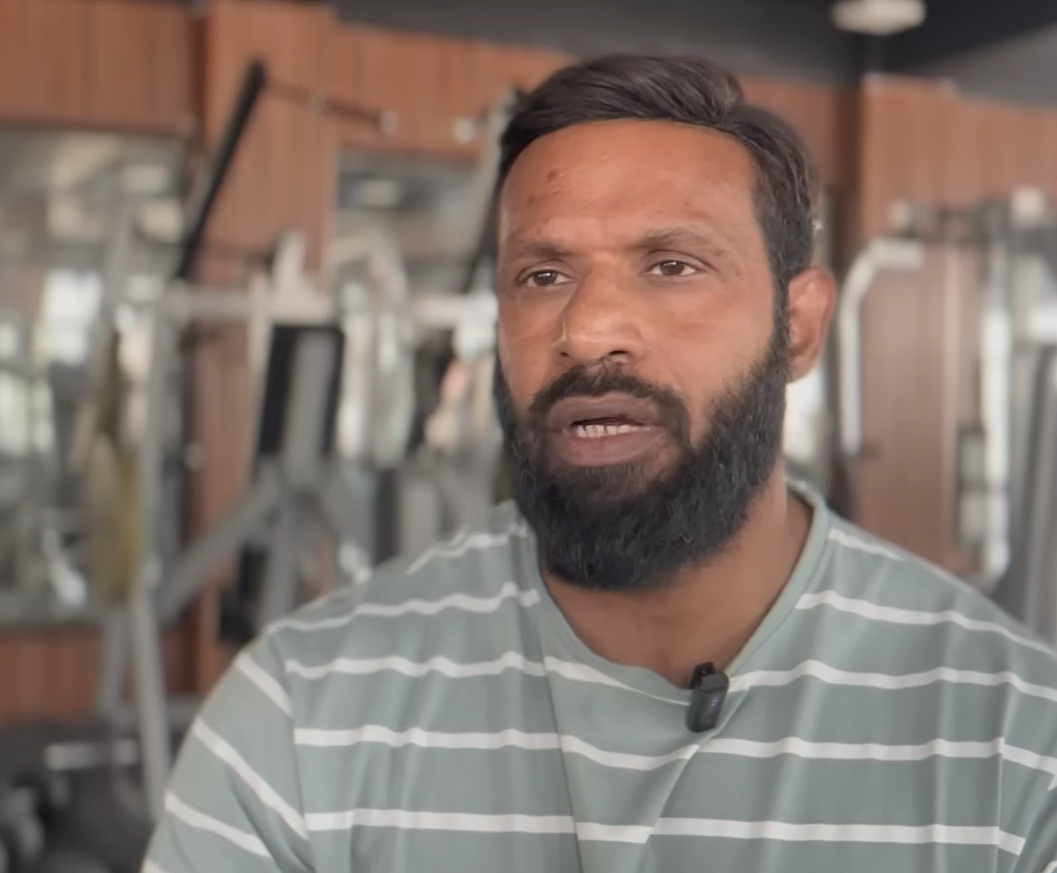
Deepak Kumar, a gym trainer in India who stood up for a Muslim shopkeeper in Uttarakhand, has become a national ‘hero’ (BBC News Hindi/YouTube)
The Lucknow University protest is being seen as just one in a series of incidents where ordinary citizens stand up for others in their community, regardless of their respective religions.
Another took place in the western state of Rajasthan when villagers publicly challenged what they saw as the discriminatory conduct of a former ruling party lawmaker.
Advertisement
Former BJP parliamentarian Sukhbir Singh Jaunapuria arrived in the village of Kareda Buzurg in February to distribute blankets, only to deny them to Muslim women.
According to local media reports, the women were asked their names before blankets were handed out. Any who gave names likely to identify them as Muslims were reportedly told to move aside.
One of the women, Shakuran Bano, in her 60s, told The Print she felt humiliated. “I didn’t want any blanket. But there was no need for this humiliation,” she said. “It was humiliating. He simply said he will not give blankets to Muslims.”
Bano says she attended the event at the urging of a neighbour and didn’t know that blankets would be distributed.
Advertisement
She says the organisers told the Muslim women to sit separately and Jaunapuria allegedly remarked that “those who abuse Modi have no right” to receive blankets, apparently referring to India’s prime minister. “Why would I abuse Modi? When did he hear me abuse him?” Bano asked.
What made the episode notable, however, was the reaction from the Hindu villagers.
Many reporteldy confronted the former lawmaker, asking why Muslim women had been singled out.
“More than Muslims, it is Hindus who are angry,” Hanuman Chaudhary, whose wife is the elected village head, told the Indian Express.
Advertisement
The villagers later burned Jaunapuria’s effigy in protest.
Badrilal Jaat, a village elder, told The Print the community had long maintained religious harmony.
“There is no discord between Hindus and Muslims in our village, never happened in generations,” he told the outlet.
“When an outside person comes and tries to sow such seeds, we have to come forward to protest. We celebrate Diwali, Holi and Eid together. We don’t differentiate.”
Advertisement
Jaunapuria has spoken out to defend his conduct, saying the blankets were part of a personal initiative for his party’s workers.
“We had made a list of about 200 women party workers and had not invited them,” he said, referring to the Muslim women who attended.
“These people were taking blankets meant for us and our people,” he added, denying the decision was motivated by communal discrimination.
Heartening as scattered acts of solidarity like these are in a country struggling with incidents of religious disharmony and at times violence, Indian scholars say they should be seen in a larger context.
Advertisement
“I would still treat them as exceptions,” Apoorvanand, a professor at Delhi University, tells The Independent. “It requires extraordinary courage to stand before a group of goons.”
Fear of violence or retaliation often deters intervention, he adds. “If you’ve three or four goons before you, you normally don’t want to get in trouble,” he says. “If people think that police is with them [those doing the discriminating], then it becomes very difficult to take a stand because they will have to pay a very heavy price.”
He argues the apparent rise in incidents of solidarity of late may partly reflect social media visibility rather than a deeper shift.
“I think that’s a social media virality factor. I still don’t think that we can describe it as early signs of a turning tide,” he says.
Advertisement
What will make a difference, he says, is common people feeling confident that police will stand with them in such instances.
For the students who stood outside Lal Baradari during the mosque protest, the consequences feel immediate.
Shubham Kumar says the episode has already altered the campus atmosphere. “From a place where one goes to study,” he says, “the campus has become a religious battleground.”
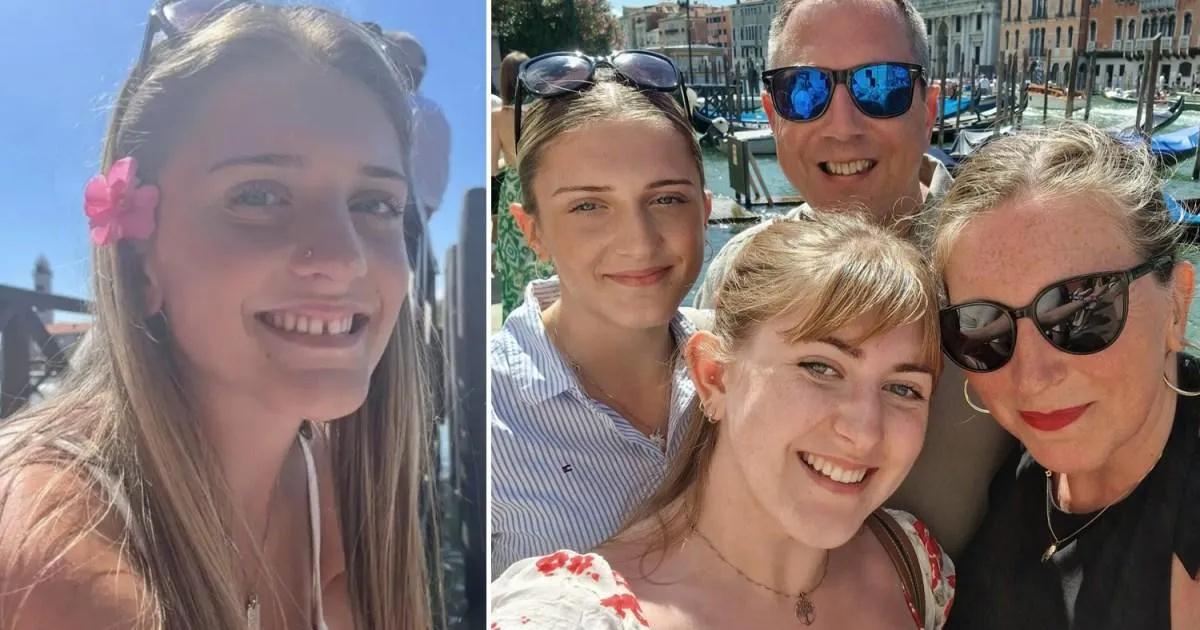
Juliette Kenny’s meningitis B infection became life-threatening quickly after her first symptoms appeared (Picture: Family handout/PA)
The family of a sixth form student killed by the Kent menB outbreak have spoken about her last moments trying to fight the infection.
Juliette Kenny, 18, was the second victim of the outbreak which began to spread in Kent last week after a University of Kent student died of the infection linked to the same strain of meningococcal B.
Juliette, a Year 13 student at Queen Elizabeth’s Grammar School in Faversham, died on Saturday, March 14, just one day after her first symptoms appeared.
Her dad, Michael Kenny, said she was ‘fit, healthy and strong’ before her death.
Advertisement
Thousands of people have received antibiotics against menB preventatively across Kent (Picture: Gareth Fuller/PA Wire)
Sign up for all of the latest stories
Start your day informed with Metro’s News Updates newsletter or get Breaking Newsalerts the moment it happens.
Students were given the meningitis B jab at the University of Kent sports hall yesterday (Picture: Getty Images)
She had even completed a practical assessment for her PE A-level on Thursday, March 12.
Mr Kenny said: ‘In the morning on Friday, she was taken, by us, to our local emergency drop-in as a discolouration appeared on her cheeks.’
The teen was not showing any symptoms at the time, but she was given antibiotics and taken to an A&E in an ambulance.
Advertisement
But her condition worsened quickly, which is typical for meningitis as it can progress from mild to life-threatening within hours.
Advertisement
‘Juliette fought bravely for hours, but despite the fantastic NHS hospital staff fighting alongside her, meningitis took her from us less than 12 hours later,’ her dad said.
‘We were with her at the end, and the last sounds that she heard were the voices of those who loved her telling her how very much loved and cherished she is.’
He said the ‘devastation’ of her death is ‘immeasurable’ and something ‘no family should experience.’
‘Sharing stories of the empathy, warmth and fun that she created is helping her family and friends through at this time. Her energy continues to make the people who love her find a way.
Advertisement
‘The illness took her from us so quickly.’
Mr Kenny said his daughter had ‘beautifully positive energy,’ and he wanted her legacy to be ‘lasting change.’
Juliette’s grandmother, Linda Kenny, told the Daily Mail said she struggles to talk about the tragedy or ‘otherwise I will cry.’
Advertisement
‘We are all on antibiotics because we were with Juliette in hospital when she passed away,’ she added.
Vaccination sites and pharmacies have reported dwindling supply, with some places in Kent having to close lines early after medicines ran out yesterday.
In Kent alone, more than 8,500 antibiotics and 1,600 jabs have been given out to eligible people.
Juliette’s family have joined the Meningitis Research Foundation in calling for the government to improve access to menB vaccinations for teens and young people.
Advertisement
The majority of young people born before 2015 are not protected against menB infection unless they have had the vaccination privately. A private vaccination can cost up to £240 for the full two doses.
“Higher oil and gas prices would lift North Sea revenues, and stronger inflation could boost receipts from VAT and frozen tax allowances, but those gains would likely be outweighed by the damage to tax revenues from weaker growth and higher public spending on welfare, debt interest costs, and pressure for fiscal support for households and energy-intensive businesses.”
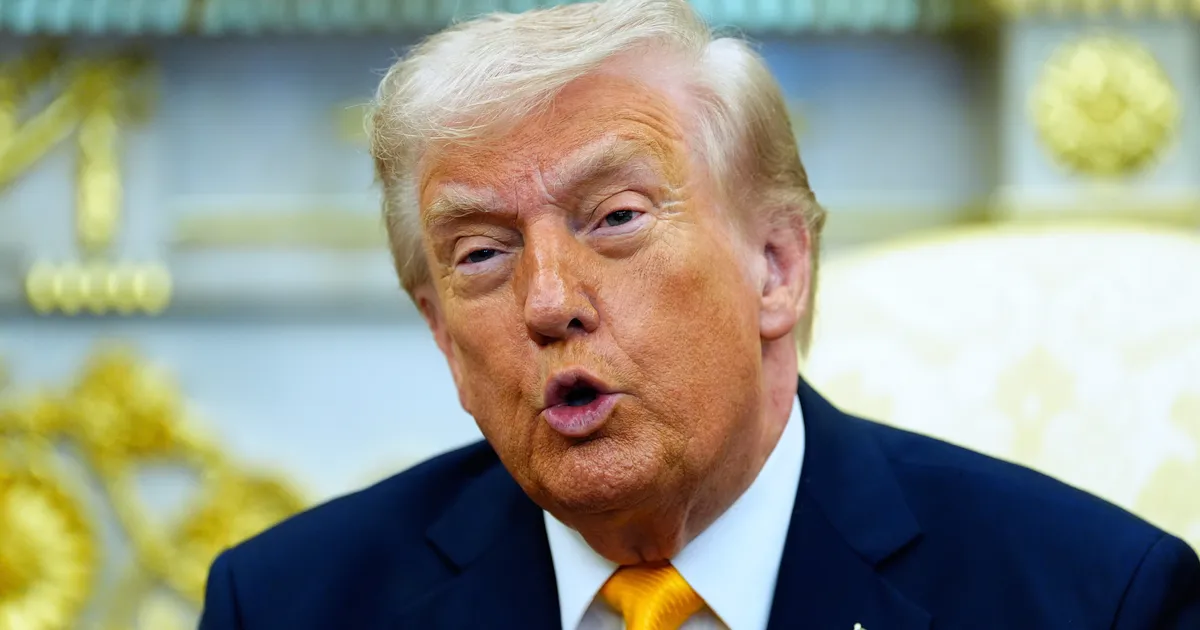
A BBC expert has explained why the war is going wrong for Donald Trump – and why there appears to be no end to the conflict in sight.
Frank Gardner, the corporation’s highly-experienced security correspondent said American officials would have expected the regime in Tehran to have been defeated by now.
The US and Israel began bombing Iran nearly three weeks ago, and Trump has already declared victory on several occasions.
Nevertheless, the fighting is still going on, with Iran rataliating by attacking neighbouring countries in the Gulf.
Advertisement
Speaking on Radio 4′s Today programme, Gardner said “the Israelis have still got a pretty long list of targets they want to work their way through” in Iran, meaning the war is set to continue for a long time.
“They seem to be more aggressive than the Americans on this campaign,” he said.
“Donald Trump has got constraints on him that the Israelis don’t have.
“He was elected into office precisely not to do this kind of thing, to get dragged into a conflict with no easy off-ramps that’s got huge unintended consequences, like the partial closure of the Strait of Hormuz, the driving up of oil and gas prices and instability in the area.
Advertisement
“He’s got his Gulf Arab allies saying ‘what are you doing? This is mayhem in our area’.”
Gardner added: “There must have been a presumption in both US central command and the White House that the sheer shock and awe of US military firepower, which is vastly superior to what Iran can muster … and yet the Islamic republic regime has neither crumbled nor capitulated.
“There must have been expectation that by hitting so many commanders, so many [Iranian regime] bases, taking out all their missile launchers, that they would just throw up their hands in despair and say ‘OK, we give up, what are your demands’. That hasn’t happened.
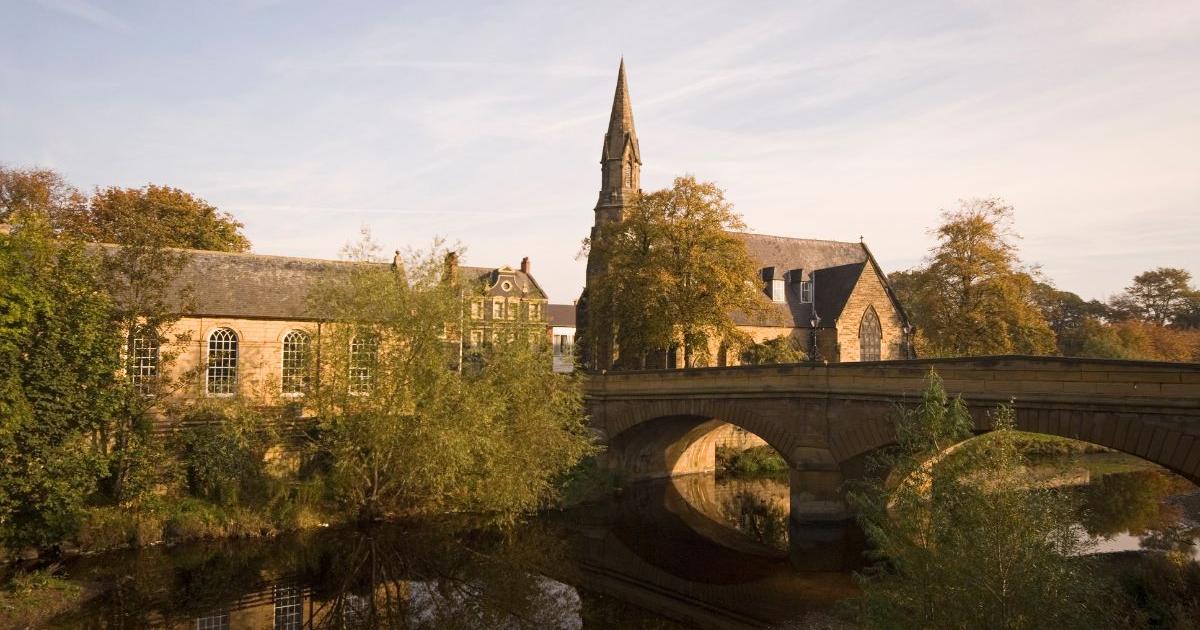
It’s the second year in a row that Morpeth, situated near the coastal areas of Ashington and Bedlington, was crowned among the UK’s top spots in the publishers’ widely recognised guide, which saw Skipton in North Yorkshire claim the winning title.
The area, known as a “place of pilgrimage” for those coming to pay their respects to suffragette Emily Wilding Davison, has also recently been hailed one of England’s most underrated county towns by The Telegraph.
Morpeth’s ‘community-spirited residents have plenty to shout about’
But why has Morpeth been named among the best places to live in the region for 2025 and 2026?
Commenting on this year’s findings, The Sunday Times judges shared: “Morpeth’s community-spirited residents have plenty to shout about: a new £21 million leisure centre, easy access to Newcastle and Northumberland’s best beaches and some excellent schools.
Advertisement
“The town’s choir groups and book festival are thriving and there are also crafting groups, dance and basketball clubs, a bouldering centre and a panto society.”
This follows last year’s praise from the publisher, which hailed Morpeth as “Britain’s friendliest market town”.
It said: “Every shopkeeper treats you like a long-lost friend, and the tails of the dogs (there are lots of them) are constantly wagging.
Advertisement
“Tranquil, yes. Backwater-ish, no. Even on a Monday morning in February, there is a purposeful bustle in the air and a lunchtime queue has already built up outside the Italian restaurant Lollo Rosso.”
The Telegraph also revealed that the most popular houses were to the north, on streets such as De Merley Road, Kings Avenue and Dacre Street.
Recent Rightmove data for house prices in Morpeth shows the market town had an overall average of £292,492 over the last year.
The property experts added: “The majority of properties sold in Morpeth during the last year were semi-detached properties, selling for an average price of £258,071.
Advertisement
This North East market town has made The Sunday Times’ annual property guide in 2025 and 2026 (Image: Getty Images/iStockphoto)
“Detached properties sold for an average of £398,376, with terraced properties fetching £223,422.
“Overall, the historical sold prices in Morpeth over the last year were similar to the previous year and similar to the 2023 peak of £289,725.”
Best places to live in the North and North East of England for 2026
Here are all the best places to live in the North and North East of England for 2026, as revealed by The Sunday Times:
Skipton, North Yorkshire
Howardian Hills, North Yorkshire
Leeds city centre
Morpeth, Northumberland
Newcastle: Gosforth
Saltburn-by-the-Sea, North Yorkshire
Slaithwaite, West Yorkshire
York
In total, 72 places across the UK were selected by The Sunday Times to showcase the best of Britain, with Norwich, Norfolk named the overall national winner.
The Sunday Times’s expert judges visited all the locations and assessed factors from schools to transport, broadband speeds and mobile signal to amenities, as well as access to high-quality green spaces and the health of the high street.
There are more new entries than ever before in this year’s guide.
As always, the judges looked for thriving locations with a strong sense of community rather than famous names with high house prices.
Advertisement
Helen Davies, editorial projects director and Best Places to Live editor, commented: “This guide is a great opportunity to highlight the best places in Britain.
“It is full of places that show that our village, town and city centres can still be full of life, as well as places bursting with natural beauty, culture, connectivity and most importantly a sense of community.
“Our expert team of judges visit every location on the list and talk to the locals to find out what they love about the place they live.
“These judges have traveled the length and breadth of the UK, from the Scottish Highlands to the Cornish coast, selecting the top towns and villages, suburbs and cities for the 2026 guide.
“One thing all our chosen locations have in common is that the people who live in them are proud to call them home.”
Advertisement
The guide is published online today (March 20), with an abridged version appearing as a magazine supplement on Sunday (March 22).
Have you visited Morpeth recently or do you live there now? Let us know in the comments below.
Linlithgow has emerged as the top choice in the 2026 Sunday Times Best Places to Live guide.
A historic West Lothian town has been named as Scotland’s best place to live.
Advertisement
Linlithgow has emerged as the top choice in the 2026 Sunday Times Best Places to Live guide.
The town is perhaps best known for the ruins of Linlithgow Palace, where Mary, Queen of Scots was born. Judges praised it as a “family-friendly hotspot that’s the perfect spot for commuters to Edinburgh or Glasgow who want clean air and a village mentality”.
Describing it as a “central belter”, the Sunday Times said residents “can’t get enough of the medieval high street, outstanding schools and the great outdoors”.
The judges added: “It’s the kind of town where the lollipop men know everyone’s names and have treats for the dogs, and competition is fierce in the famous annual cardboard boat race down the pretty Union Canal.
“Non-commuters have all the more time to enjoy the 180 shared interest groups, community-owned ski slope, theatre productions and jazz concerts or get involved in the community development trust.”
Linlithgow was one of seven Scottish places to make the Sunday Times list.
Helen Davies, editorial projects director and Best Places to Live editor, says: “This guide is a great opportunity to highlight the best places in Britain. It is full of places that show that our village, town and city centres can still be full of life, as well as places bursting with natural beauty, culture, connectivity and most importantly a sense of community.
“Our expert team of judges visit every location on the list and talk to the locals to find out what they love about the place they live.
“These judges have travelled the length and breadth of the UK, from the Scottish Highlands to the Cornish coast, selecting the top towns and villages, suburbs and cities for the 2026 guide.
“One thing all our chosen locations have in common is that the people who live in them are proud to call them home.”
TALLINN, Estonia (AP) — Belarus’ authoritarian President Alexander Lukashenko on Thursday ordered the release of 250 political prisoners as part of a deal with Washington that lifted some U.S. sanctions, the latest step in the isolated leader’s effort to improve ties with the West.
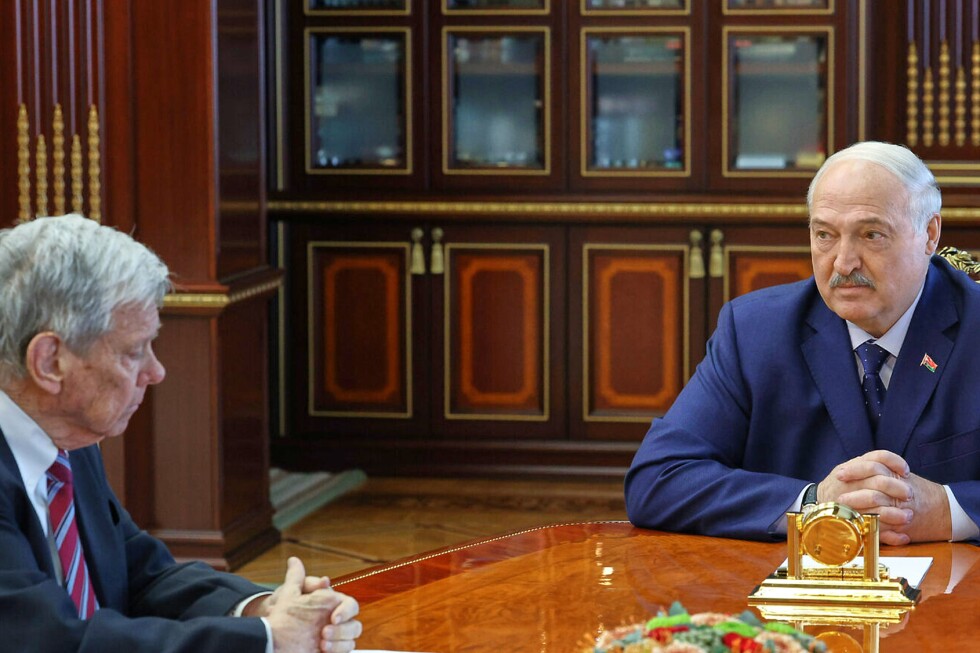
Lukashenko pardoned the prisoners after meeting with U.S. President Donald Trump’s special envoy for Belarus, John Coale, in the Belarus capital of Minsk. Coale hailed the release as a “significant humanitarian milestone” and a testament to Trump’s “commitment to direct, hard-nosed diplomacy.” It marked the largest one-time release of political prisoners in the country.
Coale told reporters that the U.S. will lift sanctions from two Belarusian state banks and the country’s Finance Ministry, and that the top Belarusian potash producers have been removed from a sanctions list.
Belarus’ opposition leader-in-exile, Sviatlana Tsikhanouskaya, hailed the prisoners’ release as “a moment of great relief and hope.”
Advertisement
“After years of isolation, people are now free and can finally embrace their loved ones,” Tsikhanouskaya told The Associated Press. “There is nothing more powerful than seeing someone who endured unjust imprisonment reunited with their family.”
She thanked Trump and his officials for their “tireless efforts to secure the release of political prisoners,” adding that “these humanitarian efforts are saving lives.”
The last time U.S. officials met with Lukashenko, in December, Washington announced the easing of sanctions on Belarus’ potash sector, a key source of export revenue, and 123 prisoners were released and sent to Ukraine and Lithuania.
A close ally of Russia, Minsk has faced isolation for years. Lukashenko has ruled the nation of 9.5 million with an iron fist for more than three decades, and the country has been sanctioned repeatedly by Western countries — both for its crackdown on human rights and for allowing Moscow to use its territory in the full-scale invasion of Ukraine in 2022.
Advertisement
Lukashenko’s rule was challenged after a 2020 presidential election, when tens of thousands poured into the streets to protest a vote they viewed as rigged. They were the largest demonstrations since Belarus became independent following the 1991 collapse of the Soviet Union.
In an ensuing crackdown, tens of thousands were detained, with many beaten by police. Prominent opposition figures either fled the country or were imprisoned.
Five years after the mass demonstrations, Lukashenko won a seventh term last year in an election that the opposition called a farce.
Trump spoke to Lukashenko by phone in August 2025 after one such release and even suggested a face-to-face meeting in what would be a big victory for the Belarusian leader, who has been dubbed “Europe’s Last Dictator.”
Dzianis Kuchynski, an adviser to Tsikhanouskaya, said that 15 of the 250 prisoners arrived in Lithuania following their release.
They included Valiantsin Stefanovich and Marfa Rabkova of the prominent Belarus human rights group Viasna. Stefanovich was serving a nine-year sentence on charges of smuggling money to finance activities violating the public order after his arrest in 2023. Rabkova was sentenced to 14 years and nine months following her 2020 arrest and conviction on charges of organizing riots and inciting hatred, accusations widely seen as a punishment for documenting human rights abuses.
Nasta Loika, 37, an activist with the international rights group Human Constanta, was also released. She was sentenced to seven years in prison after her arrest in 2022 on charges of organizing mass unrest and inciting hatred – charges widely seen as retaliation for her activism.
Advertisement
Also freed was Katsiaryna Bakhvalava, 32, who also goes by the last name of Andreyeva, a journalist of the Polish-funded Belsat TV channel who was arrested in 2020 while covering mass anti-government protests in Minsk. She was sentenced to more than eight years in prison on convictions for violating public order and treason.
Eduard Palchys, a 35-year-old opposition blogger, was also among those pardoned by Lukashenko. He was convicted of causing harm to Belarus’ national security and organizing mass unrest over his role in coordinating the demonstrations in 2020. and sentenced to 13 years in prison.
Like previously released prisoners, they were all sent to Lithuania without passports or other identity papers. Kuchynski denounced it as a “mockery” by Belarusian authorities seeking to make the lives of the released prisoners more abroad more difficult.
Just before the latest announcement of releases, the Viasna group had estimated that there were more than 1,100 political prisoners in the country.
Advertisement
Tsikhanouskaya emphasized that “many people are still behind bars” and “our goal remains unchanged — to free them all and to put a final end to repression, so that every Belarusian can live freely in their own country.”
Red Nose Day returns to BBC One on Friday, March 20 with Davina McCall, Joel Dommett and Catherine Tate presenting Comic Relief: Funny for Money from 7pm – here’s everything you need to know about the telethon
Red Nose Day is making a comeback this week with Comic Relief: Funny For Money.
Advertisement
The annual charity spectacle will be broadcast live on BBC iPlayer and BBC One from MediaCityUK in Salford, promising a night filled with humour and entertainment to raise funds for providing food, shelter, and safety.
The telethon is set to feature live performances, fantastic prizes, surprise guest appearances, and must-watch sketches. In a first for Comic Relief, the show will also be live-streamed on the official BBC YouTube channel.
This year’s special guests include Idris Elba, reprising his role as DCI John Luther, joining Alison Hammond and Dermot O’Leary in the hilariously suspenseful sketch The Bank Job.
Catherine Tate will co-host the show alongside regular presenter Davina McCall, appearing as Nan from The Catherine Tate Show. Here’s everything you need to know ahead of the renowned telethon, reports the Mirror.
Advertisement
Comic Relief start and finish time
Comic Relief: Funny for Money will air live on BBC iPlayer and BBC One on Friday, March 20, and for the first time ever, it will be simultaneously live-streamed on the official BBC YouTube channel.
Viewers can tune in at 7pm to watch the spectacle unfold, with co-host Joel Dommett promising one of the “best openings to Comic Relief ever.”
The telethon will run for three hours on BBC One, then at 10pm, the Red Nose Day fun will move over to BBC Two where Romesh Ranganathan will host a special episode of Comic Relief Does The Weakest Link.
Advertisement
Comic Relief presenters
Returning to present once more is Davina McCall, who will anchor the entire evening’s entertainment.
She will be accompanied in hosting responsibilities by Katherine Ryan, Nick Mohammed, Joel Dommett, and Catherine Tate (as Nan from The Catherine Tate Show).
Discussing the presenting lineup, Davina remarked: “What’s so nice is that I’m hosting with Joel Dommett, and Joel’s actually one of my best friends! So, it’s so nice to be presenting with him. Knowing that I’m with him whilst also presenting with Nan (Catherine Tate) is very reassuring, because actually, I am mildly terrified of Nan if I’m honest!”.
Advertisement
“How I’m going to stop her from swearing, I just don’t know! Obviously ‘please do not swear’ was my catchphrase – so I’m going to have to stay on my toes. Katherine Ryan, I love. I mean, Nick Mohammed, I was obsessed with Ted Lasso so I’m so excited about working with him. It’s going to be an amazing, amazing night.”
Comic Relief sketches and cameos
The BBC has pledged “some very special cameo guests” and comedy segments. Thus far, the broadcaster has announced sketches featuring several of its most popular programmes, including The Traitors, and Amandaland, alongside The Bank Job, starring Alison Hammond and Dermot O’Leary.
The sketch will feature the duo devising a plan to generate enormous sums of money in an incredibly swift, absurd manner by robbing a bank. They’ll be accompanied on the robbery by Chris McCausland, Stephen Mulhern, Shona McGarty, Niko Omilana, Gladiator’s Sabre, and Natalie Cassidy.
The BBC stated: “Who will stay on the right side of the law? Who will put their (questionable! ) intelligence, strategic prowess and artful deftness to the test in a bid to become 2026’s most-wanted bank robber? And how will they fare now that DCI John Luther is on the case?”.
Advertisement
The programme will also showcase the remarkable challenges undertaken by celebrities in the run-up to Red Nose Day, including Radio 1 DJ Greg James, who is presently tackling a 1,000km tandem bicycle journey across the UK to raise funds.
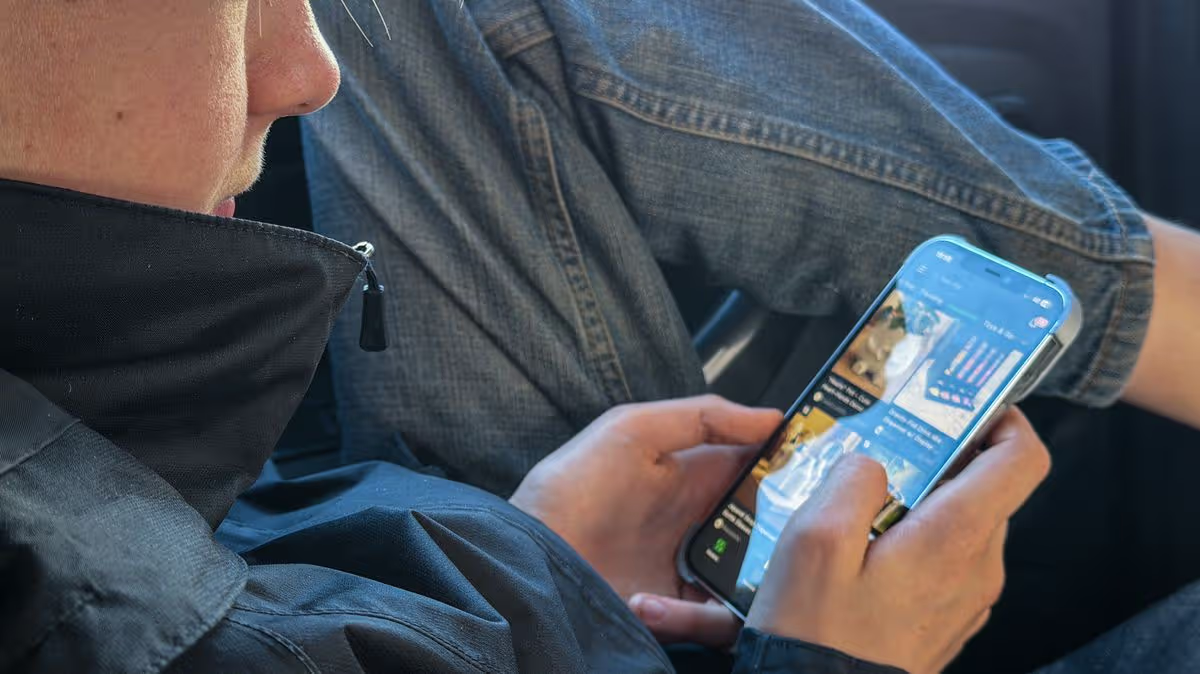
Inaccurate social media posts about attention deficit hyperactivity disorder (ADHD) and autism have been linked to a rise in young people believing they have neurodevelopmental conditions, an expert has said after a new study highlighted the levels of misinformation online. Researchers said their findings present a “clear need for action” for more high-quality information to be shared on social media and “strengthened content moderation”.
Experts from the University of East Anglia (UEA) and Norfolk and Suffolk NHS Foundation Trust set out to examine the quality of mental health and neurodivergence information on social media by reviewing all relevant studies on the topic relating to posts on YouTube, TikTok, Facebook, Instagram and X. They included 27 studies concerning 5,057 social media posts.
The rate of misinformation ranged from 0% for videos analysed on anxiety and depression from YouTube Kids to 56.9% for claustrophobia videos on YouTube, the authors wrote in The Journal of Social Media Research. The researchers said misinformation prevalence was “consistently higher on TikTok than other platforms”.
Advertisement
YouTube Kids was the only platform to have no misinformation on some topics “likely due to the implementation of stricter content moderation and prioritisation of child-friendly content”, the authors said. Dr Alice Carter, from UEA, said: “When we looked closely at TikTok content, studies reported that 52% of ADHD-related videos and 41% of autism videos analysed were inaccurate.
“By contrast, YouTube averaged 22% misinformation while Facebook averaged just under 15%.”
The research team found that posts about ADHD and autism were more likely to contain misinformation compared to mental health topics. Dr Eleanor Chatburn, from UEA’s Norwich Medical School, said: “Mental health information on social media matters because many young people now turn to these platforms to understand their symptoms and possible diagnoses.
Advertisement
“TikTok content has been linked to young people increasingly believing they may have mental health or neurodevelopmental conditions. While this questioning can be a helpful starting point, it’s important these questions lead to proper clinical assessment with a professional.
“As well as leading to misunderstanding of serious conditions and pathologising ordinary behaviour, misinformation can also lead to delayed diagnosis for people that actually do need help.”
The researchers found that content created by health professionals was more likely to be accurate. Dr Carter added: “While lived-experience can play an important role, with personal stories helping people to feel understood and raising awareness of mental health conditions, it is vital to ensure that accurate and evidence-based information from clinicians and trusted organisations is also visible and easy to find.
“TikTok’s algorithms are also designed to push rapidly engaging content and this is a major driver of misinformation. Once users show interest in a topic, they are bombarded with similar posts – creating powerful echo chambers that can reinforce false or exaggerated claims. It is a perfect storm for misinformation to go viral faster than facts can catch up.”
The authors called for better evidence-based content and improved content moderation to tackle misinformation on social media.
Judith Brown, head of evidence and research at the National Autistic Society, said: “This study demonstrates how rapidly misinformation can spread on social media platforms, highlighting the importance of evidence-based advice and guidance from organisations such as the National Autistic Society.
“Our online information undergoes a robust process before publication to ensure it is accurate, evidence-based and up to date. The rise of online misinformation about autism is a serious issue.
Advertisement
“People are being exposed to inaccurate and unreliable information which can lead to stigma and prejudice, and could also prevent them from seeking support. Social media companies should think about how to improve their platforms to prevent the spread of misinformation.
“People should be wary of information they find and know that it does not replace a professional assessment for autism, which can provide a life-changing diagnosis and access to appropriate support. Anyone who wants to learn more about autism should visit trusted sources such as the NHS website or autism.org.uk”
A TikTok spokesperson said: “This is a flawed study that relies on outdated research about multiple platforms. The facts are that we remove harmful health misinformation and provide access to reliable information from the WHO, so that our community can express themselves about what matters to them and find support.”
A Government spokesperson said: “Accurate, credible information about mental health and neurodevelopmental conditions is essential – misinformation can cause real harm and delay people from getting the help they need. Our free NHS-approved Every Mind Matters programme provides practical support, and we have launched an independent review to transform ADHD and autism services and cut waiting lists.
Advertisement
“Platforms have a responsibility to act. Under the Online Safety Act, they must tackle illegal content and content that is harmful to children, or face enforcement action. We expect them to take that responsibility seriously.”
Cost of reaching net zero ‘cheaper than oil price shock’
As the Middle East conflict threatens global oil supplies, timely analysis finds that achieving net zero in the UK will be cheaper than staying hooked on fossil fuels during such a crisis.
In its latest report, the UK’s independent Climate Change Committee (CCC) put the cost of reaching net zero by 2050 at £4bn a year, or £100bn in total. This, it added, was equivalent to the energy-related costs following Russia’s invasion of Ukraine.
The fallout from the war in Iran is likely to be an ever greater shock, analysts warn. The closure of the Strait of Hormuz, a choke-point for oil shipments, is already hiking up energy prices globally.
Advertisement
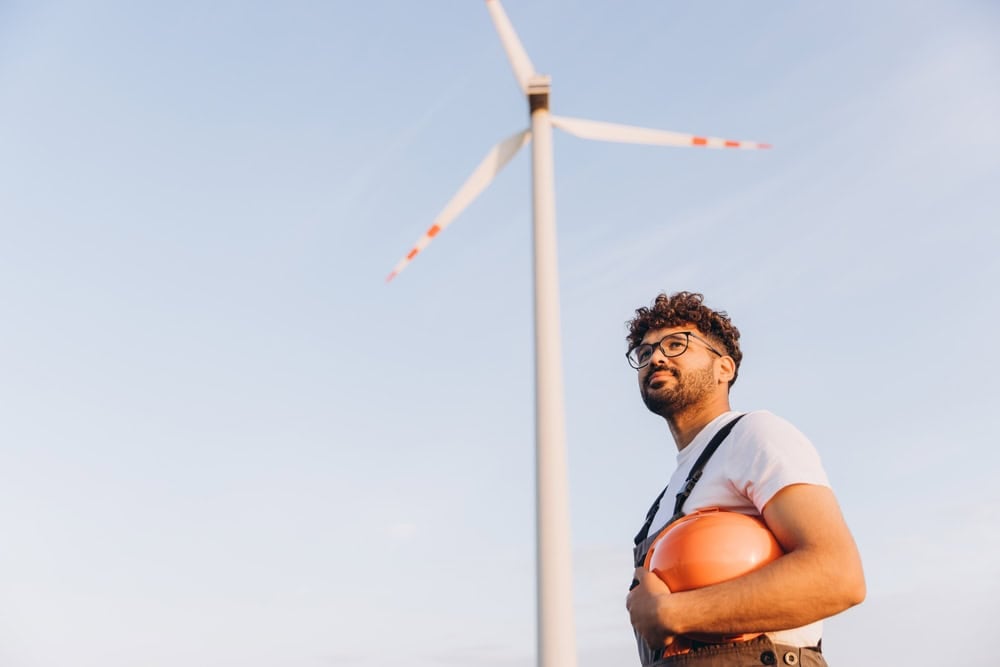
“In light of current world events, it’s more important than ever for the UK to move away from being reliant on volatile foreign fossil fuels, to clean, domestic energy,” said Nigel Topping, the CCC’s chair .
While the war in Iran has sparked calls from some politicians to ramp up domestic fossil fuel production in the UK, analysis from Carbon Brief – also published this week – finds that doing so would have a negligible impact on energy security.
“The continued expansion of renewables and low-carbon technologies offers far greater protection against volatile gas imports than new domestic drilling,” it found.
*Astro line horoscopes are updated every Thursday. Calls cost 65p per minute plus your telephone company’s network access charge and will last approximately five minutes. You must be over 18 and have the bill payer’s permission. Service provided by Spoke. Customer service: 0333 202 3390













































You must be logged in to post a comment Login