NewsBeat
Only 5% of high risk breast cancer cases spotted in referral rules

GP referral criteria for women at risk of breast cancer miss up to 95% of under-50s who develop the disease within a decade, analysis suggests.
Earlier identification of high-risk individuals could significantly improve treatment and prevention, experts say.
Breast cancer is one of the leading causes of death in women under 50 in the UK.
In England, GPs refer women for specialist assessment based on family history and National Institute for Health and Care Excellence (NICE) criteria.
University of Cambridge researchers analysed data from 1,258 women under 50 in the Breast Cancer Now Generations Study (2004-2011).
It suggests that the Nice criteria miss up to 95% of women in this age group who have a higher-than-average risk of breast cancer, and 95% of women who go on to develop the disease within 10 years.
Using a new risk assessment system, experts identified eight times as many women in the age group who developed breast cancer.

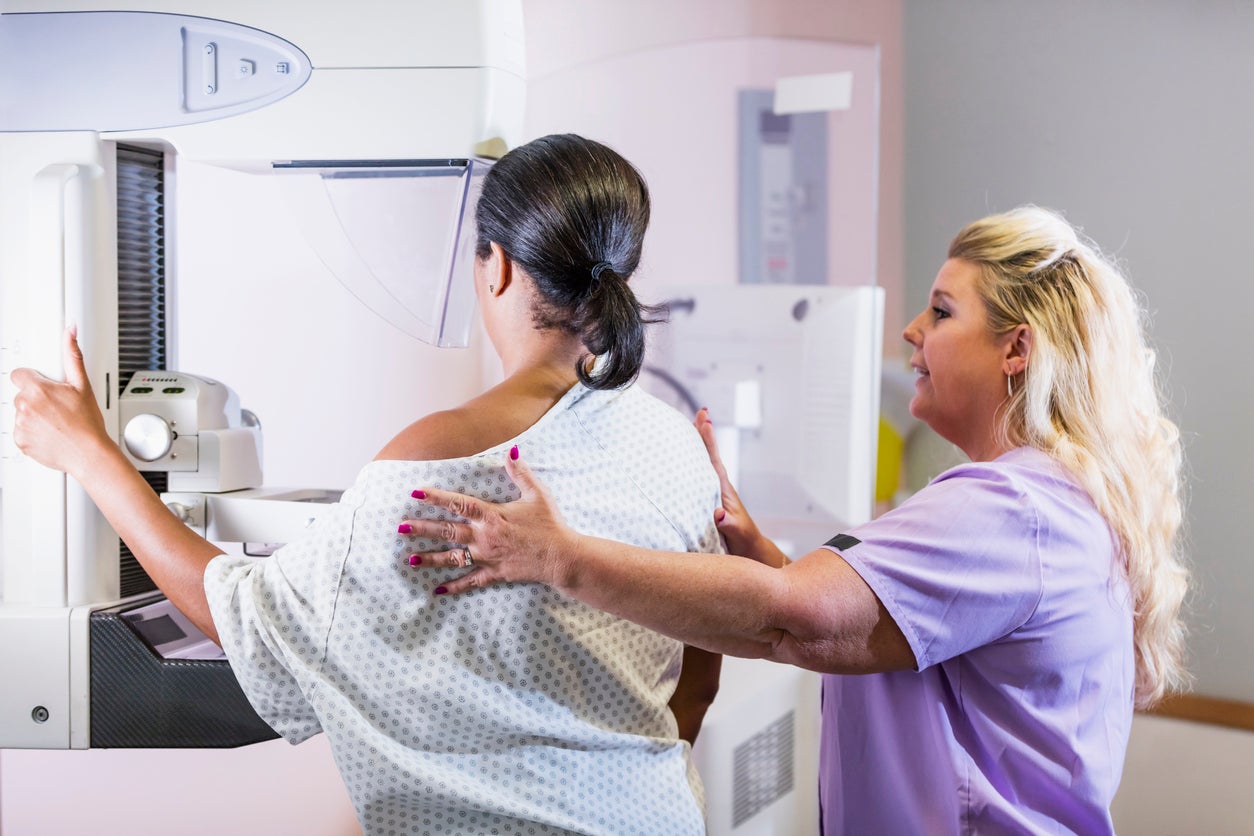
The tool, known as Boadicea, looked at factors such as family history, reproductive history, lifestyle and genetics.
The analysis, published in the British Journal of Cancer, suggests that using the Boadicea model for all women under 50 would lead to 26.5% being classed as above-population level risk and referred for further assessment.
This includes almost 35% of women under 50 who develop breast cancer within a decade.
Meanwhile, researchers found the current Nice criteria would result in 1.4% women being referred for tests, including 4.4% who go on to develop breast cancer.
Dr Juliet Usher-Smith, of the department of public health and primary care at the University of Cambridge, said: “We need to get better at identifying women at highest risk of breast cancer so that we can intervene early, when there are more options for treating, or even preventing, their disease.
“The current Nice criteria used in general practice are missing up to 95% of women under 50 who will go on to develop breast cancer.
“It’s time to look again at these criteria in the light of our findings.”
Dr Simon Vincent, chief scientific officer at Breast Cancer Now, which supported the study, said: “Finding new ways to identify women at increased risk could help to prevent some breast cancers or detect them earlier, when treatment is more likely to be successful.
“These findings highlight the limitations of Nice’s current referral criteria, and so this research must now be carefully considered as part of the current review of its family history guidelines.”
However, Dr Vincent said it is “equally important” that any changes are backed by investment so they can be implemented fairly across the NHS.

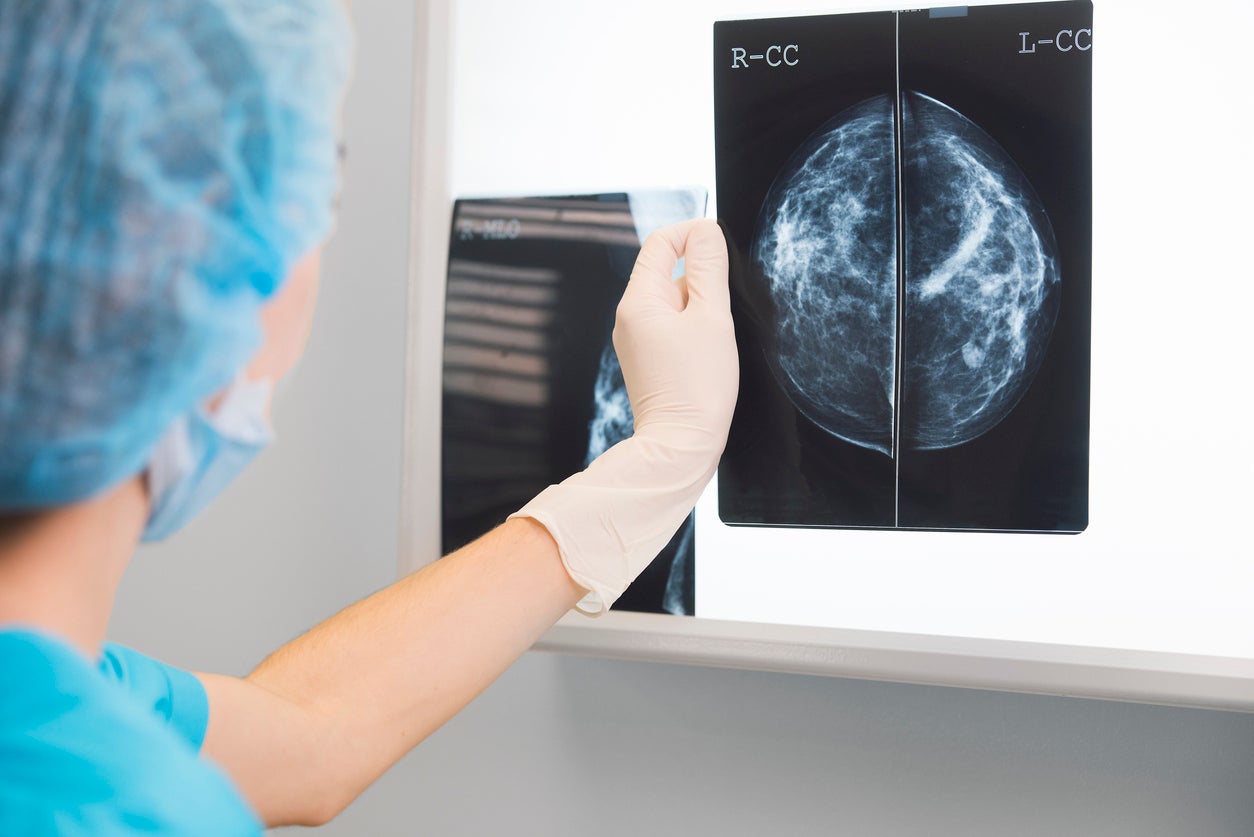
Professor Montserrat Garcia-Closas, of the Institute of Cancer Research, London, said: “There will be a balance to strike: the Nice criteria are much easier to implement, but miss a large proportion of women at elevated risk.
“But a full risk assessment including genetic testing will place a heavy burden on resources.
“Ultimately, it will be a trade-off between the practical, resource, and cost implications of data collection and risk assessment, and the potential benefits and harms associated with accurate and inaccurate classification of women.”
Dr Sowmiya Moorthie, senior strategic evidence manager at Cancer Research UK, which funded the study, said: “Exploring different ways to identify women with a higher risk of breast cancer could help people receive more personalised care.
“The current UK approach, which relies on women under 50 self-presenting, misses many women with a higher risk of breast cancer who could benefit from targeted support and guidance on how to manage their risk.
“Further research is needed, however, to understand the impact of adopting a different approach, including on staffing and equipment.
“Any changes must be accessible and equitable, taking into consideration the anxiety that extra referrals might cause for women.”
A Nice spokesperson said: “Nice welcomes the findings of this study and recognises the potential of multifactorial risk models in improving the identification of women at increased risk of breast cancer in the future.
“However, the current evidence does not warrant a change to our existing familial breast cancer guideline at this time.
“Nice remains committed to reviewing new evidence and will consider further updates as more data on feasibility and clinical outcomes become available.”
You must be logged in to post a comment Login