NewsBeat
Operation Sallus: Inside the Met police mission to protect victims of domestic violence

As officers pull up outside a Victorian terraced home in east London, they take note of the number plate of the car parked on the driveway.
They fear it could belong to a domestic abuser who has been banned from the home because he is suspected of violently assaulting his partner. He was never prosecuted for the alleged attack because the victim was not prepared to make a statement. But if they find him here, it will be grounds for his arrest.
When three officers knock on the front door, a housemate tells them the victim is out at work, but reveals the suspected abuser has been staying there too. Officers make an urgent note to return that evening.
“It’s worrying that he’s been here. That’s the whole purpose of these visits, to potentially get that window of opportunity to help,” explains Sergeant Amar Sehmby, part of the Metropolitan Police’s safer neighbourhood team for Havering.
The unannounced house call is part of a new force-wide initiative called Operation Sallus to better enforce Domestic Violence Protection Orders (DVPOs) – often under-used court orders which are supposed to help protect victims, often by banning perpetrators from contacting them.
In the past, survivors have claimed such orders were so badly monitored they were worth little more than the paper they were written on.
However, this operation, which was last month in use in every London borough following a gradual rollout, is designed to counter that perception by taking a proactive approach with regular checks on active DVPOs in each neighbourhood.
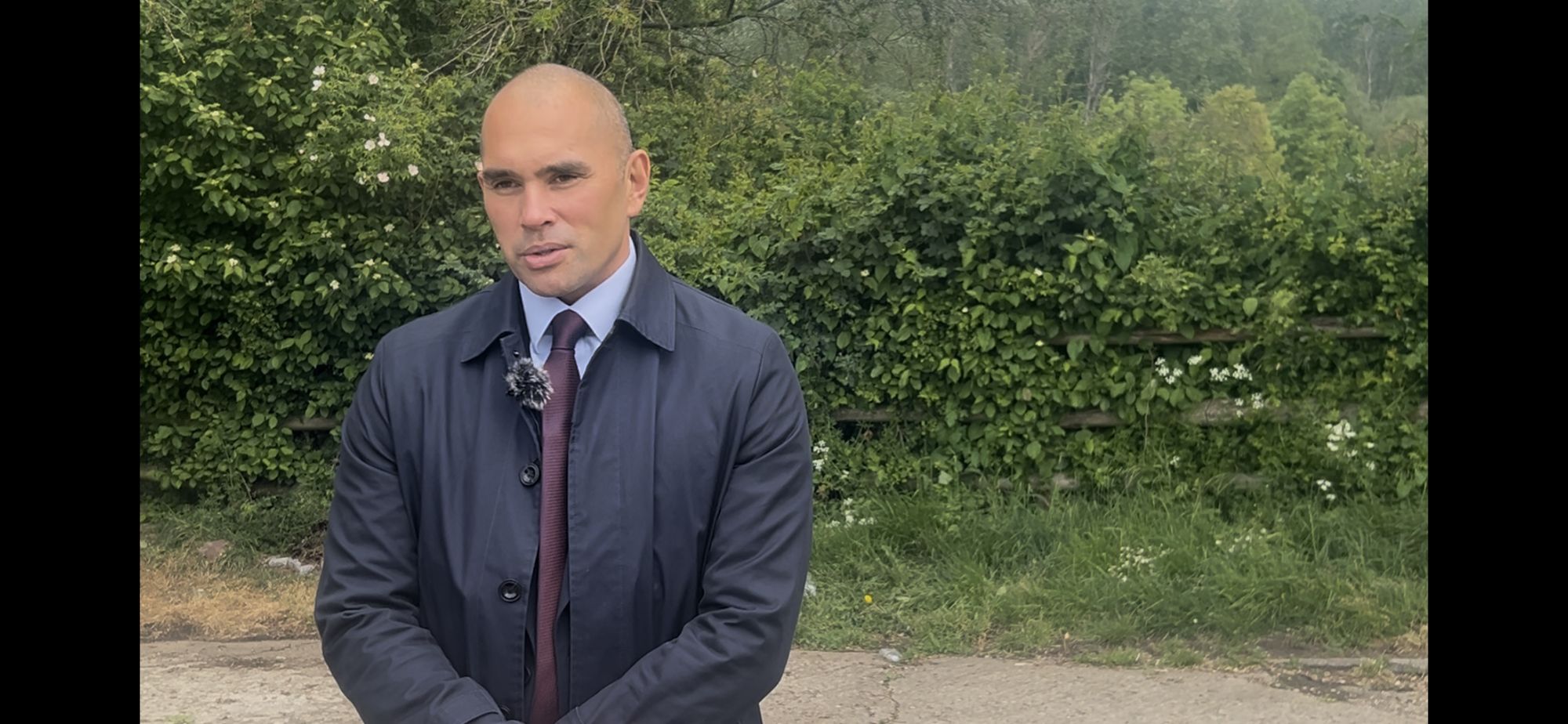
“This is quite a soft use of enforcement, but it’s very much a kind of community-based linking our community officers with victim-survivors of domestic abuse,” detective chief superintendent Andrew Wadey, the force’s lead for public protection, told The Independent, which was invited to join officers making house calls last week.
“It’s an in-person visit by local officers, and the intention there is to hopefully speak to the victim and ascertain if there’s been any further issues. Is the offender there, do they need any kind of referrals or signposting to support agencies and essentially just take a really sort of victim-led approach to providing assurance, reassurance, and another avenue towards reporting any kind of breaches or concerns.”

Often, police turn to a magistrate for a protective order when there is not enough evidence for a trial or a victim is not ready to support a prosecution. They are a civil order and a breach can result in an arrest, with a mandatory court appearance within 24 hours. However the short-term orders only last a maximum of 28 days and breaches are a civil offence only punishable by a fine or up to two months in prison.
They will eventually be replaced with tougher Domestic Abuse Protection Orders (DAPOs), which are currently being trialled and carry a maximum penalty of up to five years imprisonment, or a fine, or both.
In one case on the list of 10 addresses to be checked last week, the offender has already breached the DVPO twice and been arrested both times.
Other victims Sgt Sehmby and his team of two constables visit include a mother who was a victim of non-fatal strangulation at the hands of her own son and a woman who was strangled and thrown to the ground by her partner, who had previously threatened to kill her.
At the mother’s home, no one answers the door. But, back in the van, officers manage to speak to her on the phone where she tells them she is safe and staying with her daughter.
PC Jake Tibbs told her: “If anything does happen, please call the police, obviously the order is there to protect yourself. And obviously we can deal with it as we need to.”
The other strangulation victim was not at home, but officers planned to return later that night.

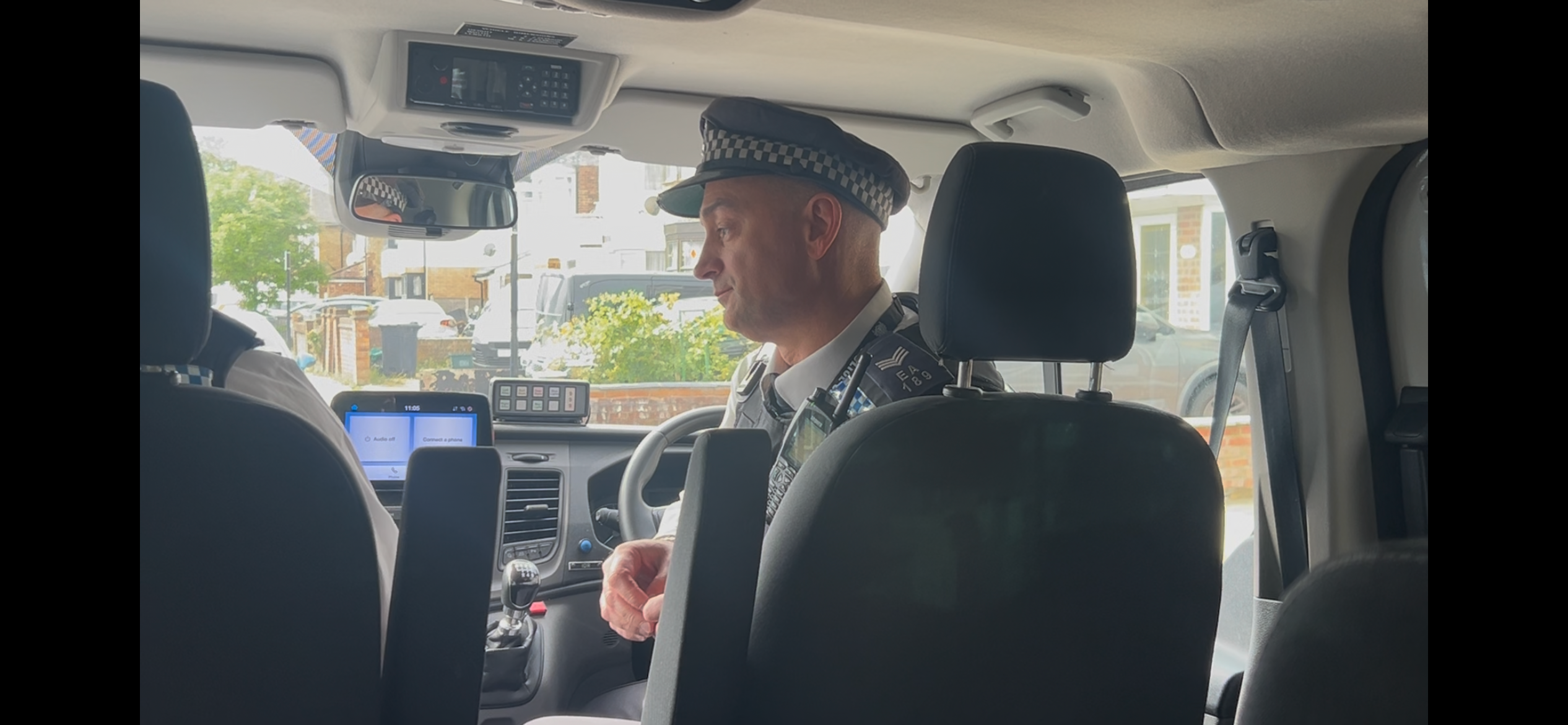
At a family home in east London, officers also visited a father who was protected by an order after his ex-partner was accused of seriously injuring him in a violent attack which caused grievous bodily harm and criminal damage. The officers spent 20 minutes inside the home, ensuring the order was being fully complied with.
They are also trained to look for signs of coercive and controlling behaviour and check on any children in the house.
The Met plans to start using the same tactics to enforce Stalking Protection Orders and Sexual Risk Orders in the coming months.
According to the force, the strategy, along with other innovative approaches to tackling violence against women and girls (VAWG), is starting to bear fruit.
In addition to Operation Sallus, the Met has been using counter terrorism tactics to track the highest risk VAWG offenders through their V100 programme and deployed undercover patrols to crack down on predatory behaviour in nighttime hotspots as part of Project Vigilant.
New figures show that arrests and charges for rape offences have more than doubled over the last year in London, making the Met the force with highest detection and charge rate for rape.
Arrests and charges for domestic violence have also increased by 82 per cent year on year, and arrests and charges for violence against women and girls have increased by 71 per cent.
DCS Wadey said they are “really starting to see the dial turn in terms of more people being charged”.
“And whilst the work is by no means done, there’s still so much more to do, this is really giving us momentum, I think, which is key. And hopefully it is giving greater confidence, particularly to women and girls, to report,” he added.
He admitted there still “much to be done” to rebuild confidence in the force after a difficult few years which saw the organisation labelled as “institutionally racist, misogynistic and homophobic” in a damning report by Baroness Louise Casey in 2023. It was commissioned following the rape and murder of Sarah Everard by a serving officer in 2021, who used his warrant card to trick her into his car.

Yet more scandal has followed, with another officer, David Carrick unmasked as one of Britain’s worst sex offenders in 2023 and a damning undercover BBC Panorama investigation at Charing Cross police station last year, which showed officers making offensive comments and bragging about using violence.
The police chief believes Labour’s ambitious manifesto pledge to halve VAWG in just ten years is achievable, but will require a “whole system approach”.
Domestic abuse charity Refuge has welcomed the efforts to improve monitoring and enforcement of DVPOs in London, but called for an increase in their use, adding: “Only when these orders are properly implemented will survivors be able to access the full protection of the law.”
Some 3.8 million people experienced domestic abuse in the year ending March 2025, according to the Crime Survey for England and Wales. In comparison, only 11,401 DVPOs were granted in year to March 2024, according to the most recent ONS figures.
Bo Bottomley, policy and public affairs manager at Refuge, said: “One in four women in England and Wales will experience domestic abuse in their lifetime, but Domestic Violence Protection Orders (DVPOs) are used in only a very small number of cases.
“Where protective orders are in place, survivors often tell us they are ineffective and not properly monitored and enforced by the police. Perpetrators routinely breach these orders, but police often fail to act when they do, leaving survivors at an increased risk of harm.
“We welcome efforts to improve monitoring and enforcement of DVPOs in London, but to truly improve survivor safety and strengthen confidence in the police response to domestic abuse, Refuge is calling for increased use of DVPOs in relevant cases, and a corresponding increase in criminal proceedings following order breaches.”
You must be logged in to post a comment Login