NewsBeat
Panic buying and stockpiling in Gaza as border crossings closed after US-Israeli strikes on Iran

Gaza is rapidly running out of its limited fuel supply, and Palestinians are reported to be “frantically buying groceries” after Israel closed all crossings into the strip following the US-Israeli attacks on Iran.
Locals have been rushing to markets to buy food, just months after facing painful food scarcity due to an Israeli blockade last year, which led to famine in some areas, according to Associated Press and Al Jazeera.
“All the people rushed to markets, and they all wanted to shop and hide,” said Abeer Awwad, who was displaced from Gaza City during the war.
Israeli government agency COGAT said the conflict with Iran meant new “security adjustments” necessitated the closures, which would last “until further notice”.
The Rafah crossing, on the Palestinian territory’s southern border with Egypt, was only reopened at the beginning of February this year to allow a small number of Palestinians to cross for the first time in months, including patients requiring urgent medical attention.


Since Israel’s devastating offensive on the territory, almost all of its 2 million residents have been displaced, and it is now almost entirely dependent on humanitarian aid – which the border crossing closures have now suspended.
According to local reports, shelves have been emptied and key supplies, including sugar, flour, cooking oil and yeast, are in high demand, sending the price of essential goods soaring.
Residents have said they are fearful of further neglect and deprivation, while the UN had already warned in February that aid missions continue to face obstacles in their attempts to deliver essential support, including food and medicines to Gaza.
In the statement, Israel’s COGAT officials claimed the territory had sufficient food to last “an extended period”.
They said: “Several necessary security adjustments have been implemented, including the closure of the crossings into the Gaza Strip, among them the Rafah Crossing, until further notice. The rotation of humanitarian personnel is postponed at this stage.
“It should be emphasised that the closure of the crossings will have no impact on the humanitarian situation in the Gaza Strip.
“The substantial quantities of food that have entered since the beginning of the ceasefire amount to four times the nutritional needs of the population, according to the UN methodology. Therefore, the existing stock is expected to suffice for an extended period.”

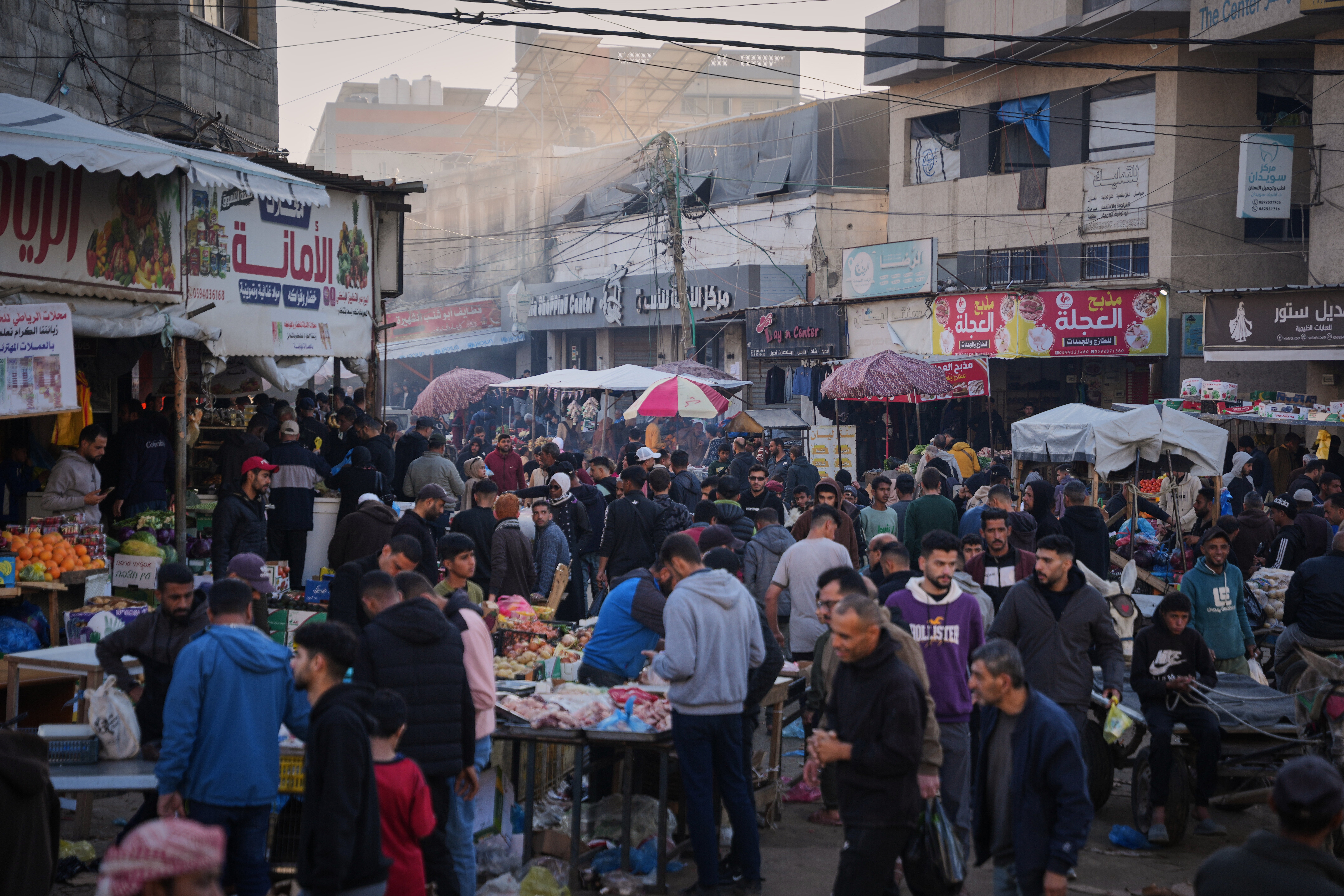
One resident told Al Jazeera: “I lived through famine like everyone else. The worst days were when I had to buy a sack of flour for more than 1,000 shekels [£241]. I don’t want to relive that experience.”
He added: “Goods run out quickly, and the conditions we live in may spoil whatever we store. All we need is for someone to reassure us that the closure of the crossings will not last.”
As well as food, Gaza is wholly dependent on trucks for fuel brought in from Israel and Egypt and a lack of fresh supplies would put hospital operations at risk and threaten water and sanitation services, local officials say.
“I expect we have maybe a couple of days’ running time,” said Karuna Herrmann, the Jerusalem director of United Nations Office for Project Services (UNOPS), which manages fuel distribution in Gaza.
You must be logged in to post a comment Login