






Many will remember when cancer was widely seen as a death sentence and little treatment could be offered beyond making people as comfortable as possible in their final days.
Since the 1970s, we have largely transformed that story through decades of research, earlier diagnosis, public awareness, clinical trials and better treatments.
This tremendous progress did not come from one miracle cure or the actions of one government. It came because the country decided cancer mattered and deserved our effort. And we kept up the fight year after year.
It is time we afforded that same seriousness and ambition to treating dementia.
September is World Alzheimer’s Month. It should be a moment of national resolve: a commitment to make dementia Britain’s next great national mission, just as cancer was for previous generations.
Dementia is not a normal part of ageing, but a collection of neurological diseases, including Alzheimer’s. Yet, too often, it is treated as part of a person’s inevitable decline or a social care problem rather than a series of major health conditions that can be diagnosed, researched and treated.
It’s people with dementia, and their families and loved ones, who feel the consequences.
I have met far too many people who receive a diagnosis… and then are left alone to cope.
Alzheimer’s Society is right to call for those with dementia to receive a diagnosis, care plan and access to treatment within 18 weeks of GP referral. This standard, or better, is already in place for other major health
conditions. Dementia should be no different.
But this is just the beginning. The lesson from cancer is that our efforts work best as part of a wider mission: investment in research, expanded trials, better treatments, support for people after diagnosis and a workforce ready to deliver those new treatments.
That is why we must make this country a great place to conduct dementia trials.
I implore the NHS to get ready to deliver the next generation of breakthrough treatments. Healthier lifestyles, earlier diagnoses and better treatments across the board mean we’re living for longer – and with that brings a new challenge. As more of us live into our 80s and 90s, it is not enough to simply add years to life – we need to ensure that our twilight years are as healthy as possible.

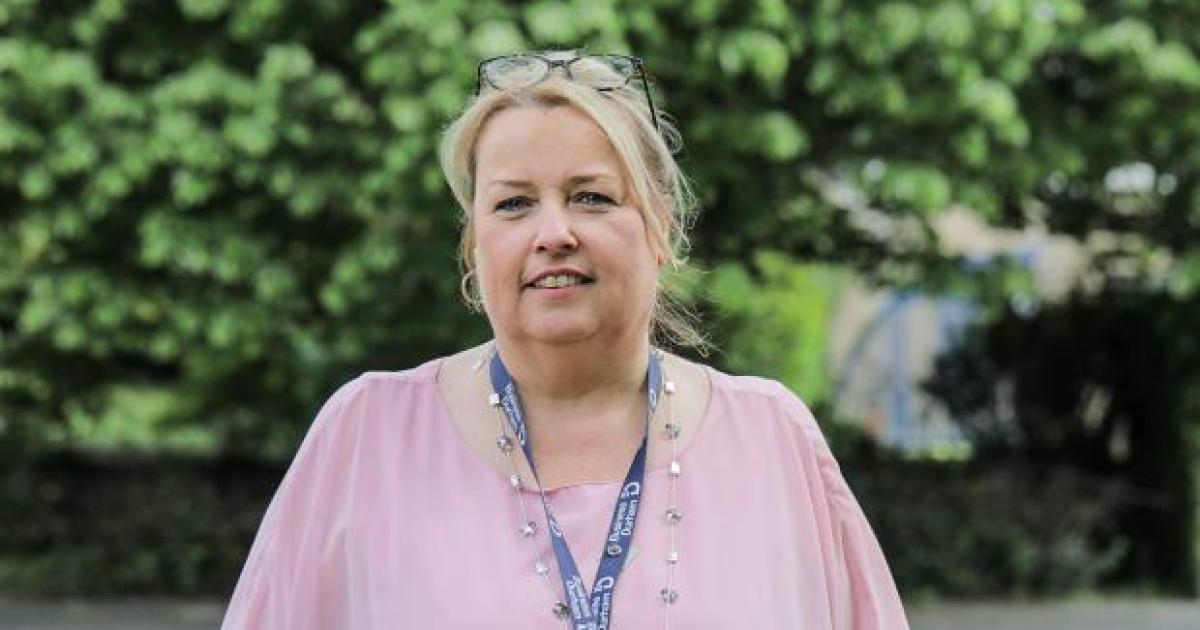
Baroness Casey says she implores the NHS to get ready to deliver the next generation of breakthrough treatments

Everyone experiences dementia differently. Use this checklist to help you make a note of your symptoms before you talk to your GP.
By 2040, there will be 1.4million living with dementia. We cannot stick our heads in the sand.
Delivering this national mission also requires someone with the authority to drive it. That is why I called for the appointment of a dementia tsar to lead the charge.
Responsibility is currently scattered: when responsibility belongs to everyone, accountability too often belongs to no one. We need someone to own the problem and drive the kind of action needed to solve it.
Britain has repeatedly shown that it can achieve extraordinary things. We rebuilt the country after the war, we developed vaccines at record speed during the pandemic and have transformed cancer survival since the 1970s. The lesson is that progress follows when we act together.
Dementia can be that next national mission. But lasting change cannot be designed by politicians and experts alone. We need the public to help decide what dementia sufferers and their families should expect and what system we are prepared to build together.
That is why we are asking people across the country to take part in the Big Conversation On Care. There will be many opportunities to get involved but, as a first step, I’m asking you to vote on the proposals the public have been putting forward before September 23.
Together, we can turn national resolve into action. If we can improve diagnosis, treatment and care for people facing dementia today, there will be greater hope for all of us tomorrow.
Baroness Casey chairs the Independent Commission on Adult Social Care

















































You must be logged in to post a comment Login