NewsBeat
Russell T Davies Interview: Tip Toe Writer Addresses New Drama And Doctor Who Backlash

Thanks to acclaimed dramas like Cucumber, Years And Years and It’s A Sin, Bafta-winning screenwriter Russell T Davies has been responsible for some of the most heartbreaking scenes in recent TV history.
But even compared to the most jaw-dropping and breath-taking moments of his past works, his latest offering, Tip Toe, stands apart as his most unflinching work to date.
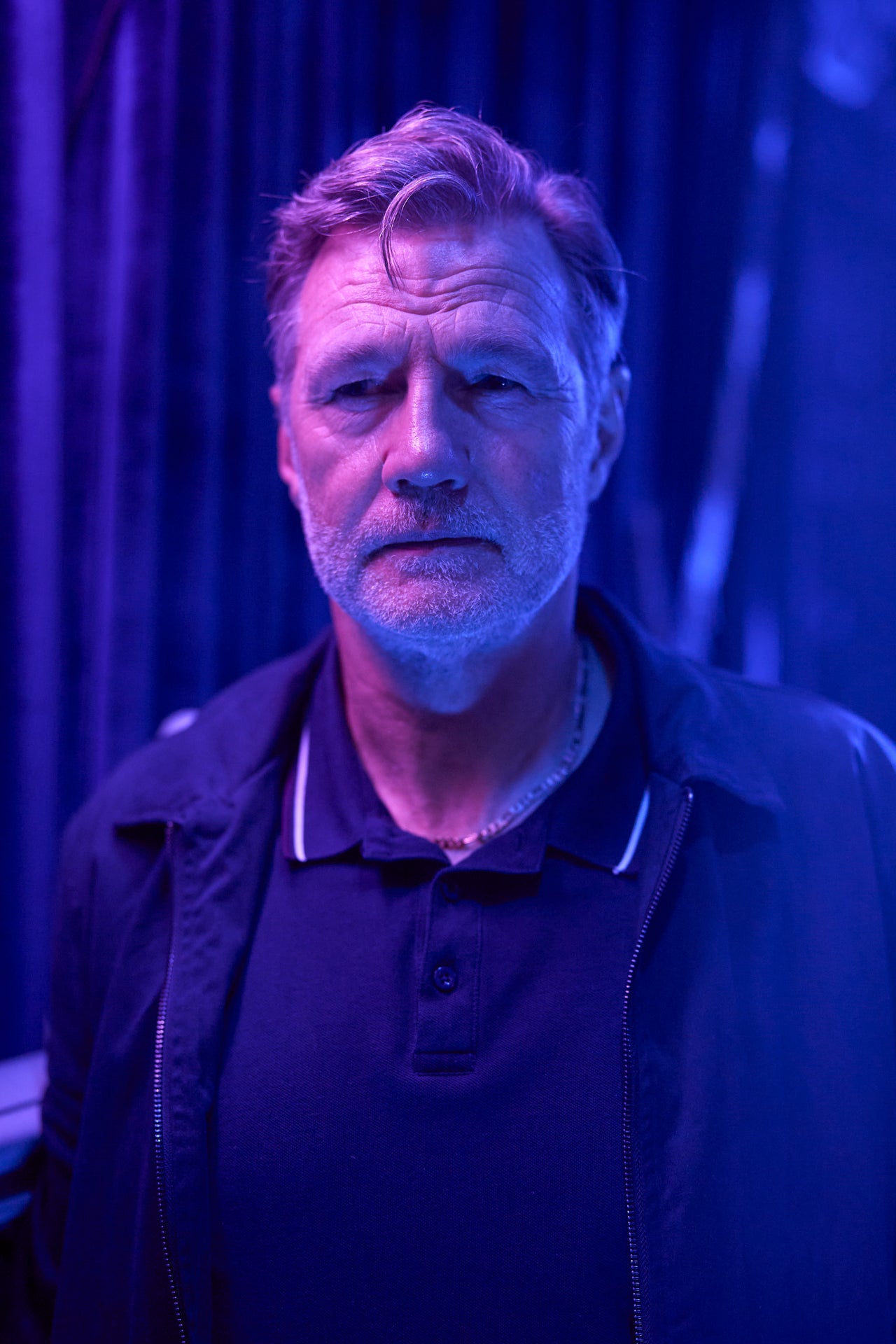
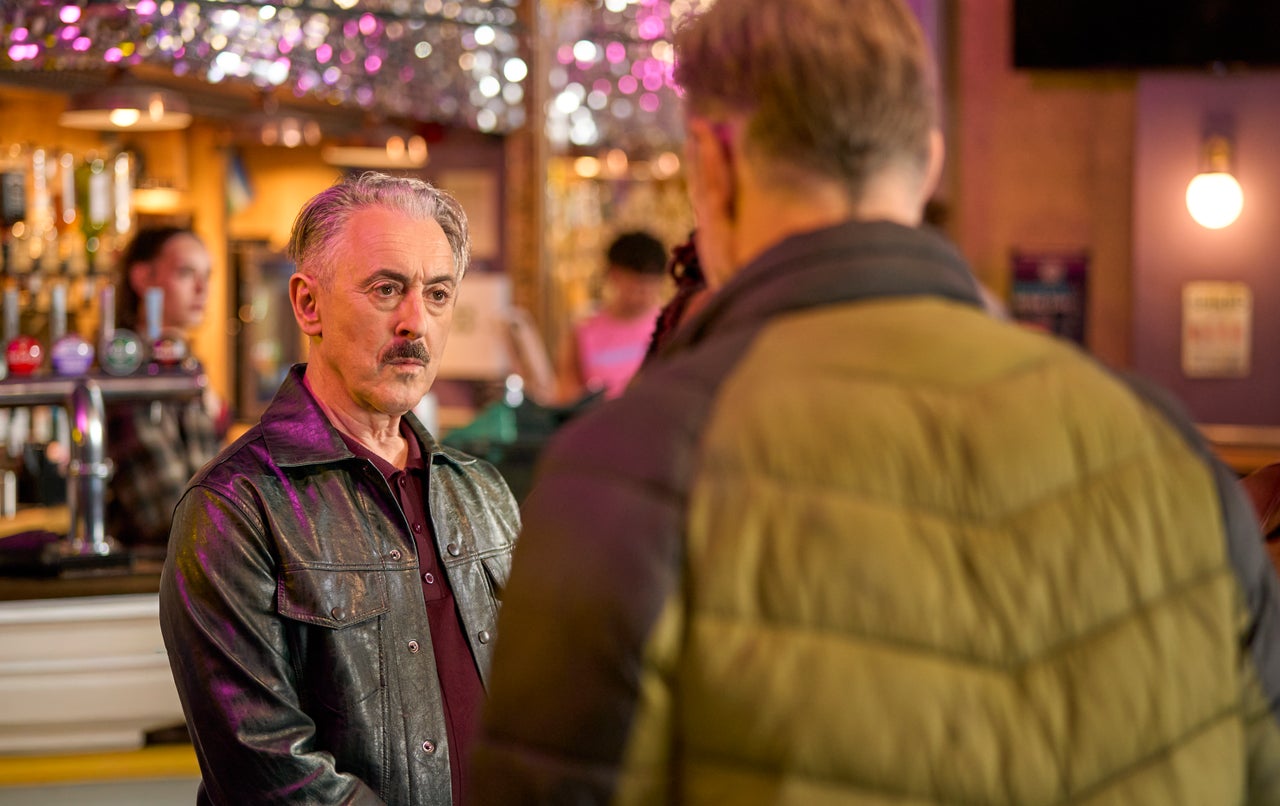
Taking an up-close look at modern life, the hard-hitting drama introduces us to two neighbours – played by Alan Cumming and David Morrissey – who have tolerated living next door to one another for more than a decade.
However, in an ever-divided society and a culture that increasingly pits people against one another, the two men find themselves suddenly at war over their deeply-held beliefs, with ugly consequences as their feud drags them both over a point of no return.
Speaking to HuffPost UK ahead of the show’s release, Russell told us that there were “various incidents” both in his own life, and in those of “every friend I’ve got”, that led to the inception of Tip Toe.
“Things happened both at work and at home – in ways that I’m not going to go into because it’ll only encourage them to happen again, genuinely – that made me think ‘that’s enough’,” he explains.
“If this anger, this violence and these lies are getting close to my life – I’m in a very privileged, lucky and well off position, so for those who are not so well off, then this must be really bad. These times must be getting worse and worse and worse.”
Fabio De Paola/Shutterstock
While his friends in the queer community are “feeling more and more pressure, and more and more attacks upon them” in the current climate, Russell notes that these fears are also being felt by other marginalised people.
“I have a friend who is a wheelchair user, and someone turned up at her door, rang the doorbell, and when she opened the door, there was a man saying, ‘you’re lying, you can walk, you’re claiming this on benefits’. To her face!” he recalls.
“And the fear of physical proximity was so terrifying. The anger that I always thought was online is now visibly stepping into the modern world.”
He says these feelings of fear, anxiety and division only continued to “rise up and rise up”, until he “literally felt driven to write” the script that eventually became Tip Toe.
“I had to,” he explains. “There was no way I was not going to write it. If they’d then refused to make it, I still would have felt happy [to have written it], because I would have got it out of my system.”
Tip Toe touches on timeless themes like family relationships, sexuality, gender expression and tolerance, but also hones in closely on more thorny topics relevant to today’s world, from misinformation and online radicalisation to the resurgence of far-right politics, the “manosphere”, transphobia and the dangers and consequences of unregulated social media.
Episode one actually starts at the end of the story, in the aftermath of an act of unspeakable violence and hatred, before rewinding to just days earlier, leaving viewers pondering how the hell things could reach that point (and, as Russell puts it, “how the hell is society reaching this point? Which we are!”).
Unlike some of his other most popular works, for Tip Toe’s writer, the show isn’t so much a cautionary tale as a reflection of Britain in 2026 as he sees it.

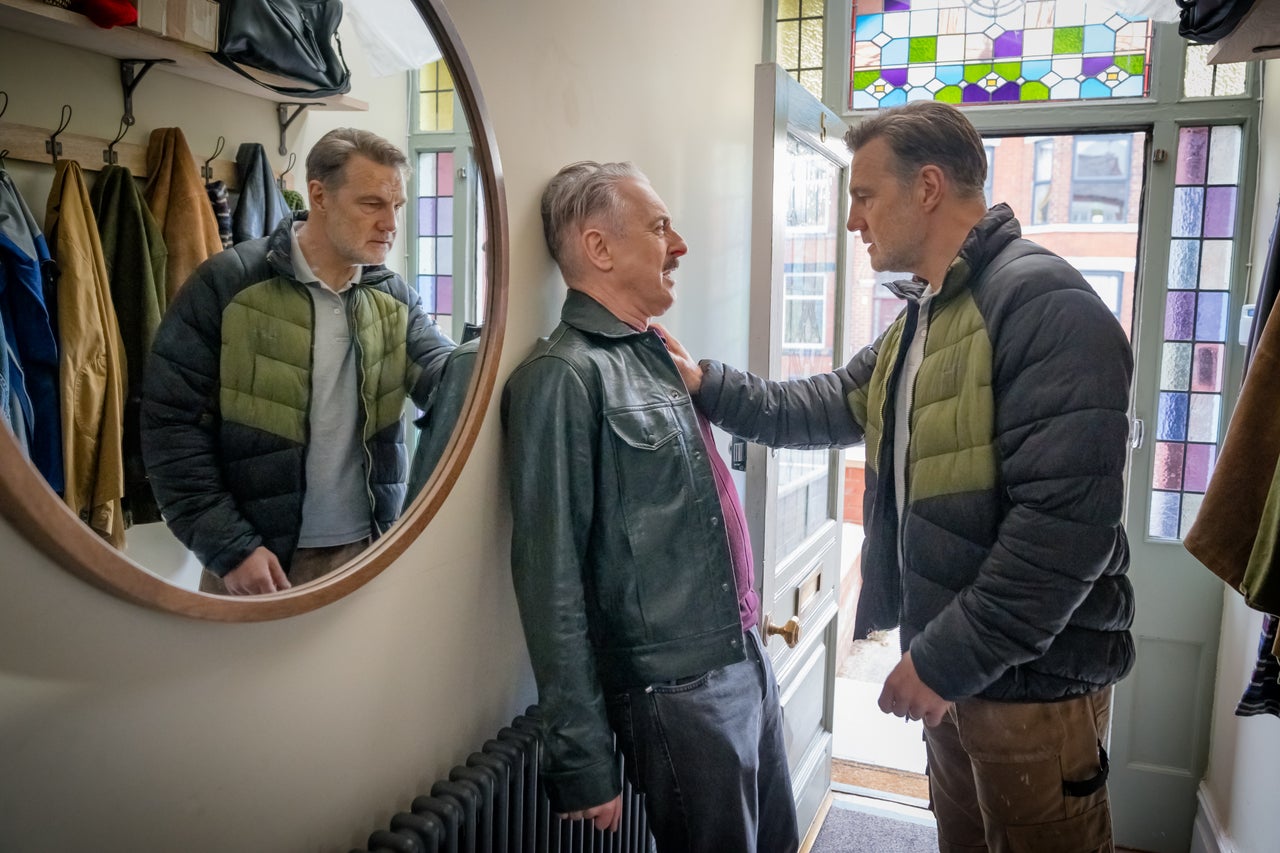
“I think it’s here,” he insists. “If this was a drama about a Jew living next door to someone [targeting them because of their religion], not one person would be doubting the credibility of the story. In fact, I’d be told that I was out of date, because it’s literally already happening out there, in front of us.”
As a result, both he and Channel 4 – with whom he’s been collaborating since the 1990s – both felt it was “urgent and needed and necessary” to get Tip Toe on the air as quickly as possible.
“I love that,” he enthuses. “That’s a clarion call for me.”
Throughout his TV career, beginning with Queer As Folk through to the aforementioned Years And Years and even Doctor Who, Russell has been commenting on all aspects of society (“I’ve done an awful lot to try and stop these terrible things happening – and it just gets worse,” he observes) for a quarter-century.
Regrettably, he now believes things are in a more dire state than ever.
“Queer As Folk went out in 1999 when the age of consent was 18, section 28 was in place, there was no gay marriage, there was no gay adoption,” he points out. “All those things have come in within those 26 years. Those are extraordinary leaps. But those are also the very things now that are being weaponised against us.”
“All this time I thought visibility was the answer, or the cure,” he laments. “To the extent that I dragged my gayness into every interview that I’ve ever done. You could literally be asking about the weather and I’ll say, ‘yes, I’m gay… and it’s sunny’ – because I genuinely believe in [the importance of] visibility.
“[I think about] someone sitting at home, trapped in a closet. or trapped in a lonely house, or trapped in a lonely town, where they’ve never heard anyone say that before – and I will be that person to say it. And I still believe in that!”
“But now, I also have to reckon with, ‘what happens then?’,” he continues. “I never thought ahead! It’s as if I were imagining some sort of a future nirvana, which no society ever has. We’re always at war with something. And here we are at war with ourselves.
“So, yes, you can point to things that are demonstrably better. Yet now, they’re being weaponised to make it worse.”
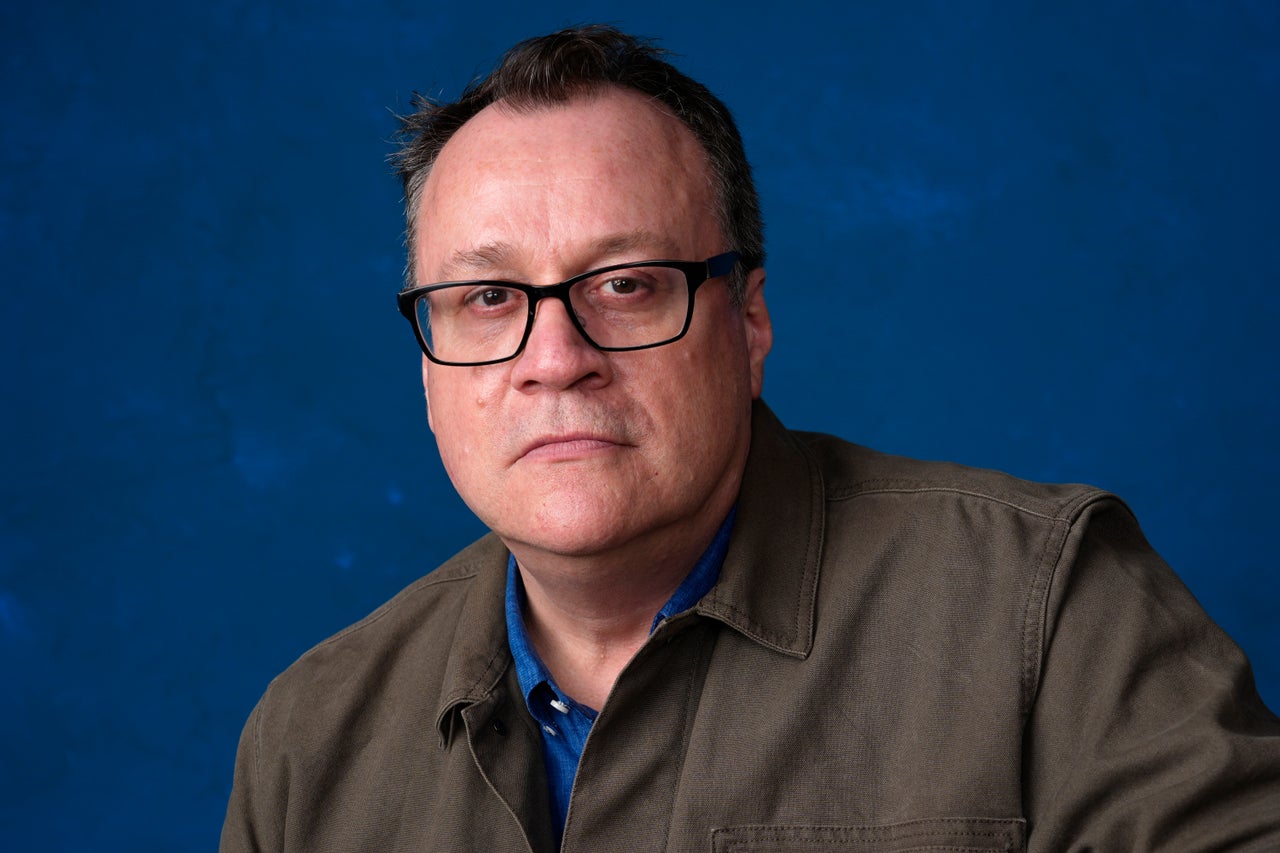
“What happens when we’ve got visibility, when we’ve got equality, when we’ve got representation?” he adds. “What happens when they see us and they still don’t like us?”
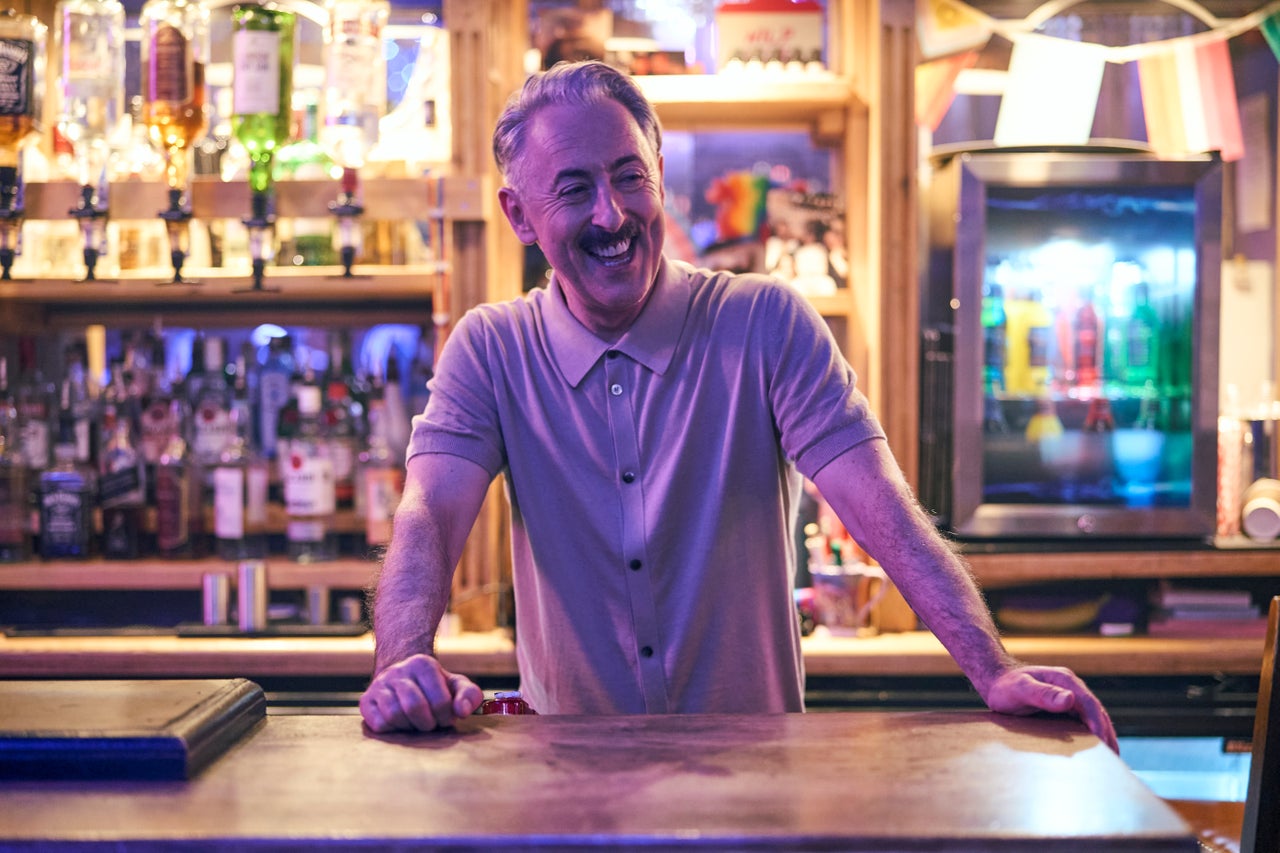
These are the same questions Alan Cumming’s Tip Toe character, Leo, is found asking himself in the drama’s first episode following when reflecting on fresh attacks on the queer community.
As the owner Leo is the owner of a popular venue in Manchester’s iconic Canal Street, Leo who has fought for LGBTQ+ equality over the decades. As he reflects on progress made for queer people, a friend reminds him that as a community figurehead, and the employer of trans bar staff, he’s still on the frontline of the culture war whether he likes it or not. As Russell quotes these character’s concerns verbatim, it’s not difficult to see similarities between Leo and Russell himself in these moments.
“Oh! The weaponisation against me online began the moment I put a trans character into Doctor Who,” he agrees.
After helming the hugely successful reboot of Doctor Who in the mid-2000s, he returned to the franchise in the early 2020s, and remains its showrunner.
During his tenure, he’s been repeatedly forced to defend his vision for the show against far-right critics who have argued that it’s “too woke”.
The backlash against him personally, he says, “began then, on that date” when it was first announced he’d be introducing a transgender character into the long-running series.
“And it has never stopped,” he says, before quickly clarifying: “With lunatics. And idiots. I mean, there is no measure of their lack of intelligence. But that is now crossing over into the real world. That’s the scary thing.
“Lunatic action is being taken. Violent thoughts are being expressed and then violent action is being taken.”
This harsh introduction to the sinister side of social media included things being “aimed at me professionally, and in my own house, that really seriously make me fear for what the situation might be in the future”.
“I had always imagined that a death threat was not deathly and not threatening,” he claims. “And now, you realise they are becoming deathly, and they are becoming threatening.
“And they’re being aimed in all directions – there are people whose views I profoundly disagree with who are also receiving death threats. It’s become part of normal language. And you have to wonder what the hell is happening to us and where are we going, with no end to this in sight.”
The root of it all, Russell says, began “right there”, gesturing to his phone “the moment we all went online”.
“We all love it so much that we don’t question it,” he observes. “It’s a brand new form of communication in the history of the human race. This has never happened before.
“They say when the printing press was invented there were then 200 years of war. And the printing press was a lot slower – believe you me, Bibles did not reach those villages as fast as the internet does
“Now, we’re all connected to each other all of the time, and we’re not evolved to communicate like that. It is absolutely wrong in every shape and form.”
“I know for a fact that communicating what you think in the form of writing is very, very difficult,” he says. “Now that we’re all typing, we’re all led on as though it’s easy – and it’s not.
“People are expressing their thoughts when they’re not always their thoughts. They haven’t worked out how to say things properly, so they say things simply, and they say things brutally. And then, because that’s said so often, they do end up thinking that. It becomes a self-fulfilling prophecy.
“We’re absolutely trapped in that loop. It’s utterly the wrong way to communicate. And now, we sit here wondering why children’s mental health is so bad. It’s completely fucking obvious.”
Indeed, as tensions continue rising in the world of Tip Toe, preventable situations are exacerbated even more by characters’ online lives, whether they’re using social media as a well-intentioned means to connect or being drawn into the dark underbelly of these platforms.

Addressing the fact where we now live in a world where “hatred” can be “monetised” and “rewarded” rather than “challenged”, Russell says: “If you’re a YouTube channel now, expressing this hate, you can attract adverts, and you get paid. And that makes you angrier, and express it more, and more money comes in.
“This is the revolution that’s happening. This is why everything’s going completely wrong. And we’re letting it happen! I’m describing something we all know is happening, every single day, and then we’ll go and have our tea tonight and do nothing about it.”
Russell is similarly critical of X, the platform once known as Twitter, which he’s not posted on since 2021, branding it a “hate site”.
He goes on to share that he’s recently run into some “very big problems” in his work at the BBC, having “refused to be part of any press release that went on Twitter”.
“I said, I’m taking my name off anything [that goes on Twitter],” he claims. “There is no way a publicly-funded corporation should be posting on a hate site. And it is a hate site now – it’s run by one man with an aim to increase hatred, and all the safeguards have been taken off, and public bodies still post on it. It should stop immediately.”
“In fact,” he offers. “We should sue those public [bodies]. We pay for the BBC – we pay for Channel 4 as well – and they’re public bodies. They should absolutely stop posting on a site that is not a public forum, but is a hate site.”
Last year, these questions around online radicalisation were raised with the release of another well-received drama, Netflix’s Adolescence, in which a teenage boy is sucked into the so-called “manosphere” and winds up murdering a young girl at his school.
A key difference between Adolescence and Tip Toe is that, in the latter, it’s the adult characters who find themselves being radicalised by content they’re viewing on social media.
Russell agrees that Adolescence is a “marvellous piece of work” that has the potential to “change the world”, but points out that its release also inadvertently shone a light on its themes in a more real way when it became the subject of far-right backlash partly due to racist misinformation spread by, among others, X owner Elon Musk and Conservative party leader Kemi Badenoch.
“Go and look at the venom that was directed at Jack Thorne. He became public enemy number one,” Russell says. “Go and look at the tweets despising him, calling him a liar, calling him a fraud… all because it was a white child and not a Black child [depicted in the series].
“He is absolutely under attack to this day, still. [After Adolescence’s release], the bile and anger festered and [was] weaponised more than ever.”

Increasingly divided though the world of Tip Toe may be, Russell was adamant when sitting down to write it that he didn’t want to portray either side of any argument as perfect. Deplorable though some characters’ actions might be, we discover they’re capable of kindness and compassion in the most surprisingly and seemingly unlikely of places.
He claims: “I think I’d be a terrible writer if I didn’t do that. I think that’s why I love writing, is exploring people like that.
“I’ve absolutely no interest in just being nice about people, because I think people are complicated and strange, and that’s why I write.”
As for what’s next, Russell admits he’s not sure how we get ourselves out of the corner we’re now backed into – or if people even want to.
“I don’t feel particularly optimistic,” he admits. “Great people will always do great things. That’s the story of the human race. But I think we’re now out of control in a way that we won’t even contemplate, because getting rid of your WhatsApp thread for your street, so you know what days the bins go out, is more important than children’s mental health.
“We’ve got every standard wrong, and we’re trapped. And we’re monetised to stay in this position – and you cannot vote against an algorithm and I think actually there’s no hope. That’s what I think. There is no hope.”
Prompted for a solution as to how we reverse things, he jokes: “You tell me! That’s why I wrote it. I put something like this into the world so that somebody can come up with something we can do.”
He does, however, have a warning for anyone standing by complacently as persecution against minorities in all forms continues to increase.
“That world out there is going to ‘other’ all of us,” he states. “It’s going to find ways to do this to every single one of us.”
This interview has been edited for clarity and length. Tip Toe premieres on Channel 4 on Sunday 31 May.
You must be logged in to post a comment Login