The Record has revisited some of Scotland’s most prolific love triangle cases that resulted in cold-blooded twists and murder.
04:30, 09 May 2026
Advertisement
A love triangle is described as being a romantic scenario involving three people, where two individuals compete for the affection of one person, or one person is involved with two others simultaneously.
The complicated situation can see people centre on rivalry, jealousy, and can thrust the difficult choice between two potential partners.
Certainly, in Scotland, there have been a series of love triangles that resulted in bloodshed and murder.
We have revisited some of the most prolific cases in light of a mother’s plea not to let her son’s killer out of jail early as she recently appealed her sentence.
Advertisement
Stacey Balfour, Cameron Woods and Robert Fisher
Stacey Balfour was jailed for 16 years following the murder of Robert Fisher at a tower block in Paisley in July 2023. Cameron Woods and Balfour, then 27 and 24, were sentenced at the High Court in Glasgow on June 24 last year following the slaying of 26-year-old Robert.
The pair, who were together at the time, stabbed Robert to death. Prosecutors said Woods fatally stabbed Robert while his then partner Balfour was “acting in concert” as she knew there would be violence.
All three had been togetherin a flat with other people in the Renfrewshire town. During this time, Woods had been spotted with a large kitchen knife. Meanwhile, Balfour had shown someone a small lockback blade – attached to a set of keys – which was later used in the fatal attack.
The brutal attack was launched on Robert after the atmosphere between the group in the flat became “volatile”. This eventually led to the young dad being stabbed “in what amounted to a murderous attack”.
The pair had denied murder at trial but were eventually convicted. Woods was jailed for a minimum 18-and-a-half years with Balfour locked up for 16 years. However, Balfour recently launched an appeal against her sentence and is due to appear in front of appeal judges in Edinburgh next week.
Robert’s mum, Pamela Peacock, publicly slammed Woods‘ vile former girlfriend and pleaded with lawmakers not to “let this monster out early”.
She said: “People need to know what she is doing to us as a family. The cheek of her. I sat every day throughout the trial and this is a monster! I had to hear what happened to my son Robert and I can honestly say that he certainly did not deserve to die the way he did.
Advertisement
“Hopefully the judges see right through this monster, because that’s what her and her boyfriend are, monsters. The way they left my son has scarred me for the rest of my life. Please can everyone think about Robert on this day and please let justice be done and this monster does not walk free.”
Speaking to the Record, Pamela, 53, from Renfrew, added: “I was told by the Procurator Fiscal that she was appealing the sentence in December. To get told such bad news during the holidays was terrible, it put such a dampener on Christmas and New Year. My family are the only people keeping me going. I don’t know where I’d be without my two sons, daughter and twelve grandchildren.
“Robert was my carer before he passed. I’ll never be the same and neither will my family. My daughter was the one who found Robert and it has traumatised her.”
Advertisement
Dionne Wilson, Jason King and Sara Irvine
Sara Irvine, 34, was stabbed in the chest by Dionne Wilson, 31, after she confronted her about sleeping with her boyfriend on April 17, 2024. Wilson stabbed Sara in the chest with a knife at a property in Auchinleck Road in Aberdeen as the trio, including Sara’s boyfriend Jason King, met to buy and smoke cannabis.
Claims about there being a “love triangle” between the trio were rejected by the killer, who said Sara’s boyfriend’s assertion that he had had a sexual relationship with her was untrue.
Wilson – a former drug addict – said that Sara became angry and was “very hostile” to her as a result of the allegation. She claimed that Sara threw her onto a couch at the house moments before she was fatally stabbed.
It was heard in court that knives were lying around the house for cutting up narcotics. King, 32, told how he witnessed Wilson stabbing his girlfriend of 18 months in the chest, describing the assault as “horrible to see”.
Speaking in court, Mr King said: “She started choking on her blood. I seen the blood coming out of her chest. I saw it coming out of her mouth. I screamed on somebody to get an ambulance. I knew she was dead. She was a dead weight in my arms.”
Wilson alleged that King had told his girlfriend that he had been having sex with her.
She said the other woman asked her: “Do you think it’s acceptable to sleep with somebody else’s man?’ and described the question as “Unfriendly. Very hostile”.
Wilson was jailed for 10 years at Livingston High Court after a jury earlier cleared her of murdering Sara Irvine but found her guilty of the lesser charge of culpable homicide.
Wilson – who lodged a special defence of self-defence at the start of her trial – accepted that she had stabbed Sara but claimed she couldn’t remember anything about the exact moment that she inflicted the fatal blow.
Sheila Garvie, Maxwell Garvie and Brian Tevendale
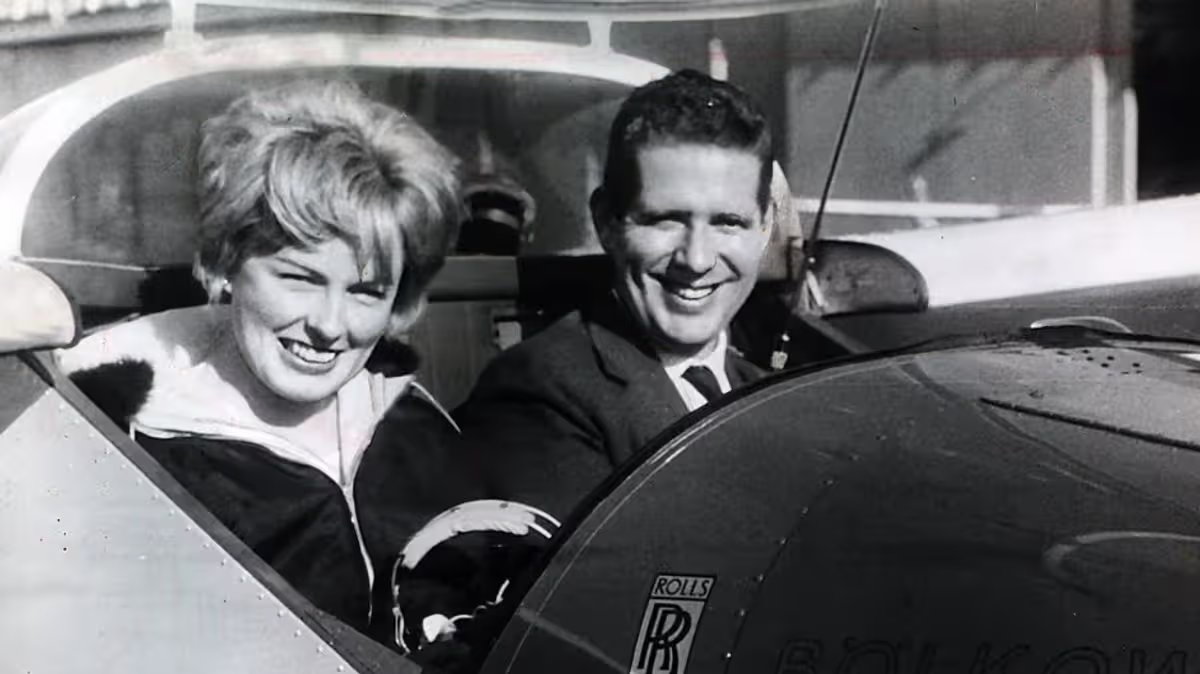
Playboy millionaire Maxwell Garvie was shot dead in his sleep at his luxury country mansion West Cairnbeg near Laurencekirk in 1968 by his wife and her lover. Sheila, alongside her lover Brian Tevendale, killed Max then went on to conceal his body in the drains of Laurieston Castle.
Advertisement
Sheila, a former Balmoral housemaid, first met Max at a farmers’ dance in Stonehaven when she was a teenager. They wed and had three children – but Max, a wealthy farmer and businessman, enjoyed a lavish lifestyle. He was fond of female company and maintained physical relations with many.
Specifically, his appetite for swinging really got the town talking, and eventually he turned parties into sex orgies and forced his wife to participate. Max was also an office bearer in the SNP. It was there he met a handsome young man – 20-year-old Tevendale. Max had already had a few affairs with young men and was attracted to Tevendale but he had other plans.
One evening he invited Tevendale to stay at the family home and forced his Sheila to sleep with him. In a bizarre twist, Max then began an affair with Tevendale’s sister, Trudi Birse. Despite his games, Max grew bored quickly and insisted he and Sheila dump their playmates.
Advertisement
Sheila hated him, and to her husband’s horror, she had fallen in love with the young man she had been forced to sleep with. On the morning of May 15, 1968, Sheila reported her husband as a missing person. His body was later found in the drains of the castle.
Sheila Garvie, Brian Tevendale and one of his friends, 20-year-old Alan Peters were charged with Max’s murder. The lovers blamed each other during the trial.
The Crown said on the night of the murder, Sheila had slipped out of her bed and let Tevendale into the house, handing over a .22 rifle belonging to Maxwell. With Sheila watching from the bedroom doorway, Tevendale smashed Maxwell’s skull with the butt. Then, placing a pillow over the man’s face, he shot him once in the head.
Advertisement
The pair then wrapped his body in a blanket and transported it to Laurieston Castle. A jury at the High Court found Sheila Garvie and Brian Tevendale guilty of murder. The case against Alan Peters was not proven.
The lovers each served 10 years and never spoke again.
Get more Daily Record exclusives by signing up for free to Google’s preferred sources. Click HERE.
Police are appealing for witnesses and dashcam footage
A man and a woman have suffered “serious injuries” following a single-vehicle crash in a Cambridgeshire village. Officers and paramedics were called at 7.56pm yesterday (May 7) to Yelling High Street, near Papworth Everard, where a grey Vauxhall Corsa had left the road and hit a tree.
Advertisement
Cambridgeshire Police have confirmed that a woman in her 20s from St Neots and a man in his 30s from Cambridge were taken to Addenbrooke’s Hospital with serious injuries.
Police are now appealing for witnesses and dashcam footage following the crash. Anyone who saw what happened or has footage is urged to report it through the force website quoting Operation Nanstallon.
Seven-time champion Hendry still holds the distinction of being the youngest ever winner, though Wu now sits second on that list following his victory over Shaun Murphy on Monday. A total of 11 Chinese players featured in the main draw in Sheffield from a field of 32, with only England (13) providing more representatives.
He added: “They are taking the game to new levels. We need some young blood from these shores – obviously with Stan Moody, Liam Pullen did really well, Antoni Kowalski did really well at the World Championship.
Advertisement
“These three are going to have to step up if they’re going to keep up with the likes of Xintong and Wu Yize.”
English hopeful Moody, 19, made his World Championship first-round debut and established an early advantage against former champion Kyren Wilson before eventually succumbing 10-7.
Pullen was also making his main draw bow at 20 and claimed six frames from Chris Wakelin.
Kowalski became Poland’s first representative in the tournament at the age of 22 after navigating three qualifying rounds. His run also concluded in round one, with Mark Williams inflicting a 10-4 defeat.
New world champion Wu, also 22, had never progressed past the first round in Sheffield prior to this year. Yet after defeating former world champions Murphy and Mark Selby in this year’s tournament, he has no intention of leaving the city he has considered home since the age of 16.
“I don’t have any plans,” Wu told BBC Sport following his dramatic 18-17 victory in the final.
He added: “I think I will buy a house or an apartment in Sheffield for practice and the World Championship.”
One more seasoned European player who earned plaudits from Hendry was runner-up Murphy. The 43-year-old received glowing praise during his semi-final victory over reigning champion Zhao, which led him to joke about the pundit requiring an intervention.
Hendry said: “It was nigh on the perfect session. I don’t think Shaun will have ever played as good a session, it was a super-human performance and it needed that to take out Zhao Xintong, because he wasn’t playing badly.”
The Tories kept the same number of seats held in 2022, while Labour made notable inroads, increasing its representation from seven to 13 seats. The Liberal Democrats also saw a modest gain, securing three seats. However, the election proved less fruitful for other contenders with no wins for Reform or the Green Party.
The Liberal Democrats gained a seat but Advance UK and the Green Party each lost one, effectively returning the borough to the status quo of the three established parties.
Three independents also lost their seats.
Cllr Elizabeth Campbell, Leader of the Kensington and Chelsea Conservative Group, said: “Thank you to all the officers here – you’ve all been incredibly calm, incredibly professional and I can’t thank you enough.
Advertisement
“It’s time to go home, time to go to bed, time to wake up for a new dawn and to deliver what we promised on the doorstep.”
Cllr Elizabeth Campbell
RBKC
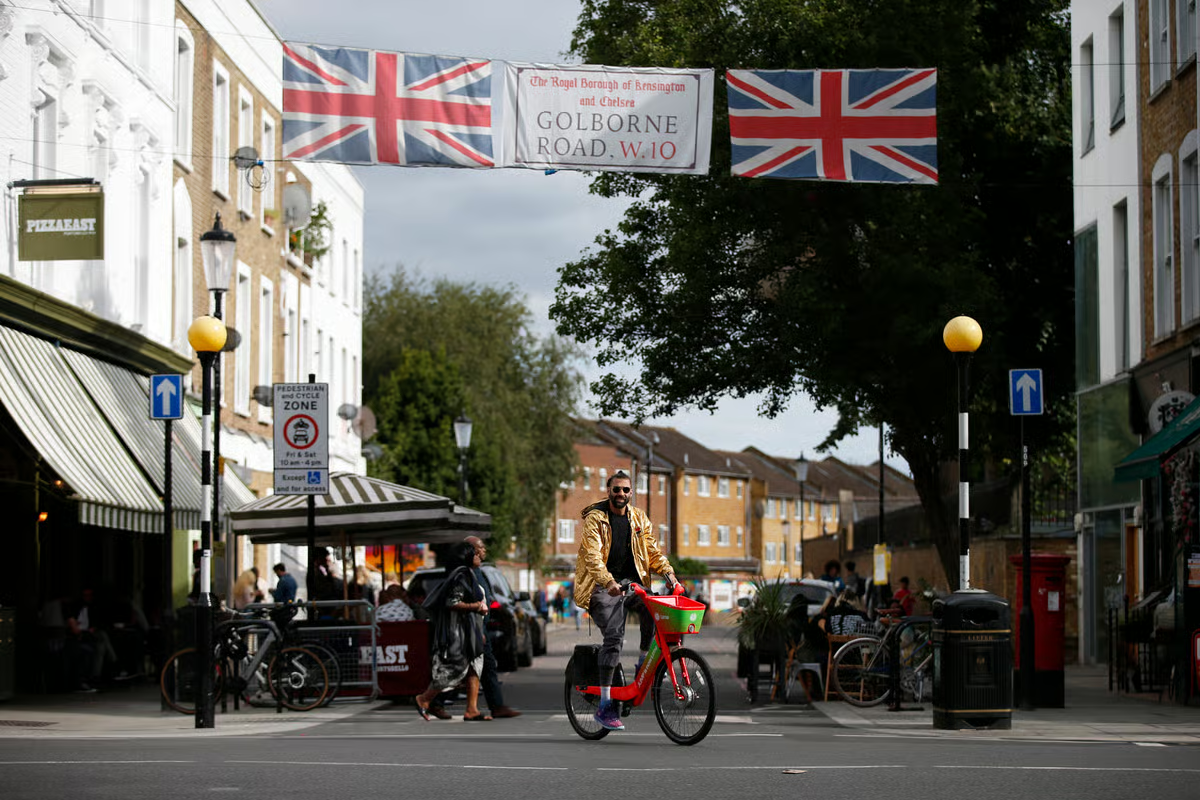
Kensington and Chelsea has been a Conservative majority council since it was created in 1965. Polling had suggested this was unlikely to change with the borough seen as one of the party’s most secure in the capital.
Final results for the borough came in after 8am on Friday after an overnight count. Some candidates had already left the Town Hall as the count had “no end in sight”, the LDRS understands.
Advertisement
Labour Leader Kasim Ali held his seat in Notting Dale, alongside fellow Labour Councillors Claire Simmons and Portia A Thaxter. He said he was proud of the 45 percent increase in Labour councillors on Kensington and Chelsea Council.
The Liberal Democrats took all three seats in the Earl’s Court Ward – gaining one seat from the Tories. Cllr Linda Wade was elected for the fifth consecutive term for the ward.
Here are the full results in Kensington and Chelsea
Kensington and Chelsea (Total number of seats: 50)
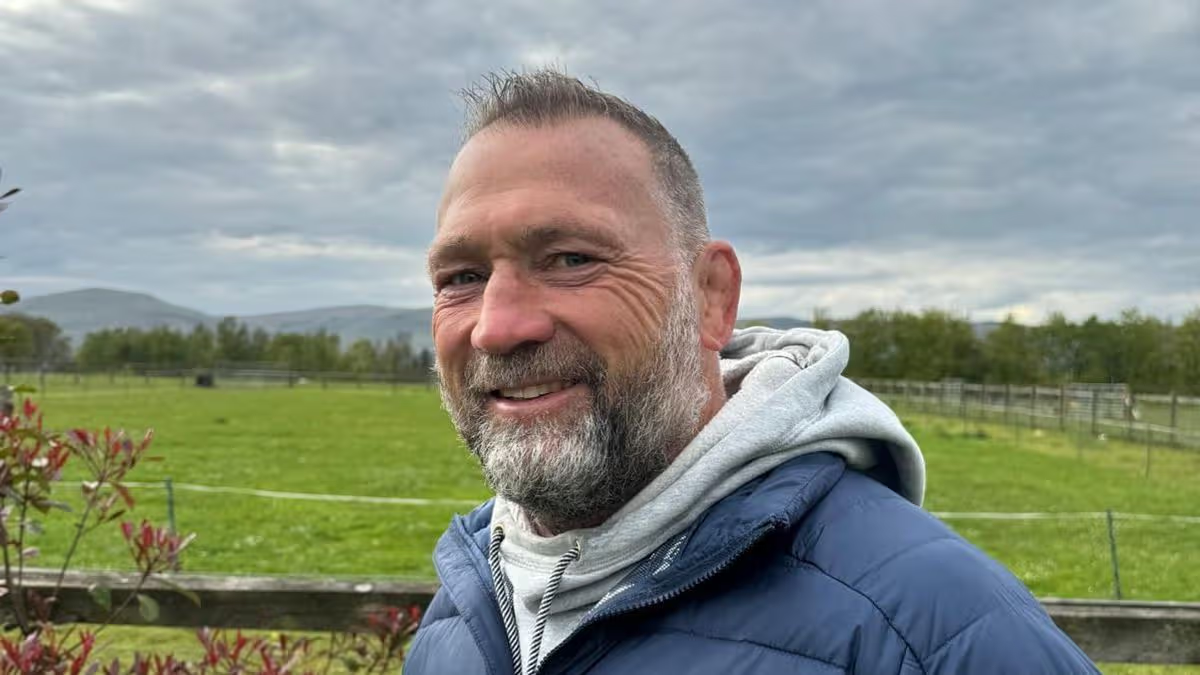
For the first time in some 35 years, Jonathan Humphreys has taken a break from rugby – and he is loving the experience.
He’s quick to stress that he considers himself hugely fortunate to have made a living out of the game for as long as he did.
But he also admits there were tough times along the way, particularly when he was Wales captain and then again more recently while coaching the national team.
With that latter role having ended last year, Humphreys is now away from it all, living up in Scotland on a smallholding near Stirling.
Advertisement
That’s where I caught up with the 57-year-old former hooker for an extended chat about a rugby career which frequently left him struggling to believe what was happening to him.
Born and brought up in North Cornelly, a village four miles from Porthcawl, he was something of a later developer, being 23 before he became a regular with Cardiff, for whom he was to make 240 appearances.
Boxing was a big focus during his teenage years, with his father Colin having competed at a high level in the sport.
“He was the youngest ever ABA champion. He was just 17 when he won it,” he says.
Advertisement
“Whoever won the ABAs at the time would go to the Rome OIympics in 1960, but my dad broke his thumb in the semi-final. He boxed the final and won, but they wouldn’t let him go to the Olympics even though he was fit. It was the Games where Muhammad Ali won his gold.”
Humphreys donned the gloves himself as a youngster.
“My dad used to take me down the boxing gym in Porthcawl a lot when I was 13, 14,” he recalls.
“It would just be me and him. He made me skip for three minutes and then I would be on the bag for another three. It was brutal.
Advertisement
“I kept on doing that for a good while, but I didn’t do it competitively. It was something I definitely wanted to do, but my mum stepped in because a lot of the shows were in the evenings and quite late, so she wouldn’t let me do it.”
When he reflects on his rugby journey, Humphreys picks out various people who played key roles.
Advertisement
The first of those were Cardiff and Wales hooker Alan Phillips and his brother Howard.
“Howard was my coach at Cornelly RFC Youth,” he says.
“I had never played for any representative team, not for the County or Wales Schoolboys or Wales Youth.
“If it wasn’t for him, I don’t think I would have gone anywhere.
Advertisement
“He went to speak to Alan and said ‘You want to come and see this boy’.
“Alan, who was coming towards the end of his playing career at the time, would then take me training. We would go over the sand dunes.
“Because of all the stuff I was doing with my dad, I was just ridiculously fit, but I wasn’t big enough. So Alan became like my personal trainer.
“I have got a huge amount to thank those two brothers for.”
Advertisement
It was through Alan Phillips’ influence that Humphreys made his Cardiff debut against Harlequins in September 1989, aged 20.
At the time, he was doing a Human Movement Studies degree at South Glamorgan Institute of Higher Education, where he played for the college alongside future Wales scrum-half Paul John, who he shared a house with.
He went on to sign for Cardiff, but opportunities were very limited during his early years at the Arms Park. So how did that situation change?
“There was one massive reason – Alec Evans,” he replies.
Advertisement
“I was going to join Pontypridd because Paul (John) was there, but then Cardiff appointed Alec.
“I was third or fourth choice hooker at the time, but the very first meeting I had with him, he said ‘If I promise you the first five games of next season, will you stay?’
“And he had never seen me play! It was a pretty ballsy call by him. So I stayed.”
Wales VIP hospitality tickets from £330
Advertisement
This article contains affiliate links, we will receive a commission on any sales we generate from it. Learn more
Seat Unique offers VIP hospitality tickets for Wales’ autumn internationals including New Zealand and Australia
Humphreys went on to become a regular starter under the Aussie coach. So what was it Evans saw in him?
“I think it was my attitude,” he says.
Advertisement
“Everything to me was a bonus. I never thought I was good enough to be there, but I just thought I will try my hardest, I will try my guts out.
“In those days in rugby, if you were fit and you were aggressive and you would just do anything, you could go a long way. You didn’t necessarily have to have a lot of skill.
“Alec was a very combative player himself, so he just loved people who had a bit of guts and would do anything.
“In those first games I started, there were plenty of people in his ear telling him what he was doing was wrong and that I shouldn’t be playing.
Advertisement
“But he kept on telling me I was the best hooker in Wales, because that’s the way he worked.”
Evans also saw Humphreys as the man to implement a radical change.
“When he came over, he wanted the hooker to throw in with two hands. There was nobody in the northern hemisphere doing it, but he had seen this guy in Japan do it.
“If he wanted me to, I would have kicked the ball in! So I was the one who took it up.
Advertisement
“I was going over the fields in Cornelly and throwing it and it was horrendous trying to do it, especially when everybody was saying ‘What the f*** are you doing?’
“I remember Alan Phillips came up to me and said ‘Look mate, you are never going to play for Wales as long as you are throwing the ball in two hands’.
“I said ‘Mate, I don’t care about that. I am playing every week!’
“I was definitely the first to do it in Europe. Now everybody does it.”
Advertisement
With the new approach adopted, an early highlight under Evans was the 1994 Swalec Cup final victory over Llanelli at a packed National Ground.
“It was the first time I had played at the stadium.
“I remember running out and it was just the most unbelievable feeling. I was thinking ‘What am I doing here?’
Advertisement
“It was just incredible because I never thought I had any chance of doing anything like that.
“It was a beautiful day and we went on to win. I remember I put Mikey Rayer in for a try down the short side. I drew a guy and passed the ball to him. I had never done that before in my life. I usually just put my head down!
“It was just the perfect day. It’s very close to my favourite rugby memory ever.”
The following year, Cardiff won the league, so Evans was an obvious choice to take over as Wales coach for the 1995 World Cup in South Africa following the departure of Alan Davies.
Advertisement
One of his first actions in the job was to call up his hooker.
“When I was named in the squad, it was the same old thing ‘What am I doing here?’” recalls Humphreys.
“It was unbelievably surreal. I only really started playing when Alec took over in 1993. So, we are talking two years.”
Things got even more surreal when Humphreys was selected to make his Test debut in the group match against mighty New Zealand in Johannesburg.
Advertisement
“I remember looking down the tunnel in Ellis Park and thinking ‘F****** hell, look at the size of that second row’. But it was Jonah Lomu!
“As I was running out, Sean Fitzpatrick said to me ‘You are not ready for this, little boy’. I felt like saying to him ‘I know, mate!’
“It was that same feeling again, ‘What the f*** are you doing here?’
“During the second half, Robert Jones passed the ball to me and Jamie Joseph forearm smashed me straight in the head. From that point on, I don’t remember anything.
Advertisement
“I was in the changing room afterwards asking boys next to me ‘How did I play? Was I any good?’
“I had no idea – and I played then three days later against Ireland and scored a try!”
With just two caps under his belt, Humphreys received the biggest bombshell of them all ahead of Wales returning to South Africa three months later for a game against the newly crowned world champion Springboks.
“I can still vividly remember getting the phone call from Alec.
Advertisement
“He goes ‘Do you want to be captain out in South Africa?’
“I think I said ‘F*** yeah!’
“So, in two years, I have gone from nothing to being captain of my country.”
Leading Wales out against the ‘Boks that day in Johannesburg remains a very special memory.
“It was a feeling of pride more than anything. My parents flew over for the game.
“Anybody who grew up with me in rugby would have gone ‘There is no chance he is going to do that, he will never captain Wales’, but here I was.
“It was all just so new. There I was tossing the coin with Francois Pienaar, who was a world icon at that point.
Advertisement
“Then I’m running out in front of the team at Ellis Park and it was a celebration of South Africa winning the World Cup, so it was packed.
“We were seen as lambs to the slaughter, but we didn’t do as badly as everyone thought we would.
“We were actually leading for a bit and we were pretty competitive for large periods. We showed a lot of guts.”
Humphreys continued as captain for victories at home to Fiji and Italy under new coach Kevin Bowring and then the 1996 Five Nations. Initially, there was something of a honeymoon period.
Advertisement
“I was so naive about it,” he admits.
“What happens with anything, the first period of time, everybody is positive. Everybody is saying good things about you, you are doing stuff for the papers.
“Nobody had ever asked me for an interview before, so it was all right, here we go.
“But what it doesn’t prepare you for is when it all turns.”
Advertisement
There was the high point of a victory over title-chasing France in March 1996, but that summer brought heavy defeats on tour in Australia and then things really got nasty during the 1997 Five Nations.
“We beat Scotland in the first game, but then went downhill badly after that.
“You had the disharmony in the Welsh camp with all the players from different clubs fighting against each other. There was a massive divide between Cardiff, Swansea and Neath. There was no team spirit as such. There was a huge split in the camp.
“Then, outside that, you had the clubs and the Union fighting against each other.
Advertisement
“It was just a perfect storm, especially for me.
“What should have been the best time in my life was literally the worst.
“I wasn’t prepared for the criticism. It felt like it came from everywhere. It did affect me and it affected my family. It was the toughest time in my rugby life.
“I remember the bus journey to one match and I was counting in my mind ‘How many games have I got until I retire?’
Advertisement
“I probably didn’t think I deserved to be there, in the team, let alone captain, and then I’ve got everyone telling me I shouldn’t be there.
“The tail end of the 1997 Five Nations was the worst bit. I was getting hate mail sent to the team hotel. I had to stop reading the papers at that point. Every letter the Western Mail would print would be about me. That’s what it felt like.”
Around that time, he was being pilloried for the number of penalties he was giving away, picking up the unflattering nickname of ‘Offside Humphreys’.
“I don’t know who started that. I have no idea,” he says.
Advertisement
“I look back at all that and I think it was probably that I would do anything to stop us getting pumped.
“Wales weren’t very good at the time. I would be offside because I thought to myself if they get the ball they are going to score. I did give away a lot of penalties. I was over committed, I suppose.
“If you wanted to decipher it, it probably came from a place of ‘If we get pumped here, I am going to get more s**t.’
“I remember in games, if we were losing, I was thinking ‘What the f*** are the press going to do to me now?’
Advertisement
“What sort of way is that to live?”
So when his first reign as skipper came to an end after the 1997 Five Nations, it was something of a blessing.
“When Kevin Bowring rang me to say he was going to put Gwyn Jones as captain, my reaction was immense relief,” he reveals.
“I didn’t want to do it anymore.
Advertisement
“I remember Gwyn coming round my house and he thought it would be an awkward conversation, but I welcomed him with open arms. It was ‘In you come, son!’”
Over the next couple of years, starts for Wales were to be few and far between, with Garin Jenkins, Barry Williams and Robin McBryde all vying for the hooking berth.
However, Humphreys did share in the memorable winning run in 1999, coming on as a replacement for Jenkins in the series-clinching win out in Argentina and the historic victory over South Africa in the first game at the new Millennium Stadium, while also figuring at the home World Cup that autumn.
“After that World Cup, I started playing the best rugby I had probably played for a long time,” he recalls.
Advertisement
“I remember Graham Henry ringing me up to say I would be starting the 2000 Six Nations opener against France. But, that same day, I dislocated my shoulder against Harlequins, so I never got back.”
With that, Humphreys’ international career appeared to be over, but then, in 2003, came another seismic shock.
Now with Bath and aged 33, he was called up to the Wales squad as injury cover by Steve Hansen ahead of the Six Nations game against England – but that was just the half of it.
“I was only expecting to be there for a day,” he recalls.
Advertisement
“I saw Steve and he said just to go into a couple of meetings and I would be done.
“So, I went into this team meeting and, with them playing England, one of the coaches said ‘What do we know about Jason Robinson?’.
“Because I was playing in that league and nobody was answering, I said he does this, this and this.
“Anyway, I came out of that meeting and said I will have something to eat and I will go.
Advertisement
“But then Steve comes on to me and says ‘Can I have a chat with you, mate?’
“So he takes me into a room and he goes ‘I want you to play on the weekend and I want you to be captain’.
“I looked at him and my exact words were ‘F*** off’.
“The press conference that afternoon when they announced me as captain was chaos.
Advertisement
“I went on my phone afterwards and it had gone nuts.
“It was all the boys from Bath going ‘Is this a joke?’”
But it was no joke, with Humphreys returning to the side as skipper.
Advertisement
“We could have beaten England and we should have beaten Ireland,” he recalls.
“My eldest son came to watch the games, so at least he saw me play in that stadium.
“I was honoured to captain Wales. I did it 19 times in all. But I think the only time I actually really enjoyed it was when I came back in 2003 because I was determined I was going to enjoy it for what it was.
“Then it came full circle where everybody was saying nice things about me.
Advertisement
“I had young children and I was conscious of ‘Am I going back into all this shit again?’
“But to have people say nice things about you at the end was a nice way to go. They said nice things at the start and nice things at the end!”
In all, Humphreys won 35 Wales caps and played more than 300 games for club and country before hanging up his boots in 2005, aged 36.
Then came the move into coaching, with the next two decades taking in spells with the Ospreys, Scotland, Glasgow and Wales.
Advertisement
“I could have stayed playing another year at Bath, but I just felt I was done. I didn’t like the nerves before games any more. That sort of stuff.
“So I never missed playing and coaching was just something completely different for me.
“You still get the buzz, but I never felt like I wanted to go back out there and throw myself around.
“I really enjoyed the early part of my coaching career because it was all so new to me and we were pretty successful at the Ospreys. The biggest shame was we never won Europe because we had a team that should have done so.
Advertisement
“My fondest memories as a coach are of the people I worked with, some incredible people, people I really enjoyed.”
Humphreys came in as Wales forward coach after the 2019 World Cup to work with new boss Wayne Pivac and shared in both the 2021 Six Nations title triumph and the historic victory over South Africa in Bloemfontein the following year.
After Pivac’s departure, he was retained by the returning Warren Gatland and looks back on the 2023 World Cup campaign with particular fondness.
But, following Gatland’s exit, Humphreys’ time with Wales came to an end after the 2025 Six Nations.
“I’m not bitter about leaving because if you lose 17 games in a row you’re lucky to stay in a job. So I have no issue that they wanted to go a different way.
“I loved my time with Wales and I was proud to win the Six Nations and beat the Springboks for the first time out in South Africa, but everything must come to an end at some point.
“I will always look back at my time in the job with an equal measure of pride and disappointment.”
Advertisement
Since the end of his six-year stint with Wales, father-of-three Humphreys has stepped away from the game.
“I have taken a big break because I haven’t had one for 35 years,” he says.
“I have taken a complete break which I have very much enjoyed. I have loved it. I haven’t missed rugby at all.
“With Wales, towards the end, you knew it was going to be a massive struggle to compete. All that comes with the stresses of it all.
Advertisement
“Until you have actually taken yourself away from it, you don’t know how much effect that has on you.
“It’s again like having the Welsh captaincy taken off me. It’s like a relief and I feel a lot better for it.
“I’m more relaxed and your emotions are not up and down on a weekly basis.”
So it is that we find Humphreys at ease with life up in the Scottish countryside with the crowing of a cockerill and the braying of a horse in the background as we chat.
Advertisement
“We are about 15 minutes from Stirling. We moved up when I did the Scotland job and the kids all settled up here. It’s great.
“I have got a smallholding, a few acres at the back of the house, and my wife has got horses.
“I have been able to spend more time with my younger son, who is 14. It’s been good.”
So, finally, as he looks back on it all, what are his thoughts?
Advertisement
“I was lucky to have rugby as my life for so long,” he says.
“It has given me everything. I was very fortunate to play when I did, where I could do something I would have done for free as my living.
“I have never had to work a day in my life and that’s true. It’s never felt like work. There are not many people who can do that.”
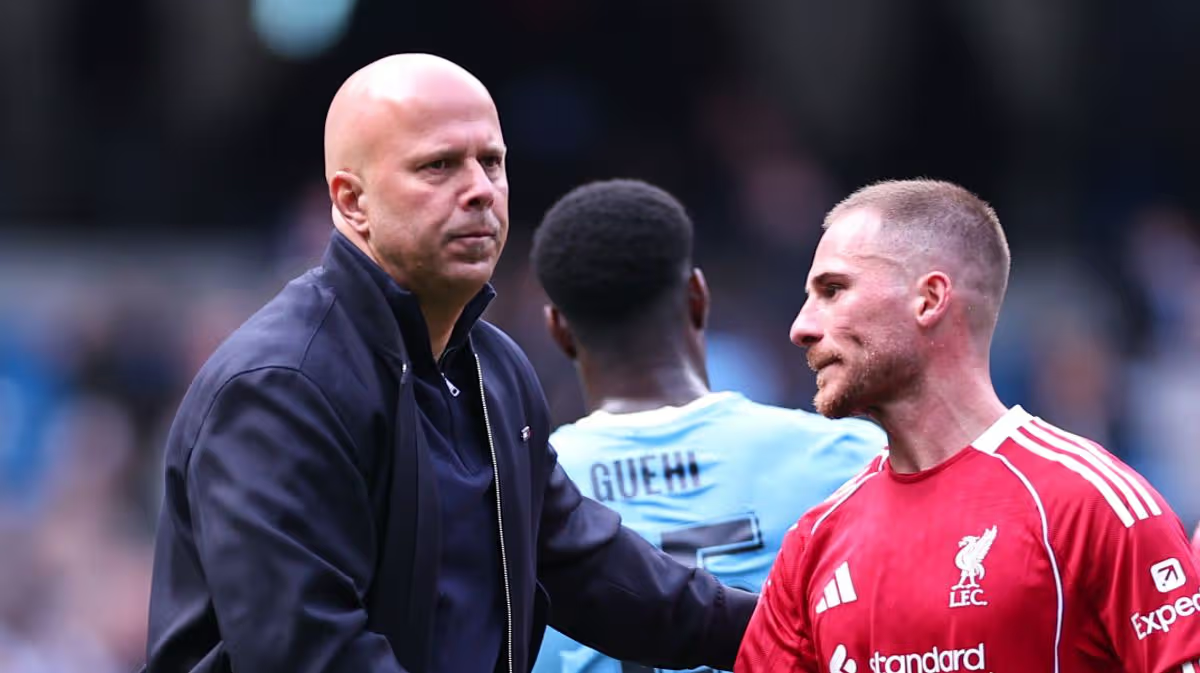
Liverpool could be preparing for another star’s exit this summer after their latest contract admission
A victory against Chelsea on Saturday will secure Liverpool‘s passage into the Champions League next season. In what has been a season to forget for the Reds, a positive end to the campaign is still on the cards despite the absence of trophies.
Advertisement
Qualification for European football’s biggest prize will also significantly boost the club’s ability to spend this summer, with Arne Slot expected to remain in his position to lead yet another expensive transfer window.
On the Dutchman’s to-do list includes replacing Mohamed Salah and Andy Robertson who will leave the club after nine years. Slot may also contend with dealing with Alexis Mac Allister’s contract situation, while the Reds boss has also been told to make a “dream” signing for the club.
Mirror Football delves into the biggest stories coming out of Anfield…
Mac Allister future discussed
Alexis Mac Allister only has two years left on his Liverpool contract but is not engaged in conversations about an extension, according to his father Carlos. The former Boca Juniors midfielder also revealed his son is not in talks regarding a potential move away from Anfield either.
The 27-year-old’s midfield colleagues, Ryan Gravenberch and Dominik Szoboszlai, have been prioritised for extensions this season as speculation has recently emerged that Mac Allister could move on soon.
Discussing his son’s future, Carlos told WinWin: “Alexis has a valid contract until June 2028 and so far we are not speaking publicly with any other club. We believe that the club’s fans deserve this level of respect from the player, and so far the club has not negotiated with us to renew the contract.”
The World Cup winner is one of several players this season who haven’t performed to levels previously shown with the Reds set to finish the season without silverware.
Slot told to make dream signing
Liverpool’s attack will be subject to significant investment this summer. With Mohamed Salah on his way out, Hugo Ekitike potentially out of action until 2027 and Federico Chiesa’s future uncertain, Slot will need to bring in firepower.
Among the numerous names linked with a move to Merseyside, ex-Reds star Bolo Zenden believes Paris Saint-Germain winger Desire Doue would represent a “dream” signing for the Premier League champions.
Advertisement
Discussing the France international’s superb talent, Zenden did admit prising him away from the Champions League holders could prove to be a difficult task. He said: “A player I like a lot and would be my dream signing for Liverpool is Desire Doue.
“Having said that, I think it would be really hard to persuade him to leave PSG. Doue is doing really, really well for his age and has a certain profile that would obviously fit Liverpool. But, as I said, he’s at a great club, and they’re winning most of the trophies that they can.
“For him to leave Paris, it will be a difficult one, but he’s definitely a player that I like to watch. He’s one of the players that plays on that wing and week in, week out shows his qualities. It would be a dream signing.”
Advertisement
Sky Sports, HBO Max, Netflix and Disney+ with Ultimate TV package
This article contains affiliate links, we will receive a commission on any sales we generate from it. Learn more
Sky has upgraded its Ultimate TV and Sky Sports bundle to now include HBO Max, Netflix, Disney+, discovery+ and Hayu, as well as 135 channels and full Sky coverage of the Premier League and EFL.
Sky broadcasts more than 1,400 live matches across the Premier League, EFL and more with at least 215 live from the top flight alongside Formula 1, darts and golf.
Bruno Fernandes is having his best season yet at Man Utd but his future could again be in the spotlight this summer.
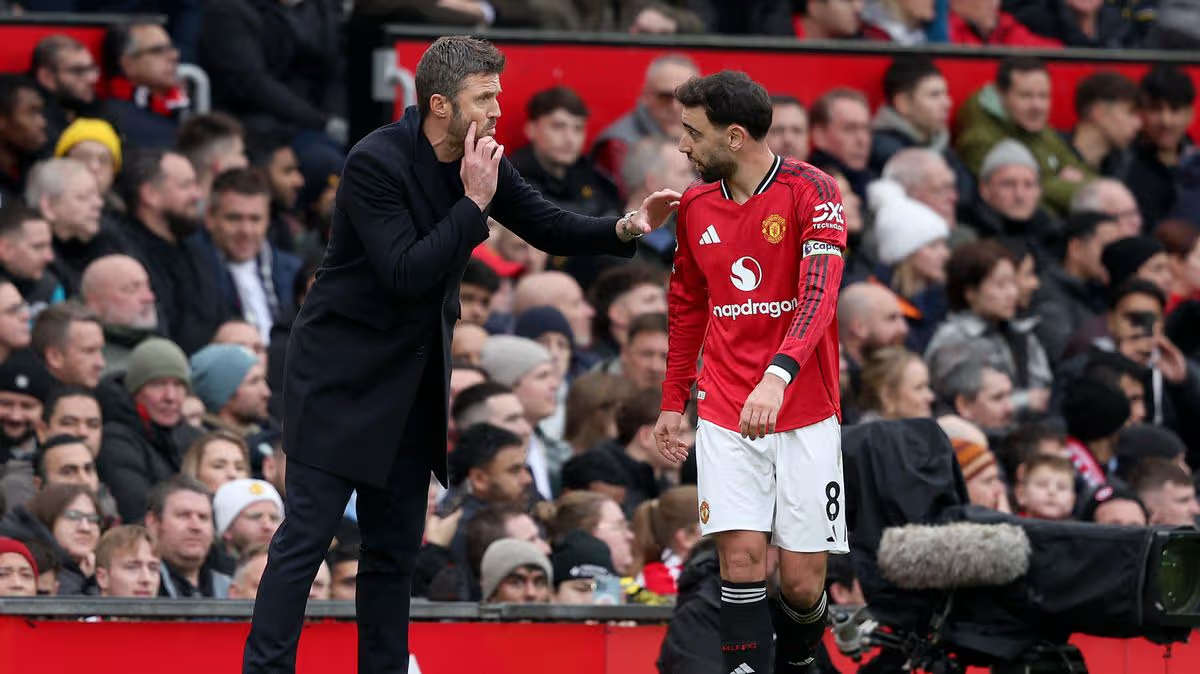
Michael Carrick expects Bruno Fernandes to stay at Manchester United this summer after the attacking midfielder was voted the Football Writers’ Association’s player of the year for 2025/26.
Advertisement
Fernandes is enjoying his best season yet at Old Trafford, and he needs one assist to equal the Premier League record of 20, held jointly by Thierry Henry and Kevin De Bruyne.
The 31-year-old is in a league of his own when it comes to chances created, with his tally of 120 almost double that of his nearest challengers, Dominik Szoboszlai and Declan Rice.
Click here to find out the latest Manchester United news in our daily newsletter
Fernandes is delivering his golden season after a summer in which he almost left United. He weighed up interest from Saudi Pro League side Al-Hilal after defeat in the Europa League final last May, and although he opted to stay at Old Trafford, he felt the club would have been happy to cash in on him.
Advertisement
United have made it clear this summer that they want Fernandes to stay and have no interest in selling, but he has a release clause of around £56million that could be triggered by clubs from abroad.
But United have secured a return to the Champions League and there is a sense of momentum building domestically, and Carrick believes Fernandes wants to be a part of that after a season in which he has shown he is as good as ever.
“I think Bruno, you can see he’s happy and he’s playing some fantastic football,” said Carrick. “Maybe he’s as good as he’s played ever and he’s had really good spells here. So he looks happy.
“I think he’s got a big end to the season here. He’s got a big summer, of course. But yeah, as a football club, we love having him here. He’s a big part of what we do.”
Advertisement
United hope that their ambitious recruitment plans this summer will show their captain they mean business when it comes to challenging in Europe and domestically.
Club bosses are eyeing at least two new midfielders, with Nottingham Forest’s Elliot Anderson the top target while there is interest in Real Madrid’s Aurelien Tchouameni, who has been disciplined at the Bernabeu after a fight with teammate Federico Valverde.
They are also monitoring Aston Villa’s Morgan Rogers as part of a plan to sign another forward and will strengthen at left-back as well, and Carrick said discussions over recruitment are ongoing after Champions League football for next season was secured last week.
“Yeah, there’s always discussions going on, some informal, some smaller than others but there’s always discussions. There’s a lot to talk about,” said Carrick, who is still waiting to hear what his own future holds.
Advertisement
“Recruitment is the obvious one and when it gets to this time of year that’s what everyone wants to know about and understandably so. There’s a lot of work going on and it’s not just for me leading like that, there’s a lot going on, making plans for what the summer and beyond looks like.”
Sky Sports, HBO Max, Netflix and Disney+ with Ultimate TV package
This article contains affiliate links, we will receive a commission on any sales we generate from it. Learn more
Sky has upgraded its Ultimate TV and Sky Sports bundle to now include HBO Max, Netflix, Disney+, discovery+ and Hayu, as well as 135 channels and full Sky coverage of the Premier League and EFL.
Sky broadcasts more than 1,400 live matches across the Premier League, EFL and more with at least 215 live from the top flight alongside Formula 1, darts and golf.
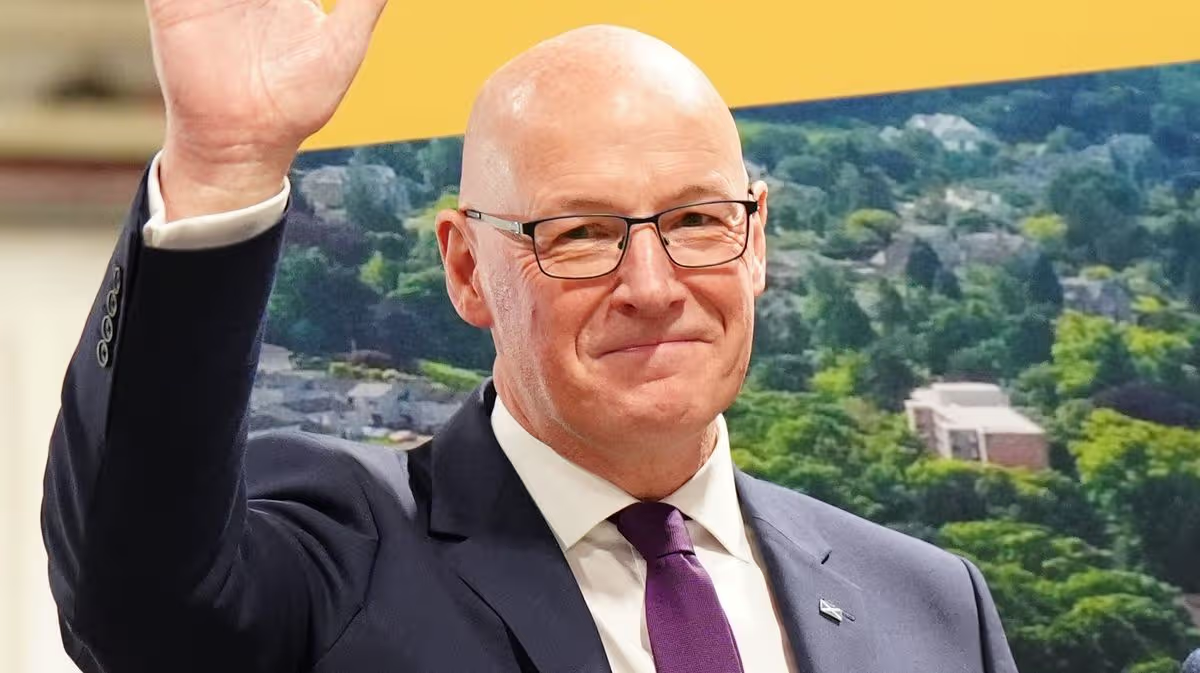
To John Swinney, congratulations – and a warning. The country has given you the benefit of the doubt, again. You’ve been a lucky leader. Now be a great one.
We’re in John Swinney’s hands for another five years.
Advertisement
That’s Scotland’s verdict after a “meh” election that left the nation cold.
The message from polling booths across the country was this: we don’t want more of the same.
Like a league table at the end of the football season, an election result is never wrong. Scots made it clear they want the SNP as the largest party, with trusted gaffer John Swinney in the dugout.
His party has earned the right to be top of the tree – it has been better than the alternatives.
Advertisement
But Scots didn’t give him the majority he wanted. Scots didn’t vote for the referendum he promised.
They did vote for Swinney to put Scotland right. To sort our hospitals, our schools, the cost of living.
If the SNP treats this result as permission to spend another five years picking fights about independence, it will eventually be punished.
Punished, perhaps, like the former party of government Scottish Labour, now in Scottish politics’ relegation zone, dragged down by the deadweight of Keir Starmer’s London Labour.
Advertisement
Anas Sarwar did what he could but a campaign that never caught its stride was tripped up by scandal down south.
In the end, Scottish voters rejected Labour’s red rosette in favour of their own red card.
That is the lesson Sir Keir Starmer must take from this election. He’s dragging his party down.
Meanwhile, the populists of Reform and the Greens scooped up plenty of votes from scunnered Scots.
Advertisement
Politicians should instead ask themselves why Reform and the Greens picked up so much support.
We exposed some of Reform’s candidates as racists and cranks. But those who voted for Nigel Farage’s party are neither of those things. They’ve just had enough of platitudes on immigration. Maybe they like Reform’s pledges to fix the NHS and cut energy bills, too.
People who back the Greens don’t want to crash the economy, either. But they do like the party’s compassion for the poor and the young, their promises on public transport and their plans to tax the rich.
These parties now form a new-look parliament – the Holyrood Scotland has chosen. A government that won cleanly – but without a majority. A government that needs partners. An opposition that must be rebuilt.
Advertisement
Today’s Holyrood must do better than yesterday’s.
NHS waiting lists have not shrunk overnight. Schools are still slipping down the league tables. Drug deaths still shame us. The ferries are still failing islanders.
The attainment gap Nicola Sturgeon staked her reputation on closing is as wide as the day she made the promise.
None of it disappeared while votes were totted up.
Advertisement
So, to every MSP:
● Fix the NHS. Get the waiting lists down. Stop blaming Westminster for choices made here.
● Fix the schools. Close the gap between Scotland’s richest and poorest children.
● Fix the drug deaths. Stop treating them as someone else’s problem.
Advertisement
● Fix the ferries. Just. Fix. The. Ferries.
And do it without spending five years arguing about a referendum the country has not asked for.
To Anas Sarwar, our respect. The road back will be long. You have the character for it.
To John Swinney, congratulations – and a warning. The country has given you the benefit of the doubt, again. You’ve been a lucky leader. Now be a great one.
Advertisement
To every Scot who voted on Thursday: you did your duty. Now we look to our politicians to do theirs. A new Holyrood’s work starts now. Let’s demand a world-class performance.
Get more Daily Record exclusives by signing up for free to Google’s preferred sources. Click HERE.
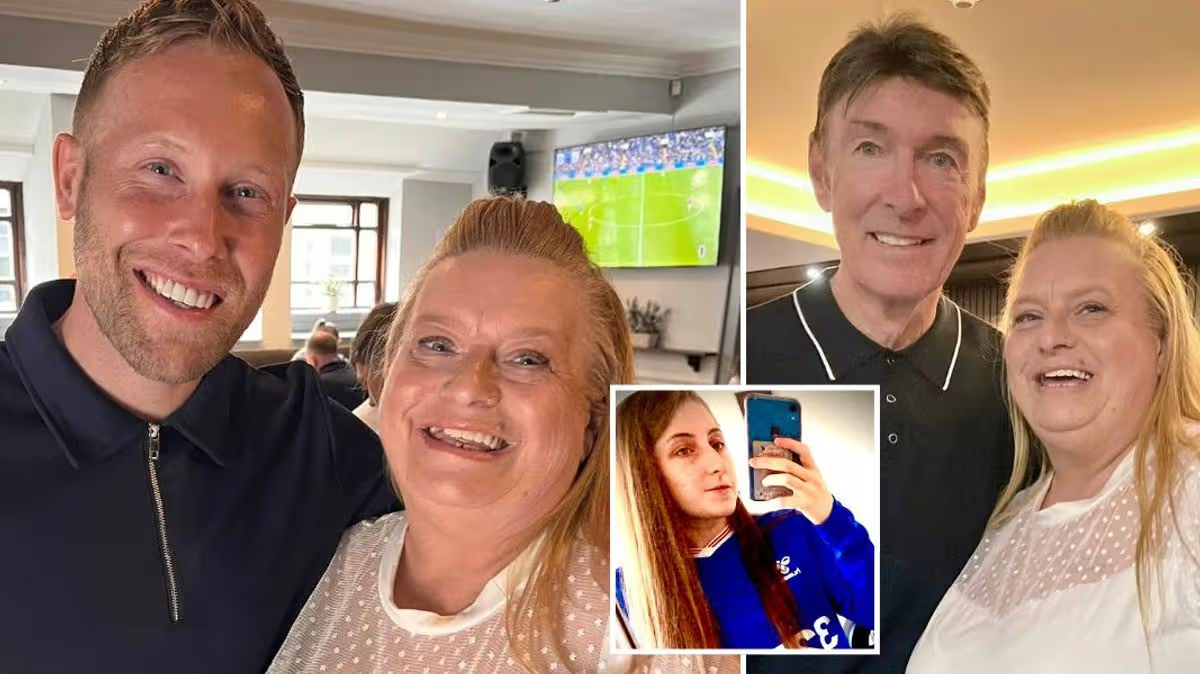
Rangers legends have backed a campaign launched after Lauren Reid died aged just 19 following a severe asthma attack while at work in Glasgow in February 2020.
Rangers legends have backed a mum who launched an asthma campaign after the tragic death of her teenage daughter.
Advertisement
Elaine Cunningham’s daughter Lauren Reid died aged just 19 after suffering a severe asthma attack while at work in Glasgow in February 2020. Since losing her “Rangers-mad” daughter, Elaine has tirelessly campaigned for Lauren’s Law Asthma Campaign – calling for emergency salbutamol inhalers to be kept in workplace first aid kits to prevent other families suffering the same devastation.
Now the determined mum, from Dennistoun, has received support from Rangers heroes Scott Arfield and Gordon Smith. The 50-year-old revealed how the touching encounter came about after she visited Scott Arfield’s new 442 bar to watch Rangers take on Hearts on Monday night.
She said: “Scott Arfield was Lauren’s favourite player and she served him at work numerous times. When he was opening the bar, I was desperate to go.
Advertisement
“I previously met Scott at Ibrox and I told him Lauren’s story. On Monday when I walked into the bar, Scott recognised me straight away from that moment all those years ago.
“He was beaming and was asking how Lauren’s campaign was going and how I was doing. Scott’s reaction meant so much to me, his smile was genuine and he was so lovely.
“When he told me that he would back the campaign, I was overwhelmed with emotion.”
Elaine also met club legend Gordon Smith during the emotional night, while ex-Ibrox striker Kemar Roofe was also in attendance.
She said: “I’m very bold and you don’t get anywhere without asking. Gordon Smith was there and I told him all about Lauren’s law.
“In his very calm voice, he said, ‘Of course, you can certainly use my name and say that I support your daughter’s campaign. That’s such a shame’.
“It’s very important to get stars to back the campaign to raise awareness. I have no words how honoured I feel to get people like them to do this.”
Advertisement
Arfield and Smith now join a growing list of Gers figures who have endorsed Lauren’s Law, including Alex Rae, Phillipe Clement, Cyriel Dessers and Connor Barron. Elaine explained who her favourite supporter was: “The best of all was captain James Tavernier. We waited on him after one of the games last year.
“If you notice he always keeps his hands behind his back when taking photos with fans. When he came to me, I explained Lauren’s story and our aims so he knew he wasn’t being misled and he said ‘I support Lauren’s Law’.
“I burst into tears and he came back and gave me a cuddle. All of the crowd started clapping.
Advertisement
“Lauren and I have so many lovely memories together with the club. They say that being a Rangers supporter is like being in a big family and I must admit that it is true.”
Lauren died after collapsing while on shift at Gin71 in Glasgow’s Merchant City. The passionate young chef had completed an apprenticeship and dreamed of building a career in the culinary world. She was also devoted to Rangers, who held a minute’s applause for her following her death.
Elaine added: “Through the campaign, I get messages all the time from people who say they carry an extra inhaler just in case.
“If one life is saved from sharing Lauren’s story, then it is job done. All these celebrity followers are great, but it’s all about making a difference.”
Advertisement
Get more Daily Record exclusives by signing up for free to Google’s preferred sources. Click HERE
On 9 May 2022, Vladimir Putin stood grandly at a podium in Moscow’s Red Square, surveying a legion of armoured military vehicles for the country’s annual Victory Day parade, held in honour of the moment Russia joined forces with the West to defeat Nazi Germany.
Weeks earlier, he’d invaded his neighbour Ukraine, sparking a conflict that has ground on for more than four years. During a defiant speech on that day, the Russian president launched an attack on Nato, Ukraine and a host of western countries.
Surrounded by military hardware, he insisted that Russia was “fighting for the motherland, for her future, and so that nobody forgets the lessons of World War II”.
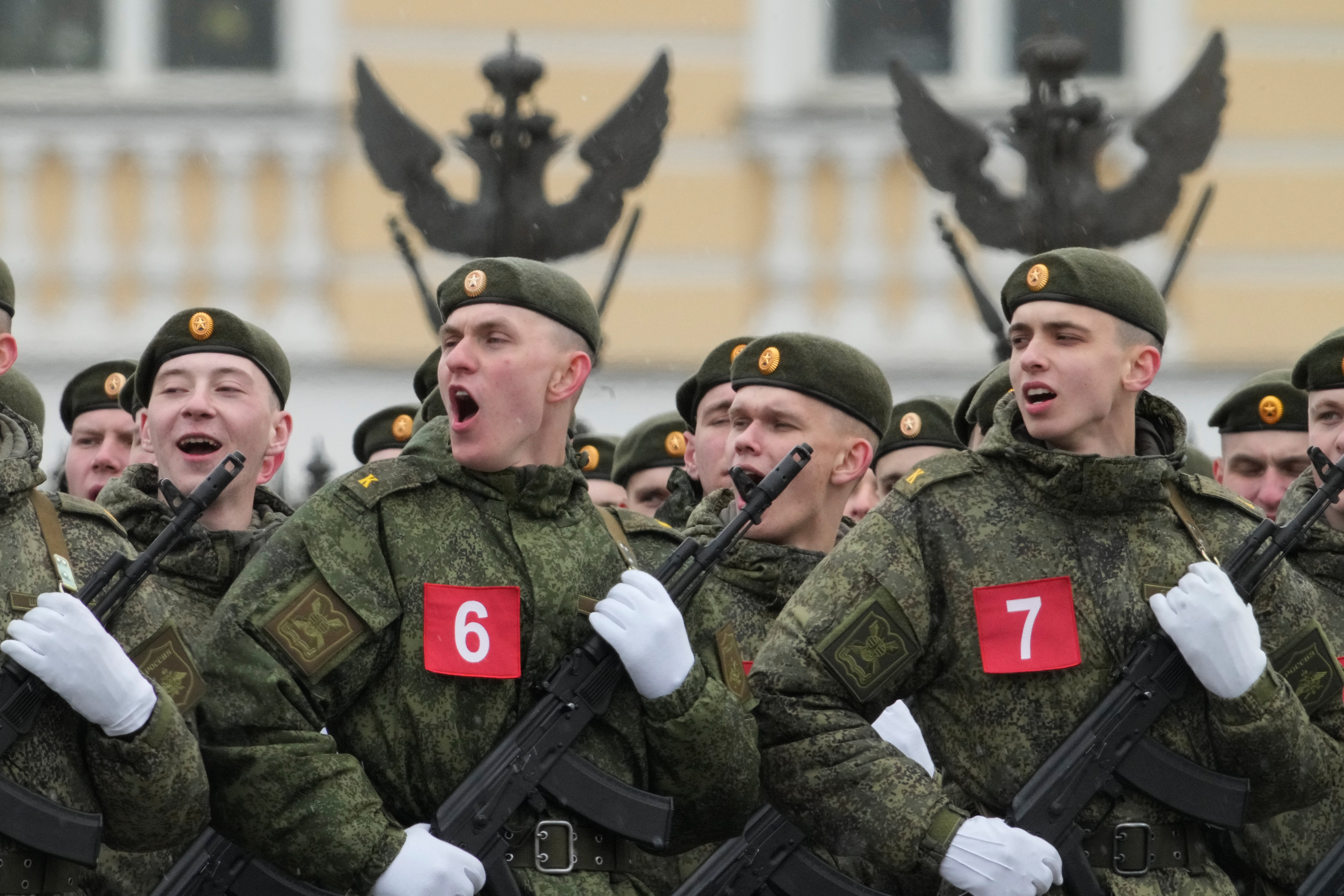
But this year things are different. For the first time in nearly two decades, those celebrations will be scaled back dramatically without any showy and heavy military hardware, amid new fears of long-range Ukrainian drone strikes that have been hitting deep inside Russia.
Advertisement
(Reuters)
Volodymyr Zelensky has been unequivocal about the fact that Ukraine’s “victory plan” entails hitting targets deep within Russia and his country’s technological and military capabilities are advancing rapidly.
His strategy will be helped by a new €90bn loan from the EU, recently released after Hungary’s prime minister Viktor Orban was ousted from office, unblocking the funds.
For Russia, a country that prides itself on its demonstrations of military might, the lack of fanfare at the parade will be out of character.
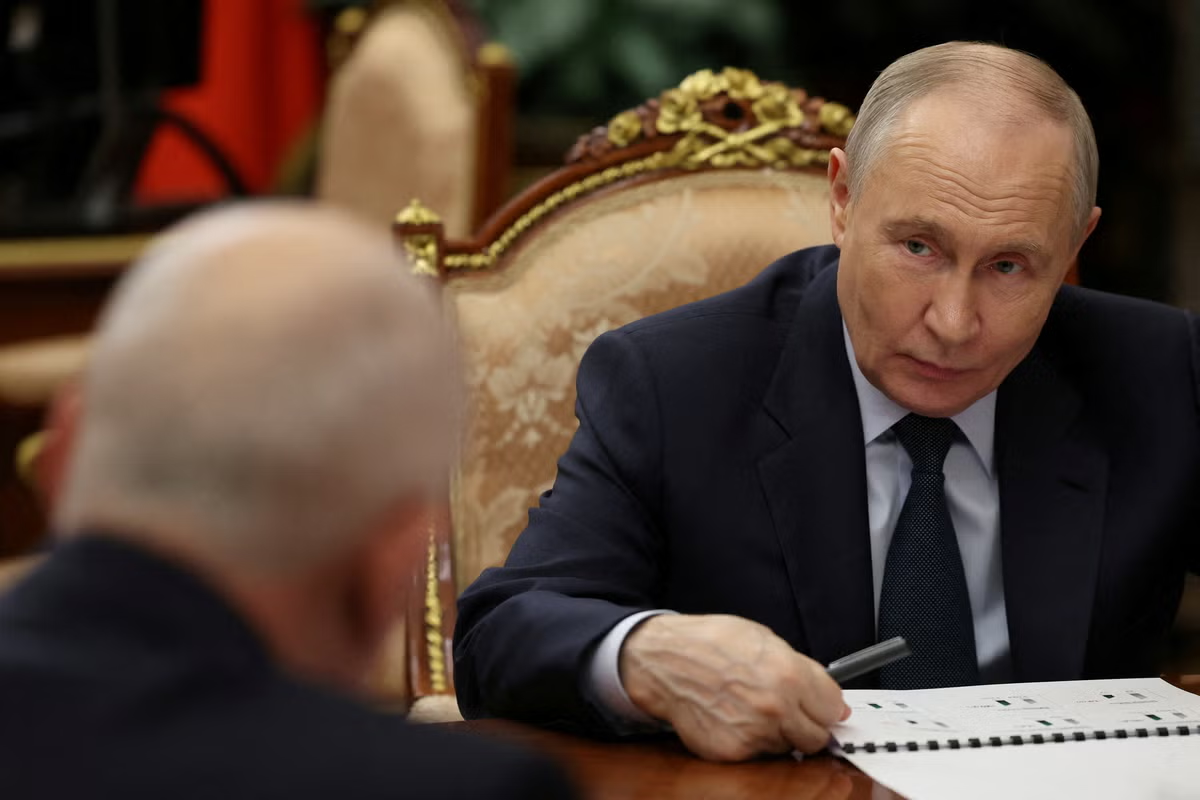
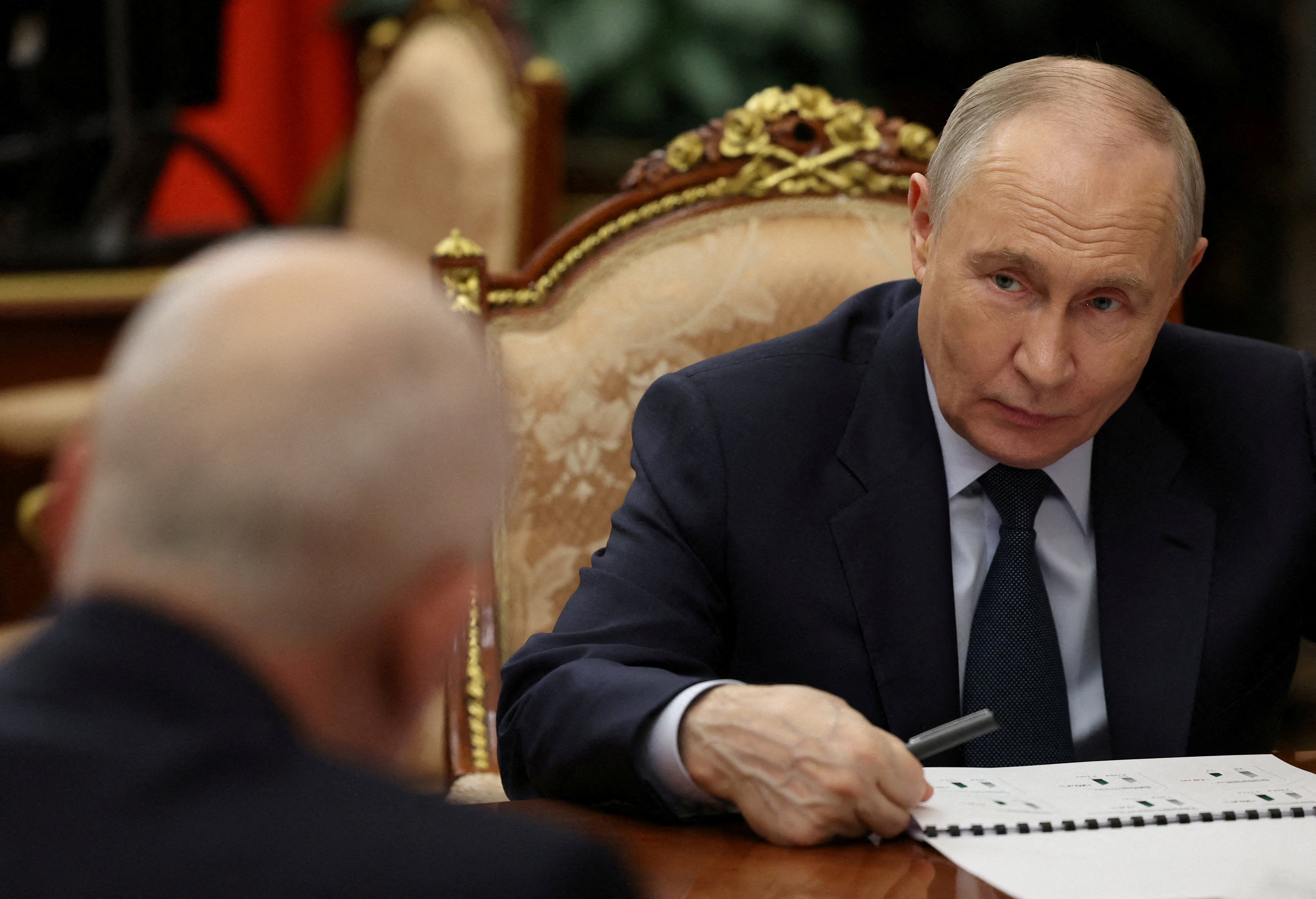
This year, Putin remains more paranoid and isolated than ever before. Security has been tightened across the capital of Moscow, with unprecedented military presence including checkpoints, snipers and machine-gun crews.
It comes amid a leaked European intelligence report claiming that Putin’s increasing paranoia over his personal safety has led him to spend weeks in underground bunkers, screening staff and banning cell phones for personal cooks and bodyguards.
Advertisement
On top of that, internet shutdowns have been reported across the country, and social media channels replaced by the state’s own intelligence-monitored versions.
“Within the wider context it shouldn’t come as a surprise,” says Jaroslava Barbieri, a research fellow at the Ukraine Forum at Chatham House.
“That’s how dictators usually end up feeling when they feel like power is slipping away. There is an interesting dynamic there with the slipping image of Russia as a military superpower and the slipping image of Putin as a strong man.”
Troops attend a rehearsal for the Victory Day military parade at the Dvortsovaya (Palace) Square in St. Petersburg, Russia (AP)
She says this is also reflected in Putin’s drop in opinion polls, even those which have been traditionally pro-Kremlin as the economic effects of sanctions and general fatigue with the war takes hold.
“These are signs that he’s kind of losing his grasp,” she explains.
Advertisement
Last week it was reported that his approval rating among the general public had dropped for the seventh consecutive week, according to Russian state-owned polling institution All-Russian Public Opinion Research Center (VTsIOM).
While Putin’s paranoia is not new – he is widely known to be a germaphobe who hunkered down hard following the Covid pandemic, taking some extreme measures to avoid catching the illness – there have been a number of events in recent months that are believed to have contributed to his sense of vulnerability.
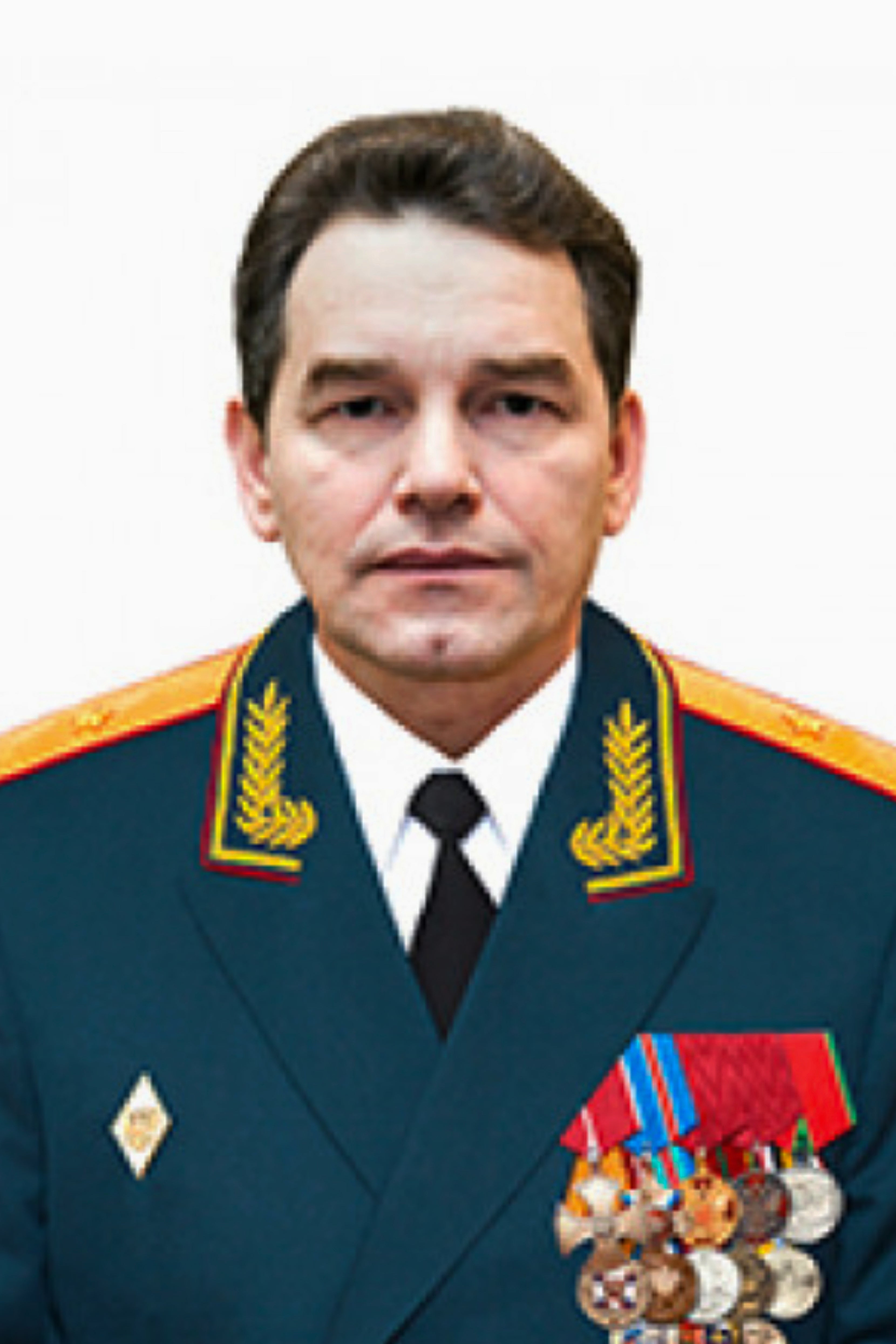
In December 2025, his top general Lt Gen Fanil Sarvarov was killed after a bomb planted under his car detonated as he drove out of a Moscow car park at around 7am in the morning.
The 56-year-old was rushed to hospital with multiple shrapnel wounds, severe leg injuries, a facial fracture and concussion, but did not survive. Seven other vehicles were reported to be damaged in the blast.
Advertisement
In February this year, Lieutenant General Vladimir Alexeyev was shot and injured in an alleged assassination attempt. Several other senior officials have been killed since Russia launched its invasion in 2022.
Last year, unverified claims surfaced that Ukraine had attempted to target the Russian president at his personal residence in the Novgorod region. US intelligence found the claims not to be true and Kyiv denied the allegations.
The damaged Kia Sorento lies at the scene where Lieutenant General Fanil Sarvarov, head of the Russian General Staff’s army operational training directorate, was killed in a car bomb last December (Reuters)
But Putin does not want to be seen as weak – and the need to appear powerful is compounded by the 9 May celebrations, which Barbieri says is crucial to Russia’s understanding of itself as a country.
“It has been a hallmark of Russia’s identity building and nation-building processes under Putin and underlying this image is always this sense that they liberated Europe from fascism, that they’re unbeatable and always on the right side of history.
“He had a kind of distorted understanding of the reality on the ground, but inevitably he feels pressure to try and sell domestically an image of victory.”
Advertisement
But cracks are widening in the perception of Putin’s administration as a unified bloc as elite bureaucrats and middle-class businesspeople grow uneasy with restrictions and the economic effects of the war, which continues to take up 70 per cent of Putin’s time and has become his “obsession”.
Barbieri explains that within the Russian elite there are figures such as Sergey Kiriyenko who are more akin to bureaucrats, who are increasingly concerned “that the current total investment in the war effort is creating a number of economic problems for the country”.
Then there is the security and military bloc, which is more passionate about the country’s war aims but has also become increasingly critical, including the Siloviki (”men of force” that include Russian officials from security, military, and law enforcement agencies such as the FSB, defence ministry and National Guard) as well as Z-bloggers.
Putin thought the war would be over in weeks, and the fact that it has continued for nearly half a decade is a shock to him and the establishment, says Barbieri.
Advertisement
General Fanil Sarvarov was killed after a bomb planted under his car detonated as he drove out of a car park last Decemeber (AP)
“As it has lasted longer, it has started to become more difficult to isolate the country from information about casualties and the impact of sanctions. They’re trying to control the narrative but it’s becoming harder to isolate the population from a conversation abut the actual failures.”
Internet outages have affected businesses with customers unable to contact their clients, causing more frustration.
Russians are also feeling shaken by military strikes that have hit them hundreds of miles beyond their border. On Friday, Zelensky said a Ukrainian drone strike hit one of Russia’s largest oil refineries in Yaroslavl, a city situated more than 700km from its border.
Despite these attacks, Russia is determined to continue with the Victory Day commemorations.
“It’s quite unusual for a country to be having these parades,” says Christina Hayward at the Institute for the Study of War. “Ukraine does not have these kind of events, and they haven’t for years because of the risk of Russian strikes attacking concentrations of people.
Advertisement
“It’s interesting to see that Russia is now feeling that same wartime fear. It’s showing the effect that the increased Ukrainian strikes are having on Russian planning and that they aren’t confident in their ability to have enough air defences to protect these events should they choose to have them.”
But despite Putin’s fear of being attacked, experts say that Russia’s history shows a far more sobering and terrifying reality.
“Regime consolidation has put in place an authoritarian system that operates like a police state,” she says. “Russia’s history shows that if it were changed it would most like be through a violent and sudden way rather than a gradual decline.
“The cracks within the regime are widening but the big question now is what is going to happen. Once these cracks become too wide to be covered, historically change in Russia has always happened suddenly and violently. Among the expert community, the expectation is that if such a change were to happen, most likely it’s going to come from inside.”
“Starting with Mexico City and continuing the next day with Toronto and Los Angeles, these ceremonies will bring together music, culture and football in a way that reflects both the individuality of each nation and the unity that defines this tournament. It is a powerful way to begin a truly global celebration.”









































You must be logged in to post a comment Login