
With new adaptations of Pride and Prejudice and Sense and Sensibility arriving on our screens this autumn, television’s long-running love affair with Jane Austen shows little sign of abating. But there are other 18th-century writers with whom TV could have a wonderful love affair, too.
One writes about a woman who disguises herself as four different people to pursue the same man. Another writes about a woman becomes so obsessed with romance novels that she struggles to distinguish fiction from reality. In other’s work, a young heroine navigates the dangers of high society while a sheltered young woman uncovers dark family secrets in a remote castle.
Don’t these sound like pitches developed for a contemporary streaming platform? Although largely forgotten today, they contain many of the ingredients that contemporary television audiences love. Here are romance, scandal, mistaken identities, unreliable narrators, gothic suspense and sharp social commentary. Indeed, some of the 18th-century’s most influential novels seem almost uncannily designed for 21st-century screens. Here are five such tales.
Broadview Press
The titular protagonist of Haywood’s best-known work is a young woman who repeatedly reinvents herself through a series of disguises to sustain a relationship with an unsuspecting lover. Long before Tinder profiles or TikTok personas, Haywood understood that attraction often depends on performance and self-presentation.
In a recognisably contemporary act of self-fashioning, each disguise grants Fantomina access to forms of freedom, mobility and sexual agency denied to respectable 18th-century women. It is only by shedding her “respectable” identity and becoming anonymous that Fantomina is able explore the freedoms offered by public life.
In this respect, the novella’s interest in reinvention anticipates everything from online pseudonyms to the carefully curated selves of dating apps, while its suggestion that women are judged differently depending on how and where they appear in public feels strikingly relevant in an era of social media, personal branding, and constant visibility.
Oxford World’s Classics

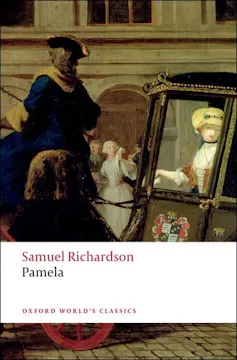
Few mid-century novels generated more controversy or excitement than Pamela, the story of a young servant girl who resists the unwanted advances of her wealthy employer. Centred on questions of power, class, precarity and consent that remain highly relevant today, the novel sparked fierce debate amongst its first readers and spawned several imitative responses.
Long before the #MeToo movement forced a wider reckoning with how economic and social authority can be abused, Richardson’s bestselling novel was asking pertinent questions about the options available to women when the men pursuing them also hold power over their futures. The novel’s conclusion can feel deeply troubling to modern readers. Yet it is precisely its ambiguity — and the difficult conversations it can provoke — that would make Pamela such a compelling adaptation today.
Oxford World’s Classics
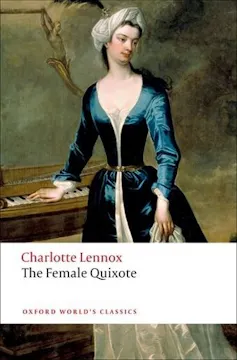
Often read as a satire on the dangers of excessive reading, Lennox’s novel feels uncannily attuned to contemporary debates about BookTok, fandom and so-called “book boyfriends”: fictional characters, usually male, who readers wish existed in real life. Its heroine Arabella’s habit of interpreting real life through the conventions of romance recalls contemporary anxieties about the influence of popular fiction on readers, particularly women.
Yet The Female Quixote also invites us to question why female reading habits attract such scrutiny in the first place. Much like modern debates about romantasy or fan fiction, Lennox’s novel exposes the tendency to dismiss the cultural interests of women as frivolous, unhealthy or delusional.
A smart adaptation could capture both the comedy of Arabella’s misconceptions, and the novel’s surprisingly sympathetic defence of the pleasures of imaginative reading.
Oxford World’s Classics
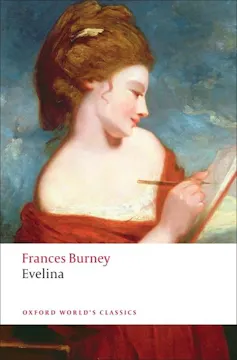
Evelina is perhaps the easiest sell of all because its often seen as Austen before Austen. Following a young woman as she enters fashionable society for the first time, the novel combines romance, comedy and social satire with a heroine whose uncertainty about the world around her makes her instantly relatable.
But beneath its humour lies a story about the challenges of establishing your own identity in a society obsessed with status and reputation.
Burney was one of Austen’s favourite authors and readers familiar with Pride and Prejudice and Emma will recognise many of the qualities that Austen would later make famous. So an adaptation of Evelina would offer something both fresh and familiar by giving viewers a chance to revisit the literary world that made Austen possible in the first place.
Oxford World’s Classics
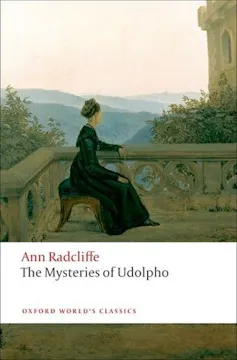
A riot of gothic excess, Anne Radcliffe’s chiller arrives packed to the brim with many of the ingredients that have recently enjoyed a cultural renaissance: crumbling castles, sublime landscapes, dark family secrets, brooding villains and a pervasive atmosphere of mystery. But the novel’s enduring appeal lies in the way it uses these gothic trappings to explore very real anxieties about female precarity and male power. Isolated, surveilled and threatened by powerful men, the fate of heroine Emily St. Aubert explores inheritance, coercion, gender, and authority.
Now, don’t get me wrong, Austen remains endlessly adaptable. I, for one, will be watching the latest takes on her work when they land on our screens. But as this list shows, Jane’s was never the only game in town. The novels beloved by Austen and her contemporaries were often stranger, riskier and more inventive than the stories that often make it to our screens. Three centuries on, they may be ready for their big moment.
This article features references to books that have been included for editorial reasons, and may contain links to bookshop.org. If you click on one of the links and go on to buy something, The Conversation UK may earn a commission.
You must be logged in to post a comment Login