NewsBeat
Swimming pools and car washes could be banned as drought declared across most of England

Swimming pools and car washes are among the UK businesses that could be hit by a water ban as providers look to conserve resources amid drought conditions and an upcoming fifth heatwave.
Southern Water has applied to the government for permission to issue a “non-essential use ban” in Hampshire and the Isle of Wight. If granted and put into action, the policy would prevent businesses from activities like washing cars with hosepipes and filling private swimming pools.
It comes as almost three-quarters of England and all of Wales have been plunged into drought.
Temperatures are set to soar to as high as 38C this week as parts of the country face their fifth heatwave this summer.
A Southern Water spokesperson confirmed it had applied for a drought order and a non-essential use ban as a precaution, but that it does not currently plan to enact the measures.
“This isn’t a choice between protecting the river and supplying customers,” they said.
“We have to do both. The drought order process helps ensure we can maintain essential water supplies during an exceptional drought, while operating within a regulatory framework designed to balance environmental protection with the needs of the communities that rely on the river test.”
Almost three-quarters of England is now suffering from drought as weather conditions continue to worsen into August, piling pressure on vital industries.
The East Midlands, Lincolnshire and Northamptonshire, Kent and East Sussex, and Solent and the South Downs moved into drought status on Monday, bringing the total number of people affected up to 45 million as a fifth heatwave of the summer sweeps through England and Wales.
It means that more than 71 per cent of England is now experiencing a “flash drought”, after drought was declared across East Anglia, Hertfordshire and London, Thames Valley, Hampshire and the Isle of Wight, Devon and Cornwall, the west Midlands, and Wessex on 29 July.

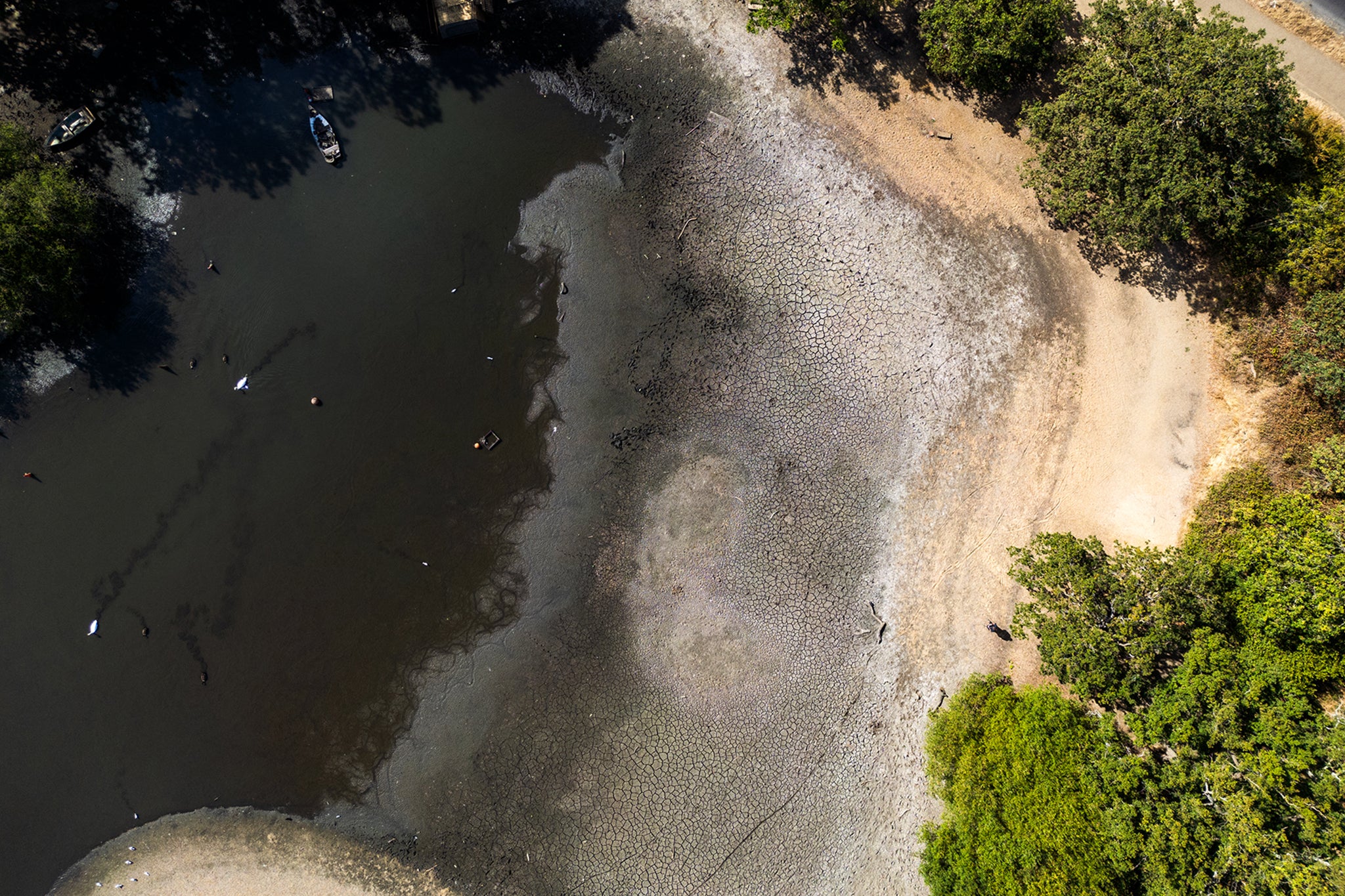
“Flash drought” has a rapid onset or is intensified very quickly. It is brought about by low levels of rain and abnormally high temperatures.
Some 27 million people are currently living under restrictions on water use, with millions under hosepipe bans, including all South East Water and Thames Water customers.
A non-essential use ban comes as part of the next level of drought restriction that applies to business and commercial activities that use large amounts of water but aren’t considered essential.
There is no specific date set for the hosepipe bans to end, but water companies have explained that it will be lifted once water sources have recovered back to normal levels.
Southern Water has previously said it needs enough water in reservoirs, rivers and underground aquifers to meet demand before it can lift the ban.
Met Office science manager Dr Amy Doherty described July as a “truly remarkable month” in the UK’s climate record.
“The combination of record-breaking dryness, exceptional warmth and unprecedented sunshine has delivered one of the most notable summer months in our historical records,” she said.
Last summer, the government granted two drought orders during a season which saw four heatwaves and the driest August for England since 2003.
You must be logged in to post a comment Login