It was a huge shock. I honestly had no idea they were dangerous.
You see warnings on cigarette packets, and photos of people with lung cancer, but you never see a picture of a person with skin cancer in a tanning shop.
Advertisement
It’s not just a lack of warning about the health risks.
Earlier this year, a BBC investigation found tanning companies spreading dangerous misinformation on social media about how sunbeds can actually be good for you; falsely claiming, for example, that doctors prescribe sunbeds for issues like seasonal depression and skin disorders.
I don’t want anyone to be convinced that sunbeds can be beneficial to our mental or physical health.
This is highly damaging misinformation, and it’s terrifying. I wish I hadn’t experienced the very real dangers of sunbeds first hand; but, as I learned that day with the nurse, I have.
Advertisement
And I paid the price.
Everyone Katie knew used sunbeds (Picture: Katie McVeigh)
I didn’t even think of myself as an excessive user. I might have gone two or three times a week before a holiday or night out. But then I wouldn’t go again for months.
‘That’s still a form of sunbed abuse,’ the nurse told me. She likened it to binge drinking – avoiding booze all week and then getting drunk on a Saturday night.
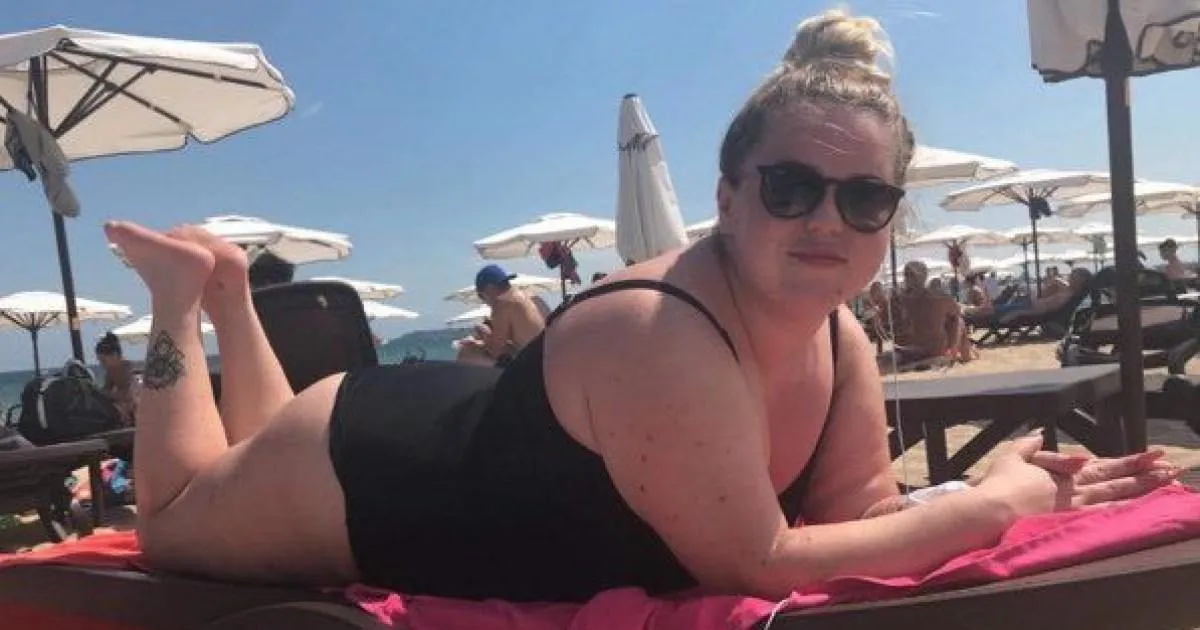
I was only 16 when I went on a sunbed for the first time. Everyone I knew did it – my mum, aunts, cousins and friends.
My mum was going to the tanning shop and asked if I wanted to go with her. I had a three-minute tan that first time and afterwards I felt great – like I was glowing.
Advertisement
I found out later that it’s actually illegal for tanning shops, beauty salons and other commercial premises in the UK to allow anyone under 18 to use a sunbed, but no one ever asked my age.
But I was hooked. I started tanning regularly. I’m very pale, with a lot of moles, so I felt like it gave my skin a base colour.
After giving birth Katie went back to the tanning shops (Picture: Katie McVeigh)
Everyone around me was doing it.
On the weekends, my friends and I would make a trip to our local salon. I rarely went alone – it was more of a social thing. If somebody else was going, I’d tag along.
I left school at 16 and went into hairdressing so there was a big focus on beauty. You got your hair done, you got your nails done and you got a tan.
Advertisement
I grew up in Belfast, which is one of the UK’s sunbed hotspots – according to charity Melanoma Focus, 37% of adults in Belfast use sunbeds. It’s just the done thing.
By the time I turned 20 I fell pregnant with my daughter Connie, now four, and during my pregnancy I didn’t go near sunbeds. To me it felt like smoking or drinking while pregnant – it was just something I didn’t think it was right to do.
But after giving birth I went back to the tanning shops. It felt like a wee treat and a bit of ‘me time’.
In the chaos of being a first-time mum, I found it was also a lot quicker than getting my nails or hair done – it was easier to fit in around childcare.
Advertisement
Learn more about skin cancer symptoms
The main symptoms of melanoma skin cancer can include a new mole, or a change to an existing mole. These can appear anywhere on the body.
Normal moles tend to be:
Small
Round
Smooth-edged
One colour
Unchanging
Melanomas can be:
Larger
Unevenly shaped
A mix of colours
Changing in appearance
Other signs of melanoma could include moles that are swollen, sore, bleeding, crusty or or itchy. You can learn more here.
The main symptom of non-melanoma skin cancer is a growth or unusual patch on the skin, which can vary in size, texture and colour. You can learn more here.
Advertisement
Then, in the summer of 2022 I noticed a black mole growing on my right cheek.
I’m a fairly moley person so at first I wasn’t too worried, but then it started looking different to my other moles – it kept scabbing over, dropping off, then growing again. This went on for a couple of months.
I sent photos to my GP. They weren’t worried either but they referred me to a dermatologist just to be on the safe side.
Advertisement
In September 2022 I had the mole removed at a dermatology clinic and sent away to be biopsied. It would take six weeks to get my results, and during that time I didn’t really think about it. There hadn’t been any red flags yet.
Finally, the clinic called me and invited me to go in for my results.
It was awkward to arrange childcare, so I asked them why I couldn’t get them over the phone.
They told me I needed to go in person and to bring someone with me. That’s when I first realised.
Advertisement
One mole in particular started to look different to her other moles (Picture: Katie McVeigh)
Driving to the clinic, I started to feel anxious. The phone call had unsettled me, something didn’t feel right.
At first, they said it looked like Stage 2 Melanoma and referred me to the Ulster Hospital, in Belfast, to have a larger section of tissue on my face – where the mole had been – removed.
They couldn’t tell me what my face would look like afterwards or how big the scar would be, but by that time my priority was staying alive.
I knew things were more serious than I’d first thought.
I had the surgery in February 2023 and also woke up with a scar on my neck where an associated lymph node had been removed – to test to see if the cancer had spread.
Advertisement
Waiting for the next set of resultsto find out if it had spread into my lymph nodes – six weeks felt like six years.
I was crying a lot, although of course I tried to hide my upset from Connie. I just told her mummy was poorly and needed to go to hospital to get better.
The results showed the melanoma had spread to my lymph nodes so it was upgraded to Stage 3 and I was referred to Belfast City Hospital’s Cancer Centre for MRI and CT scans to check it hadn’t spread anywhere else, which thankfully it hadn’t.
Katie is now cancer-free (Picture: Katie McVeigh)
That’s when it really began to sink in that I had cancer. People think if they get a bad mole it will just be removed and that’s that, but melanoma means cancer.
My family and friends were a huge support, and also helped keep Connie occupied and entertained.
Advertisement
This month, I’ve come to the end of a year of targeted immunotherapy treatment, and I’m now cancer-free.
But it isn’t over – I’ll now have five years of monitoring scans every six months, to make sure the cancer doesn’t come back.
They will also do mole-mapping – it’s where I have to stand in my underwear and every single mole on my body is measured and photographed. They can then track any changes every time they check my moles.
My mum and other family members have stopped using sunbeds now. A lot of my friends have stopped too, but not all – people still think it won’t happen to them.
Advertisement
Katie’s biggest fear now is not being around to see Connie grow up (Picture: Katie McVeigh)
That’s what I thought until it happened to me.
It’s not just sunbeds – getting sunburnt is another risk factor for developing skin cancer, and I remember getting burnt on family holidays as a child.
One year, as a 10-year-old, in Egypt was particularly bad – I remember my shoulders were so blistered that my mum applied Greek yoghurt from the hotel bar to cool our skin.
We always think our sunburns are just something we need to quickly recover from, and never consider the long-term effects.
And now, my biggest fear now is not being around to see Connie grow up.
Advertisement
I’m a mum and she needs me. I’ve seen other people my age, with the same diagnosis, tragically pass away.
This is very real and skin cancer needs to be taken more seriously – as do the claims that some unscrupulous companies are putting in front of impressionable teenagers.
If I could travel back in time I’d tell my younger self that having a tan is just not worth it, and I would tell everyone else to look at everything you have – and not be tempted to play Russian roulette with your life.
As told to Jade Beecroft
Advertisement
This article was originally published on February 11, 2026.
Manchester United have been active in the summer transfer market and continue to be linked with various players including Bournemouth’s Alex Scott
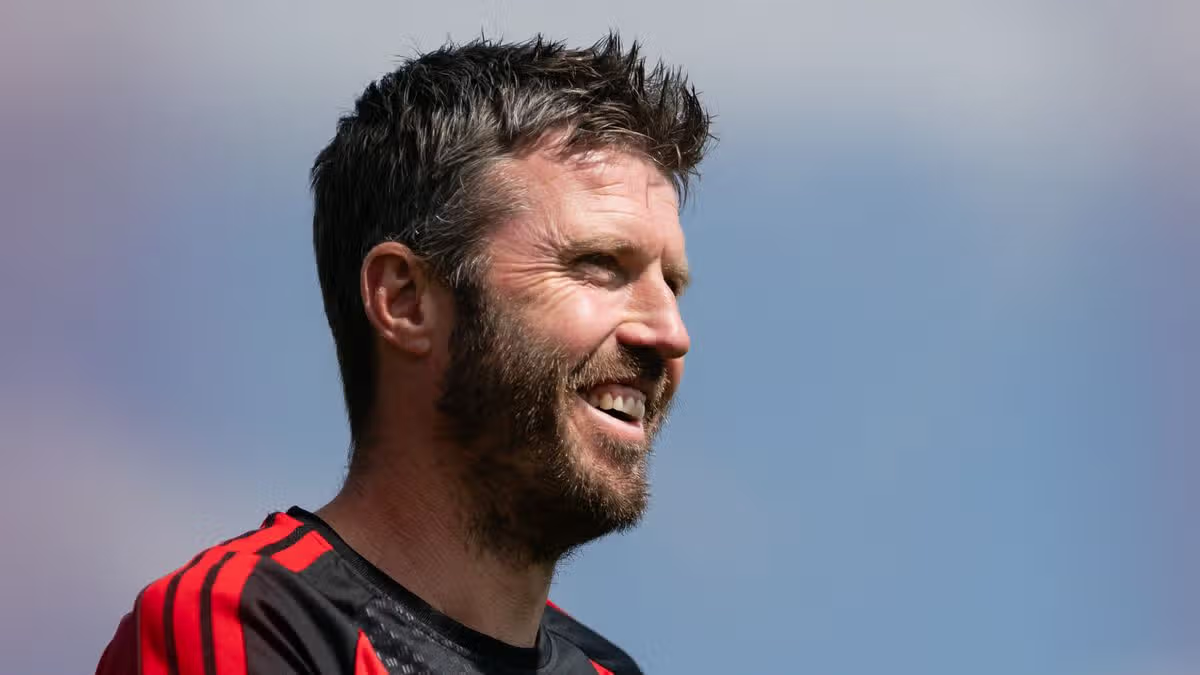
Manchester United have enjoyed a busy start to the summer transfer window as Michael Carrick begins to shape his squad. The new boss has been strengthening his team as the club looks to continue their successful end to last season.
Advertisement
United have already brought in midfielders Andrey Santos and Youri Tielemans to address a key area of the pitch. Casemiro’s departure at the end of his contract and Manuel Ugarte’s injury during the World Cup made midfield a priority and the club have continued to be linked with other targets.
Bournemouth’s Alex Scott is among them following his impressive displays for the Cherries. However, United face competition from Chelsea for the 22-year-old’s signature.
Meanwhile, the club have announced the signing of teenage goalkeeper Kit Margetson, becoming the second shot-stopper to arrive at Old Trafford this summer. Here, Mirror Football looks at some of the biggest headlines surrounding United.
United have completed the signing of former Swansea City starlet Kit Margetson. The 20-year-old goalkeeper arrives after reaching the end of his contract with the Swans last month.
Margetson spent last season on loan at Connah’s Quay Nomads, helping the club reach the European spots in the Cymru Premier. He becomes the club’s fifth summer signing under Michael Carrick, following Santos, Telemans, experienced goalkeeper Karl Darlow and former Tottenham Hotspur youngster Tynan Thompson.
A club statement read: “Manchester United have agreed the signing of exciting young goalkeeper Kit Margetson, subject to registration. The 20-year-old was most recently at Swansea City, a club he’d been with since under-15s.
“Last season, he had his first taste of senior football on loan at Connah’s Quay Nomads and kept 10 clean sheets in 34 appearances, helping the Welsh side to qualify for European competition. Margetson has also earned youth international caps for Wales and made his Under-21s debut against Belarus in March. Everyone at United would like to welcome Kit to the club and wish him the very best of luck for the future.”
Advertisement
Margetson is the latest goalkeeper to join the club after Darlow, who was snapped up as a free agent from Leeds to be an experienced backup to Senne Lammens. Meanwhile, Andre Onana has returned to Trabzonspor on loan and both Radek Vitek and Altay Bayindir are also set to leave this summer.
Alex Scott move takes new twist
United could face a twist in their pursuit of Bournemouth’s Alex Scott as Chelsea plot their next steps. The 22-year-old featured in 37 league games as the club qualified for Europe for the first time in their history.
Sky Sports Germany reports that Chelsea are considering submitting a second offer for Scott. The west London club reportedly had an initial £64m bid rejected by Bournemouth, who have stated that the midfielder is not for sale.
Advertisement
Scott has given interested sides hope by rejecting a new Bournemouth contract. However, United have also been linked with Roma’s Manu Kone, Real Madrid’s Aurelien Tchouameni and Brighton’s Carlos Baleba as the club weigh up midfield targets.
Join our new MAN UTD WhatsApp communityand receive your daily dose of Manchester United content from Mirror Football. We also treat our community members to special offers, promotions, and adverts from us and our partners. If you don’t like our community, you can check out any time you like. If you’re curious, you can read ourPrivacy Notice.
Thousands of fans upgraded their Premier League matchday last season. This is how they did it.
This article contains affiliate links, we will receive a commission on any sales we generate from it. Learn more
Official premium experiences available now for the 26/27 Premier League season. Make it easier than ever to turn a regular fixture into something genuinely unforgettable.
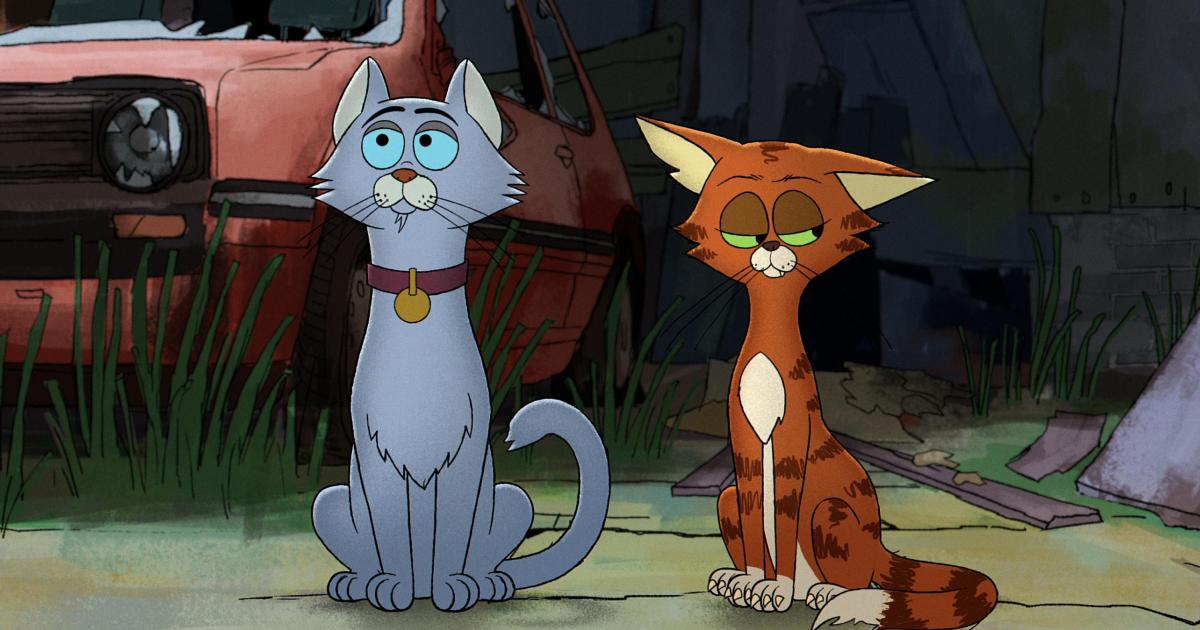
Diane, who is currently appearing in the BBC sitcom Ann Droid, which she wrote, reunited with Ricky, for the new animated series, Alley Cats.
Alley Cats is the latest creation from the Ricky and follows the trials and tribulations of a group of feral cats from different walks of British society as they seek companionship while reflecting on the absurdities of everyday life.
The adult animated series comprises six 15-minute episodes and reunites several of Gervais’s After Life collaborators, who lend their voices to the foul-mouthed feline cast.
Diane, 50, joked “If Ricky asked me to do anything, obviously I’d do it. I would have made sandwiches, to be honest.”
She added: “I know you see the cats and you think, ‘Oh, aren’t they cute and lovely?’ And they have these little adventures, and then they just open their mouths. It’s sort of like Derek and Clive, they used to be these really sweary comedians.
“It was just the whole thing was as sick as it could be, and it’s sort of like that when we improvised as Alley Cats.”
Unlike many animated series, where actors record their lines separately in a voice booth, the cast of Alley Cats recorded the series together as an ensemble.
“It was lovely because we all know each other from After Life,” said Diane.
Advertisement
She added: “It’s basically the cast of After Life again, with a few new additions. And it’s such a treat as well to be able to just sit there and listen to Ricky improvise. You know, it feels like an honour, doesn’t it? I have a private audience with Ricky and all these amazing comics.
“I didn’t think of it as an animation. It’s basically a lot like After Life, and I think you had to think of it as just like a comedy.”
Speaking about her character and the show’s themes, she says: “Olive’s an idiot, and she’s Ricky’s half-sister, so she’s got a lot of funny lines. You know those best bits where you just pop up, say a line, disappear again, and then I can sit back and watch everyone else improvising and just enjoy my afternoon.
“That’s what Ricky does. He’ll do these really emotional, poignant pieces, and then all of a sudden he’ll have this massive gear change into filth, but it sort of works.
Advertisement
“You can do that, it’s sort of like magic. Yeah, it’s just these stray cats that have these little adventures, and they’re trying to make sense of the world and why humans are such idiots and are wrecking everything. It’s lovely, actually.”
The ensemble also includes Jo Hartley, Tom Basden, David Earl, Kerry Godliman, Andrew Brooke and Natalie Cassidy.
Alley Cats premieres on Netflix on Friday, August 7.
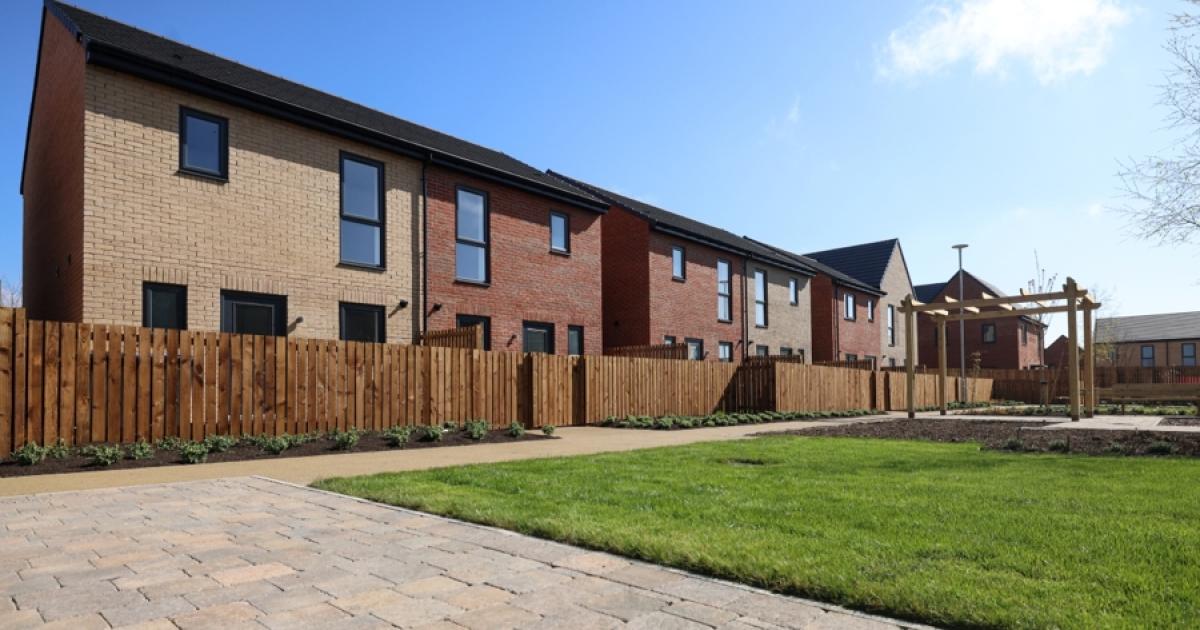
The homes form part of bigger plans to build up to 3,000 homes
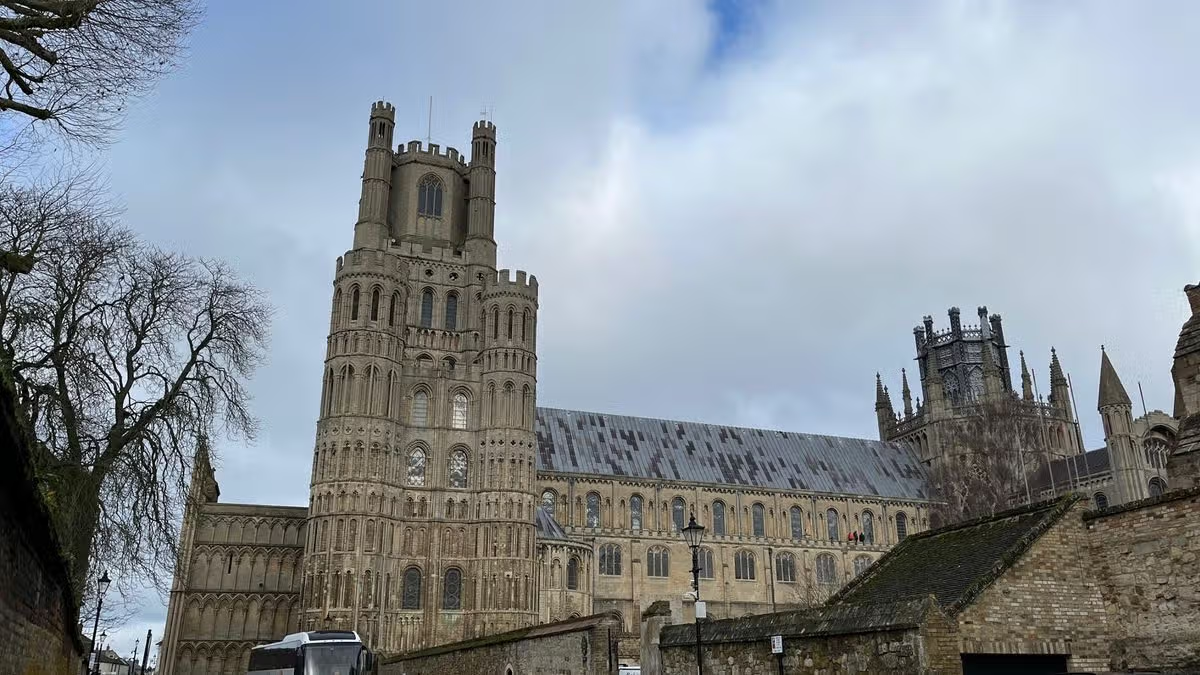
Plans for more than 1,600 new homes could present a “significant opportunity” to extend a Cambridgeshire city, according to an investment group. The Church Commissioners for England, which manages the Church of England’s investment portfolio, has submitted plans for up to 1,607 new homes in Ely.
Advertisement
The plans are for land at High Flyer Farm on the north of Apollo Chase. They also propose an extension to Ely Country Park, a community allotment/orchard, and an extension to the Chesttisham Business Park. The site covers 85.21 hectares.
The applicant said: “The redevelopment of the site will contribute towards meeting the council’s housing requirements within the planned growth strategy for Ely, delivering a range of homes including affordable housing to meet local needs, alongside significant publicly accessible open space and landscape enhancement.”
They added that the plans would aim to create an “attractive, distinctive and inclusive new neighbourhood of exemplary design quality”.
The housing development is also seen as a “significant opportunity” to extend Ely to the north. The applicant added: “The development at Highflyer Farm North represents the final jigsaw piece in completing the planned northern growth of Ely to create a sustainable and well connected new neighbourhood on the northern edge of Ely.”
Advertisement
Extending Ely Country Park as part of the plans will support the applicant’s aim for around 45 per cent of the site to be accessible open space. The extension of Chettisham Business Park aims to “support local jobs and a balanced mixed-use extension”.
The plans form part of the larger Ely1 allocation in the East Cambridgeshire District Council Local Plan for 2015. This covers around 210 hectares of land and plans for up to 3,000 homes.
The applicant also proposes to build two new primary schools and two local centres to “incorporate retail and community facilities”.
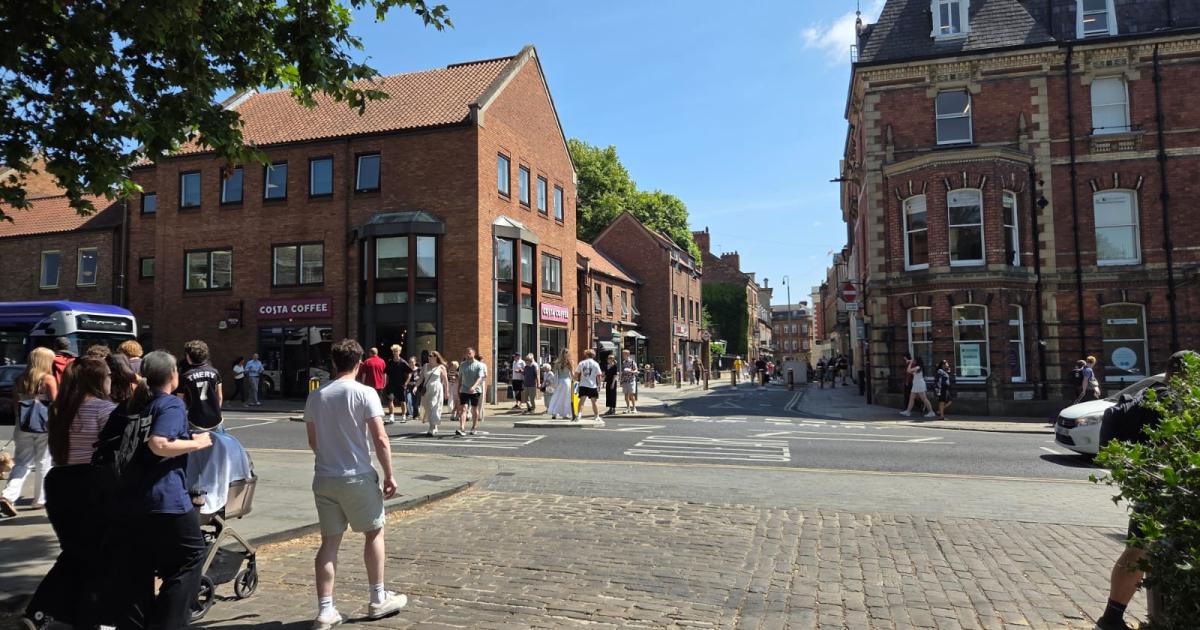
Garry Smithies, 37, of no fixed address, is accused of threatening a cyclist with a Stanley knife in a public place and wounding him with intent to cause him grievous bodily harm in Museum Street on Thursday.
He was not asked to enter a plea.
As the wounding charge can only be tried by a judge and jury, he was sent to York Crown Court. He was remanded in custody.
Advertisement
He will appear before the higher court on August 17 for a plea and trial preparation hearing when he will be expected to enter his plea.
A cyclist was taken to hospital on Thursday following an incident at 8.08pm which led to a police cordon being set up for a time around Museum Gardens. He was in his 50s and from Leeds.
A 37-year-man was arrested later the same evening.
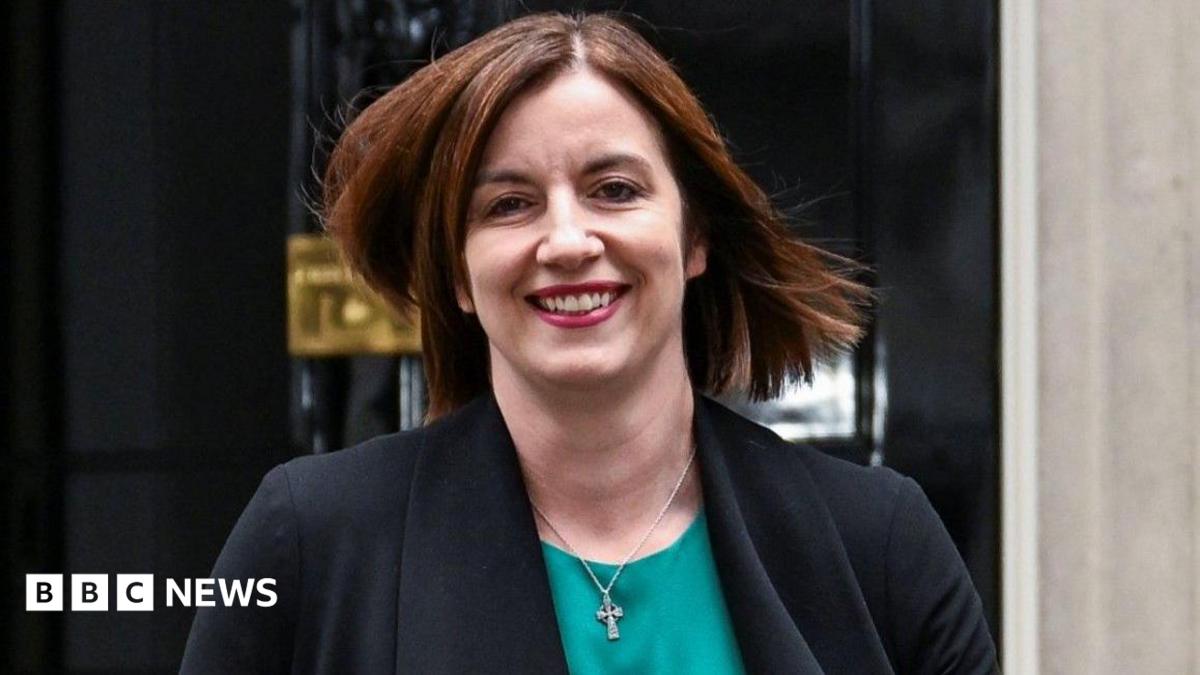
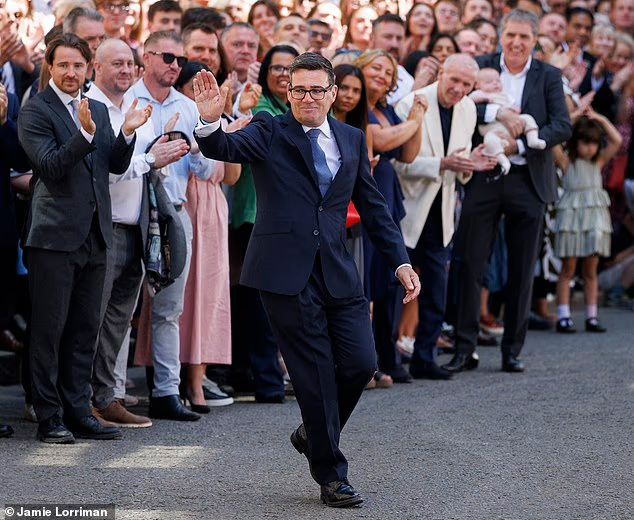
Prime Minister Andy Burnham has appointed Bridget Phillipson as Labour Party chair.
A Labour spokesperson said Phillipson, who is also minister for women and equalities, will work closely with deputy Labour leader Lucy Powell to modernise the party ready for the next general election.
Phillipson and Powell went head to head for the deputy leader position last year, after a race triggered by Angela Rayner’s resignation, with Powell emerging victorious following 54% support from the party membership, external.
Phillipson had been education secretary under Sir Keir Starmer but that job was also handed to Powell by Burnham when he appointed his cabinet last week.
Advertisement
Announcing Phillipson’s appointment, Burnham said she would help the party focus on preparations for a new digital campaigning environment.
“She will play a vital role in ensuring the Labour Party is match fit for the next election,” he said.
She replaces Anna Turley who was made a minister in the Home Office last week.
The leadership team, which also includes chief whip Anneliese Midgley, is expected to focus on culture change, and building the infrastructure and policy platform needed by 2029, which is the latest an election can be held.
“I joined our party as a teenager and saw first hand the difference a Labour government makes,” she said.
“I’ll work with members to build the election-winning machine that sees off Reform [UK] for good and secures a second Labour term.”
Welcoming her, Powell said: “Working together, we will ensure the party continues to lead the way in campaigning, with the strongest ground operation in British politics as we prepare for the next general election.”
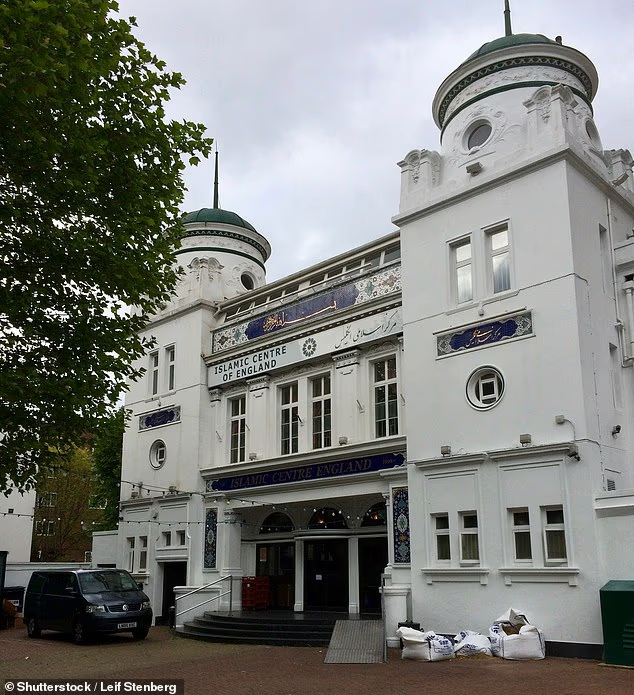
An Islamic charity accused of being an outpost of the Iranian regime in London has the right to bring workers into Britain.
The Islamic Centre of England in Maida Vale appears on a Home Office list of organisations with approval to sponsor skilled worker visas.
Licensed visa sponsors have been officially vetted and approved by the Home Office to hire non-UK citizens.
The centre remains on the list despite claims it has been involved in spreading pro-Tehran propaganda and has successfully issued a number of certificates of sponsorship – documents required for migrant workers applying to enter Britain.
Advertisement
It is currently under investigation by the Charity Commission over alleged ties to Tehran.
The charity was reported to the watchdog earlier this year for hosting a ‘community bazaar’ where stalls sold pro-Tehran key rings and Hezbollah-themed phone cases.
Other stalls sold stickers featuring the silhouette of General Qassim Soleimani, former head of the Islamic Revolutionary Guard Corps (IRGC). When Soleimani was killed in an American air strike in 2020, the centre hosted a candlelit vigil.
Shadow national security minister Alicia Kearns called for the centre to be immediately removed from the list.
Advertisement
The Islamic Centre of England in Maida Vale appears on a Home Office list of organisations with approval to sponsor skilled worker visas
‘This is a bona-fide backdoor into the UK for Iranian agents,’ she said.
‘For years I’ve worked to get the Islamic Centre of England, an indoctrination hub, shut down.’
Advertisement
Kasra Aarabi, director of research on the IRGC at United Against Nuclear Iran, a non-profit organisation, called its inclusion on the Home Office list ‘truly appalling’.
He added: ‘This is no ordinary mosque or charity. It operates as the UK office of the Iranian regime’s supreme leader. The situation is far worse than has been reported.’
In response, the centre insisted it was not a representative of ‘any government, political entity, or individual’.
A spokesman said: ‘Like many charities, faith organisations and other eligible institutions in the UK, the centre holds a Home Office sponsor licence, which allows it to sponsor skilled workers where it meets the requirements of the UK’s immigration system.
Advertisement
‘We recognise that questions have previously been raised about the centre and its perceived relationship with the Iranian government. The centre has consistently maintained that it is an independent UK charity and carries out its activities in accordance with UK law and its charitable objectives.’
A string of Islamic bookshops flogging anti-Semitic texts also appear on the visa list.
Some of the books being sold offer outrageous claims, such as one saying that Jewish people have a ‘wicked nature’, while other texts have been labelled as a radicalisation threat by our prisons.
One of those on sale is Milestones by Sayyid Qutb, an influential former Muslim Brotherhood leader who believed Islam should govern every aspect of society.
Advertisement
His work also denounces ‘world Jewry’.
Other texts include those by Hasan al-Banna, the Brotherhood’s founder, and Bilal Philips, a cleric banned by the Home Office, who offered advice on beating wives.
The books sold by these businesses are not illegal in the UK and in some cases are sold through a number of mainstream platforms.
There is no suggestion of wrongdoing on the part of the businesses.
Advertisement
But Chris Philp MP, Shadow Home Secretary, said: ‘It is clear the ‘skilled’ visa route is being abused.
Advertisement
‘This is not skilled work by any definition – it is a blatant loophole, exploited by businesses who should never have been trusted with a sponsor licence in the first place.
‘We don’t want extremists in this country.
‘I would like to see these organisations lose their sponsor licence and anyone they have brought into the country who is still here on a temporary work visa deported.
‘The Government must urgently review this.’
Advertisement
Skilled worker visa certificates were introduced in 2020 as part of a post-Brexit immigration overhaul.
The scheme, overseen by the Home Office, allowed registered employers to bring workers into the country to fill jobs meeting a specific skill level.
Businesses such as vape shops and newsagents are among those to have been given licences, drawing questions over whether all those brought over are truly ‘skilled’.
Dozens of official certificates of sponsorship, the paperwork needed to apply for a skilled worker visa, have been issued by Islamic bookshops.
Advertisement
Home Office figures show that one of those stores, in Birmingham, has issued up to 16 skilled worker certificates since 2021.
A Home Office register says more than 120,000 organisations are licensed to issue certificates of visa sponsorship in the UK.
These organisations range from huge firms such as Barclays Bank to small corner shops and vape stores.
A Home Office spokesman said: ‘The Islamic Centre of England has not sponsored any workers since 2022, and the Charity Commission is currently investigating this organisation.
Advertisement
‘We treat the threat posed by the Iranian regime and those who do its bidding with the utmost seriousness. That’s why we have fast-tracked a change in the law to outlaw support for the IRGC, equipping the police and intelligence service with more powers to disrupt those working on their behalf, and making it easier to prosecute them.
‘If wrongdoing is uncovered, those responsible will face the full force of the law, with the possibility of lengthy prison sentences, loss of licences and further civil action.’
Visitors will be able to see Father Christmas as well as enjoy food and drink along the trail
This article contains affiliate links, we will receive a commission on any sales we generate from it. Learn more
Advertisement
Tickets are now on sale for a major Christmas event in Cambridgeshire. Christmas at Wimpole will return with a brand-new light trail at the National Trust estate in 2026.
The event will take place between November 20 and January 3. It has been created by award-winning light trail producers, with seasonal music accompanying the visual displays.
Visitors will also be able to glimpse Father Christmas and enjoy food and drink at stalls along the way. A spokesperson for the event said it will be “bigger, bolder and more spectacular than ever”.
James Dakin, director of live experiences at RG Live, a subsidiary of Sony Music, said: “Christmas at Wimpole 2026 promises an evening of light, wonder and festive joy, set against the remarkable backdrop of the Wimpole Estate.
Advertisement
“It is the kind of experience that turns a simple winter walk into a shared Christmas moment, with bold new installations, beautiful details and plenty of surprises along the route. From the first glow of the trail to the Christmas Cathedral, we want visitors to feel fully immersed in the festive season and to create a night people will remember.”
Hilary Wilson, visitor experience manager, said: “Christmas at Wimpole is all about bringing people together and creating those special moments that make the festive season so memorable. Whether you’re visiting with family, friends or loved ones, the trail offers a chance to step away from the everyday, enjoy the magic of the estate, and soak up the spirit of Christmas.”
Pentagon plans to stretch remaining Ukraine aid until 2029, report says
The Pentagon has told members of Congress it does not expect to finish spending the remaining $400m in military aid for Ukraine until fiscal year 2029, according to a Reuters report, a timeline that has frustrated lawmakers as Kyiv faces growing shortages of air defence weapons.
The disclosure comes ahead of Ukrainian president Volodymyr Zelensky’s visit to Washington, where he is expected to meet Donald Trump at the White House and later address all 100 US senators.
Zelensky is expected to press for additional air defence systems and the completion of a drone cooperation agreement with the US.
Advertisement
According to Reuters, the Pentagon outlined its spending schedule in a letter sent to Congress in May. While the funds are expected to be placed under contract by the end of fiscal year 2026, final deliveries are not projected until the fiscal year ending 30 September 2029, after the end of Trump’s second term in office.
The funds, approved by Congress last year with bipartisan backing, have reportedly not yet been obligated or disbursed, despite repeated complaints from lawmakers over delays in getting military assistance to Ukraine.
Shweta Sharma28 July 2026 04:02
Advertisement
Watch: Burnham reassures Zelensky of unwavering support for Ukraine despite change in PM
Burnham reassures Zelensky of unwavering support for Ukraine despite change in PM
Bryony Gooch28 July 2026 03:00
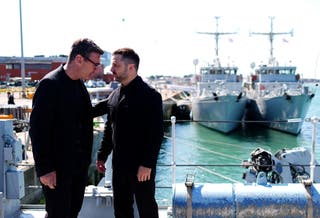
In pictures: Zelensky at HM Naval Base in Portsmouth
(Reuters)
(Reuters)
Bryony Gooch28 July 2026 02:00
Watch: Zelensky seeks ‘new page’ in UK relations under new PM
Zelensky seeks ‘new page’ in UK relations under new PM
Bryony Gooch28 July 2026 01:00
Advertisement
In pictures: Zelensky and Burnham meet and view Ukrainian equipment and meet Ukrainian personnel at HM Naval Base in Portsmouth
(PA)
(PA)
Bryony Gooch28 July 2026 00:00
Watch: Ukraine gunner shoots down attack drones with rifle from open cockpit
Ukraine gunner shoots down attack drones with rifle from open cockpit
Bryony Gooch27 July 2026 23:00
Advertisement
What’s on the agenda for Tuesday?
Volodymyr Zelensky will land in the United States on Tuesday where he will attend the funeral of late senator Lindsey Graham, who championed stronger sanctions on Russia from the US.
The Ukrainian president is also expected to meet separately with Donald Trump at the White House.
(AP)
Bryony Gooch27 July 2026 22:00
Watch: Ukrainian intelligence destroys Russian Triumf air defence system in occupied Crimea
Ukrainian intelligence destroys Russian Triumf air defence system in occupied Crimea
Bryony Gooch27 July 2026 21:00
Advertisement
US-Russia space crew lands back on Earth after eight-month ISS stint
Bryony Gooch27 July 2026 20:00
Watch: Ukrainian rear gunner shoots down attack drones with rifle from open cockpit
Ukrainian rear gunner shoots down attack drones with rifle from open cockpit
A study by Pepper Money ranked more than 300 locations across England and Wales using factors including house prices, mortgage affordability, rental costs and local earnings to determine where buyers can get the best value for money.
Middlesbrough topped the nationwide index, ahead of Burnley in Lancashire and Merthyr Tydfil in Wales.
Researchers found the town’s combination of lower-than-average house prices, affordable mortgage repayments and relatively strong earnings made it the most attractive location for aspiring homeowners.
Advertisement
The average first-time buyer property in Middlesbrough costs £123,831 — less than half the UK average of £261,700.
Pepper Money said local earnings compare well with house prices, making it easier for buyers to save for a deposit and keep mortgage costs manageable.
The North East emerged as the strongest-performing region overall, with the study suggesting it offers some of the best opportunities for people looking to buy rather than rent.
In total, 13 of the top 20 locations were in either the North East or North West, reinforcing the North’s reputation as one of the most affordable parts of the country for first-time buyers.
Advertisement
According to the research, every North East local authority except Northumberland has lower monthly mortgage costs than local rental prices.
Across the region, the average monthly mortgage payment is £699, compared with a national average of £1,310. In Middlesbrough this is estimated to be £157 per month cheaper than renting.
In Middlesbrough, County Durham and Hartlepool, mortgage payments also account for just 24% of monthly earnings – among the lowest proportions recorded in the study.
Pepper Money said the findings show that despite ongoing challenges in the housing market, there are still many parts of the UK where buying is more cost-effective than renting, with 41% of areas analysed proving cheaper to buy in than rent.
Advertisement
Researchers used Office for National Statistics data on earnings, property prices and rental costs, alongside mortgage affordability calculations, to compile the rankings.
After a wet weekend for most Scots, the end of July stays damp
Experts believe a dozen Scots areas will see rain on Tuesday, as millions of Brits will be soaked.
Advertisement
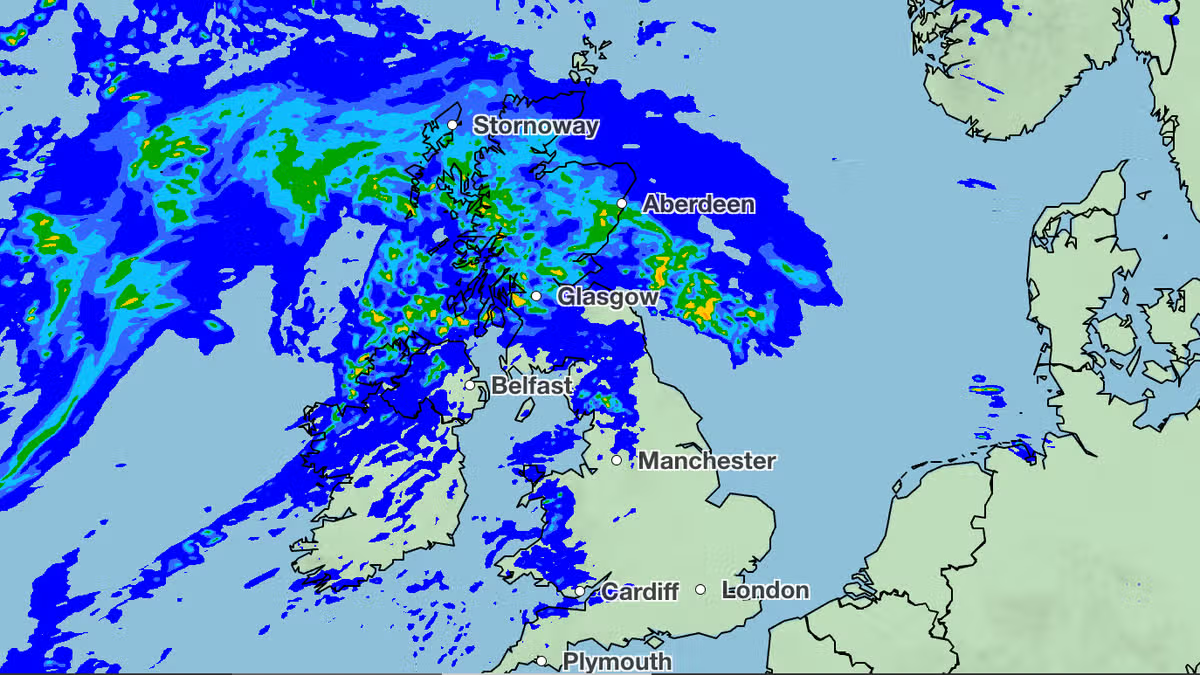
The Met Office believes more than 50 areas of the UK are expected to see rain on Tuesday (July 28) including 12 in Scotland. Rainclouds will move north-eastwards, drenching Northern Ireland, swathes of Wales, south west England, and northern England before hitting Scotland.
The heaviest rain will fall around 3am, when an orange rain cell is forecast to hit central Scotland and deliver 8-16mm of rain around the South Lanarkshire village of Douglas, the Met Office map shows. Once the heavy stops in mid-morning, scattered showers will persist for most of the day in Northern Ireland, north Wales, north west England, and Scotland.
However, it looks like it will stay dry in the Midlands, East Anglia, and southern England.
The Met Office forecast for Tuesday said: “Heavy rain in the north will ease and move away northeastwards on Tuesday, replaced by sunshine and locally heavy showers. England and Wales mostly dry with some hot sunshine developing.”
Advertisement
According to the Met Office’s map, 53 council areas will see some form of rain. It’s estimated 12 Scots, four Northern Irish, nine Welsh, and 28 English top-tier council areas will be hit by precipitation.
Temperatures are set to remain warm and typical for late July. Glasgow will see 20C, Edinburgh 21C, and Aberdeen 22C. Over the Irish Sea, Northern Ireland’s high will be 23C in Newry.

















































You must be logged in to post a comment Login