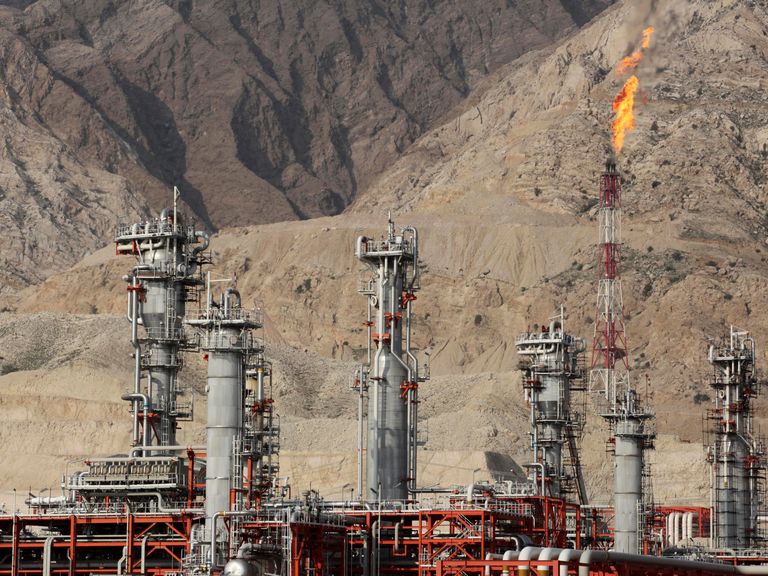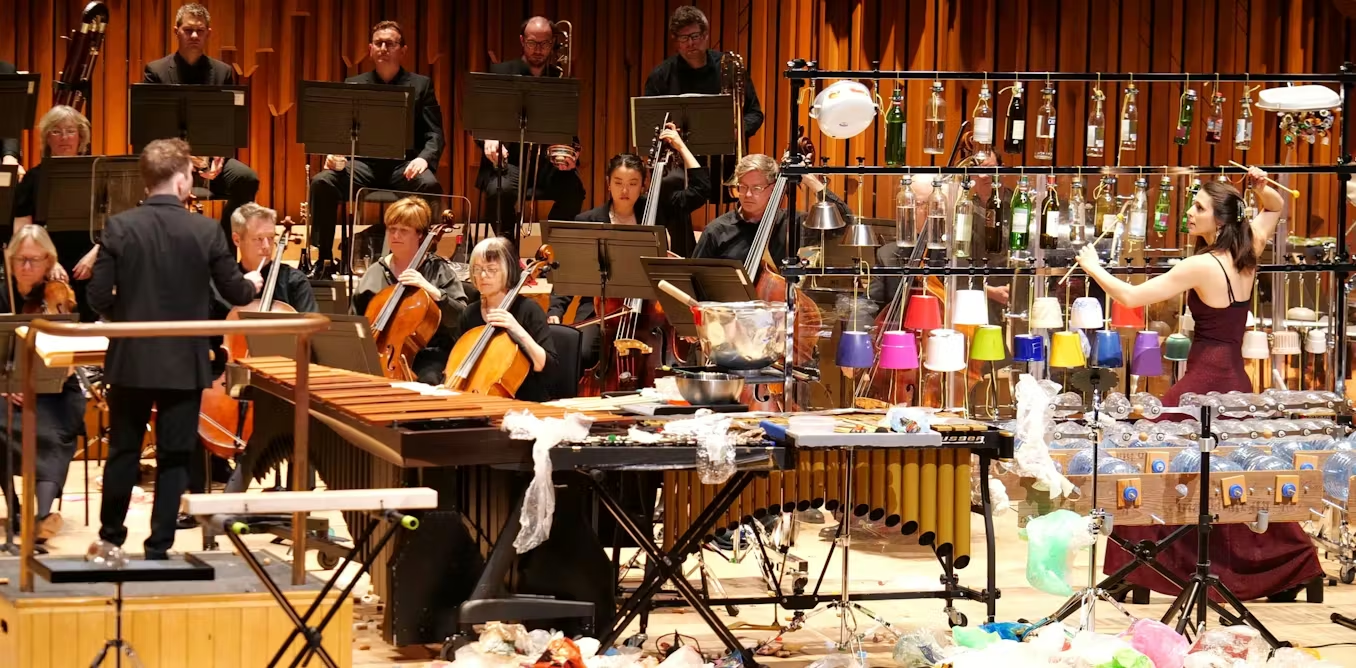


Connect with us
DAPA Banner

NewsBeat

The humiliating Newcastle blunders that gifted Barcelona victory

Published

on

The humiliating Newcastle blunders that gifted Barcelona victory

Barcelona: Joan Garcia, Eric Garcia, Cubarsi, Gerard, Joao Cancelo, Bernal, Gonzalez, Yamal, Lopez, Raphinha, Lewandowski. 

Subs: Szczesny, Kochen, Araujo, Gavi, Torres, Rashford, Casado, Olmo, Cortes, Espart, Marques, Bardghji. 

Newcastle: Ramsdale, Trippier, Thiaw, Burn, Hall, Ramsey, Tonali, Joelinton, Elanga, Gordon, Barnes. 

Advertisement

Subs: Pope, Ruddy, Harris, Botman, Wissa, Osula, Livramento, Jacob Murphy, Woltemade, Willock, Alex Murphy, Neave. 

Referee: Francois Letexier (France)

Source link

Advertisement
Continue Reading
Click to comment

You must be logged in to post a comment Login

Leave a Reply

NewsBeat

Scots told what to eat and drink in nuclear emergency with government official advice

Published

on

Daily Record

The UK government has issued advice on what to avoid in the event of a radiation emergency – with other advice on the key foods and water supplies to keep in your cupboards

Amid growing concerns following recent tensions with Iran, questions about nuclear strikes continue to mount, with people questioning how they might possibly prepare for the worst-case – though highly improbable – scenario.

Advertisement

While a nuclear strike on Britain appears an exceptionally remote possibility, officials have published guidance on what actions to take, what supplies to stock and where to shelter during a radiation emergency.

Without access to retailers following an attack, these are the essential items you ought to be stockpiling in your cupboards or freezers ‘just in case’.

When radioactive material settles across an area, soil or water sources can contaminate agricultural produce, farm animals and drinking supplies, according to the gov.uk website.

This mainly impacts fruit and leafy greens, which can become contaminated via their root systems.

Advertisement

Food

Similarly, farm animals risk consuming these contaminated plants from the soil – now radioactive – meaning meat and dairy produce will carry identical risks.

Should this happen, food standards authorities are expected to impose “precautionary restrictions within a defined area”, limiting the sale of any agricultural produce, livestock and animal-derived products.

For advance preparation, items you can rely on before or after an emergency include tinned goods and dried provisions. Real Simple has compiled the definitive list for this purpose, guaranteeing you’re selecting foods that can still deliver some degree of nutritional value and variety to your emergency provisions.

Advertisement

Their list of ‘pantry non-perishable’ foods features peanut butter, crackers, nuts, cereal, dried fruits, canned tuna, salmon, chicken, or turkey and canned beans.

The government website explains: “For large releases from overseas nuclear facilities, it is possible that, if certain weather conditions occur, radioactive material carried by the wind may land in some parts of the UK.

“If this happens, it is possible that levels of contamination may be high enough to require restrictions on the sale of contaminated crops, livestock and dairy products within a defined area.”

Water

During a radioactive emergency, extraction of water from rivers, lakes or wells in the affected area may be halted in order to protect water treatment facilities. This could have a major impact on water supply once the treated water stocks run out.

Advertisement

Although water companies have arrangements to provide alternative safe drinking water, such as bottled supplies, it would be wise to build up your own reserve.

Bottled water is commonly used when there are interruptions to local supplies, so regardless of nuclear threats, having a stock could prove beneficial at some point.

Other advice

Additionally, Real Simple highlights several cooking supplies you might not have thought about, should you lose access to gas, power or electricity. They recommend having a backup generator for such situations, whilst a portable camping stove or oven can be extremely useful.

Advertisement

“If you’re stuck indoors, keep a can of Sterno handy,” the website states. “It’s essentially heat in a can. It requires no electricity and can warm up small amounts of food in cookware.”

Regarding the safest place to shelter, UK Government guidance recommends staying indoors with all windows and doors closed. The most secure location within your property, they advise, is towards the centre of the building, positioned as far from external walls as possible.

By doing this, you’re helping to “avoid exposure from any radioactive material that has collected on the outside of the building.”

Should officials instruct you to stay at home, you may need to remain there for several days, making it vital to have these provisions readily available.

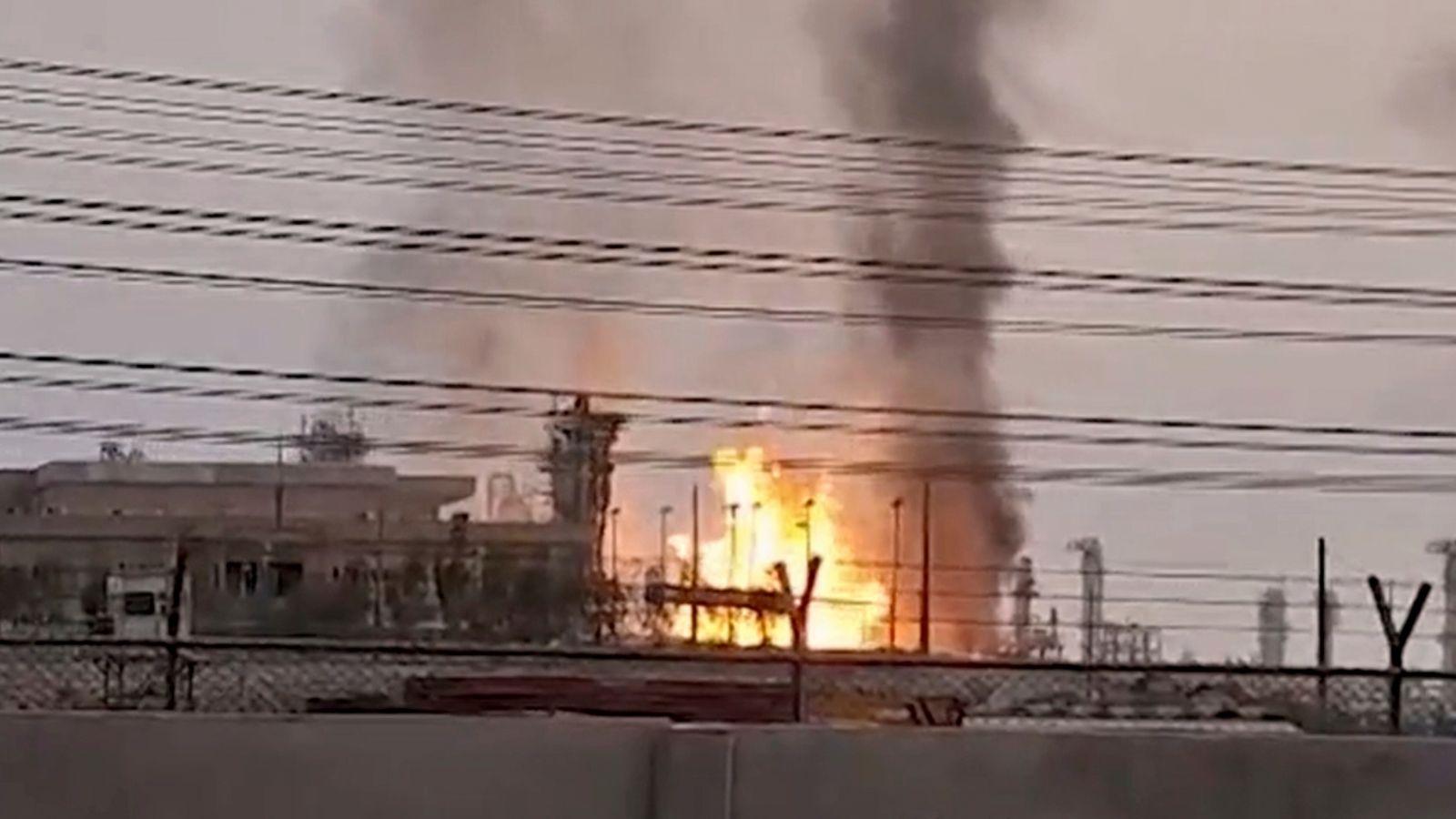
Advertisement

Source link

Continue Reading

NewsBeat

Amazon Alexa+ comes to the UK and I saw it in action

Published

on

Amazon Alexa+ comes to the UK and I saw it in action

I caught a glimpse of Alexa in the UK before the public launch. While Alexa’s voice remains the same as it was before, the level of understanding has jumped hugely, with conversations that are more like Google’s Gemini or ChatGPT. You can now say what you want and have discussions, which previously would be greeted with “I’m sorry, I didn’t quite get that”.

But Alexa loves to waffle. In many of the demos I witnessed, it’s clear that Alexa is happy to keep supplying information beyond the original question. This sort of contextual gumpf is typical of AI systems, with Gemini and ChatGPT both doing the same.

During the demos, Trevor Wood, Amazon’s lead speech scientist, said that a lot of adaptation had been made to cater for the UK’s 40 regional dialects. I noticed that Alexa would occasionally say “mate”, while at one point, it said, “I’ll just have a gander at that”. Hopefully, Alexa won’t always talk like a London cabbie in conversation.

Advertisement

For smart home users, creating ‘routines’ should be much easier. Previously, if you wanted to control a number of devices and assign certain actions (dimming the lights, switching on the central heating and boiling the kettle at certain times, as an example), it took ages to fiddle about in the Alexa app. Now you can just tell Alexa+ what you want to happen, and it should take care of it.

My first impression is that Alexa+ removes a lot of the frustrations based on voice interaction that the old system presented.

I’m going to be fully testing Alexa+ in my own home over the coming weeks to see whether it really changes the game, or just gets more irritating.

When can I get Alexa+ and what devices does it work on?

Source link

Advertisement
Continue Reading

NewsBeat

South Pars: Why do the attacks on the world’s largest gas field matter? | World News

Published

on

A refinery burns in Iran's South Pars gas field after it was struck by an Israeli drone. Pic: IRIB via AP

With the world’s largest gas field being set ablaze by Israeli strikes, the cost of the war with Iran is set to climb higher still.

Iran’s Fars news agency reported that gas tanks and parts ​of a refinery have been hit at the South Pars gas field.

The biggest known gas field in the world, it covers some 9,700 square kilometres in the Persian Gulf.

Iran war latest: New leader vows revenge for assassination

Advertisement

It’s estimated to hold about 51 trillion cubic metres of gas, according to the Guinness Book of World Records.

Oil prices have already spiked following news of the strikes, with the cost of Brent crude rising more than 5% to over $110 a barrel.

visualization

Natural gas costs have risen too, with UK wholesale costs up 6% on Wednesday, 60% in the month to date.

visualization

The South Pars field is split between Iran and Qatar, with the larger Qatari side being discovered first, in 1971.

It’s thought to make up two-thirds or more of Iran’s gas supply, according to state media.

The attack on the field marks the first reported attack on Iranian energy infrastructure.

Advertisement

Advertisement

Michael Clarke answers your Iran war questions

And the action will increase the cost to Iran of staying in the fight, according to Sky News’ international correspondent Alex Rossi.

He said: “What they’re trying to do is increase the cost – it’s a stream of revenue for the Iranians – and try to make it more difficult for them to prosecute the war.

“Now, that might happen in the long term, but immediately it’s going to be ordinary civilians inside Iran who are going to bear the brunt of this in terms of the cost of living, which is already terribly high and getting worse as a result of wartime.”

Advertisement

Read more:
Voters split over whether Starmer is handling Iran war well
Exclusive: Trump given ‘Vietnam’ warning by Iran

Middle East commentator Tara Kangarlou told Sky News the Iranian output of the gas field was “mainly used domestically”.

Nonetheless, Iranian gas flows to Iraq have also halted, a senior Iraqi official told Reuters.

The Iranian gas refinery in the South Pars gas field, seen in 2014. Pic: AP
Image:
The Iranian gas refinery in the South Pars gas field, seen in 2014. Pic: AP

And Qatar, which shares the field, has reacted angrily to the strikes, calling them a “dangerous and irresponsible” escalation that put global energy security at risk.

Iran itself has promised retaliation, warning it will respond by targeting energy installations in other Middle Eastern nations.

Advertisement

Mr Rossi said: “We are seeing that those states are responding by evacuating facilities now for fear that they too will be targeted.

“And this is already having a very real net effect – the price of oil has already leapt by 5%.

“So what we are seeing really as a result of this is not a war that is getting any better – it is widening tonight and intensifying.”

Advertisement

Source link

Continue Reading

NewsBeat

Afghanistan evacuees in Qatar transit camp accuse US of betrayal

Published

on

Afghanistan evacuees in Qatar transit camp accuse US of betrayal

The US state department has clarified that it is not forcibly returning any evacuees to Afghanistan, but that some have voluntarily returned. It did not confirm whether it was paying those returning to Afghanistan, but sources have told the BBC that evacuees were offered $4,500 (£3,338) for the main applicant, and $1,200 for each of their family members.

Source link

Continue Reading

NewsBeat

How the Iran war has left Europe facing yet another energy crisis

Published

on

How the Iran war has left Europe facing yet another energy crisis

Italian Prime Minister, Giorgia Meloni, said last week: “With the outbreak of the crisis in the Middle East, the issue of energy prices has clearly become even more important, which is why, at European level, we are also calling for the urgent suspension of the application of the ETS to electricity production.”

Source link

Continue Reading

NewsBeat

Councillors slam Government proposal to take away power from local communities

Published

on

Cambridgeshire Live

South Cambridgeshire District Councillors called on the Government to help improve infrastructure in the area.

Councillors shared concerns over the creation of a Greater Cambridge Urban Development Corporation and plans to remove some local planning powers. An Extraordinary Full Council meeting was held on Tuesday (March 17) to discuss the Ministry of Housing, Communities and Local Government’s (MHCLG) plans to establish a Development Corporation for Cambridge and South Cambridgeshire.

Advertisement

The proposals being consulted hope to create the largest corporation of its type to “enable a transformational long-term approach to delivering high-quality sustainable growth”. South Cambridgeshire District Councillors said at the meeting that already approved or proposed developments across Greater Cambridge are forecast to create more than 100,000 new jobs and up to 77,000 new homes.

Councillors believe these new homes and offices should be created in partnership with local councils. They raised concerns about a lack of funding and slow delivery of transport and utility improvements.

They said these problems don’t stem from the local planning system, but rather from wider infrastructure challenges and national regulations. The new Development Corporation would remove the responsibility of local planning authority for major planning decisions above a certain threshold from the Greater Cambridge Shared Planning service.

If the Development Corporation were created, decisions about where new homes and jobs across Greater Cambridge would be made by the Development Corporation – not by communities through local authorities. The most recent consultation into the joint Local Plan received 5,000 comments and was built on feedback from earlier rounds.

Advertisement

The meeting also heard that Greater Cambridge’s infrastructure challenges needed national Government’s support. This involves ensuring utilities such as water and power and essential facilities like health provision and education are properly funded.

Councillors said good skills, affordable homes, and reliable transport are necessary. Councillors want the Government to work with local authorities to tackle funding and delivery problems that affect residents’ quality of life. They said that the consultation has a lack of justification for the new proposals and it creates uncertainty among communities and developers about the future of the area.

The Leader of South Cambridgeshire District Council, Cllr Bridget Smith, said: “We have long talked about the need for Government support to help tackle challenges around growth. However, their proposals, which will remove local voices from important decisions about the future of Greater Cambridge, have not been convincingly justified by the evidence presented so far.

“Councillors came together last night to make clear their feeling that Government should be working in partnership with local councils, not punishing them. The transfer of planning powers away from councils and communities to an unelected body is unacceptable and unnecessary.

Advertisement

“We already have an outstanding track record of delivering ambitious, evidence‑based plans and sustainable growth with our residents at the heart of decision‑making. Any new arrangements must support us in addressing the systemic, national barriers to growth – not override local voices or undermine our ability to shape the future of our own area.”

Source link

Continue Reading

NewsBeat

President Trump’s Irish merger comment just banter, Little-Pengelly says

Published

on

President Trump’s Irish merger comment just banter, Little-Pengelly says

“Of course, we can never control what the president thinks, or what the president will say, of course we don’t, many many people have very strong views on the president, including myself, a number of times I would disagree with what he says on a range of issues – but ultimately I am here to champion Northern Ireland, and I think that we’ve done that very well this week.”

Source link

Continue Reading

NewsBeat

Barbican offers a masterclass in thought-provoking classical programming

Published

on

Barbican offers a masterclass in thought-provoking classical programming

The Barbican Centre’s 2025-26 concert season, Fragile Earth: Sounds of a Living Planet, brings the connection between music and nature, and its vulnerability to climate change, to the fore.

The chamber orchestra Britten Sinfonia embraced the theme with their contribution, Nature and Rapture: Recycling Concerto, which took place on March 12 and 13. The concerto was written by Gregor A. Mayrhofer for the virtuosic percussionist Vivi Vassileva. Together, the pair have collected and tuned an enormous battery of percussion from repurposed rubbish.

The stage presented a striking array of litter, including an enormous plastic bottle marimba, a wall of tuned glass bottles, discarded flower pots, cooking pans and a washing machine drum.

The first movement, The Happy Tsunami of Wealth, emerged with the crackling and rustling of plastic bags as Vassileva threw them across the stage. She then, with astonishing accuracy, used makeshift single-use beaters such as corks, plastic lids and coffee capsules, throwing them at the traditional tuned percussion and leaving them discarded on the floor. The music built to a dense sound, described by Mayrhofer as “an insurmountable pile of acoustic rubbish”.

Advertisement

In the second movement, Meltdown Meltup, the mood of the piece moves from joy and abandon into reflection, recycling music from the first movement. It also references the theme from Charles Ives’s The Unanswered Question as recognition that we don’t have the answers yet, but we can’t just sit back and let this assault on our planet continue.

Plastic Bottle Cadenza from the Recycling Concerto.

In the Plastic Bottle Cadenza, Vassileva performed a virtuosic cadenza with just two plastic drinking bottles that changed pitch as she released air from them. Mayrhofer and Vassileva have made something quite stunning out of rubbish. The beautiful sounds of the unique instruments provide quite the juxtaposition to the pile of used bottles, pans and pieces of non-descript metal with which they started.

In the final movement, Recycling Music, Mayrhofer continues to recycle existing themes within the composition. Several of these are taken from the advertising jingles of some of the biggest polluting corporations in the world – think soft drinks, fast food, coffee and communications companies. These themes weave into the performance like a musical naming and shaming.

Advertisement

The orchestra, soloist and conductor brought the performance to a peaceful close, quoting again The Unanswered Question, ankle deep in plastic bags, discarded lids and other rubbish. It was a visually and aurally striking end to a moving plea to take more care of our environment.

From the noise of pollution to the sounds of nature

The second half of the evening opened with a breathtaking performance of Einojuhani Rautavaara’s Cantus Arcticus: Concerto for Birds and Orchestra. Rautavaara combines recordings of birdsong, recorded in the Arctic Circle and the marshlands of Limnika, with the orchestra, creating an immersive experience of music and nature combined.

The first movement, The Bog, opens with two flutes calling and answering to one another. They’re soon joined by a recording of marsh birds. The movement evolves with instruments mimicking the birdsong.

I was completely absorbed by the sound-world, often unable to differentiate between true birdsong and the orchestral imitations.

Advertisement

Movement two, Melancholy, begins with the call of the shorelark, but transposed down two octaves, described by the composer as a “ghost bird”. This is accompanied by a chorale-like structure, first in strings only until it builds to a full orchestral sound that is almost overwhelming for a short time before quickly fading back to nothing.

The final movement, Swans Migrating, features the call of the whooper swan which builds to a cacophony of music and birdsong, fading in the final few moments of the piece. It is a beautiful expression of nature that was a striking contrast to the first half of the concert.

The performers take their final bows.
Shoel Stadlen

The concert closed with Beethoven’s Symphony No. 6 Pastoral, which is truly evocative of the environment. The five movements describe the countryside while portraying Beethoven’s emotional connection to nature.

I left the concert on a musical high, but also feeling reflective. To hear the sounds of nature as experienced by Beethoven, an early 19th-century nature enthusiast, in the same programme as the Recycling Concerto was extremely thought-provoking.

Advertisement

Musicians are increasingly using their craft to communicate the climate crisis. This potential to influence audiences in their attitudes to the environment is currently a subject of research, for example at the Influencing Environmental Values Through Music research group at the University of Sheffield.

In the orchestral music sphere, intentional programming to address the climate crisis is starting to become more common. Ensembles like the Orchestra for the Earth aim to inspire audiences to connect with and care for the natural world. Julie’s Bicycle is an international non-profit supporting creative organisations to take climate action in their practices, and in terms of engaging their audiences, and the Association of British Orchestras offers guidance to help orchestras operate sustainably.

If music can convey the message of environmentalism to audiences, as research suggests, then cultural organisations could be said to have a duty to take action. There is research that shows audiences for classical music are in decline and lack diversity. Further research explores the motivations of audiences attending cultural events: sustainability messaging could be a way to reach out to a new audience for whom this is an important issue.

Britten Sinfonia, with its innovative approach to programming and public engagement, is well placed to lead the way.

Advertisement

The climate crisis has a communications problem. How do we tell stories that move people – not just to fear the future, but to imagine and build a better one? This article is part of Climate Storytelling, a series exploring how arts and science can join forces to spark understanding, hope and action.


Source link

Continue Reading

NewsBeat

Who Liverpool FC will face in Champions League quarter-finals as opponents confirmed

Published

on

Who Liverpool FC will face in Champions League quarter-finals as opponents confirmed

Despite losing twice in the league phase, Liverpool still managed to finish third, which sealed progression to the last 16 and a showdown with Galatasaray.

The Turkish side were involved in, arguably, the standout tie from the knockout phase play-offs as they needed extra time to overcome Juventus 7-5 on aggregate, having let a three-goal advantage slip in normal time of the second leg.

Liverpool were totally dominant from the outset in the second leg, brushing aside Galatasaray 4-0 thanks to goals from Dominik Szoboszlai, Hugo Ekitike, Ryan Gravenberch and Mohamed Salah, who also had a penalty saved.

Who Liverpool will face in Champions League quarter-finals

Advertisement

Liverpool’s potential path to the Champions League final was mapped out when the knockout phase draw took place on February 27.

Placed on the more difficult silver path, the Reds know they must overcome several former European champions in order to reach another final.

Liverpool knew they would face either Chelsea or Paris Saint-Germain next, with the latter easily sealing a place in this season’s Champions League quarter-finals on Tuesday night.

The holders quickly extinguished any hope of a sensational comeback with Kvaratskhelia netting inside six minutes in the second leg before Bradley Barcola and Senny Mayulu scored to seal a comfortable 8-2 aggregate win.

Advertisement

Khvicha Kvaratskhelia helped PSG put Chelsea to the sword in the last 16

AFP via Getty Images

Source link

Advertisement
Continue Reading

NewsBeat

Martin Lewis warns of Universal Credit fine for people moving from legacy benefits

Published

on

Cambridgeshire Live

The UK Government has said claimants still on legacy benefits should have transferred to Universal Credit by the end of March.

People who have transferred to Universal Credit from Tax Credits are being warned they could face a fine of up to £100. Martin Lewis issued the alert for claimants in England who have moved from the so-called legacy benefit who ticked the box for ‘free prescriptions and dental treatment’.

Prescriptions are free in Scotland which means nobody in work or claiming benefits needs to pay for them. However, this is not the case in England.

Advertisement

Martin urged people not to assume you get free prescriptions and dental care on Universal Credit because you did so on Tax Credits. During the latest edition of The Martin Lewis Money Show Live on STV, the consumer champion explained income for people on Tax Credits was assessed annually, but Universal Credit is on a month-to-month basis. Incorrectly claiming free prescriptions could land claimants in England with a penalty of up to £100.

Martin told viewers: “Do not assume if you move from Tax Credits to Universal Credit you will get free prescriptions and dental. The Universal Credit income threshold for these is lower than under Tax Credits and remember, with Universal Credit your eligibility is deemed by a monthly assessment and with Tax Credits it is an annual assessment.”

The financial expert continued to explain that when individuals are completing the form, they reach the section for free prescriptions and dental care and simply tick either the Universal Credit, Jobseeker’s Allowance or Tax Credits box. However, this can prompt a letter from the Department for Work and Pensions (DWP) asking them to verify their eligibility as they may not be aware that the income threshold varies.

Consequently, those who fail to check it and understand the difference could face a fine of up to £100 – even if they were unaware they had made an error, reports the Daily Record. Martin mentioned he is also in discussions with the UK Government to improve the clarity of the forms due to the increase in fines over the past couple of years.

Advertisement

He added: “Protect yourself and go check if you are eligible.” Comprehensive information on eligibility for free prescriptions on Universal Credit can be found on GOV.UK.

Transition to Universal Credit

Universal Credit is progressively replacing six existing benefits, including Income Support, income-based Jobseeker’s Allowance, income-related Employment and Support Allowance, Housing Benefit, Child Tax Credit and Working Tax Credit.

The UK Government states that the new system aims to streamline the benefits system by consolidating several payments into a single monthly payment.

The managed migration process has been underway for several years and involves directly contacting claimants when it is their turn to transition to Universal Credit. The DWP sends out letters detailing the necessary steps individuals need to take and offers assistance to those who require help with the application process.

Advertisement

Under the managed migration scheme, claimants who receive a Migration Notice are instructed to apply for Universal Credit within a given deadline. Those who fail to submit a claim in time could see their current benefits halted.

The transition of people receiving Income Support and income-based JSA is nearly finished, and these two benefits will officially cease at the end of March as the UK Government continues its broader reform of the welfare system.

However, the DWP have agreed to a brief extension for some cases involving Employment and Support Allowance (ESA). The Department states that many ESA claims are more complex and necessitate additional support to ensure people transition safely to Universal Credit.

Source link

Advertisement
Continue Reading

Trending

Copyright © 2025