NewsBeat
The prisoners flipping the script on stage

Synergy Theatre Project brings prisoners, ex-prisoners, and young people at risk of offending to the stage – challenging how society sees them, and how they see themselves
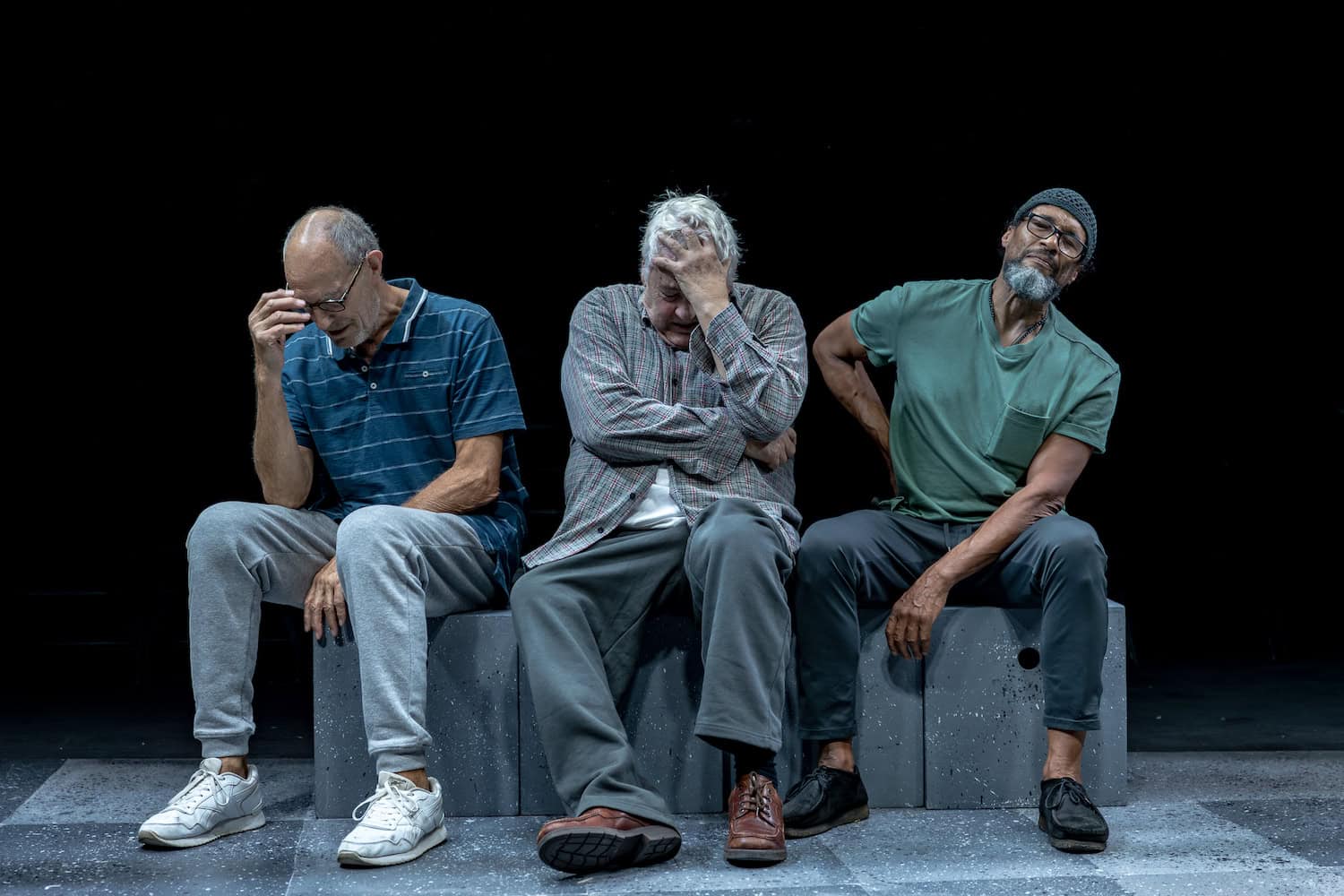
The prison guard shouldn’t help the old man who is lying on the floor of his cell – but he does. He shouldn’t help him change out of his clothes, which are wet because he had an accident in the night – but he does that too. But only after checking that no one is watching. Aiding a prisoner in this way is against union rules due to the risk of injury. The alternative? A two-hour wait for assistance.
This act of quiet compassion forms part of Lifers, a play by the Synergy Theatre Project that explores ageing and dignity behind bars. It’s a scene that lingers – raising questions about humanity, ethics and empathy within the prison system.
“We commissioned this play to raise public awareness about ageing in prisons,” says Esther Baker, the director of Lifers, who founded the theatre group in 2000 – working with prisoners, ex-prisoners and young offenders. “But it’s morally complex, it raises a lot of questions about human rights and ethics in prisons.”
The number of older prisoners in the UK has increased dramatically. According to a report by the Prison Reform Trust, the number of inmates over 50 almost tripled between 2003 and 2023, rising from 5,000 to almost 15,000. They now account for one in six prisoners: many will die in prison.
Prisoners, says Baker, are too often ignored – regarded merely as a number in a report, a statistic on a page. But Baker believes theatre can help people understand the lives of prisoners and ex-offenders in ways official reports cannot. “There is something very powerful about live performance,” she says. “It impacts hearts and minds and humanises the stories.”
Founded after Baker’s experiences teaching drama in prisons during the 1990s, Synergy Theatre Project has grown from a one-woman initiative into a leading arts charity. Starting with an award from the Butler Trust in 2000, and a first play done “on a shoestring”, Synergy now has eight permanent members of staff and funding from Arts Council England and the London Community Foundation.
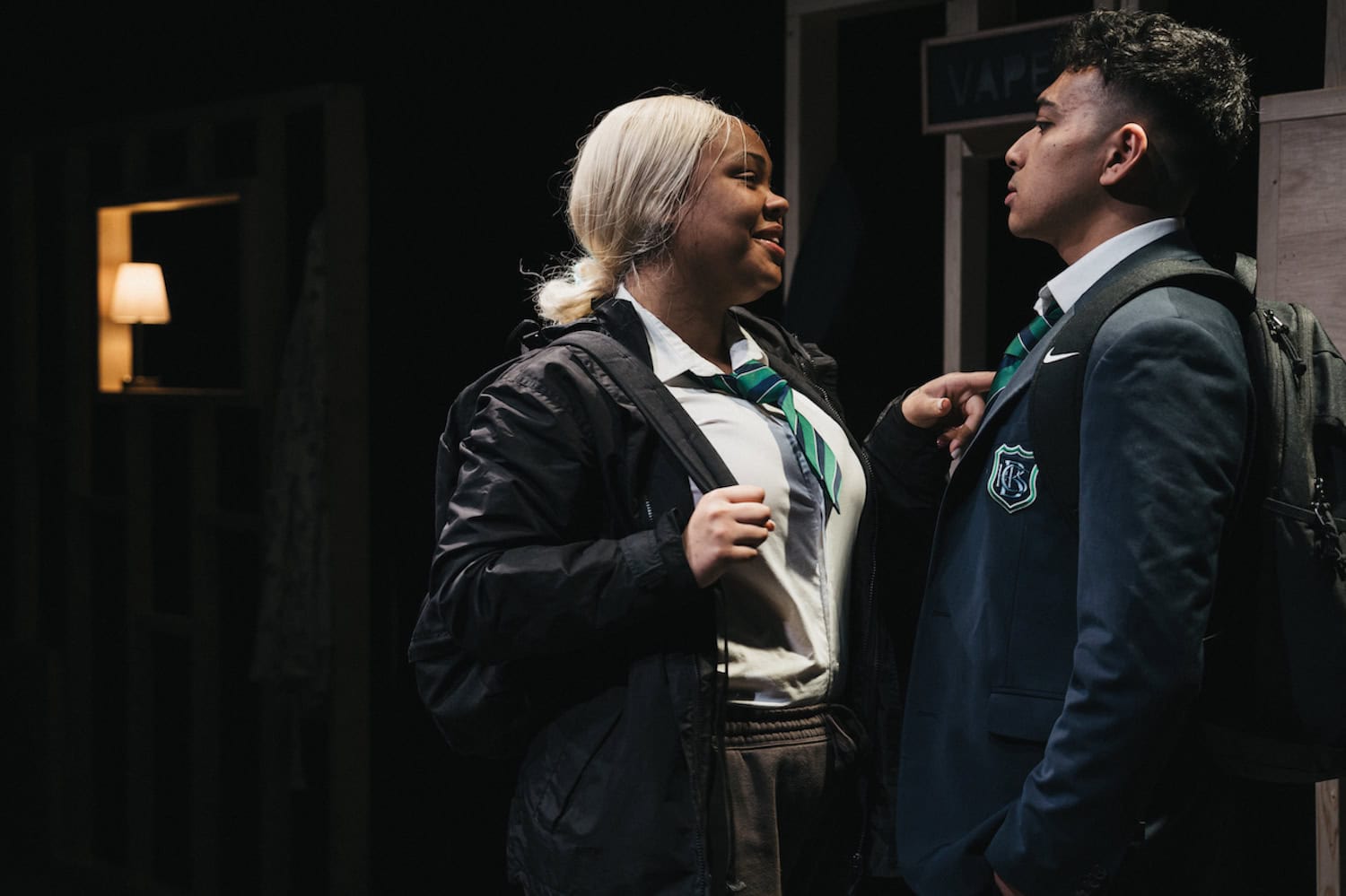
The charity usually produces two major public-facing performances each year. All include ex-offenders. The Lifers production for example involved five ex-offenders – two assistant stage managers, two assistant directors and one member of the cast.
The aim is to provide a greater understanding of those in the criminal justice system or working within it, and performances are often followed by panel discussions featuring ex-prisoners and criminal justice experts.
The theatre group also stages plays inside institutions such as Brixton, Thameside and Downview, a women’s prison in Surrey – with the cast made up of prisoners. Performances inside institutions are put on predominantly by the prisoners for the prisoners, but separate shows are organised for prisoners’ families and staff. Some members of the public can also attend if they register interest via the charity’s mailing list. “It creates quite an atmosphere in prison when you do a show,” Baker says. “It brings people together, like a big family.”
There is something very powerful about live performance. It impacts hearts and minds and humanises the stories
Beyond live performances, Synergy Theatre Project runs theatre-based training programmes for prisoners, ex-prisoners, young offenders and young people at risk. These programmes use creativity to build confidence and offer practical skills that can lead to employment. “There’s a lot of damage in prisons,” says Baker. “Our work is about engagement, building confidence and creating pathways into the creative industries as well.”
Many who pass through the charity’s courses go on to work in theatre, film and television. Ric Renton, whose most recent credits include writing and performing in Waiting For The Out, a six-part BBC One drama, is one of their number. “Synergy is responsible for me being where I am today,” he says. Renton had a troubled upbringing and spent time in HMP Durham, where he learned to read and write. After his release, he attended one of Synergy’s playwriting courses for ex-offenders. “There was an exhibition about Pink Floyd at the V&A, and we had to write something in response to it. I wrote about mental illness and off the back of that was invited to pitch to the Soho Theatre,” he says.
The theatre commissioned Renton’s first play, Nothing and a Butterfly, based on his life experience, which he developed with Synergy. The title is a reference to how prison guards let other guards know someone has died in the wing when doing the headcount, and it led to him getting his first agent.
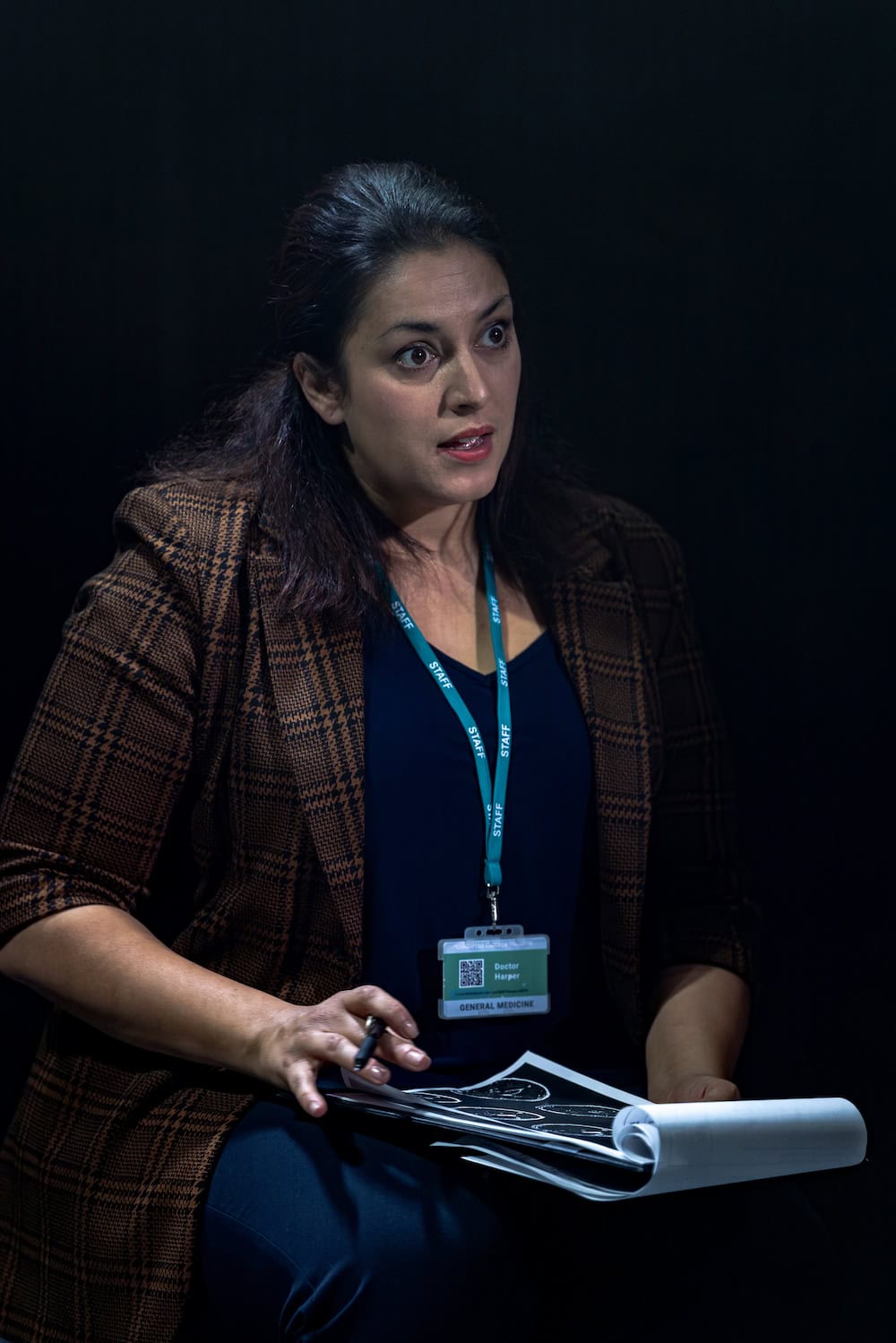
For Renton, the biggest benefit of working with Synergy was that the charity provided a way into an arts and media world, from which he’d previously been excluded. “They had the contacts and pathways. They really helped in a practical sense,” he says. “I’ve worked with them for eight years now, and seen so many examples of people they’ve helped, those who are usually ignored or thought badly of – they take the hopeless and give them hope.”
Daniella Henry first experienced Synergy through an acting workshop while in prison at HMP Downview. “We did The Gut Girls. It’s set in the 1800s and they speak in old English,” she says. “When I first got the script, I didn’t understand a thing or think I’d enjoy it, but I loved it so much.”
Henry was in prison for four and a half years – the acting was exciting and gave her belief in herself. When she was released from prison in February this year, she immediately went to work on a Synergy production of Providers, an award-winning play about family, money and a future that feels out of reach.
I’ve seen so many people they’ve helped, those who are usually ignored or thought badly of – they take the hopeless and give them hope
Coming out of prison was overwhelming for Henry but, she says, Providers gave her a reason to get out of bed and reconnect with people. “For years, I’d only been around criminals. People think the worst of you,” she says. “It’s helped me find my purpose and if I hadn’t had that, I don’t know where I’d be now.” Henry is now meeting casting directors and agents and hoping to line up more acting work.
Synergy Theatre Project’s work with young people is particularly significant given that juvenile reoffending rates currently sit at 34.2%, according to government figures. The charity employs ex-prisoners as facilitators on youth projects, which helps break down barriers and build trust.
The theatre group hopes to tour Lifers around the UK in 2026, and to revive Providers, the play Henry starred in, in collaboration with Brixton House theatre in south London.
Main image: Rich Southgate
See synergytheatreproject.co.uk for more information
Be part of the solution
At Positive News, we’re not chasing clicks or profits for media moguls – we’re here to serve you and have a positive social impact. We can’t do this unless enough people like you choose to support our journalism.
Give once from just £1, or join 1,800+ others who contribute an average of £3 or more per month. Together, we can build a healthier form of media – one that focuses on solutions, progress and possibilities, and empowers people to create positive change.
You must be logged in to post a comment Login