NewsBeat
This cyberpunk Chinese foodie capital is Asia’s coolest city break

Scroll through TikTok and you’ll find videos of China’s “cyberpunk” megacities – with their vertiginous skyscrapers, dazzling drone light shows and high-speed trains – racking up millions of views. Since the country scrapped its visa requirement for UK passport holders in February, China is having a moment with British travellers – and the social media trend known as “chinamaxxing” is partly fuelling the boom.
Amid this surge in interest, one city is getting the panda’s share of the spotlight: Chengdu, the country’s fourth-largest city and the capital of Sichuan province. According to internal data provided by travel booking platform Trip.com, UK searches for the destination increased 133 per cent year on year. Before its TikTok virality, Chengdu was mostly associated with tongue-numbing Sichuan peppercorns. But there’s plenty more to love about this laidback city, as I quickly came to discover during my visit.

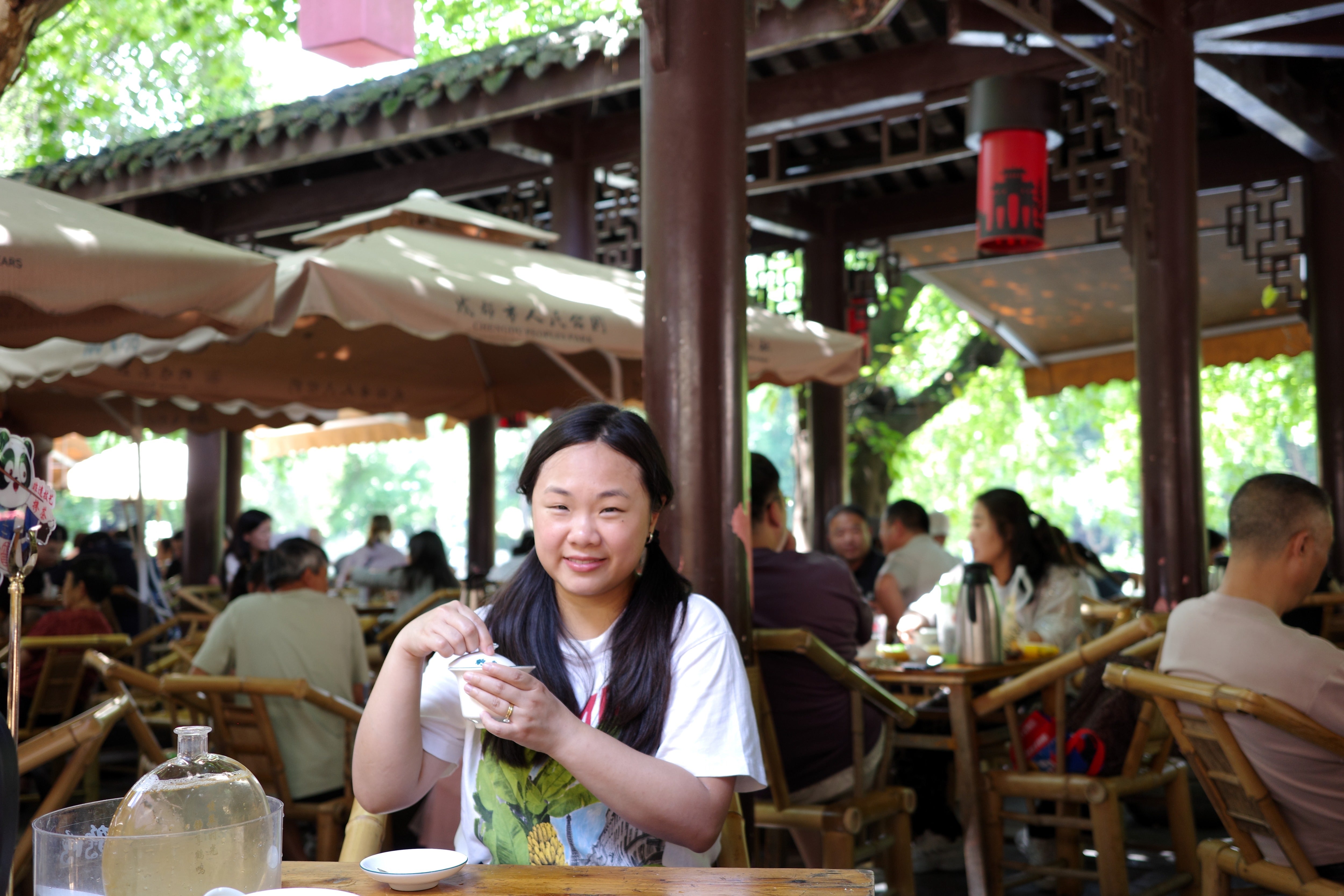
My first morning in Chengdu was spent at Heming Tea House, a 1920s open-air pavilion in People’s Park, the city’s green lung. Today, it remains popular as ever with locals and tourists alike.
I had barely settled into my bamboo armchair when a waiter in cheongsam (a traditional Chinese long robe) appeared at my table, brandishing a copper teapot with the longest spout I had ever seen. In a few swift moves, he tossed it over his head, twirling it in wide circles like a nunchuck, before dispensing liquid into a tiny gai wan (lidded bowl).
These kung-fu-like gestures are part of chan cha, a traditional pouring ritual recognised by Unesco as an Intangible Cultural Heritage. It was made clear that I could hang around for as long as I wanted: in Chengdu, it’s customary to savour tea and people-watch for hours, thanks to unlimited refills.
One reason for this unhurriedness is that locals like to have their ears cleaned while sipping tea, also known as cai’er. The chime of metal tongs was a constant soundtrack as practitioners roamed around offering their services. This ancient practice originated in Sichuan and involves extracting earwax with an assortment of tools, including goose feathers and minuscule tongs, and is said to be deeply relaxing – like having an itch scratched.

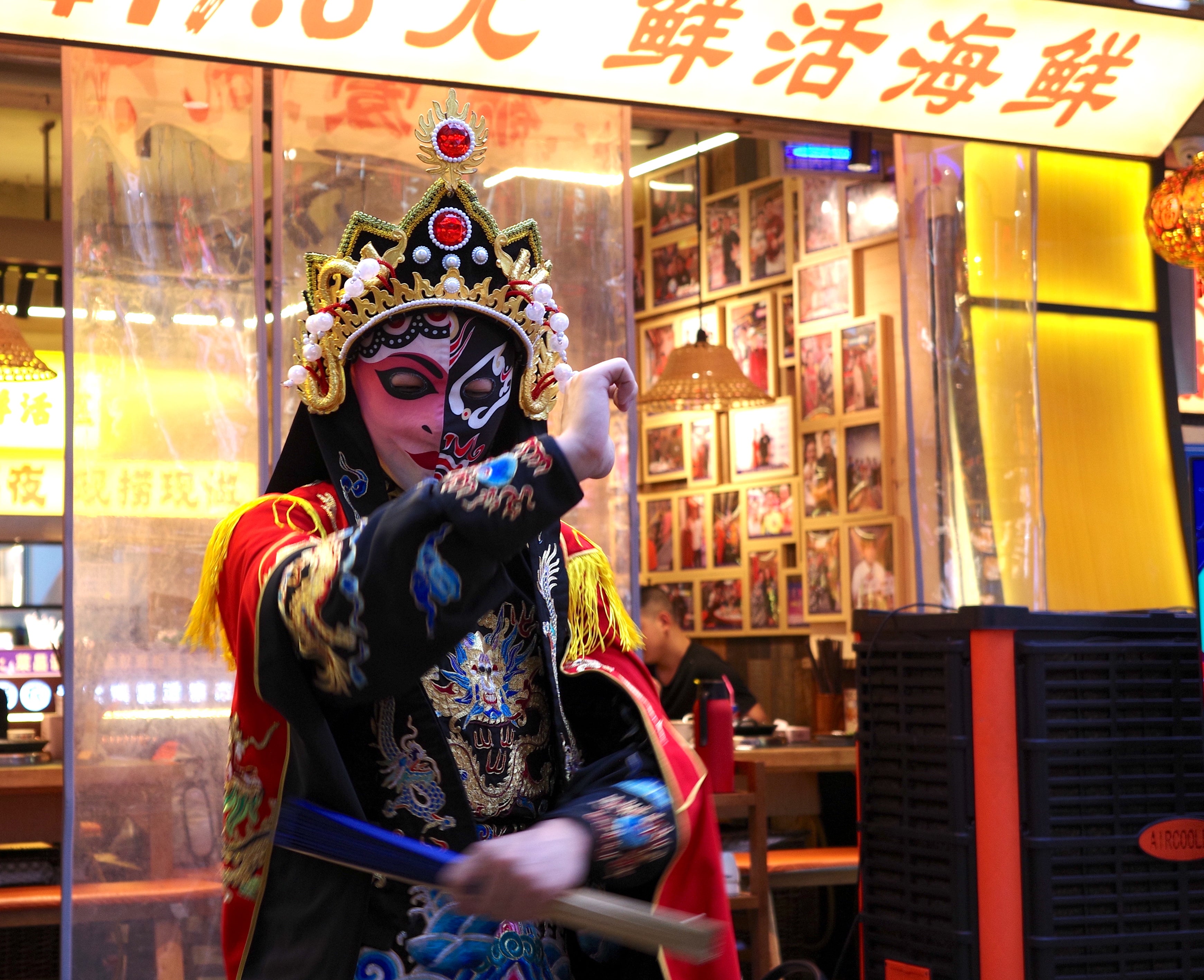
It was too early in the day for me to contend with the thought of a metal object entering my ear canal, but thankfully, another form of entertainment beckoned. For a reasonable 40 yuan (£4.50) surcharge, I finished my tea over a live performance of Sichuan opera. The undisputed highlight of this theatrical tradition is bian lian, or face-changing, where performers swipe between colourful silk masks in milliseconds with a dramatic snap of a fan. Watching bian lian at a tea house was the quintessential Chengdu’er experience, and I was giddy to be doing as the Romans do.
Read more: I’ve just returned from Shanghai – here’s why you should visit China now
All this action left me famished, so I beelined to Yu Zi Bu, a “fly restaurant” – Sichuanese slang for family-run eateries that might look a bit unkempt, but serve excellent food. Happily, no flies were present on my visit, and I tucked into a moreish bowl of tian shui mian, a bowl of thick, udon-like noodles drenched in a rich sesame and chilli sauce.
Tian shui mian was recommended to me as a spice novice, as it’s considered extremely mild by locals. Yet I quickly discovered that “not spicy” is still very much so when you find yourself in the spice capital of China. My tongue went completely numb – and a mouth-watering sweetness, followed by an intense savouriness then took over, leaving me craving more.

To make sense of this intoxicating flavour profile, I consulted Jing Gao, a Chengdu-born chef and founder of chilli sauce brand Fly by Jing. “Sichuan spice is often described as mala, which means ‘numbing’ and ‘hot’ in Mandarin,” she explained. “Erjingtiao, the signature peppers used in Sichuan cooking, is where the ‘numb’ comes from. It has a gentle, lingering heat rather than an aggressive burn, rounded off by a floral, citrusy fragrance.”
With its position in the Sichuan Basin, Chengdu boasts a mild climate and fertile soil – ideal conditions for those fiery chillies to thrive. It also provides an ideal natural habitat for China’s most beloved export: the giant panda. There are six panda research centres in Sichuan, two of which are easily accessible from Chengdu.
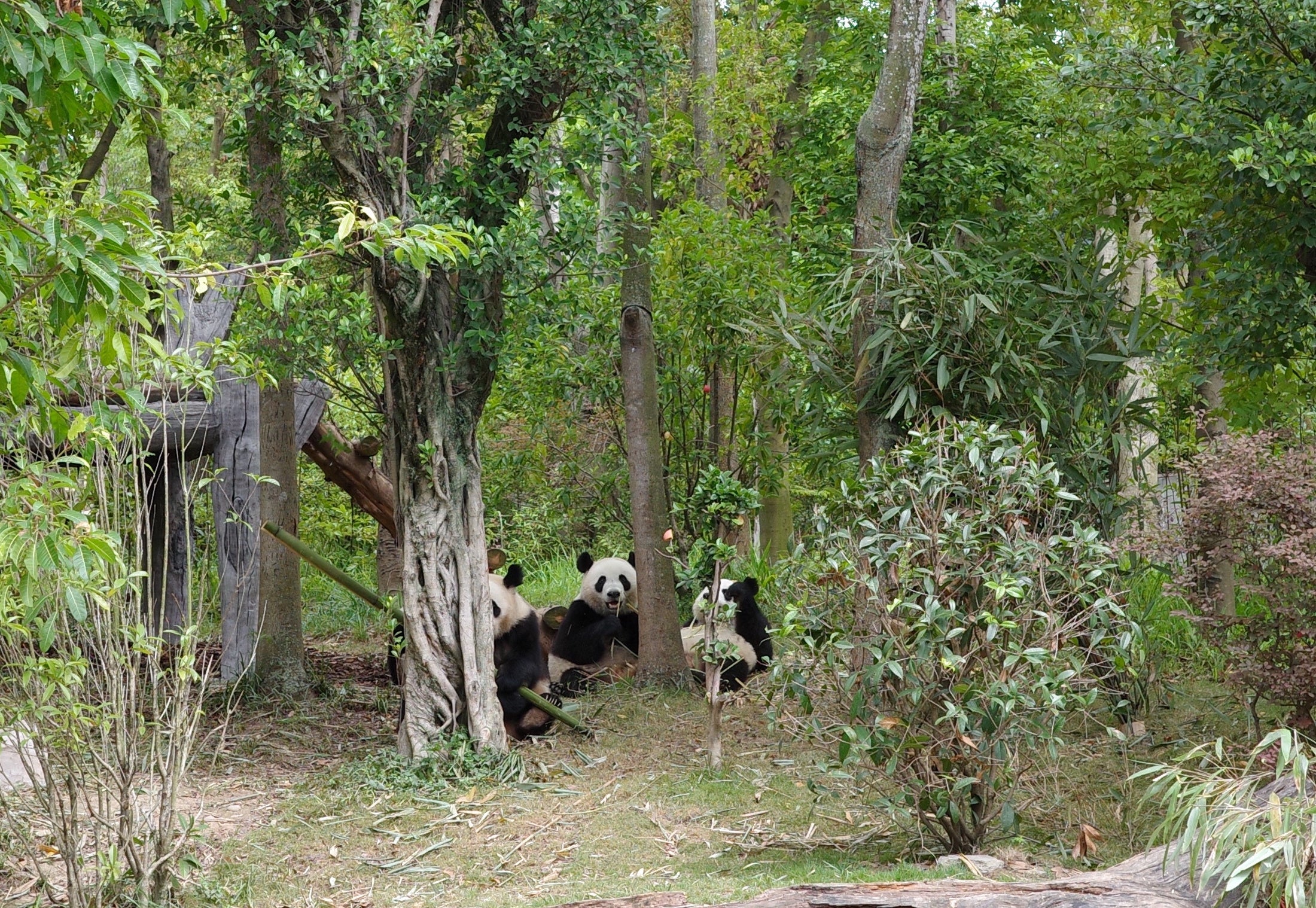
At the sprawling Chengdu Research Base of Giant Panda Breeding, over 200 pandas receive the full celebrity treatment. This facility is at the forefront of conservation efforts, providing its chubby inhabitants with lush bamboo forests and state-of-the-art nurseries for its tiny cubs. Devoted fans queue from as early as 6am just to catch a glimpse of Hua Hua, the base’s most famous resident. Thanks to an endearingly spherical, rice-ball-like physique, the six-year-old has become a social media celebrity in China, spawning a collection of merch ranging from lollipops to smartphone cases.
Read more: What it’s like to stay in a traditional hanok in Seoul

Daunted by the two-hour-plus wait to see Hua Hua, I found it equally rewarding to stroll around the enclosures of her less famous peers; these spaces were less crowded and you can really get a sense of a panda’s – rather enviable – life of leisure. Watching them nap for 10 hours a day, clumsily tumble across the grass and tussle with each other gave me such a boost of serotonin.
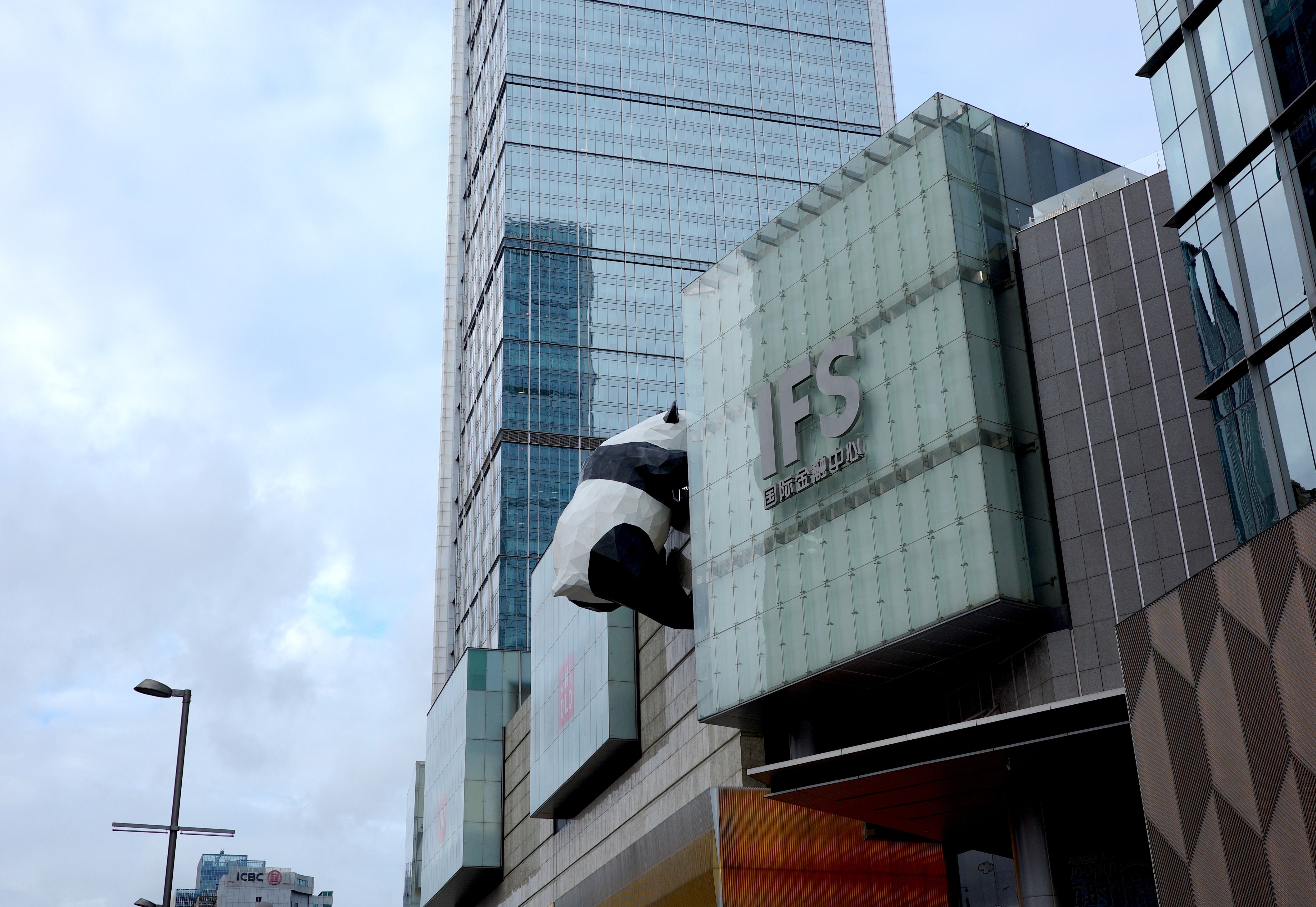
Even if you can’t make it to a research centre, panda sightings are virtually guaranteed in Chengdu. The adorable animal motif can be seen around town, from taxis to trashcans. The coolest homage, however, can be found atop a luxury shopping centre. In a smart bid to boost visitor numbers, Chengdu IFS Mall installed a colossal panda sculpture on its roof in 2014. From street level, onlookers are treated to the comical sight of its backside dangling over the edge of the building. The strategy clearly paid off; I spotted throngs of tourists taking selfies with the iconic panda bum.
Another landmark is the Tower of Life, an installation of six huge bamboo-shaped pillars and one of Chengdu’s quintessential cyberpunk photo spots. After sunset, the pillars cycle through neon-lit rainbow colours while spewing water, sending crowds dodging the sudden mist. It’s a futuristic marvel to behold and translates incredibly on camera. I also recommend heading to Jiaozi Ring Bridge, which faces the Tianfu Twin Towers, a set of skyscrapers with massive LED façades. Each night, they illuminate the skyline with light shows, frequently projecting – what else? – cartoons of pandas.
.jpg)
Read more: The crowd-free alternatives to Goa for an Indian beach break
My hotel, Upper House Chengdu, was a very convenient base for exploring the city; it’s just a 10-minute walk from IFS Mall and Chunxi Road, the main pedestrian shopping street, which has direct shuttle buses to the panda research centres. It also captures Chengdu’s knack for mixing old and new. The lobby occupies a restored Qing-dynasty courtyard residence, once the office of a translator, with rows of red lanterns strung through century-old plane trees, while bedrooms are housed in new-build brick-and-glass buildings with bamboo motifs printed on the floor-to-ceiling windows.
The hotel’s attention to local heritage continues at Mi Xun Spa and Teahouse, another restored Qing-dynasty home, where bamboo strips from Qingcheng Mountain are incorporated into massages, and a collection of rare Sichuan teas – including the fragrant Mengding Huangya, a yellow bud tea purported to support digestive health – are served.

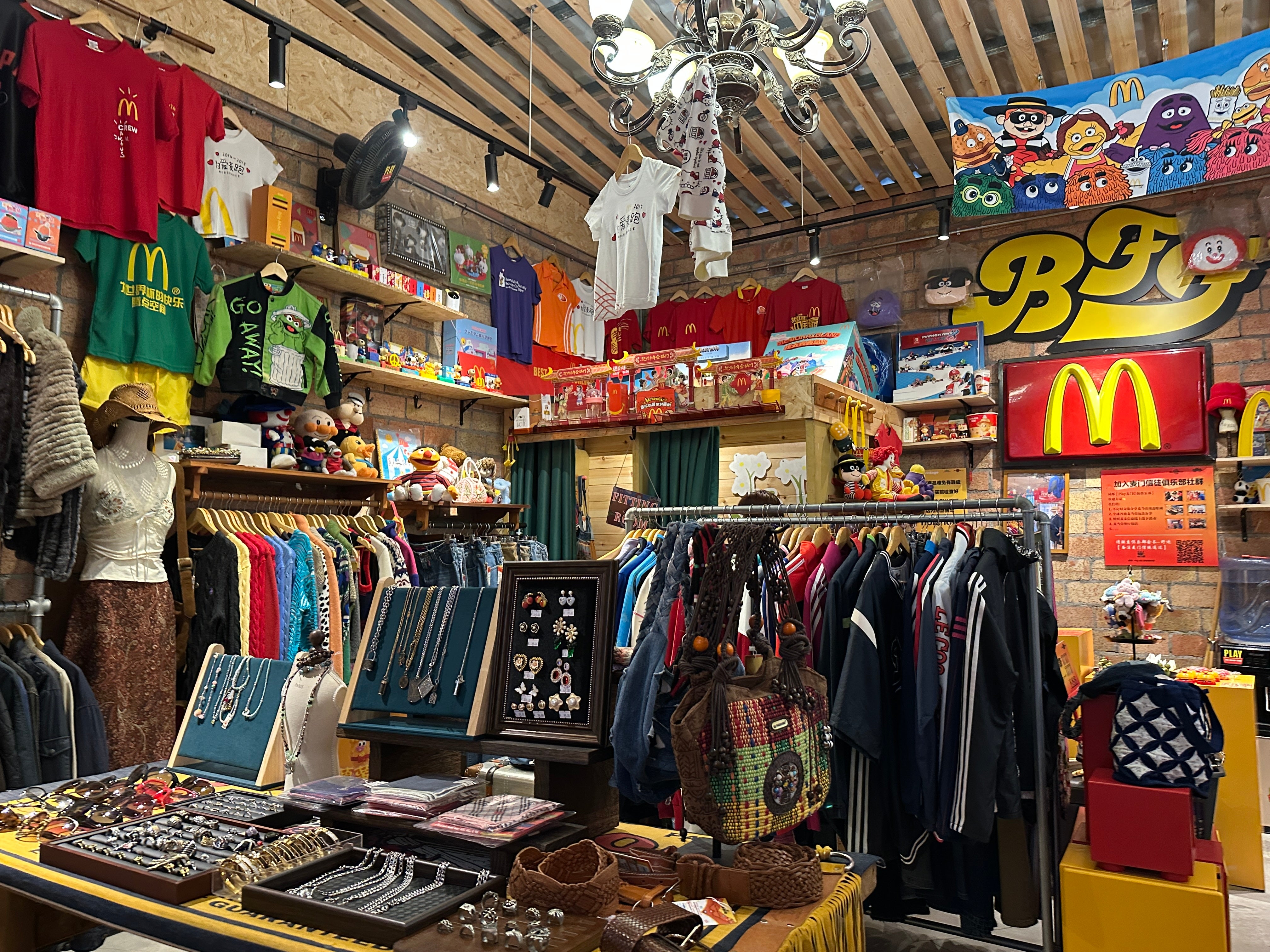
By the end of my trip, it was Chengdu’s easygoing atmosphere that stayed with me most. Wandering through the residential neighbourhood of Yulin, I saw people pulling up plastic chairs on the pavement to drink takeaway bubble tea, while groups of aunties played mahjong by the roadside. Vintage shops and coffee shops occupy former garages in residential compounds, and I could hear woks clattering in ground-floor kitchens as I thumbed through thrifted football jerseys. Gao puts it perfectly: “Chengdu has a very live-and-let-live quality, there’s less pressure to perform busyness [compared to Chinese cities like Shanghai and Beijing].”
Perhaps the best way to describe it is with a word I heard repeatedly during my time here: básì, the Sichuanese expression for a state of comfort and contentment. After a few days here, I understood exactly what this meant.
Venus Wong travelled to China with support from The Set Collection
Venus’ tips for visiting China
- China’s “Great Fire Wall” means that many western websites and apps, including Instagram, Whatsapp and Gmail, are blocked. To retain your access, buy and install a China roaming e-SIM, such as Airlalo, ahead of your visit.
- Mobile payments are the way of life here, as cash payments have become largely obsolete. Download Alipay, which connects with UK bank cards (Monzo and Starling have excellent exchange rates for the Chinese Yuan) to make instant payments via QR code.
- Also install Didi, the Uber equivalent in China, and AMap, a handy navigation app that offers an English version (remember Google Maps is blocked).
- Budget extra time for getting to and from Tianfu Airport by car; it’s located an hour outside of the city and traffic can easily double the travel time.
- Chongqing, another Tiktok-viral cyberpunk city – known for its trains that slice straight through an apartment block – is just 90 minutes from Chengdu via high-speed rail and a solid day trip option. I recommend booking train tickets on Trip.com, as it’s much more user-friendly for English speakers compared to navigating local apps.
How to get there
Air China operates direct flights from London Gatwick to Chengdu Tianfu Airport three times a week. Flight time is around 12 hours.
Where to stay
Double rooms at Upper House Chengdu start at £285 per night. The city centre hotel offers three restaurants, a bar, a spa with a subterranean pool, and an impressive lobby restored from a heritage building.
For more affordable stays, look into homegrown budget hotel chains such as Ji Hotel, Atour and Hotel Joya, with numerous locations scattered across the city. Ji Hotel Chunxi Road Taikoo Li is just a short stroll from IFS Mall. Rates start from £43. Requesting a non-smoking room is highly recommended, as smoking indoors (especially at budget hotels) is still widely socially accepted.
Read more: This hotel shows off the beauty of China’s Minshan mountains
You must be logged in to post a comment Login