President Donald Trump announced on Monday a sweeping reduction to the Bears Ears and Grand Staircase-Escalante national monuments in Utah, slashing the size of each protected area by an additional one million acres.
The move revisits contentious environmental rollbacks from his first term that were subsequently reversed by the Biden administration. It directly challenges proclamations by his predecessors, who deemed these sites worthy of preservation under the 1906 Antiquities Act, a law granting presidents power to protect areas of cultural, historic or scientific interest.
The ongoing dispute over these protected lands reflects how national monuments have become a central battleground in the management of public lands.
While Trump made similar reductions during his first term, which were subsequently undone by his successor, he is not the first president to reduce the size of such monuments.
Advertisement
Here’s a look at U.S. national monuments and presidents who have created or reshaped them:
How many national monuments have Biden and Trump acted on?
Trump made only a handful of Antiquities Act proclamations during his first term, including two that reduced the size of Bears Ears and Grand Staircase-Escalante monuments. The sprawling Utah monuments include stunning natural features and sites sacred to some Native American tribes. Grand Staircase-Escalante also holds large coal reserves, while the Bears Ears area has uranium.
Donald Trump is not the first president to reduce the size of monuments in Utah. He announced this week a sweeping reduction in the size of two monuments (Reuters)
Trump also dedicated the 340-acre (138-hectare) Camp Nelson National Monument in Kentucky — a Union Army hospital and recruiting center for African American troops during the Civil War.
Biden’s first use of the act was to restore the size of Bears Ears and Grand Staircase Escalante. He cited their spiritual, cultural and prehistoric legacy.
Advertisement
Biden established 10 new monuments, among them the site of a 1908 race riot in Springfield, Illinois, and a monument honoring Mamie Till-Mobley and her son, Emmett, a Black teenager from Chicago who was tortured and killed in 1955 after he was accused of whistling at a white woman in Mississippi. He also established monuments in the mountains of California and on a sacred Native American site near the Grand Canyon.
State officials, conservationists and tribes react
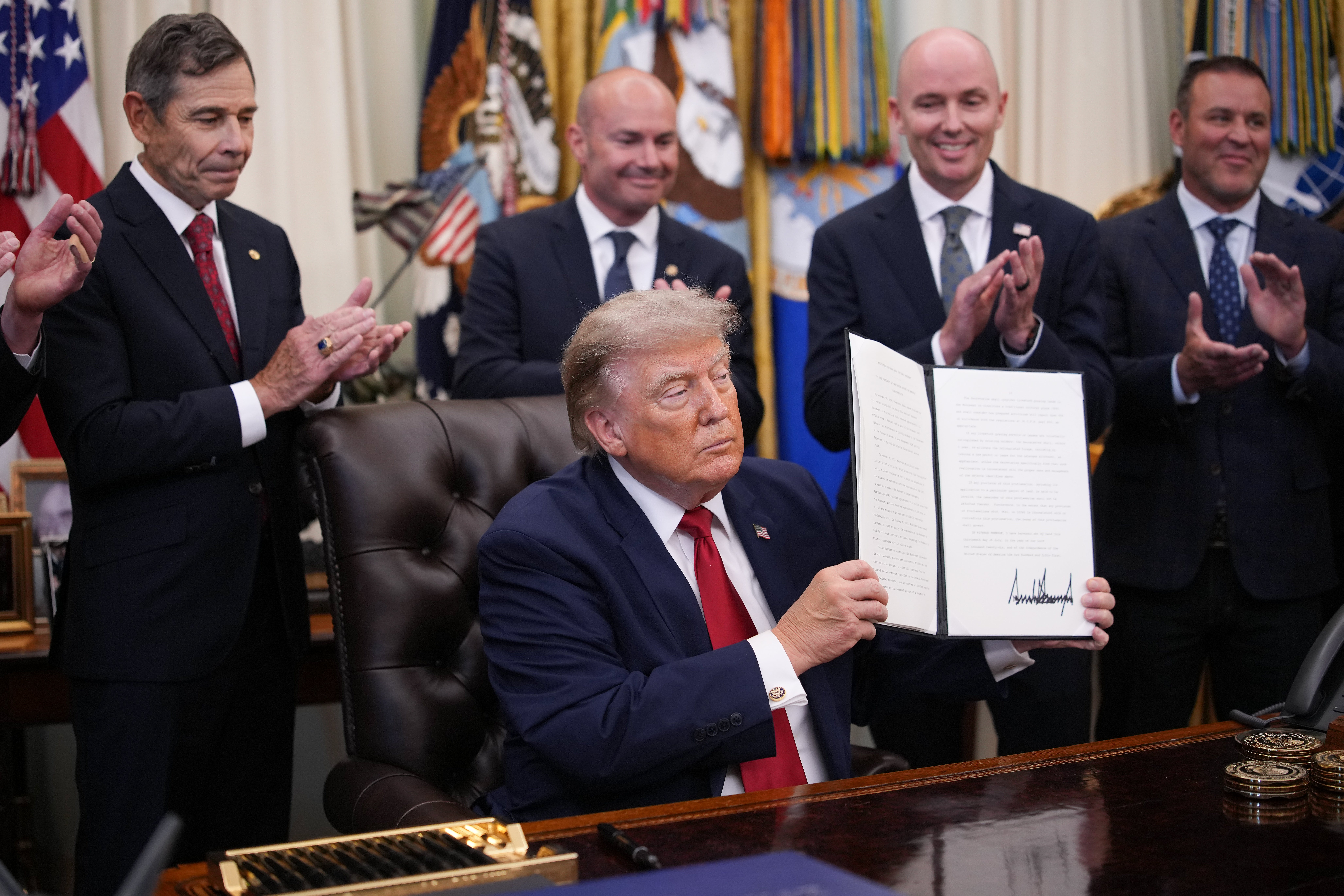
Proponents of the reductions say the protective boundaries stretch too far and hinder mining for essential minerals. Trump framed the move as giving back land to the people during a signing event at the White House on Monday.
The order was applauded by Utah officials, who have long argued that the state should be in charge of managing its own lands.
Advertisement
“The question has never been whether to protect them, but how to protect them best,” said Gov. Spencer Cox, a Republican. His office assured the lands left out of the modified boundaries “remain protected under existing federal and state law.”
Trump made similar moves during his first term, but many were reversed by his successor (Andrew Harnik/Getty Images)
But some conservationists and citizens of local tribal nations warned the order opens the door to mining interests while disrespecting tribal co-stewardship. Bears Ears is jointly managed by an agreement between tribal nations and federal agencies.
“Our connection to this place cannot be erased by the stroke of a pen,” said Davina Smith-Idjesa, a citizen of the Navajo Nation and co-chair of the Bears Ears Inter-Tribal Coalition.
Is it legal to shrink or eliminate monuments?
Environmental groups have argued the Antiquities Act is a one-way road that allows presidents to create but not undo monuments. But there’s a history of presidents taking actions similar to Trump’s.
Advertisement
Since 1912, presidents have issued more than a dozen proclamations that diminished monuments, according to a National Park Service database.
In Washington state, Woodrow Wilson reduced the acreage of Mount Olympus National Park — now Olympic National Park — by roughly half. Harry Truman did the same for Santa Rosa Island National Monument.
Dwight Eisenhower was most active in undoing proclamations of his predecessors as he diminished six monuments, including Arches in Utah, Great Sand Dunes in Colorado and Glacier Bay in Alaska, which have all since become national parks.
How is a national monument different from a national park or forest?
Advertisement
Unlike national parks, which are established by Congress, most of the more than 100 national monuments were created by presidents.
They’re governed by one or more agencies such as the National Park Service, Bureau of Land Management or National Oceanic and Atmospheric Administration.
A designation provides sweeping protections not just for significant geological features or artifacts but also for the surrounding landscape, banning drilling, mining and new construction. Backers downsizing the Utah monuments said the protective boundaries stretched too far and hindered mining for critical minerals.
The U.S. Forest Service was established in 1905 and has jurisdiction over some 300,000 square miles (775,000 square kilometers) of land, including 154 national forests and 20 national grasslands in 43 states.
Advertisement
Under federal law, the forest lands are managed for renewable resources — including timber, clean water, wildlife habitat, forage for livestock and recreation. But many forests overlay valuable minerals and parcels can be leased by private companies for the extraction of nonrenewable resources such as oil, gas and coal.
Some forests contain specially designated wilderness areas where human activities are curtailed. Even bicycles and hang gliders aren’t allowed because they are mechanical.
National parks have some of the most stringent rules against development under a 1916 law known as the Organic Act. The law says the fundamental purpose of the parks is to conserve their scenery, nature, history and wildlife.
How long have presidents been creating monuments?
Advertisement
President Theodore Roosevelt signed the Antiquities Act after a generation of lobbying by educators and scientists who wanted to protect sites from commercial artifact looting and haphazard collecting by individuals. It was the first law in the U.S. to establish legal protections for cultural and natural resources of historic or scientific interest on federal lands.
On Sept. 24, 1906, Roosevelt used it to designate a national monument at Devils Tower — a giant rock butte in eastern Wyoming that later gained fame as the focus of the movie “Close Encounters of the Third Kind.”
For Roosevelt and others, science was behind safeguarding Devils Tower. Scientists have long theorized about how once-molten lava cooled and formed the massive columns that make up the geologic wonder. Narratives among Native American tribes, who still conduct ceremonies there, detail its formation.
All but three presidents have used the act to protect unique landscapes and cultural resources.
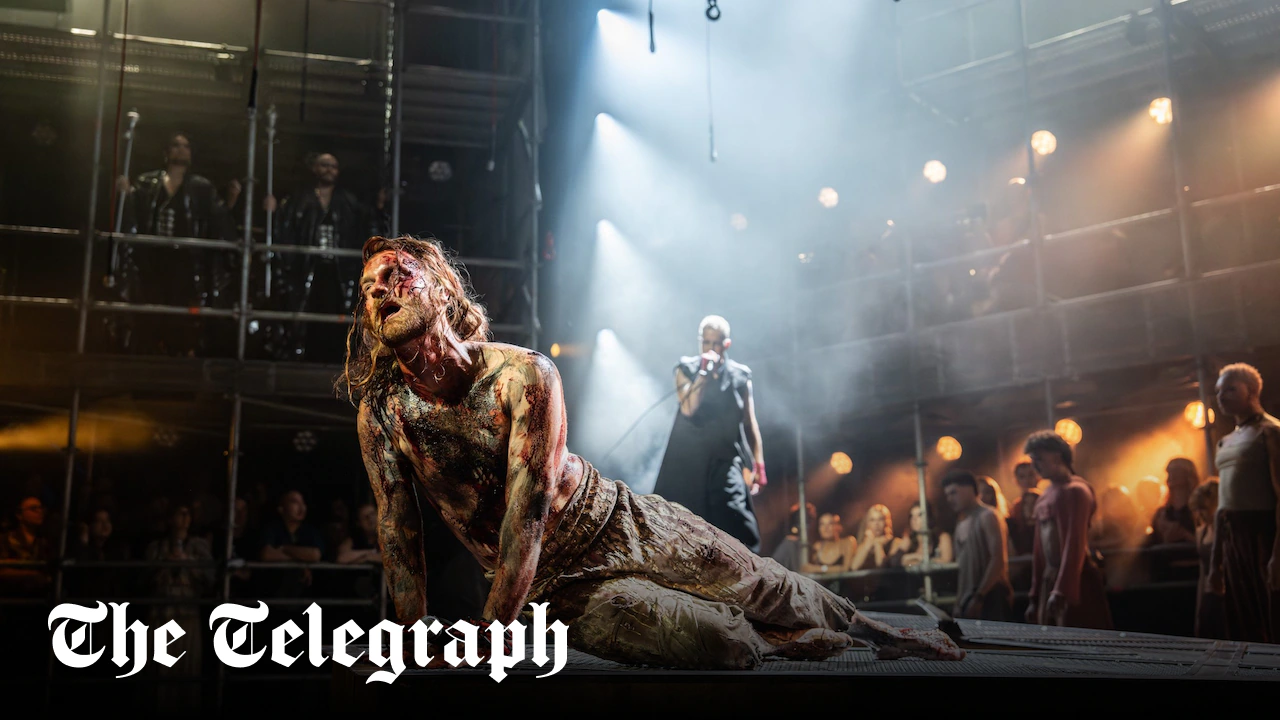
Hannibal Lecter was named the greatest villain in American cinema thanks to Anthony Hopkins’s chilling performance in the 1991 film. Now, Gina Gionfriddo adapts Thomas Harris’s multi-million-selling novel for its world stage premiere. When FBI trainee Clarice Starling is sent to interview a cannibalistic murderer, it’s hoped that his brilliant mind will help her to catch a sadistic new serial-killer, Buffalo Bill. But there’s nothing straightforward about Lecter, as we know. Casting tbc.
Curve, Leicester, Aug 1-15, then touring the UK and Ireland
The BAFTA-winning 1996 TV phenomenon returns to Newcastle, the city where it’s set, in a new stage adaptation by the series’ original creator Peter Flannery, with Jack McNamara, artistic director at local playwriting powerhouse Live. The focus of this fresh theatrical version is two episodes in which Nicky, Mary, Tosker and Geordie (played in the series by Christopher Eccleston, Gina McKee, Mark Strong and Daniel Craig) come of age in the city during the turbulent early Thatcher years (1979-1984).
On Friday, Wigan and Leigh Police were granted a Partial Closer Order by a court to serve to a property on Conway Close.
This was following ongoing reports of anti-social behaviour linked to the address, with evidence submitted to the court demonstrating ‘persistent anti-social behaviour’.
Officers stated that the property had been having ‘a significant negative impact’ on residents and the wider community.
Advertisement
The order, which is designed to prevent further nuisance, disorder and criminality, restricts access to the property for named individuals.
It also provides police and partner agencies with additional powers to address the issues that have been impacting the area.
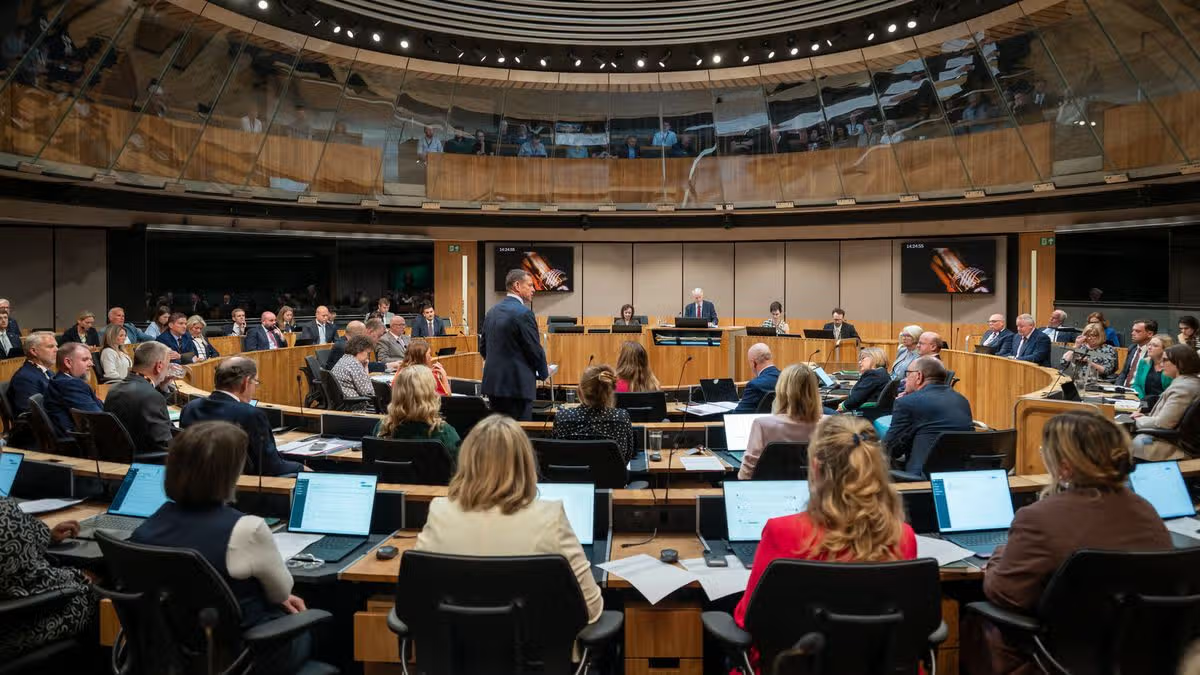
The Plaid Cymru minority government in Cardiff Bay looks destined to lose its first major Senedd vote this evening.
Labour has now ruled out supporting the Welsh Government’s proposed supplementary budget, which will allocate £411m of spending that was unallocated in the main budget earlier this year.
Plaid needs at least six other votes in the Senedd to pass its spending plans and, as of Tuesday afternoon, appears not to have won the support of any other group in the chamber.
Advertisement
It would be a significant symbolic loss for Rhun ap Iorwerth’s administration which shows how challenging it will be to run a minority administration for the next four years.
On Tuesday morning the Tories and Reform UK made it clear they will not support Plaid’s budget as it stood then, but Labour’s Senedd members were meeting to discuss a last-ditch offer from Plaid Cymru which was sent by the First Minister on Monday (July 13).
But on Tuesday afternoon interim Welsh Labour leader Ken Skates said he had written to First Minister Rhun ap Iorwerth asking him to withdraw the supplementary budget, saying it was not enough.
Advertisement
“In all our discussions funding for additional learning needs (ALN) has been a top priority for Welsh Labour,” said Mr Skates.
“Yesterday both the school leaders’ unions in Wales, NAHT Cymru and ASCL Cymru, notified the cabinet minister for education and the Welsh language that they are formally declaring a trade dispute with the Welsh Government.
“This is both unprecedented and deeply regrettable.
“Less than 100 days into government Plaid Cymru find themselves in chaos, unable to work collaboratively.
Advertisement
“By withdrawing the budget today we hope that they will resolve these issues with teaching unions and bring back another supplementary budget in the summer with £100m allocated for ALN.”
Following the news Labour would block the budget a Plaid Cymru source said: “By voting against the supplementary budget Labour will vote against £145m to cut NHS waiting lists, £120m for children with additional learning needs, £55m to expand funded childcare, and £15m for free school meals for secondary pupils most in need. In doing so Labour has abandoned its progressive values.
“Despite inheriting £333m of in-year pressures in the NHS the Welsh Government worked quickly to put a £120m proposal on the table to build a more sustainable ALN system.
“Labour have walked away from that offer – a move that will rightly be questioned by parents and teachers.
Advertisement
“By voting against the supplementary budget Labour are not only voting against more money for children with additional learning needs, money to cut waiting lists, and money to fund childcare, they will also be teaming up with the Tories and Reform.
“It is clear that they have learnt nothing from their humiliating election defeat in May. Wales rejected Labour in May but that doesn’t mean Labour should reject the priorities of the people of Wales.”
The debate on the budget is scheduled for 6pm if it is not withdrawn. Before it, at 1.30pm, is First Minister’s Questions where Rhun ap Iorwerth will be quizzed on a range of topics including cost savings, NHS waiting times, and whether he thinks there will be an impact of the UK Government’s defence investment plan on Wales.
He will also use a statement to lay out the first legislation his party plans to take through the Senedd. That includes a bill to strengthen the rights of people living in private rented accommodation, creating a community right to buy scheme, and a law that ensures the needs of people in rural areas are considered in policy-making.
Advertisement
Also in the Senedd today deputy first minister Sioned Williams will give further details on her party’s childcare plans and constitution minister Dafydd Trystan Davies will face questions.
We’ll be with you live from the Senedd throughout the afternoon with updates below:
Following today’s racing tips? In need of some guidance? Or just fancy a flutter?
Each day, Marlborough brings you the best bets from every race at every racecourse around the country.
From the bright lights of the Cheltenham Festival and Glorious Goodwood to a low-key evening meeting at Chelmsford City, we have all your racing tips and best bets covered.
Advertisement
Meanwhile, you can get the latest betting offers and free bets from the top bookmakers here.
Looking for a daily racing nap? Marlborough will indicate his top tip for the day in traditional style, with his other notable selection highlighted with “NB”. Whistler, The Sunday Telegraph’s tipster, will also name his daily Nap.
So come back every morning for Marlborough’s daily selection. Note, tomorrow’s tips will appear towards the bottom of the page. Good luck!
Looking for deeper analysis? Here are additional daily racing tips and expert insights.
Advertisement
Monday, July 13
Ayr
2.00 Vega King 2.30 JM Jhingree 3.00 White Ladder 3.30 Millbuie 4.00 JRK Cobbler 4.30 Spiritoftheblues 5.05 Cascade Hall
Windsor
5.20 Terminology 5.50 Leonardo Blu 6.20 Sovereigns High 6.50 Market Leader 7.20 Papa Cocktail 7.50 Kalokalo 8.20 A Major Payne 8.50 Bintsaleh Nap
One person sustained a broken nose in a fight that broke out at one of the events
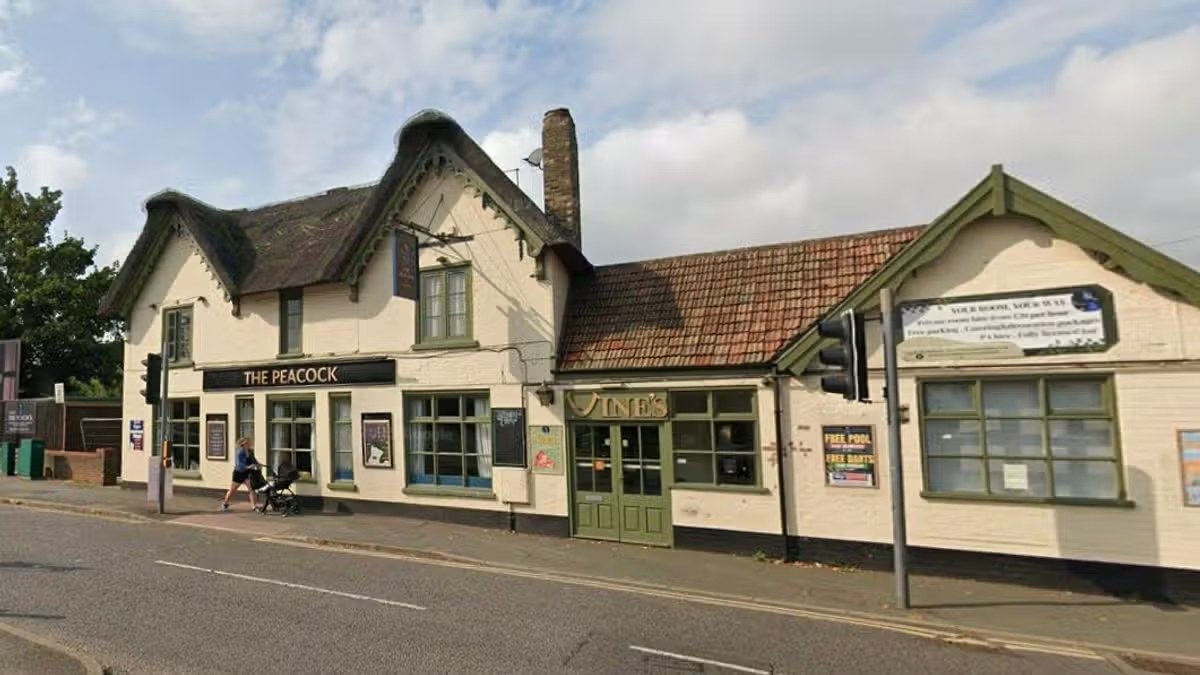
A city centre pub will have its licence reviewed as “significant concerns” have been raised about boxing events. Cambridgeshire Police has applied to Peterborough City Council for it to review the premises licence for The Peacock pub in London Road, Peterborough.
Advertisement
Police have requested the review on the grounds the pub is undermining the objectives of: prevention of crime and disorder; public safety; and prevention of public nuisance.
The police have raised “significant concerns” to the promotion and management of boxing events at the pub. In the licencing document, it said: “[This] follows incidents occurring on March 14, 2026, and July 4, 2026, together with subsequent intelligence received by police.
“The cumulative evidence demonstrates a pattern of escalating risk, violence and disorder associated with these events, in the view of Cambridgeshire Constabulary, requires licencing authority intervention.”
On March 14, the document said that there was a “confrontation” and “exchange of words” between a boxer and promoter. It added: “The incident escalated to a verbal and physical altercation requiring intervention from security staff.
Advertisement
“Police were subsequently informed of reports that an individual may have been in possession of a baseball bat outside the venue. Whilst this report was not substantiated and no weapon was recovered, associates of those involved remained gathered outside the venue for approximately thirty minutes following the incident.”
While no offences were recorded, police felt there was a “clear risk of disorder”.
The incident on July 4 took place at around 9.55pm when police received reports of “significant disorder” at the pub. The document said: “The initial report described fighting involving between 15 and 50 persons, injuries including a broken nose and blood being present, together with information that security staff were unable to manage the situation.
“Officers attended and established the incident stemmed from a confrontation involving members of two boxing families attending the event.” Police had to intervene to “restore order”.
Advertisement
Police then received third-party footage from July 7, which showed another violent incident in the back car park. The footage is currently under review and an investigation is ongoing.
From the two incidents recorded by police, the force has said the evidence demonstrates:
Escalating tensions associated with organised boxing events
A realistic likelihood of violence and disorder occurring
Inadequate controls to prevent or mitigate disorder
Reliance upon security intervention to prevent violence
Circumstances where security staff were reportedly unable to effectively manage disorder
The need for police deployment and intervention to restore order
Significant public safety concerns affecting participants, spectators, staff and the wider public
The pub has held several boxing events within temporary structures and under Temporary Event Notices. The document said the premises had provided information that it would accommodate up to around 200 people at the events.
There would also be “regulated entertainment”, alcohol sales and a marquee. The Peacock is one the oldest pubs in Peterborough, after opening in 1876. It’s a popular pub amongst locals, especially being opposite the Peterborough United football ground.
Jovhan Pascoe has been jailed for life with a minimum term of 15 years after being found guilty of rape
18:08, 14 Jul 2026Updated 18:08, 14 Jul 2026
Creep broke into woman’s flat and raped her as she slept
Footage has been released by Greater Manchester Police showing the arrest of a man after he was sentenced to life imprisonment for the rape of a woman.
Advertisement
Jovhan Pascoe, 39, of Moss Bank Road, Crumpsall, was jailed at Manchester Crown Court on Monday 13 July and ordered to serve a minimum of 15 years. He was also made subject to a Sexual Harm Prevention Order after being found guilty of rape.
The video shows officers entering a room where Pascoe is seated before they place him in handcuffs and escort him from the property. He is then taken to a waiting police van, where officers carry out a security scan before placing him inside the vehicle.
Click here to get the biggest stories straight to your inbox in our Daily Newsletter
Police launched an investigation after officers were called to reports of a serious sexual assault at an address in Cheetham Hill in September las tyear.
Advertisement
Pascoe was later arrested on suspicion of rape before being charged and convicted.
In a victim impact statement, the survivor described the lasting impact the attack has had on her life.
She said: “Since that night I haven’t slept properly. I have to sleep with a light and that’s if I can get to sleep.”
“Some nights I don’t sleep for days because I’m terrified and nervous thinking someone is going to walk in and hurt me again. The slightest noise makes me jump. Even the sound of a car revving outside, or if something falls on the floor and makes a bang, I get palpitations where my chest and heart start racing.”
Advertisement
Detective Constable Katie Geldard, from Greater Manchester Police’s City of Manchester CID, said: “I’d like to thank the brave victim for coming forward and reporting this horrendous crime to us, and for working with us throughout the course of the investigation.”
“Thanks to her courage, this dangerous sexual predator have been removed from the streets and put behind bars. I hope this sentence brings her a sense of justice and she rebuilds her life.”
Labour’s new pay-per-mile road tax on fully electric and hybrid vehicles will clobber businesses, ministers have admitted.
An internal Government impact assessment acknowledges the levy, part of the effort to reach Net Zero, will affect around 5.6million vehicles and that ‘the impact will be material’ on some firms.
While it does not give a figure for the potential impact, it is yet another blow to businesses following Chancellor Rachel Reeves‘s Employer National Insurance hike, inflation-busting increases in the minimum wage and amid sky-high energy costs and changes to employment law already expected to cost businesses £5billion.
Critics warned the new levy, known as eVED, threatens to further push up prices for consumers as firms will look to pass on any increase in costs.
Advertisement
Ministers said yesterday they would push ahead with proposals to charge electric vehicle owners 3p a mile to ensure they make a ‘fair contribution’ to road upkeep costs. Plug-in hybrid drivers will also be charged 1.5p per mile.
The new tax will be introduced from April 2028, with a typical electric vehicle driver expected to pay about £240 per year.
The charge is on top of road tax, which is around £200 for most vehicles but £600 a year for the first five years for cars with a price tag of £40,000 or more – which includes many electric and hybrid models.
Advertisement
Howard Cox, founder of the FairFuelUK campaign, said: ‘Labour’s new pay-per-mile road tax on electric and hybrid vehicles is yet another hammer blow to British businesses, ministers have now been forced to admit.
‘Once again, it is businesses and ultimately consumers who will pay the price for Labour’s tax-raising agenda. This stealth tax on greener vehicles shows this government has no understanding of the pressures facing companies trying to stay competitive.’
Ministers claim the raid is necessary to plug a projected drop in fuel duty revenues as petrol and diesel are phased out, with new sales of petrol and diesel cars set to be banned from 2030.
Advertisement
At present, fuel duty raises more than £25billion a year.
But the internal impact assessment which emerged today says businesses who have invested in fleets of EVs and hybrids, after being encouraged to by ministers, will be clobbered particularly hard.
It states: ‘For some businesses, particularly large fleets, the impact will be material.
‘One-off costs for businesses are expected to include updating processes to estimate mileage for their vehicles and pay eVED.
Advertisement
‘We also expect there will be ongoing costs for businesses including putting in place new systems to estimate and pay eVED.’
Humberside Police has unmasked four men behind a class A drugs operation after they all entered guilty pleas at Hull Crown Court yesterday (July 13).
Nathan Langton, 32, formerly of Burstall Hill in Bridlington, Liam Langton, 28, of Quay Street in Scarborough, and Lewis Wenn, 29, of The Close in Cottingham, each pleaded guilty to conspiring to supply class A cocaine.
RECOMMENDED READING:
Jordan Withey, 27, of St Georges Avenue, Bridlington, admitted conspiring to supply class A cocaine, possession with intent to supply class A cocaine, and possession of criminal property.
Advertisement
They are due to be sentenced at the end of the month (July 28).
The investigation into the group was launched in January 2026 when officers from the Kinetic Organised Crime Group Team identified a mobile number used to advertise and sell cocaine in Bridlington and surrounding areas.
Further enquiries revealed that the number was part of a wider network of burner phones used to send bulk messages advertising Class A drugs.
Detectives identified Liam Langton and Lewis Wenn – both of whom were out on licence from prison for drug offences – along with Jordan Withey, as key members of the gang.
Advertisement
After a series of warrants in Bridlington and Scarborough on March 4, Langton and Withey were arrested, with a search of Withey’s address uncovering a significant quantity of class A drugs and around £7,000 in criminal cash.
Langton was also arrested during a raid at his home and officers witnessed him attempting to dispose of a mobile phone, which was seized and later found to contain key evidence.
The phone contained communications with Lewis Wenn and conversations with his brother, Nathan Langton – who was directing the operation from inside his prison cell.
Mobile data analysis, CCTV footage, and financial records established that the group worked together to advertise, prepare, and distribute cocaine, police said.
Advertisement
CCTV showed Lewis Wenn purchasing a top-up voucher for one of the drug line phones before leaving in a vehicle insured by Liam Langton.
It was also established that Jordan Withey provided a base for storing and supplying the drugs, and was responsible for holding cash generated by the operation.
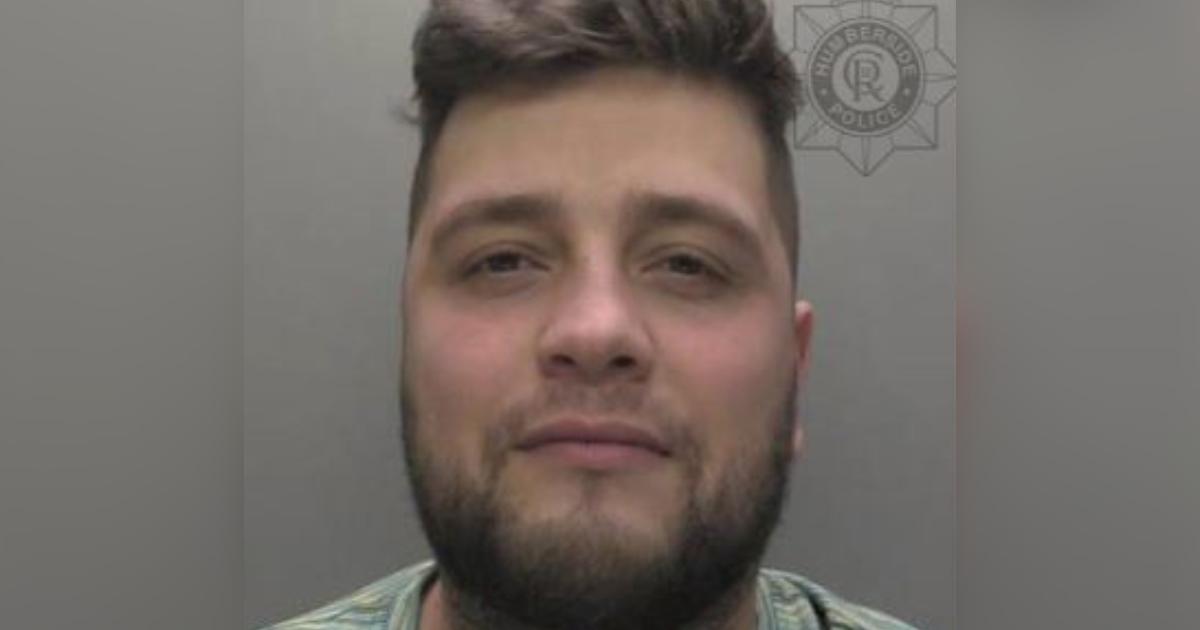
(L-R) Liam Langton, Lewis Wenn, and Jordan Withey (Image: Humberside Police)
Both Withey and Liam Langton were detained, questioned, and later charged and remanded in custody.
On Wednesday, April 1, Lewis Wenn was located at a holiday property near South Cave; two mobile phones recovered from the property contained messages arranging cocaine deals.
Advertisement
Messages between Wenn and a contact saved as “Fat” (traced to Nathan Langton) discussed the preparation and distribution of drugs and boasted about the money he was making, despite being behind bars.
He also referred to plans involving drones to deliver prohibited items into the prison.
On Thursday, May 7, a specialist prison search team entered Nathan Langton’s cell and recovered a concealed mobile phone, which he originally attempted to hide by diving into bed.
The phone had been used to contact the drug line and associates outside prison, but once the phone was seized, the drugs line stopped operating.
Advertisement
Constable Karl Freeman said: “This investigation is a perfect example of organised crime not being glamorous or untouchable.
“It’s a group of individuals motivated by money, willing to exploit addiction and bring harm into our communities.
“Even after three of his associates had been arrested, Nathan still tried to keep the drugs line alive, convinced he could stay one step ahead, which inevitably failed.”
Humberside Police said that they will continue to work with the Home Office Clear Hold Build Initiative in Bridlington to stop organised crime and selling drugs.
Advertisement
Constable Freeman added: “Thanks to the dedication of our officers, specialist analysts and our partners within the prison service, four people who played significant roles in this network face the consequences. Thank you to members of the public who continue to report information to us.
“Every organised crime group we dismantle makes our communities safer, disrupts the supply of dangerous drugs and sends a clear message that there is nowhere criminals can hide, not even behind prison walls.”
Members of the public with information are urged to contact police via the non-emergency 101 line or by speaking to local officers, and to call 999 in an emergency.
Information can also be reported anonymously through the independent charity Crimestoppers by calling 0800 555 111.
Spain squad: David Raya, Joan Garcia, Unai Simon, Marc Pubill, Alex Grimaldo, Eric Garcia, Marcos Llorente, Pedro Porro, Aymeric Laporte, Pau Cubarsi, Marc Cucurella, Mikel Merino, Fabian Ruiz, Gavi, Alex Baena, Rodri, Martin Zubimendi, Pedri, Ferran Torres, Dani Olmo, Yeremy Pino, Nico Williams, Lamine Yamal, Mikel Oyarzabal, Victor Munoz, Borja Iglesias
Rob Pownall, who stood against Andy Burnham in Makerfield, has dropped out of the Clacton by-election, dismissing the Nigel Farage-triggered contest as a ‘circus’
A candidate who famously dressed as a fox to battle Andy Burnham in Makerfield has dropped out of Nigel Farage’s Clacton ‘circus’ – saying the by-election has got too silly.
Advertisement
Rob Pownall, who picked up 18 votes in the contest that brought Mr Burnham back to Parliament, said it is impossible to take Mr Farage’s race seriously. Wildlife campaigner Mr Pownall had planned to stand after the Reform UK leader said he was triggering a by-election in a surprise announcement last week.
But no other parties opted to field a candidate, meaning Mr Farage’s main rival is likely to be parody candidate Count Binface. Mr Pownall wrote on his blog: “Farage can be the ringleader of his new circus, we’re not here to be one of his performers.”
The Reform leader attempted to frame his decision to step down and seek re-election as a “people versus the establishment” contest. He had been facing a Parliamentary standards investigation over a £5million ‘gift’ from crypto tycoon Christopher Harborne which he did not declare.
But Labour, the Lib Dems, Conservatives and Restore all said they would play no part, with Kemi Badenoch accusing Mr Farage of having a “hissy fit”.
Advertisement
Mr Pownall has previously stood in Makerfield and Edinburgh Central as a Protect the Wild candidate – campaigning to end hunting, shooting and badger culling. He initially announced he would be on the ballot paper in Clacton, but explaining his change of heart said: “What made Makerfield and Edinburgh Central different is that they were real elections, contested seriously by every major party, where our campaign was one voice among a genuine democratic process. Clacton isn’t that.”
Warning that no one was taking the by-election seriously he said: “Whilst we like attention, British wildlife protection is a serious issue, and I take this cause incredibly seriously. I have to weigh up the point at which being part of something stops helping that cause and starts undermining it.
“Being lumped in on a stage alongside a lineup of people treating this as a punchline isn’t the platform we set out to find, and I don’t think it’s the one that best serves the animals we’re trying to protect.”
Advertisement
Damning polling seen by The Mirror reveals 52% of voters think Mr Farage decided to fight the by-election in Clacton to divert attention away from a standards probe into the large amount of cash he accepted in 2024. Just a quarter of respondents did not believe he is trying to avoid scrutiny, polling firm Survation found.
Even among current Reform voters, a third think Mr Farage is attempting to swerve questions about his finances. The Reform leader faces a humiliating battle after all the main parties refused to take part in the “circus” contest, clearing the way for parody candidate Count Binface to be his main rival.
Veronica Hawking, Campaigns Director at 38 Degrees, said: “The British public don’t suffer fools gladly. They see this by-election for what it is: an attempt by Nigel Farage to avoid scrutiny and accountability that all our politicians should be held to. Farage says he represents the people but not many people get £5m gifts from billionaire friends. It’s time to clean up politics for good.”
Mr Farage was being investigated by Parliament’s standards committee after it emerged he had accepted a large sum from Thailand-based Christopher Harborne shortly before the 2024 general election. He did not declare the money, which he insists was an unconditional personal gift.
Parliamentary rules say gifts and donations in the 12 months before becoming an MP. If he is found to have broken rules, Mr Farage could potentially face a suspension and a possible by-election. The investigation is expected to resume if he returns to Parliament after the August 13 contest.
Mr Farage could face a second standards probe over allegations that convicted fraudster George Cottrell – an ally of the party leader – provided benefits including security, drivers, staff and accommodation. The Lib Dems last week called on the commissioner, Daniel Greenberg, to investigate following reports in The Times.
Mr Cottrell’s lawyers said they dispute reports of financial assistance to Mr Farage. On top of that it was reported last week that two £250,000 donations by Mr Cottrell’s mum Fiona are being investigated by the Met Police to determine the original source of the funds.
Advertisement
Two people have been interviewed under caution but no arrests have been made since it was referred to police by the Electoral Commission last Thursday. Damian Lyons Lowe, founder of Survation, said: “The public may be split on whether Farage should re-stand, but they are not split on why he is doing it. Twice as many voters see this as an escape from scrutiny than a genuine appeal to Clacton, and even among Leave voters he fails to win the benefit of the doubt.”
The Survation polling, of 2,058 adults, found 50% of people who intend to vote for Reform thought Mr Farage was not trying to dodge scrutiny. Worryingly for the right-wing party, 31% of his parties believe he was.
On Tuesday last week Mr Farage announced he was stepping down as an MP to contest a by-election in his Clacton constituency. He claimed to be the victim of an establishment stitch-up and said voters could decide his fate – despite the standards probe being ongoing.
Count Binface is expected to be the main challenger to Mr Farage. Polling by Ipsos last week found 33% of Brits want the parody candidate – real name Jonathan Harvey – to win, compared with 21% for Mr Farage. Nearly a third said neither deserve to win, and 13% are undecided.
Advertisement
Mr Farage’s finances have come under increased finances in recent weeks. Desmog has calculated he has earned £2.3million on top of his £98,599 salary since entering Parliament. Reform UK has been contacted for comment.













































You must be logged in to post a comment Login