NewsBeat
Trump gives Iran 48-hour ultimatum to reopen Strait of Hormuz or face ‘obliteration’ of power infrastructure

President Donald Trump issued a high-stakes, two-day ultimatum to Iran: enable vessel traffic through the Strait of Hormuz or endure punishing strikes on its power grid.
Unless Tehran “fully” opens the strait within 48 hours, the U.S. military will “obliterate” Iran’s power plants, starting with their largest, the president wrote on Truth Social on Saturday evening from Mar-a-Lago.
In response, Iranian officials quickly telegraphed their willingness to go tit-for-tat. According to state media, Iran’s military vowed to target U.S. energy and desalination infrastructure in the region if Trump follows through on his threat.
Traffic through the Strait of Hormuz — a vital trade chokepoint through which 20 percent of the world’s oil flows — has all but ground to a halt due to Iran’s de facto blockade, put in place after the war broke out last month.
As a result, oil prices have surged past $100-a-barrel multiple times in recent weeks, with diesel prices surpassing $5 a gallon on Tuesday. Experts have warned that skyrocketing fuel costs could soon ripple through the economy, driving up prices for groceries, shipping and construction.


While speaking to reporters on Friday, the 79-year-old president fumed that NATO allies have so far declined to assist in securing the waterway, branding them cowardly. He also declined to comment on reports that he is considering deploying troops to help dismantle the blockade.
At the same time, Trump insisted that the strait is of little strategic importance to the U.S. and claimed that it would eventually “open itself.”
He’s also dismissed concerns about rising fuel costs, writing on Truth Social earlier this month that “short term oil prices” are “a very small price to pay” for global security.
The war — launched jointly by the U.S. and Israel on February 28 — has now stretched on for three full weeks, engulfing the broader Middle East region in violence.
Defense Secretary Pete Hegseth said during a briefing on Thursday that the U.S. had struck more than 7,000 targets inside Iran. “We’re winning, decisively and on our terms,” he said.
Iran has retaliated with missile and drone strikes on nearby nations, including Israel, Qatar, Kuwait, the United Arab Emirates and Saudi Arabia — a response that Trump said surprised him.
To date, more than 1,500 Iranians have died, according to state media, and 13 U.S. service members have been killed, the Pentagon has said.

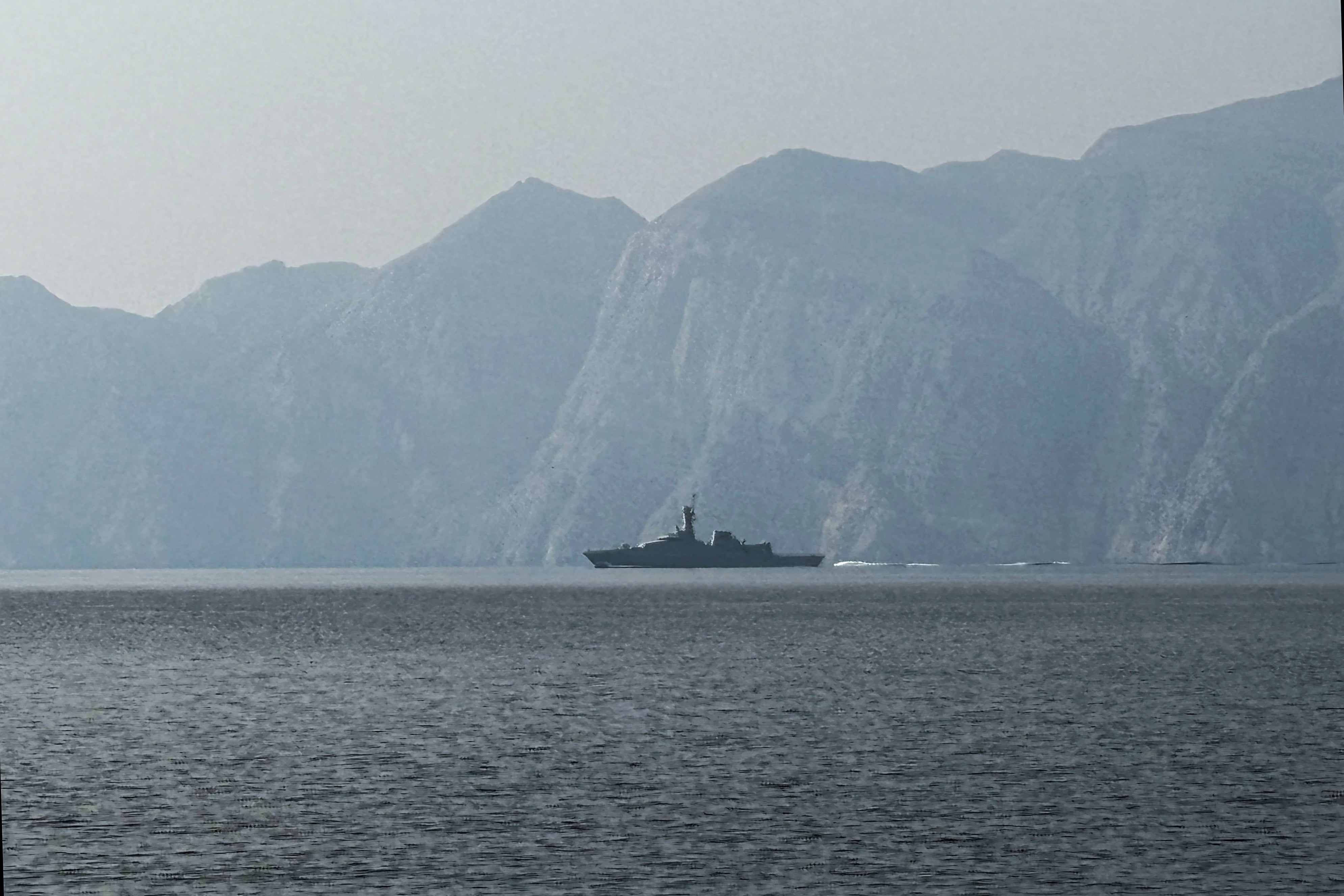
Trump has not provided a definitive timeline for when the war will end — and his recent statements have done little to clear the air.
Last week, he told Fox News that deadly conflict will wrap up when “I feel it in my bones.” On Friday, he said he’s considering “winding down” the conflict, while on Saturday, he stated: “We are weeks ahead of schedule.”
Meanwhile, the Pentagon is seeking $200 billion in additional funds for the overseas offensive, a senior administration official told The Associated Press this week. And The Wall Street Journal reported on Friday that upwards of 2,200 Marines are already en route to the region.
Multiple recent polls have found that a majority of Americans are opposed to the war.
Fifty-three percent of respondents in a March 9 Quinnipiac survey said they are against U.S. military action in Iran, while 40 percent are in favor. And a Reuters poll released on March 2 found that just one in four respondents supports Trump’s strikes on the Middle East nation.
You must be logged in to post a comment Login