NewsBeat
Tyson is closing more beef plants as cattle shortage continues to impact supply

Tyson Foods is shutting down or selling three beef facilities as an ongoing domestic cattle shortage continues to squeeze profit margins, the company announced.
The meat producer said it would end operations at its Joslin, Illinois, beef plant and its Eagle Mountain, Utah, case-ready facility. It is also seeking a buyer for its beef plant in Pasco, Washington.
The consolidation follows a $138 million operating loss in Tyson’s beef unit, as reported in its latest earnings update. Company executives noted that earlier cost-cutting measures — including the closure of a major processing plant in Lexington, Nebraska, last fall that displaced over 3,000 workers — proved insufficient to offset rising costs, according to Food Dive.
“I’m really heartbroken right now,” Marydel Lewis, who worked at the plant, told KSL. “We thought we were going to get a bonus because it’s our five-year anniversary.”
Instead, she and other employees learned they were out of jobs in October.

“It’s hard to take in,” Lewis told the outlet. “It’s like, is it true?”
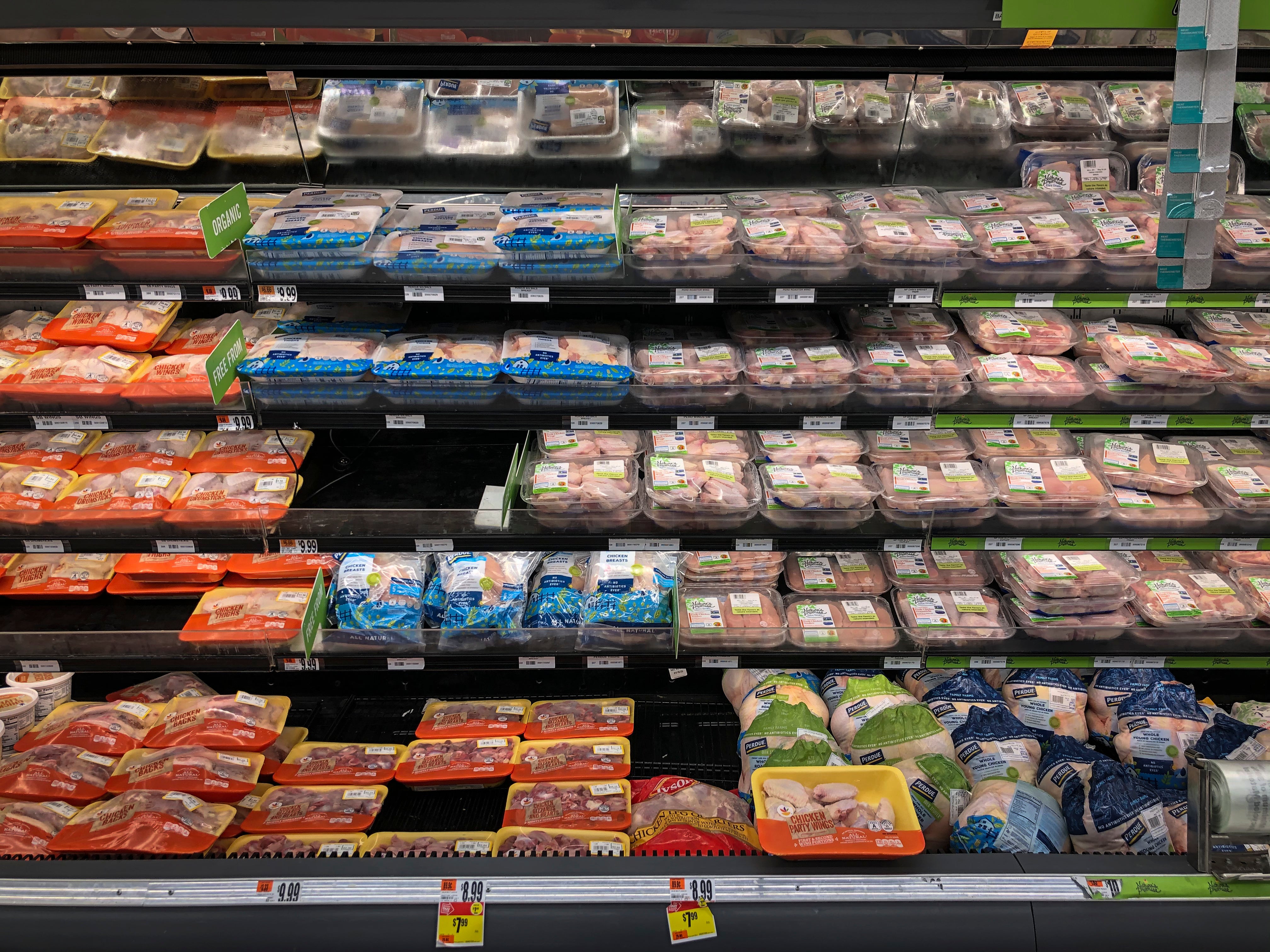
High wholesale costs have driven retail beef prices to record levels, peaking at an average of $9.64 per pound in April, according to the American Farm Bureau Federation.
That price pressure has curbed demand. Total U.S. meat department sales dropped 2.3 percent in June, according to data from research firm Circana, as inflation-weary shoppers reduced purchases.
Tight cattle supplies will likely persist, Tyson officials said in their announcement, making plant consolidations necessary to protect overall processing capacity.
The Illinois shutdown alone is expected to result in roughly 2,500 union job losses, federal officials representing the state said in a news release, while more than 7000 employees will lose jobs at the Utah plant.
“Today’s news is devastating for the 2,500 skilled union workers impacted by the closure of the Tyson plant in Joslin, especially at a time when American families are struggling with the rising cost of living. In the coming weeks, we remain committed to supporting our union members during this transition and working with Tyson to ensure that they have access to resources that support their return to work,” Illinois Democrat Senator Tammy Duckworth said.
To absorb capacity from the affected sites, Tyson plans to shift production across its remaining network. The company will reinstate a second shift at its facility in Amarillo, Texas, where it had previously laid off about 1,760 workers during a consolidation effort late last year.
Moving forward, Tyson expects to anchor its primary beef processing operations in three central U.S. locations: Amarillo, Texas; Holcomb, Kansas; and Dakota City, Nebraska.

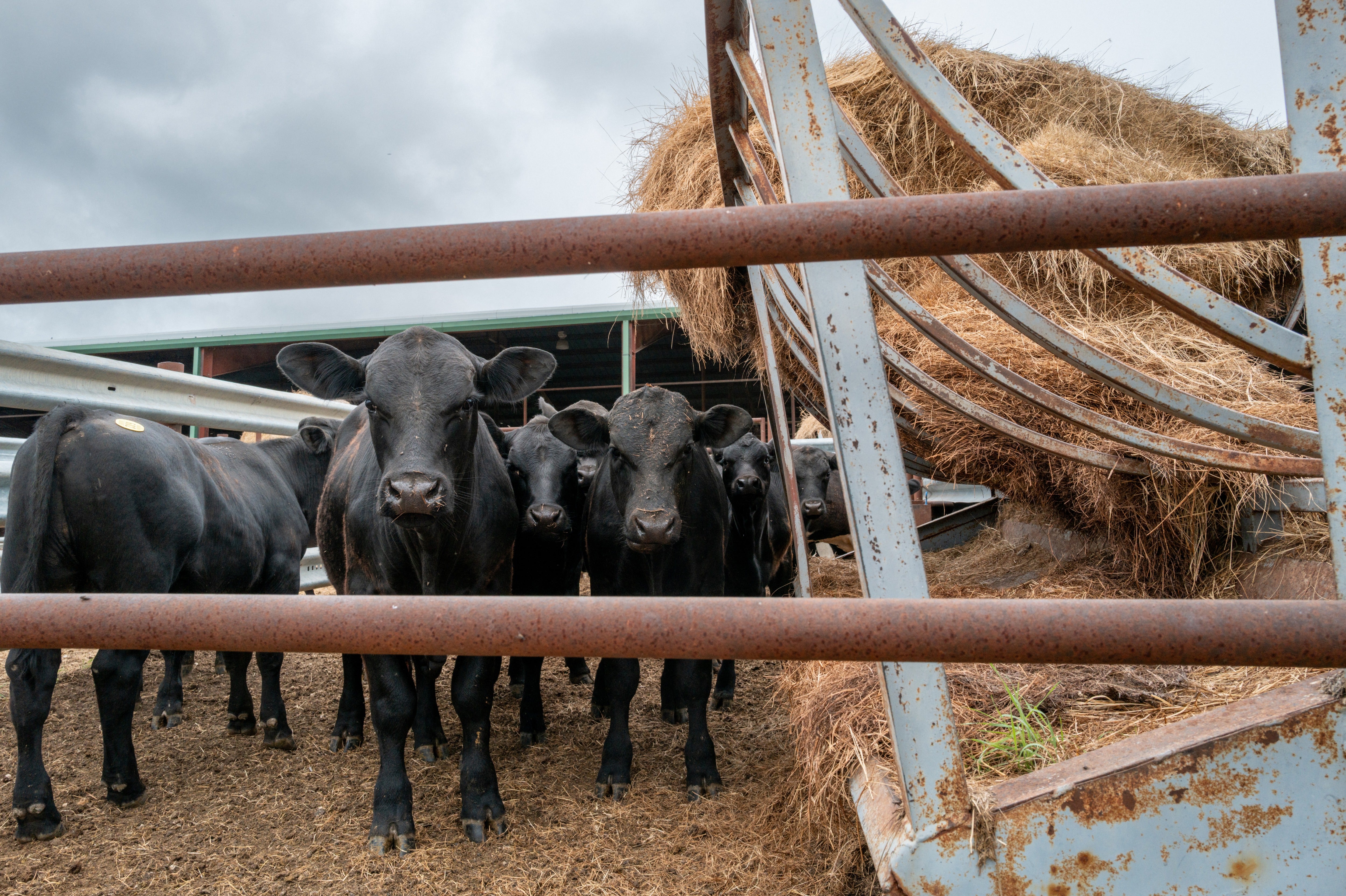
U.S. cattle inventories have dropped to multi-decade lows due to lingering economic pressures and climate challenges that have left ranchers hesitant to rebuild herds, according to the USDA.
Supply concerns have been further complicated by a resurgence of the New World screwworm, a flesh-eating pest that has limited live cattle imports from Mexico. In an earnings call, Tyson CEO Donnie King noted that recent federal trade adjustments along the southern border will not fully offset current domestic supply deficits.
Meat processing competitors are facing similar pressures across the sector. Earlier this year, global meatpacking rival JBS announced the closure of two facilities and named a new chief executive after posting a $102 million second-quarter net loss attributed to elevated live cattle costs.
You must be logged in to post a comment Login