People have been warned about what to look out for, and what to do if they think they are affected
The UK Health Security Agency (UKHSA) has issued a warning online, urging people to be vigilant about an “invisible danger”. Speaking on X, the official body said there are four key actions individuals across the UK should be taking, regardless of whether they reside in a flat, house or bungalow.
It states: “Carbon monoxide (CO) is a colourless, odourless gas that you cannot see, smell or taste – but it can kill. Make sure you understand the symptoms, learn who is most at risk, get fuel-burning appliances checked and get a CO alarm.”
The alert arrives as temperatures plummet. When this occurs, windows tend to remain closed and heating systems activated, creating conditions for a potentially unseen threat to enter homes. It emphasises again that whilst you cannot detect it through sight, smell, or taste, it can prove fatal, reports the Mirror.
In England and Wales, around 20 individuals die annually from accidental carbon monoxide poisoning, with many more requiring hospital admission as a consequence. In England, 68% of carbon monoxide fatalities occur during autumn and winter months owing to the cold weather and heating usage.
This combination of increased fuel-burning appliance operation and reduced ventilation can allow carbon monoxide to accumulate to hazardous concentrations.
What are the symptoms of carbon monoxide poisoning?
Since carbon monoxide is invisible and odourless, recognising the warning signs is vital. Look out for:
- headache
- dizziness
- feeling or being sick
- feeling weak
- confusion
- chest and muscle pain
- shortness of breath
The guidance warns: “An important warning sign is symptoms coming and going, especially if they get worse when you’re in a particular room or building and improve when you leave or go outside. If you notice this pattern, it could indicate a CO problem.”
Where does carbon monoxide come from?
Everyday household appliances can generate carbon monoxide if they’re not fitted correctly, are defective, or haven’t been properly serviced.
These include:
- gas boilers
- stoves burning wood, kerosene, natural gas, or propane
- heaters using wood, oil, or natural gas
The specialists emphasise that using portable generators, barbecues, or camping stoves indoors such as in homes, caravans, or tents, can cause carbon monoxide (CO) poisoning. CO can even seep into tents from a smouldering barbecue outside, so always bring a CO alarm when camping.
Adequate ventilation is crucial. If you operate vehicles, generators, or engines in a garage or shed, ensure a window or door remains open. While cooking, use an extractor fan or open a window to stop CO from accumulating.
How to stay safe
There are several simple measures you can implement to safeguard yourself and your family. It recommends that you familiarise yourself with and remember the following:
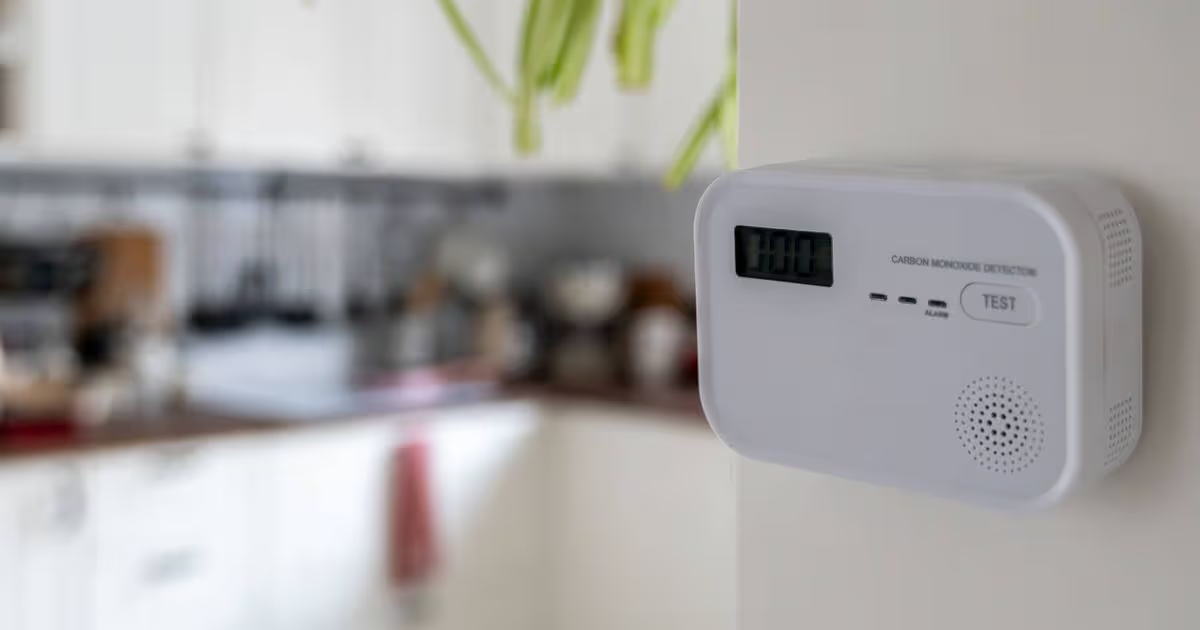
- Install CO alarms – the most crucial step to protect your home. Only 46% of homes in England had a CO alarm in 2020, leaving millions at risk.
- Use BS EN 50291-1 compliant alarms in every room with a fuel-burning appliance (gas boiler, coal fire, wood stove). This also applies to temporary homes like caravans and boats.
- Test alarms regularly and replace batteries when needed. Landlords are legally required to install CO alarms in any living space containing a combustion appliance.
- Use ventilation wisely – adequate airflow helps maintain low CO levels. Kitchen extractor fans considerably reduce carbon monoxide. Always ensure sufficient ventilation when cooking, using open fireplaces, wood stoves, or other fuel-burning appliances.
- Ventilate enclosed spaces when operating a generator or vehicle in a garage or shed.
- Service your appliances annually. Have all gas appliances serviced every year by a Gas Safe registered engineer and get your chimney swept annually. Don’t wait until something goes wrong
- Watch for warning signs. ‘Floppy’ yellow or orange flames on gas appliances instead of crisp blue ones, soot marks around appliances, or increased condensation inside windows can all indicate a problem.
What should I do if I suspect CO poisoning?
If you think you might have carbon monoxide poisoning:
- Stop using any appliances you think might be producing CO
- Open windows and doors to let fresh air in
- Go outside immediately
- Get medical advice as soon as possible
- Do not go back into the affected building until you’ve received professional advice
If you suspect a gas appliance is leaking carbon monoxide, contact the free National Gas Helpline immediately on 0800 111 999. The service operates 24 hours a day, 7 days a week.
The UKHSA concludes by emphasising: “Every carbon monoxide death is preventable. As we head into the colder months when risk is highest, take time this week to check your CO alarms.”
It adds: “Book appliance services if they’re due, and make sure everyone in your household knows the symptoms to watch for. These simple actions could save your life or the life of someone you love.”