NewsBeat
Ukraine has shown what it can do to survive – this is what it needs to win

I could hear the takeoff detonation being filmed live and broadcast around the world in my earpiece along with my TV colleague’s on the ground report of the Russian attack – on the morning Vladimir Putin ordered a full scale invasion of Ukraine.
Standing in the pre-dawn freeze on a terrace overlooking Kharkiv’s Freedom Square four years ago, it took less a minute before I was reporting on those rockets when they exploded on impact.
The skyline bulged orange, then came the concussive thump, then the cracks of the rockets exploding. They’d been fired from inside Russia into Ukraine’s second biggest city.

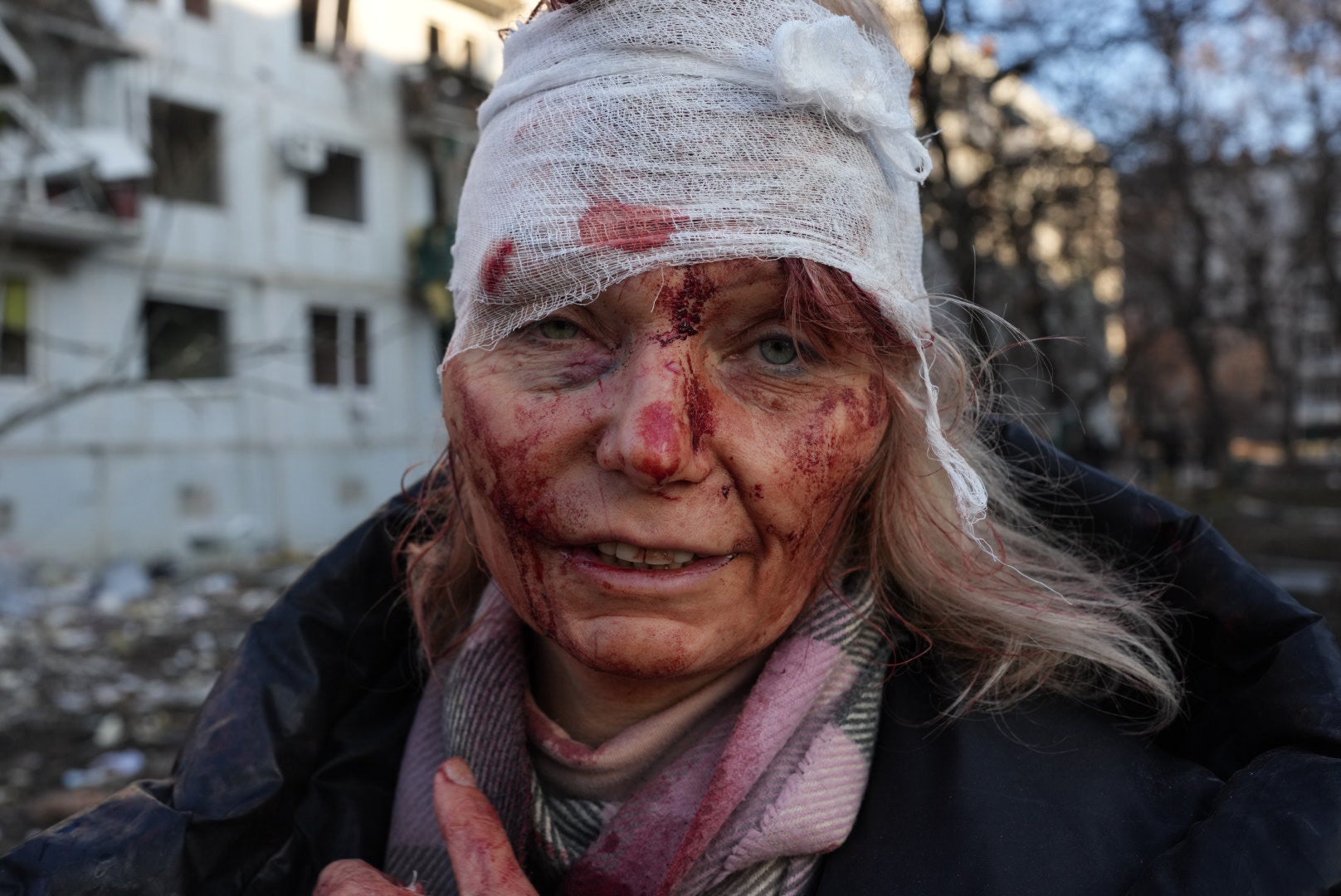
The BM-30 Smerch were among the worst. They scattered cluster bombs, spattering the city with deadly golden balls. BM-212 Grads, the old-fashioned Stalin’s Organ multiple rocket launchers, were terrifying too.
They screeched from the sky in swarms like spears upon residential areas, killing and burning ahead of advancing Russian infantry.
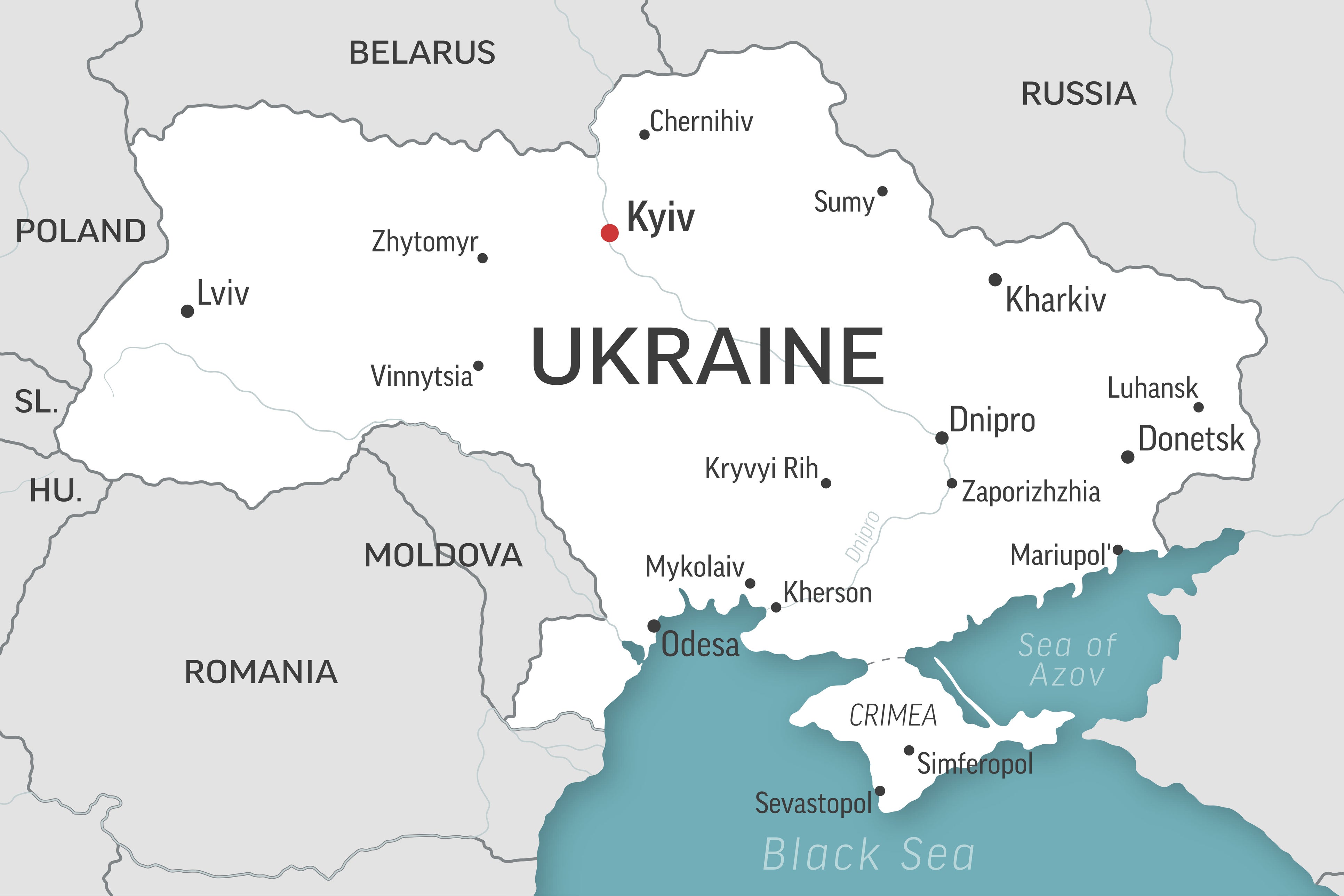
Over the next couple of days, Russian troops stormed north from Crimea towards Kherson and soon beyond. They blasted out of Donetsk, and turned up on the streets of Kharkiv.
I could hear the sounds of firefights, machine guns screaming like chainsaws and the crash of rocket propelled grenades. The assumption was that the Russians would capture this city, and the capital, in a few days.
That assumption got a lot of Russians killed.
We heard of a reconnaissance group that had wandered closer to Freedom Square and been ambushed by local police with RPGs and rifles. A Russian soldier fell from his vehicle on fire. A group of babushkas (grannies), almost certainly Russian speakers, rushed up to the burning man.
They beat him to death with broom sticks.
That was a metaphor for Ukraine’s defence of itself.

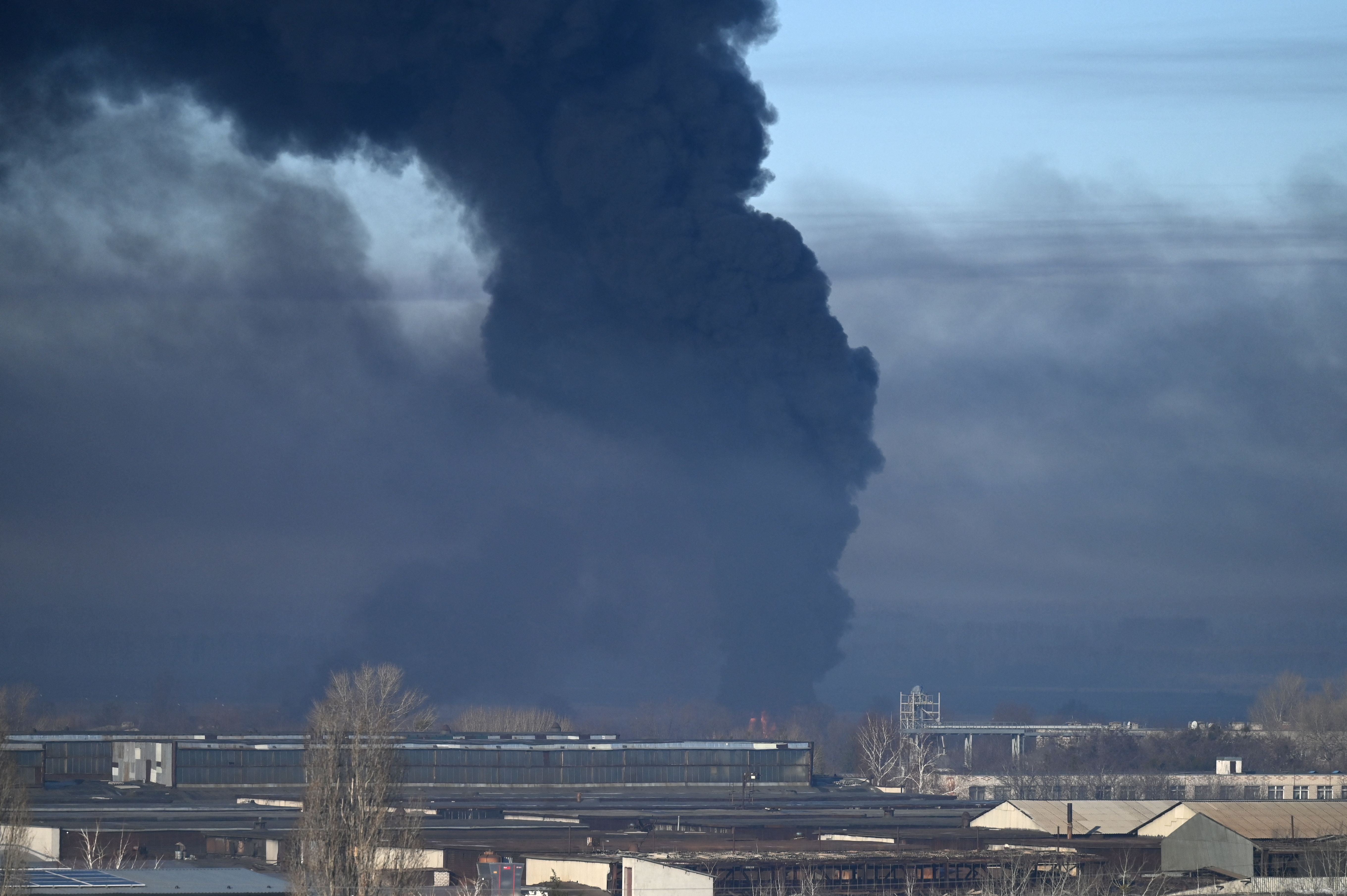
First invaded by Putin in 2014, Crimea was captured. Back then, Ukraine’s allies reneged on security guarantees to the young democracy and many, like the UK and the US, banned Kyiv from buying lethal weapons.
British and US intelligence knew that the Kremlin’s ambitions were for the conquest of all of Ukraine in 2022. They warned Volodymyr Zelensky that the Russians were coming in 2022. He didn’t seem to listen and his armed forces were very relaxed on the border just north of Kharkiv.
“I don’t see many preparations to defend against an invasion,” I said to a colonel I met two days before the Russians launched into Ukraine.
“You’re not supposed to,” he replied. But there were no signs of defences being raised at all. Because there were none.
Ukraine was sent reeling. But its population recovered their country’s balance.
Some military units scrambled to put up fights that western advisers thought incredible – such as the punishing defence of Hostomel air base against a mass airborne attacks by paratroops and Spetznatz forces just north west of Kyiv.

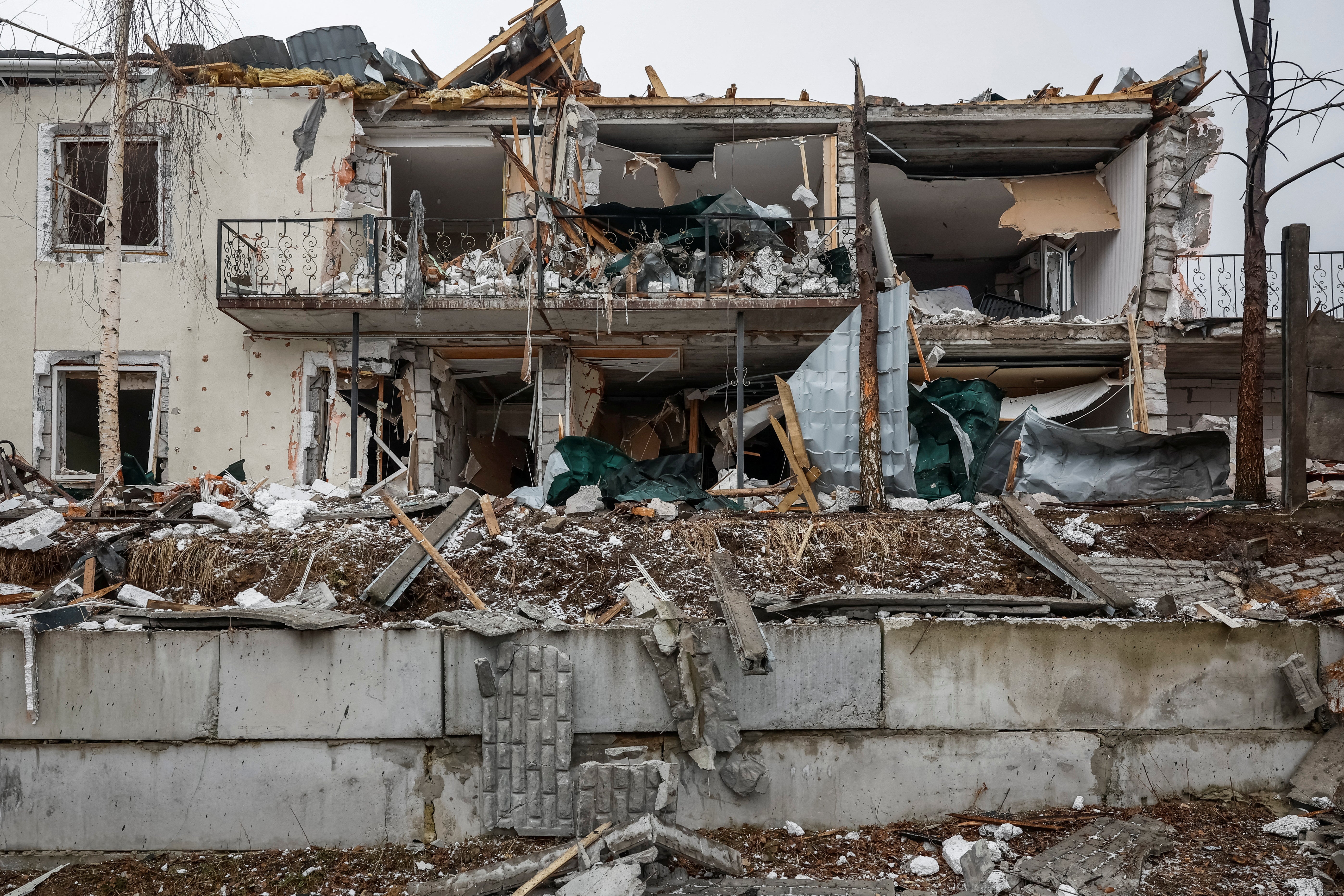
Elsewhere, young veterans from the earlier years of combat reformed themselves into small teams in pick-up trucks, organised their own families inside occupied territory to spy on the invaders, and took on Russia’s mass columns of armour and infantry.
Around the world, footage of the ambushes on these columns emerged and gave small signs that tiny amounts of British and American military aid were having staggering effects. American Javelin and British NLAW anti-tank missiles slammed into armoured columns and crippled their advance.
Kharkiv, Sumy, and Kyiv were saved by swashbuckling units in Second World War SAS-style raids, which had far more strategic significance than any operations carried out by Britain’s nascent special forces in their early years.
In the south, villages organised their own counter attacks and Ukraine harnessed the horrors of Moscow’s mass starvation of their people in the early 1930s into an “over my dead body” rage that held them together.
By the summer of 2022, the national forces had regrouped, launched a counter offensive, and recovered vast tracts of land in lightning operations.

Since then Ukraine has settled into a near stalemate of grinding horror – followed by the nerve-jangling new dimensions of drone conflict in which both sides have been reinventing the modern form of war.
Throughout all this, Ukraine has been defending Europe’s eastern flank against Russia on the ground.
In the political realm, though, Ukrainians have been dying in large numbers in a war to stop the idea that “might is right” dead in its tank tracks.
No one here had any idea that Donald Trump would so enthusiastically support the Darwinian doctrine of the Kremlin. But he has. He likes to back a winner. He appears to have chosen one.
Without question, Trump’s administration caused more deaths in Ukraine by ending American military aid for the country and set back its ability to defend itself than if he had continued to support Kyiv.
Meanwhile the rest of the west has been slow to comprehend the strategic danger Putin’s land grab poses – and the political horror that the Putin-Trump doctrine can lead the world towards.
First, Ukraine’s allies were slow to agree to send any kind of weapons, but when the anti-tank missiles arrived they were put to good an immediate use.

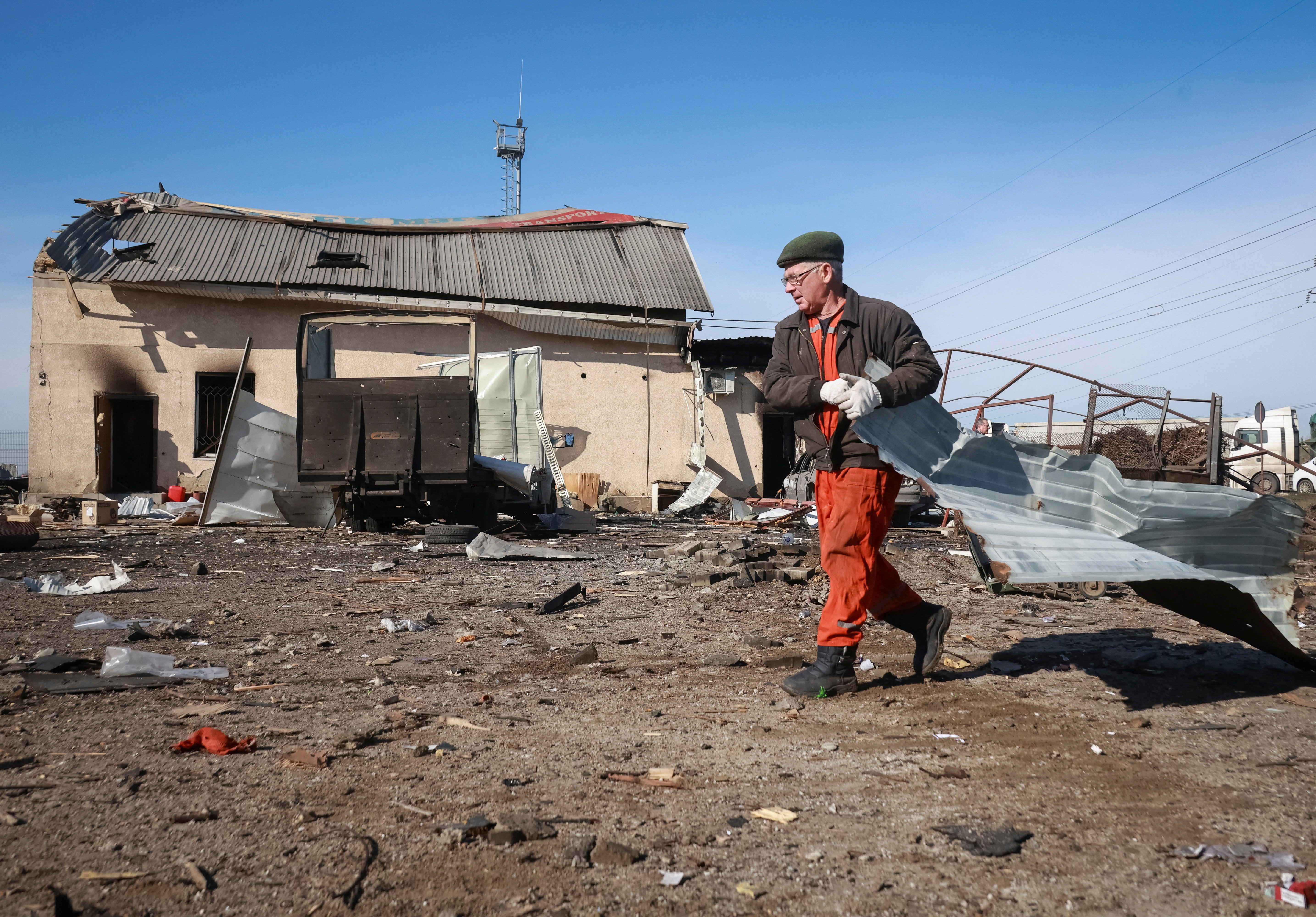
Men like “Grumpty” a former software engineer taught himself how to drive a Russian T-82 tank from looking at Youtube videos. Along with “Achilles”, who was killed in the summer of 2022, and a small band of men, Grumpty destroyed 14 Russian armoured personnel carriers and tanks in one night not far from Sumy.
The Russians were found by the wife of one of the team, Achilles spotted the targets and called in coordinates to Grumpty who fired over and over again on the invaders.
This kind of act captured the public imagination. But did not deliver Ukraine the weapons it needed to win – barely enough to survive.
While Russia pounded Kyiv’s forces with hundreds of artillery pieces, it took months for small donations of ancient guns to come from the democratic west.
Long range rockets were restricted in how they could be used.
In Bakhmut, Ukrainians and foreign volunteers fought waves of Russian prisoners and conscripts forced into “meat attacks”. One American volunteer, Kevin, described with disgust how, for a week, he reckoned he killed “20-40 a day”.
But Russia hit Ukrainians with bombs from aircraft and long range missiles fired from Russian soil that were out of bounds to Ukrainians using any foreign equipment.
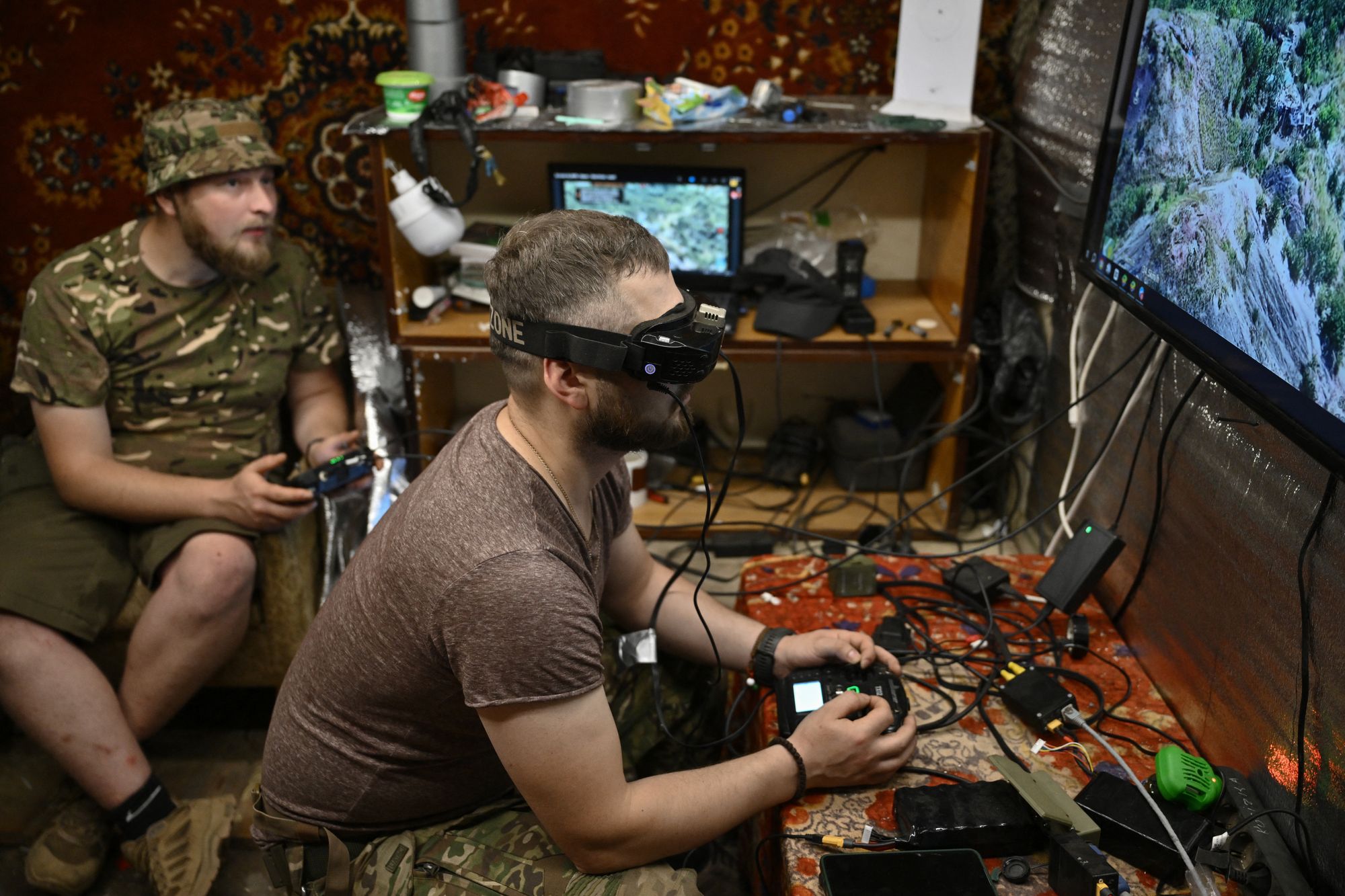
Forced to adapt or die, Ukraine is now the world leader in drone warfare and controls the Black Sea without having a navy made up of old-fashioned ships and sailors.

With losses at around 1.2 million casualties, Putin’s war has been a disaster for Moscow. And Nato is now bigger as Finland and Sweden have joined the alliance.
Europe has covered the loss of America’s military support with €250 billion pledged compared to the US total spent of $115 billion. Much of this money goes on air defences.
Putin has switched his strategy to hitting civilians, blasting Ukraine’s energy systems and trying to break the will of its people.
Outside Ukraine he has managed to shape much of the debate over diplomacy – creating a narrative that Ukraine cannot win, should sue for peace, and give up at least 20 per cent of its territory.
Travelling from Nikopol to to Kharkiv through the fortress belt now demanded by Russia in return for thinking about a ceasefire, it is clear that most Ukrainians now want peace.


But not one of them said that Ukraine’s security is worth the trade for peace.
Zelensky, and his European allies, insist that Ukraine needs security guarantees to ensure that Russia never attacks again, never returns to Putin’s public intention to re-colonise the country.
They claim that the only way to do that is to get America to be Ukraine’s protector.
But there’s no chance that the US could be relied on to keep watch over Ukraine, let alone send troops to fight if it got reinvaded.
That has to be the job of Ukraine’s European neighbours and wider allies in the West. Ukraine has shown what it can do with very little. Imagine what it could do with a little more help from its friends.
You must be logged in to post a comment Login