Connect with us
DAPA Banner
DAPA Coin
DAPA
COIN PAYMENT ASSET
PRIVACY · BLOCKDAG · HOMOMORPHIC ENCRYPTION · RUST
ElGamal Encrypted MINE DAPA
🚫 GENESIS SOLD OUT
DAPAPAY COMING

NewsBeat

US military plane declares sudden ‘mid-flight emergency’ over UK

Published

on

Daily Mirror

A United States Hercules military plane has been tracked heading westwards across the Atlantic before it suddenly turned around after apparently declaring an emergency and returned to Cardiff

A US military plane has turned around after appearing to declare an emergency and returned to Cardiff Airport.

The USAF C-130H Hercules was tracked heading westwards across the Atlantic before it suddenly turned around for unknown reasons and landed at 1.15pm.

It is understood that the plane transmitted a 7700 code, indicating there is a general emergency, but at this stage it is unclear the reason.

Advertisement

The Lockheed C-130 Hercules is a four-engine turboprop military transport plane made in the United States by Lockheed Martin.

Designed to carry troops, cargo and casualties for medical evacuation, the aircraft is able to take off and land on rough unprepared runways.

When a pilot enters the four-digit emergency code 7700 into their transponder, it immediately alerts air traffic control that the aircraft is in distress and requires priority handling.

Advertisement

The exact nature of the incident is unclear as it acts as a “catch-all” for any emergency situation that isn’t a hijacking (7500) or radio failure (7600).

This is a Breaking News story. You’ll be more likely to see our stories when any big news breaks in future by simply by clicking this link . You can also join The Mirror’s WhatsApp Community or follow us on Google News , Flipboard , Apple News , TikTok , Snapchat , Instagram , Twitter , Facebook , YouTube and Threads – or visit The Mirror homepage .

Source link

Advertisement
Continue Reading
Click to comment

You must be logged in to post a comment Login

Leave a Reply

NewsBeat

Myles Garrett wows his new Rams teammates on first day of training camp

Published

on

Myles Garrett wows his new Rams teammates on first day of training camp

LOS ANGELES (AP) — The Los Angeles Rams’ first practice of training camp Sunday was also the first time they’ve lined up as a full defense with Myles Garrett on the edge.

The experience left everybody on the field excited about what could be possible this season for the Rams.

“We’ve been looking forward to this day for a long time, and it definitely lived up to it,” defensive coordinator Chris Shula said.

Garrett is still in the process of getting settled in with his new team less than two months after the blockbuster trade that sent him from the Browns to the West Coast. But even with the Rams going less than full speed in shorts and no pads, Garrett’s presence was unmissable — whether he was breaking into the backfield for a simulated sack or gracefully leaping to swat down a screen pass.

Advertisement

Even the highest-paid cornerback in the league was marveling.

“When he’s out there, you can just feel his aura,” Trent McDuffie said. “(It’s just) this aura that this guy has. I mean, he’s gigantic. He’s a monster. But I’m just excited to get him out here and get him loose and get him going, because I know he has a little chip on his shoulder, and I know he’s excited about being here, so I think that just fires everybody else up.”

One year after winning 12 games and reaching the NFC championship game, the Rams added Garrett, McDuffie and cornerback Jaylen Watson to a defense that started last season strong, but faded down the stretch and ultimately couldn’t match the performance of the NFL’s top-ranked offense.

With three proven veterans installed as starters, the Rams are optimistic their revamped defense will allow them to live up to their preseason status as a serious Super Bowl contender. Los Angeles gave up significant assets and will be paying top dollar for all three newcomers, but the players and coaches see only positives in general manager Les Snead’s aggressive moves.

Advertisement

“Honestly, I don’t know if many guys feel the expectation that everybody claims that we have,” McDuffie said. “For us, we’re here to play football, to enjoy the locker room, just to get to know each other. I feel like all the expectation, all that, we leave to you guys hyping us up. Whoever is on this field, whoever is on the team, whoever is in the locker room, I feel like we do a good job just enjoying each other’s presence and living in the moment.”

“Expectations are all the same,” Watson added. “All 32 teams have the same goal right now, and that’s to hold the Lombardi up at the end of the year.”

Even after winning two Super Bowl rings as teammates in Kansas City, McDuffie and Watson both said they haven’t arrived in Los Angeles with a need to change the Rams’ defensive culture. They think their new team already knows how to win in the culture set by coach Sean McVay, and they are attempting to build on it.

“The way we’re looking at it, it’s their team, and we’ve just got to learn the way they do things,” Watson said. “We can tell them things we did to be successful, get integrated, and hope it works out.”

Advertisement

Notes: NFL MVP Matthew Stafford skipped the opening practice as part of the Rams’ plan to keep him fresh through camp. McVay says Stafford is fully healthy this summer after starting camp last season with a back injury that kept him out for weeks. Stafford is scheduled to practice Monday. … Rookie QB Ty Simpson and backup Stetson Bennett appeared to split the snaps while the Rams went into 11-on-11 work on the first day of camp.

___

AP NFL: https://apnews.com/NFL

Advertisement

Source link

Continue Reading

NewsBeat

‘Apocalyptic’ fire bears down on Bordeaux: Inferno so big it generates its own thunderstorms threatens entire city with 38C heat set to fan the flames

Published

on

Bordeaux Council is considering a total evacuation of the city where more than 270,000 people live. So far, over 300,000 residents have been evacuated between France and Spain

An ‘apocalyptic’ wildfire bearing down on Bordeaux is so big it is generating its own thunderstorms, with 38C heat threatening to fan the flames of the terrifying blaze.

More than 325,000 people have fled the region, in southern France, as the inferno burns down forests and destroys villages. 

Firefighters are struggling to contain the flames, which stretch kilometres, leading volunteers, including local farmers, to help all they can. 

Convoys of tractors were spotted driving through towns on Sunday towing huge water tankers in an effort to reinforce the fire crews heroically battling the blaze, injuring 75 and killing two. 

Advertisement

One farmer was pictured wearing personal protective equipment as prepared to drive into the inferno to reinforce crews with water. 

Some 2,500 firefighters, 1,500 military personnel and around 1,200 police have been deployed to the Gironde region. 

It ranks among one of the worst fires to hit France in peacetime down on Bordeaux: Inferno so big it generates its own thunderstorms threatens entire city as Italy and Spain also continue attempts to suppress their own terrifying infernos. 

The Bordeaux blaze has caused an unprecedented ‘pyrocumulonimbus’ – a gigantic fire cloud that creates its own winds and packs lightning that causes more fires.

Advertisement

Bordeaux Council is considering a total evacuation of the city where more than 270,000 people live. So far, over 300,000 residents have been evacuated between France and Spain

Burning forest near the town of Lege-Cap-Ferret, southwestern France yesterday

Burning forest near the town of Lege-Cap-Ferret, southwestern France yesterday

Firefighters in Lege-Cap-Ferret, where 2,000 military personnel have been deployed to aid emergency services in an unprecedented situation in France

Firefighters in Lege-Cap-Ferret, where 2,000 military personnel have been deployed to aid emergency services in an unprecedented situation in France

Advertisement

But despite the efforts of emergency services, who have been battling the fire for days now, 38C temperatures threaten to spread the flames.

Advertisement

Eric Brocardi, of the National Firefighters Federation of France (FNSPF), said: ‘It’s a David-versus-Goliath scenario… at some point, we’ll find a weak spot and strike there.’

It comes as France enters its fourth heatwave this summer, spreading panic as wildfires across the country destroy thousands of tonnes of crops – leading to fears of vegetable shortages on supermarket shelves.  

French president Emmanuel Macron has called a Monday morning crisis meeting with his cabinet to discuss the emergency. 

Scientists say climate change is making such extreme weather events more frequent and intense.

Advertisement

Coming at the height of the summer holiday season, the fires were fuelled by woodland parched to tinder by successive heatwaves and lack of rain since May.

The prefect of the southwestern Gironde region where the country’s fires are concentrated urged tourists to stay away and seek ‘alternative destinations’.

Residents are desperately doing what they can to prevent the spread of the fire to their homes – armed only with their hosepipes. 

Local man Georges Clivaz sprayed water along a road leading to his property in Saint-Jean-d’Illac as the blaze burned a few kilometres away.

Advertisement

He said: ‘We’re doing this to slow down the fire’s advance; we want to save our homes.’ 

Although the village was evacuated on Friday, Mr Clivaz said he and his family were trying to hold out.

‘But,’ he said, ‘the firefighters are telling us that in two or three hours the fire will be here.’ 

Interior minister Laurent Nunez warned that ‘the situation remains very unfavourable’ across France, where more than 250,000 people had been evacuated.

Advertisement

The main fire in Gironde, home to Bordeaux, was ‘extremely intense and unpredictable… generating its own winds and advancing erratically toward the Bordeaux metropolitan area’, said Mr Nunez. 

Since Wednesday, the fire in the Gironde region has injured 75 firefighters, ten of whom have been evacuated, according to the latest situation report published on Sunday by the prefecture.

It comes amid claims from the leader of France’s CFDT union, Sebastien Bouvier, that firefighters are not adequately equipped to protect themselves from the fire’s toxic fumes.

A farmer in Bordeaux is pictured kitting up into his firefighter gear and joining efforts to suppress the wildfire flames

A farmer in Bordeaux is pictured kitting up into his firefighter gear and joining efforts to suppress the wildfire flames

Advertisement
Footage posted on social media has shown a convoy of tractors reinforcing fire crews

Footage posted on social media has shown a convoy of tractors reinforcing fire crews

The tractors were carrying huge water tankers to reinforce fire crews on the frontline of the blaze

The tractors were carrying huge water tankers to reinforce fire crews on the frontline of the blaze

Smoke from nearby wilfires has covered the skyline of the city of Bordeaux

Smoke from nearby wilfires has covered the skyline of the city of Bordeaux 

The closed A63 highway near Cestas, southern of Bordeaux, on Sunday as a wildfire ravages the forest north of the Arcachon Basin (Gironde)

The closed A63 highway near Cestas, southern of Bordeaux, on Sunday as a wildfire ravages the forest north of the Arcachon Basin (Gironde)

Advertisement
People gather at an exhibition centre being used for people displaced by the wildfires, in Bordeaux

People gather at an exhibition centre being used for people displaced by the wildfires, in Bordeaux

Thousands of people evacuated from their homes rest at the Bordeaux Exhibition Centre, which has been converted into a temporary emergency shelter

Thousands of people evacuated from their homes rest at the Bordeaux Exhibition Centre, which has been converted into a temporary emergency shelter

Bordeaux is facing the evacuation of more than 270,000 residents amid 'apocalyptic' wildfires

Bordeaux is facing the evacuation of more than 270,000 residents amid ‘apocalyptic’ wildfires

More than 2,500 firefighters are battling a 20km-wide front of flames that is spreading towards Bordeaux in southwestern France

More than 2,500 firefighters are battling a 20km-wide front of flames that is spreading towards Bordeaux in southwestern France

Advertisement

Join the discussion

Advertisement

Are governments doing enough to protect people and nature from these devastating wildfires?

Meanwhile, Sebastien Berge, head of the Gironde firefighters union, said: ‘The firefighters are overwhelmed. 

‘When there’s a fire of this magnitude, it creates its own weather pattern… it’s difficult to monitor – especially when there’s a fire front that stretches for more than 20km.

‘When you see how far it’s spreading, I think we can now be concerned about the city of Bordeaux.’

Advertisement

Firefighters have become ‘overwhelmed’ and are ‘concerned’ about Bordeaux as they fight back the fires spreading out of control in southwestern France. 

Weather forecasters warn another heatwave could hit France from Tuesday, with temperatures reaching 40C in some areas.

At least 240 homes have been destroyed in Gironde region, many of them in village of Le Porge.

But the mayor of Bordeaux, Thomas Cazenave, said there were no plans to evacuate the city’s urban area, home to 850,000 people and sheltering thousands displaced by the fires. 

Advertisement

He warned on Sunday that the fire ‘is now at the city’s gates’ and said the authorities remained ‘very vigilant’ and ‘ready for anything’.

Mr Cazenave told reporters at a shelter for people displaced by the wildfires that the blaze is further south.

‘It is still on the edge of the metropolitan area, but it is not advancing on the western side of the metropolis,’ he said. 

The French defence ministry said it has taken special steps to protect industrial sites around the city, a key centre of its aerospace industry.

Advertisement

The main motorway south of Bordeaux and rail services have been cut. 

As the flames edged closer to city’s borders on Sunday, Bordeaux’s world-famous vineyards, that define the region’s identity, are also now under threat of destruction.

At Château Haut-Bacalan, the western-most vineyard in Bordeaux, owner Charles-Henri Gonet said the blaze is now just 10km (six miles) from his estate, which lies surrounded by dense pine forests in the direct path of the inferno.

After friends in nearby Saint-Jean-d’Illac were forced to flee their homes, Mr Gonet, 63, is waiting for the emergency SMS alert telling him to evacuate.

Advertisement

His 18th-century château, where he has lived since 1998 with his co-owner wife, Corinne, sits on an eight-hectare estate producing around 20,000 bottles of Merlot, Cabernet Sauvignon and Sauvignon Blanc each year, with wines exported around the world.

Charles-Henri Gonet, 63, runs the Château Haut-Bacalan vineyard with his wife, Corinne, which is just 10km (six miles) from the wildfire

Charles-Henri Gonet, 63, runs the Château Haut-Bacalan vineyard with his wife, Corinne, which is just 10km (six miles) from the wildfire 

Mr Gonet is yet to be evacuated but is waiting for the SMS alert to vacate, having friends nearby already forced to flee their homes

Mr Gonet is yet to be evacuated but is waiting for the SMS alert to vacate, having friends nearby already forced to flee their homes 

The remnants of a burned-out home and cars following a devastating wildfire in Pelayos de la Presa, 65km west of Madrid

The remnants of a burned-out home and cars following a devastating wildfire in Pelayos de la Presa, 65km west of Madrid 

Advertisement
Only the walls remain of this house following a wildfire in Le Porge, in the Gironde region of France

Only the walls remain of this house following a wildfire in Le Porge, in the Gironde region of France

Firefighters launched an aerial and ground response to contain a wildfire that broke out in scrubland near Torretta, outside Palermo on the island of Sicily, Italy, on Sunday. The island has also been hit by wildfires

Firefighters launched an aerial and ground response to contain a wildfire that broke out in scrubland near Torretta, outside Palermo on the island of Sicily, Italy, on Sunday. The island has also been hit by wildfires 

Fire engines and two firefighting aircraft were deployed as the blaze threatened nearby residential areas

Fire engines and two firefighting aircraft were deployed as the blaze threatened nearby residential areas 

While he believes the vines themselves are unlikely to burn, he fears the thick smoke could irreparably damage this year’s harvest just weeks before the grapes are due to be picked.

Advertisement

He said: ‘We have to hope for some rain between now and harvest to wash the smoke from the grapes, otherwise there’s a danger that some of them will be ruined.

‘In Bordeaux, traditional winemaking relies on natural rainfall so that roots grow deep into the soil to absorb unique minerals. By law we cannot water them ourselves.’

Smoke taint occurs when grapevines absorb compounds from wildfire smoke which later create burnt, smoky and ashy flavours during fermentation.

Mr Gonet said the smoke arrived suddenly on Friday evening.

Advertisement

‘One minute it was daylight and the next we were shrouded in darkness. I could only see about 200m [65ft] in front of me and motorists had to put on their headlights. We could really smell the smoke and there was ash falling too.’

Smoke from the inferno has already been billowing into the sky above the city and sinking into its streets, which has caused concern among residents who may be hit with respiratory problems.

Mr Gonet said on Sunday he and his wife have already packed their bags in case they receive an evacuation order overnight.

He said: ‘We are the most westerly of all the Bordeaux vineyards and at the moment the closest to the fire, which is about 10km or 12km away.

Advertisement

‘It was heading right for us, but the wind direction is changing all the time and fortunately the flames have started to head south and west of us.

‘The areas around us have already evacuated. We have places we can go. It’s just a case of waiting for the phone alert.’

He also warned of another potential danger if the fire continues to spread.

‘There is a factory producing gunpowder close to Bordeaux airport. If that catches fire… everyone is in trouble.’

Advertisement

Firefighters are continuing to battle the advancing blaze from the ground and air, with water-bombing aircraft, including a converted A400M military transport plane, dropping water and flame retardant over the forests as crews attempt to slow its advance toward the city.

A further 55,000 people were ordered to evacuate the city late on Sunday night, taking the total to 250,000 forced to flee their homes in the Gironde region.

Some 500 French military personnel were deployed to aid firefighters on Friday, and a further 1,500 were sent on Monday evening following a ‘crisis meeting’ held in Paris.

Mr Nunez said a hulking A400M military transport aircraft will join 18 other water and retardant-dropping planes and helicopters waging an expected ‘long and very difficult’ battle against the blaze in the Gironde region.

Advertisement

As of Sunday evening, Mr Nunez said that 98,000 hectares have been burned in the wildfire. 

The final leg of the Tour de France, which took place on Sunday, had been shortened from 113km (83 miles) to 89km (55 miles) so that security forces can be redeployed to areas affected by the fire.  

Across Europe, Spain and Italy are fighting their own battles against wildfires wreaking havoc thousands of people. 

Spain’s interior minister Fernando Grande-Marlaska said on Sunday evening that the fires were advancing, but slowly.

Advertisement

Firefighters there were battling a new blaze near the eastern coastal city of Valencia, where 15,000 people have been forced to flee their homes.

‘Difficult hours lie ahead,’ Spanish prime minister Pedro Sanchez said as he visited the fire zone in Avila province west of Madrid Sunday. He is due to visit affected areas in Valencia on Monday.

Describing the fire around Avila, civil protection chief Virginia Barcones said the country was battling a ‘monster’.

‘We are dealing with a perimeter of 280 kilometres encompassing 77,000 hectares,’ Barcones told state broadcaster TVE of the wildfire.

Advertisement

Other EU countries have sent aircraft, crews and vehicles to help both countries.

The first death of the wildfires was recorded yesterday in Spain, where a man – believed to be in his 70s – was found in a car in a ravine in the Spanish town of Manises near Valencia following a forest fire, according to the local fire brigade.

Ms Grande-Marlaska told local press: ‘It has not been a positive day. The weather conditions have been absolutely difficult.

‘If it hasn’t got worse, it’s thanks to the work of all the emergency services.’

Advertisement

Wind gusts yesterday blew the flames south, and Mr Grande-Marlaska warned yesterday that ‘the night is not going to be very positive or very friendly to us.’

Nearly 60,000 people have been evacuated from the Madrid and Ávila regions, while more than 28,000 remain confined to their homes, according to Spain’s interior ministry.

Eight municipalities near Toledo were ordered to evacuate late last night, but it is not clear how many that involved.

Mr Sánchez said that 130,000 hectares have been reduced to ash in the fires – ahead of the annual average of 100,000 hectares.

Advertisement

Officials voiced optimism they were starting to get a grip on some fires – though a new blaze near the eastern coastal city of Valencia forced 15,000 people to flee over the weekend.

King Felipe VI, visiting an emergency shelter on Madrid’s western outskirts, said the wildfires had caused ‘incalculable’ damage to Spain’s natural heritage.

Around 75,000 residents have been evacuated from the Madrid region, Avila, Toledo and from the eastern region of Castellon in Valencia.

Officials said winds were pushing wildfires near Madrid to the south, away from the capital for now, but forcing more evacuations of villages in their path. 

Advertisement

One person was killed on Saturday in a separate, smaller fire near Valencia, the only civilian death so far reported in the wildfires. In France, two firefighters were killed near Bordeaux on Tuesday.

Pope Leo IV, in his prayers on Sunday, expressed solidarity with all those affected by the ‘devastating’ Spanish and French fires and called on people to pray for them and first responders.

Pilar, a 69-year-old New Zealand tourist who declined to give her last name, said: ‘When we flew into Madrid we could see the fire very close to the airport.’

Letisha Lucas, a 33-year-old tourist from Canada said the smoke smell was obvious on arrival in Madrid, irritating her throat.

Advertisement

The wildfires ravaging areas around Spain’s capital Madrid have included the largest forest fire in the country’s recent history, a government official said on Sunday.

Sara Aagesen, minister for ecological transition, told journalists the part of the wildfires affecting 50,000 hectares of the Avila area west of Madrid was ‘the largest forest fire in our country’s recent history’.

She did not define the extent of damage or burned land in the total of 77,000 hectares she said had been ‘affected’ in the Madrid, Avila and Toledo regions hit by the wildfires.

Italy was facing its own fires as more than 400 tourists and beachgoers were evacuated by sea near the town of Peschici in the southern Puglia region, with 300 more expected to be rescued, said the coastguard. 

Advertisement

Wildfires have also taken hold in Italy where more than 350 fires – including ten major fires – ignited on the island of Sicily.

Hundreds of people were evacuated by sea on Sunday as a wildfire swept through parts of the southern Adriatic coast, with many more expected to be rescued, the coastguard said.

‘More than 400 tourists and beachgoers have been evacuated by sea, the only viable evacuation route,’ the coastguard said, adding that operations were ongoing.

Evacuees were being rescued from the area around the town of Peschici in the southern Puglia region.

Advertisement

A coastguard spokesman said that around 300 more people were expected to be evacuated.

Six coastguard vessels, three boats from Italy’s financial police and around 10 private vessels were involved in the operation.

Images showed firefighters and a Canadair waterbomber battling the blaze, which was not immediately threatening homes in the town.

A huge plume of smoke could be seen from dozens of kilometres away.

Advertisement

‘The situation is currently under control,’ Peschici mayor Luigi d’Arenzo said.

Fires have also taken hold in the UK as the Cairngorms National Park has been burning for the last 11 days. Emergency services declared it a major incident on Friday.

Source link

Advertisement
Continue Reading

NewsBeat

Decorating shop to close in Consett due to lack of shoppers

Published

on

Decorating shop to close in Consett due to lack of shoppers

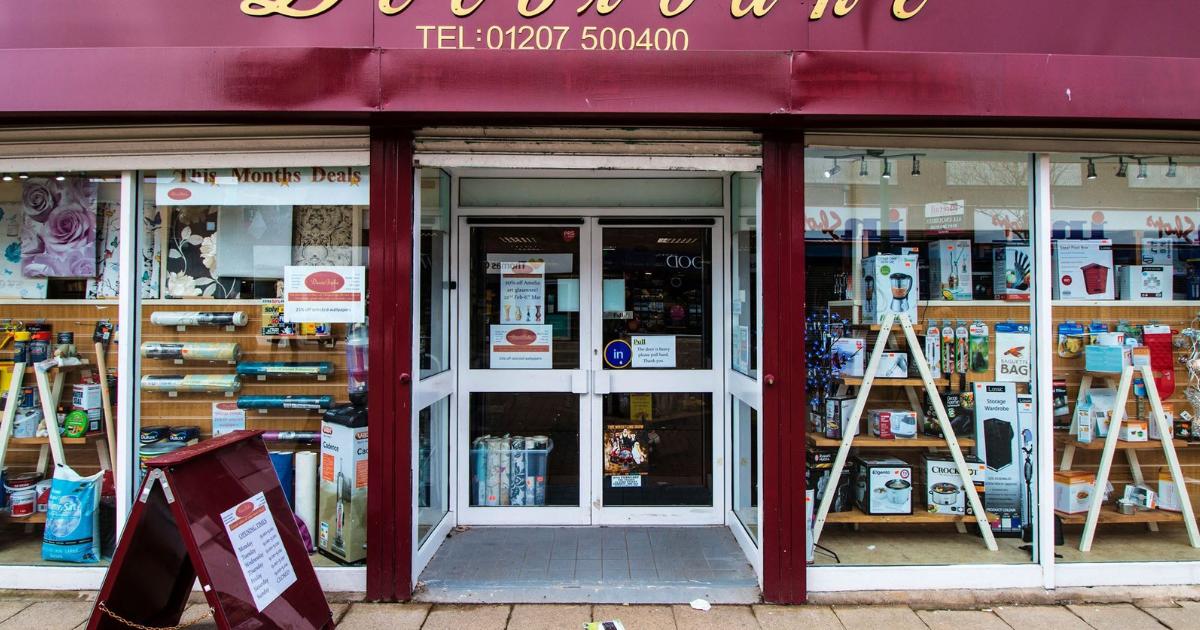
Decorbake, on Middle Street in Consett, has announced it will shut its doors after launching a closing down sale on July 20.

The independent shop, which sells wallpaper, paint, decorating tools, and brushes, said the decision had been made with “great sadness.”

Announcing the closure on Facebook, the business said: “It is with great sadness that we announce that our shop will be closing its doors.

Advertisement

“Due to the continued rise in business costs and the ongoing lack of footfall on our high street, we have made the incredibly difficult decision to close.

“To thank our loyal customers for your support over the years, our Closing Down Sale begins Monday, 20th July, 20 per cent off all goods and 30 per cent off all wallpaper.

“We would like to sincerely thank every customer who has supported us throughout the years.

“Your kindness, loyalty, and custom have meant so much to us.

Advertisement

“Please continue to support your local independent businesses whenever you can – they are the heart of our communities and need your support now more than ever.

“We hope to see you in store over the coming weeks.”

Decorbake, a Consett decorating shop is set to close after blaming rising business costs and a lack of shoppers on the high street. (Image: DECORBAKE/ GOOGLE)

The closing down sale offers 20 per cent off everything in store and 30 per cent off all wallpaper.

The announcement prompted an outpouring of support from customers, many expressing sadness at the loss of another independent business from the town.

Advertisement

One person said: “Such sad news to be reading, you a have a lovely shop and are so friendly; you welcomed me to Middle Street when I opened my shop two years ago. Things are changing in Middle Street and not for the good, so many un-cared for empty shops now.

“Something needs done before it becomes a ghost town, I hope you girls still pop in to say hello now and then and I wish yous the best of luck whatever you decide to do in the future.”

Another said: “I’m sorry to hear you’re closing and for the reasons you are. Wishing you well in the future.”

One customer wrote: “So sad, had some beautiful things from here over the years. Be a definite miss!! Wishing you all the best in your next chapter.”

Advertisement

Another added: “I’m so sorry to hear we’re losing this lovely shop with such great staff they are always very helpful and pleasant. I’m wishing you all the very best for the future. You will all be missed.”

One person said: “Aww I’m so sad to hear this, love your shop and will miss it. Such difficult times in an uncertain climate so totally understand. Best of luck for the future.”

Another added: “I’m so sorry to hear this. I remember being so pleased when you first opened. I wish you all success and happiness in whatever your next endeavours are.”

Advertisement

Source link

Continue Reading

NewsBeat

Shattered dreams of the pub landlady murdered in paradise: Locals say it was a ‘gangland hit’, but one troubling detail suggests all is not as it appears

Published

on

Elaine McGowan, a respectable, happily married 65-year-old British woman was gunned down in what is being described as a ¿gangland hit¿

The allure of Trinidad and Tobago was in Elaine McGowan’s blood. For all the picturesque, windswept charm of the Kent village of Saltwood where she lived and once served locals as the landlady of the Castle Hotel, she dreamed of moving to the twin-island Caribbean nation.

It was the country of her prominent businessman father’s birth and, as the years passed, like her father before her, she hankered after its more relaxed pace of life, the climate, the food and proximity to family.

When her father, George Butcher, died on the island three years ago, leaving behind a thriving coconut farming business, Elaine saw an opportunity to turn her dreams into reality and live out the rest of her days in the Caribbean sunshine.

But all those dreams were shattered in a few seconds of appalling violence earlier this month in a crime that has sent shockwaves through two very different coastal communities on two sides of the Atlantic.

Advertisement

Elaine McGowan, a respectable, happily married, 65-year-old British woman, was gunned down in what is being described as a ‘gangland hit’ as she stood, with her husband by her side, outside her elderly uncle’s home in a quiet residential neighbourhood.

The killing has left everyone baffled. Was this a dispute over her father’s will, as some have suggested? Or had Elaine somehow fallen foul of locals as she tried to pick up the reins of the business he’d left behind?

The assassination – for that is almost certainly what it was – was captured on CCTV and is chilling in its brevity. The video footage begins at 11am on a quiet, sunny Sunday in the town of Trincity, in the north of Trinidad, on a street popular with retirees.

Birdsong can be heard moments before a small white car – a Nissan Tiida – pulls up alongside the pavement and a figure gets out and runs towards the nearest house, just out of sight.

Advertisement

Elaine McGowan, a respectable, happily married 65-year-old British woman was gunned down in what is being described as a ‘gangland hit’

Camera footage of the 'gangland hit' during Elaine's trip to the Caribbean

Camera footage of the ‘gangland hit’ during Elaine’s trip to the Caribbean

Suddenly, three sharp bangs reverberate and the figure reappears, running towards the car.

Advertisement

As the gunman and at least one accomplice accelerate away, shouts of alarm puncture the air. And as quickly as the moment of devastating violence begins, it is over.

At that point, beyond sight of the camera, Elaine lay dying. Her husband Ian, 64, and 96-year-old uncle could only look on helplessly.

She did not, as the Daily Mail can exclusively reveal, die from a typical ‘kill’ shot. Instead she was shot as she stood with her back to the gate, the gunman deliberately aiming at her leg. The bullet severed the femoral artery, leading to her bleeding to death.

As a source close to the police investigation told the Daily Mail: ‘Someone was hired to put down a hit. But we think that murder was not the intention. It was to scare her into returning to the UK, which explains why she was shot in the leg but sadly bled out.’

Advertisement

So why on earth would a British woman, nearing retirement, from a well-respected Trinidadian family that has long owned a swathe of coastal farmland, be the target of such a calculated crime?

That is the question that has been weighing on Elaine’s grieving family and friends, just as it has been puzzling the authorities.

A police source told the Daily Mail this week: ‘We suspect there is some gang activity. There are several angles to the inquiry at this stage. We have a few suspects in mind but we are thinking the motive is likely due to the inheritance of the estate or a personal or interpersonal dispute.’

As Elaine lay dying, her husband Ian (pictured), 64, and 96-year-old uncle could only look on helplessly

As Elaine lay dying, her husband Ian (pictured), 64, and 96-year-old uncle could only look on helplessly

Advertisement
The beautiful North Manzanilla coastline may give the illusion of serenity, but Trinidad and Tobago is a country riddled with gang-related violent crime

The beautiful North Manzanilla coastline may give the illusion of serenity, but Trinidad and Tobago is a country riddled with gang-related violent crime

For all its palm-fringed white beaches and turquoise seas, Trinidad and Tobago is a country riddled with gang-related violent crime. The statistics are stark: Elaine was the 198th victim of murder this year (that figure has now swollen further to 213) in a country that has a population of only around 1.5million.

Its murder rate recently overtook Jamaica meaning it now ranks, in the Caribbean, second only to Haiti.

So what was it that made a woman who was once a former chairwoman of Folkestone’s independent traders association the target of a gangland hit?

Advertisement

The mystery deepened when the Daily Mail visited Saltwood last week, where news of Elaine’s murder has left locals stunned.

Having been given control of the business, following her father George’s death at the age of 90, she’d gone to Trinidad in May as a step towards a permanent move.

George, a mechanical engineer, left his homeland in the 1950s and met his Yorkshire-born wife Doreen at the Hammersmith Palais. They raised their two daughters, Elaine and her sister Joanne, 66, in London.

He built a thriving engineering business, with an office in Battersea overlooking the Thames.

Advertisement

In the 1970s he began to return more frequently to the Caribbean. His marriage eventually crumbled and he settled back in Trinidad where he formed a long-term relationship with a prominent Trinidadian architect who shared his passion for conservation.

As well as work on the development of Trinidad’s Piarco International Airport, George was a founding member of the National Trust for Trinidad and Tobago and a president of the heritage preservation lobby group Citizens for Conservation (CFC).

According to a source close to the family, part of the heritage he sought to preserve was in Manzanilla, a large tranche of land to the east of the island, fringed by palm trees, that had formerly been a colonial era coconut plantation.

Under his management, the land on which there are two villages and 42 farms cultivating coconuts and watermelons flourished.

Advertisement

George had sold some parcels of land before his death, but Cocal Retreat, his business which grows and sells coconuts and coconut water, remains his legacy.

Amid the speculation that comes with murder, there had been whispers George might have changed his will, causing upset among his beneficiaries. But this was firmly disputed by two sources close to the family this week.

‘George worked for many years on creating a will where many, many people benefit from his estate,’ said one. What is clear is that George, who had lot of other business interests, wanted his youngest daughter Elaine to follow in his footsteps and have overall management of what the family have always called ‘the farm’.

Back in Kent this week, Rosalie Terry, a close friend of Elaine’s, says that was all Elaine wanted, too. Elaine, she says, had obtained Trinidadian citizenship and her husband Ian was planning to follow suit.

Advertisement

‘Why would they have done that if he had written her out of the will?’ Rosalie asks. ‘All Elaine wanted was to follow her father’s wishes. He wanted her to go back to Trinidad and take over the running of his businesses. They just loved the way people live. It was a dream for them to be able to afford to go out there. They certainly didn’t mean to upset anybody.’

While she knew of no discontent over an inheritance, Rosalie had been in contact with Elaine and Ian and says: ‘Something was going off with the businesses over there. I don’t know the ins and outs but Elaine found out about it while she was over there.’ Rosalie got to know the McGowans after they moved to the Folkestone area from London more than 20 years ago.

Elaine had worked for a merchant bank in the capital but, having met Ian aged 40, wanted a more relaxed life on the coast.

The couple were devoted to each other, running property-related businesses together. They liked going to the races, cricket, and Elaine loved to cook Trinidadian food for her friends.

Advertisement

But in more recent years life had been more difficult.

Seven years ago, the couple took over the lease of the Castle Hotel in Saltwood, full of hope. They wanted a ‘challenge’ that suited their combined skills, they said.

The Caste Hotel in Saltwood, Kent, where Elaine worked

The Caste Hotel in Saltwood, Kent, where Elaine worked

‘We took over in August 2019 aware that the building would require a huge amount of cleaning and renovation,’ they wrote online.

Advertisement

But within months of buying the lease and pouring thousands of pounds into renovations, Covid struck, wiping out profits. Ian, meanwhile, was diagnosed with cancer.

The impact of it all was laid bare in 2024, when Ian appeared in court in Leicestershire, charged with drink driving. He admitted the offence.

In mitigation, his solicitor said this: ‘They’ve been trying to sell this massive weight that’s around their necks. It’s been loss after loss since lockdown. His intentions were to drive to the lakes to take his own life. He didn’t intend to drink and drive.’

That things were difficult at the pub is underlined by those who recall a different Elaine to the warm, funny woman remembered by her close friends. Some customers experienced a more abrasive side to her and say she wasn’t always easy to get along with.

Advertisement

There are some who feel that the pub’s struggles were not entirely due to Covid, but Rosalie insists her friend was simply ‘up front’ and above all ‘a lovely woman’.

Could the rough edges that bothered some customers, prior to the couple selling up in 2025, have caused problems in Trinidad?

Out in the sweeping, wave-bashed fringes of Manzanilla, residents and farming tenants told the Daily Mail there were rumblings about farmers being at odds with management, refusing to pay rent for the land that they worked.

Elaine introduced herself to farmers in early 2024, after her father’s death, and had been back twice more since. But the business, run by a board of directors, largely ran as it always had, under the day-to-day management of longstanding staff.

Advertisement

One Cocal Retreat manager, who did not want to be named, said out of some 40 or so farmers operating in the area, about seven had refused to pay rent and been warned they faced legal action.

‘The seven defaulters have not been paying,’ said the manager. ‘They claim they were in communication with McGowan and they were paying her directly.

‘However, Elaine issued letters to these farmers in February this year.’

Elaine, the manager said, gave farmers until May 30 to respond to her letters, after which, the matter would go into the hands of lawyers who would issue legal letters. Whether those second letters were issued remains unclear.

Advertisement

Karen Alamby, another manager at the estate, had met Elaine only twice. She does, however, also allude to problems.

‘We had some inaction with some of the farmers and we wanted to get them off the land because they were not paying their fees,’ she says.

‘They said that no one could move them from the land except Elaine.’

What could have happened?

Advertisement

Typically, farmers would pay rent and then make a private arrangement with the estate with a share of the crop. Farmers we spoke to were circumspect.

‘Mr Butcher was a fairly honest fella,’ says one, who sells his produce out of a wooden shed. ‘He was the one who built all these sheds that we sell out of. Ms McGowan had her ways – everybody has their ways – but she was straightforward. We were good with each other.’

While there is shock that she was murdered, those who live here are no strangers to crime. One watermelon vendor we spoke to said the area is sometimes a target for drug drops and robberies. ‘The former owner of this vending spot here was robbed and chopped up by bandits. And for what? They wouldn’t get a lot of money from here.’

Another man said ‘bandits’ raided the farm where he lives.

Advertisement

‘They pushed in the door and robbed us and gun-butted my wife in the head.’

It’s clear that for all its natural beauty, Trinidad has its own problems that extend deep beneath its picture-postcard image.

Back in Trincity, the residential neighbourhood where Elaine was killed, there is an uneasy quiet.

‘It’s numbing,’ says one neighbour in his 60s. ‘This is a very quiet neighbourhood, very family-oriented. It’s alarming for this to happen in broad daylight.’

Advertisement

We traced Elaine’s footsteps back to the rental apartment where she and Ian had been staying in an area named Mohammedville.

Nafessa Mohammed, an attorney who remembers stopping to chat to Elaine only last month, says: ‘I asked the lady where they were from and she said the United Kingdom but they were planning to live here. It was a short interaction but the love and warmth she exuded will remain with me.

‘I remember seeing her husband after the incident. He looked like a broken man.’

Elaine’s funeral, where her body was laid in an open casket for mourners to pay their respects, was held a week ago and livestreamed on YouTube.

Advertisement

Ian, who was devoted to his wife, was one of a string of family members to speak.

‘We are here to remember my lovely wife, who was torn from us on July 5,’ he said.

‘Elaine was passionate, intelligent, joyful and loving of all family and friends. She lit up and touched lives wherever she went. We’ve been inseparable since we came together 26 years ago.

‘When she brought me to Trinidad, I fell in love with the country and the people just as she said I would. We’ve been coming to Trinidad as often as we could ever since. Loving the food, music, cultures and dreaming of settling here.’

Advertisement

His address ended with a heart-wrenching appeal: ‘How could this have happened?’

How indeed.

Additional reporting: CYRIL DIXON

Source link

Advertisement
Continue Reading

NewsBeat

Andy Burnham to make it harder for people to claim benefits as he vows to ‘get serious’ about cutting welfare bill

Published

on

Andy Burnham to make it harder for people to claim benefits as he vows to ‘get serious’ about cutting welfare bill

Andy Burnham will look to crack down on the welfare bill in a move that could provoke the ire of the very Labour MPs instrumental in bringing him in to replace Sir Keir Starmer.

In his first major interview since becoming prime minister, Andy Burnham admitted to the BBC’s Laura Kuenssberg that the nation’s welfare bill has to be reduced.

And he made it clear that going forward certain benefits, including mental health support, will become “conditional” on people taking work and not staying at home.

The interview for BBC’s Panorama show also saw him warn that unless there is “substantial change” to the social care system the NHS will collapse, as he looks to fix a crisis which has dogged British politics for decades.

Advertisement

With major changes set to come, Mr Burnham has already made clear in clips from the interview released on Sunday that he will not seek a fresh mandate with an early election. He has also insisted he will call out Donald Trump when “it is in the British national interest” and is seeking ways to find the up to £13bn of cash needed to hit the UK’s target of 3 per cent of GDP on defence.

Prime Minister Andy Burnham (Jeff Overs/BBC/PA)
Prime Minister Andy Burnham (Jeff Overs/BBC/PA) (PA Media)

But with money tight, Mr Burnham has made clear that like his predecessor Sir Keir, he intends to make savings on welfare spending.

The issue led to Sir Keir losing his authority as prime minister after he was forced to retreat from plans to cut welfare by £5bn a year following a massive backbench rebellion.

Asked about welfare reform, Mr Burnham did not hide from the need to bring the bill down.

He said: What you’re driving at, which is the welfare bill. I think we’ve got to get really serious as a country at getting the welfare bill down.”

Advertisement

Mr Burnham kept work and pensions secretary Pat McFadden in place despite texts between him and disgraced former Labour peer Peter Mandelson revealing that Mr McFadden had complained about Labour MPs.

Mr McFadden told Mandelson: “Every meeting I have is ‘who can we tax in order to pay benefits to others’. They’re asking the wrong questions.”

His staying in place while 11 other cabinet ministers were sacked was a sign of intent by Mr Burnham.

Outlining his approach, Mr Burnham explained: “It’s about changing the nature of the support and making some of the support conditional upon people taking opportunities that are presented in front of them. So you might increase the conditions required to receive benefits.

Advertisement
Pat McFadden is still work and pensions secretary
Pat McFadden is still work and pensions secretary (Getty)

“I think it’s a good thing that the government has given guarantees of opportunities for young people.

“And I think we need to continue down that approach and where mental health support is needed, for instance, it’s provided in work to support people in an opportunity.”

However, Mr Burnham did try to strike a change of tone from Sir Keir by emphasising that he did not want to punish those on benefits.

“I wouldn’t necessarily go straight to blaming those people. What I would say is that there are people in the benefits system, young people in their 20s, who have been, I would, say, quite seriously let down because the support wasn’t there for them when it should have been there,” he said.

“So I don’t blame them. I don’t think the support has been there for them in the way that it should have been.”

Advertisement

Welfare rebels on the backbenches like Richard Burgon, Rachael Maskell, Clive Lewis and Kim Johnson among others were cheerleaders of Mr Burnham taking over as prime minister and he will have to bring the left of the party with him on any reforms.

But in the interview he also wanted to focus on one of his big priorities of fixing social care.

Mr Burnham said: “If we don’t do it the NHS will collapse under the weight of trying to care for people who’ve really not needed to end up in the NHS system.”

But pressed on whether he would create a new system before the next election he said he “couldn’t put a timeline on it right here, right now”, though he would put “whatever political capital I have” into fixing it.

Advertisement

Mr Burnham first proposed a universal system of social care in England in 2009 when he was health secretary under Gordon Brown but hopes of getting cross party consensus fell apart when the Tories accused him of wanting a ‘death tax’.

The full interview, BBC Panorama ‘Andy Burnham: the Laura Kuenssberg Interview’ on iPlayer from 6am and BBC One at 8pm on Monday 27 July.

Source link

Advertisement
Continue Reading

NewsBeat

Andy Burnham Opposes Early UK General Election

Published

on

Andy Burnham Opposes Early UK General Election

Andy Burnham has ruled out calling an early general election.

The new prime minister insisted voters do not want to go back to the polls just two years since the last time.

Speculation has been mounting at Westminster that Burnham could call a snap election to capitalise on a bounce in the polls for Labour, and to get his own five-year mandate from the public.

However, he does not need to have one before 2029.

Advertisement

Burnham became PM last Monday, barely a month after returning to parliament for the first time in nine years as the MP for Makerfield.

Reform UK, whose poll lead has been slashed in recent months, have led calls for a fresh election.

But asked by the BBC’s Laura Kuenssberg if he was planning one, Burnham said: “There is no general election.

“And the thing I would say to you is 20 million people voted for a manifesto. We’re in a parliamentary democracy, so that is what people voted for, and I will honour that manifesto.

Advertisement

“Obviously, I have faced the public in Makerfield. At the time I stood forward in that by-election, people said ‘oh my goodness, that constituency voted Reform in May, that’s a risk’.

“I went and faced the public and I went out onto those doorsteps. So I have done that. I’ve got support of colleagues in parliament, and it’s a parliamentary democracy that we’re in.”

Asked again if he was ruling out an early election, the PM said: “Well I’m going to rule it out. There’s no early general election. I don’t think people want it.

“The opinion polls might say some people do, some people don’t. I just think what I most need to do is get Britain focused on getting the country back where it should be, getting it working.”

Advertisement

Listen to Commons People, the podcast that makes politics easy. Every week, Kevin Schofield and Kate Nicholson unpack the week’s biggest stories to keep you informed. Join us for straightforward analysis of what’s going on at Westminster.

Source link

Advertisement
Continue Reading

NewsBeat

River Cam concerns see calls for action after ‘years of lack of maintenance’

Published

on

Cambridgeshire Live

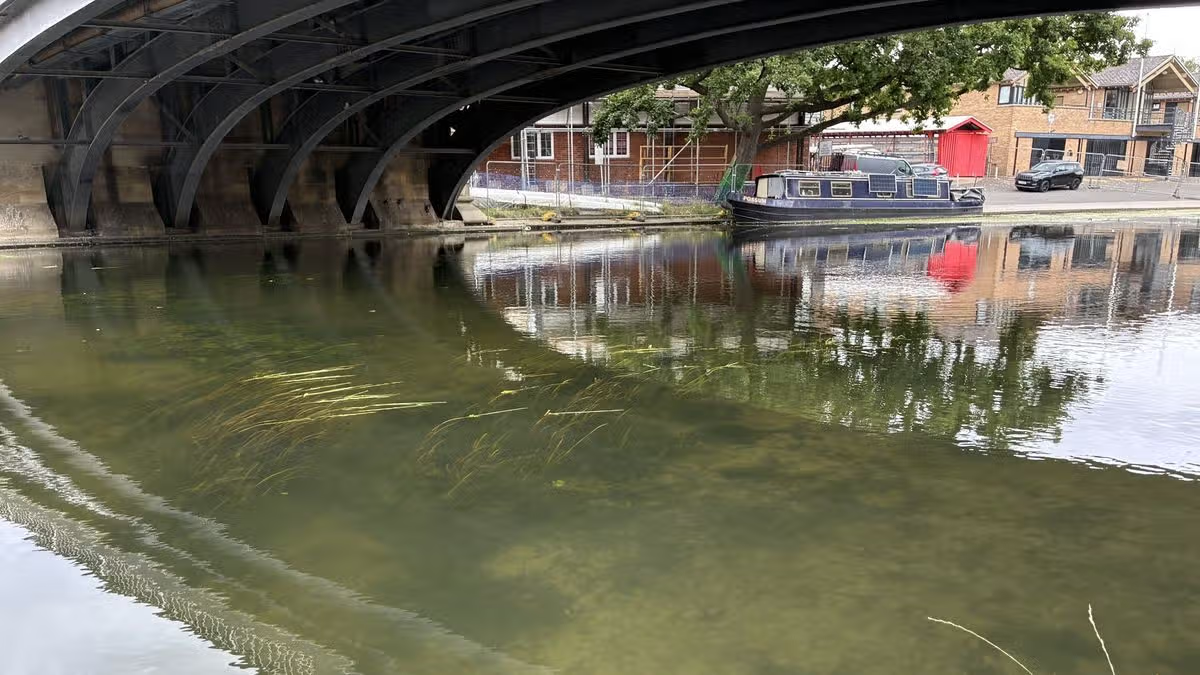
Cambridge residents have voiced growing concerns for the future of the River Cam, amid reports of poor water quality, collapsing riverbanks, and calls for tighter rules on moorings

Cambridgeshire Live readers have expressed strong opinions following reports of significant damage to sections of the River Cam, with many demanding improved maintenance, greater funding transparency, and stricter mooring regulations.

Cambridge residents have voiced concerns about the future of parts of the River Cam, warning that its health is at “serious risk”. Cambridge residents and councillors have sounded the alarm as collapsing riverbanks and unsafe water threaten to reduce the River Cam to a “muddy trickle”.

Advertisement

Earlier this year, water samples taken at the designated bathing site at Sheep’s Green revealed the water quality to be among the worst in England, with the Environment Agency advising people against swimming.

David B writes: “Agree, no houseboats should be allowed above Baitsbite Lock. The green algae around the lock will be down to a combination of things. The pollutants from Farm run off & the treatment works much further upstream, the high temperatures we’ve had & the lack of water flow. Due to the lack of rain and the water extraction further upstream.

“As for the damage to the lack [lock] & bank, many years of lack of maintenance by all agencies but particularly the Conservators, in not lobbying or seeking sponsorship from companies to get funding for the works. We are where we are with it & a long-term maintenance plan needs to be put in place & funding sought.

“Isn’t it about time the colleges put something into the city for a change & help fund major repairs? If the lock fails, it will drain the river up to the mill pond. This will prevent any punting, remove a tourist attraction & if drained for a long period, will damage the brickwork of all the colleges fronting the river. The colleges are very wealthy & easily have the spare funds to assist with the repairs to the lock & bank.”

Advertisement

While Teresa G says: “In New Zealand, there is a river that, after a 150-year legal battle, was legally granted the rights of a person. The Maori tribes consider the river a living ancestor. Godspeed the restoration and respect of the River Cam.”

Eco Nick adds: “Yep, there are also some fairly large corporations in Cambridge. Oh well, they have people to feed at events, I guess.”

Philip S mentions: “I read that £12.5 million is being spent on the safety barrier on one of the guided busways, double the original estimate. They seem to be able to find the money for that, but not for maintaining the locks and riverbanks. I’m sure there will be an excuse, but it doesn’t look good in a city like Cambridge, with so many visitors from all over the world.”

Drewski C thinks: “The country is broke, and unless we start to tax the rich again and re-nationalise water and energy, it will carry on getting more broke.”

Advertisement

Julian F adds: “The council can’t even keep the bins and toilets clean in that area, so what hope does the river have!”

Marvin H mentions: “Building too many houses doesn’t have the critical infrastructure. Need to address the fact that people can’t afford to live, let alone care for the environment.”

Are you worried about the state of the River Cam? Comment below or HERE to have your say.
Source link

Advertisement
Continue Reading

NewsBeat

Walk that starts and ends with Assheton Arms in Downham

Published

on

Walk that starts and ends with Assheton Arms in Downham

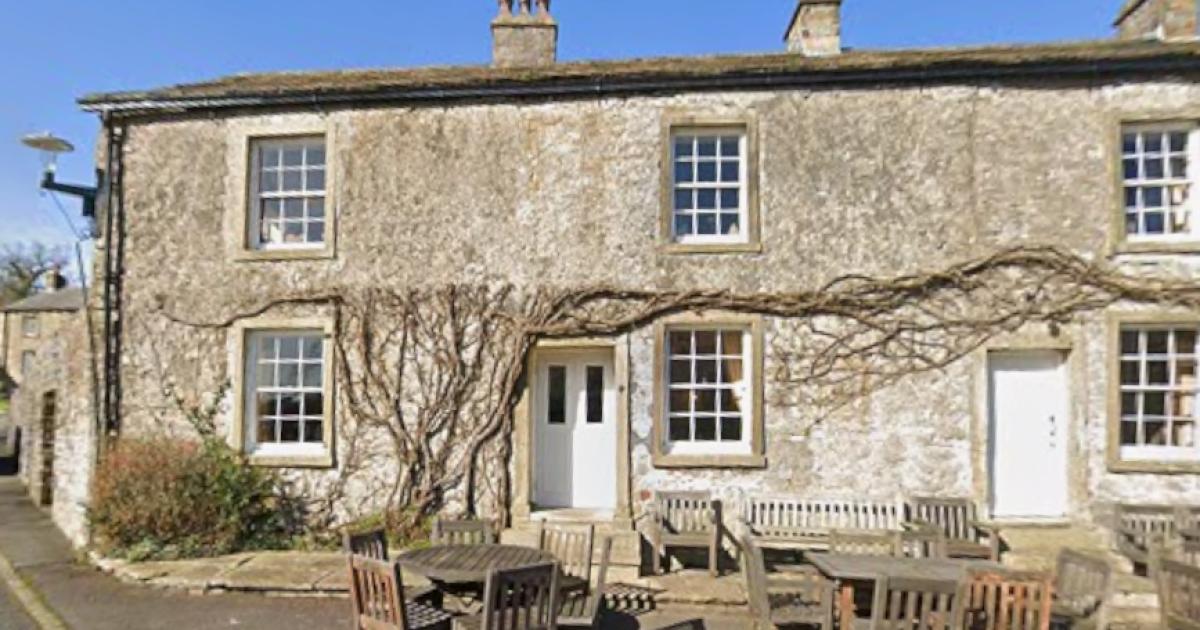
This route, published by Visit Ribble Valley, starts and ends at the Assheton Arms in Downham, offers a blend of natural beauty and historic charm.

The Assheton Arms is famed for its views of Pendle Hill and its extensive menu, which includes fresh seafood and classic pub dishes.

This pub is a favourite with both locals and visitors, has won several awards, including Lancashire Life Dining Pub of the Year and Ribble Valley Tourism Team of the Year.

Advertisement

The walk itself begins from the frontage of the Assheton Arms.

Walkers turn left and head downhill through the village of Downham, taking the left fork at the bridge, then right across a footbridge to the footpath at the end of the lane.

The route continues through a kissing gate, following the path beside the brook, then right to another kissing gate in the top corner of the field.

Walkers are advised to ignore the stile to the left.

Advertisement

Once through the gate, walkers head right along the field boundary, continuing to climb alongside the fence, with the brook on their left, and over a footbridge.

At the farm track, walkers continue straight over, then along the field boundary and over a stone stile to Lane Head barn.

There are a couple of well-placed benches here where walkers can catch their breath and admire the view back towards Downham.

The path then heads left across the brook and goes straight over the fields.

Advertisement

Here, the views open up over the Ribble Valley and into the limestone country of the Yorkshire Dales.

Ingleborough and Pen-y-ghent can be seen to the northeast, with the Bowland Fells appearing to the north.

Keeping the post markers across the field on their left, walkers cross the stone stile, continuing straight over the track and along the field boundary, then over the stile in the corner of the field, heading for farm buildings on the skyline.

The route skirts around to the right, above the farm, following the boundary wall to a narrow stone stile.

Advertisement

Over the stile, it continues straight on over the track, following the marker stone to another narrow stile, then along the field boundary to skirt the farmhouse on the left, then left to follow the track right up the hill for 75 metres before descending half-left along the field boundary down to a kissing gate into the wooded ghyll.

The path continues over the footbridge and up the other side of the ghyll, through a kissing gate, then climbing steeply across the field, passing to the left of the barn and over a footbridge.

At the cottage, the path turns left, then over a stile beside the gate and follows the fence along the right-hand side of the field boundary.
It continues through a gate, then over a squeeze stile, and follows the hedge on the left to a stile in the bottom corner of the field.

Advertisement

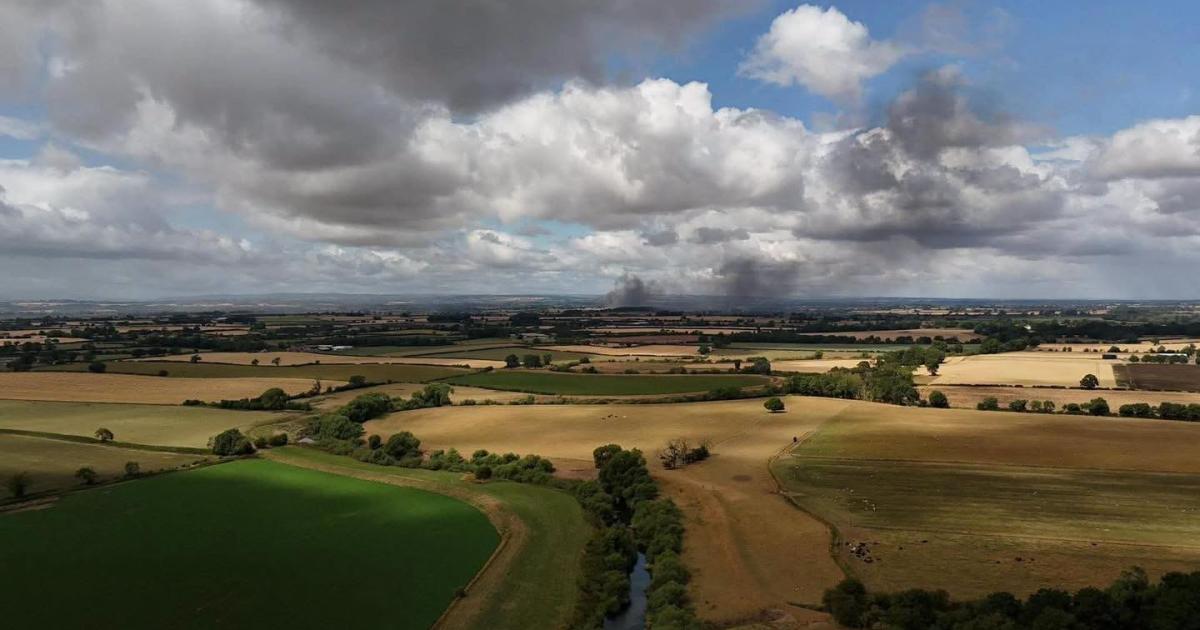
The route offers views back to Pendle and reveals some limestone outcrops, a hint of the changing geology as the millstone grit of East Lancashire gives way to the limestone of The Dales.

The walk ends at the Assheton Arms, where walkers can enjoy a well-deserved rest.

Full route:

  • Leave the Assheton Arms and walk downhill through Downham. Take the left fork at the bridge, then cross the footbridge on the right to the footpath.
  • Go through the kissing gate. Follow the beck and turn right to another kissing gate in the field corner.
  • Go through the gate and follow the field boundary uphill, keeping the beck on your left. Cross the footbridge.
  • Cross the farm track and continue to Lane Head Barn via the stone stile. Pause here to enjoy the views over Downham.
  • Cross the beck and continue straight across the fields.
  • Follow the marker posts and field boundaries. Cross the track and stiles, heading towards the farm buildings on the skyline.
  • Pass to the right of the farm. Follow the wall and cross several stiles. Continue past the farmhouse and uphill on the track before descending to a kissing gate into the wooded ghyll.
  • Cross the footbridge and climb out of the ghyll. Go through the kissing gate, pass left of the barn, and cross another footbridge.
  • At the cottage, turn left. Follow the field boundaries, gates and stiles across several fields, keeping the hedge mainly on your left, until you reach the farm.
  • Enjoy panoramic views of Pendle Hill and the limestone landscape ahead.
  • Follow the field edge to a gate. Descend into the ghyll, pass the outbarn, ignore the footbridge on the left, and continue to a kissing gate. Follow the stream and turn right onto a quiet lane.
  • Walk along the lane for 150m. Take the footpath on the left before the farm buildings and follow the beck downstream through kissing gates and over a footbridge.
  • Follow the wall to a cottage. Pass between the buildings, cross the stile, and continue over Woolly Hill, crossing the next stile and heading towards the buildings ahead.
  • Cross the track and continue along the field edges beside the woodland. After about 400m, take the left footpath, then turn right on the lane to return to the Assheton Arms.

Source link

Advertisement
Continue Reading

NewsBeat

North Yorkshire crews tackle fire near RAF Leeming

Published

on

North Yorkshire crews tackle fire near RAF Leeming

Several crews from across the area have responded to tackle the fire which broke out this afternoon on a farm near RAF Leeming.

People living in the area are being advised to keep their doors and windows shut as putrid, thick black smoke can be seen for miles.

Several crews are tackling a large fire at an agricultural building by RAF Leeming in North Yorkshire.North Yorkshire crews tackle fire near RAF Leeming at an agricultural building. (Image: North Yorkshire Weather Updates)

A North Yorkshire Fire & Rescue Service spokesperson said: “We currently have five fire appliances from Bedale, Northallerton, Richmond, Thirsk and Ripon and a water bowser on scene at an agricultural building fire.


Recommended reads:

Advertisement

TV star buys iconic North Yorkshire pub made famous by hit show

A sad loss’ – Popular York coffee spot loved by locals is set to close

York garage confirms permanent closure as prime site faces uncertain future


“Crews currently have six breathing apparatus and four hose reel jets in use to extinguish the fire. The building measures approximately 50 x 30 metres.

Advertisement

“We have received reports that smoke is blowing over the A1, please try avoid the area if possible.”

Several crews are tackling a large fire at an agricultural building by RAF Leeming in North Yorkshire. (Image: North Yorkshire Weather Updates)

RAF Leeming – home to the Hawk Mk 167 and Grob Tutor T1 – is not thought to be affected by the agricultural building fire.

Drivers are being urged to try to avoid the area if possible due to reports that smoke is blowing over the A1.


Advertisement

Source link

Continue Reading

NewsBeat

Scottish Government must act to fix ambulance waiting times as lives are at stake

Published

on

Daily Record

Record View says those in well-paid leadership positions – in government and in our health boards – need to up their game. Lives are at stake if they continue to fail us.

Scotland’s emergency service workers are true heroes who go the extra mile to help us when we need it most. There’s absolutely no doubt those who provide our 999 services are highly trained, world class operators.

Advertisement

But there is clearly a long term problem with ambulance waiting times and people are dying as a result. Today, the Daily Record reports on two families who know this only too well.

Julie Parker died after waiting almost four hours for help last month. Brian Hurton died alone on his ­bathroom floor after twice being told an ambulance was not being dispatched.

The families are joining forces to demand improvements. They say nobody in desperate need of medical help should be waiting hours for an ambulance to arrive.

And they rightly declare that no Scot should die due to delays in getting an ambulance to them. Hopefully our MSPS – and Health Secretary Angela Constance – will take heed of what the families are saying.

Advertisement

However, it would be unfair to single out the ambulance service for blame. Wider problems within the NHS mean that crews are often forced to wait in queues outside A&E ­departments for hours on end.

This leaves frustrated paramedics sitting outside hospitals rather than out on patrol saving lives. To sort this problem out, more resources need to be diverted to ­emergency provision within the NHS – and that means wider reform of the service, which is long overdue.

Scots pay higher taxes than every other part of the the UK. So we expect to see better public services as a result – with hospitals obviously benefiting from the extra cash available.

That does not appear to be the case. Those in well-paid leadership positions – in government and in our health boards – need to up their game. Lives are at stake if they continue to fail us.

Advertisement

Cold hard facts

Wildfires continue to rage in the Cairngorms, with smoke and fumes from the blaze blowing in over Aberdeen.

In France and Spain, hundreds of ­thousands of people have been ordered to evacuate their homes as blazes rage out of control.

Anyone who doubts the effects of climate change – or who thinks it somehow doesn’t affect us – can’t continue to keep their heads in the sand.

It’s clear that drought and extreme heat are going to become a fact of life from now on, even in rain-soaked Scotland.

Advertisement

Get more Daily Record exclusives by signing up for free to Google’s preferred sources. Click HERE.

Advertisement

Source link

Continue Reading

Trending

Copyright © 2025