NewsBeat
Volkswagen ID. Cross review: Small electric SUV feels impressively polished and properly posh

Volkswagen likes to distil the essence of the brand down to three simple ideas: Emotion, efficiency and engineering. Those three pillars are meant to underpin every model the company produces, alongside what Volkswagen describes as the fundamentals of being a “true Volkswagen”: clear design with balanced proportions, optimum use of space, high quality, easy handling, innovative technology and an attractive price-to-performance ratio.
Volkswagen’s upcoming ID. Cross is designed to embody all of that in one of the most important and lucrative parts of the electric car market. This new compact SUV is part of the Volkswagen Group’s new Electric Urban Car Family, a range of smaller electric vehicles that will all be built in Spain, with development led by Cupra.
Cupra will introduce the first model from the family with the Cupra Raval, followed by the Volkswagen ID. Polo hatchback and this SUV, the ID. Cross, along with the Skoda Epiq. I drove the Skoda Epiq earlier this year, and it provided an early glimpse of what this platform could deliver.
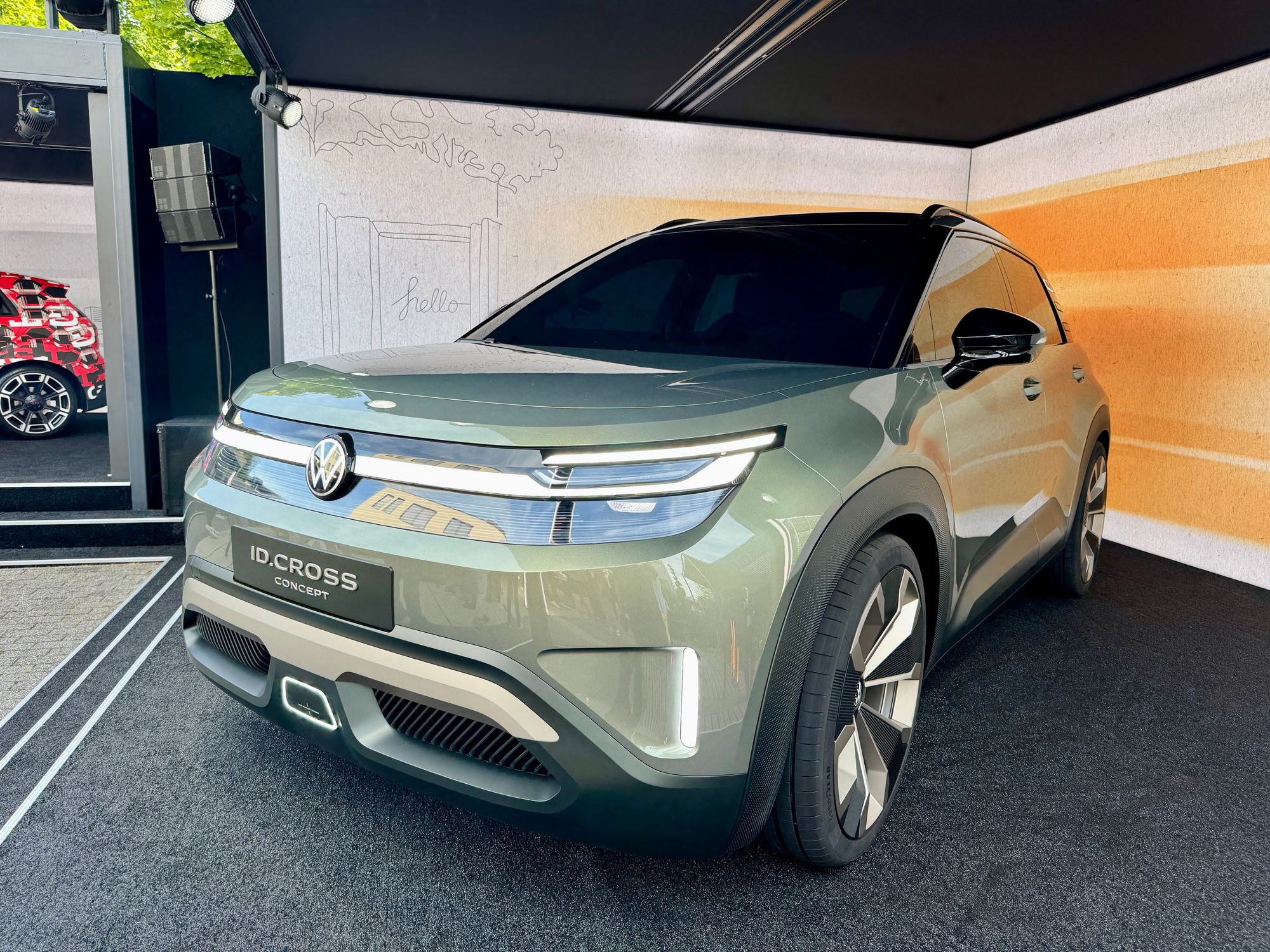
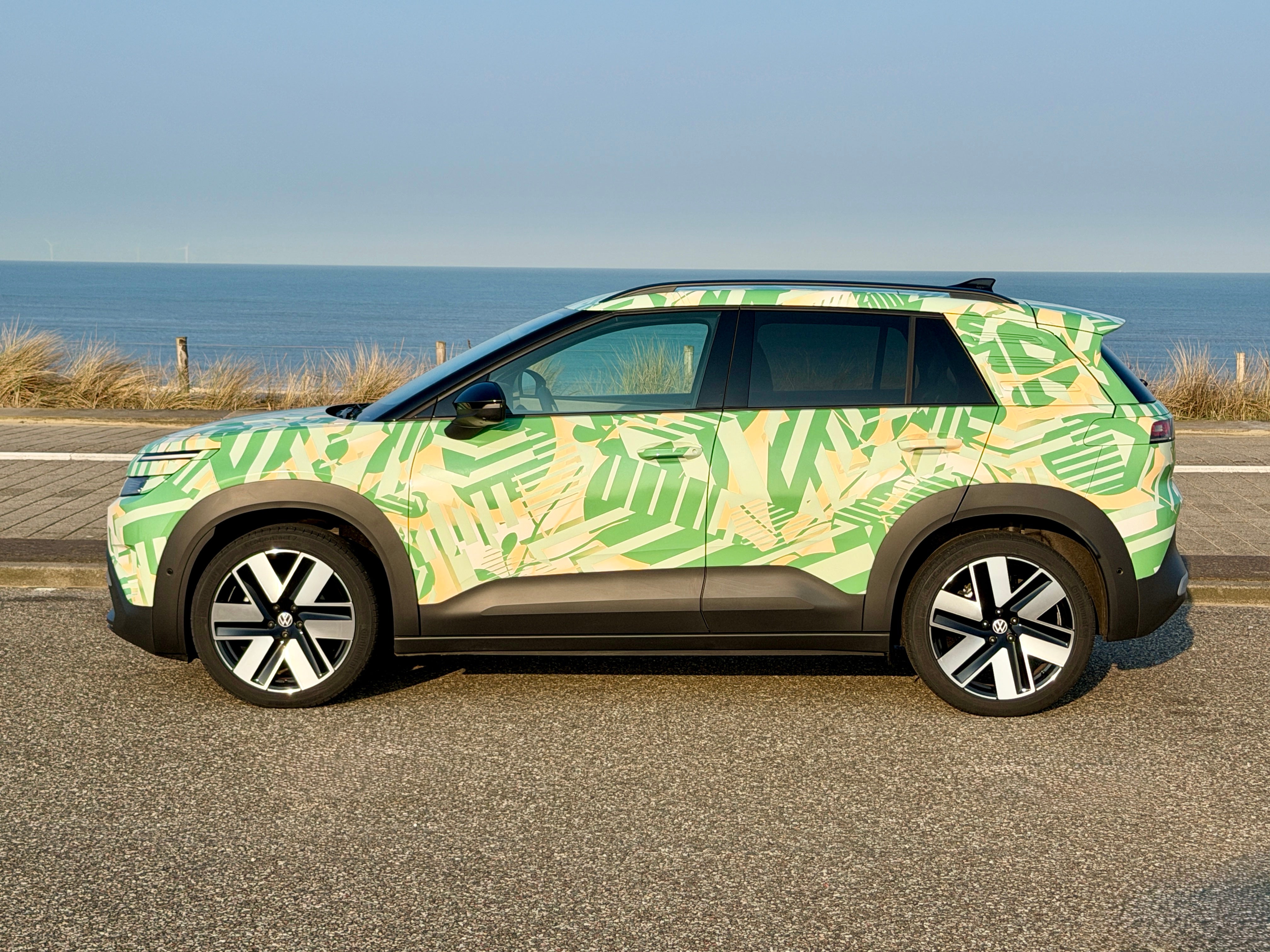
The ID. Cross I drove was still heavily camouflaged and far from the finished production version, but the prototype already revealed plenty about Volkswagen’s plans for its smallest electric SUV. Even at this early stage, it’s clear Volkswagen is delivering on its claim to be going the extra mile with the ID. Cross – and the result could be a very important car for the brand when it reaches showrooms early in 2027.
How I tested
I was one of a select few journalists invited to Amsterdam to drive the new Volkswagen ID. Cross in early prototype form – although the cars were the very latest development models and pretty close to production cars, you’ll be able to buy. I drove on the streets in and around Amsterdam, out to the coast, up and down motorways and tested everything that will be important to buyers of these cars. As well as the practicality and boot space, I also got to try some of the new instrument settings to give an early verdict on this important new car that you can trust.

Independent rating: 9/10
- Pros: Excellent ride comfort, premium-feeling interior, impressive tech
- Cons: Rear passenger space is a bit tight
Volkswagen ID. Cross specs
- Price from: £25,000 (estimated)
- Battery size: 37kWh or 52kWh
- Maximum claimed range: 271 miles
- Maximum charging rate: 105kW
- Power: 114bhp, 127bhp or 208bhp
Battery, range, charging, performance and drive
Volkswagen will offer the ID. Cross with two battery sizes and a choice of power outputs. Entry-level versions will use a 37kWh battery paired with either 114bhp or 127bhp electric motors. These models are expected to offer a range of up to 194 miles and support DC rapid charging at up to 90kW.

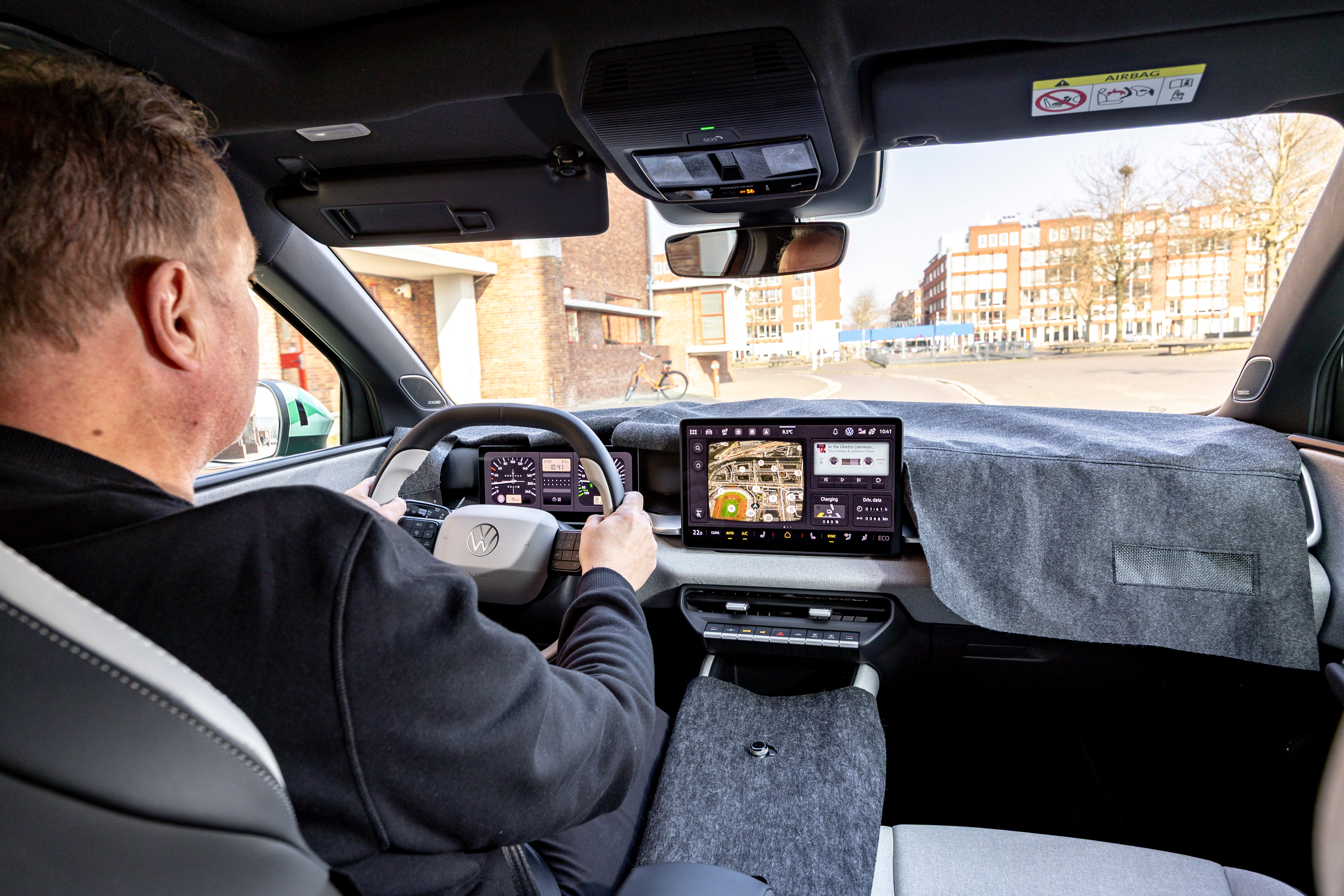
Above that sits a larger 52kWh battery paired with a 208bhp electric motor producing 290Nm of torque and driving the front wheels. This version offers a claimed range of up to 271 miles and supports DC charging at up to 105kW.
That charging figure is slightly lower than the 135kW peak seen in some of Volkswagen’s current ID models, but the company says the charging curve has been redesigned so it stays flatter for longer. In practice, that means less drop-off in charging speed as the battery fills, allowing the ID. Cross to charge from 10 to 80 per cent in around 24 minutes.
The car weighs less than 1,500kg and features a 55:45 front-to-rear weight distribution, while towing capacity is rated at up to 1,200kg.
The prototype I drove was the 208bhp front-wheel-drive version. There’s no confirmed all-wheel-drive model at this stage, although engineers say the platform could support one if markets demand it. Austria, apparently, is already keen!
On the road, the ID. Cross feels impressively mature for such an early prototype. Volkswagen has defined a specific “Driving Dynamics DNA” for its electric models based around linearity, emotionality, intuitive handling, steering precision and the right balance between comfort and control.
In the ID. Cross that balance leans more towards comfort than the lower-slung ID. Polo hatchback, and that was immediately noticeable from behind the wheel. The ride quality felt significantly more polished than the earlier Skoda Epiq prototype I drove, even though the suspension hardware is mechanically identical. Volkswagen engineers revealed that this was a later iteration of the setup I experienced in the Skoda
Over rougher roads, the car felt composed and connected without ever becoming uncomfortable. In fact, the ride quality felt remarkably premium for a small electric SUV.
Braking performance is another highlight. Volkswagen has introduced a new one-box braking system designed to deliver a more natural pedal feel than earlier EV systems. On the road, it works very well, with linear response and consistent stopping power without the grabby behaviour or inconsistent feedback that some early electric cars suffered from. Performance from the 208bhp motor feels strong enough to make the car feel lively.
Steering was the one dynamic area that felt less convincing. Around the straight-ahead position, there was slightly too much slack, which made it feel a little vague at times. Switching to Sport mode improved the situation, making the steering feel noticeably more direct.
After feeding that back to Volkswagen engineers during the drive, they later took me to one side to say they agreed with the feedback and said the production car would move the standard steering calibration closer to the Sport setting.

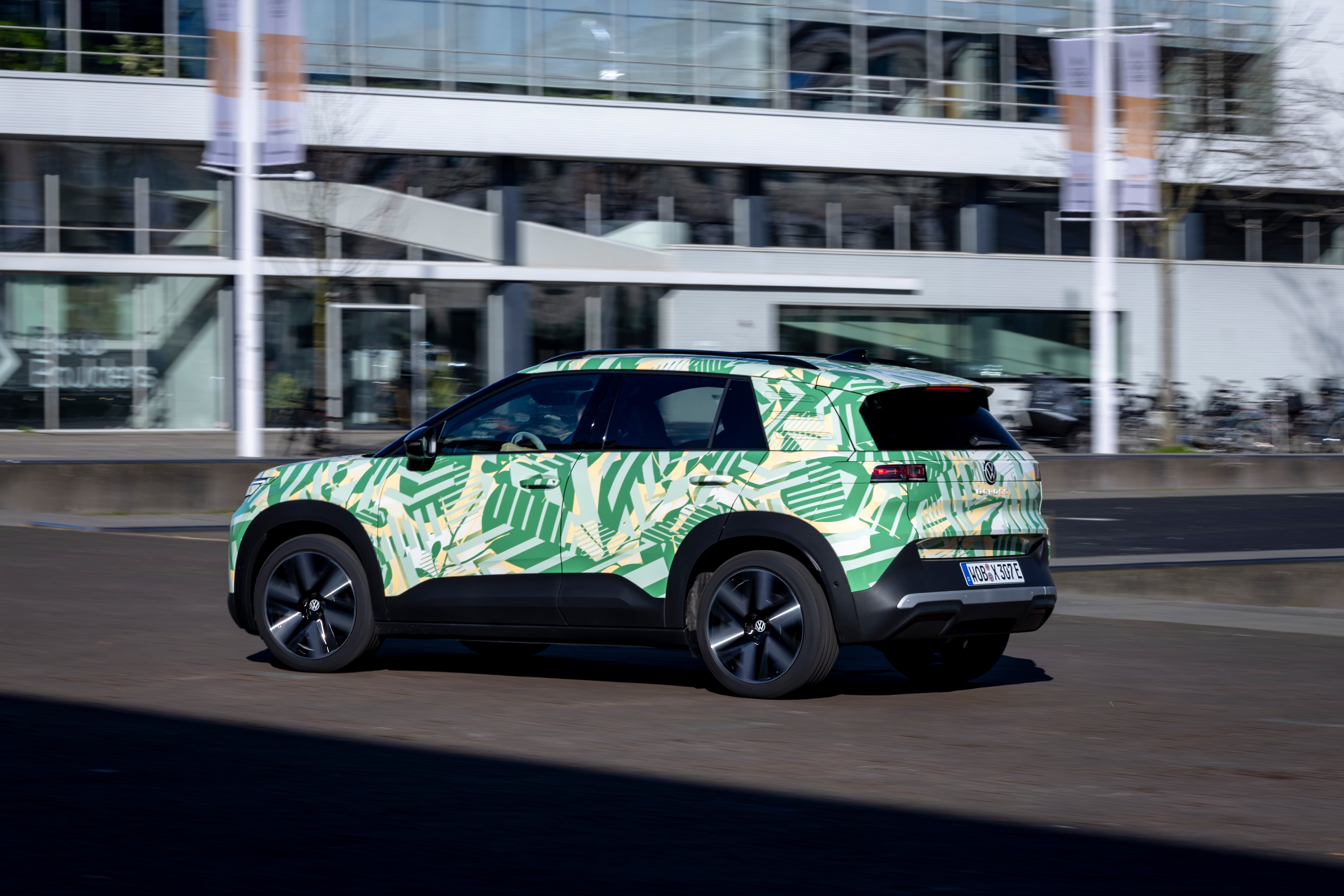
Overall, though, the fundamentals feel extremely strong even at this early stage. This is shaping up to be a seriously impressive small SUV, and it will be fascinating to see how it compares with rivals such as the upcoming Kia EV2.
Interior, practicality and boot space

Inside, the ID. Cross shares much of its interior design with the upcoming Volkswagen ID. Polo. Because of the SUV body style, the dash will be stretched upwards somewhat, but the overall layout is very similar.
Although our prototype test car had covers over the interior, I know from the Polo that it’s an impressive interior, both in terms of design and perceived quality. Volkswagen has incorporated technology usually found in larger and more expensive cars, including massage seats, a Harman Kardon audio system, a 10-inch driver display and a 13-inch infotainment screen. Our prototype also featured a panoramic glass roof, although it was hidden underneath the camouflage.
The interior makes extensive use of premium-feeling sustainable materials and feels genuinely upmarket for a car expected to start at around £25,000.
Crucially, Volkswagen has also reintroduced physical controls after criticism of overly touch-based systems in earlier models. There’s a proper volume knob on the centre console between the front seats, proper steering wheel buttons (and lots of them – which can be a bit confusing) and separate heating and ventilation controls sitting below the touchscreen, all of which make the car easier to use day to day.
Volkswagen designers talk about three pillars for the exterior design: stable, likeable and secret sauce. “Stable” refers to the car’s proportions and stance, while “likeable” reflects the friendly face that new Volkswagen models wear.
“Secret sauce” describes small details designed to surprise and delight owners. One example is the retro-style graphics on the digital displays, which echo classic Volkswagen instruments and add real personality to the cabin. Again, I’d seen this system in a production ID. Polo interior, but seeing those retro dials in action is genuinely brilliant.
In terms of dimensions, the ID. Cross measures 4153mm long, 1816mm wide and 1581mm tall, with a 2601mm wheelbase.
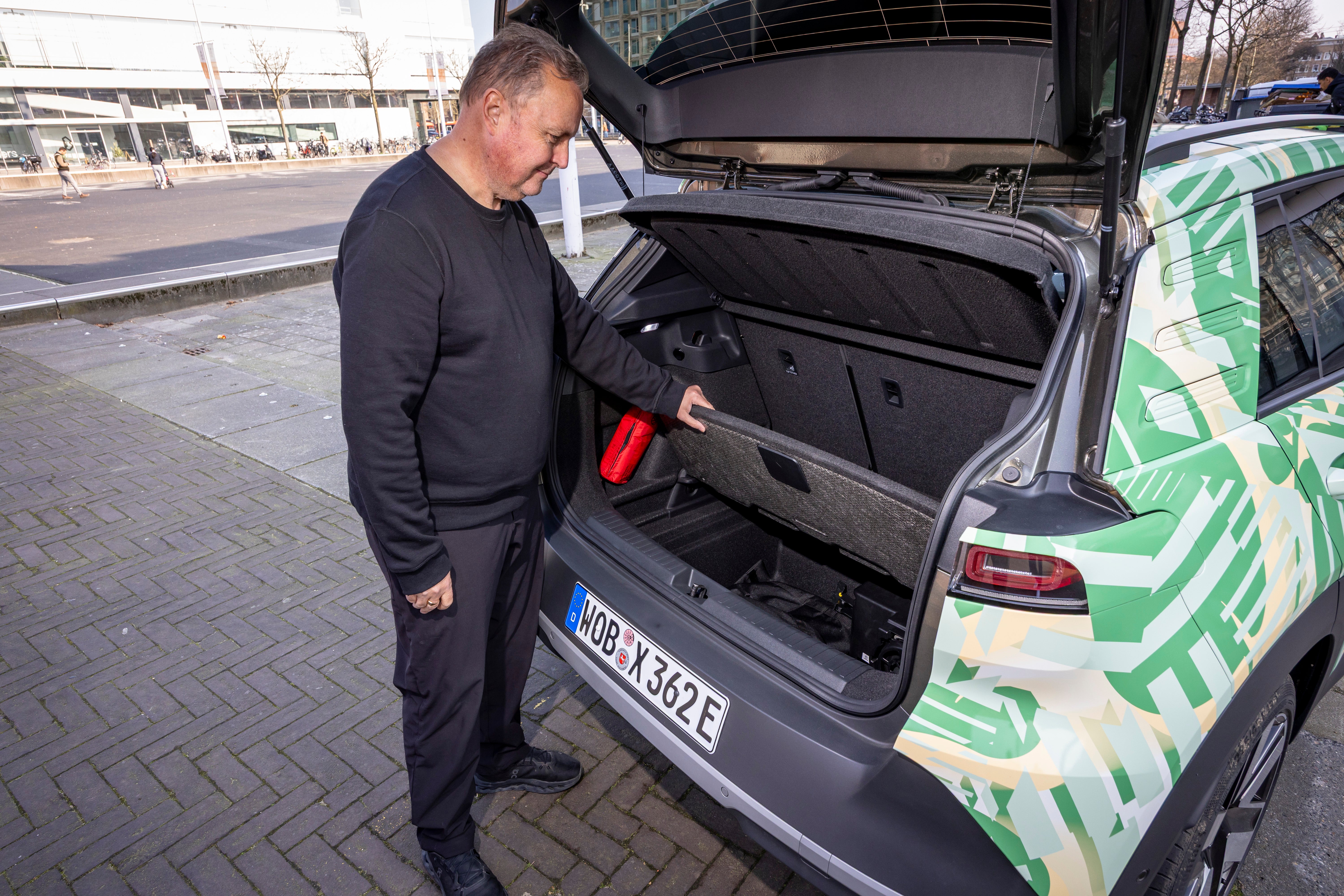
Boot space is generous for a compact SUV. The luggage area offers 475 litres of capacity, including an underfloor storage well, expanding to 1,340 litres with the rear seats folded down.
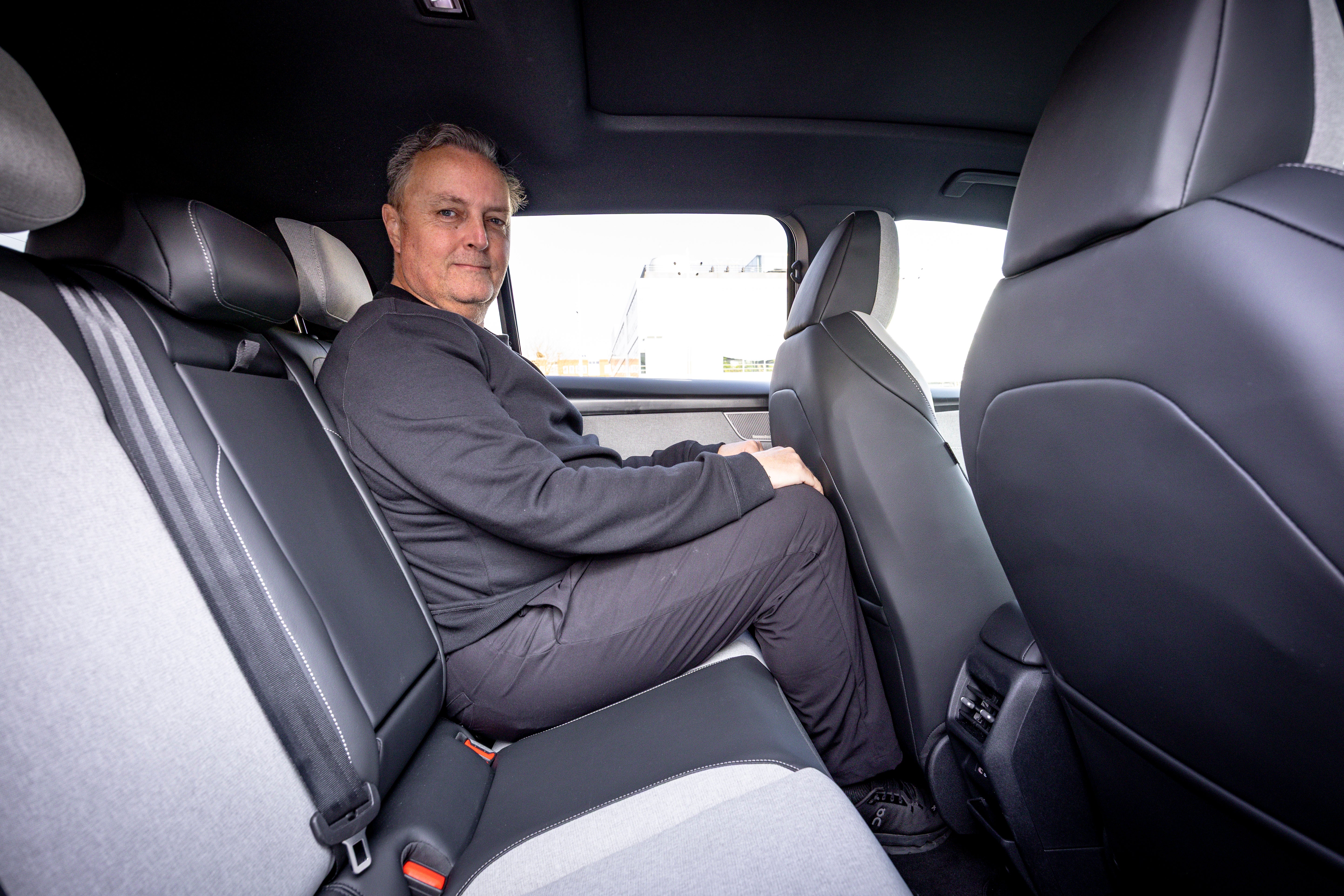
Rear passenger space isn’t quite as generous. Legroom in the back feels a little tight, and children in forward-facing child seats could end up kicking the backs of the front seats. Personally, I’d happily sacrifice an inch or two of boot space to gain more rear legroom.
Headroom in the back is excellent, though, and the rear doors open wide, which makes access easier.
Visibility is also very good from all seats, with nicely sized door mirrors and a clear view out in every direction.
One disappointment is that some of the clever interior ideas shown on the earlier ID. 2all concept car haven’t made it into this car. Magnetic phone holders on the backs of the front seats, for example, would have been a neat touch. After the brilliance of the retro displays and the impressive cabin design, it feels like there could be a bit more “secret sauce” in terms of practical interior functionality.

Technology, stereo and infotainment
Technology is another strong point for the ID. Cross. The car introduces Volkswagen’s new generation of software architecture and connectivity systems.

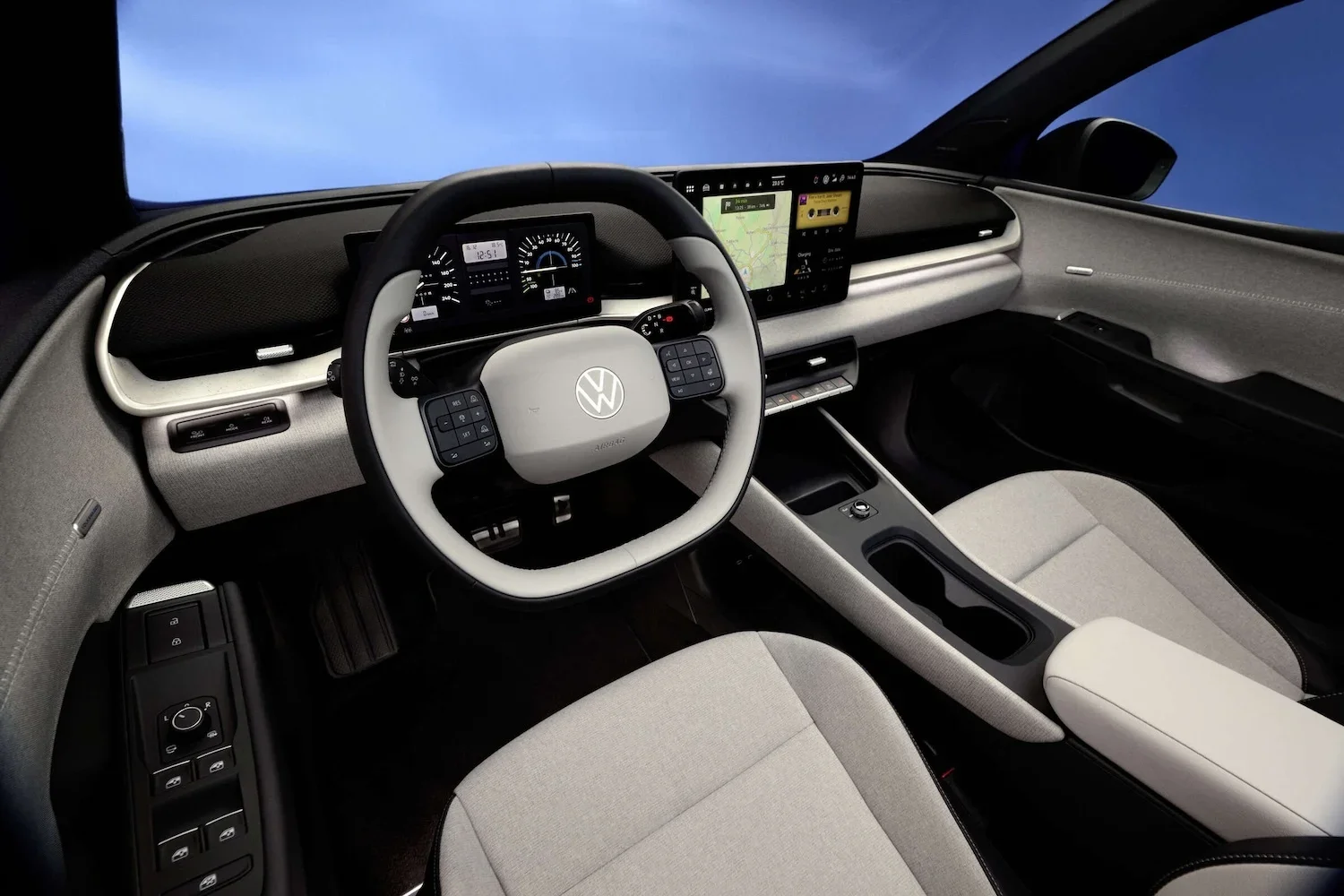
The infotainment system is displayed on a 13in touchscreen, complemented by a 10in digital driver display. The retro-style instrument graphics give the system a distinctive look and help it stand out from more conventional digital dashboards. On the main touchscreen, the navigation is displayed on what mimics an old TV screen, while any music you’re playing gets displayed on what looks like an old cassette tape, complete with rotating spools for added authenticity. It’s all very cool.
Advanced driver assistance comes via Volkswagen’s Connected Travel Assist system. This uses swarm data from other vehicles to help improve the accuracy of the information it uses. The system supports assisted lane changes as well as traffic and stop light detection.
The ID. Cross also introduces vehicle-to-load functionality, allowing the battery to power external devices, as well as vehicle-to-grid capability that could allow energy to be fed back into the electricity grid when connected to suitable infrastructure.
Prices and running costs

European pricing for the ID. Cross has already been announced, starting from €27,995. At current exchange rates, that works out to around £24,150.
However, by the time the car reaches UK showrooms in early 2027, it’s likely that the entry price will sit a little above £25,000. From there, prices are expected to rise into the low-to-mid £30,000 range depending on battery size, power output and equipment levels. Production versions of the car should be ready for driving towards the end of this year.
Volkswagen clearly has high expectations for the ID. Cross. In fact, the company believes it could outsell the ID. Polo hatchback – which says a lot about how strong demand for small electric SUVs is expected to be.
The verdict: Volkswagen ID. Cross
Even in early prototype form, the ID. Cross is hugely impressive. The ride quality feels genuinely premium for a small electric SUV, the interior quality is excellent, and the technology package looks strong.
There are still a few rough edges to polish before production begins – particularly around steering feel – but it’s unlikely anything can be done to boost rear passenger space. However, the fundamentals are extremely convincing.
If Volkswagen can deliver the expected price point and refine those small issues before launch, the ID. Cross could become one of the most compelling compact electric SUVs on sale in the UK.
Volkswagen ID. Cross rivals
FAQs
How long does it take to charge?
The larger 52kWh battery version offers a claimed range of up to 271 miles, while the smaller 37kWh battery version provides up to around 194 miles. The larger battery version supports DC rapid charging at up to 105kW, allowing the battery to charge from 10 to 80 per cent in around 24 minutes.
How much does it cost – is it worth it?
With a starting price expected to be just over £25,000 in the UK, the ID. Cross aims to offer strong value in the compact electric SUV market, combining useful range with modern technology and a premium-feeling interior.
Does Volkswagen replace batteries for free?
Volkswagen is expected to offer its standard three-year new car warranty alongside an eight-year battery warranty covering the high-voltage battery for up to 100,000 miles while guaranteeing a minimum level of battery capacity.
Why trust us
Our team of motoring experts have decades of experience driving, reviewing and reporting on the latest EV cars, and our verdicts are reached with every kind of driver in mind. We thoroughly test drive every car we recommend, so you can be sure our verdicts are honest, unbiased and authentic.
With more than 30 years of experience, Steve Fowler is one of the UK’s best-known automotive journalists. Steve has interviewed key industry figures, from Tesla’s Elon Musk to Ford’s Jim Farley, and is a judge for both Germany’s and India’s Car of the Year Awards, as well as being a director of World Car of the Year. When it comes to electric vehicles, Steve reviews all the latest models for The Independent as they launch, from Abarth to Zeekr, and he uses his expert knowledge of car buyers’ needs to provide a comprehensive verdict.