Cleaning a carpet can be a tricky process, especially if you’re trying to carefully remove a stain without ruining the material.
Additionally, if you’ve had one for a while, then attempting to remove odours that may have built up over time could be a problem.
However, some cleaning experts have advocated for a common cleaning item that can help with this, which you may well have used before.
Advertisement
What 59p item can help save your carpet?
Bicarbonate of soda was recommended for the purposes of cleaning carpets, which you can pick up for as little as 59p in places like Sainsbury’s.
Graeme Shelley, Managing Director at Factory Direct Flooring, advocated for its use to remove odours from carpets.
He explained: “Always patch-test first, and if it’s OK, aim for about one teaspoon of bicarb per every 10-20cm2 of carpet. Sprinkle it over the smelly spots, then let it sit for a few hours before hoovering it up.”
However, he did clarify that using bicarbonate of soda was best-suited for treating small areas rather than the entire carpet in one go.
Advertisement
Graeme added: “If it’s a stain you’re dealing with and not just a bad smell, first blot away as much of the stain as possible with a clean cloth (don’t rub!).
“Sprinkle bicarb over the stain, then wet a clean tea towel, wring it out until it’s damp, then lay it over the powder.
“Leave it like this for a few hours before removing the tea towel and hoovering the area.”
Advertisement
Alongside that, Sarah Dewison, owner of North West Commercial Cleans Limited, which is partnered with David Wilson Homes, recommended bicarb of soda.
She shared: “Baking soda is great for stain removal and also works as an odour neutraliser – perfect for pet accidents.
Recommended reading:
Advertisement
“For this, sprinkle baking soda onto the carpet and stained areas, leaving it to absorb for at least 15 minutes. Then, vacuum the area to remove the debris.”
Sarah also highlighted that carpets need to be vacuumed generally once a week as they are heavily used throughout the home.
She added: “Deeper cleans such as shampooing or steam cleaning should be carried out once a year to help prevent dust build-up, stains, and odours. ”
As is usual procedure, all charges will be reviewed by the Public Prosecution Service.
A 36-year-old man has been charged with 12 offences after a car was deliberately rammed into a house in Derry on Tuesday.
Advertisement
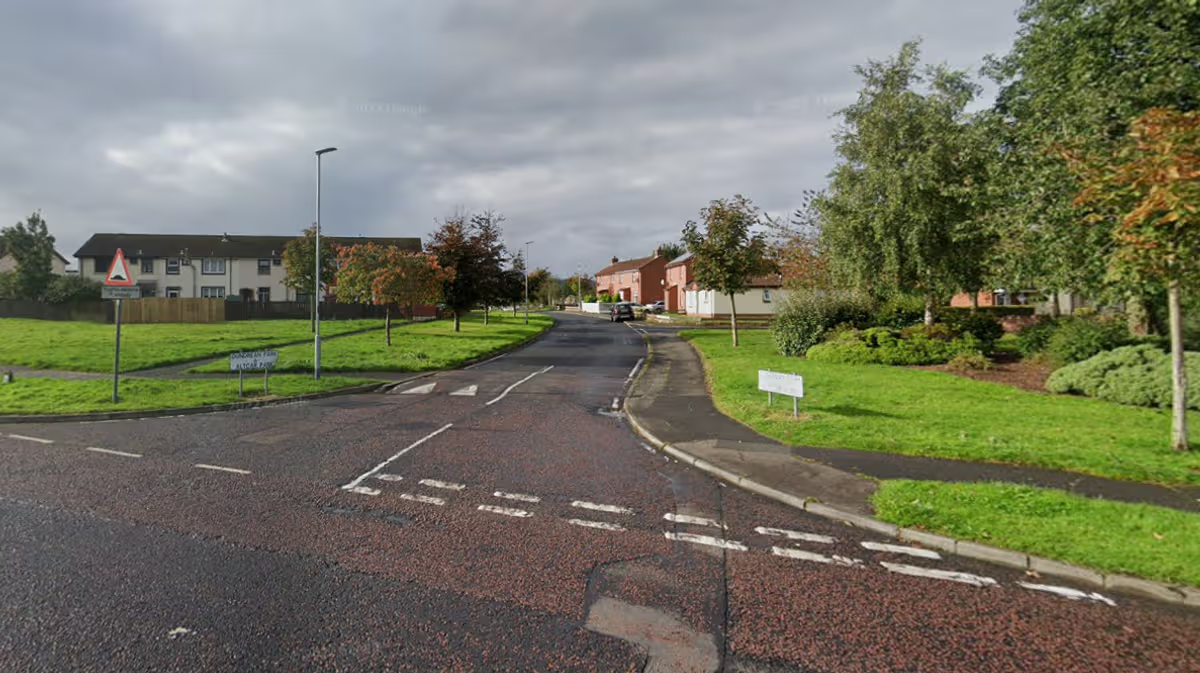
Police received a report of an ongoing incident in the Altcar Park area of Derry at around 2.40am on Tuesday, April 7. On arrival at the scene, officers found “a man armed with an axe” who was “deliberately driving a vehicle into a residential property.”
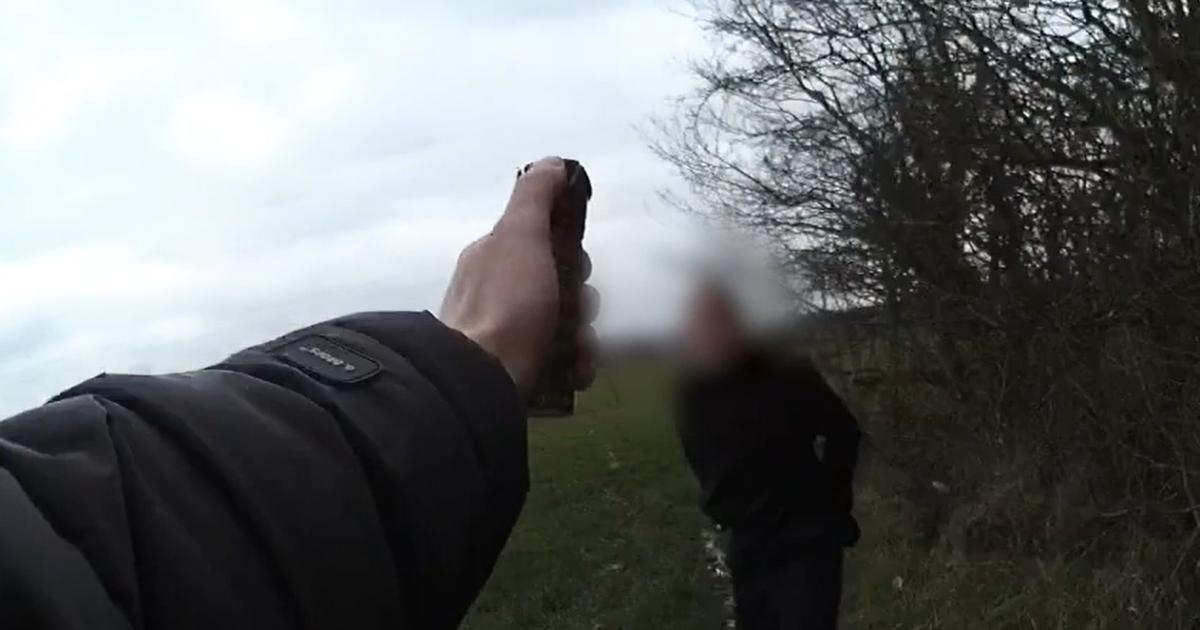
The four occupants of the property were shaken by the ordeal, but are otherwise uninjured. Police discharged an attenuating energy projectile (AEP), which struck the perpetrator in the leg, to mitigate the risk to the public and the man himself.
A PSNI spokesperson said: “A 36-year-old man arrested following an incident in Altcar Park in Derry/Londonderry on Tuesday, 7th April has been charged to appear before Londonderry Magistrates’ Court tomorrow, Thursday 9th April.
“He is charged with 12 offences – aggravated burglary, two counts of possession of an offensive weapon with intent to commit an indictable offence, four counts of threatening or abusive behaviour, threats to kill, and criminal damage. He has also been charged with dangerous driving, driving when unfit through drink or drugs, and interference with vehicles.“As is usual procedure, all charges will be reviewed by the Public Prosecution Service.”
There has been a major change for TNT Sports viewers, with new ways to stream live coverage – including Liverpool’s clash with PSG tonight
TNT Sports viewers have been warned of a significant change that came into effect recently, with a sweeping overhaul seeing the broadcaster’s rugby, football and other sports coverage relocated elsewhere.
Advertisement
HBO Max launched last month in the UK and Ireland, giving audiences the ability to stream content from HBO, Warner Bros. Pictures, Warner Bros. Television, DC Studios and Max Originals all in a single place. However, beyond offering additional film and TV content, the service’s arrival also represents a considerable shake-up for TNT Sports viewers.
Liverpool’s Champions League clash with PSG is being broadcast by TNT Sports 1 tonight (8pm KO) – but viewers will need to make a small adjustment if they wish to stream the match.
While discovery+ has acted as the streaming home for TNT Sports in the UK and Ireland, it was confirmed last month that the subscription channels are migrating to HBO Max.
Consequently, from this point forward, TNT Sports subscribers will need to head to HBO Max to access the channels and online content, rather than discovery+.
Advertisement
Watch PSG vs Liverpool on TNT Sports
This article contains affiliate links, we will receive a commission on any sales we generate from it. Learn more
Liverpool have reached the UEFA Champions League quarter-finals where they face Paris Saint-Germain on April 8. Fans can watch the game on Prime Video’s TNT Sports channel.
The change does not mean that discovery+ is shutting down, however, with the platform now concentrating solely on real-life entertainment and documentaries.
Advertisement
TNT Sports users have been informed that they will be able to use their existing Discovery+ login details for HBO Max, or online at HBOMax.com. Viewers can download the HBO Max app and sign in using their existing discovery+ email and password.
If you were accessing TNT Sports on discovery+ through the Amazon Appstore, your discovery+ TNT Sports subscription will have now ended. With HBO Max having launched, you can sign up to the TNT Sports plan on HBO Max to continue enjoying the same sports content.
Subscription costs will remain unchanged during the transition, with viewers able to retain TNT Sports on a rolling monthly basis for £30.99 a month. However, HBO Max has also introduced new options for sports fans looking to reduce their outgoings, with viewers prepared to commit to a minimum 12-month contract offered the opportunity to do so at a lower rate of £25.99 per month.
Additional savings have also been made available to viewers wishing to subscribe to HBO Max’s entertainment programming with TNT Sports coverage bundled in as part of a 12-month deal.
Advertisement
In a statement issued last week, TNT Sports said: “HBO Max, the premier global streaming service from Warner Bros. Discovery, has launched in the UK and Ireland.
“HBO Max will become the streaming home of TNT Sports in the UK, giving subscribers in 2026 access to top quality live sports content including this season, the Premier League, Emirates FA Cup, Adobe Women’s FA Cup, UEFA Champions League, Gallagher PREM Rugby, Premiership Women’s Rugby, UFC, MotoGP, Grand Slam tennis, Grand Tour cycling and much more.
“On the 26th March, TNT Sports will move from discovery+ to its new streaming home on HBO Max in the UK,” the statement added. “For existing customers, to keep streaming TNT Sports, simply download the HBO Max app, or go to HBOMax.com, and sign in using existing discovery+ login details.
“With an unchanged price of £30.99 per month for TNT Sports on launch, the service will offer subscribers a standalone TNT Sports plan or ability to purchase alongside select HBO Max plans, providing fans with the ultimate sports streaming experience that includes innovative in-app features across key sports and events – putting fans in control of how they watch.”
Damage has also been caused to water and electrical works in the area
Police are currently at the scene of a burglary at a derelict building in Belfast City Centre.
Advertisement
The break-in is understood to have occurred at a derelict building in the Waring Street area, with police also seen in Sugarhouse Entry.
The PSNI have also said that they are investigating reports of criminal damage having been caused to electrical and water works in the area.
A PSNI spokesperson said: “Police are conducting enquiries in relation to a suspected burglary at a derelict building in the Waring Street area of Belfast this afternoon, Wednesday 8th April.
“Criminal damage has also occurred to water and electric works in the area, and the relevant agencies have been informed.
Advertisement
“Anyone who could assist with information that could help enquiries is asked to contact police on 101, quoting reference number 847 08/04/26.”
Officers from Greater Manchester Police’s Operation Venture team carried out intensified activity across parts of Wigan borough, including Atherton and Tyldesley, which border Bolton.
The operation resulted in 33 arrests, the seizure of multiple weapons and drugs worth thousands of pounds being taken out of circulation.
During the activity, officers recovered knives, machetes, a sword and BB guns, as well as more than £6,000 worth of drugs and £2,000 in cash.
Advertisement
A total of 35 vehicles were also seized.
In Atherton and Tyldesley, officers made several arrests linked to robbery, drug supply and weapons offences.
One key incident saw a man arrested on suspicion of possession with intent to supply after police uncovered around 86 wraps of suspected heroin and cocaine.
In Tyldesley, officers also carried out a foot chase, which ended with a man being detained and a knife recovered.
Advertisement
Police said the activity focused on known hotspot areas, aiming to tackle serious violence and protect young people from harm.
Sergeant Mohammed Waqas, of GMP’s Operation Venture team, said the results showed the force’s commitment to tackling crime.
He said: “Across Rochdale and Wigan during our intensification deployments, we have seized and destroyed over £6,000 worth of drugs, recovered £2,000 in cash, and removed multiple weapons from the streets.
“These results show our commitment to tackling organised crime and anti-social behaviour to keep communities safe.”
Advertisement
Operation Venture, launched in December 2022, has made hundreds of arrests across Greater Manchester and removed more than 300 weapons from the streets.
Police say the initiative will continue to target serious violence and knife crime, with ongoing patrols and enforcement activity planned in areas bordering Bolton and beyond.
Police said four teenagers aged between 13 and 17 were stabbed outside Tenby railway station on Tuesday evening
Police have issued an update after four teenagers were stabbed when “disorder” broke out in a Welsh seaside town. The incident took place outside Tenby railway station late on Tuesday evening, with Dyfed-Powys Police later confirming two males had been arrested.
On Wednesday afternoon, British Transport Police (BTP) provided an update on the investigation into the incident.
Superintendent Jon Cooze said officers were called to a fight involving a group of youths at Tenby station shortly before 10pm.
Four of the group – aged between 13 and 17 and from the Pembroke area – sustained stab wounds during the incident. They were taken to hospital to be assessed and have since been discharged, he said.
Advertisement
The latest update also confirmed that the two males arrested on suspicion of GBH in connection with the incident – a 16-year-old boy and a 19-year-old man – remain in police custody at this time.
The force also said that there will be an increased presence of officers in the area to provide reassurance to passengers. For the biggest stories in Wales first sign up to our daily newsletter here
A “thorough” investigation into the full circumstances of what happened is ongoing.
Superintendent Jon Cooze from BTP said in a statement: “We were called to reports of a fight at Tenby station at around 9.50pm last night, involving a group of youths.
Advertisement
“Four of the group – aged between 13 and 17 from the Pembroke area – sustained stab wounds during the violence, and were taken to hospital for assessment.
“Thankfully their injuries are not considered to be life-threatening or life-changing and they have already been discharged from hospital.
“Due to the quick actions of our colleagues at Dyfed Powys Police arriving on scene, a 16-year old boy and a 19-year-old man were arrested on suspicion of Grievous Bodily Harm (GBH) and remain in police custody.
“We understand the concern an incident of this nature will have caused in the community, and while we believe it to be an isolated incident, passengers will notice an increased presence of officers in the area who are there to provide reassurance.
Advertisement
“We’ve launched a thorough investigation into the full circumstances of the incident and are keeping an open mind as to the background of what has happened. We’re aware of footage circulating online and would ask people not to share this or speculate while detectives concentrate on the investigation.
“Lastly – I’d urge anyone who witnessed what happened or the events leading up to it to contact BTP by texting 61016 or calling 0800 40 50 40 quoting reference 916 of 07/04/26.”
Information can also be provided to Crimestoppers anonymously 0800 555111.
Get daily breaking news updates on your phone by joining our WhatsApp community here. We occasionally treat members to special offers, promotions and ads from us and our partners. See our Privacy Notice.
The incident happened at junction four westbound, near Whitburn.
Part of Scotland’s busiest motorway has been closed after a car burst into flames. Emergency crews rushed to the scene on the M8 just before 2pm on Wednesday, April 8.
Advertisement
The road was closed at junction four westbound, near Whitburn. It is unclear if anyone was injured as a result of the blaze.
Drivers faced delays of up to 90 minutes as the fire service worked to extinguish the flames. Traffic Scotland announced at 3.45pm all lanes on the road had been fully reopened but warned motorists to expect further delays of around 30 minutes.
Pictures from the scene show two fire appliances and two police cars at either side of the vehicle. Smoke can be seen billowing out of the mangled wreck as fire officers stand nearby, with traffic building up behind them.
Another image taken later in the afternoon shows cones on the road blocking off one lane as a recovery vehicle removes the car from the road. A Traffic Scotland spokesperson said: “The M8 is currently closed westbound between junctions 4- 4A due to a vehicle fire.
“Emergency services are at the scene. Delays are expected. Alternative routes are recommended.”
Police Scotland has also been approached for comment.
Get more Daily Record exclusives by signing up for free to Google’s preferred sources. Click HERE
Chloe Short kissed a 15-year-old boy she was supposed to be helping. She has now been struck off the professional care worker register
17:45, 08 Apr 2026
Advertisement
A support worker convicted of having a “sexualised kiss” with a vulnerable 15-year-old boy she was supposed to be helping, has been struck of the professional care worker register.
Chloe Short also engaged in text conversations with the child during which the pair expressed their love for each other, Swansea Crown Court heard when she was sentenced in December 2025. Now she has been stripped of her registration with Social Care Wales [SCW].
Short, who was 28 at the time of her conviction, was not represented and not present for a virtual professional standards hearing about her case on April 8. Make sure you never miss Wales’ biggest updates by getting our daily newsletter.
The SCW fitness to practise panel found all allegations against the former care worker proved and removed her name from the register. Short may not apply to be re-registered for five years and even then would have to convince a committee to do so.
Advertisement
Committee chair Steve Jones said the case was too serious to warrant any sanction other than striking off. She had been unable to work anyway as an interim prohibition order had already been in place.
Short did not engaged in the SCW’s inquiry or process and had not expressed any insight, remorse or remedial work, Mr Jones said. There was nothing to indicate she may not pose a risk to vulnerable people if she was allowed to remain on the register.
The panel found it proved that whilst registered with SCW as a domiciliary care worker Short was convicted at Swansea Crown Court on December 3, 2025 of of intentionally touching a 15 year-old boy sexually and that her fitness to practise with SCW is therefore impaired.
“The offence is so serious there will always be the risk with Miss Short working with vulnerable people,” said Mr Jones.
Advertisement
He added that her actions had brought the entire profession into disrepute. Miss Short’s case was referred to the SCW in August 2024 by her former employer, Touchstone, which had dismissed her, the panel heard.
During her sentencing hearing last year a judge told Short her behaviour had been “very inappropriate” and that she had rejected the trust which had been placed in her by virtue of her job.
Ian Wright, prosecuting, told Swansea Crown Court that Short was working for an organisation which provided support for families and children in need of assistance, and as such was “in a position of considerable trust”.
He said the defendant was assigned to support a vulnerable 15-year-old boy and carried out a series of home visits which led to “communication with him” in a “wholly inappropriate manner”. The court heard that in the messages, the defendant and the child said they loved each other, and Short told the teenager she “missed him every second” and was “obsessed with him”.
Advertisement
The matter came to light when Short’s girlfriend became suspicious about her behaviour and looked through her phone. After finding messages on the device the woman alerted Short’s employers who then contacted the police. An investigation was launched during which a short video recorded on a phone was recovered showing the defendant and the boy kissing.
The court heard that the teenager had not provided an account of what happened between him and the defendant and has “never co-operated” with the prosecution.
Short, of Sycamore Court, Bargoed, who was aged 28 at the time of her conviction, had previously pleaded guilty to sexual activity with a child when she appeared in the dock for sentencing. She has no previous convictions and had no previous matters before her with SCW.
Rose Glanville, for Short, told Swansea Crown Court that the defendant had not followed a career in the support sector to exploit the access it afforded but rather “in a flawed attempt to repair the damage from her childhood”.
Advertisement
With a 20 per cent discount for her guilty pleas Short was sentenced to 10 months in prison suspended for 18 months, and was ordered to complete a rehabilitation course and a mental health treatment requirement. She was told she also had to do 150 hours of unpaid work in the community.
She will be a registered sex offender for the next 10 years and the court also made her subject to a sexual harm prevention order for the same length of time.
Get daily breaking news updates on your phone by joining our WhatsApp community here. We occasionally treat members to special offers, promotions and ads from us and our partners. See our Privacy Notice.
Two people were seriously injured after a crash closed a road on the Cambridgeshire border for over 10 hours. Lincolnshire Police were called to a crash just after 6.30am on Tuesday (April 7) on the B1166 Hulls Drove, near Crowland.
Advertisement
One vehicle was involved, which was a red Ford Kuga. Two people were taken to hospital with serious injuries.
An East of England Ambulance Service spokesperson said: “We were called just after 7am on Tuesday, April 7, to a road traffic collision on the B1106 near Crowland. We attended the incident jointly with the East Midlands Ambulance Service, with both services dispatching numerous resources including critical care teams.
“These included the East Anglian Air Ambulance and The Air Ambulance Service’ (TAAS). Three patients were taken to hospital, including two with serious injuries.”
The road remained closed until 4.25pm while recovery work took place. A police spokesperson said: “We are appealing for witnesses to the collision or anyone who has any recorded footage that will assist the investigation to get in touch.”
Advertisement
Anyone with information should email the investigating officer on SCIUinvestigators@lincs.police.uk or call 01522 212316.
Wimborne Care Home on Hayling Island understands just how important it is to plan ahead and feel confident about the future – for both yourself and for those you love.That is why they are delighted to invite readers to a free informative talk on ‘Power of Attorney’ The talk is being delivered by Michael Wilson of Wilson Wakefield Solicitors on Hayling. The talk is designed to help you make the most of one of life’s most important decisions.
Barca, meanwhile, made light work of Newcastle United, but they needed home advantage to do so, after a tense 1-1 draw at St James’ Park, where Lamine Yamal’s penalty late on saved them from a first-leg defeat. In the reverse fixture, however, they decimated the Magpies, pulling them apart to emerge 7-2 victors. Stay tuned with all the latest from the Nou Camp this evening with our live blog below.

















































You must be logged in to post a comment Login