NewsBeat
What’s the difference between a bad period and endometriosis?

“By the point I was diagnosed with endometriosis after 17 years, it was in my lungs.” “I was ignored for nearly 20 years, and now I rely on crutches.” “My pain was dismissed for 27 years, until I needed a full hysterectomy and a stoma.”
If you follow women’s health, these kinds of stories will be, sadly, all too familiar. The process of getting help for heavy period or endometriosis symptoms is – often literally – painfully slow. Being diagnosed can take over a decade. There is no known cure. Doctors still aren’t even sure why endometriosis occurs, and scientific research suffers due to historic under-funding. This March is Endometriosis Awareness Month, but the condition is still widely characterised and dismissed as ‘just a bad period’.
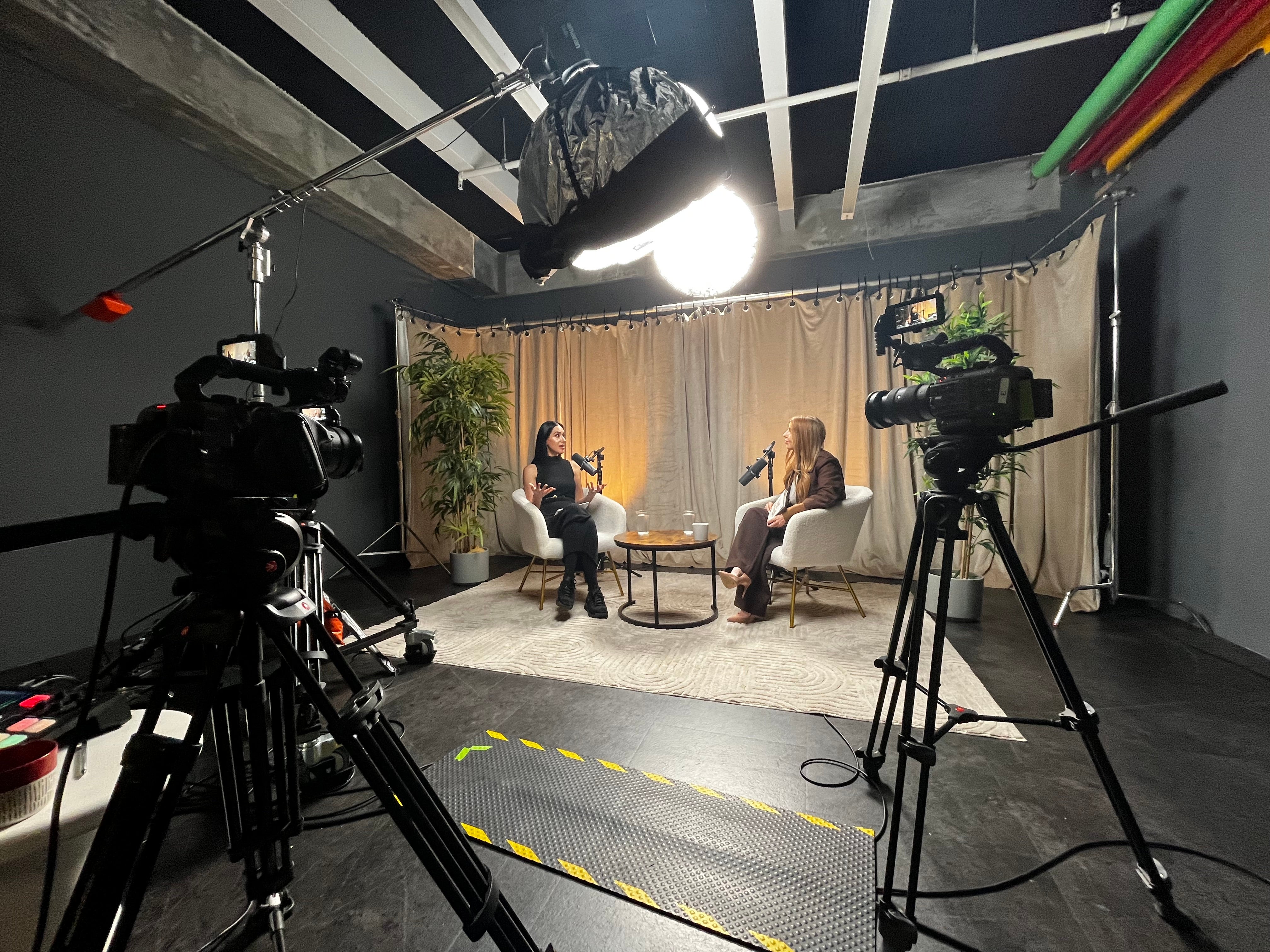
“My periods were always really painful,” Dr Raj Arora, who is a GP and has endometriosis herself, told me on The Independent’s Well Enough podcast. “Every month, I’d be in bed with extreme pain. When I talk about it on social media, I’m always alarmed at how many women write back resonating with what I’ve experienced, with no idea that it could be endometriosis.”
“Pain relief wouldn’t even touch it”
For Dr Raj, it took 11 years to get a diagnosis. She believes that her upbringing in a South Asian family, where her mother and grandmother would tell her period pain was normal, meant she didn’t even consider that something might be wrong for years. The expectation to just ‘get on with it’, paired with cultural stigma around discussing intimate health, pushed Dr Raj to ignore the distress signals screaming out from her body. She thought what she was experiencing was normal; she didn’t want to make a scene. The instinct to suppress her discomfort followed her into adulthood, too.
When she reminisces on her early career, the positive memories are clouded by consistent physical pain. “When I was a junior doctor doing surgical placement, I’d be in the theatre at 6am, scrubbing in with my seniors and sweating from the cramps. I’d worry that I was going to be sick. Pain relief wouldn’t even touch it. Every time, I’d think: how am I going to get through this surgery?”
What is endometriosis?
One misconception Dr Raj is passionate about fighting is that endometriosis is a gynaecological issue. Endometriosis is caused by the endometrium – the cells which line the uterus, thickening and shedding over the menstrual cycle – developing on other organs, like the ovaries or the bowel. When endometrial tissue spreads in these areas, it can’t shed as it is meant to and, instead, remains inside the body. This can cause chronic inflammation, leading to scar tissue on the organs which can cause them to ‘stick’ together.

What are the symptoms of endometriosis?
The most common symptoms of endometriosis are:
• heavy periods (which the NHS defines as ‘when you need to change your pads or tampons every 1 to 2 hours, or bleed through your clothes,’)
• severe period pain
• pelvic (lower stomach and back) pain
• bowel and bladder pain or dysfunction
• fatigue
For Dr Raj, the penny finally dropped when she decided to try for a baby. After having some trouble concieving, she and her husband went for tests, which revealed endometrioma, or a ‘chocolate cyst’ (a benign, blood-filled cyst) on Dr Raj’s ovary. She also learned that her left ovary was stuck down. Fortunately, she was able to have children despite her endometriosis – but many aren’t so lucky. Endometriosis often causes issues with fertility, but exactly why or how this happens is still not known.
How to tell the difference between endometriosis and a bad period
The main indicator of a potential case of endometriosis is symptom severity. “Painful periods are key,” Dr Raj explains. “Now, periods can be uncomfortable, and that’s normal. You might have some cramping, some fatigue, some back pain. But with those symptoms, you can get on with day-to-day life.”
The moment to start paying closer attention is when ‘normal’ symptoms become overwhelming and disruptive. “With endometriosis, the pain is severe. The cramps are so strong that you can’t get out of bed, or they make you nauseous, or you’re sweating a lot.
“If you’re losing a lot of blood, that’s also important to note. If you’re bleeding through heavy-duty pads, or you’re seeing clots bigger than a 50 pence piece, those are things that could be signs of something abnormal.”
What to do if you have symptoms
Going to speak to a GP about any health concerns is always the first step to take if something is becoming a concern. And once you get there, “if you ever feel that you’re not being listened to, please push and ask for a second opinion,” Dr Raj says emphatically. “Even if it’s in the same GP surgery. Still, go and see a different GP.”
But whenever possible, Dr Raj recommends arming yourself with relevant, valuable information before that first meeting with a doctor. A symptom diary not only provides more information to you about what’s happening with your body, but also lays out the patterns, triggers, symptoms and issues in a way that a GP can quickly assess.
“Make notes about: this is what’s happening every single month, this is how long my periods last, this is how much pain I’m having, this is how many pads I’m using. Having all that information at hand is really helpful, especially if you’re waiting for an appointment for a while.”
The doctor also recommends making the most of the resources at hand. Dr Raj is an ambassador for Endometriosis UK, and highly recommends their menstrual helpline and symptom checker.
Endometriosis cure and treatment
There is no cure for endometriosis, but surgery or medications can help to treat symptoms. Surgery is typically performed with a keyhole surgery called a laparoscopy, in which a small incision is made in the stomach under general anaesthesia. Medications like the combined pill can also be used to help reduce the hormonal burden, which might be causing or adding to the condition. Heat therapy – like using a TEMS machine – is also recommended for pain management.
Dr Raj recommends these treatments for endometriosis, but also stresses the importance of lifestyle changes. “Diet and graded exercise were the biggest changes which helped me. I was never an athlete, and I’m always busy, but things like mindfulness, Pilates, Yoga, meditation, and breathing techniques really help to ground you and reduce pain perception. I take less pain relief now, as a result.”