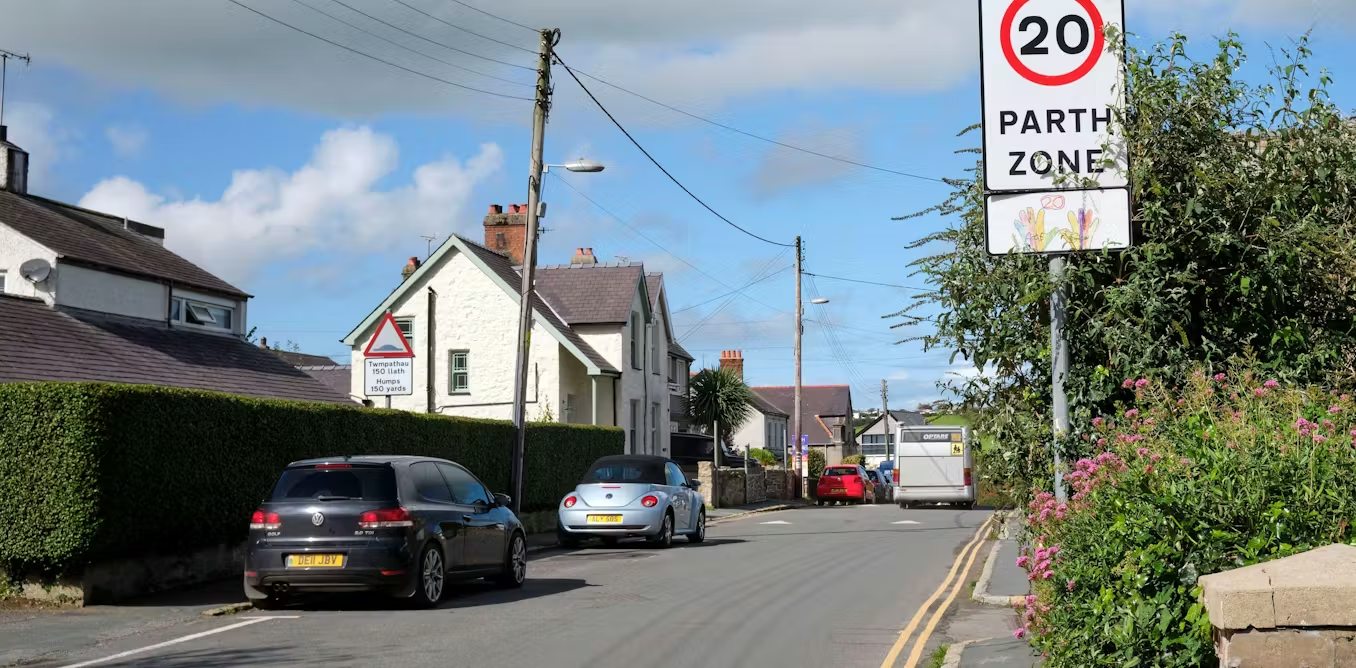
Like the Welsh Conservatives, who are also committed to reversing the legislation, Reform UK have identified frustration with the 20mph limit in Wales as a widespread and emotive issue that it hopes will help to propel the party to seat gains in the election. It is currently second in the polls, behind the centre-left Welsh nationalist party Plaid Cymru.
Reform said it will scrap the “blanket approach” to the speed limit, but would still have it around schools and hospitals. Welsh Labour have also said that some roads will return to 30mph under its plans.
Meanwhile, the Wales Green party leader Anthony Slaughter suggested that the party could push for extensions to 20mph coverage in local government, speaking to the BBC Radio 4 Today programme in January.
Advertisement
Polling by More in Common shows that the 20mph limit is the best known of the current Welsh government’s policies, with 90% of respondents confirming awareness, but also the second most unpopular. Some 55% of people polled considered that the change reflected negatively on Welsh Labour, compared with 21% who viewed it positively.
Yet, for others the 20mph limit is a flagship achievement. Lee Walters, the former transport minister who introduced the legislation, has admitted mistakes in the way it was introduced, but told BBC Wales: “The data and evidence shows that it will save lives, and in time it will settle down.”
The history of 20mph limits
The legislation reduced the default speed limit on so-called “restricted roads” in Wales (essentially roads in built-up areas) from 30mph to 20mph.
Part of the aim was to reduce the number of collisions and injuries from road collisions (as well as the cost to the National Health Service of treating these casualties), encouraging walking and cycling, and improving health and wellbeing.
Advertisement
As elsewhere in Britain, 20mph zones already existed in high-risk sites such as outside schools. Exceptions also applied to the 20mph default, with local authorities identifying roads where a 30mph limit would remain.
There’s a division of opinion over 20mph speed limits in Wales.
Overall, the 20mph limit currently applies to 37% of the road network in Wales. The policy featured in both the Labour and Plaid Cymru manifestos for the 2021 Senedd (Welsh parliament) election. It was also supported by the sole Liberal Democrat Senedd member, when introduced.
Conservative Senedd members voted against the legislation. The measure was controversial, with noisy opposition from sections of the public.
A lack of consistent polling makes it difficult to track public opinion on the issue. Polls in October 2023 and July 2024 recorded 54% and 72% of Welsh voters opposed to the 20mph limit respectively, but no more recent poll has directly asked about the policy.
However, a softening of attitudes over time was identified by an analysis of posts on the social media platform X at implementation in September 2023 and six months later. Not only did comments become less negative towards the change, but the content also evolved. Right after implementation, tweets focused on politics, especially criticisms of Welsh government.
Advertisement
Six months later, discussion shifted toward everyday impact: improved safety around schools and residential streets, benefits for pedestrians and cyclists and urban mobility such as buses and traffic flow. Although political criticism remained, misinformation decreased and conversation became more grounded in lived experience, with safety, especially for children and communities, more prominent.
Psychologists refer to this movement as the Goodwin Curve: when behaviour people are anxious about doesn’t materialise, their attitudes soften and they become more accepting of policy change.
Early reports on the impact of the 20mph speed limit were anecdotal. More than two years after implementation, however, there is a growing body of objective evidence on its effects, especially around speed and collision data. The most recent figures show that average speeds for road traffic in Wales have fallen by 3.3 mph.
Relatedly, there has been a marked reduction in both collisions and casualties on roads where the speed limit changed from 30mph to 20mph. In 2024, the first full year after the change, collisions on 20mph and 30mph roads combined were down 23.5% compared with 2022, and casualties were down by 25.8%.
Advertisement
Evidence of environmental and social impacts is less conclusive. Early monitoring shows no material change in air quality (NO₂, PM₁₀ or PM₂.₅) in pilot areas up to April 2024, and analysis of CO₂ emissions is still ongoing. Impacts on walking and cycling also remain unclear, as post-implementation active travel data has not yet been reported.
Speed and the Senedd
So, why are speed limits back on the election agenda? Reform and the Conservatives both cite the cost of the policy, estimated at £32 million. Yet, as journalist Will Hayward points out, this spend has already happened and returning to 30mph would also be expensive.
The significance of 20mph to Reform and the Conservatives is about setting the tone of the election. It is an issue that speaks to the continuing scepticism of some of the Welsh electorate towards devolution.
What’s more, the issue encapsulates different visions for Welsh society. For the rightwing parties, opposition to the 20mph limit reflects a championing of individualism and “common sense” against the perceived intrusive paternalism of the left. As Farage told journalists in Newport: “It’s an example of government saying we know what is best for you, and you must comply with us.”
Advertisement
Reform UK has targeted car drivers as a potential voting base before. Reform-led councils in England have vowed to dismantle low-traffic neighbourhoods, for instance, even in areas that didn’t actually have them.
For some leftwing politicians, on the other hand, the 20mph speed limit is emblematic of a devolved Welsh government taking bold, pioneering action for health and environmental wellbeing. Reductions both in collisions and in motor insurance premiums could be presented as evidence of delivering benefits to Welsh people.
Labour and Plaid Cymru are unlikely to want the 20mph speed limit to be a major topic in the election, and would prefer to focus on issues around jobs, education, health care and public transport. Whether they can achieve a swing to those issues as the primary topic of discussion will be down to the public’s interest, and possibly media coverage.
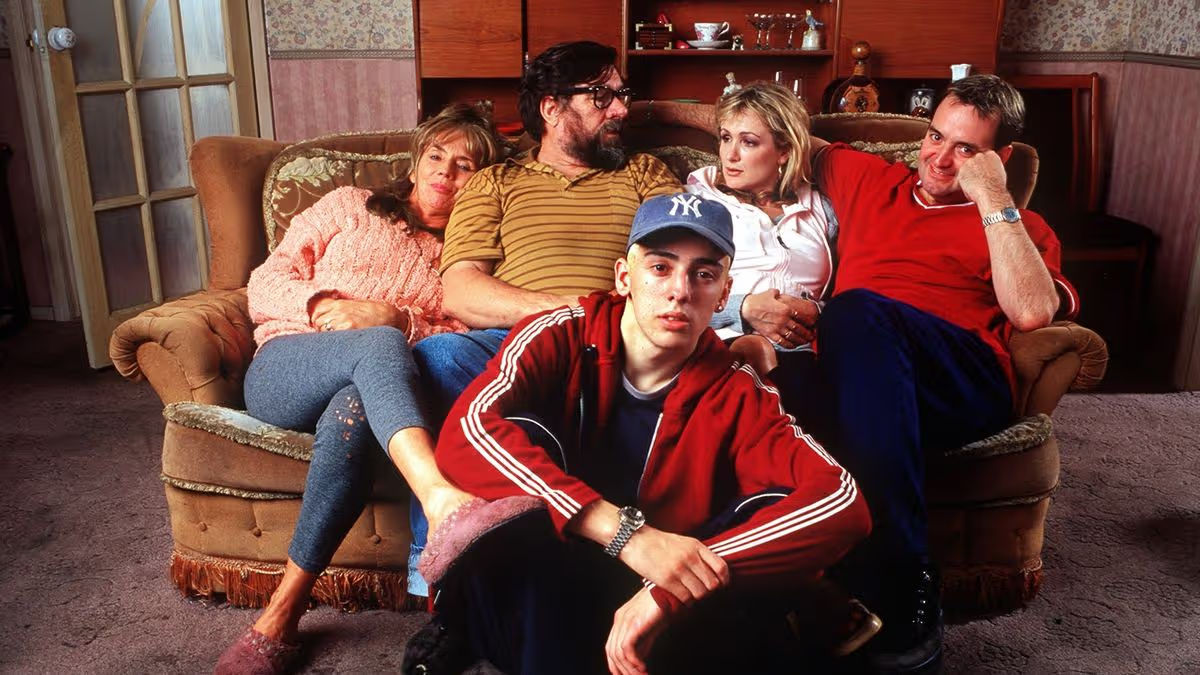
The beloved BBC sitcom The Royle Family ended over a decade ago, we look at where the stars are now, from heartbreaking deaths to career updates.
It’s been over a decade since fans of The Royle Family last saw the cherished characters on their screens.
Advertisement
First broadcast back in 1998, the BBC series followed the Royle’s, a typical working-class family from the North West. Originally it ran for a total of three series before concluding in 2000.
However, between the years 2006 and 2012, there were multiple standalone episodes with the final one being a Christmas special, which was titled Barbara’s Old Ring.
Despite the sitcom ending 13 years ago, The Royle Family is often cited as one of the most popular classic sitcoms that aired on British TV.
It centred on the Royle family with husband Jim, his wife Barbara (Sue Johnston), their daughter Denise (Caroline Aherne), and son Antony (Ralf Little) at the forefront, reports the Mirror.
Advertisement
Also featured in the show is Craig Cash, who played Denise’s husband Dave. With the entire series available to watch on BBC iPlayer, we’re taking a look at where the stars from the programme are now.
Ricky Tomlinson
Following his role in The Royle Family, Ricky continued his acting and comedy career, appearing in the likes of In the Flesh, Great Night Out and the festive film Nativity.
Outside of his acting career, he faced personal heartache in 2004 when his 33-year-old son died from alcoholic liver disease. Clifton was one of the three children Ricky shared with ex-wife Marlene Tomlinson.
Advertisement
Reflecting on the tragedy in the past, Ricky stated in 2016 that he continues to communicate with his late son. At the time, he expressed: “I talk to him all the time, in my head,” after commemorating the painful anniversary.
He further added: “It’s not just this time of year, it’s regularly. He was great and harum-scarum. He knows I loved him. And although I can’t see him, now and then he sits on the bed with me.
“I can feel him, this weight. I know that sounds strange because ghosts are invisible. But I know it’s him.”
Caroline Aherne
Despite portraying the daughter in The Royle Family, Caroline co-created and co-wrote The Royle Family alongside Craig Cash, her former real-life partner.
Caroline also contributed to the creation of shows like Dossa and Joe, ITV comedy-drama The Fattest Man in Britain and The Security Men.
One of her final significant roles was as the narrator for the popular Channel 4 reality show Gogglebox. Tragically, Caroline was diagnosed with lung cancer in 2014.
Two years later, she sadly passed away from the disease at the age of 52. At the time of her death, her on-screen brother Ralf Little penned a heartfelt tribute.
Advertisement
He remarked: “Sorry for silence – I just… don’t know what to say. What a sad, sad day. We’ve lost another one of our best.
“A character. A legend. A boss. A sister, real and (for me) fake. A boss. A writer. An actor. A genius. A friend. Big, big heart. Goodbye x.
“Thing is, amidst all sadness, Caroline would now say something grounded, incisive, and hilarious. I can’t think of anything, but she would.”
Sue Johnston
Sue’s portrayal as Barbara Royle was a favourite on the programme, recognised for being the ‘heart and soul’ of the household. Since departing from the BBC show, Sue has featured in a multitude of renowned shows.
In 2012, she joined the cast of Coronation Street as Gloria Price before exiting in 2014.
She also appeared as Gladys Denker in the fifth series of Downton Abbey. In 2009, she was awarded an OBE in the Queen’s Birthday Honours list for her contributions to drama and charity.
Reflecting on Coraline Aherne’s tragic passing, Sue admitted she still finds it incredibly difficult. Speaking to The Star On Sunday back in 2018, she disclosed: “I still can’t delete her number from my phone. It’s just too hard, it’s too big.
Advertisement
“I just miss her so much. Sometimes it catches me completely unaware and I realise that she’s gone.”
Craig Cash
Craig is best known for his role as Dave in The Royle Family, which he also co-created with Caroline.
When the series concluded, he went on to co-write and star in the popular BBC sitcom Early Doors.
Advertisement
Alongside his acting career, Craig also proceeded to direct and produce many well-known sitcoms.
In 2016, he took over as the narrator of Gogglebox following Caroline’s death, which he shared felt like a ‘gift’ she left him. Three years ago, he told BBC Radio Manchester: “It was really lovely, because it feel like a gift she has left me and I’m very grateful.
“It felt like only natural I should keep doing it and I feel like she’s with me sometimes. When I go in the studio where we used to record it, I can feel her presence sometimes. That feels a bit weird but true.”
Ralf Little
Ralf made his acting debut in The Royle Family when he was merely 17 years old, recently describing it as a ‘privilege’ to have been involved.
Since then, he went on to star in Two Pints of Lager and a Packet of Crisps alongside his friend and co-star Will Mellor. However, he’s most recognised for his role as Detective Inspector Neville Parker in Death in Paradise.
Beyond the world of acting, he’s experienced personal tragedy as his sister Ceri passed away when he was nine years old. Recently, the actor became highly emotional as he discussed his late sibling.
In his programme with Will Mellor, he touched on one of the reasons he hasn’t decided to have children of his own, reflecting on what happened to his family.
Advertisement
He said: “Everything, their entire lives crumbled right in front of their eyes from that moment on. It’s like, you know, you can’t protect them. My mum was really… my mum was really protective of us.
“Really protective. And it happened anyway. It happened anyway because you can’t wrap your kids in cotton wool and protect them 24-7. Like, it’s a lot. And it’s only when I’m forced to sort of say these things out loud that I realise quite what a lot it is.”
Sheridan Smith
Sheridan joined the sitcom in 1999 as Emma Kavanagh, the girlfriend of Antony Royle.
Advertisement
The actress has gone on to enjoy a highly successful career and has featured in numerous shows, including Cilla, Mrs Biggs, Gavin and Stacey and Inside No. 9.
Alongside receiving an OBE in 2015 for services to drama, she’s also had a thriving West End career, having starred in Little Shop of Horrors, Legally Blonde, Funny Girl and Flare Path.
In 2021, Sheridan was involved in a serious car crash when her Range Rover veered into a tree due to icy weather conditions, according The Sun.
A source told the publication at the time: “Sheridan is so lucky to be alive. It could have been so much worse. Her car was stuck in the tree, it was a really bad crash.”
Advertisement
The Royle Family is available to watch on BBC iPlayer.
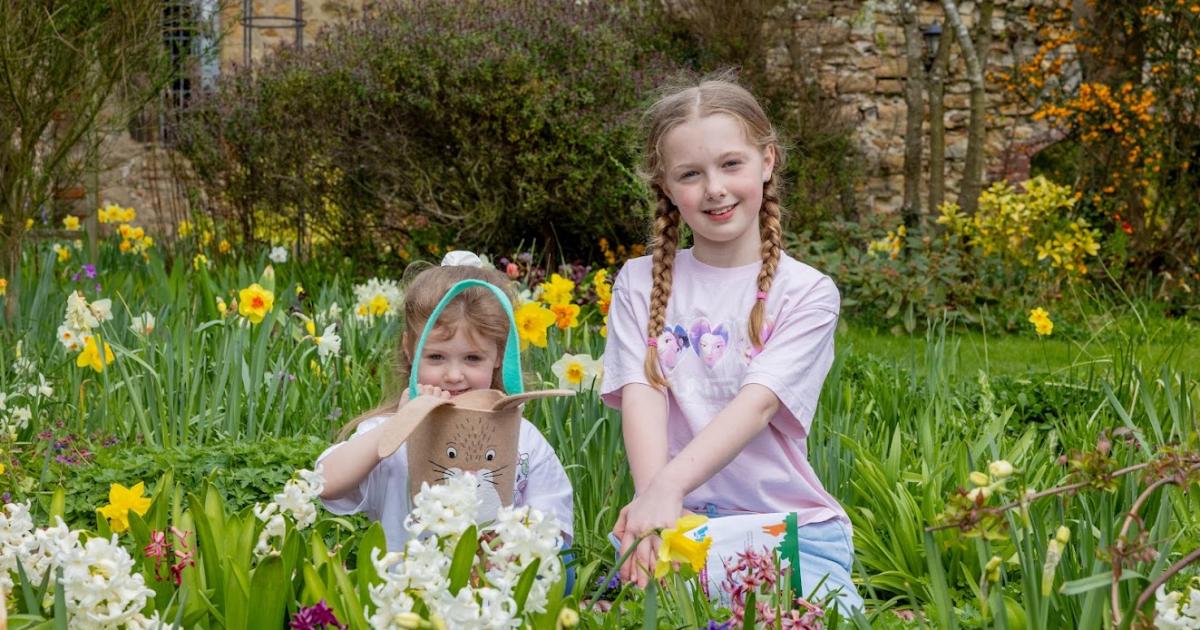
An Easter-themed trail returned for the Easter bank holiday weekend at Crook Hall Gardens in Durham.
Visitors can explore the gardens while completing an Easter-themed trail designed for the whole family.
Easter trail at Crook Hall, Durham pictured Charlotte Coulson, five (Image: SARAH CALDECOTT)
Participants can follow the route through the grounds, taking part in activities along the way.
Each £3.50 trail includes an Easter trail sheet, bunny ears and a dairy or vegan and Free From chocolate egg for children completing the challenge.
Advertisement
Easter trail at Crook Hall, Durham pictured Elishia Martin and her dog Hetty (Image: SARAH CALDECOTT)
Organisers said the event aimed to bring families together outdoors during the Easter break, saying: “Easter is full of fun for families at Crook Hall Gardens.”
Easter trail at Crook Hall, Durham pictured Sophie & Chris Doughty (Image: SARAH CALDECOTT)
Families were encouraged to explore different areas of the gardens and discover the variety of activities on offer throughout the site.
Visitors also have the opportunity to learn more about local wildlife at the gardens’ wildlife hub.
Easter trail at Crook Hall, Durham pictured Lexie, 12 (Image: SARAH CALDECOTT)
Easter trail at Crook Hall, Durham pictured Harriet & Emily Knight (Image: SARAH CALDECOTT)
Easter trail at Crook Hall, Durham pictured Abby & Millie Ampleford (Image: SARAH CALDECOTT)
Children can also challenge themselves by trying to find the centre of the garden maze.
Advertisement
Meanwhile, visitors looking for a quieter activity were able to browse the second-hand bookshop for holiday reading.
After completing the trail and exploring the gardens, you can also stop at the Garden Gate Café, which is open daily from 10am to 4.30pm.
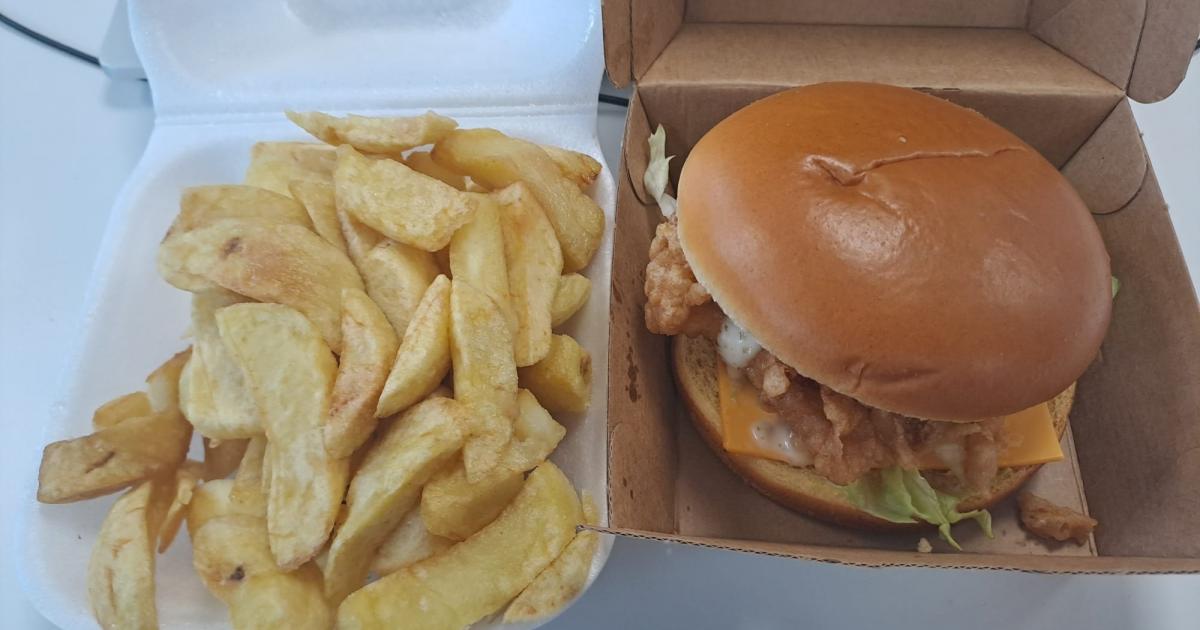
In Bolton we are spoilt when it comes to fine chippies.
Here are some recommendations.
Su’s Fish and Chips can found on Belmont Road in Astley Bridge.
You can’t be from Astley Bridge without knowing Su’s, a very well-known Chinese chip shop, having 78 excellent reviews on Tripadvisor and 20 reviews saying it’s good.
Advertisement
Golden, crispy, fish (Image: Dan Dougherty)
A review states: “In my humble opinion this is the best chippy I have visited in a 4-mile radius of Astley Bridge and I have been to most in the area, they might not do the biggest portions, but what you get is cooked to perfection.
“Always busy so speaks volumes.”
Mr Chips, found on Winter Hey Lane in Horwich, an award-winning traditional fish and chips- and turning 20 years old this year.
A review for Mr Chips said: “We were in Horwich to watch football at Bolton Wanderers and made a lunchtime visit.
Advertisement
“Staff were friendly, food was absolutely fabulous. I had fish and chips and both were perfectly cooked, hot and tasty. This is a proper fish and chip shop and I thoroughly recommend it to anyone.”
A review adds: “Really fresh and tasty food – not at all oily or greasy for what it is. Everything is pretty much cooked to order, and I love the way it is served in card boxes as opposed to those tacky polystyrene containers.
“Well priced and of a high standard. The service is friendly and efficient.”
Flounders found in Blackrod, boasts a big “TRADITIONAL FISH & CHIPS” banner outside- and does what it says on the tin.
This chippy uses fresh and locally sourced potatoes, saying they’re grateful for fantastic customers.
Advertisement
A review of Flounders said: “I highly recommend this lovely little English chippy.
“Today we treated ourselves to a chippy dinner, my children had the children’s meal box, amazing value and quality at just £3.
“I had Fish and chips with a tub of mushy peas, very impressed at the top quality for the price. The fish was Haddock, chunky and vary tasty, the chips were fresh, hot and great quality.”
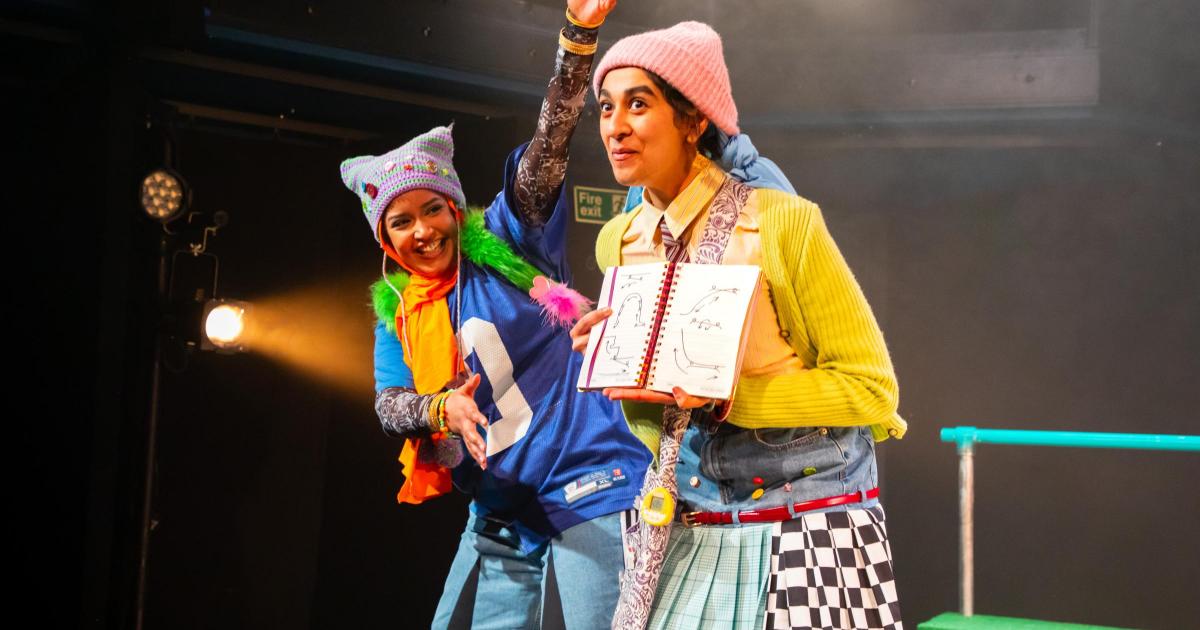
When he heard of the true story of the skateboarding sisters from Hull who competed while wearing the traditional hijab, he knew it was a topic he could not ignore.
Sisters 360 (Image: Tasha Best)
“People have perceptions,” said Asif. “When they see a young Muslim girl wearing a hijab what do they see? This story immediately breaks lots of stereotypes; just to see the image of young girls looking cool on a skateboard wearing a hijab and just giving off that confident and trendy kind of energy; it’s very powerful.
“Muslims come in all shapes and sizes; we all have different interests – very often the same interests as anyone else. We’re just people which often gets forgotten.”
Sisters 360 tells the story of two sisters with a dream to win a skateboarding competition. At the same time, they are trying to heal their family with their parents on the verge of separating.
Advertisement
The play – which is primarily aimed at an audience from eight to 12 – is coming to the Octagon as part of a theatre tour.
“As a playwright my aim is to entertain, engage and mesmerise an audience and make them feel the ticket they paid for was worth it said Asif. “This play is about two 10-year-old sisters who have a dream; it’s about them coming up with a plan to bring their parents back together and to enter a skateboard competition to win gold.
Sisters 360 (Image: Tasha Best)
“That’s it. Anybody can relate to that. They just happen to be from a Muslim background, but they could be from any background, and we have found the audiences totally embrace it; they are totally engaged.”
Basing a play around skateboarding could be fraught with challenges.
Advertisement
“You really don’t want to have a lot of skateboarding on stage, there’s a lot that could go wrong,” said Asif. “When I was writing it I thought ‘how do I find actors who are also great skateboarders?’. But in the show we have done it through a choreographed dance form; the skateboard sequences are done in a very imaginative way. But that’s the beauty of theatre, you don’t have to be so literal.”
Asif admits it might have been easier for him to write about two young boys but he was determine to base the story of the pioneering sisters.
“I have a four-year-old daughter and I’ve also got my nieces so I have been around kids a lot,” he said. “I wanted to focus on the energy and the imagination that youngsters have. I wanted to bring out the fun of being a child too. I’ve focused on some of the funny things that kids say and didn’t worry too much about them being girls or boys. It’s a play that asks what a 10-year-old with a dream feels.”
Asif has enjoyed the process which has brought Sisters 360 to the stage.
Advertisement
Sisters 360 (Image: Tasha Best)
“As writer you have fixed images in your head and you imagine how it might be on stage,” he said. “But then you have a director who has their own ideas and the actors who bring their own touches to it and you all discover things about the play bas you go along in rehearsal. It is a very collaborative process.
“We all had the same goal – making sure that every second was magnetic for kids watching the show.”
Bringing the show to the Octagon is particularly special for Asif.
“The Octagon was the first theatre I worked at after leaving drama school,” he said. “I was in Mixed Up North and spent a good month in Bolton. I remember great audiences and a great space so I’m really chuffed to take the play there.”
Advertisement
Sisters 360, Octagon Theatre, Bolton, Friday, April 10. Details from www.octagonbolton.co.uk
Mo Robertson was the only Welsh contestant on this year’s season of BBC’s Gladiators, and made it to the semi final before having to withdraw from the competition due to injury
05:02, 04 Apr 2026
Advertisement
Not many of us have the guts to take on one of the biggest challenges in strength and endurance on TV, but a man from Swansea did just that by competing on the most recent season of BBC’s Gladiators. The classic show fronted by father and son, Bradley and Barney Walsh, was revived and returned to our screens in 2024.
Mo Robertson, a 35-year-old foreman, donned his red unitard ready to compete against the new generation of Gladiators. He progressed to the semi final, but unfortunately had to withdraw from the competition following a severe injury to his Achilles.
We spoke to the Welshman about his time on the show, working alongside the TV stars and making his daughter proud. For the latest TV and showbiz gossip sign up to our newsletter
Mo, who also appeared on the first ever season of Ninja Warrior, originally signed up for the BBC series as he wanted a new challenge. Having run ultra marathons and taken on Hyrox events, it seemed like Gladiators was the next level. He said: “I love a challenge, I love testing myself and it was another level up for me personally.
Advertisement
“It’s an iconic show as well, so to be part of something so iconic, part of history, was amazing. It was great fun and it was great to actually represent Wales and fly the Welsh flag high for everyone.”
Having watched some episodes of the series growing up, Mo explained that he was nervous to take on the challenge. He said: “It’s a little bit daunting. It is pretty daunting. I mean you’ve got four thousand people screaming chanting your name and that is amazing. It’s an amazing feeling I mean, you feel like a superstar but you are against the Gladiators at the same time.
“So, you have to try your best to beat the Gladiators, and they’re athletes and they don’t want to lose, so you have to obviously bring your A game.
Advertisement
“I’m a fit individual anyway. So, I do a lot of running and I do ultra marathons. So that side of it, I didn’t really adapt much to my training. So I just did what I normally do, because I’m quite a decent all-rounder.
“I have a high sort of accolade for myself with most things I do, so if I’m gonna do something I wanna try and do the best and try to aim as high as possible. So I did sort of think I would win it, and I think I’d have won it had I not torn my Achilles on the show.”
Mo went head-to-head with Gladiator Viper in the gruelling Everest challenge, a task that involves pushing a 220kg+ moving wall and risking a fall from a 21ft height if unsuccessful. After being shoved off the platform Mo was seen writhing on the hard floor as a medic hurried to his side.
Advertisement
Just moments later, Mo was seen being wheeled out of the arena in a wheelchair, leaving the audience anxiously awaiting news about his condition. Shortly afterwards, Bradley informed the audience that the competitor was doing well but was unable to continue in the competition and would be replaced by a previously eliminated contestant.
Mo found that the injury took a toll on his mental health, but he was grateful he had the support of the BBC when healing. He said: “It was quite a tough thing to accept, and it was a tough injury. So, I tore my Achilles by six centimetres, which was pretty horrific, but had I not had that injury I think I would have won it.
“Mentally, it was very very tough to sort of have the injury and I’m still slowly trying to get back to full strength and mobility. I’m nearly back to where I was, but I must say the BBC had been fantastic. The best surgeon, the best doctor and I was looked after fantastically so if I hadn’t had the BBC looking after me I probably wouldn’t be where I am now fitness wise.”
Looking back on his time in the competition, Mo was happy with how he placed in the competition despite having the confidence that he would have won. He said: “I’m really happy I got to the semi-finals. Obviously gutted that I didn’t reach the final, but that’s life, isn’t it? It’s going to happen sometimes.
Advertisement
“In hindsight, I’m quite happy and quite proud in how far I got. Not many people have got to the semi-finals of Gladiators so I’ve marked myself down in that bit of history.”
The Welshman praised the father and son presenting duo, saying: “Both of them are absolutely brilliant. I mean, they brought all of us to ease. If you can imagine, it’s the first time a lot of us have ever done anything like this, and for them to sort of calm our nerves and just sort of reassure us was absolutely awesome.
“They’re such cool cats and such professionals at what they do as well.
Advertisement
“So, you know, they kept everyone at ease. So it was awesome to actually have the opportunity to work with them as well.”
Mo admitted he was slightly intimidated to be taking on the Gladiators, especially as he respects their athletic careers and often sees them on social media. He said: “I mean to go head to head with an ex-rower or an ex-sprinter who you sort of see on TV or social media and you’re standing next to him is quite amazing.
“But you know they’re all fantastic people, they all supported us contenders, because they don’t want to hurt us, but they want to compete against us and at end of the day it’s great for the crowd and most of all great for the children. That’s what it’s all about, having a great spectacle for the young kids.”
Advertisement
Mo spoke about working with Strictly star Harry Aikines-Aryeetey, better known as the Gladiator Nitro. He said: “Going head to head against Nitro was amazing. I mean he’s very uplifting, he’s motivating.
“Obviously as an ex-GB sprinter, he’s very keen to win, but also he’s got great moves. Aside from that, he’s always willing to add some words of encouragement to us, the contenders, because obviously we are going to be quite nervous, and also they’re gonna be nervous because as athletes they don’t want to lose against average Mo do they.”
The series was filmed in Sheffield’s Utilta Arena over the course of a month, and Mo had plenty of support from his family including his four-year-old daughter Naylah. She was sat in the audience of the arena, cheering her father on whilst sporting a ‘Big Mo’ t-shirt.
Advertisement
The little girl’s father said: “She absolutely loved it, and absolutely loved seeing her dad and seeing herself on telly. Her friends were saying ‘your daddy was on telly, how was that?’
“I hope I’ve done them proud and I hope my daughter has a proud memory of me.
“What was the most amazing thing for her as a young girl was seeing strong women on television and I think that’s a better role model than I can be. She can see strong women on television, which is great for her as she grows up.”
Not only did he have the support from his family, but also the support of the local community. Many fans of the show have been stopping Mo in the street to have a chat and a selfie.
Advertisement
When asked what was next, Mo said he’s looking forward to the Gladiators live tour which he hopes to be part of later this year. He said: “So I’m really looking forward to it. So I’ve been working hard to get back to full strength and full fitness. I enjoy keeping fit anyway, it’s just part of me.
“But having the opportunity to sort of test myself against the Gladiators was amazing. I must say, they were all awesome.”
He is also hoping to take part in some other major challenges. Mo said: “Well, I want to do SAS Who Dares Wins next, potentially. I sort of go for the big challenges. So I want do that, and depending how my Achilles fares up, then do the live shows, and I’ve got a few other fitness competitions lined up in Paris and Glasgow, potentially in the year.”
The manor is open for one day only over the bank holiday weekend
The Easter bank holiday is here, so it’s time to think about what you want to do with the family. There will be much on offer in Cambridgeshire, but for anyone willing to venture a bit further, there are some great things to do.
Advertisement
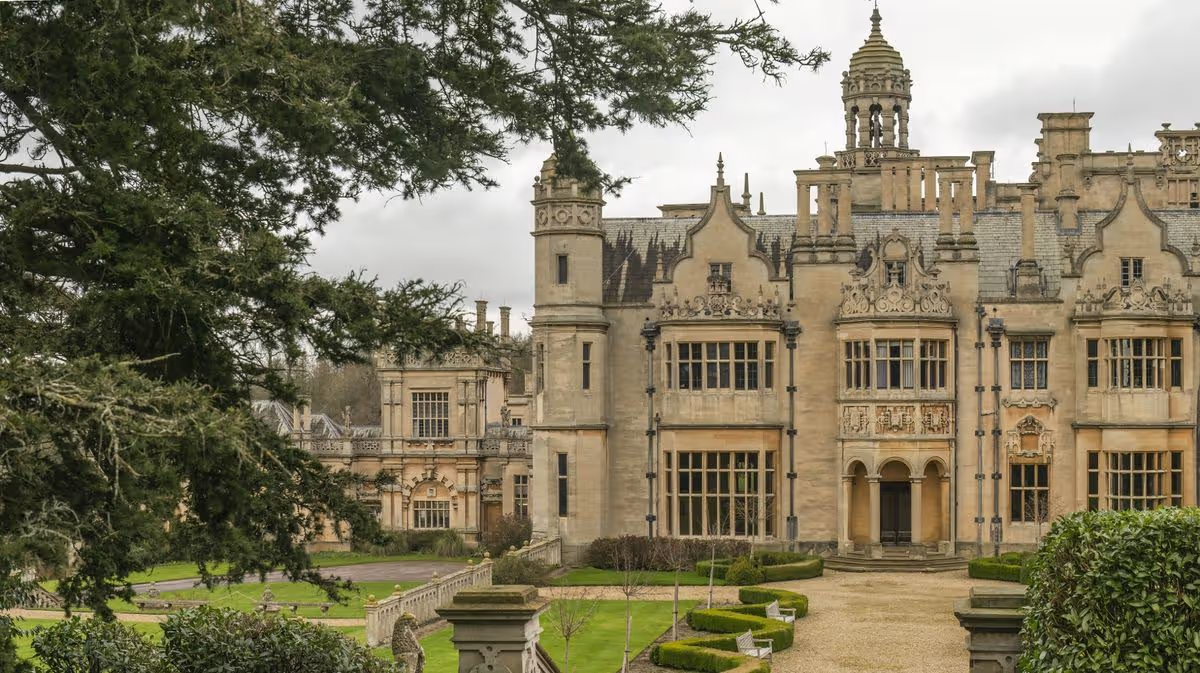
If people travel to Grantham, around a 40-minute drive from Peterborough, they will come across Harlaxton Manor, a grand manor with stunning gardens. The manor is only occasionally open to the public.
But for Easter weekend, the manor will be open, offering people a rare chance to explore the grounds. Harlaxton Manor will open from 10am until 5pm on Saturday (April 4).
There are lots of fun activities on offer, ranging from the Gregory Goose and friends golden Easter egg hunt, to traditional garden games. On the manor website, it said: “Celebrate Easter in the stunning surroundings of Harlaxton Manor and its magnificent gardens!
“We’re excited to host a special Bank Holiday weekend filled with family-friendly activities for all to enjoy.” The other fun on offer includes a children’s drawing room, so little ones can share their creative flair. There will also be live music, so people can relax to the sounds of a pianist and singer.
Advertisement
Food and refreshments will also be served across the day. Hot and cold food will be on offer, with a selection of drinks for kids and adults.
People will also be able to learn about the manor’s history from staff and students at Harlaxton College. Also, watch out for the Easter bunny as they will be making a special appearance.
Tickets can be purchased online for the morning session between 10am and 1.30pm, or an afternoon session between 1.30pm and 5pm. Tickets range in price.
For adults it is £15, and for a child aged between two and 16 years old, it costs £8.50. For students and people aged over 65, it costs £13.
Advertisement
For a family ticket, which is up to two adults and three children, it costs £40. Under twos can enter for free.
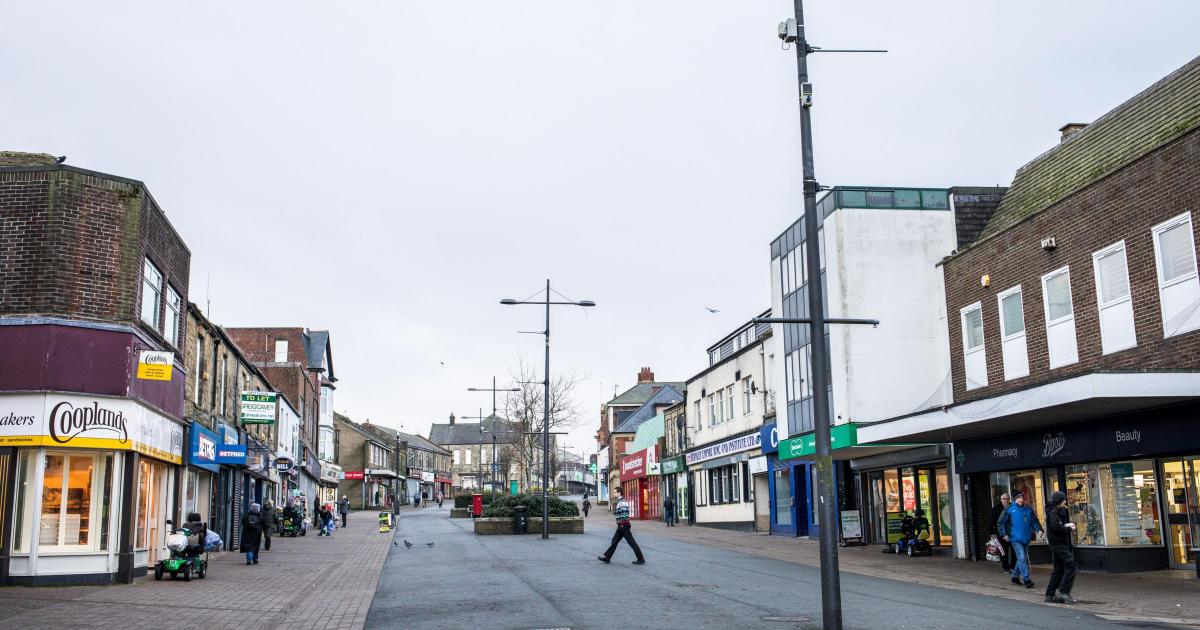
Ms Pickles said: “On the top of a low hill, with views over fields and woodland, and the sprawl of Newcastle in the distance, Stanley has an enviable location.”
But she admitted that “The town now feels beleaguered by encircling roads and roundabouts.
Advertisement
“The main shopping strip, Front Street, is pedestrianised with trees and benches, and is a jumble of hairdressers, bargain shops, takeaways and betting shops.”
Joan Nicholson, town council chair, said the application would highlight the area’s resilience and rich heritage.
Backers of Stanley’s UK Town of Culture 2028 bid gather at the launch event. (Image: NQ)
She added: “Becoming UK Town of Culture would shine a national spotlight on everything that makes Stanley special, from our industrial story to our creativity, talent and spirit.
Advertisement
“This bid is rooted in our people and strong partnerships and it reflects our belief that culture can drive positive change.”
Why Stanley was called one of Britain’s ugliest
The Telegraph previously ranked Stanley the seventh ugliest location in the country out of more than 1,250 entries.
Front Street in Stanley, which was criticised in a Telegraph review. (Image: NQ)
A travel writer for the newspaper handed the area low scores for historical architecture and shop fronts, describing it as “beleaguered by encircling roads and roundabouts”.
The new 2028 campaign plans to focus on the area’s global contributions and community ties.
Advertisement
Organisers will highlight the Louisa Pit disaster of 1947 alongside the town’s claim as the birthplace of the first Hollywood film studio.
People attend the re-dedication of Stanley’s Louisa Morrison Pit Disaster Memorial. (Image: NQ)
David and Williams Horsley, the brothers who founded the pioneering film company in 1911, were born in Stanley.
The settlement is also the birthplace of actor Alun Armstrong and football prospect Lewis Miley.
David Watchman, general manager of Tanfield Railway, said the area had influenced the world through “grit and determination”.
Advertisement
He added: “At the heart of Tanfield Railway are our fantastic volunteers, many of whom have lived here all their lives.
“Town of Culture isn’t just about looking back at what used to be, it’s about looking forward.
“By celebrating our people and our unique places, we’re making sure there is a legacy that all of us now, our children and grandchildren can see, touch and take pride in.”
Who is backing Stanley’s Town of Culture bid
Regional organisations are backing the campaign, which promises a year-long programme of events and creative projects if successful.
Advertisement
Victoria Keen, head of place partnerships and engagement at Karbon Homes, said the bid would celebrate community efforts.
She added: “Town of Culture status would not only celebrate all the amazing work that’s been done to date to create lasting change in the town.
“It would put Stanley on the map and help build an even brighter future for the community.”
Hundreds of locations across the country have registered an intention to compete for the status.
Advertisement
To progress, Stanley must demonstrate a distinctive story and an inclusive cultural programme with clear delivery plans.
Shortlisting is expected to be completed later this spring, before finalists receive development grants ahead of the winning announcement in early 2027.
The town council has said it plans to involve residents, schools, businesses and local organisations throughout the bidding process.
Advertisement
One of the bid’s cultural assets, Tanfield Railway, dates back to 1725 and is a volunteer-run three-mile heritage line between Sunniside and East Tanfield.
Stanley has also been building a regular programme of town-centre events, with its bi-monthly Front Street food market drawing more than 6,500 visitors across four events last year and securing £34,000 in regional funding.
John Packer Musical Instruments has recently revealed that it has acquired the company behind the iconic Sheriff Hutton-based Smith-Watkins brand – adding that its products will still be produced at their York site.
Smith-Watkins is known for its globally used cornets and trumpets, particularly in world-renowned military bands in the UK and abroad.
RECOMMENDED READING:
These include bands associated with the British Army, Royal Marines, and Royal Air Force, with their fanfare trumpets used at events such the Grand National, the Royal Weddings, Queen Elizabeth’s Diamond Jubilee in 2012, and the opening of the London 2012 Olympics.
Advertisement
Dr Richard Smith of Smith-Watkins was awarded Millennium Product Status by the U.K. Design Council for his cornet ‘The Soloist’ in 2000 – a ground-breaking instrument with a unique system of interchangeable leadpipes.
The recent acquisition comes after a longstanding partnership between JP Musical Instruments and Richard Smith Musical Instruments, beginning in 2008.
This collaboration led to the JP Smith-Watkins line of trumpets and cornets, which aims to combine cutting edge design with affordability.
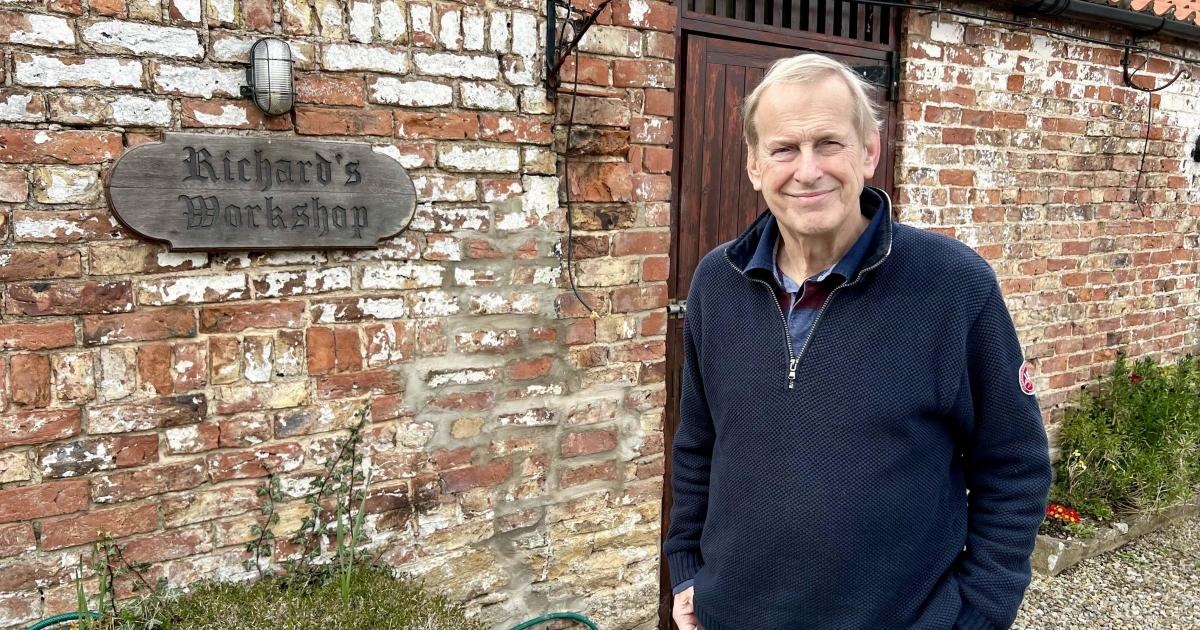
Dr Richard Smith and Richard Wright (Image: Provided)
Alongside Rath Trombones in Yorkshire and Taylor Trumpets in Norfolk, the acquisition further strengthens UK brass instrument manufacturing.
Advertisement
Rob Hanson, the managing director of John Packer Musical Instruments, said: “It’s a huge honour to welcome the Smith-Watkins brand to the John Packer Musical Instruments family.
“With his groundbreaking acoustic research, Dr Richard Smith was a pioneer and the result has been outstanding musical instruments which light up concert halls, recording sessions and military parades all over the world.
“These beautiful instruments will continue to be handcrafted in the UK, helping strengthen the future of UK brass manufacturing, and ensuring musicians all over the world can enjoy playing Smith-Watkins for generations to come.”
Rob Hanson – managing director of John Packer (Image: Provided)
Dr Smith’s impressive career also involves 12 years at Boosey and Hawkes as chief designer and technical manager, responsible for the world-famous Besson brass range.
Advertisement
Dr Smith said: “Seeing Smith-Watkins instruments performed on the world stage has been an honour, and it gives me great pleasure knowing they are the choice of many of the world’s leading trumpet players.
“I have known Rob Hanson for many years, and with his drive, passion and inimitable business acumen, I know he will help ensure the company can thrive and continue to reach new audiences all over the world.”
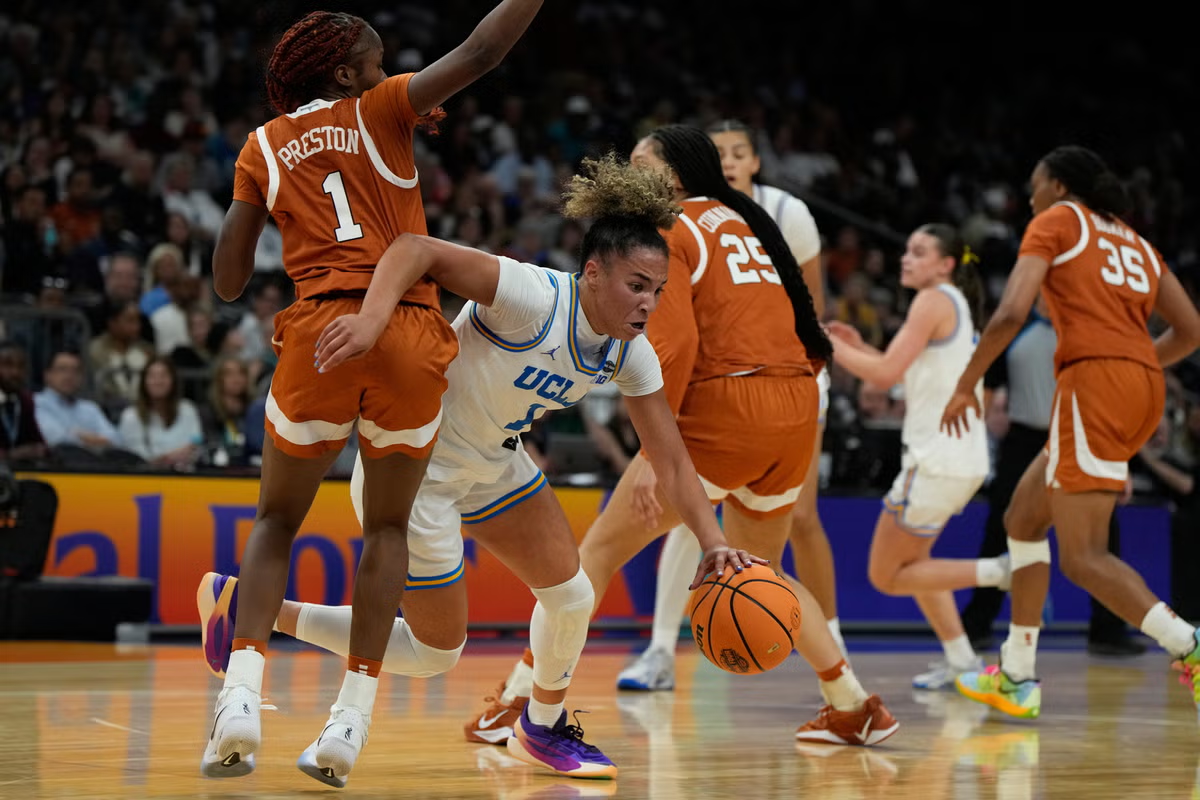
Lauren Betts had 16 points and made a huge block late, and UCLA withstood a late charge by Texas on Friday night for a 51-44 win to reach the women’s NCAA Tournament national championship game for the first time.
Manhandled by eventual national champion UConn in their first Final Four a year ago, the Bruins (36-1) dominated their way to another national semifinal with the best season in program history.
A chance at a first national championship game appearance had to go through the only team to beat them this season.
Overpowered in the first meeting, the Bruins turned the bully tables on Texas (35-4), shutting down All-American Madison Booker while building a 13-point lead midway through the fourth quarter.
Advertisement
The Longhorns are one of the nation’s best defensive teams and flexed their D during a 12-2 run that cut UCLA’s lead to 47-44.
Betts swatted the Texas run to halt.
She blocked Booker’s shot with 20 seconds left and Kiki Rice hit two free throws, sending coach Cori Close’s crew into the title game.
The grinding win earns the Bruins a spot Sunday’s title game against South Carolina, the three-time national champions who ended reigning champion UConn’s undefeated season and left Huskies’ coach Geno Auriemma fuming.
Advertisement
So was Booker after a brutal finish to what was otherwise a stellar season. She hit her first shot, missed her next 17 and finished with six points on 3-of-23 shooting.
___
AP March Madness bracket: https://apnews.com/hub/ncaa-womens-bracket and coverage: https://apnews.com/hub/march-madness
It’s time for your seasonal Spring love tarot horoscopes – are you ready?
I am using the unique forecasting system from my upcoming Zodiac Love Match deck to give you a full and frank love forecast covering what you need to know.
This three-card oracle system explores who is on the cards (or who you need to be like in your existing relationship), the action or step you should take, and the future outlook.
The guidebook with the deck explains how to do this yourself so you can make your own love readings anytime, anywhere. Or, come join my magical, mystical tarot club, free for a whole month when you sign up using this link.
Advertisement
Aries
March 21 to April 20
A spring awakening (Picture: Kerry King)
Aries spring 2026 love life cards: Gemini, Power Couple, Set A Deadline
Meaning: Ready for a spark to be lit in your love life? A Gemini person or aura will enter the frame and bring fast-paced action, inspiring communication, new ideas and fresh thinking. It might feel like a total renewal of your relationship or feelings about love. For the better.
From here, you can build. And the potential to create a ‘power couple’ relationship, where you both build each other up, share resources and energy to create a greater whole than either could create solo, is unlocked. More than lovers, an alliance.
The key to this is setting deadlines, being aware of how much time you both have to spare/invest/share/create with. Time is the real currency of everything in life. With time, anything is possible. Spark things up, talk deeply, create an alliance, use your time together wisely. Anything is possible, aim high together.
Taurus spring 2026 love life cards: The Ex, Don’t Drink The Poison, Fading Feelings
Meaning: Whatever you do this spring, Taurus, don’t return eagerly to either the presence or memory of an ex, or an old habit in love, that you know doesn’t serve you well and is not right for you. The past always carries allure, we all gloss over things and reposition ourself in a main character light.
Your love life past is not a place that merits a place in your present. It all served a purpose but don’t drink the Kool Aid that things were better then – that’s not Kool Aid, it’s poison! If you’re experiencing fading feelings or a sense of loss or confusion in your current relationship status then work on it in the present, don’t seek rescue or distraction or answers from the past.
Advertisement
The way ahead is built by looking ahead, not back. Be led by your best hopes, talk about whatever you’re feeling, ask for input, deal with what’s in front of you. Everything can get better in the future.
The excitement of a fling can be injected into an existing relationship (Picture: Kerry King)
Gemini spring 2026 love life cards: The Free Spirit, Pursue Passion, A Fun Fling
Meaning: All Geminis have a free-spirited approach to life, and love. That doesn’t mean you’re a cheater or unreliable, in fact Geminis are the most loyal sign going, and will do anything for folk they cherish, standing by them in all weathers. What it means is that you bring fun, openheartedness and spontaneity to your love life, which partners get to enjoy.
Advertisement
Pursue passion this spring, Gemini, be it in your relationship or your single life. Make things light and fun. Nothing wrong with dating up a storm and a fun fling or two, and nothing wrong with bringing the notion of a ‘fun fling’ into your existing relationship if you’re attached — a long weekend away together, date nights every week, more emphasis on your physical relationship and anticipating your time together as you did in the early days.
Reinstate the sense of ‘we do what we like’ and follow your passions wherever they lead. Spring is a time to be abundant, light, and open-minded. Embrace that energy.
Cancer spring 2026 love life cards: The Free Spirit, Pause and Reflect, A Tended Garden
Meaning: Life’s short. Time is your greatest currency, so spend it wisely. Look around you at your relationships and figure out, if you were a total free spirit with all chores and commitments aside, where you get the most reward and fulfilment. Pause and reflect. Don’t just go through the motions, retread the same ground, fall into ruts and patterns with folk, play the same game you always have.
Stop and think about your love life, your family realm, your friendships. What’s working and what isn’t? Spring is your season for getting everything on track again — a tended garden in full bloom. Might need some pruning, cutting back, replacement, nurturing and feeding, encouragement and attention. Make a plan, put it in motion. New habits will yield new results.
You’ll know when this happens (Picture: Kerry King)
Leo spring 2026 love life cards: Aquarius, Serve The Relationship, A Fun Fling
Meaning: Aquarius is your opposite sign, so this card suggests either a hook-up with your ‘opposites attract’ person this spring (which will be very interesting) or a sense that your approach, needs and love language is reversing, shifting, changing totally. And that’s okay.
Serving your relationship, vs yourself, is the key. We are all different people to different people in our lives, and each new relationship unlocks another aspect of our personality. Chemistries change and evolve. Notice this and let it unfold, let yourself change and be changed by someone else.
Maybe it’s not your actual partner or love interest that changes you, maybe it’s a fun friendship/fling/intense moment with someone fleetingly. People make their mark on us in all kinds of ways, and you will know when this is happening to you. Take the lesson or input, use it, evolve with it.
Is it time for a new strategy? (Picture: Kerry King)
Virgo spring 2026 love life cards: Scorpio, Give In To Desire, Fading Feelings
Meaning: Maybe a sexy, dark and dangerous Scorpio is on the cards for you this spring, Virgo, which would certainly spice things up! Or maybe it’s you who is feeling super spicy and like you wish to fully and wholly give in to your desires, letting your pleasures and heartfelt yearnings lead you to the next phase of your love life’s story. And if so, do it.
We are all lustful, animalistic, physical beings and these strong urges are valid, useful and affirming – they are letting you know who and what you’re most attracted to. Why fight it?
Maybe you’re experienced fading feelings in love recently, felt like you’re going through the motions, or keep meeting the same obstacles or ‘type’. Let all of that go, let all of that wash away into the past. Resolve, from now on, to follow your heart, your yearning, your desire, and you won’t go far wrong. This is your love life sat nav and it’s designed just for you.
Libra spring 2026 love life cards: Gemini, Manifest Your Life, Burning Passion
Meaning: Ideas are your catnip, your passion sparker, your favourite way to connect with someone, and that is what spring will bring to your love life. A like-minded, airy, clever, analytical person with whom you can discuss anything and everything, and with whom you can sound board your own creations and opinions, and invent different angles and perspectives on life. Bliss!
They could be a Gemini, but if you’re happily attached then it’s conversation, dialogue and talking about weird subjects from weird angles that will unlock this happy state. Discover your shared burning passions, talk about what you wish to manifest in your lives, make wishes, feed back on the path you think the other should take, tell them how you see them as a person, open up analysis and discussion about the future.
Advertisement
When you’re enthralled mentally, all the other areas follow suit. You could definitely fall in love with a person’s mind and this will be demonstrated and proven to you this springtime, and it’s conversation and dialogue that unlocks the whole chapter. Talk it up!
Scorpio spring 2026 love life cards: Capricorn, Take The Crown, Solitude
Meaning: Your relationship realm is asking you to take responsibility for the energy, effort and investment you put into it. Nothing can stand alone, carried by one person. A true bond is mutual, equally supported, and built together.
Advertisement
The Capricorn card could suggest a new suitor of that sign (and this gives real ‘power couple’ vibes) or just this effort and dedication you’re going to overtly prove and demonstrate to your loved one. They need to hear you say it out loud! Take the crown and wear it well, take ownership, lead the way, guide your partner through your hopes, dreams and fears, take responsibility for making them feel good, understood, and trusted.
Open up. Solitude is a state we all need to feel comfortable with, because ultimately we have to bear our own peace of mind. Your partner can’t be there 24/7 or tend to your every need… give them space, give yourself the gift of your own company, and let this relationship breathe too. It’s a balancing act of giving more when you’re present, and being happier in your own company when you’re not.
Time to look at your priorities (Picture: Kerry King)
Sagittarius spring 2026 love life cards: The Soul Mate, Say Goodbye, A Tended Garden
Meaning: You have a soul mate in your realm, be that your current partner or a person waiting in the wings for their chance, which will unfold this spring. It may mean saying goodbye to someone or something else.
You carry so many options and juggle so many balls! Prioritising people, a person in particular, is hard for you because you love to feel free and available to do whatever comes your way. But partners need to feel like number one in your life. Are you ready for that? If so, you can create a beautiful private realm with your soul mate, nurturing a tended garden where you both roam, feel safe, and build beautiful moments together.
The relationship in question is a shared venture, a join project, a thing you both ‘serve’ (vs just serving yourselves), and if treated in this honourable way, it can flourish, bloom and bring great joy to both of your lives. It needs to be a priority.
Calm waters are on the horizon (Picture: Kerry King)
Capricorn spring 2026 love life cards: Leo, Do The Groundwork, Smooth Sailing
Meaning: You take great pride in your home, your family and your close relationship/s. Partnership is a sacred entity in your realm and you serve your loved ones well. A Leo sense of leadership, pride and regality is with you — folk are looking up to you, seeking your protection, asking for guidance, copying your lead. So, be the King or Queen you truly are!
Smooth sailing in your relationship realm comes from doing the groundwork, looking after the details, correcting the small issues before they get bigger, nipping disagreements in the bud sooner vs later.
If you’re single, maybe a Leo partner is on the cards this spring. Someone whom you gel with immediately and can quickly create a shared kingdom in which to play, love, develop and build. You always favour an ally as well as a lover, you want someone to build and share a wonderful life with. You deserve this.
Help your love life to blossom (Picture: Kerry King)
Aquarius spring 2026 love life cards: Pisces, A Tended Garden, Align Future Goals
Meaning: Peace and harmony are the key themes of your spring love life story. But that doesn’t mean passivity or total quiet, to tend your relationship garden, work is needed. Things need pruning, snipping, nurturing, moving to the light, feeding and arranging.
The undercurrent of this work is about aligning your future goals with your partner. Talking about what’s happening in your lives this year and beyond, what ambitions you carry, what you can do together and what is a solo mission, but needs support and understanding.
Advertisement
Get it all out on the table. Examine the pieces, it’s like a jigsaw puzzle, if you can put it together, together, you’ll both be in synch. A Piscean vibe of wisdom, kindness and deep caring settles over you both when this work is done. And… if you’re single, maybe it’s a Pisces person who’s going to enter your life this spring and become a life partner in all arenas of your realm. A true ally.
Try to see things through their eyes (Picture: Kerry King)
Pisces spring 2026 love life cards: Virgo, Unlock New Insight, Uncharted Territory
Meaning: Definitely ‘opposites attract’ chemistry swirling around you this spring — maybe literally with your opposite sign of Virgo, maybe by taking a new route, direction, outlook or mindset with your current partner. Be different. Seek different. Act different.
Advertisement
Unlocking new insight is probably one of the most valuable things a relationship can gift to us; the ability to see the world through another’s perspective. Rarely do we get that chance, except through folk we trust and are close to.
You are heading into uncharted territory with someone, maybe more commitment or more intensity or more unique chemistry than you’ve ever experienced before. Don’t get jumpy or nervous, stick with it, because this is growth, this is life changing even. Let them show you how they see the world. It will change everything.
Kerry King has been reading, teaching and creating tarot for 30 years. Join her magical, exclusive Tarot Club for forecasts, predictions, lessons and readings straight to your inbox. Enjoy one month free for all Metro readers (no lock-in or commitment) over on Patreon.
Advertisement
Your daily Metro.co.uk horoscope is here every morning, seven days a week (yes, including weekends!). To check your forecast, head to our dedicated horoscopes page.




















































You must be logged in to post a comment Login