Connect with us
DAPA Banner
DAPA Coin
DAPA
COIN PAYMENT ASSET
PRIVACY · BLOCKDAG · HOMOMORPHIC ENCRYPTION · RUST
ElGamal Encrypted MINE DAPA
🚫 GENESIS SOLD OUT
DAPAPAY COMING

NewsBeat

Why LGBTQ+ patients are paying for gaps in fertility care

Published

on

Why LGBTQ+ patients are paying for gaps in fertility care

In some parts of England, a female same-sex couple may have to spend up to £25,000 of their own money on fertility treatment before the NHS will help them have a baby. A heterosexual couple may also face restrictions, but they can usually meet the NHS requirement to show that they have struggled to conceive without paying for repeated clinical procedures.

The gap even has a nickname: the “gay tax”.

In vitro fertilisation, or IVF, involves fertilising an egg with sperm in a laboratory before transferring an embryo to the womb. Before the NHS will fund IVF for two women, some local NHS bodies require them to pay privately for repeated rounds of artificial insemination. This involves placing sperm into the reproductive system to increase the chance of pregnancy. In intrauterine insemination, or IUI, sperm is placed directly into the womb.

The aim is to show that the couple has not been able to conceive. Heterosexual couples are usually expected to show that they have tried unsuccessfully for a baby for two years, alongside meeting other eligibility criteria. They are rarely asked to pay for repeated clinical procedures to prove it.

Advertisement

The decision is made locally by integrated care boards, or ICBs: the NHS bodies that decide which treatments will be funded in their areas. A 2023 investigation by the BBC found that only four offer fertility treatment to same-sex couples who have not already paid privately for artificial insemination. Government guidance updated in 2025 states that some ICBs may require female same-sex couples to fund up to 12 rounds of artificial insemination privately before entering the NHS pathway.

Earlier figures from the UK’s fertility regulator illustrate the gap. In 2018, the NHS funded 39% of IVF cycles for heterosexual couples, compared with 14% for women in same-sex relationships.

Beyond the bill

The money, though, is only the part you can see.

We conducted 36 interviews with 54 people, including LGBTQ+ people who had used UK fertility clinics and professionals working in fertility care, to understand how LGBTQ+ patients navigate services that place additional barriers in their way. What stood out was the amount of hidden work they take on simply to be treated fairly. It is work that heterosexual couples are rarely asked to do.

Advertisement

Some of it is physical. Because there is, as one woman put it, “no NHS tick box for same-sex couples”, many arrive at a private clinic without the basic tests that a GP, or family doctor, would normally arrange. One couple had their tests done on the NHS, only for the clinic to reject the results and make them pay to repeat everything.

For transgender patients, the bodily toll can be greater still. One transgender woman wanted to store sperm before continuing her transition but was refused funded treatment because of her weight. She paid privately and temporarily stopped taking the hormones used as part of her transition. She described this as going back to “living as a man” for several months before facing the procedure in what she called “the strangest room I’ve been in in my life”.

‘Relentlessly delightful’

Then there is the emotional work. Fertility care can be saturated with forced cheerfulness: positivity planners, gratitude journals and promises that it will all be fine. Patients learn to play along.

One gay father pursuing surrogacy, having a child with the help of a woman who carries the pregnancy, described the pressure to seem “relentlessly delightful”. He felt he had to prove that he was warm and “parently” at all times. It took energy to put on this front and energy to resist it. One woman who went through seven rounds of IVF wanted honesty about her chances, rather than false hope that made each disappointment land harder.

Advertisement

Much of the work is also mental: a steady stream of high-stakes decisions. Whose egg should be used? Who will carry the pregnancy? Which donor should they choose? Which clinic?

One woman and her wife spent weeks choosing a sperm donor, only to be told afterwards that the clinic would not allow them to use him. The decision, and the cost, began again.

Choosing the clinic itself also carries risk. One transgender man and his partner carefully selected two local options, then encountered such ignorance and prejudice that they ended up travelling 230 miles to a clinic that was, in his words, “basically designed for queer people”. All the effort they had already put in was wasted. They had to start again.

A 2024 audit of fertility clinics across the UK found widespread gaps in clinical knowledge and cultural understanding, despite efforts to improve LGBTQ+ inclusion.

Advertisement

Their own experts

When clinics offer little guidance, patients become their own experts. They teach themselves through online groups, peer networks and, in one case, “hundreds of voice notes” from other queer women explaining how treatment actually works. As one woman said of learning about her options this way: “that’s the only way we knew what to do”.

This self-teaching can be powerful. One gay man researched his surrogate’s failed cycle, realised that the clinic’s reasoning was flawed, pushed for a different approach and achieved the pregnancy he had been told was unlikely.

But becoming your own expert depends on having the time and confidence to challenge a doctor. Those without that head start are left further behind. The current system tends to reward people who are already advantaged.

These problems are not confined to Britain. The UK case is revealing because LGBTQ+ people can legally access fertility treatment, yet the system still places additional barriers in their way. The obstacles are embedded in the daily running of clinics built around a heterosexual couple with a fertility problem.

Advertisement

The result is a hidden second shift. One couple’s path through the clinic is smoothed and paved. Another couple, hoping for the same outcome, has to lay every slab themselves and pay for the privilege.

Source link

Advertisement
Continue Reading
Click to comment

You must be logged in to post a comment Login

Leave a Reply

NewsBeat

BBC star Nicky Campbell’s daughter ‘badly injured’ in e-bike hit and run

Published

on

Daily Record

Lilla was rushed to A&E after being struck by the e-bike rider.

Nicky Campbell’s daughter was rushed to hospital after being struck by an e-bike.

Advertisement

The BBC broadcaster said Lilla, 26, was with her sisters in the Peckham area of London when the incident unfolded on Friday night.

Taking to Instagram, he said: “‘It’s been a long and emotional night.

“My daughter Lilla was hit by an e-bike hit-and-run last night in Peckham – hopefully there is CCTV.’

Advertisement

He said he hoped CCTV footage would be able to track the rider down, who allegedly “scarpered” once the ambulance arrived.

Lilla was taken to A&E at King’s College Hospital for treatment.

He continued: “She is badly injured but now at home.

“It could have been so much worse. We are incredibly lucky.”

Advertisement

Campbell went on to thank emergency services.

“The police were magnificent,” he said. He went on to add that the hospital staff were ‘wonderful’, and called them ‘superb’.

Police in London and across the border in Scotland have launched a clampdown on illegal e-bikes activity and modified bikes.

Commander Neerav Patel, who leads the Met’s operations against illegal e-bikes, said: ‘Officers will be using an intelligence-led approach to precisely target hotspots, make arrests, and clear thousands of illegal vehicles from our streets.’

Advertisement

‘We are not starting from scratch,’ adding the force has ‘already seized over 2,500 illegal e-bikes and e-scooters in the last year’.

Get Daily Record Premium for just £1 per month in exclusive offer to celebrate the world cup. Click HERE.

Source link

Continue Reading

NewsBeat

Lawn care expert issues urgent summer warning amid heat surge

Published

on

Lawn care expert issues urgent summer warning amid heat surge

The extreme weather is expected to be driven by the global El Niño climate pattern.

Chris McIlroy, a lawn specialist at The Grass People, said: “We won’t know the true impact of El Nino this summer until it’s upon us.

“But after an unseasonably warm spring, it’s sensible to predict a hot summer is to follow.

Advertisement

“Taking steps to prepare your garden now will go a long way in ensuring it stays vibrant throughout the summer.”

Mr McIlroy recommends aerating lawns to help them withstand the heat.

He said: “You don’t necessarily need fancy equipment to aerate your lawn, using a pitch fork will suffice.

“It can prevent the lawn becoming compacted, so that water can seep through instead of just sitting on top.”

Advertisement

Feeding the lawn before the hottest months can also promote healthy growth, but over-fertilising can be damaging.

Mr McIlroy said: “Too much fertiliser can do more harm than good, particularly as temperatures rise.

“Opt for balanced or potassium-rich feeds rather than high-nitrogen products on your lawn, which can encourage vulnerable growth.

“Feeding plants can also help build their resilience, too.”

Advertisement

He also advises raising the mower blade as summer approaches.

Mr McIlroy said: “Letting your grass grow a little longer before a heatwave gives it a head start.

“Longer grass shades the soil, helping it retain moisture when it matters most.

Advertisement

“Set your mower blades to a higher setting so you’re not cutting too much off.”

Adopting a smart watering routine is also key to lawn survival during hot spells.

Mr McIlroy said: “Training yourself to water at the right time before a heatwave arrives means it becomes second nature when you really need it.

“Avoid the middle of the day, when water is likely to evaporate before it can soak through to the grass roots.

Advertisement

“Establish a habit of watering first thing in the morning.”

He also recommends installing a water butt.

Mr McIlroy said: “Also, install a water butt so any rainfall is captured and can be used as a resource if hosepipe bans come into force.”

Do you enjoy the heat? Let us know in the comments

Advertisement

Source link

Continue Reading

NewsBeat

UK shoppers issued urgent supermarket warning this month

Published

on

UK shoppers issued urgent supermarket warning this month

Industry experts are warning that food prices may climb, despite the UK’s current rate of inflation holding steady.

While inflation has not increased in recent months, the Bank of England says global events could soon put pressure on supermarket bills.

Rachel Reeves, Chancellor of the Exchequer, said: “While the war in the Middle East pushes prices up globally, we have got the right economic plan and inflation has held steady.”

Advertisement

However, Karen Betts, chief executive of the Food and Drink Federation (FDF), said the impact of Middle East disruptions on food prices has not yet filtered through.

Ms Betts told The Sun: “It’s good to see an easing of food inflation in May, but consumer prices still don’t reflect the inflation caused by the closure of the Strait of Hormuz.

“It generally takes several months for the increased costs paid by farmers, processors and manufacturers to filter into raised prices at the tills… and we expect food inflation to pick up this year and into next.”

Economists had forecast that inflation would rise to three per cent in May, making the latest figures a relief for many households.

Advertisement

Jim Mellon, chief executive of Agronomics, said: “Global conflicts, along with climate change, are causing food shortages, supply chain issues and price spikes in the UK and beyond.”

George Philips, commercial director at Wains, the UK’s largest World Food distributor and wholesaler, said items at risk of price rises include bottled water, cooking oil, washing up liquid, tea, coffee, rice, sugar, meat, milk, bread, pasta, and cereal.

Retail analysts at Omnisend noted that rising oil and gas prices are making the transport of goods more expensive.

Advertisement

Marty Bauer, a retail analyst, said: “That extra cost rarely disappears, and most of Britain’s biggest retailers will likely do anything to avoid it impacting their margins, so unfortunately, it tends to be passed down the chain, while making sure to avoid deterring consumers entirely.”

The ONS said that food inflation is slow compared to other areas of consumer spending.

Have you noticed a rise in prices? Let us know in the comments

Advertisement

Source link

Continue Reading

NewsBeat

At least seven killed in twin roadside bombings in northwest Pakistan

Published

on

At least seven killed in twin roadside bombings in northwest Pakistan

Two roadside bombs in restive northwestern Pakistan killed at least seven people on Saturday, authorities said.

The first targeted a vehicle, while the second went off as rescuers responded to the blast in Bannu, a district in Khyber Pakhtunkhwa province bordering Afghanistan, senior police official Yasir Afridi said, adding both were controlled remotely.

Mr Afridi said five people were killed in the first blast and two in the second. Three people were also wounded, he said.

A search operation to find those responsible is underway.

Advertisement

“A private pick-up truck carrying passengers was targeted with a remote-controlled IED,” said Mr Afridi, using a common acronym for a homemade bomb.

“The injured were being transported to hospital in a car for emergency treatment when a second IED exploded,” he said, adding that three people were wounded.

No group immediately claimed responsibility, but suspicion is likely to fall on the Pakistani Taliban, who have been blamed for similar attacks in the past.

President Asif Ali Zardari strongly condemned the bombings. In a statement, he conveyed condolences to the families of those killed and prayed for the speedy recovery of the wounded.

Advertisement

Without naming any group, Mr Zardari issued a warning to “internal and external handlers of terrorism” who provide safe havens, logistical support and financial assistance to militant networks.

Pakistan has experienced a surge in militant violence in recent years, much of it claimed by the Pakistani Taliban, known as Tehrik-e-Taliban Pakistan, or TTP. The group is separate from, but allied with, Afghanistan’s Taliban, who seized power in Kabul in 2021.

Pakistani officials say many TTP leaders and fighters have found sanctuary across the border in Afghanistan, although the Taliban government in Kabul has repeatedly denied these accusations.

Relations between the two neighbours have deteriorated sharply in recent months, with tensions spilling over into military confrontations, including Pakistani air strikes inside Afghanistan.

Advertisement

Earlier this month, Pakistan said air strikes near the frontier killed at least 26 Taliban fighters. Afghan authorities, however, said the attacks left 12 civilians dead.

The main border crossings have remained largely shut since violence intensified in October, hampering trade and restricting the movement of people and goods between the two countries.

Source link

Advertisement
Continue Reading

NewsBeat

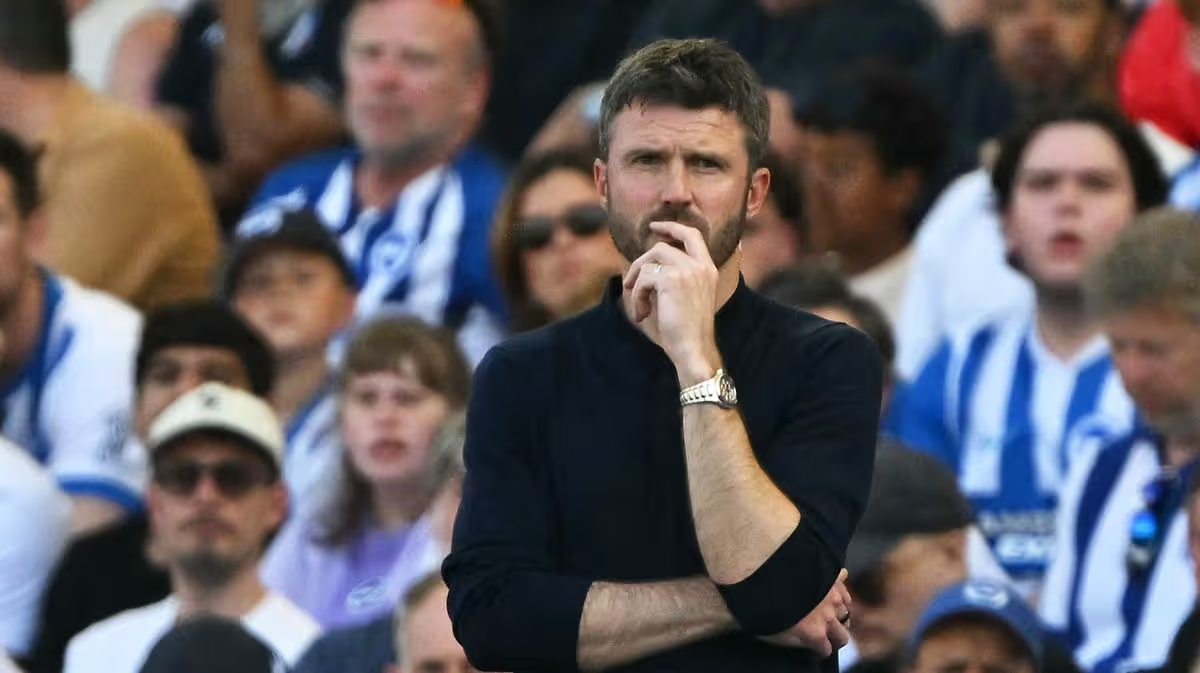
All you need to know about the five rules impacting Man United’s summer transfer business

Published

on

Manchester Evening News
All you need to know about the five rules impacting Man United’s summer transfer business – Manchester Evening News

Advertisement
reach logo

At Reach and across our entities we and our partners use information collected through cookies and other identifiers from your device to improve experience on our site, analyse how it is used and to show personalised advertising. You can opt out of the sale or sharing of your data, at any time clicking the “Do Not Sell or Share my Data” button at the bottom of the webpage. Please note that your preferences are browser specific. Use of our website and any of our services represents your acceptance of the use of cookies and consent to the practices described in our Privacy Notice and Terms and Conditions.

Source link

Continue Reading

NewsBeat

Motorbike stolen from Clifton Moor car park in York

Published

on

Motorbike stolen from Clifton Moor car park in York

North Yorkshire Police is appealing for information after the Yamaha, with a black and yellow fuel tank, was stolen in Bleriot Way, Clifton Moor, at around 1pm on Friday, June 12.

The force said the motorcycle was taken from the car park of the owner’s workplace.

A police spokesperson said a man had taken the motorcycle and “wheeled it away from the area”.

Advertisement

They urged anyone who has seen the bike to contact North Yorkshire Police.

“If anyone has seen the bike in the image attached or has any information as to who may currently be in possession of it please could you get in touch,” the police spokesperson said.

“If you can help our appeal, please email peter.henderson@northyorkshire.police.uk

“Or call 101 and ask for PC1668 Henderson.

Advertisement

“If you wish to remain anonymous, you can pass information to Crimestoppers on 0800 555 111.

“Please quote reference 12260109032 when passing on information.”

Source link

Advertisement
Continue Reading

NewsBeat

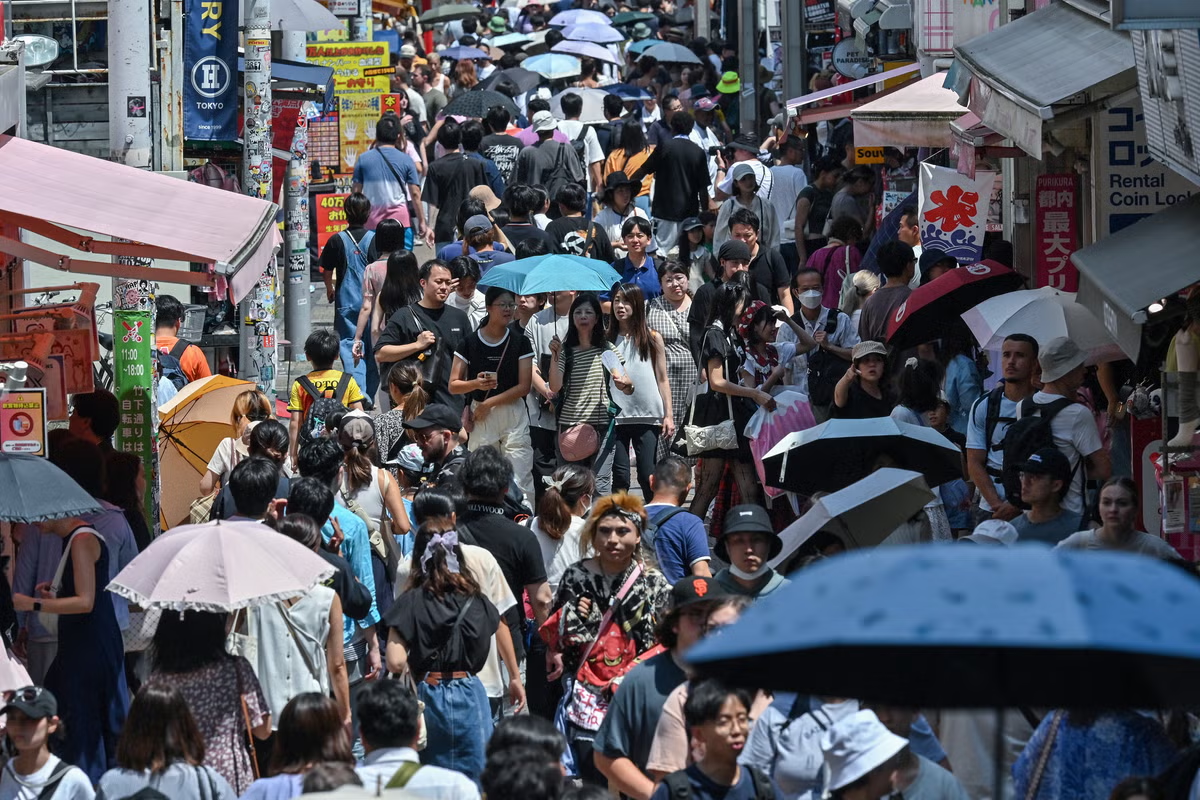
Japan to raise visa fees for foreign nationals for first time in nearly 50 years

Published

on

Japan to raise visa fees for foreign nationals for first time in nearly 50 years

Japan will raise visa fees for foreign nationals from next month, marking the first increase in nearly 50 years, authorities said.

The cabinet approved the change on Friday, and it will apply to visa applications submitted on or after 1 July.

Under the new fee structure, the cost of a single-entry visa will rise from 3,000 Japanese yen to 15,000 Japanese yen, while the cost of a multiple-entry visa will rise from 6,000 Japanese yen to 30,000 Japanese yen.

“The current visa fee was set in 1978, and we have recently revised it to reflect inflation and exchange rate fluctuations since then,“ foreign minister Toshimitsu Motegi told a news conference on Friday.

Advertisement

“We made this decision after carefully considering various factors, and we do not anticipate that it will have an immediate impact on inbound tourism,” he added.

The fee increases follow legislation approved by parliament last month that allows the government to raise a range of immigration-related charges. Officials say the additional revenue will help cover the growing costs associated with managing Japan’s expanding foreign resident population and improving immigration services, according to The Japan Times.

As part of the broader overhaul, the legal ceiling for fees related to residency status changes and visa extensions will be increased significantly, while the maximum charge for permanent residency applications will also rise. The government has proposed lifting fees for residency status modifications and stay extensions to between 10,000 Japanese yen and 70,000 Japanese yen, depending on the application type.

Charges for permanent residency applications are expected to increase from 10,000 Japanese yen to 200,000 Japanese yen. Authorities aim to introduce those changes before the end of the fiscal year in March 2027, Nippon reported.

Advertisement

Officials say the extra funds will support immigration processing, expand Japanese-language education programs and strengthen efforts to tackle visa overstays.

Japan’s foreign resident population reached a record 4.13 million people by the end of 2025, according to government data.

The government has also argued that the revised fees will bring Japan’s immigration-related charges closer to those imposed by other advanced economies, where visa and residency application costs are often substantially higher.

Source link

Advertisement
Continue Reading

NewsBeat

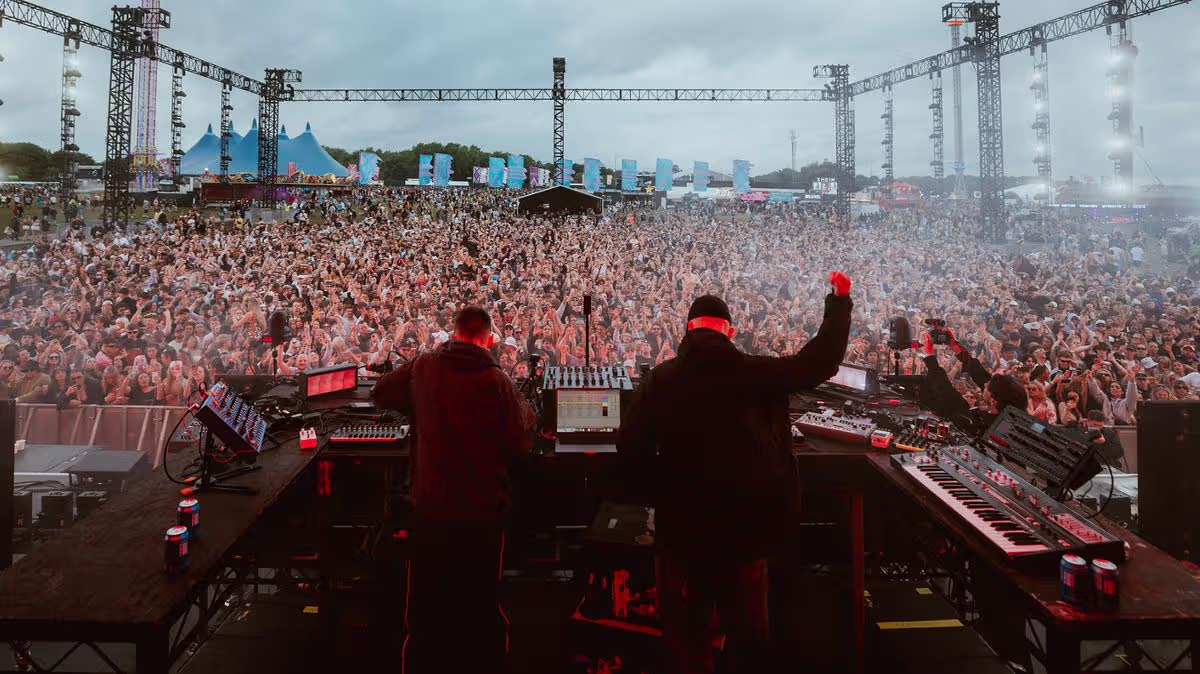
Parklife 2026 day one LIVE: Huge festival returns to Heaton Park with 80,000 crowd

Published

on

Manchester Evening News

The Parklife 2026 weekend at Heaton Park is finally here!

The annual event kicks off on Saturday (June 20) and will continue into Sunday (June 21), with a varied line-up of DJs and performers, including the likes of Calvin Harris, Zara Larsson, Skepta and Sammy Virji. There will also be lots of homegrown talent represented on the roster, including Josh Baker and Morgan Seatree.

Each year, the festival attracts over 82,000 attendees with many coming from outside of Manchester for the good times and atmosphere.

Advertisement

Click here for the latest on Manchester’s food & drink scene, gigs and more in our CityLife newsletter

Parklife 2026 will consist of five different stages, with a new Panorama stage making its debut this year. Described as an evolution of the fan-favourite Hangar, it will consist of multi-level dance platforms, a massive 100-metre curved LED screen that wraps around the stage, and exclusive behind-the-booth access for VIPs.

In addition to Parklife, the city is set to be busier than usual with fans also attending the Take That concert at the Etihad Stadium. In addition, Lily Allen will also be performing at the AO Arena this evening whilst the Soft & Gentle Netball Super League will continue at at Co-op Live. Because of this, fans have been asked to plan ahead when it comes to travel.

Today’s Parklife line-up will be fronted by Skepta and Sammy Virji, with Mozey, East End Dubs, Dean Turnley, Daria Kolosova, Rossi., Andy, Jamback, Mall Grab, and K Motionz amongst the performers later on tonight.

Advertisement

We’ll be sharing all the latest on day one of Parklife 2026 in our live blog below which you can follow for updates and photos.

Source link

Continue Reading

NewsBeat

UK law change affecting every worker now in force

Published

on

Daily Mirror

Law changes mean the consequences for crossing the line could be more serious than many realise

With the World Cup now in full swing, workplaces across the country – from offices to building sites – are buzzing with football-related conversations and group chat activity, most of which remains harmless fun.

Advertisement

However, HR specialist Kate Underwood warns that major sporting events can sometimes spark issues when banter oversteps the mark from lighthearted ribbing into conduct that leaves colleagues feeling uneasy. Following recent amendments to employment legislation, the ramifications for both staff members and businesses can be far graver than many people appreciate.

Kate Underwood, who established the Southampton-based Kate Underwood HR and Training, explained: “The good banter is easy. Office sweepstakes, winding up a colleague after a bad result or debating whether football is coming home. The problem starts when comments become personal, targeted or continue after someone has made it clear they are uncomfortable.”

Kate noted that numerous workplace difficulties emerged because individuals concentrated on their intentions rather than the impact of their words.

She added: “One of the biggest misconceptions is that saying ‘I was only joking’ somehow solves everything. It doesn’t. What matters is how the comment lands with the other person, not what the speaker meant by it.”

She cautioned that football tournaments could turn into “flashpoints for inappropriate comments about gender, appearance or personal characteristics”. Remarks such as “do women even like football?” or persistent jokes aimed at a single individual can rapidly become an issue, particularly when alcohol flows at post-match gatherings.

Kate said: “The workplace version of ‘it was just banter’ is often where things start going wrong. Most people know where the line is. The issue is when someone keeps pushing after it has stopped being funny.”

UK employment law change in 2026 now in force

The stakes have risen following amendments brought in through the Employment Rights Act. Since April 2026, reporting sexual harassment has qualified as a protected disclosure under whistleblowing legislation, affording workers greater legal protections when raising concerns.

Advertisement

Kate said: “A complaint that starts with somebody saying they felt uncomfortable can now potentially carry whistleblower protection. The bigger risk for employers is often not the original incident but how they react when someone raises a concern.”

She cautioned firms against brushing off complaints, sidelining staff or treating them differently once they have spoken out.

She added: “Employers need to remember that the law protects the person raising the concern. The worst response is to punish the messenger.”

Advertisement

For employers, the answer isn’t to prohibit football banter entirely, but rather to ensure managers are clear about appropriate boundaries and that employees have a straightforward mechanism to voice concerns should issues arise.

Kate explained: “For almost everyone, the football is exactly what it should be: a bit of fun and a good excuse to wind up the desk next to you. The job for employers is simply making sure that if something stops being a joke, there is a safe place for people to speak up.

“Employers must take reasonable steps, such as adding a simple process like an independent reporting line, to ensure whistleblowing is taken seriously.”

Source link

Advertisement
Continue Reading

NewsBeat

Missing man’s van found abandoned in near Newton Aycliffe Aldi

Published

on

Missing man's van found abandoned in near Newton Aycliffe Aldi

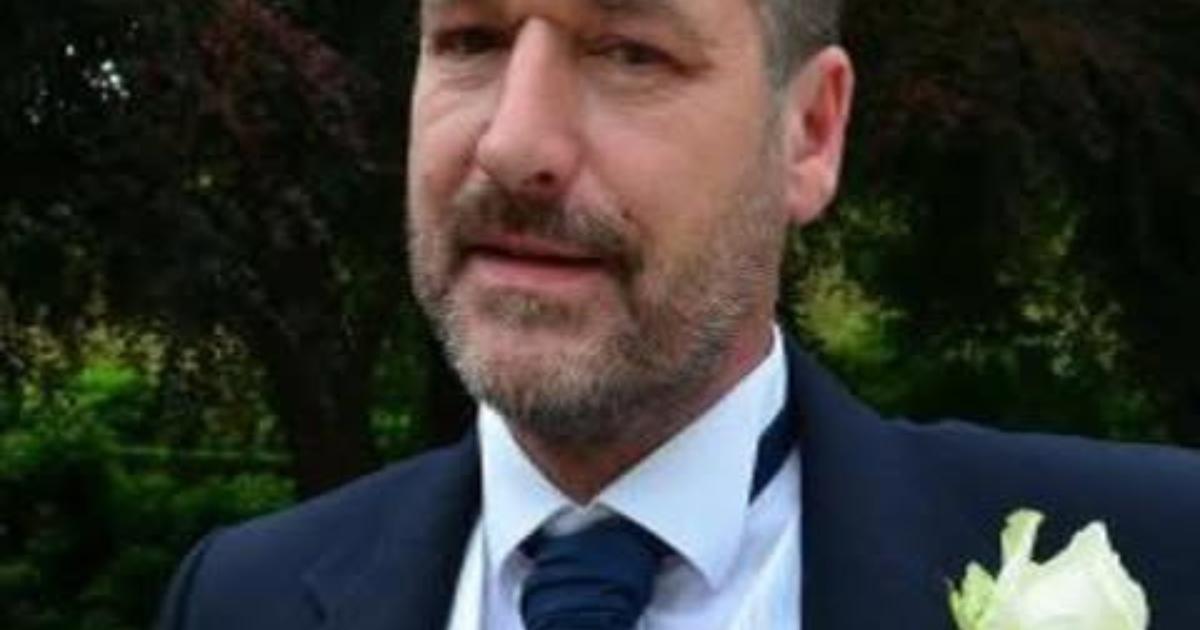
Gary, 65, has been reported missing after his van was found near Aldi in Newton Aycliffe.

Gary was last seen several weeks ago (Image: DURHAM CONSTABULARY)

He has not been seen for several weeks, police said.

Gary and is described as being of average height, with dark hair and a full beard. He is often seen wearing workwear.

He is said to have links to Newton Aycliffe and Whitby.

Advertisement

Anybody with any information relating to Gary’s whereabouts is asked to contact Durham Police quoting incident number 389 of June 14.

Source link

Advertisement
Continue Reading

Trending

Copyright © 2025