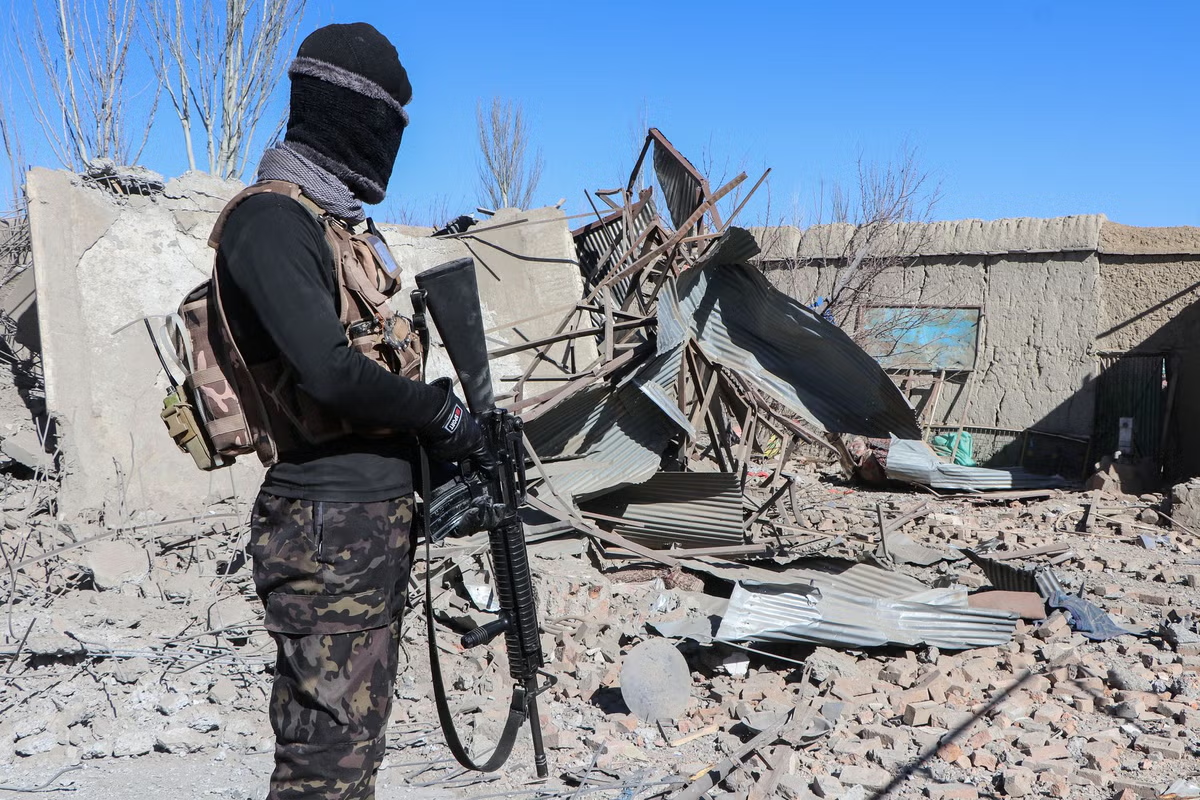
The air and ground strikes in the early hours of Friday targeted Taliban military posts, headquarters and ammunition depots in multiple sectors along the border, just hours after the Taliban launched an air attack on Pakistan’s border forces.
Both sides have reported heavy losses in the fighting with Pakistan saying it has killed 133 Afghan Taliban fighters and wounded more than 200, with 27 posts destroyed and nine captured, following months of tit-for-tat clashes.
Taliban’s chief spokesperson, Zabiullah Mujahid, said 55 Pakistani soldiers were killed and 19 posts seized, while eight Taliban fighters were killed, 11 wounded and 13 civilians injured in Nangarhar province.
Advertisement
Pakistani defence minister, Khawaja Muhammad Asif, confirmed the aerial raid and said, “Our cup of patience has overflowed. Now it is open war between us and you (Afghanistan).”
The Taliban government and Pakistan have been engaged in a diplomatic and military confrontation for months now despite a ceasefire in October last year. The tensions worsened over the weekend after Pakistan launched air strikes on militant targets in Afghanistan last weekend, in which 13 civilians were killed, according to the UN data.
Earlier, border clashes between the two countries killed dozens of soldiers in October until negotiations facilitated by Turkey, Qatar and Saudi Arabia ceased the hostilities and a fragile ceasefire was put in place.
Pakistan’s ministry of information and broadcasting said the armed forces carried out “intelligence-based, selective operations” against seven sites associated with the Pakistan Taliban, also known as Tehreek-e-Taliban Pakistan (TTP), and its affiliates.
The ministry added that the Isis affiliate in Khorasan province, which claimed responsibility for a suicide attack in the capital earlier this month, was also targeted.
Afghanistan’s ministry of defence condemned the strikes, saying they hit a religious school and residential homes in the eastern border provinces of Nangarhar and Paktika, causing dozens of deaths and injuries, including among women and children.
Calling the raids a violation of international law and “the principles of good neighbourliness”, the Afghan defence ministry said it would respond. “We hold the Pakistani military responsible for targeting civilians and religious sites. We will respond to these attacks in due course with a measured and appropriate response,” it said.
Advertisement
The strikes risk undermining a tenuous ceasefire between the South Asian neighbours, brokered after deadly border clashes in October last year left dozens of soldiers, civilians and suspected fighters dead.
Pakistan said it has repeatedly called on Afghanistan’s Taliban authorities to curb armed groups operating from Afghan soil, but that Kabul has failed to “undertake any substantive action”.
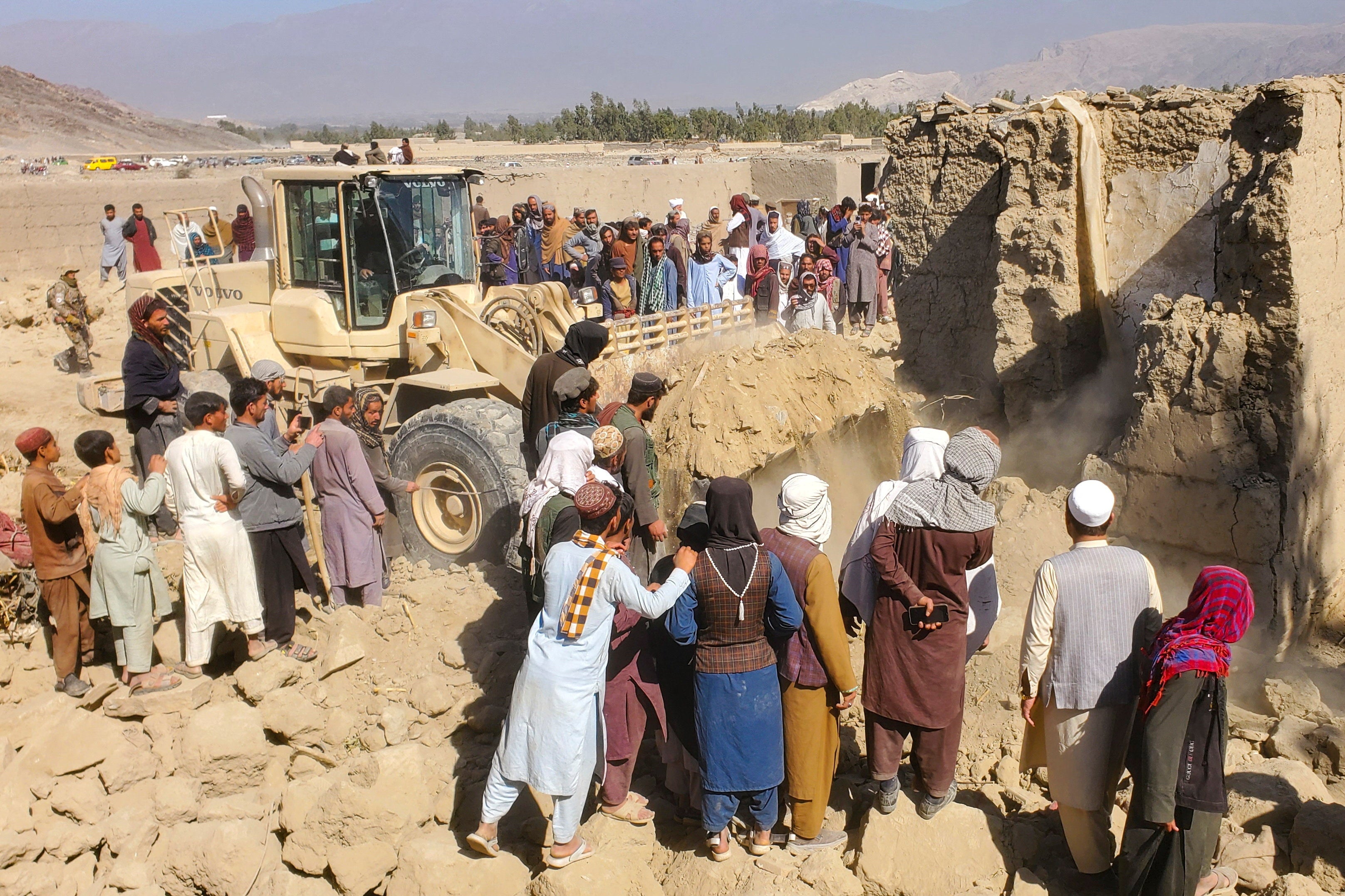
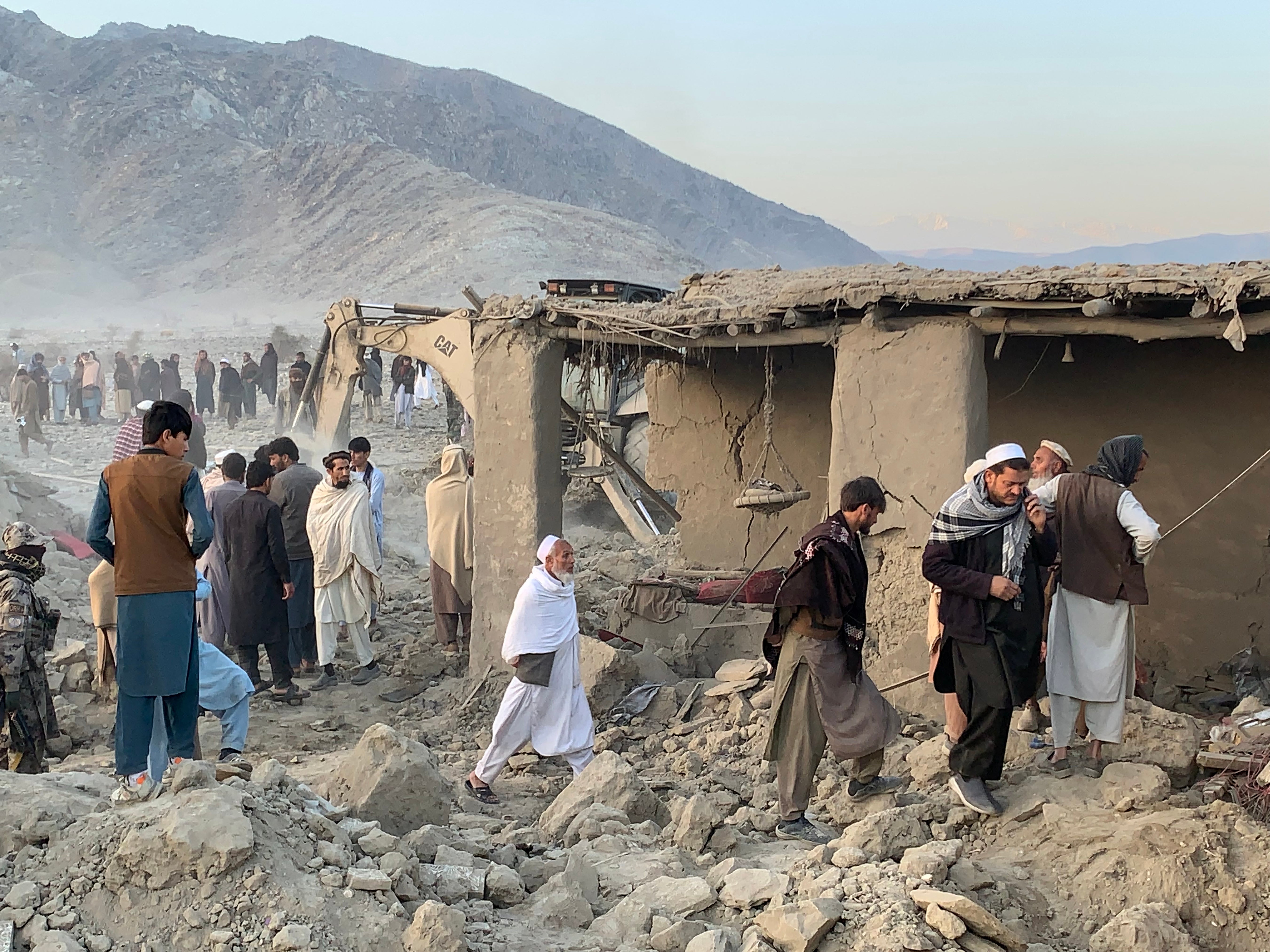
Residents gather at the site, following the Pakistani airstrikes, in Bihsud district, Nangarhar province, Afghanistan, 22 February 2026 (AS)
While asserting that Pakistan “has always strived to maintain peace and stability in the region”, the statement stressed that the safety and security of Pakistani citizens remains its foremost priority.
Advertisement
In October, the two countries declared a ceasefire after several days of intense border fighting that left dozens dead on both sides and sharply escalated regional tensions.
What sparked the latest clashes?
Pakistan’s cross-border strikes followed a string of high-profile attacks at home. Just hours earlier, a suicide bomber targeted a security convoy in Bannu, in Khyber Pakhtunkhwa province, killing two soldiers, including a lieutenant colonel.
Earlier, last week, a suicide attacker, supported by gunmen, drove an explosives-filled vehicle into the wall of a security post in nearby Bajaur. The assault killed 11 soldiers and a child. Officials later identified the bomber as an Afghan national.
Advertisement
On 6 February, a suicide attacker set off explosives during midday prayers at the Khadija Tul Kubra mosque in Islamabad’s Tarlai Kalan neighbourhood, leaving at least 31 worshippers dead and 170 injured.
Residents gather at the site, followig the Pakistani airstrikes, in Bihsud district, Nangarhar province, Afghanistan, February 22, 2026. REUTERS/Stringer (AS)
TheIslamic State Khorasan Province (ISKP) claimedresponsibility for the Islamabad bombing.
In Islamabad, security analyst Abdullah Khan suggested that the Pakistani strikes indicate that Qatari, Turkish, and even Saudi-led mediations have failed to resolve tensions between Pakistan and Afghanistan. “These strikes are likely to further escalate the situation,” he was quoted as saying by the Associated Press.
Advertisement
Is Pakistan employing a new deterrence framework?
Last year in October,analysts noted that Pakistan was finding it increasingly hard to overlook the rising fatalities caused by attacks that it claims are launched from Afghan soil.
According to the Centre for Research and Security Studies (CRSS), an Islamabad-based think-tank, more than 2,400 members of Pakistan’s security forces had been killed in the first nine months of 2025 alone, putting the country on track for its deadliest year in a decade.
Attacks had surged since the removal of former prime minister Imran Khan a few years ago. Khan’s administration had worked with the Taliban to negotiate a TTP ceasefire. While that truce collapsed during his tenure, the frequency of assaults remained comparatively lower.
Advertisement
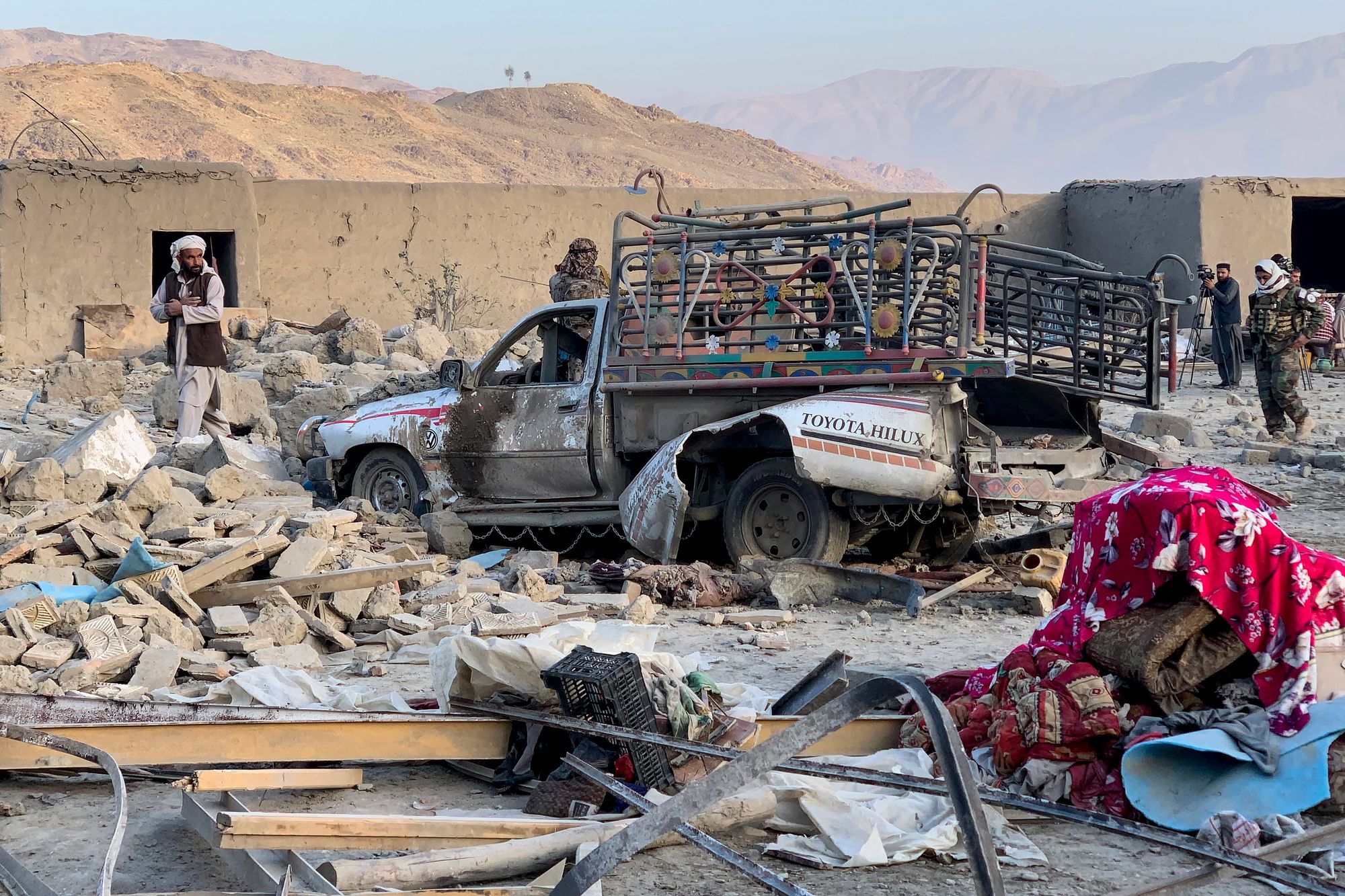
Taliban security personnel and residents search for victims after an overnight Pakistani air strike hit a residential area at the Girdi Kas village in Bihsud district, Nangarhar province on February 22, 2026. Pakistan said on February 22, it launched multiple air strikes targeting militants in neighbouring Afghanistan, where the government reported children were among dozens of people killed and wounded. (Photo by AFP via Getty Images) (AFP via Getty Images)
They believed that Islamabad was attempting to establish a new deterrence framework, signalling that any assault perceived to originate from Afghanistan, whether carried out by the TTP or other armed groups, will trigger consequences for Kabul.
“Any attack which emanates from Afghanistan will be responded [to] with [the] same ferocity on their territory, with Pakistan implying that [the] Afghan Taliban are facilitating such attacks in Pakistan, and thus are legitimate targets,” Abdul Basit, a scholar at the International Centre for Political Violence and Terrorism Research at Singapore’s S Rajaratnam School of International Studies, was quoted as saying by Al Jazeera, at the time.
Advertisement
Pakistan’s border regions have long been hotspots of conflict, dating back to 1979 when the country became a frontline state in the US-backed war against the then Soviet Union in Afghanistan.
Afghan men search for victims after an overnight Pakistani airstrike hit a residential area in the Girdi Kas village of Bihsud district, Nangarhar province on February 22, 2026. Pakistan said February 22, it launched multiple air strikes targeting militants in neighbouring Afghanistan, where the government reported children were among dozens of people killed and wounded. (Photo by Aimal Zahir / AFP via Getty Images) (AFP via Getty Images)
According to the defence analyst Abdullah Khan, who is also the managing director of the Pakistan Institute for Conflict and Security Studies, the area’s instability worsened after the 9/11 attacks.
He told the Associated Press in October last year: “After the September 11 attacks, Pakistan’s tribal belt descended into chaos as the Afghan Taliban, al-Qaida and other groups operated from both sides of the border for attacks on Nato forces and Pakistani security forces.”
Advertisement
Tensions between the two neighbours are further compounded by Pakistan’s deportation of tens of thousands of Afghan refugees. Since the decades of conflict began, at least three million Afghans have sought refuge in Pakistan, creating additional friction between the two neighbours.
How have international leaders responded?
In October, the Pakistan-Afghanistan border clashes drew concern from regional powers, urging both sides to exercise restraint and prioritise dialogue to prevent escalation.
Iran, Qatar, and Saudi Arabia all called for diplomacy to maintain regional stability and security.
Saudi Arabia’s ministry of foreign affairs said in October: “The kingdom calls for restraint, avoiding escalation, and embracing dialogue and wisdom to contribute to reducing tensions and maintaining security and stability in the region.
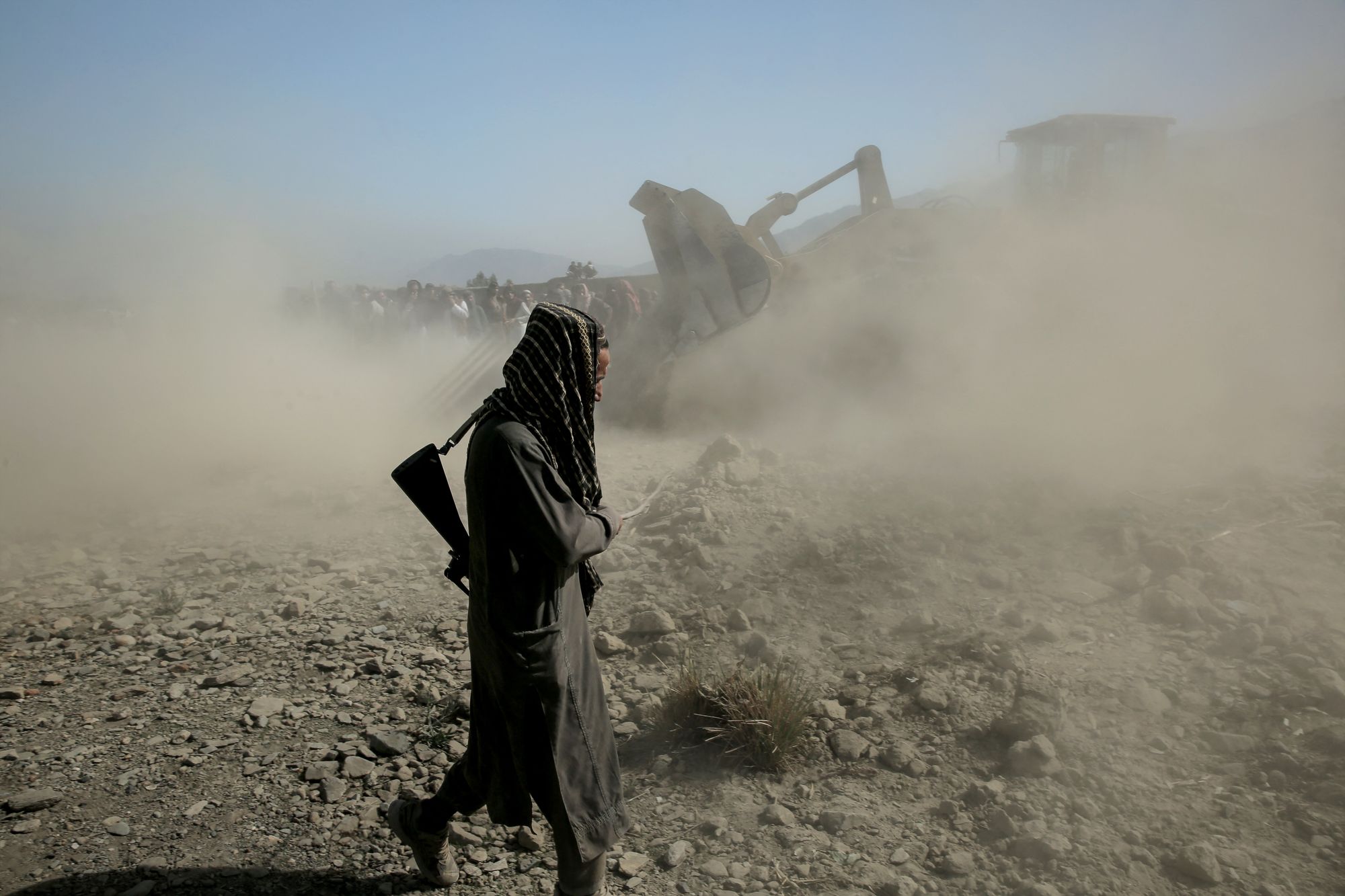
Afghan men search for victims after an overnight Pakistani airstrike hit a residential area in the Girdi Kas village of Bihsud district, Nangarhar province on February 22, 2026. Pakistan said February 22, it launched multiple air strikes targeting militants in neighbouring Afghanistan, where the government reported children were among dozens of people killed and wounded. (Photo by Aimal Zahir / AFP via Getty Images) (AFP via Getty Images)
“The kingdom affirms its support for all regional and international efforts aimed at promoting peace and stability and its continued commitment to ensuring security, which will achieve stability and prosperity for the brotherly Pakistani and Afghan peoples,” it added.
Advertisement
Iranian foreign minister Abbas Araghchi said at the time: “Our position is that both sides must exercise restraint,” and added that “stability” between the two countries “contributes to regional stability”.
Qatar’s ministry of foreign affairs also urged “both sides to prioritise dialogue and diplomacy, exercise restraint, and work to contain the disputes in a way that helps reduce tension, avoids escalation, and contributes to regional peace and stability”.
China also called for safeguarding its citizens and investments, Russia urged both sides to exercise restraint, and US president Donald Trump suggested he could step in to help resolve the conflict.
Kabul-based analyst Ibraheem Bahiss of the International Crisis Group suggested that Muttaqi’s high-profile reception in India was “probably a factor in the ultimate decision by the Pakistan Army to escalate in the major way that we saw”.
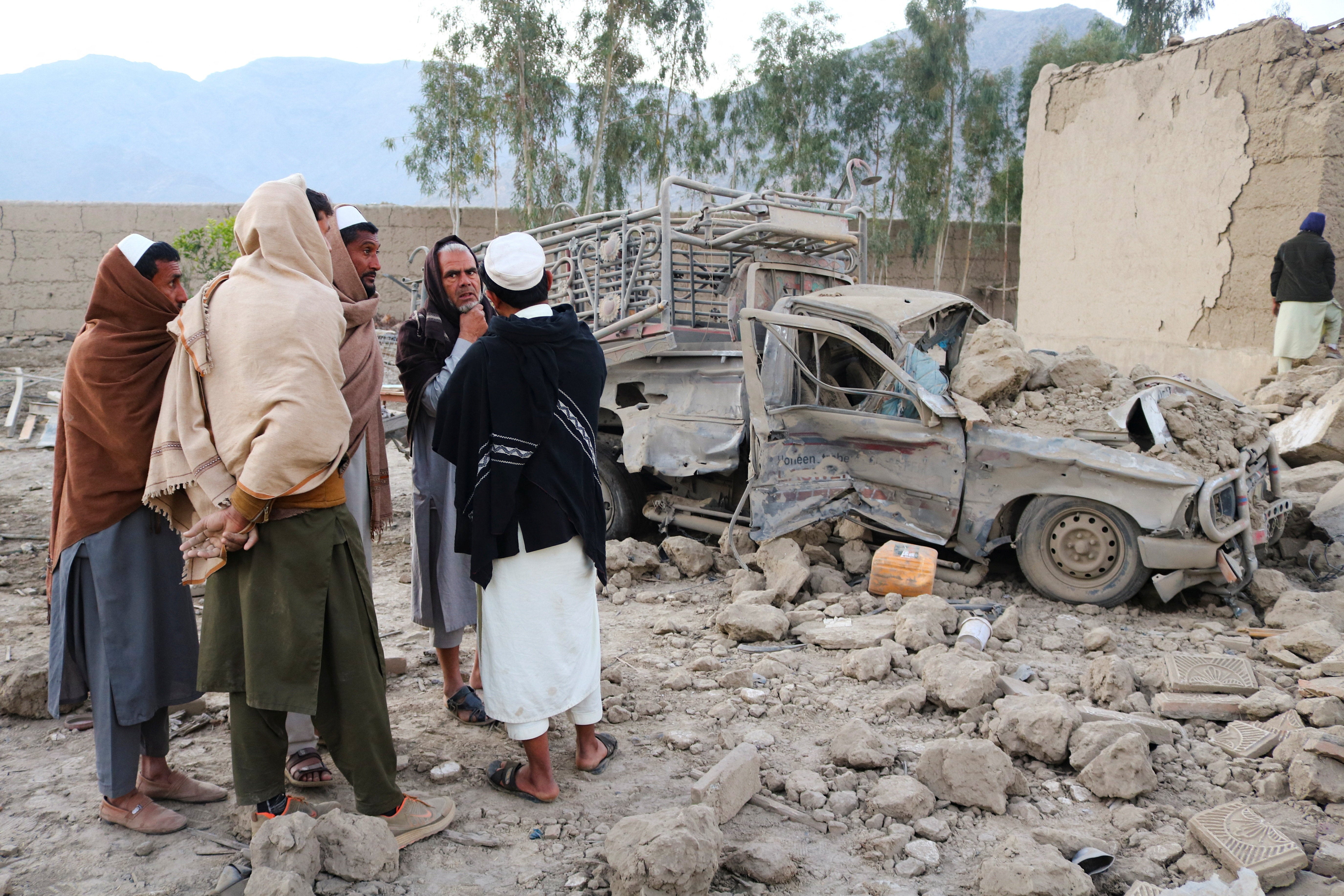
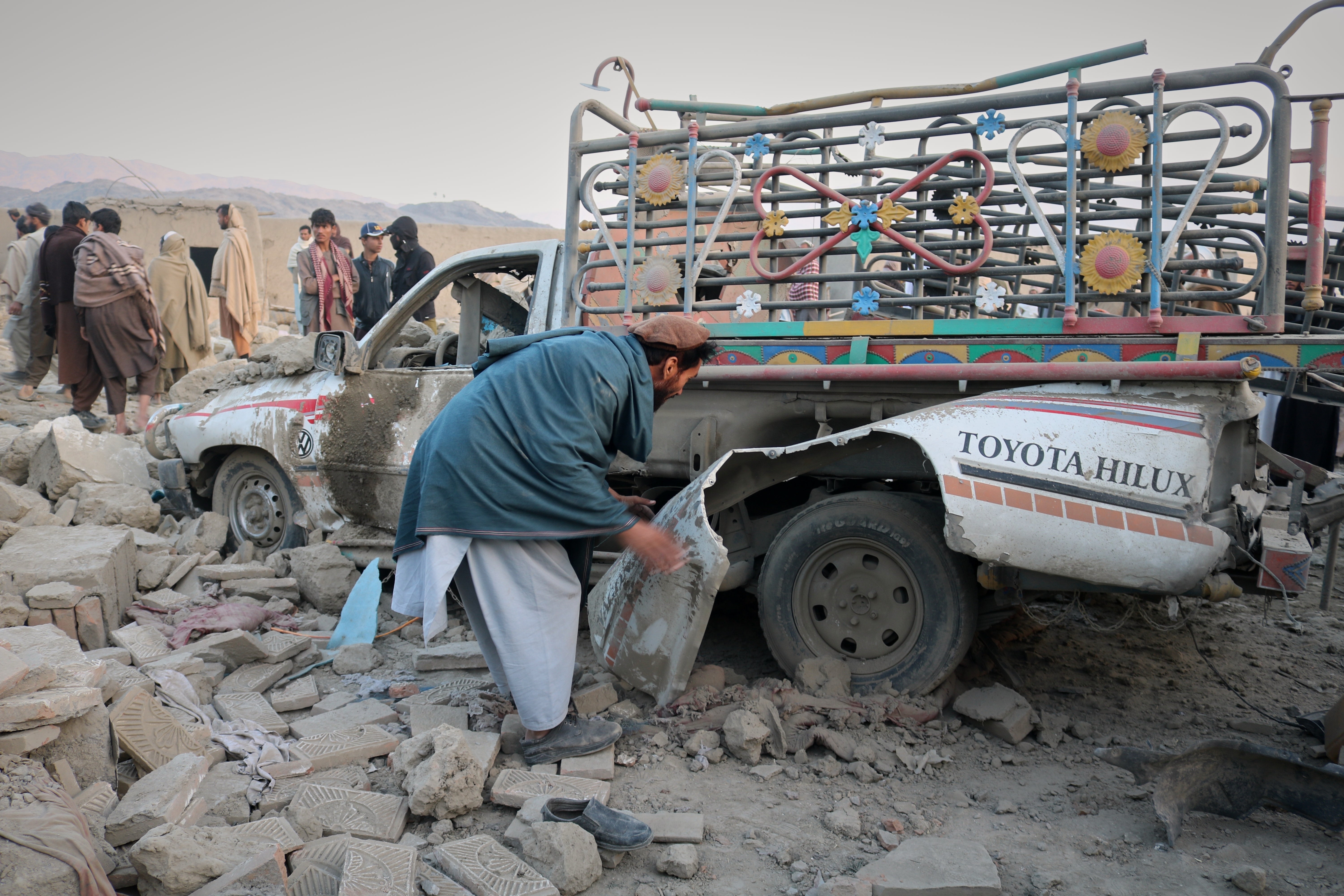
A man inspects a damaged car at the site of a cross-border Pakistani army strike in the Behsud district of Nangarhar province, Afghanistan, Sunday, Feb. 22, 2026. (AP Photo/Hedayat Shah) (AP)
Following the visit, The Hindu reported that Pakistan summoned the Afghan ambassador to express its “strong reservations” regarding the India-Afghanistan joint statement, in which both countries “unequivocally condemned all acts of terrorism emanating from regional countries”.
Advertisement
From the mid-1990s until recent years, India had regarded the Taliban as a proxy for Pakistan’s intelligence services, holding the group and its allies responsible for deadly assaults on Indian diplomatic missions in Afghanistan.
However, following the Taliban’s return to power and amid growing tensions between Kabul and Islamabad, India has pursued a series of diplomatic engagements with the new Afghan leadership, culminating in Mr Muttaqi’s visit.
“Pakistani media has been furious over Muttaqi’s visit to India,” Afghan content creator Pathan Bhai said in a video, according to India Today.
What were the official responses to the clashes?
Advertisement
Afghanistan’s defence ministry denounced the attacks as a blatant violation of its sovereignty and a breach of international law, stating that “an appropriate and measured response will be taken at a suitable time”.
Meanwhile, the foreign ministry said it had summoned Pakistan’s ambassador over what it described as violations of Afghan airspace and the targeting of civilians, labelling the strikes “a provocative act”.
What happens next?
Although TTP’s presence remains a key irritant for Pakistan, analysts believe the recent Pakistan-Afghanistan border clashes are unlikely to escalate into a larger conflict. Afghanistan lacks conventional military strength compared with Pakistan, and both sides appear focused on de-escalation at the moment.
Advertisement
However, the border is expected to stay tense for the foreseeable future, as Pakistan has signalled it will continue taking action against militants it claims are crossing from Afghanistan to target its security forces.
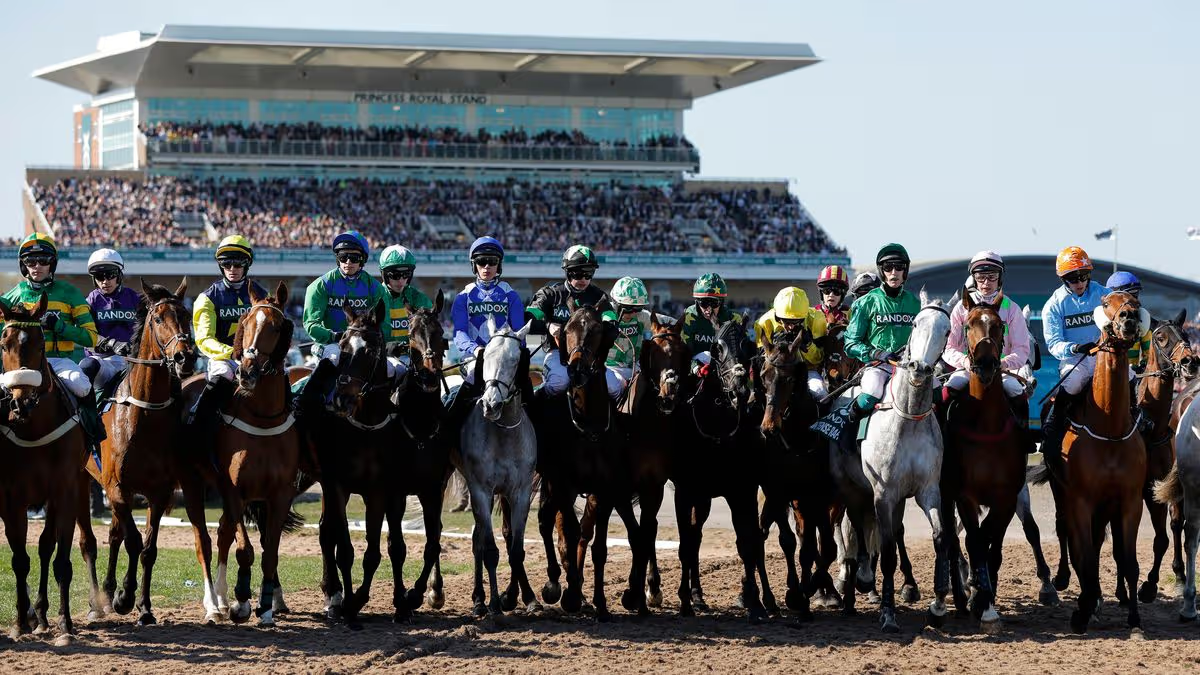
The wait is finally over. Today, the eyes of the racing world turn to Aintree for the 2026 Grand National.
This edition looks set to be unforgettable, featuring a line-up of 34 runners preparing to tackle 30 formidable fences in a true examination of endurance and courage.
After an exciting 2025 contest in which I Am Maximus just failed to secure consecutive wins, finishing a brave second to Nick Rockett – who will not compete this year after withdrawing due to coughing – today’s narrative centres on redemption.
Will the previous champion take back his title, or could a fresh name rise from the Merseyside mist? To guide you toward picking the winner of the world’s most renowned steeplechase, ITV Racing’s chief commentator and analyst, Richard Hoiles, has crunched the form and assessed conditions to deliver his final 1-2-3-4-5 prediction – featuring a huge outsider that may appeal to each-way bettors.
Advertisement
Hoiles suggests the green and gold colours of a famous owner might hold the answer to this year’s contest. The legendary JP McManus brings a powerful team to the Aintree spectacle and the ITV expert is watching his top selections closely.
“JP McManus has a really strong hand headed by I Am Maximus who proven record round here makes him preferred to Percival Legallois who looks overpriced,” he said. “Imperial Saint is another outsider who can run well whilst Monty’s Star and Johnnywho can make the frame.”
Richard Hoiles’ Grand National 1-2-3-4-5:
I AM MAXIMUS (15/2)
PERCIVAL LEGALLOIS (25/1)
MONTY’S STAR (11/1)
JOHNNYWHO (10/1)
IMPERIAL SAINT (50/1)
Explaining his selection for first place, Hoiles said of I Am Maximus: “Winner in 2024 and runner up last year. Campaigned in Grade 1 races since then and has lots of class. Choice of Paul Townend and will make a bold bid to regain his crown.”
On the chances of Percival Legallois, he noted: “Was sent off as short as 10-1 for the race last season when falling at Valentines first time. Made late ground at Tramore on New Years Day and very much appeals as a lively outsider with Harry Cobden booked.”
Regarding Monty’s Star, the expert added: “Ran well for a long way in the Irish Gold Cup. Would be suited by any further rain but looks well handicapped and one of the leading contenders.”
Discussing Johnnywho, he sad: “Runs off the same mark as when beating Jagwar (Iroko behind) in the Ultima at the Festival. Appears much more versatile ground wise these days and after a quiet season the yard are finishing it well. Definitely one to consider.”
Advertisement
Finally, pointing to a massive outsider in Imperial Saint, he wrote: “Promoted reserve who has run well several times here on the Mildmay course. Got badly hampered at Cheltenham before making good late headway. Runs in the family colours of former Champion Jockey Richard Johnson who never won the race. Can outrun his odds.”
Sky Sports, HBO Max, Netflix and Disney+ with Ultimate TV package
This article contains affiliate links, we will receive a commission on any sales we generate from it. Learn more
Sky has upgraded its Ultimate TV and Sky Sports bundle to now include HBO Max, Netflix, Disney+, discovery+ and Hayu, as well as 135 channels and full Sky coverage of the Premier League and EFL.
Sky broadcasts more than 1,400 live matches across the Premier League, EFL and more with at least 215 live from the top flight alongside Formula 1, darts and golf.
The ongoing conflict in the Middle East between the US, Israel, and Iran has resulted in a recent spike in fuel prices.
Several major airlines have already responded to this spike by increasing fares, adding or increasing fuel surcharges, and cutting flights.
UK airline Skybus announced last week it had ceased all flights between Cornwall and London due to “the huge rise in the global cost of fuel” and “a significant drop in new passenger bookings”.
More major airlines cut flights and increase prices amid rising fuel costs
Three more major airlines have now cut flights and increased prices due to the rising cost of fuel caused by the ongoing conflict in the Middle East:
Air India
Air India this week announced it was increasing its fuel surcharge on domestic and international flights.
These revised fees came into effect for UK flights on Friday (April 10), although the airline assured passengers who have already booked tickets will be unaffected by the change.
Air India said: “For the avoidance of doubt, tickets that have already been issued prior to the above times will not attract the new surcharge unless customers seek date or itinerary changes that require a recalculation of the fare.
Advertisement
“Air India will review its surcharges periodically and make appropriate adjustments as the situation requires.”
Air India announced this week it was increasing its fuel surcharge. (Image: Getty Images)
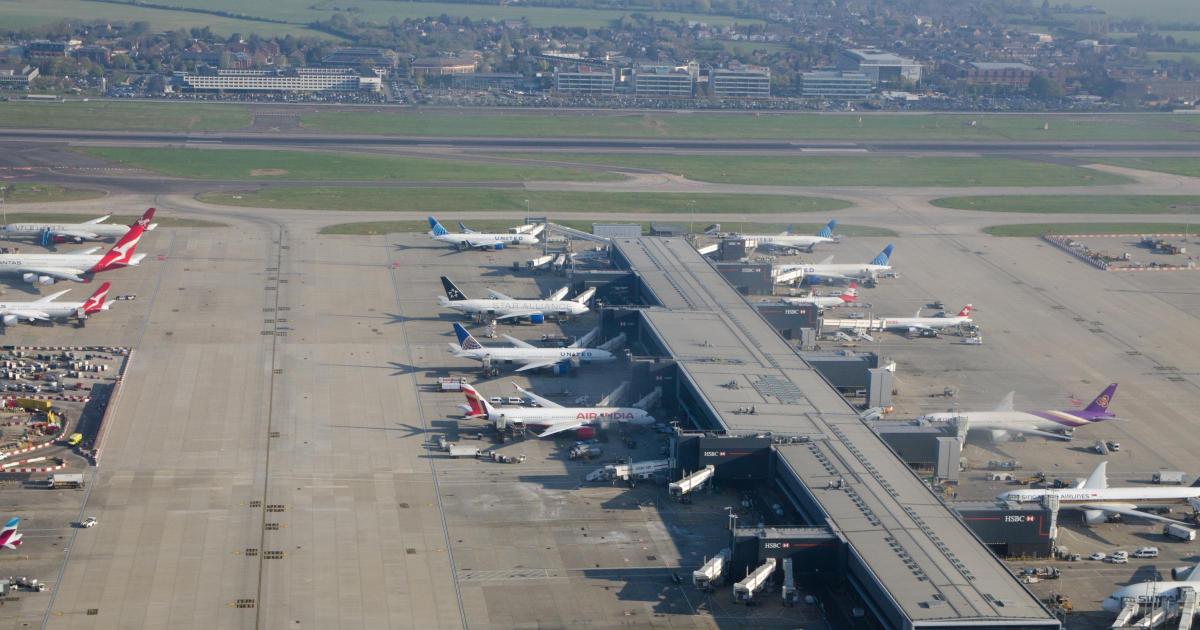
Air India usually operates more than 60 weekly flights between India and the UK, connecting cities like Delhi, Mumbai, Bengaluru, Ahmedabad, and Amritsar to London (Heathrow and Gatwick) and Birmingham.
Air New Zealand
Air New Zealand has been forced to cancel more flights due to the conflict in the Middle East, with routes in and out of Auckland, Wellington, and Christchurch impacted, according to the BBC .
These flight cancellations follow several others made by the airline last month.
However, Air New Zealand said earlier this week that the “vast majority” of its customers affected by the cancellations were being offered alternative flights on the same day.
An airline spokesperson, via the BBC, said: “Like airlines globally, we’re experiencing jet fuel prices that are more than double what they would usually be.”
Advertisement
Air New Zealand serves the UK through a combination of codeshare partner flights and booking options from Heathrow and Manchester.
It works with partner airlines, including Singapore Airlines, British Airways, and United Airlines, to connect passengers via major hubs.
Delta Airlines
Delta Airlines also announced this week that it was cutting back the number of seats on its flights due to the rising fuel costs, The Independent reported.
The Airline, which operates numerous daily nonstop flights from London Heathrow (LHR), London Gatwick (LGW), and Edinburgh (EDI) to various US destinations, has already increased the price of its checked bag fee by US$10 (£7.45).
Advertisement
Now, reduced seat numbers on Delta flights could result in airfare prices rising.
The 3 airlines that have entered liquidation or administration in 2026 (so far)
The Street reported the airline has “officially gone dormant” after retiring two of its A340 planes.
Advertisement
UK travel companies that have closed in 2026 (so far)
Four UK travel companies have also ceased trading in 2026, resulting in the cancellation of flights and holiday packages to destinations around the world.
All four have ceased trading, according to Companies House, and have lost their Air Travel Organiser’s Licence (ATOL).
Have you been impacted by the recent flight cancellations or airfare price hikes caused by increased fuel prices? Let us know in the poll above or in the comments below.
There’s no shortage of well-known walks in this part of Lancashire.
On a clear weekend, Rivington Pike draws steady streams of walkers climbing for the view, while nearby beauty spots fill quickly with cars and day-trippers.
But just a short drive away, on the edge of Bolton, there’s a route that offers much of the same landscape, and far more peace.
Wayoh Reservoir, tucked beneath the West Pennine Moors near Turton, is easy to overlook.
Advertisement
(Image: Joseph Charnock)
Built in the 1870s to supply water to Bolton’s mills, it has long since settled into a quieter role.
Today, it’s a place of still water, soft woodland and big skies — the kind of setting that doesn’t shout for attention, but rewards those who find it.
(Image: Joseph Charnock)
The walk itself is simple and satisfying: a circular route of around three miles that hugs the reservoir for much of its length.
The path is largely flat and well-maintained, making it accessible for casual walkers, families and anyone looking for an easy escape into nature.
Advertisement
From the car park, the route quickly draws you alongside the water.
(Image: Joseph Charnock)
On calm days, the reservoir reflects the surrounding trees and hills with near-perfect clarity; in cooler months, a light mist can drift across the surface, giving the whole place a quiet, almost cinematic feel.
The path moves between open stretches and pockets of woodland, with glimpses of the moors rising beyond.
(Image: Joseph Charnock)
While other local routes can feel busy and well-trodden, here there’s space to walk at your own pace, without the constant flow of people passing by.
Advertisement
A short distance from the reservoir lies Entwistle, a village so small you could easily miss, but it has one thing that walkers have been seeking out for generations.
At its heart is the Strawberry Duck, a traditional pub that has become a destination in its own right.
(Image: Google Maps)
For many, it’s as much a part of the walk as the reservoir itself.
After a loop of fresh air and steady miles, the appeal is obvious: a pint, something to eat, and a place to sit and take in the surroundings.
Advertisement
On weekends especially, you’ll find walkers arriving in ones and twos, boots muddied, ready to round off the route in proper Lancashire fashion.
After JD Vance claimed UK electricity prices are “four, five, six times” higher than in the United States, The Independent examined the accuracy of the US vice president’s statement more closely.
Latest figures show the average monthly electricity cost in the US is about $150, roughly £110, while in the UK a typical monthly energy bill is around £79, roughly $106.
Vance also argued that Europe is “completely dependent on unreliable energy sources.”
Advertisement
In reality, more than half of the UK’s energy is produced domestically, reducing reliance on imports and exposure to global disruptions.
It means anything less than a winning return to top-flight action this weekend will prompt alarm bells in some quarters, despite Arsenal sitting nine points clear of City at the top of the table.
The Gunners need momentum, because City appear to be building up a head of steam ahead of their final eight league games of the captain.
Date, kick-off time and venue
Arsenal vs Bournemouth is scheduled for a 12.30pm BST kick-off today, Saturday, April 11, 2026.
Advertisement
The match will take place at the Emirates Stadium in north London.
Where to watch Arsenal vs Bournemouth
TV channel: In the UK, the game will be televised live on TNT Sports 1, with coverage starting at 11am BST.
Live stream: TNT Sports subscribers can also catch the contest live online via the HBO Max app and website.
Advertisement
Live blog: You can follow all the action on matchday via Standard Sport’s live blog, with expert analysis from Matt Verri at the ground.
Arsenal vs Bournemouth team news
Piero Hincapie is likely to remain out, along with long-term absentee Mikel Merino.
Bournemouth are set to welcome Eli Junior Kroupi back for the trip to the Emirates, with Alejandro Jimenez and Tyler Adams also in contention.
Advertisement
Justin Kluivert and Lewis Cook are still out, while Julio Soler could be on the bench.
Boost: Eberechi Eze
Arsenal FC via Getty Images
Arsenal vs Bournemouth prediction
Arsenal will need to be at their clinical best against the Cherries, who are stalemate specialists after a remarkable five draws in a row in the Premier League – including three goalless draws.
Advertisement
It will be interesting to see how much Mikel Arteta rotates against a Bournemouth side who are capable of beating any team on their day.
One eye will surely be on the visit of Sporting in the Champions League next Wednesday, but the Gunners head coach will not want to jeopardise the title chances in any way.
Expect a strong Arsenal team as they look to put the game to bed before Arteta takes off more senior stars. But Arsenal are not a team blessed with the creativity required to rack up a big score.
Holly Dyson turned her life around after a stark warning from doctors
Blaise Cloran, PA and Ashlie Blakey Live and breaking news reporter
08:00, 11 Apr 2026
A woman who was told she had six months left to live after drinking two litres of gin a day has turned her life around and is now running a half marathon.
Holly Dyson battled alcohol dependency for six years throughout her 20s. The 28-year-old, from Southport, felt unable to leave the house without taking a bottle of wine.
She had to go to hospital several times and was told she had ‘severe’ liver disease. Holly said at one point, she ‘accepted the fact she was going to die’.
Advertisement
Get MEN Premium now for just £1 HERE – or get involved in our WhatsApp group by clicking HERE. And don’t miss out on our brilliant selection of newsletters HERE.
But now, as she approaches three years alcohol-free, Holly helps others with addiction for her job. She is set to run the London Landmarks Half Marathon on Sunday for the charity Alcohol Change UK after turning her life around.
Just hours before speaking to the PA news agency, Holly was leading a walking group as part of her career as a support worker for Change Grow Live, where she uses her experience to help others. Yet previously, after having a traumatic time at university, Holly did not drink any other liquid apart from alcohol for three years and was no stranger to starting her day with a pint of cider.
Holly said: “I truly, wholeheartedly was going to die. I was told I was going to die. I believed it and I had no hope.
Advertisement
“But here I am, nearly three years later, working in addiction and running a half marathon. These are all things that I could only dream of and now I’m actually doing it.”
Holly’s dependency on alcohol escalated rapidly in her mid-20s and she turned from drinking prosecco with her family in the evenings to experiencing physical withdrawals if she went without a drink. “If I was going out, I’d have to take a bottle of wine and I would put it into three smaller bottles so I could hide them in a bag and I was just living in fear every single day,” she said.
“I went to hospital numerous times, I had severe liver disease and then, in 2023, I went in again and I was really unwell this time. I’d been vomiting blood and all sorts, and they said to me there, you are going to die in six months if you carry on like this.
Advertisement
“But even that didn’t stop me. It upset me but I didn’t care. I’d kind of accepted the fact I was going to die because I can’t stop this.”
Holly said negative stereotypes surrounding alcohol addiction prompted her to speak out. “I’m not your stereotypical alcoholic,” she said.
“I was a young girl when I got trapped in that cycle and I think stereotypes can be a barrier to people seeking and getting help. Equally, I don’t think alcohol addiction is spoken about enough. I think there’s so much stigma and stereotypes attached to it and the stigma’s awful.”
Advertisement
Holly lost her fitness while dependent on alcohol as she would spend large amounts of time lying in bed and drinking and Sunday’s half marathon is a testament to her recovery. “When I was drinking, I did nothing.
“All I’d do is lie in bed and drink. So, when I got sober, getting my fitness back was really important and I’ve always, always loved running,” she said.
Holly said the half marathon was more than a physical challenge and is a way to give back, raise awareness, and show that recovery is possible. To sponsor Holly and the Alcohol Change team, visit: justgiving.com/campaign/alcoholchangeuklandmarkshalf2026.
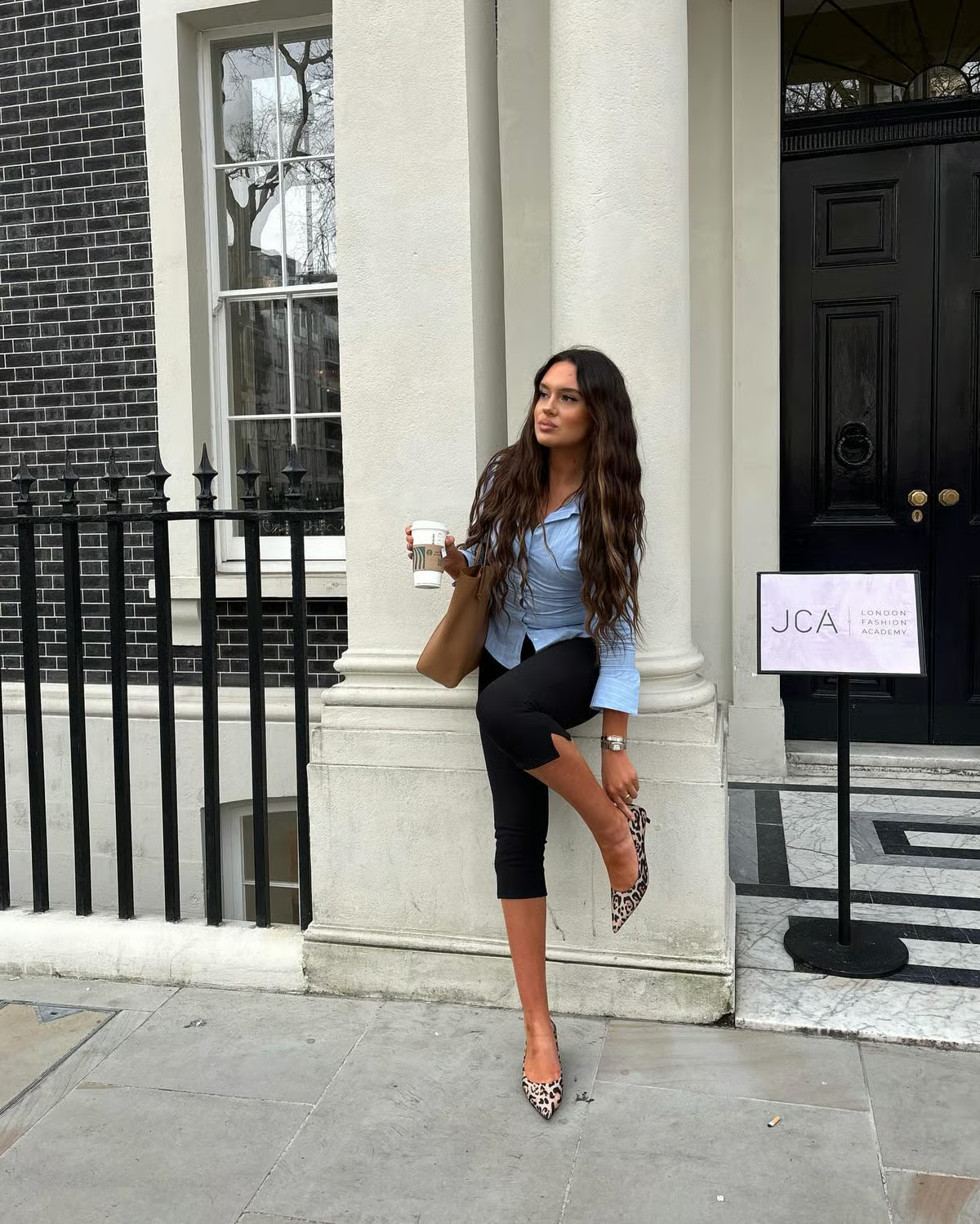
To lengthen the leg, it’s also a good idea to pair your Capris with some kind of heel or sandal — think flip-flops (which also had a moment last year) or even a heeled shoe. Small London brand Realm does a number of lovely, Nineties-inspired minimalist heeled sandals, as does everybody’s cool-girl staple, Vagabond. Or, if you want to hide your toes, then a nice ballet flat is always a good option. For extra statement points, consider investing in a pair of the Speedcat Sneakerinas, which will round off the entire look nicely.
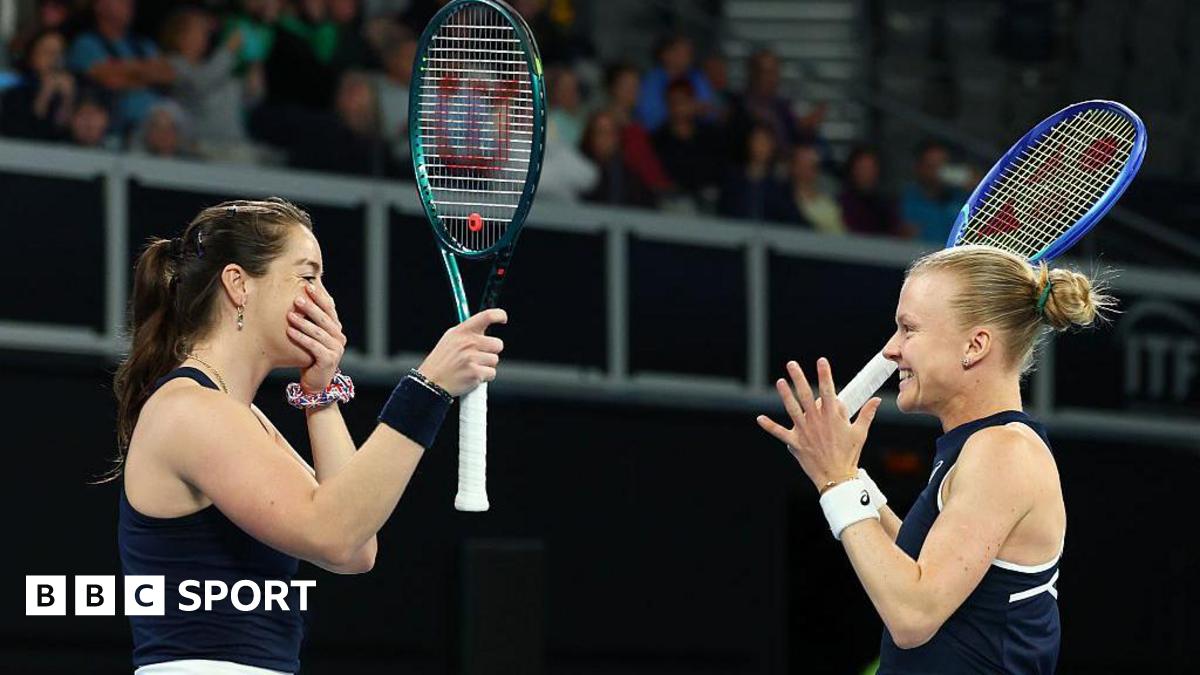
Great Britain, the 2025 semi-finalists, had been the underdogs heading into the tie, as they were without four players ranked inside the singles top 100 – Emma Raducanu, Katie Boulter, Fran Jones, and Sonay Kartal.
But they overcame the disparity in ranking and experience to reach the finals for the third year in a row.
After being broken in their opening service game and slipping to a 3-1 deficit, Dart and Burrage roared back with a run of five games to take the first set.
All four players struggled with their serves in a topsy-turvy second set, with four consecutive breaks en route to 3-3. Great Britain then made the decisive break in the ninth game before Burrage held her nerve to secure the win.
Advertisement
“They’re two great players. They play a lot of doubles and it was our first time playing together,” said Dart.
“It’s crazy actually because we played pretty well and to be able to make the finals is just kind of surreal.”
Great Britain are the second team to qualify for September’s eight-team finals in Shenzhen, joining hosts China, and have reached the last four at the past two tournaments. Losers Australia will compete in November’s play-offs.
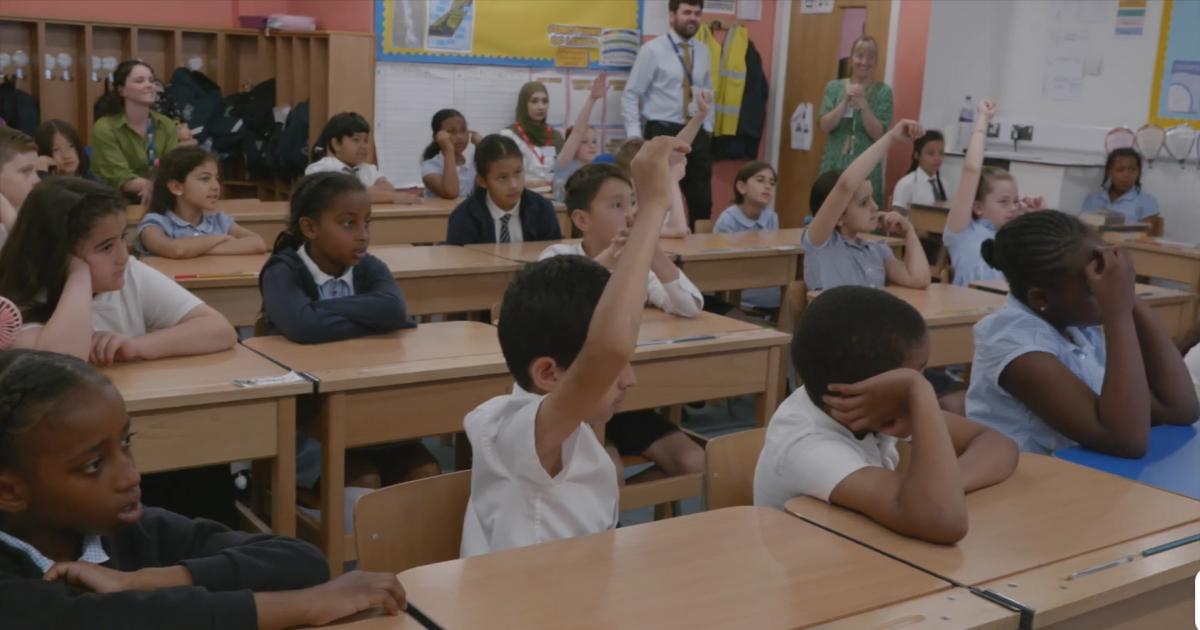
‘Inspiring the Future’ is a six-month pilot scheme run by the Department for Digital, Culture, Media and Sport (DCMS) and Education and Employers, an education charity that connects young people with volunteers from the world of work to broaden horizons and inspire future career choices.
The programme will be interactive, practical and engaging, with a strong focus on reaching young people in disadvantaged areas.
It’s an exciting opportunity to highlight the importance of local media, showcase different career paths, and inspire the next generation to explore opportunities in the media sector within their own communities.
The project will bring media professionals into primary and secondary schools as well as colleges, giving pupils the chance to hear first-hand about the wide range of roles available across the industry – and it’s got the full backing of The Bolton News and Newsquest Media Group.
Advertisement
Richard Duggan, Editor of The Bolton News, is backing the programme (Image: Agency)
Richard Duggan, Regional Editor North West and Editor of The Bolton News, said: “This is a fantastic opportunity for those of us who work in local media to encourage young people to pursue a career in media.
“In an age of misinformation, we are more important than ever before, and we must do our bit to make sure we engage and inspire youngsters to get involved in a rewarding and vital industry.
“I’m looking forward to volunteering my time to talk to schools about how I got into journalism, why I love it and why children should think about making it their career too.
“I encourage all my colleagues in the industry, from reporting to commercial and everything in between, to get involved.”
Advertisement
If you work in local media in any capacity and want to inspire the next generation, this is an opportunity not to miss.
Guest speakers will inspire students from primary to college (Image: DCMS)
While the project, which is also supported by the National Media Association, is based in the North West, you don’t need to be based here to take part.
By getting involved, you’ll help young people discover different roles, understand the routes into them, and see that people from all backgrounds shape our media.
You can volunteer as little as one hour and will be connected to schools and supported by colleagues from Inspiring the Future.
Advertisement
And education establishments, from primary to college, are also encouraged to sign up to take part.
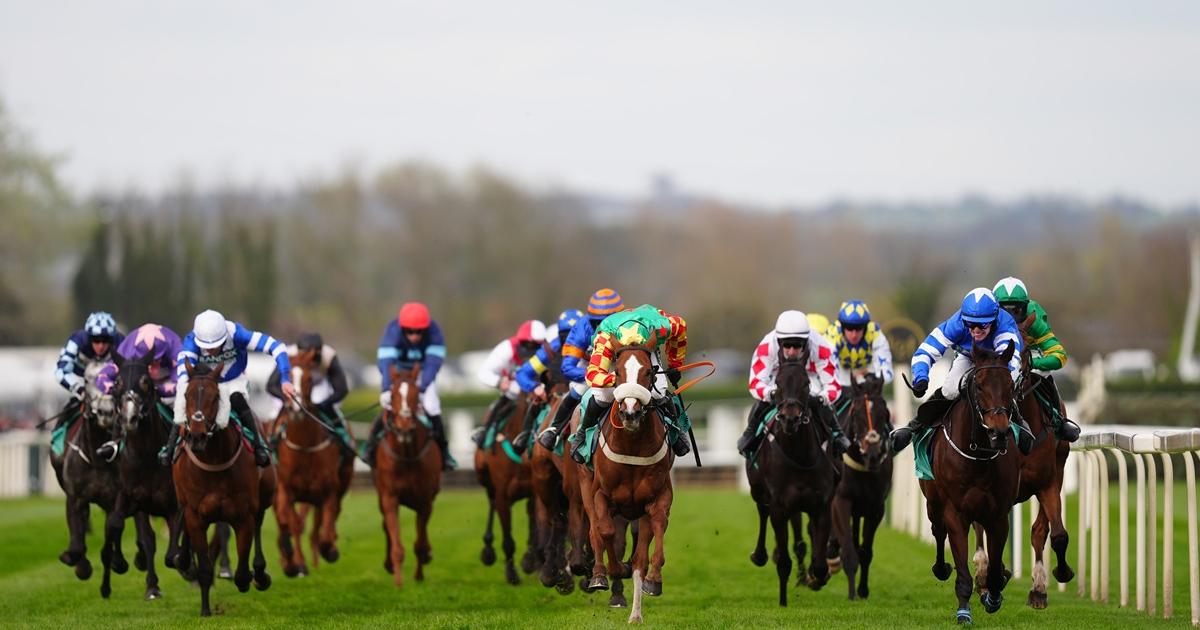
So, you do not miss seeing “the world’s greatest steeplechase”, here is all you need to know about the 2026 Grand National, including the start time, runners and where to watch.
How to watch the 2026 Grand National
Coverage for the Grand National will kick off on ITV1 and ITVX from 3.15pm.
Advertisement
The race will start at 4pm on Saturday, April 11.
Saturday’s final race will also be shown online at Racing.tv .
The first (12.45pm) and final (5pm) races on Saturday will not be available to watch on ITV.
Grand National 2026 runners
The horses taking part in the race are:
Advertisement
I Am Maximus
Panic Attack
Jagwar
Grangeclare West
Johnnywho
Monty’s Star
Iroko
Oscar’s Brother
Captain Cody
Haiti Couleurs
Gorgeous Tom
Gerri Colombe
Final Orders
Quai De Bourbon
Stellar Story
Who has the rights to the Grand National?
ITV currently has the rights to broadcast The Grand National in the UK, which it has had since 2017.
The race was first broadcast on the BBC back in 1960, and it stayed that way until 2013 when Channel 4 got the rights, which lasted until 2016.
Along with the Epsom Derby, the Grand National is one of two horse races that must be broadcast on free-to-air television in the UK.
Will you be watching the Grand National? Let us know in the comments below.




















































You must be logged in to post a comment Login