Politics
3 Symptom Patterns That Could Flag Your Child Has Cancer

A mum is urging parents to be aware of the symptoms that could flag childhood cancer, after her son was diagnosed with leukaemia at just 13 years old and tragically died a year later.
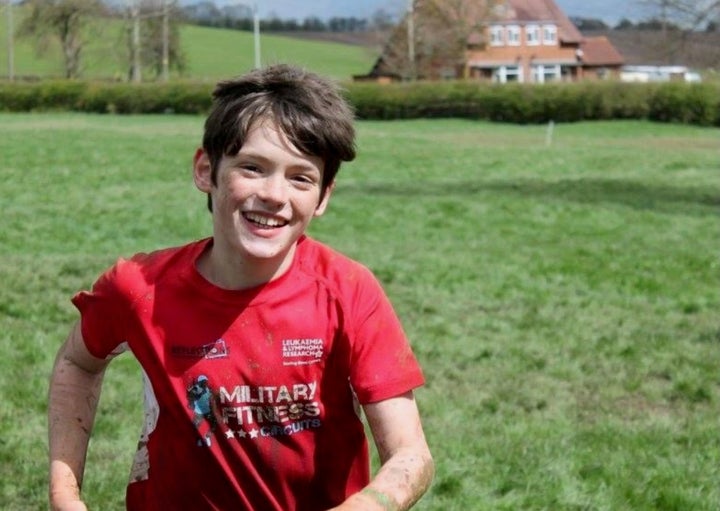
Louise Bennett, from Rugby, Warwickshire, said her son Fred had initially seemed tired and off his food, which the family put down as typical teenage changes and tiredness with the school year coming to a close.
But when his glands began to swell, they took him to the GP thinking it might be glandular fever instead.
A blood test revealed he had acute lymphoblastic leukaemia (ALL), and within hours he was preparing to begin treatment at Birmingham Children’s Hospital.
Around 1,900 children aged 0-14 are diagnosed with cancer in the UK every year, and cancer remains the leading cause of death from disease among children.
Yet survey findings from CCLG: The Children & Young People’s Cancer Association reveal that public awareness of childhood cancer is low.
Louise said: “I didn’t know anything about childhood cancer in terms of what to look for. I had memorised all the symptoms of meningitis. I knew about sepsis. I actually sent my husband a list of sepsis symptoms the day before we took him to the GP because that was in my mind.
“But a cancer diagnosis was completely off our radar.”
Sadly, her son died in May 2020 – a year after his diagnosis – aged 14.

The most common types of cancer in children are leukaemia, brain tumours and lymphomas, according to Children With Cancer UK.
As the symptoms of childhood cancer can mimic common illnesses and viral infections, CCLG’s Child Cancer Smart campaign is encouraging parents and carers to look for patterns of symptoms rather than focusing on a single sign.
Dr Sharna Shanmugavadivel, a paediatric emergency medicine doctor and the Child Cancer Smart lead, has shared three patterns of change in a child’s health that may need investigating.
If symptoms don’t go away after two weeks or something doesn’t feel right, her advice is simple: “Trust your instincts and see a doctor.”
Stay vigilant for three symptom patterns
1. Persistent symptoms
These are symptoms that do not improve or go away as expected and keep coming back after a child has been unwell.
Parents and carers should look out for symptoms that last longer than expected or where their child is taking more time than usual to recover from an illness, said CCLG.
2. Progressive symptoms
Any symptoms that get worse, become more frequent, or change over time rather than improving as expected should be flagged with a GP.
Parents and carers should look out for changes in the way symptoms develop, for example, a child may start with one symptom, such as a headache, but over time the symptom may become more severe or additional symptoms may appear.
3. Clustered symptoms
This refers to a group of symptoms that appear together rather than a single symptom on its own. Parents and carers should look out for combinations of symptoms, particularly when they occur at the same time, persist, or seem unusual for their child.
For example, a child who has ongoing tiredness alongside unexplained bruising, persistent pain, fever, or a lump may need further medical advice.
Symptoms can vary depending on the type of cancer, but these should definitely be checked out
Some of the more common signs and symptoms of childhood cancer include:
- persistent tiredness or paleness,
- repeated infections,
- flu-like symptoms that don’t go away,
- unexplained bruising or bleeding,
- ongoing fever or night sweats,
- persistent aches or pains,
- unexplained lumps or swelling,
- limping or leg weakness,
- changes in bowel habits,
- unexplained weight loss,
- slow growth,
- and changes in behaviour.
You must be logged in to post a comment Login