Politics
4 Ways To Use Empty Toilet Roll Tubes In Your Garden

One man’s trash is another man’s treasure, especially when it comes to gardening.
We’ve written before at HuffPost UK about how everything from old washing-up bowls to disused pans and even melon rinds can keep your garden biodiverse, well-watered, and lower on slugs.
It turns out the humble toilet roll tube has its place in your backyard, too.
Here are four of its uses:
1) Growing seedlings
“Toilet rolls make great eco-friendly plant pots,” gardening pro Simon Akeroyd shared on his Instagram. They’re great for seedling starter pots: just cut them in half across the middle.

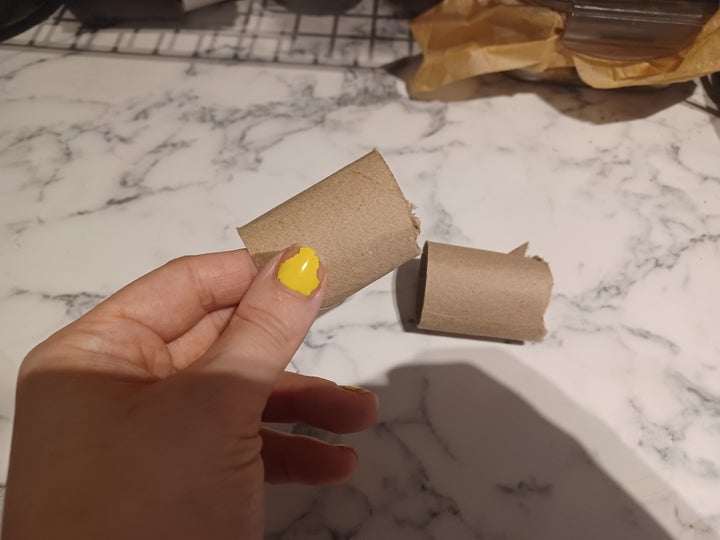
Then, take one half of the tube and pinch its sides so it turns into a cuboid (basically, “square it off”).
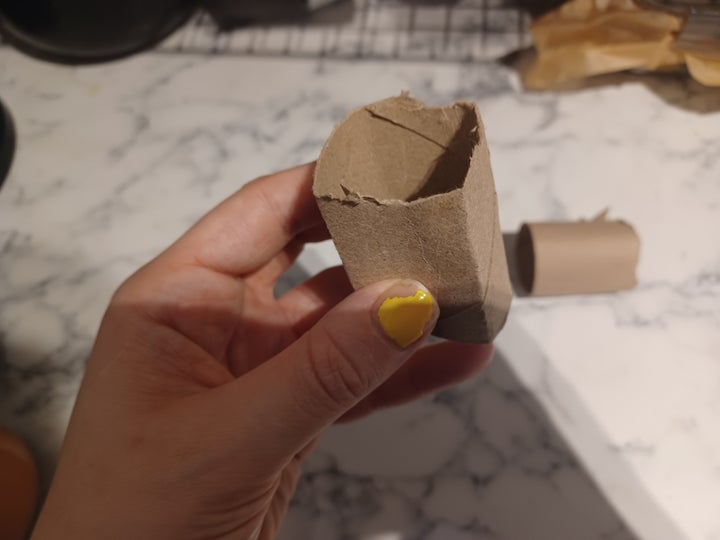
Once that’s done, cut slits about one to two centimetres into each of the four new creases from one end of your tube half.
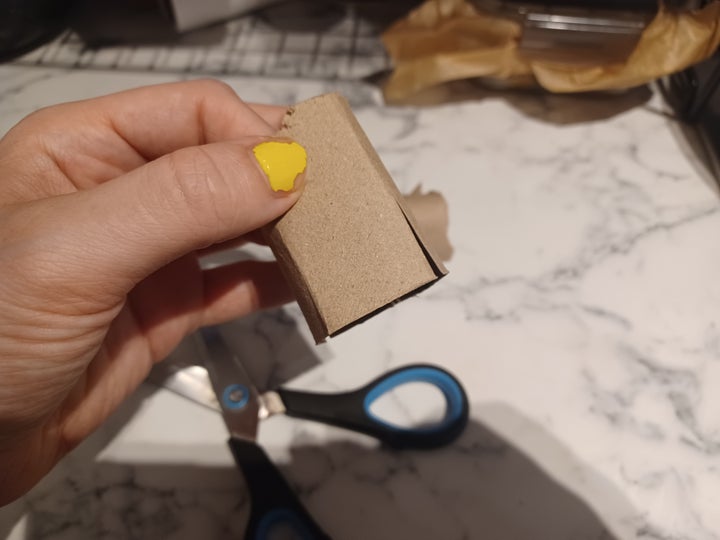
Fold these flaps together, ensuring they slightly overlap, then tuck your last flap into the others. Repeat with as many tube halves as you need.
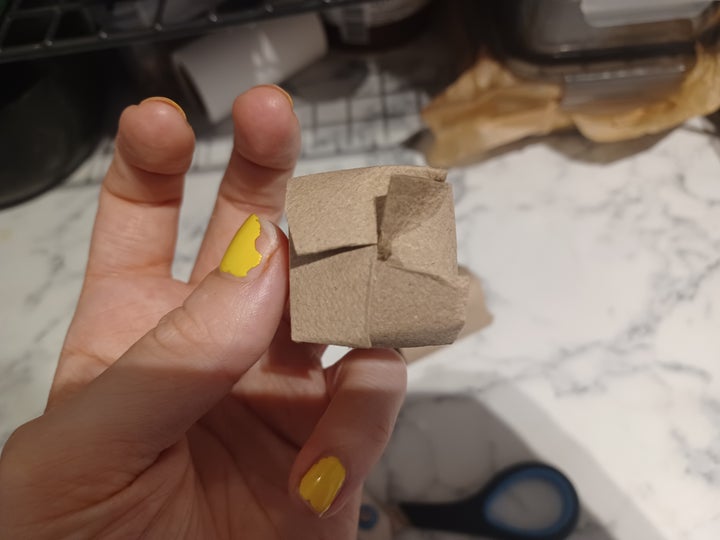
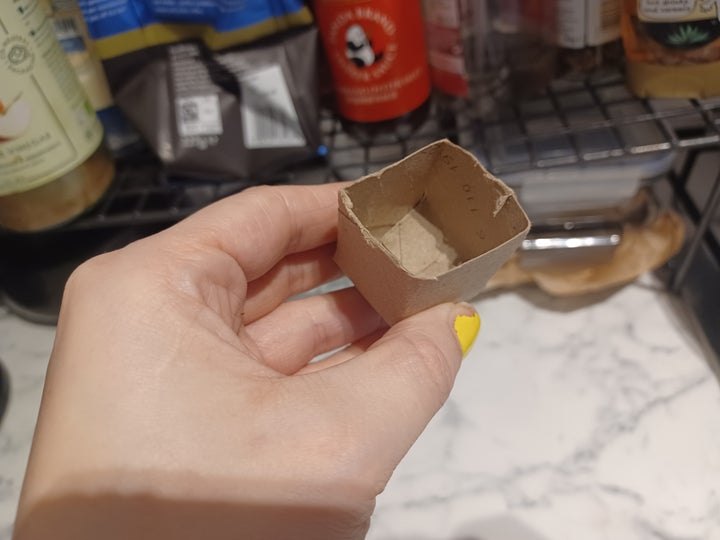
When stood up in a tray, they should act as perfect little seedling pots that you can fill with soil and seeds. But beware, Akeroyd explained: “Make sure you plant them so none of the cardboard is above ground.
“Otherwise, the top of the cardboard acts like a moisture wick, sucking out all the moisture, resulting in dead, dried-out plants.”
2) Use them as a bird feeder in winter
The BBC said that all you need to make a cheap, easy bird feeder is suet or peanut butter, an empty loo roll tube, and about 30cm of string, alongside scissors, a plate, and some birdseed.
Pour some birdseed on your plate, “slather” the outside of the cardboard tube with suet or peanut butter, and then roll it in the seeds (a bit like the world’s most unappetising truffle).
Once the tube is well-coated, thread the string through the tube and hang it in your garden.
A caveat, though: the RSPB has discouraged feeding birds peanuts or seeds from 1 May to 31 October, as that can lead to too many birds gathering in one place, potentially spreading diseases like trichomonosis.
“It’s okay to keep offering small amounts of mealworms, fat balls, or suet year-round,” they added, but it’s best to keep this particular project on hold until winter.
3) Feed the worms (and boost your soil health)
Speaking to Martha Stewart’s site, Audrey King, garden centre specialist at Kent Greenhouse & Gardens, said that worms love “nibbling” on the cardboard.
The Royal Horticultural Society agreed that a “limited” amount of cardboard, newspaper, and shredded office paper makes a great meal for the creatures, who help to aerate soil.
Cut them into thin rings or small pieces and add them to the top 10cm of your soil before watering, King added.
Both she and the RHS said this only applies to plain cardboard. “No plastic coatings, dyes, or glossy finishes,” King said. “Just the simple brown kind. The environment will thank you.”
4) Use them as plant collars
King also shared she likes to use old cardboard toilet paper tubes as “plant collars” to deter pests.
She cuts them along their lengths and then places them, standing up, over the stem of a young or delicate plant. King pushes the soil to keep them upright.
“I like to think of it as a little cardboard moat that keeps the bad guys out until your plant is strong enough to stand up for itself,” she said, though of course this only works for pests that eat the stem of your plants.
You must be logged in to post a comment Login