Politics
7 Steps To Save Basil From Overwatering And Root Rot

This year, I decided it was time to start growing my own herbs. I’ve already written about my success with mint, which basically grows no matter what – but I’ve kept pretty quiet about my basil project.
That’s because I keep making mistakes. I don’t pinch the plant enough, so it’s grown tall and stringy instead of lush and bushy. While I divided and separated the roots of my supermarket plant, I still don’t think my pots are big enough for the job.
All of this, however, a basil plant can survive. My main issue was the one that can cause it to “rot” and sometimes die: I overwatered it, leading it to wilt and yellow in patches.
Thankfully, I’ve managed to save the affected plants since (though as you can see from the pictures below, I’m still doing a terrible job of pinching off leaves for bushy growth: I find it hard to let go of my growth!).

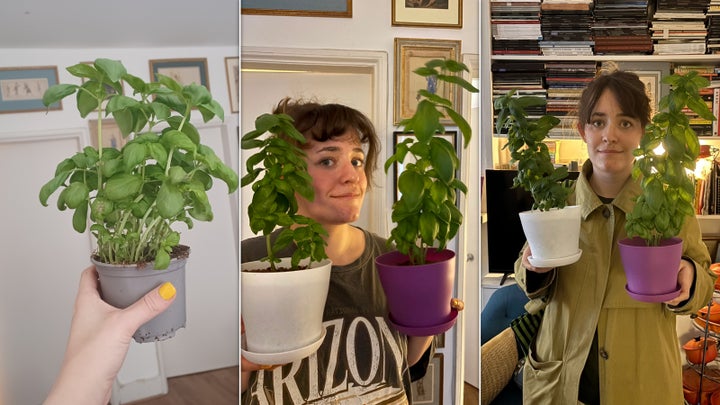
What happens if you overwater basil?
Per the RHS, overwatering seedlings can lead to fungal diseases, like fatal damping off.
For adult plants, Homes & Gardens added, too much water can lead to a condition called root rot.
This (as the name suggests) leads the roots to brown, become mushy, and partly decay.
As root rot gets worse, it endangers the plant because it stops it from being able to absorb the nutrients and water it needs to grow and stay alive.
What causes overwatering for basil?
Basil likes free-draining soil, which is why it needs drainage holes if stored in a plant pot. Letting it sit in moist soil spells disaster.
At first, I thought that meant I needed to apply smaller doses of water. I was only pouring a little into the saucer under my basil plants (always water them from below: watering basil plants’ leaves can cause fungal growth, too), but I was adding it every day.
Speaking to The Spruce, Jordan Mara, founder of Mind & Soil, explained that that’s about the worst watering mistake I could have made.
You’re far better off giving it deep and infrequent waterings rather than lighter applications of water more regularly, he said.
This not only keeps it hydrated for longer, but “trains the roots of the plant to search down more deeply for water, creating a larger root system,” too.
How often should I water basil?
A deep watering from the base about once a week should do if you’ve got an established plant, Mara said, though factors like the weather and whether your plant is potted or planted could affect that.
Martha Stewart’s site echoed the advice, suggesting about 2.5-5cm of water once a week unless the weather’s really hot.
Meanwhile, Southern Living recommends a more customised approach.
Plunge your finger into the soil, they advise, and only water if the first 5cm is dry.
What are the signs of overwatered basil?
- A bad smell coming from your soil,
- Yellow leaves, especially at the base or top of the plant,
- Wilting stems,
- Brown spots on leaves,
- Droopy, dull leaves,
- Mushy, weak, and/or discoloured roots.
What should I do if I’ve overwatered my basil plant?
I saved most of mine with six steps (and saved my sanity with a seventh):
1) Identify issues quickly
Kim Roman, instructor for Square Foot Gardening, told Martha Stewart: “At the first sign of yellowing leaves, you must immediately inspect for the disease as the spores are fast-moving”.
This, it turned out, was true. The basil plant I figured would work it out in the end has since gone to the great well-drained garden in the sky. Check your plants for signs of overwatering at least once every couple of days.
2) Stop watering immediately
It might sound obvious, but putting more water in your soil at this stage definitely won’t help, Food Gardening Network said.
3) Remove affected areas and clean the rest of the root system
I had some mild root rot, which I confirmed by lifting the soil out of the pot and looking at the roots. If that’s happened to you, shake off any excess soil, run the roots under lukewarm water, and cut off any affected areas (these will be weaker and discoloured).
4) Let the roots dry overnight and disinfect your plant pot
This can help to get rid of any remaining spores which could come back to haunt your basil.
5) Repot your basil in new, fresh soil
If your old pot doesn’t have drainage holes and/or your previous soil was heavy with clay, change them for more free-draining options (terracotta pots with good drainage and a saucer are generally better for basil). Don’t compact your soil, either, as that can cause it to hold onto more water.
6) Trim the leaves
If a lot of your roots have gone, much of your plant’s energy and water channels have been cut off too. You may want to remove some of your plant’s leaves after this process, especially if it’s a big plant.
7) Know when to accept defeat
Sadly, BBC Gardener’s World said, it can be tough to treat root rot in established plants. This is especially true if it’s already affected a lot fo your plant’s roots and leaves, as happened with one of my four plants.
Still, now you get the chance to start all over again. And depending on how long you’ve been growing your basil, odds are you’ve already got a decent return on investment for that sub-£2 supermarket plant.
You must be logged in to post a comment Login