
Politics
A legal anomaly is costing the NHS billions

The NHS is one of Britain’s most cherished institutions, providing care to millions of patients each year. Yet questions remain about whether every resource is directed towards its core purpose of treating patients. One example is a law predating the NHS that requires it to pay out vast sums each year for private treatment that may never be used.
This is the real-world consequence of an obscure provision: Section 2(4) of the Law Reform (Personal Injuries) Act 1948.
The provision requires courts, when awarding compensation for clinical negligence, to disregard NHS care and assume the claimant will use private healthcare. Yet nothing in law obliges the claimant to do so. Someone injured through negligence may receive compensation for private treatment but still return to the NHS – effectively charging the NHS twice. Repealing this provision would not force claimants to automatically return to the NHS for their future care. Rather, it would allow courts to decide what is reasonable in each case.
The Act was introduced to modernise personal injury law. Yet unlike many other legacies of the Attlee ggovernment, this change has failed to stand the test of time. Much of the Act has since been repealed or replaced. The survival of Section 2(4) is therefore all the more puzzling.
MDU warns Chancellor clinical negligence system ‘not fit for purpose’

Northern Ireland RE curriculum is ‘indoctrination’ – Supreme Court
When Section 2(4) was drafted, the NHS was only just being established, and the healthcare landscape looked very different. Private treatment was more common, and the idea of a universal health service untested, so the provision could be justified. In today’s world, it no longer makes sense.
In practice, courts must calculate the cost of private treatment even when the claimant has no intention of using it, and even when equivalent NHS services are available. This inflates settlements and creates a financial burden that falls on the public purse. Every pound spent here is a pound diverted from frontline healthcare.
The problem has been recognised for decades. In 1973, a Royal Commission – commonly known as the Pearson Commission – examined the issue and recommended repealing Section 2(4) when it reported in 1978, warning of the risk of double payment. But by then Jim Callaghan was in Downing Street without a workable majority, and the proposal went nowhere.
Calls for repeal persisted. The matter resurfaced repeatedly in parliament, and in the 1990s Rosie Barnes introduced a private member’s bill to abolish the provision, backed by figures including Tony Blair, Jeremy Corbyn and Charles Kennedy. Like most such bills, it ultimately failed to progress.
Today the stakes are even higher. The current clinical negligence framework – including Section 2(4) – is contributing to spiralling costs. In 2024/25 the NHS in England spent £3.6 billion on clinical negligence, according to the latest National Audit Office (NAO) report. This figure is projected to exceed £4 billion a year by the end of the decade. Patients harmed by negligence must receive appropriate compensation, but it’s difficult to deny that our current system is costing more than necessary, in part because of this law.
Escalating costs have brought renewed attention to Section 2(4). Late last year, the National Audit Office recommended re-examining the provision. The public accounts committee followed in January, urging the government to set out within six months what legislative steps it will take to address this outdated law.
Support is also growing across the political spectrum. Since the General Election, MPs and peers from Labour, the Conservatives and Liberal Democrats have raised questions about the provision’s future. The tide is clearly turning in favour of reform.
This week a bill introduced by Catherine McKinnell will directly address Section 2(4) as part of a wider package of clinical negligence reforms. It is the first such legislation in years, and parliament should seize the opportunity.
With cross-party support, authoritative reports and legislation now before parliament, the question is simple: why not act now?
Politics.co.uk is the UK’s leading digital-only political website. Subscribe to our daily newsletter for all the latest news and analysis.

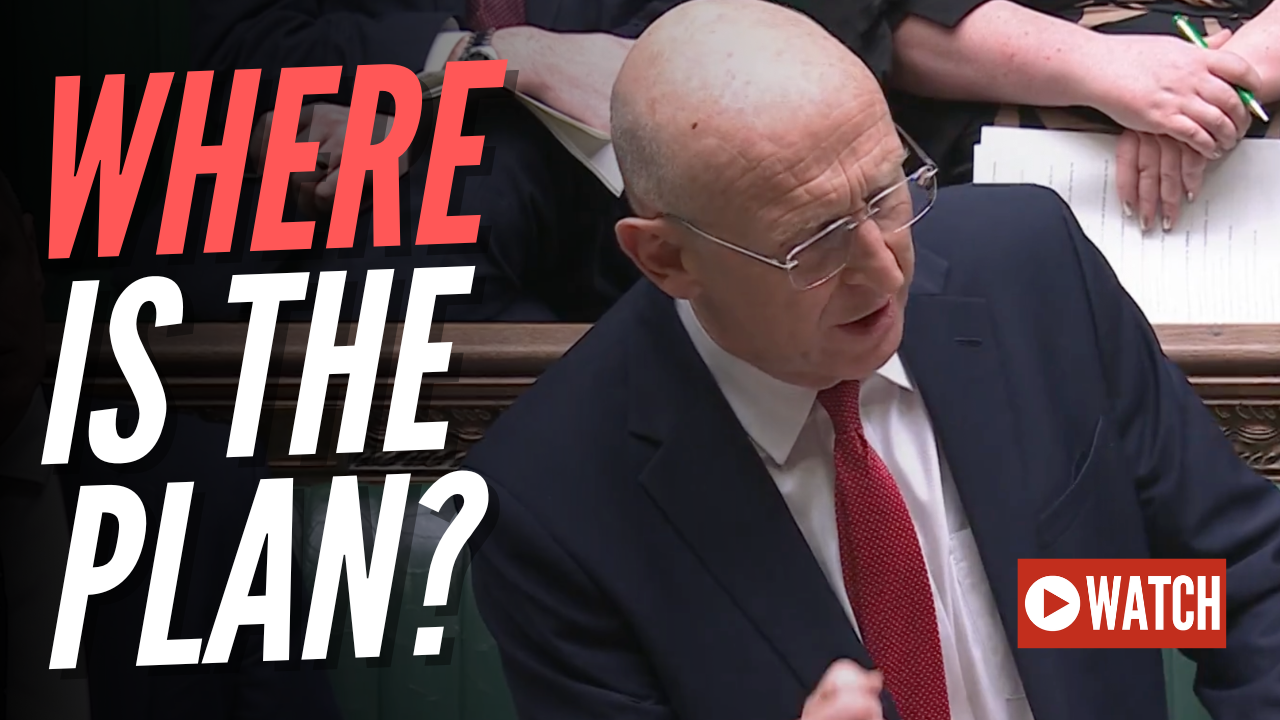
Missing: Britain’s “war-fighting readiness” defence investment plan. Expected arrival date: last autumn…
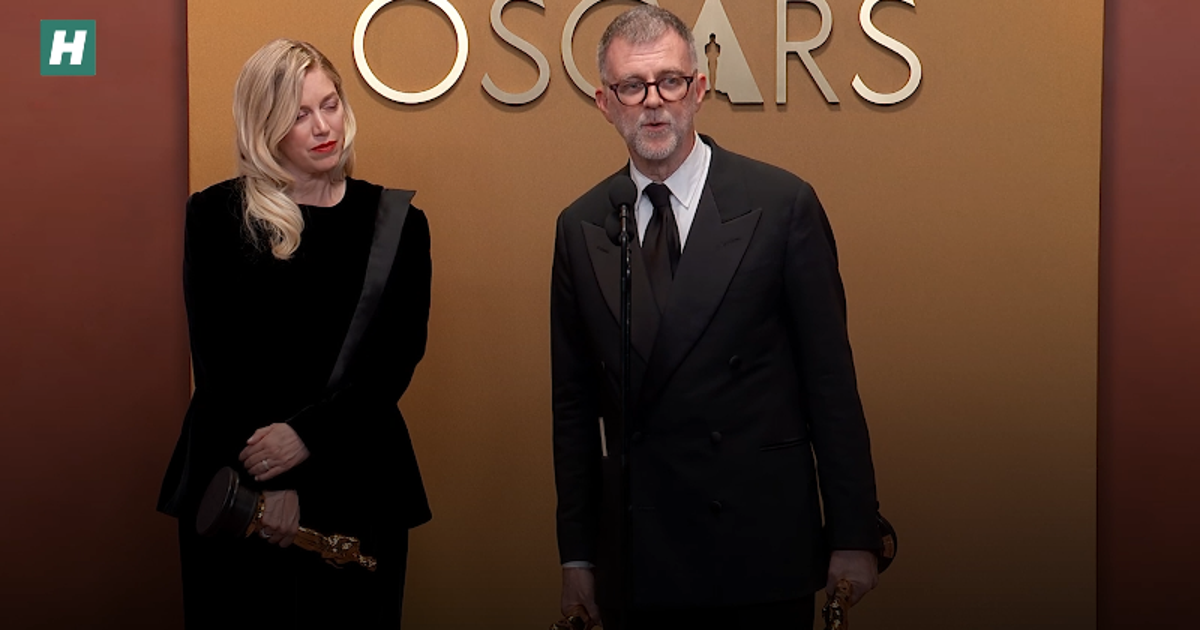
The much-talked-about action-thriller was an awards season front-runner, despite some criticism from audiences over certain portrayals in the film, particularly over the fetishization of Black female characters like Teyana Taylor’s Perfidia Beverly Hills.Speaking to HuffPost from the Oscars press room after the show, the filmmaker acknowledged that he knows “a little bit about that critique,” noting “it’s complicated.”

Deputy leader of Reform Richard Tice has claimed that reports his property empire avoided almost £600,000 in tax is “a desperate Establishment trying to smear” him. Of course, exploiting rent from people’s need for housing with net property assets of over £30 million is entirely anti-establishment and doesn’t epitomise the housing crisis the country is facing.
Tice chats shit
According to the Times, Tice channelled shareholder dividends into an offshore trust and dormant businesses. Doing so, he reportedly avoided hundreds of thousands in tax from the majority of 2018 to 2021. And that’s on multi-million pound profits.
Apparently, a thriving member of the rentier neoliberal capitalist class who treats the essential of housing as an asset is going to help struggling Britons with the cost of living.
Tice recently said:
The cost of living is the number one concern of everybody, and everything that this Government does is just adding to costs for businesses, and they have to pass it on to consumers.
Labour has added ‘costs’ to businesses. But the issue with the government’s rise in employer National Insurance Contributions (NICs) is that they were flat rather than progressive. Labour’s business tax rise impacted less profitable small and medium size outfits. Whereas, highly profitable businesses can afford to pay more in tax to address inflation (through reducing available pounds – the main function of tax).
For example, private equity and venture capital UK firms make as much profit as £5,206,406 per employee. Meanwhile, real estate – like the company Tice owns – is the most profitable overall industry in the UK.
Instead, housing design, location and features should be provided at cost price by the state with that amount paid off in monthly installments. It should be a not for profit industry.
Featured image via the Canary
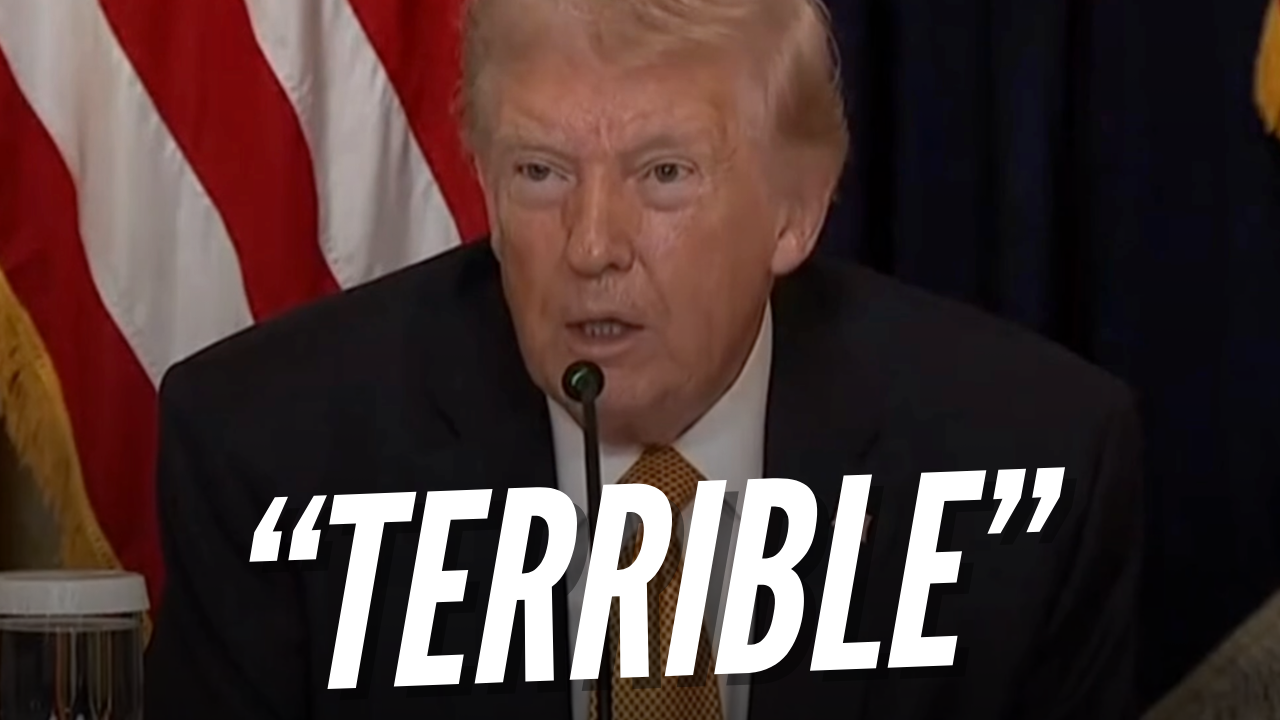
Adding it was “terrible” of the UK not to back the US in Iran…
!function(n){if(!window.cnx){window.cnx={},window.cnx.cmd=[];var t=n.createElement(‘iframe’);t.display=’none’,t.onload=function(){var n=t.contentWindow.document,c=n.createElement(‘script’);c.src=”//cd.connatix.com/connatix.player.js”,c.setAttribute(‘async’,’1′),c.setAttribute(‘type’,’text/javascript’),n.body.appendChild(c)},n.head.appendChild(t)}}(document);(new Image()).src=”https://capi.connatix.com/tr/si?token=19654b65-409c-4b38-90db-80cbdea02cf4″;cnx.cmd.push(function(){cnx({“playerId”:”19654b65-409c-4b38-90db-80cbdea02cf4″,”mediaId”:”6b280c37-298b-4f9c-9fae-4a6d792cee32″}).render(“69b848bfe4b09a39145deb49”);});

South East Water has said it cannot provide water for new homes planned in the area it’s supposed to provide for. Yet in 2024 it wasted more than 100 million litres of water every day through its creaking pipes.
South East Water put profit over infrastructure
The water company has spent significantly more servicing its debt and paying shareholder dividends than it has on upgrading infrastructure. In the two years to March 2022, South East Water paid £156 million in dividends and £72.8 million in interest. Yet it spent just £179.8 million on infrastructure improvements.
This highlights that water privatisation is the key issue preventing new homes from having water in the area.
If the water company were nationalised, it could be funded by government issued, debt-free flat currency with increased taxes on extreme wealth to control any inflation from the central money creation. Even if the infrastructure were funded by the current system of government borrowing, that has a lower interest rate than the private sector takes on. So debt would be zero or lower under public ownership – offering tens of millions in funding for infrastructure improvements in those two years. And the £156 million in dividends could also have gone on infrastructure improvements.
“Cannot accommodate” housing
A spokesperson for South East Water said:
From our review of the latest housing forecast figures, we have identified that we cannot accommodate additional growth beyond what was assumed in our Water Resources Management Plan 2024 in areas where we do not have a supply-demand surplus… Specifically, in the Tonbridge and Malling area, where we currently lack available headroom in our supplies, we would be unable to accommodate any growth exceeding our 2024 forecast assumptions throughout the entire planning period.
Perhaps there would be enough water supply if the company had invested in infrastructure such as pipe maintenance and reservoirs.
Shambles
On top of being unable to provide new homes with water, the company left 30,000 homes without water in Kent and Sussex in January. And that’s not the first time. In 2023, South East Water left thousands of homes without running water.
It’s clear the profit motive is incompatible with the essential of water.
Featured image via the Canary
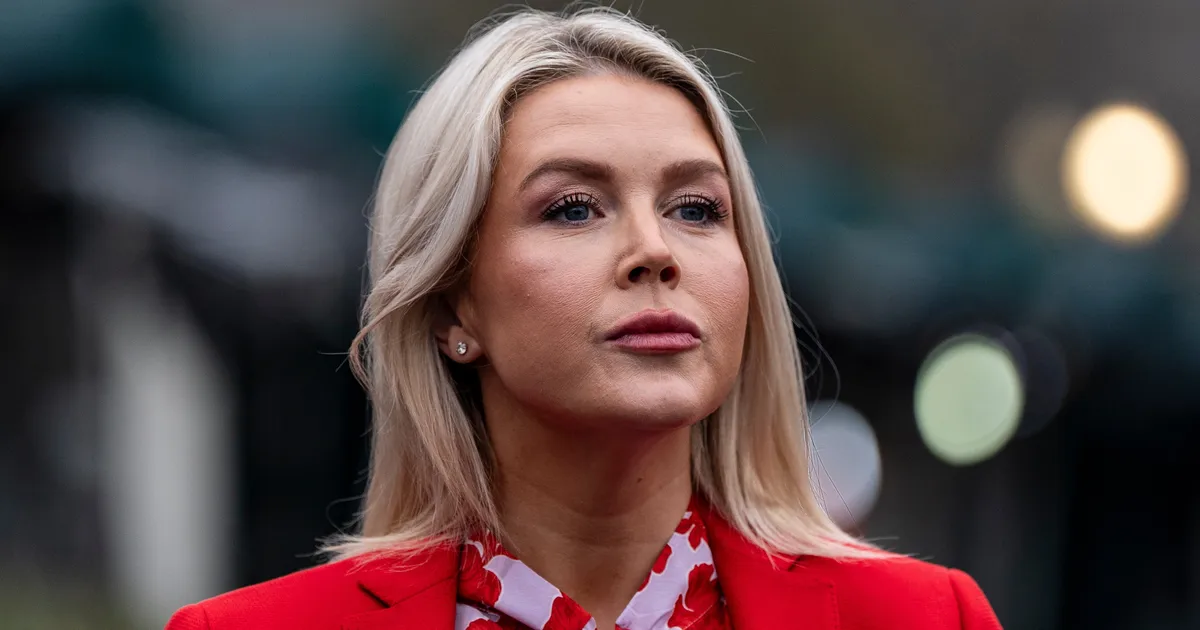
Donald Trump’s press secretary has claimed other countries should help the US in the Iran crisis because they are “benefitting greatly” from the war.
The US president urged international partners including the UK to help keep the Strait of Hormuz open by sending warships to the region at the weekend amid Iranian attempts to effectively close the major oil shipping lane.
But, when allies resisted Trump’s pleas, the president sent a chilling warning about the future of Nato – and vowed to “remember” which countries did not assist him.
A reporter asked Trump’s press secretary Karoline Leavitt why nations who were not informed of the US-Israel strikes on Iran in advance should risk their own militaries to help the war.
She replied: “These other countries are benefitting greatly from the United States military taking out the threat of Iran.”
The Iran war has actually sent crude Brent oil prices sky high, exceeding $100 a barrel as Tehran disrupts oil exports from the Gulf region.
This has sparked wider fears about the cost of living as the global markets express great unease about the current conflict.
But Leavitt said: “The rogue Iranian regime has long not just posed a threat to the United States of America but of course to our Gulf and Arab partners in the region.
“As you see, Iran has struck more than 300 civilian targets in the Gulf region.”
Tehran has escalated its aggression against the US military bases in the Middle East with widespread drone and missile attacks.
Leavitt added: “Their ballistic missile capability that the United States military is currently wiping out was a direct and imminent threat to our European allies as well as our bases in the region, which is why President Trump took this action in the first place.”
The White House’s reasoning behind its strikes against Iran have varied significantly, from claims about limiting Tehran’s abilities to make nuclear weapons to pushing for regime change.
Senior figures in the British government have also been unable to explain exactly why the US decided to bomb Iran.
Leavitt also said: “This is something that not the United States but the entire western world has agreed with for many many years, so I think the president is absolutely right to call on these countries to do more, to work with the United States to strengthen the Strait of Hormuz so we can stop this terrorist regime from restricting the free flow of energy.
“The fact they are doing so just underscores why President Trump needed to take this action in the first place.”
In 2026, High Street chains are continuing to close due to a lack of consumer spending power and the move to online shopping. River Island plans to shut 32 of its stores this year. And there were 30% less High Street stores in 2024 then there were in 2014.
But maybe that’s a good thing? Arts venues, independent outlets and community spaces could replace Big Brand consumerism, turning the centrepiece of towns from dull shopping centres to vibrant creative development.
The number of grassroots music venues (GMVs) is still shrinking, but they are making a comeback – unlike High Street chains. That perhaps shows an appetite for the move away from such consumerism and towards creative nourishment. In 2025, the number of GMVs shrank by just nine, the lowest since 2018. Half of GMVs make no profit.
Questionable losses
The thing is, charity shops and stores like Poundland are also closing. Low income people rely on these places for basic goods. While the existence of charity is a sign the system isn’t working, it’s better than nothing. Cancer Research UK plans to close around 90 of its shops by May. At the same time, the government can always take a stake in such necessary outfits, lowering prices and reducing inflation. It can also provide more funding towards cancer research, a disease responsible for over a quarter of all deaths in the UK.
Your town, your choice?
The direction of the town centre could be delivered through people’s engagement with the city council, making each town different rather than endless boring chains in every part of the UK. While Neighbourhood Planning is already a thing, big capital often takes priority under the current system. Another issue is people are too busy working long hours on low salaries.
We can do better than our town centres consisting of people working retail hours on the minimum wage in grey, lifeless buildings. They should be places of excitement, varied education and community, but spaces that still recognise the individual. Pubs and cafes, definitely – but also arts venues, independent stores, and grassroots spaces.
Featured image via the Canary
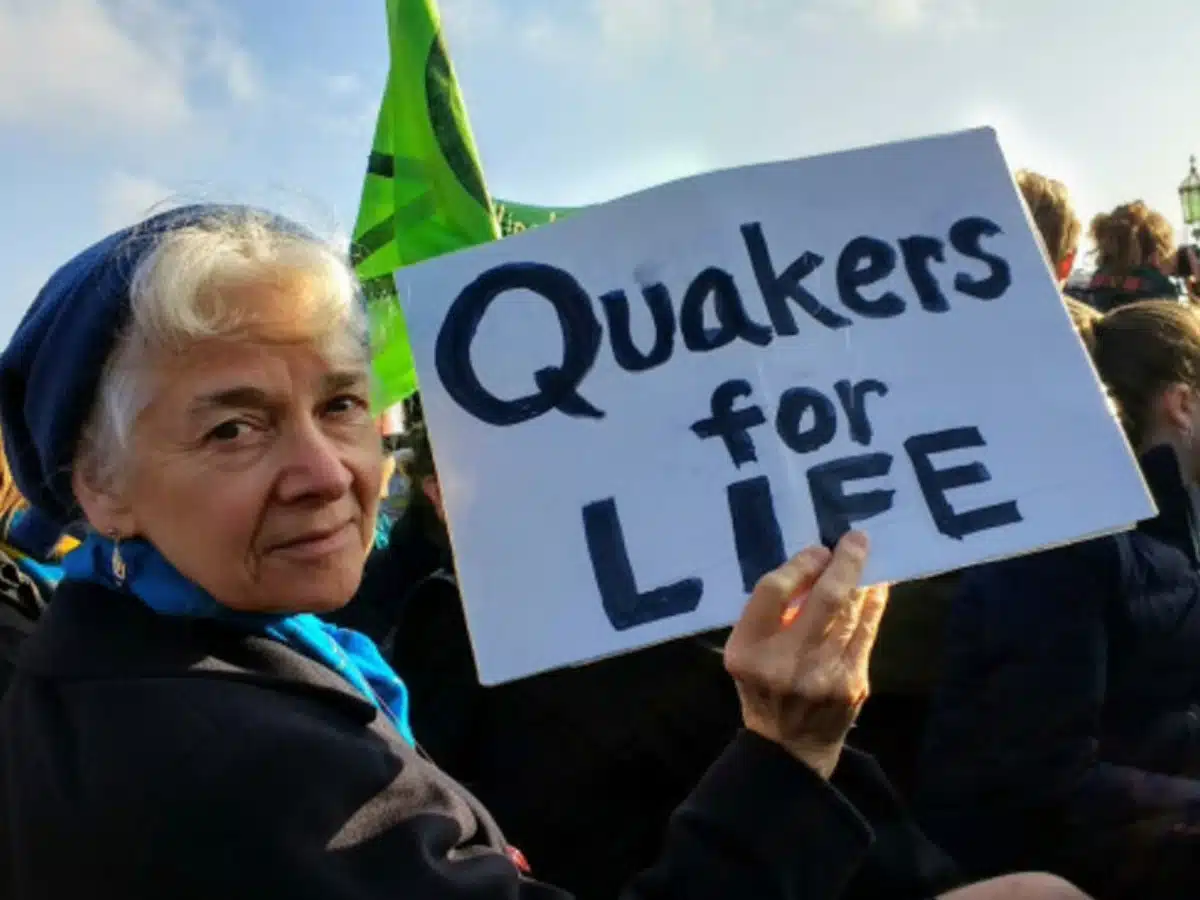
On Tuesday 17 March, Quakers will hold a silent Meeting for Worship outside New Scotland Yard. They’ll then join a mass lobby of parliament to defend the right to protest.
The meeting follows two police raids on Quaker premises. On 5 March the Metropolitan Police raided Westminster Meeting House, arresting 15 people attending a nonviolent direct action training session.
No one has yet been charged. No one from the first raid, less than a year ago, was ever charged either.
The Quaker meeting takes place at 11.45am at the southern end of Embankment Gardens, with supporters invited to meet from 11.15am. There will also be a livestream.
Quakers – 350 years of resisting oppression
Caroline Nursey, clerk of Westminster Quaker Meeting, said:
Quakers have been accustomed to oppression by the state for over 350 years. We will continue to hire space to explicitly nonviolent groups, just as we always have.
After the meeting for worship, participants will join a mass lobby of parliament from 2pm. Amnesty International UK, Greenpeace, Liberty, the Palestine Solidarity Campaign, Quakers in Britain, and major trade unions have organised the lobby.
At meetings in Westminster Hall, they will urge MPs to reject the “cumulative disruption” clause in the Crime and Policing Bill. This clause is dangerously broad and undermines human rights. In particular it threatens the rights to freedom of peaceful assembly and freedom of expression.
Though its primary target is Palestine marches, it could sweep up campaigns on peace, climate justice, and much more.
Police could ban an anti-racist march from Whitehall because of a previous farmers’ protest. Or they could restrict a pride march because a far-right demonstration recently happened in the same town.
The Crime and Policing Bill is part of a broader trend in the UK of cracking down on those who disagree with the government.
The UK is already the only western European country which Civicus has rated “obstructed” for civic freedoms. And a United Nations Special Rapporteur has criticised the UK’s approach.
Gina Romero, UN Special Rapporteur on the Rights to Freedom of Peaceful Assembly and of Association, will attend the mass lobby and hold separate meetings with MPs.
Find full details of the Quakers’ event here.
Featured image via the Canary

We’ve all been there. You rock up to speak at a demonstration, intending to lend your voice to the oppressed and the downtrodden, only to realise you are surrounded by Islamists celebrating an anti-Semitic tyrant, who oppressed and butchered his own people. Welcome to the world of Bob Vylan, the punk-rapping affront to our eardrums and basic moral decency.
Bob Vylan frontman Bobby Vylan – real name Pascal Robinson-Foster – was one of the star speakers at the Al-Quds Day demonstration in London on Sunday. Because of course he was. What ‘progressive’ pin-up wouldn’t want to be seen at this despicable annual shindig with a well-earned reputation for descending into a carnival of Islamist apologism and open Jew hatred?
You’d think anyone with a truly anti-racist bone in their body would give Al-Quds Day a swerve. It all began in 1979, when the Islamic Republic of Iran’s freshly installed Supreme Leader, Ayatollah Khomeini, declared the final Friday of Ramadan to be a day for Muslims worldwide to stand in ‘solidarity’ with the Palestinians. Unsurprisingly, the keenest supporters of the late Khomeini and the anti-Semitic terror state he founded have been taking it as an opportunity to air blood libels and support for Islamist terror groups ever since.
Don’t believe me? Sunday’s festivities in London were downgraded to a static protest after the Metropolitan Police requested the traditional full march be banned. This came after a memo circulated in the Home Office, warning that Al-Quds Day is a magnet for ‘racial hatred’, ‘anti-Semitic rhetoric’ and ‘open displays of support for proscribed groups’. Jeremy Corbyn, the world’s unluckiest anti-racist, was once snapped speaking from the platform in front of the flag of Hezbollah – the Jew-killing jihadi army set up in Lebanon by the Islamic Republic in the 1980s and banned under British law.
Despite its diminished presence this year, the Al-Quds attendees made up for in vim what they lacked in plain old numbers. One was arrested for showing support for a proscribed group, another for dangerous driving, a third for threatening and abusive behaviour. spiked’s Brendan O’Neill was surrounded by a mob and had to be escorted away by police for his own safety, after he questioned a woman about her anti-Semitic placard.
Any pretence that this was all about the benighted people of Palestine was dropped this year, replaced by tear-drenched mourning for the recently despatched Ayatollah Khamenei, Khomeini’s successor as Supreme Leader, who was assassinated in the opening salvos of the US and Israel’s war with the Islamic Republic. One speaker – reportedly from the Islamic Human Rights Commission, a troll of a name given this organisation’s well-documented links to the brutal, rights-crushing mullahs – called Khamenei a ‘great martyr’. This is the same Khamenei who is believed to have killed as many as 30,000 of his own people this year because they dared to demand their freedom, and who threw money and resources at every anti-Semitic militia going.
Among all this was that prick Bobby, addressing the crowd in front of a banner depicting Khamenei and claiming this murderous theocrat was on ‘the right side of history’. Bobby finished his speech with a reprisal of his favourite chant, ‘Death, death to the IDF’. It was this blood-curdling cry to kill the soldiers of the Jewish State – the army almost all Israelis are required to serve in, charged with protecting Jews from the genocidal, Tehran-backed forces on Israel’s borders – that first sealed Bob Vylan’s infamy when they debuted it to thousands during their Glastonbury set last summer. (Avon and Somerset Police eventually concluded the chant didn’t meet the criminal threshold. The Met are currently investigating Robinson-Foster once again.)
Bobby luxuriated in the Glasto backlash. He didn’t so much refute claims the chant was anti-Semitic as casually brush them off. He even told a credulous Louis Theroux on a podcast that the only reason he chose the word ‘death’ is because it rhymed with ‘IDF’. He was only speaking up for the innocents of Gaza, of course. Is anyone seriously still buying this? Here’s an idea: if you don’t want to be accused of being anti-Semitic and calling for the murder of Jews, maybe don’t address a demonstration glorifying an anti-Semite who commissioned the murder of Jews. It’s not hard.
The Bob Vylan debacle has shown the Israelophobes are truly beyond shaming. Or saving. They clearly get off on the notoriety, on the shudders they send through our already embattled Jewish communities, on the frisson of the Islamist company they now keep. It’s been tempting to call the ‘progressive’ wing of the ‘pro-Palestine’ movement useful idiots, marching in lockstep with 7th-century nostalgists who would happily hang them from a lamppost. But they clearly know exactly what they’re doing. They just don’t care. They are lost to this bigotry, to this cocky nihilism, to this barbarian chic.
I don’t want them censored, or locked up. It only fuels their grift. But I do want everyone to stop pretending that this is anything other than old poison in a new bottle.
Tom Slater is editor of spiked. Follow him on X: @Tom_Slater_.

T. Rowe Price, a $1.8 Trillion asset manager, is ready to put dogecoin (DOGE) and shiba inu (SHIB) in its new crypto ETF

WATCH: Healey Admits Britain’s ‘War Footing’ Defence Investment Plan Still Not Ready
Infamous Former Viking Gets Another Contract


-
 Tech6 days ago
A 1,300-Pound NASA Spacecraft To Re-Enter Earth’s Atmosphere
-
 Crypto World3 days ago
HYPE Token Enters Net Deflation as HyperCore Buybacks Outpace Staking Rewards
-

 Business6 days ago
ExxonMobil seeks to move corporate registration from New Jersey to Texas
-

 Fashion3 days ago
Weekend Open Thread: Addict Lip Glow
-

 Tech6 days ago
ChatGPT will now generate interactive visuals to help you with math and science concepts
-
Sports2 days ago
Why Duke and Michigan Are Dead Even Entering Selection Sunday
-

 NewsBeat5 days ago
Residents reaction as Shildon murder probe enters second day
-
 NewsBeat7 days ago
Pagazzi Lighting enters administration as 70 jobs lost and 11 stores close across Scotland
-

 Business6 days ago
Search Enters Sixth Week With New Leads in Tucson Abduction Case
-

 Business1 day ago
Search for Savannah Guthrie’s Mother Enters Seventh Week with No Arrests
-

 Business2 days ago
US Airports Launch Donation Drives for Unpaid TSA Workers as Partial Government Shutdown Enters Fifth Week
-
Crypto World2 days ago
Coinbase and Bybit in Investment Talks: Could Bybit Finally Enter the US Crypto Market?
-

 NewsBeat5 days ago
I Entered The Manosphere. Nothing Could Prepare Me For What I Found.
-

 Business2 days ago
Country star Brantley Gilbert enters growing non-alcoholic beer market
-

 Business9 hours ago
Australian shares drop as Iran war enters third week
-
 Crypto World6 days ago
Will Chainlink price reclaim $10 amid volatility squeeze?
-

 Sports5 days ago
PWHL, Senators discussing plan to keep Charge in Ottawa
-

 Sports3 days ago
College Basketball Best Bets: Conference Tournament Semifinal Picks
-

 Crypto World9 hours ago
Crypto Lender BlockFills Enters Chapter 11 with Up to $500M in Liabilities
-

 Politics6 days ago
Trump Says Middle East Is ‘Very Lucky’ That He’s President


You must be logged in to post a comment Login