Politics
ADHD UK Slams Channel 4 Over ‘The Great ADHD Myth?’ Documentary

The charity ADHD UK has penned an open letter to Channel 4 after it shared a new documentary will be aired dubbed ‘The Great ADHD Myth?’, HuffPost UK can exclusively reveal.
The TV channel said the show “seeks to determine whether ADHD [attention deficit hyperactivity disorder] is a genuine neurodevelopmental disorder, or a social construct”.
The show will follow NHS psychiatrist Dr Max Pemberton as he speaks to “a growing number of medical experts who are questioning the conventional narrative around ADHD”.
According to Channel 4’s release, these experts “discuss whether the real problem is the environments in which young people are growing up, as well as the current health and schooling systems not being flexible enough to cater for a wide enough range of personalities and behaviours among children”.
It will also follow a family who “want to see whether holistic lifestyle changes can eliminate one boy’s use of ADHD medication”, a press release seen by HuffPost UK reads.
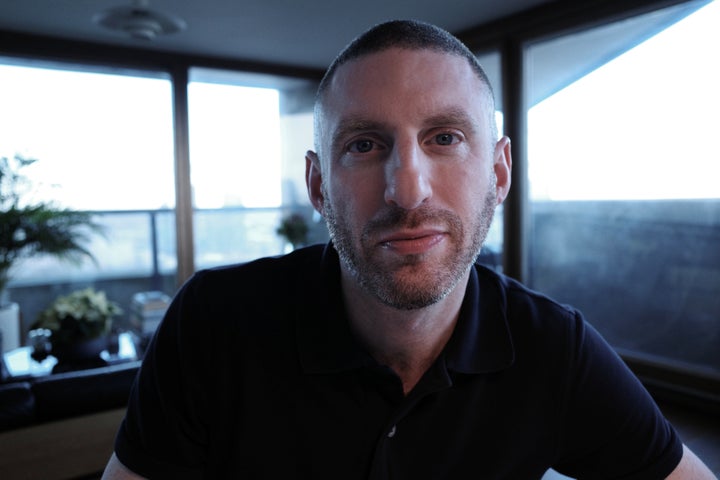
Dr Max Pemberton, who features in the documentary, said: “As a psychiatrist, I’ve watched ADHD go from a diagnosis that was only occasionally made and after careful assessment, to one that is increasingly demanded and dispensed, and I wanted to understand why.
“There’s no doubt that the people seeking these diagnoses are genuinely struggling; that isn’t in question. What the film asks is whether ADHD is really the best explanation for that struggle and my hope is that we come away with permission to ask better questions about what modern life is doing to all of us.”

Backlash against framing of show
Since information about the documentary was publicly shared, some people with ADHD as well as mental health experts have revealed their disappointment over the framing of the show – especially the title.
An open letter to the channel from the CEO and co-founder of ADHD UK, Henry Shelford, seen by HuffPost UK, points out that “the damage of a title like this is done in the listings, in the commentary, before a single frame is broadcast”.
After the documentary details were shared on 29 July, Dr Chris Abbott, chief medical officer at Care ADHD, shared in an email: “Presenting ADHD as potentially no more than a ‘social construct’ is scientifically misleading and risks causing real harm to children, adults and families.”
While Dr Claudia Aymerich, consultant psychiatrist at Berkeley Psychiatrists, is also concerned by the framing, which she said “oversimplifies a far more complex issue and doesn’t reflect where the scientific evidence sits”.
In response to these concerns, a Channel 4 spokesperson told HuffPost UK: “This documentary does not deny the lived experience of those diagnosed with ADHD, but does present the view of an extensive range of senior medical experts – many of whom work or have worked with the NHS or have held presidential roles at professional membership bodies – who seek to question the conventional understanding of ADHD and if it is a neurodevelopmental condition.
“They also ask whether modern living has contributed to a rise in diagnoses, and whether there may be better alternatives for some children than medication.”
ADHD is a real and recognised condition
ADHD is recognised by the World Health Organization, the NHS and the National Institute for Health and Care Excellence.
Dr Aymerich said: “Studies consistently demonstrate differences in brain development and function, particularly in areas relating to attention, executive functioning and impulse control, alongside a strong genetic component.”
And “while modern environments, education systems, increased screen use and lifestyle factors can all influence how symptoms present or how significantly they affect someone’s daily life, they do not negate the existence of ADHD itself”, she added.
In its open letter, ADHD UK highlighted that “this is not a parlour debate. People die” and pointed to UCL-led research using UK health records which showed that adults with diagnosed ADHD have a shorter life expectancy. There was a reduction in life expectancy for men with diagnosed ADHD of between 4.5 and 9 years, and between 6.5 and 11 years for women.
“Having ADHD is tough. Undermining the condition just makes it tougher. When a national broadcaster invites millions to file all of this under ‘myth’, people cancel assessments, parents doubt their children, employers doubt their staff, and lives are put at risk,” said Henry Shelford, who has ADHD.
After a BBC Panorama programme investigating Private ADHD Clinics aired in 2023, ADHD UK surveyed more than 2,200 people with ADHD – 90% suggested stigma had increased because of the programme, and 84% believed it would stop people with symptoms from seeking an assessment.
Dr Aymerich is concerned about how the framing may impact those living with ADHD or currently seeking a diagnosis. “Many patients spend years being told they are lazy, disruptive, disorganised or simply not trying hard enough before finally understanding that there is a recognised medical explanation for the challenges they have experienced throughout their lives,” she said.
“Receiving a diagnosis can be genuinely life-changing because it allows people to access appropriate support and better understand themselves.”
She continued: “When public debate shifts toward questioning whether ADHD is ‘real’, it risks reigniting shame, self-doubt and stigma for those individuals.
“It may also discourage parents from seeking assessments for children who are struggling or make adults question whether they deserve support at all.”
Untreated ADHD is associated with consequences such as poorer educational outcomes, relationship difficulties, anxiety, depression, substance misuse and increased risk of accidental injury.
ADHD UK’s letter has called for a review of the title of the show and for the broadcaster to “make clear on screen where contributors’ views sit relative to mainstream clinical consensus”.
It also takes issue with a child being at the centre of an experiment involving replacing medication with lifestyle changes.
In response to this, Channel 4 said “the wellbeing of our contributors was of paramount importance throughout, and the observational study of one child’s medication break was undertaken in consultation with multiple psychiatrists, an independent doctor and the family’s GP”.
The open letter continues: “We are not asking Channel 4 to duck hard questions about ADHD. Waiting lists, service failure and the gulf between need and provision deserve every camera you can point at them. We are asking you to aim at the right target.”
ADHD needs to be further explored, say experts
All of the experts HuffPost UK spoke to stress that ADHD should be discussed in the media. Dr Abbott said: “There’s legitimate discussion to be had about the quality of assessments, inequalities in access, the careful use of medication and the need for holistic support.
“Diagnosis should always follow a comprehensive specialist assessment, and treatment should be individualised rather than reduced to medication alone. But questioning whether ADHD itself is ‘real’ is not a balanced contribution to that debate.”
Dr Aymerich added “there is an important distinction between asking whether we are diagnosing and treating ADHD as effectively as possible and questioning whether the condition itself exists”.
“The first is an essential scientific discussion,” she said. “The second risks undermining decades of clinical evidence and doing unnecessary harm to a patient group that already faces considerable misunderstanding and barriers to accessing care.”
You must be logged in to post a comment Login