
Posted without comment.

Except this: good riddance to the worst traitor in Scotland’s history.



Alex Clarkson is Councillor for Borehamwood Hillside on Hertsmere Borough Council and is also Deputy Chairman of Hertsmere Conservative Association. He stood in Stevenage at the last General Election. He is a Founder Member of Conservatives Together and is the Vice-Chairman (Outreach) of LGBT+ Conservatives.
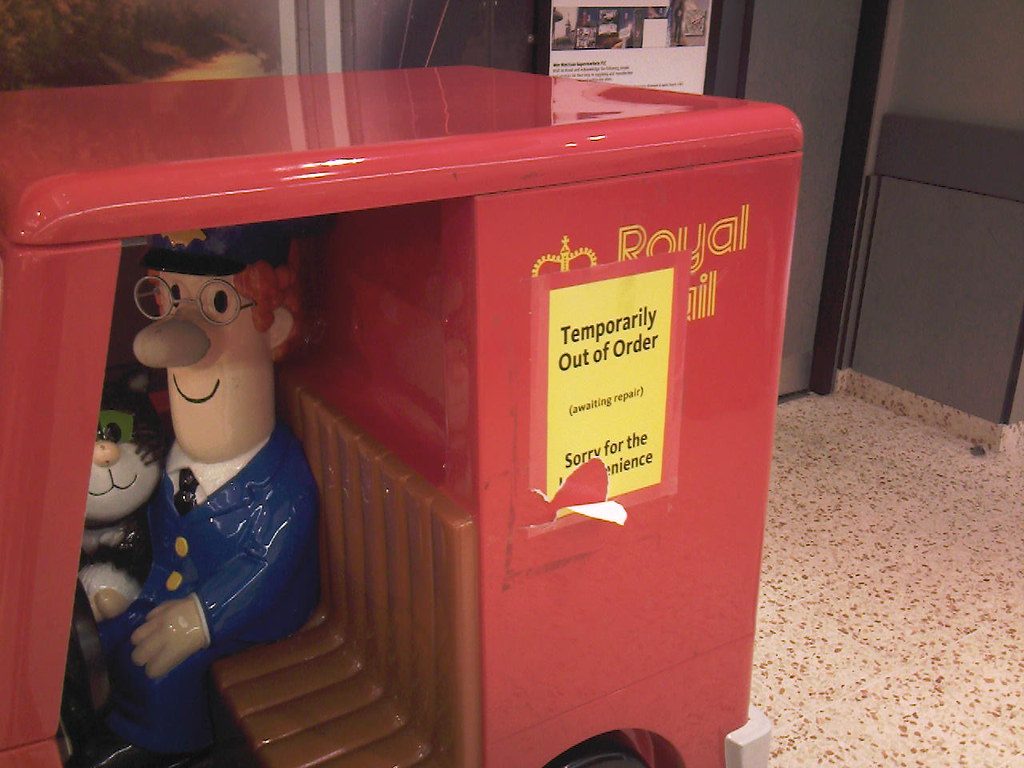
I don’t know what it is, but I have always had a soft spot for village post offices. Maybe it was going down to my local one, before it was shut by the Blair government, to pick up my First Day Cover. Yes, philately anorak alert.
Maybe it is the fact that as an actor I voiced several male characters in Postman Pat: Special Delivery Service, still shown on CBBC most weekday mornings, with our hero Pat souped up for the 21st century now armed with a lorry, motorbike and helicopter.
Or maybe it is because village post offices are exactly what they appear to be. They are a quintessential part of British rural life. They are community hubs where villagers and passers-by do not just post letters or parcels, but natter in the queue and connect with one another, perhaps picking up some stationery or a Mother’s Day card just in time.
Now from experience voicing so many episodes, I can tell you that the goings-on in Mrs Goggins’ post office in the fictitious Cumbrian village of Greendale make an Eastenders Christmas special pale into insignificance. Unlike our much loved animation though, the realities of this Starmer government, with its 18 U-turns, higher taxes, higher borrowing and general chaos, means we are in a Greendale-like emergency, but with no Postman Pat to sort it out!
Labour’s threat to rural post offices
Ironically, one of the more monstrous proposals appeared in a Green Paper published last summer. It suggested abolishing the minimum number of 11,500 post offices nationwide introduced in 2010 by David Cameron, scrapping the Three Mile Rule that ensures 99 per cent of the population lives within three miles of a post office, and phasing out part time, mobile, or outreach branches that typically serve rural communities.
For our villages and small towns this would have been devastating. Post offices are often the last remaining public service in Hertfordshire’s rural communities.
The campaign in North East Hertfordshire
Credit to CCHQ and the Campaign Toolkit team. They were ahead of the curve from the outset, with leaflet and survey templates appearing in their own sub-section of the website within weeks of the Green Paper announcement.
Some Conservative members in our patch initially told us the issue was exaggerated and might generate complaints. It is right to be cautious yes, but once we showed them proof of the Green Paper announcement (which had of course been buried deep under other news announcements at the time), they got behind us. Meanwhile local Liberal Democrats went ballistic on the inevitable Facebook groups. Apparently, they believe they are the only party allowed to campaign on local issues!
But off we went last August, campaigning to save four village post offices in a corner of North East Hertfordshire. These are Greendale-style villages connected by winding country lanes and narrow rural roads, with cottages, village greens and small high streets where the post office still sits at the heart of the community.
These branches could easily have closed, forcing pensioners and residents to travel into Stevenage by bus simply to access basic services.
Listening on the doorstep
Using the ‘Knock, Drop & Collect’ system, dropping off an easy-to-use survey and returning in 20 minutes to collect it, we heard repeatedly how vital these post offices were. Residents told us they had helped keep villages connected during the pandemic. They explained how they allowed pensioners to manage their bank accounts after local bank branches closed. Two of them even offered to do social media videos for us illustrating these points, which of course we gladly accepted.
The key point is that we heard this directly, and residents felt heard.
We did not simply write a few bullet points on a leaflet and push it through doors, or post a graphic on Facebook. Using the knock, drop and collect model, we spoke to people directly.
The result was that we learned the issues first hand and, more importantly, voters saw us listening rather than simply asking for their vote. We received hundreds of voter intentions, and using the 0-10 system too rather than the old-fashioned (and largely useless) canvass letter code.
Bearing in mind this was territory that had not been canvassed for a while. With its council elections ‘all out’ rather than up ‘in thirds’, elections come once every four years with not much else happening in-between. These were villages that had been blue since time immemorial but were now either fair game for Reform or were already ensnared by the ‘Japanese knotweed’ that is the Liberal Democrats.
Now there is bang on up to date canvass data – these villages are campaign ready for a future local or General Election.
Unexpected campaigning bonuses
Two unexpected things happened.
First, a huge number of residents who were not home when we knocked, used the QR code to complete the survey online, or even sent the form back to our Association Office using their own stamp. Postman Pat would have been proud, and busy!
Second, we harvested what campaigners love most. Bonus prizes. Nearly two dozen residents requested information about Party membership, including one person interested in becoming a Conservative councillor and another keen to return as a branch chairman. We also recruited over a dozen new leaflet deliverers, the same number of social media supporters, and even gained several requests for postal votes.
What activists can learn
The lessons are clear.
– Knock, drop and collect works, but always include a QR code and return address for those not in
– Always include tick box options for membership, volunteering, or helping online.
– A strong local issue like ‘Save the Post Office’ dramatically increases engagement as it is relevant and emotive
– Check Campaign Toolkit for ready to use campaign materials
– Do not neglect areas you once assumed were ’true blue’ – in fact concentrate on them during ‘peacetime campaigning’ to shore up the core vote, lay the foundations and stop any bleed to rival parties
– Do not listen to local Fib Dems who will start whining, moaning and calling you liars the moment you start campaigning
A quiet but significant victory
Nationally, 180,000 people signed the Party’s petition to protect our post offices. In our corner of North East Hertfordshire we played our part.
On 22nd February Labour quietly performed another U turn. It barely made page eight of the Daily Mail, but for Dane End, Walkern, Watton-at-Stone and Weston it was big news.
The newspapers attributed the reversal to ‘public pressure’. In truth, it was Conservative pressure. A policy U turn, voter data gathered, new members recruited, and new volunteers signed up. Job done. For a moment the North East Herts team almost felt disappointed when the news arrived that the post offices were safe, because we were already preparing to campaign in a fifth village.
Not for long though. We are out saving the local pubs now!
And if Mrs Goggins had been watching from behind the counter of Greendale Post Office, I suspect she would have approved. Even Postman Pat would struggle to deliver that many campaign surveys!
Pembrokeshire – Milford Hakin
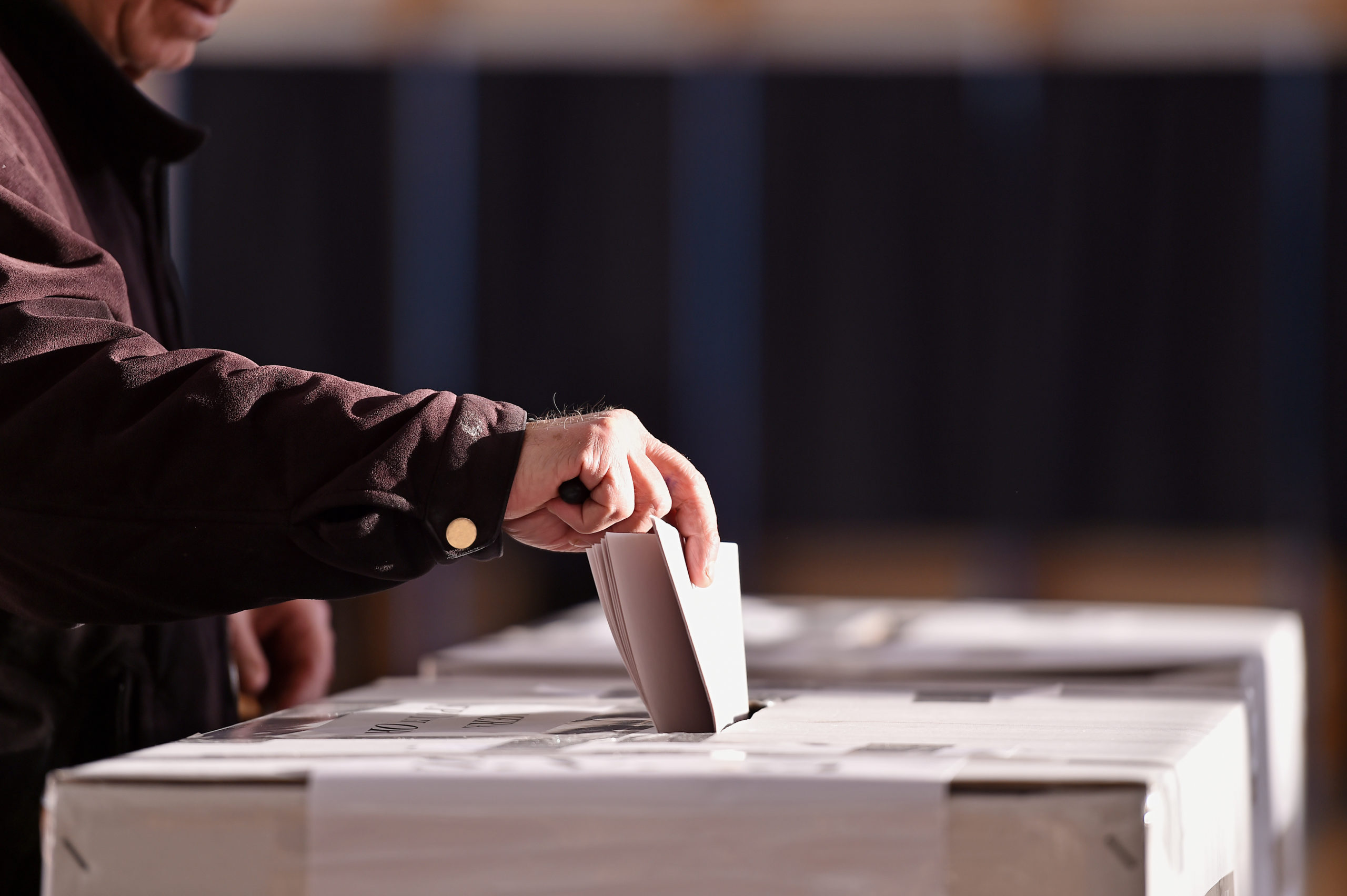
Reform UK 179 (27.1 per cent, +27.1 on 2022) Conservatives 144 (21.8 per cent, +0.5) Independent 106 (16.0 per cent, +16.0) Green Party 85 (12.9 per cent, +12.9) Lib Dems 57 (8.6 per cent, +8.6) Independent 52 (7.9 per cent, -22.1) Labour 27 (4.1 per cent, +4.1) Independent 11 (1.7 per cent, +1.7)
Reform UK gain from independence.
Forthcoming contests
March 26th
April 2nd
April 9th
April 16th
April 22nd
April 23rd
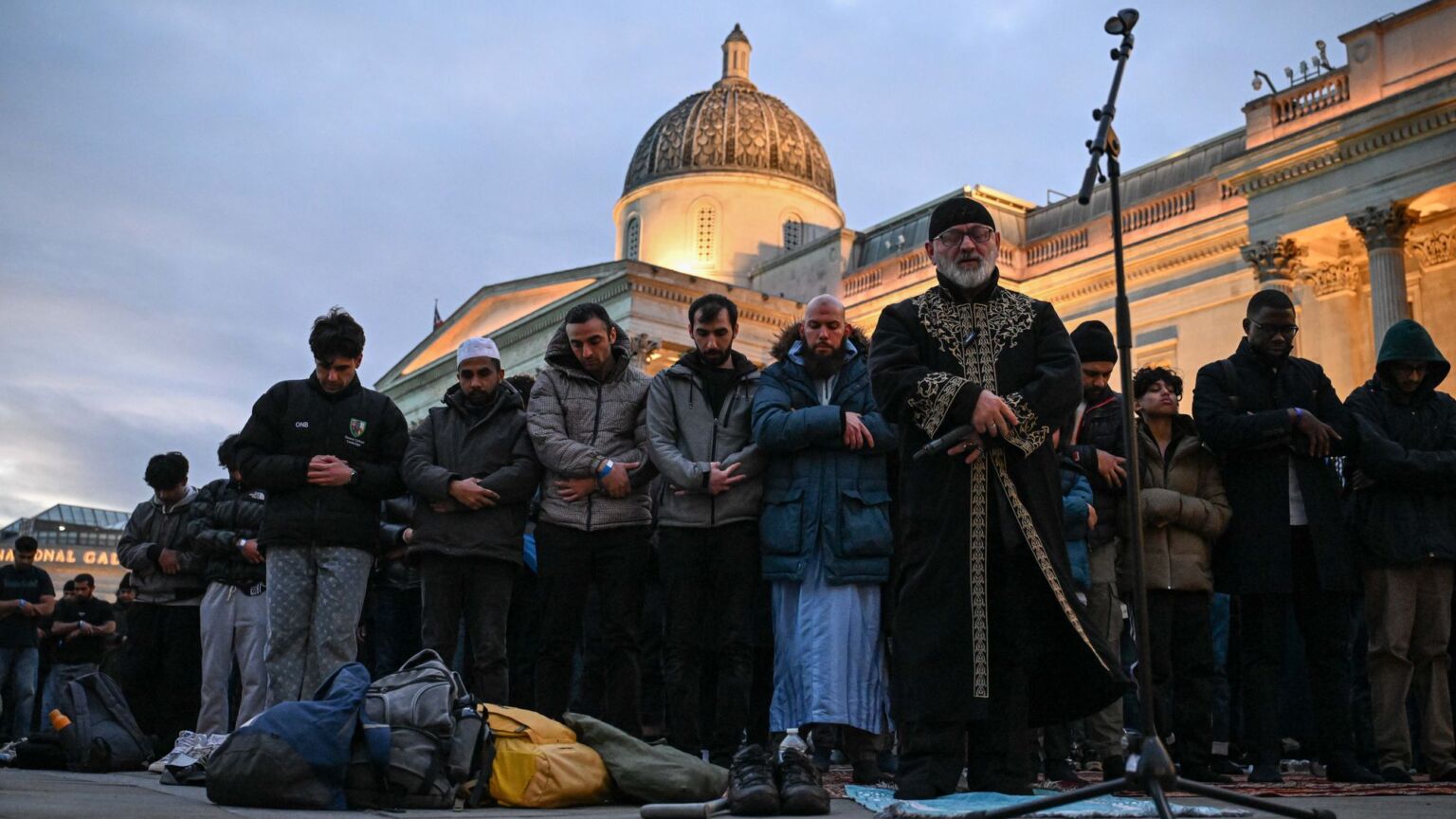
Good on Nick Timothy for smoking out the hypocrisy, muddled thinking and cant that obscures the debate over Islamism in Britain. He must have known the furore that would follow when he branded the Muslim prayer session in Trafalgar Square an ‘act of domination’. He must have known it would attract the worst and weakest criticisms from the worst and weakest people. And lo it came to pass.
‘Islamophobia!’, came the shrill chorus, along with calls for his defenestration. What was their best argument? That since Catholics, Sikhs and Jews have held prayer sessions in public without criticism, Timothy must have been singling out Muslims out of bigotry. Yup. That was it.
Let’s set out a few facts of the matter that too often go unarticulated for fear of cancellation. For one thing, Catholics, Sikhs and Jews do not have a problem with extremism in their midst. When was the last time an adherent of one of these faiths blew himself up on the Tube or stabbed random members of the public to death in the name of their god? According to a 2024 study, half of British Muslims have some sympathy with Hamas and a third wish for us to live under Sharia. This subversive radicalism is simply not found in other religions.
The problem, in other words, is not so much the public prayer as the fact that statistically speaking, half of those bowing to Mecca in central London think that Hamas are jolly good chaps. (Roughly the same number believes that Jews have too much influence over British politics and wishes to make the display of a picture of the prophet illegal.) Moreover, massed prayer is a standard performance of political power by the Muslim Brotherhood, historically used in Egypt, Jordan and elsewhere. Indeed, in many Arab countries, such mobilisation is often restricted, controlled or broken up.
Why would they do that? Because they rightly see these sessions as acts of domination. Things have come to a pretty pass when Arab countries are tougher on Islamist extremism than Britain. But that is the reality: the United Arab Emirates (UAE) recently announced that it would not be sending any of its citizens to study in our country due to the risk of radicalisation.
Much of this boils down to the Muslim Brotherhood, about which I have written many times before (including at length in my latest book, Never Again? How the West Betrayed the Jews and Itself). Founded in 1928 by a disillusioned schoolteacher called Hassan al-Banna, that group is probably the most malevolent in the world; all jihadi movements, including Hamas, al-Qaeda, Islamic State and even the Iranian theocratic regime, were originally inspired by the Brotherhood.
In 2015, a government report by two respected security and Middle East experts, Sir John Jenkins and the late Sir Charles Farr, produced a report on the Brotherhood that detailed its history, modus operandi and threat to Britain. Reading back through the part that was made publicly available is sobering. The Brotherhood, we discover, is embedded in British Muslim communities, and pursues an agenda of subjecting our country to Sharia over a timespan of several generations.
The Brotherhood is no stranger to political violence, the two civil servants reported, but it prefers to use such crude measures as a last resort. Instead, it inserts itself into the machinery of society, particularly our political system, forming a sectarian presence and gradually extending its influence until it is in a position to subvert our freedoms.
One of the most sinister aspects of the Brotherhood is the way in which it appoints its own ‘leaders’ and exerts control over Muslim communities in the West. Its activists run charities, sports clubs and mosques, brainwashing people with its extremist ideology and setting an expectation of radicalism. Those who fail to conform suffer ostracisation, bullying or even physical violence; when they see masses of idiotic white Britons cosplaying as Hamas and marching for Palestine, they have even less motivation to stand their ground. As writer Ed Husain, who was a committed Islamist extremist in his youth, put it: ‘If British policy makers and elected officials are content to tolerate intolerance, and give a platform to those who are committed to destroying democracy and advocate religion-based separatism, why should a minority Muslim population turn on its own?’
It is in this context that the massed prayer session should be seen. In recognising the fingerprints of the Brotherhood, however, we must never lose sight of the fact that there are many Muslims who do not have any truck with it. For one thing, it is banned in Egypt, the UAE, Saudi Arabia, Bahrain and Jordan (which again speaks volumes about the complacency and timidity of Britain). Moreover, many Muslims stand firm with the West, and many have done so in the past.
Tens of thousands paid the ultimate price for Britain in both world wars. On October 7, many risked their lives for their Jewish compatriots; some serve in the Israel Defence Forces, including Captain Ella Waweya, the Jewish state’s most senior female Muslim officer. A number of Muslim organisations, like Indonesian group Nahdlatul Ulama (the largest in the world, with more than 50million members), the Ahmadiyyas and the Sufis are either relatively moderate or positively liberal in their interpretation of their faith.
In his post on X, Timothy took exception to the adhan, the Islamic call to prayer, with its famous line, ‘there is no God other than Allah’, for its ‘explicit repudiation of Christianity’. If this is so, how can we countenance Christianity’s explicit repudiation of Judaism, or the famous verse in John 14:6, ‘I am the way and the truth and the life. No one comes to the Father except through me’? Clearly, we are not talking about inherent characteristics of doctrine but the dominant culture of a faith, which determines how it is interpreted.
For a thousand years, Jews generally had an easier time living in Muslim lands than in Christendom. Classic Islamic literature has no equivalent of Protestant theologian Martin Luther’s vicious anti-Semitic screeds, no Barabbas, no Shylock, no Fagin, no Jew with devil’s horns. Not that it was all sweetness and light; as the late Middle East scholar Bernard Lewis put it, their situation was never as bad as in Christendom at its worst, not ever as good as in Christendom at its best.
The change came in the 20th century, when – for reasons explored in detail in my book – the Muslim world largely aligned with Nazi Germany. Via Palestinian propagandist and Hitler fan Amin al-Husseini, the anti-Semitism of the Third Reich was adapted into the Arabic vernacular and transmitted throughout the Middle East in thousands of hours of blood-curdling radio broadcasts. It is this that breathed energy into the Muslim Brotherhood and jihadism, which trouble us so significantly today.
There is nothing inherent in Islam that makes it destined for anti-Semitism. After all, most religions possess such a sprawl of scriptures that followers must elevate some while downplaying others, in accordance with prevailing sensibilities. Take Christ’s statement in Matthew 10:34–36: ‘Think not that I am come to send peace on Earth: I came not to send peace, but a sword. For I am come to set a man at variance against his father, and the daughter against her mother, and the daughter-in-law against her mother-in-law.’ Such is the centre of gravity of Christian culture that these verses are far less well-known than 5:38–48 of the same Gospel, ‘whosoever shall smite thee on thy right cheek, turn to him the other also’. For a thousand years, Muslims were often able to take a similar approach when it came to the Jews.
Right now, however, in the weird afterlife of the Second World War, the Muslim world is undergoing a struggle with a powerful religious radicalism that threatens both devotees and wider society. If we condemn Islam as intrinsically anti-Western and nihilistic, then how do we explain those Muslims who stand by our side? If we say they are not true Muslims, we are making the same argument as the fundamentalists, and then there is no hope. For the future of the world, it is vital that enlightened Muslims win out against the forces of darkness within their ranks and emerge as a moderate, open, peace-loving force for good. To support this effort, we must embrace those who are willing to embrace us, while showing ruthlessness towards the extremists who are determined to make themselves our enemy.
Timothy was right: given the radical centre of gravity of British Muslims today, mass prayer in this country is indeed a sinister expression of dominance. If the extremists are stamped out and our Islamic communities become friendly to the West, however, then their prayers will not be a problem, whether conducted in large numbers or not. Their hijabs will be no more threatening than the headscarves and wigs worn by British Jews, who are among our most patriotic and law-abiding minorities. This transformation is the struggle of our times, but it will not be easy to achieve. In fact, as Sir Trevor Phillips put it back in 2016, ‘the integration of Muslims will probably be the hardest task we have ever faced’.
Caption Contest (Class Clown Edition)
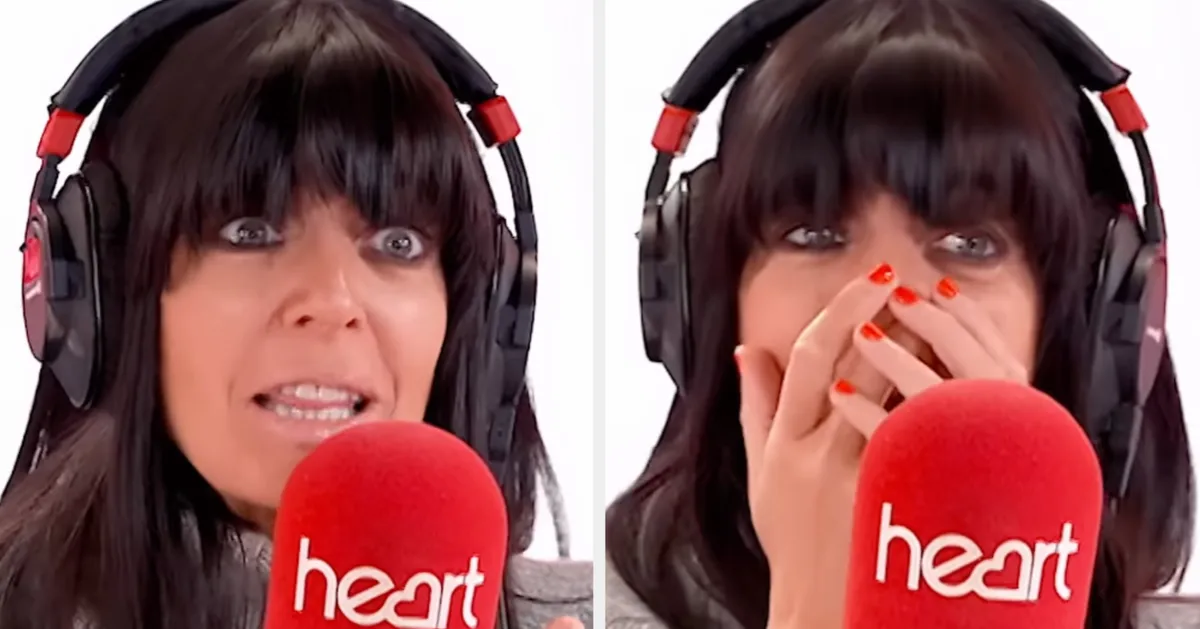
Claudia Winkleman had an unfortunate slip of the tongue during a recent appearance on the Heart Radio breakfast show.
On Friday, the Traitors host joined Amanda Holden and Jamie Theakston in the Heart radio show, where she spoke via video-link with Finley, a young fan who conducted a brief interview with her in his school uniform.
After the conversation was over, Claudia gave him a rapturous round of applause, while Jamie told listeners: “We’ll have more from our special guest Claudia Winkleman right after this.”
“Oh no,’ the former Strictly Come Dancing presenter joked in response to Jamie’s outro. “Fuck’s sake.”
Unfortunately, what she didn’t realise was that young Finley was still on the call, prompting her to issue a hasty apology.
“Finley, do not be me,” she instructed him, after the realisation began to sink in. “Ever! I’m so sorry, Finley!”
Claudia is currently on the promo trail for her new BBC talk show, which returns for its second episode on Friday night.
The first instalment aired last week, with Hollywood legend Jeff Goldblum, three-time Emmy nominee Vanessa Williams and comedy fave Jennifer Saunders among Claudia’s inaugural guests.
While critical reaction to the first episode was a little on the lukewarm side, the host has already been defended by fellow talk show presenter Graham Norton, whose production company is behind Claudia’s latest venture.
For her second episode, she will be joined by guests including pop singer Niall Horan, musical theatre icon Rachel Zegler, actor Guz Khan and comedian Joanne McNally.
The first season will come to an end next month after a run of seven episodes, after which the BBC will decide whether to renew The Claudia Winkleman Show for more instalments.
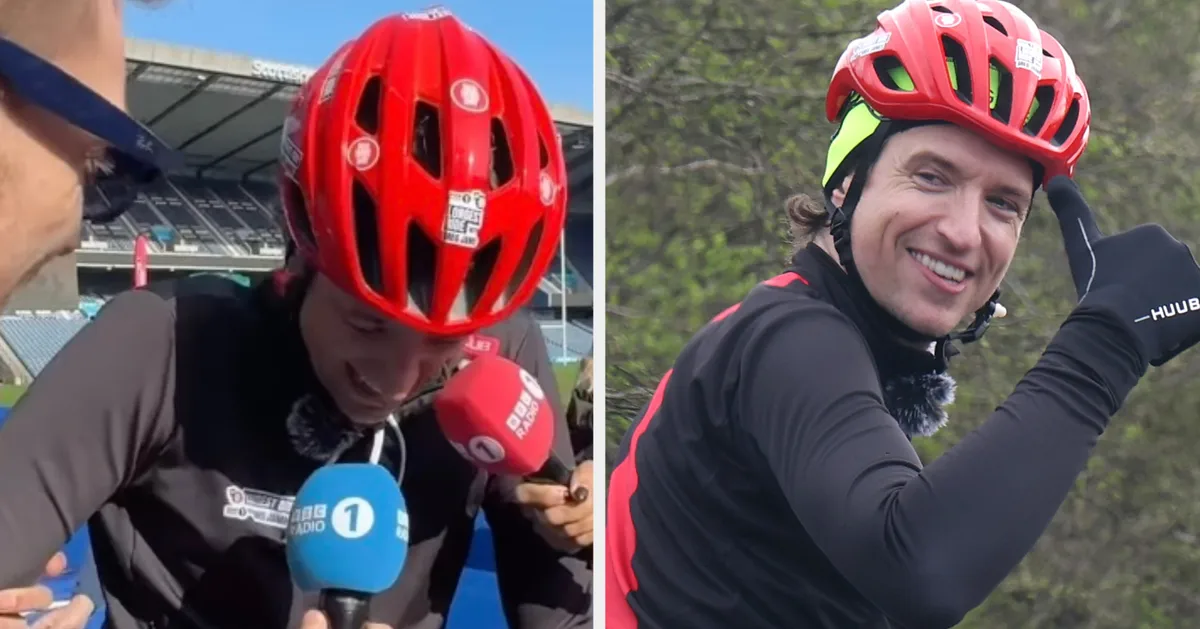
Greg James was overcome with emotion after completing his latest mammoth physical challenge in aid of Comic Relief.
For the last eight days, the Radio 1 host had been pedalling 1,000km from Weymouth to Edinburgh in a fundraising effort in honour of Red Nose Day.
Over the course of the journey, there were tearful moments and star-studded surprises, and on Friday morning, the course came to an end at Murrayfield Stadium in the Scottish capital.
Radio 1 presenters Vick Hope and Jack Saunders noted that an “elated” Greg had crossed the finish line while “punching the air”, “waving at the crowd” and “soaking it all in” with tears “flooding down his face”.
“It’s overwhelming, I’m sorry,” Greg told the pair as they approached him at the finish line. “It’s too much! We did it!!”
Greg added: “I just keep bursting into tears. I actually can’t believe it. What a beautiful day! This is unbelievable. Weymouth to Edinburgh! What a stupid idea!”
He later beamed: “It feels amazing to complete that. It feels amazing to have done that adventure. It feels amazing to have pushed through it all. It feels amazing to be part of an amazing team. It feels amazing to have raised so much money. And it feels amazing to be finished.
“It’s been such a struggle at times – but everyone has got me through all of it, and the Radio 1 lot got me through it, and every smiling face.
“Aside from all the pain, and all the legs that are barely working – by the way that last 10km was so difficult – the thing I will remember the most is the joy of seeing everyone, and I just tried to push through the pain to get to that joy.”
At the time of writing, Greg’s efforts have helped raise more than £4 million for this year’s Comic Relief telethon.
His challenge was made all the more emotional by the fact his father suffered a stroke just days before it was due to begin.
Greg subsequently told his supporters he’d be going ahead with the cycling challenge, as it was something his father “really wanted me to do”.
Medical comment provided by Dr Giuseppe Aragona, GP and medical adviser for Prescription Doctor.
When I first began working out about 10 years ago, high-intensity interval training, or HIIT, was everywhere.
Now, it seems to have fallen out of fashion.
Is that deserved? We looked at the research into HIIT to see what science says, and asked GP and medical adviser Dr Giuseppe Aragona for his thoughts, too.
HIIT, which involves short bursts of incredibly high-intensity exercise interspersed with rest periods, makes you reach about 80-100% of your maximum heart rate.
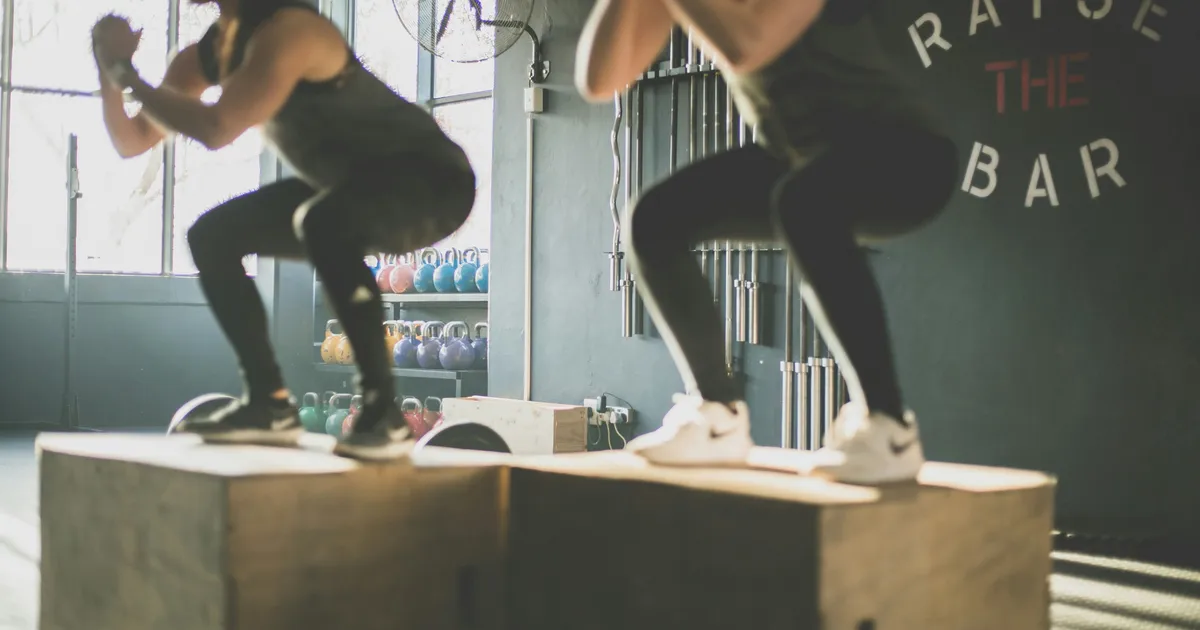
We’re talking burpees. We’re talking squat jumps. Rowing counts, too (HIIT is considered a form of cardio).
“High-intensity interval training, or HIIT, can be a very effective and time-efficient form of exercise, but like most things in medicine, the benefits and risks depend heavily on the individual, their baseline fitness, and how the training is implemented, rather than the concept itself being inherently good or bad,” Dr Aragona told us.
Some argue that HIIT can be hard on your body, especially if your form isn’t perfect (and given that some very fast-paced HIIT workouts demand multiple complex moves, like jumping lunges, in short intervals, it might be hard to perform all of them to the ideal standard).
But a 2026 study from University Hospital Rigshospitalet and the University of Copenhagen found that HIIT workouts were well-tolerated by (meaning they didn’t cause harm to) people with mild to moderate knee osteoarthritis over a 12-week period. Training sessions happened three times a week.
“From a musculoskeletal point of view, poor technique, insufficient warm-up, or pre-existing joint issues can increase the risk of strain or injury,” Dr Aragona said.
If structured well, though, HIIT can sometimes be tolerated by those with e.g. sore knees, “as the intermittent nature of the exercise reduces sustained load through the joint compared with continuous activity”.
Some research says excessive HIIT may harm our mitochondria, which help to generate energy from cells, and possibly lower our glucose tolerance.
But per the GP, “the idea that HIIT ‘damages mitochondria’ is somewhat overstated in the mainstream discussion, as in reality moderate amounts of high-intensity exercise tend to stimulate mitochondrial biogenesis and improve metabolic health”.
“Excessive volumes without recovery may contribute to oxidative stress and fatigue, which is where the perception likely comes from, so the issue is less about HIIT itself and more about overtraining,” he said.
Some research suggests that doing HIIT too close to bed can ruin your sleep, and that it might be a lot worse than lower-intensity activity for helping older people with existing poor sleep.
But others say it can improve sleep efficiency and perceived sleep quality.
Dr Argaona agreed that negative changes to sleep are only expected if you do HIIT “late in the evening or on consecutive days”: otherwise, you’re likely in the clear.
A common critique of HIIT is that it doesn’t build muscle, as it’s a predominantly cardiovascular exercise. But one paper found 12 weeks of HIIT increased lean leg muscle in participants.
“It is generally less effective than structured strength training for building significant muscle mass or bone density, where progressive overload and mechanical loading are more important,” Dr Aragona said ― in other words, it’s true that HIIT won’t build as much lean muscle as strength training.
However, “weight-bearing HIIT can still play a supportive role in maintaining bone health, especially when combined with resistance exercise,” he added.
“HIIT is very effective at improving aerobic capacity and VO2 max because it repeatedly pushes the cardiovascular system close to its upper limits,” Dr Aragona told us. That can help us to use oxygen more efficiently when we work out.
“It is also worth noting that high-intensity training has broader systemic benefits, including improvements in insulin sensitivity and vascular function,” said the GP.
That can even have benefirs for those with erectile dysfunction (ED) “by enhancing cardiovascular health, boosting testosterone, and increasing blood flow… regular, intense, short-duration workouts performed perhaps twice per week can strengthen the pelvic floor and improve vascular function”.
It depends on your fitness levels, said the doctor.
He explained: “I generally suggest that for most people two to three HIIT sessions per week is sufficient to gain cardiovascular benefits, particularly improvements in VO2 max, which is one of the strongest predictors of long-term health and mortality… beyond that point the incremental benefit diminishes while the risk of overuse injury and burnout increases.”
If you already do cardio and strength training, “it should be viewed as a supplement rather than a replacement, perhaps used once or twice a week to improve cardiovascular fitness and add variety”.
Many of the harms linked to HIIT come about when it’s overdone. Dr Aragona said that some of the signs you’ve been going too hard include:
There are “clear groups in whom caution is warranted, including individuals with uncontrolled hypertension, significant cardiovascular disease, advanced joint problems, or those who are completely unaccustomed to exercise,” said the doctor.
Consider speaking to your doctor and starting slowly, if deemed appropriate, if you’re considering HIIT.
If you’re new to working out, “suddenly introducing very intense activity can increase the risk of cardiac events or musculoskeletal injury, and in these patients a gradual build-up with lower intensity work is far safer and more sustainable”.
Dr Neil Shastri-Hurst MP is the Conservative Member of Parliament for Solihull West & Shirley, elected in 2024. He previously served as a British Army Medical Officer and barrister, and sits on the House of Commons Justice Committee.
Britain faces a housing challenge that cannot be ignored. Too many young people are locked out of home ownership. Too many families are living in accommodation that is overcrowded or insecure. Too many communities lack the homes necessary to sustain local economies and public services. The argument for building more is clear and compelling.
However, in our understandable urgency to increase supply, we risk overlooking something fundamental; the quality of what we build. A nation is not simply strengthened by the number of houses it produces. It is shaped by the character of the places those houses create.
Britain’s towns and cities are among the most recognisable in the world because earlier generations built with confidence and care. The elegant terraces of the Regency period, with their measured proportions and coherent streets, remain among the most admired urban environments anywhere. The Victorian era, too, produced civic buildings, railway stations and town halls that combined engineering ingenuity with architectural ambition. Those structures were built not merely for utility, but for permanence.
Even where the buildings themselves were modest, they were conceived as part of a wider whole. Streets were designed with rhythm and harmony. Materials were chosen with durability in mind. Public spaces were integrated rather than incidental. The result was an environment that felt deliberate and settled.
By contrast, much contemporary development appears detached from place. Estates are laid out with little regard for the character of surrounding neighbourhoods. Materials are selected primarily for speed and cost. Streets are often treated as functional corridors rather than civic spaces. The outcome may satisfy housing targets, but it rarely inspires affection.
Such lack of attachment has consequences.
Beautiful architecture does more than please the eye; it shapes behaviour. When people live in places that are attractive, coherent, and well cared for, they are more likely to feel pride in their surroundings. That pride expresses itself in practical ways. Streets are kept cleaner. Public spaces are respected. Communities become more invested in maintaining the quality of their environment.
The reverse is also true. Where developments appear temporary, anonymous, or poorly designed, residents can struggle to form a sense of ownership. The built environment begins to feel disposable. Over time, that detachment can erode civic responsibility.
This is why design quality matters so profoundly. The homes we construct today will form the landscape of Britain for generations. They will shape how children grow up, how neighbours interact and how communities perceive themselves. Building well is therefore not an aesthetic indulgence; it is an act of civic stewardship.
None of this is an argument against building. Britain must increase housing supply if we are to provide opportunity for the next generation. But the choice is not between quantity and quality. We can do both. Indeed, we must.
That means making better use of brownfield land and regenerating underused urban spaces. Many of our towns contain disused industrial sites, vacant plots and neglected high streets that could be transformed into thriving neighbourhoods. Development in such locations brings new life to existing communities while reducing pressure on open countryside.
It also means recognising the continuing value of the green belt. The principle behind it remains sound; to prevent uncontrolled urban sprawl, protect the character of the countryside, and encourage renewal within our towns and cities. The green belt should not be treated as a convenient reservoir for poorly conceived expansion. Once open land is lost, it is rarely recovered.
Equally important is the role of design standards. Clear design codes, shaped locally and applied consistently, can provide certainty for developers whilst ensuring that new housing respects the scale, materials, and character of existing places. They should not be seen as bureaucratic obstacles but as instruments of good planning.
Where design is taken seriously from the outset, the results can be striking. Streets become places where people want to walk rather than merely drive through. Squares and parks encourage interaction and recreation. Homes feel connected to their surroundings rather than isolated from them. In such environments, residents develop a stronger sense of belonging.
There is also a broader cultural dimension. Britain’s built environment forms part of our national identity. Visitors from around the world admire our historic towns precisely because they possess coherence and character. We should not assume that such qualities are relics of the past. They can, and should, be carried forward.
Innovation in architecture is entirely compatible with respect for tradition. The best new buildings learn from what came before them whilst adapting to modern needs. They employ contemporary methods and technologies but remain attentive to proportion, materials, and context.
This approach reflects a deeper understanding of the nation as an inheritance. We receive landscapes shaped by previous generations and pass them on, altered in turn, to those who follow. That continuity imposes a responsibility to build in ways that enhance rather than
diminish the places we inhabit.
Britain must therefore pursue a housing strategy that is both ambitious and thoughtful. Ambitious in its determination to meet demand, and thoughtful in its commitment to beauty, coherence, and environmental stewardship.
If we succeed, the rewards will extend far beyond the provision of homes. We will create neighbourhoods that foster pride, encourage care for public spaces, and strengthen the bonds between citizens and their communities.
Britain has built beautifully before. With the right ambition and discipline, it can do so again.
Posted without comment.
Except this: good riddance to the worst traitor in Scotland’s history.
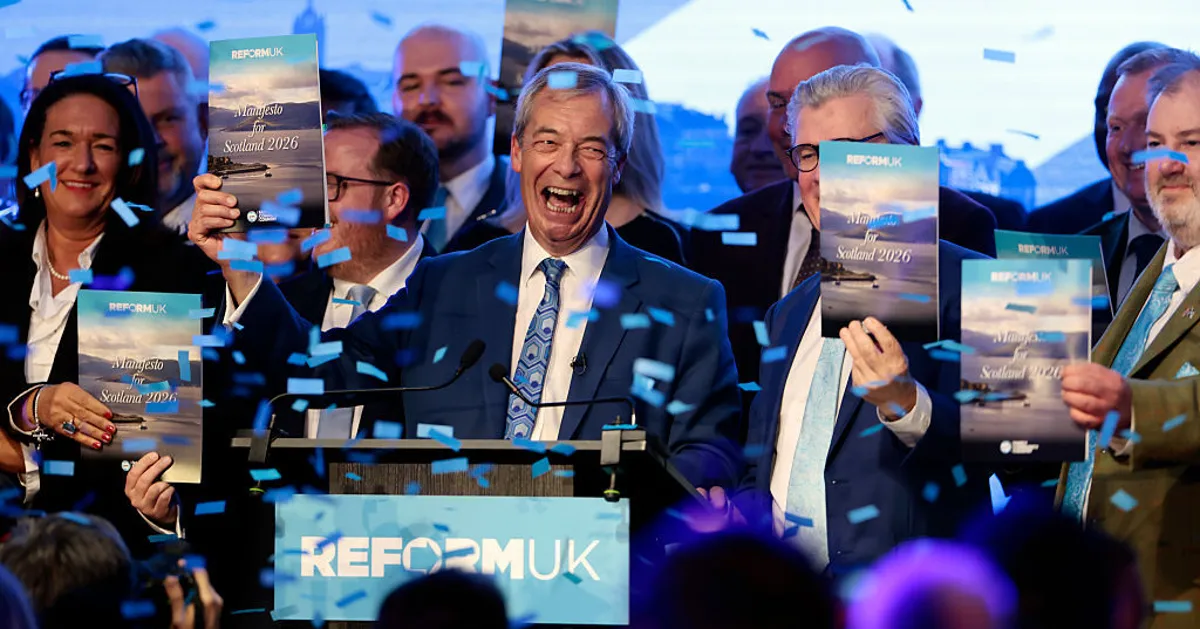
Reform UK has suspended one of its election candidates less than 24 hours after he was unveiled.
Party chiefs have launched an investigation into claims Stuart Niven diverted thousands of pounds from a taxpayer-backed Covid loan into his personal account.
He is also disqualified as a company director until 2033.
Niven was only announced as one of Reform’s candidate at the upcoming Scottish Parliament elections on Thursday.
Nigel Farage joined Lord Offord, the party’s leader in Scotland, at the event, which also saw the launch of Reform’s election manifesto.
A spokesperson from Reform UK Scotland said: “We take allegations like this very seriously, and a full investigation is underway.”
It has also been reported that a Reform candidate in Fife said former SNP first minister Humza Yousaf was “not British”.
And the party’s candidate in Galloway and West Dumfries, Senga Beresford, has previously given her support to far-right agitator Tommy Robinson.
Scottish Labour leader Anas Sarwar said: “Reform Scotland’s campaign has immediately been exposed as the farce that it is.
“From the dodgy dealings of a Covid scammer to the divisive tweets of obsessive racists, these scandals show Reform are just taking whoever they can get.
“Reform is treating Scots with contempt by asking them to vote for this hopeless gaggle of Tory rejects and odd balls, and I have no doubt Scotland will send them packing.
“The spineless Lord Offord has only suspended one candidate and effectively given the green light to the fringe views of the rest of these candidates.”
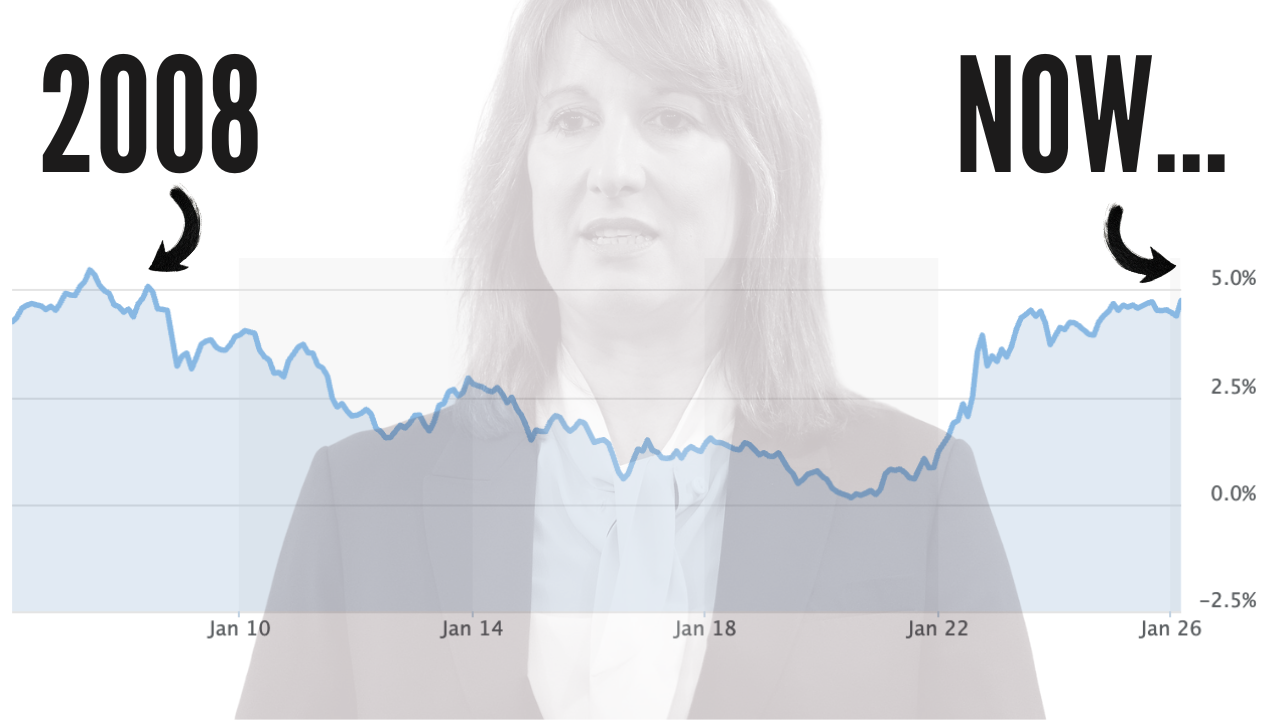
Markets turning, gilts spiking. Good job Reeves has “the right economic plan”, apparently…



HYPE Token Enters Net Deflation as HyperCore Buybacks Outpace Staking Rewards


Your Legally Registered ‘Motorcycle’ Might Not Count Under Proposed US Law


Weekend Open Thread: Addict Lip Glow

Are Split Spacebars the Next Big Gaming Keyboard Trend?


Why Duke and Michigan Are Dead Even Entering Selection Sunday


Search for Savannah Guthrie’s Mother Enters Seventh Week with No Arrests


US Airports Launch Donation Drives for Unpaid TSA Workers as Partial Government Shutdown Enters Fifth Week
Coinbase and Bybit in Investment Talks: Could Bybit Finally Enter the US Crypto Market?


Australian shares drop as Iran war enters third week


Country star Brantley Gilbert enters growing non-alcoholic beer market


Crypto Lender BlockFills Enters Chapter 11 with Up to $500M in Liabilities


College Basketball Best Bets: Conference Tournament Semifinal Picks


The House | The new register to protect children from their abusers shows Parliament at its best


RBA board divided on rate cut, unusually buoyant share market | Finance Report | ABC NEWS


25 Celebrities with Curly Hair That Are Naturally Beautiful


inKONBINI Lets You Spend Summer Days Behind the Register


Canada’s FINTRAC revokes registrations of 23 crypto MSBs in AML crackdown

Real-time pollution monitoring calls after boy nearly dies


Crypto Losses Drop 87% in February, But Hackers Are Now Targeting People, Not Code

Residents in North Lanarkshire reminded to register to vote in Scottish Parliament Election


You must be logged in to post a comment Login