Politics
BBC Pulls Tourette’s Campaigner’s N-Word Tic From Baftas Coverage On iPlayer

The BBC has confirmed that it will be censoring an utterance of the N-word by an audience member with Tourette’s at this year’s Baftas in its iPlayer coverage of the event.
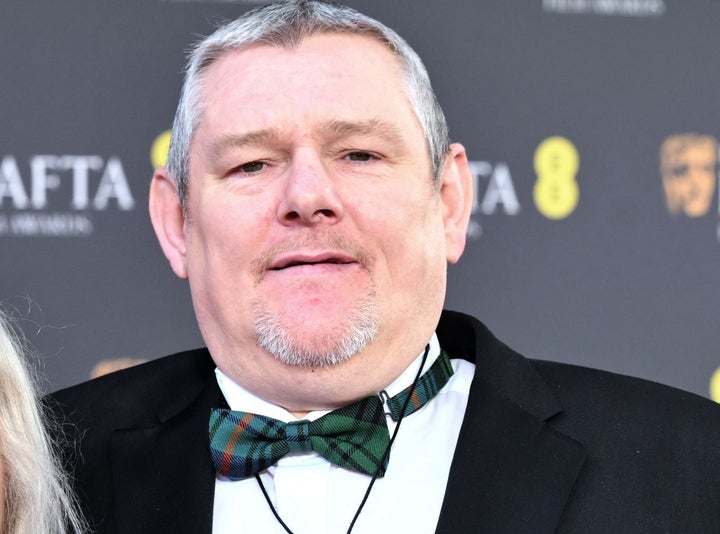
On Sunday night, Tourette’s campaigner John Davidson attended the Baftas alongside the cast and crew of I Swear, the 2025 film inspired by his life story.
Variety reported that, before the ceremony, the event’s floor manager told guests that they “might hear some involuntary noises or movements during the ceremony”.
This incident was included in the BBC’s coverage of the 2026 Baftas, which aired on a time delay of around two hours.

Alan West/Hogan Media/Shutterstock
At the time, Baftas host Alan Cumming acknowledged the “strong language in the background” and thanked audience members for “understanding and helping create a respectful space for everyone”.
He added later that night: “Tourette’s Syndrome is a disability and the tics you’ve heard tonight are involuntary, which means the person who has Tourette’s Syndrome has no control over their language. We apologise if you are offended tonight.”
On Monday, the BBC also apologised “for any offence caused by the language heard” and has since confirmed that it is being removed from the version of the Baftas ceremony streaming on BBC iPlayer.
“Some viewers may have heard strong and offensive language during the Bafta Film Awards,” a spokesperson told HuffPost UK. “This arose from involuntary verbal tics associated with Tourette syndrome, and as explained during the ceremony it was not intentional.
“We apologise that this was not edited out prior to broadcast and it will now be removed from the version on BBC iPlayer.”
The NHS’ official website describes Tourette’s syndrome as a “condition that causes you to make sudden, repetitive sounds or movements”, known as tics.
It also lists examples of tics including whistling, sniffing or clearing your throat a lot, making animal sounds, repeating a sound, word or phrase and swearing, though it’s noted that this is only in rare cases.
“Tics can be triggered by different things including stress, excitement or tiredness,” the NHS also advises.
Since the Baftas aired, the BBC has faced considerable backlash for cutting a pro-Palestine message from one winner’s acceptance speech, while leaving in the use of the N-word.
A rep for the broadcaster previously said: “The live event is three hours and it has to be reduced to two hours for its on-air slot. The same happened to other speeches made during the night and all edits were made to ensure the programme was delivered to time.”