
Politics
Besmira Manaj: Why the Western Balkans are central to Britain’s border security?


Besmira Manaj PhD is governance and geopolitics specialist, and a member of the UK Conservative Party, and Director of Conservatives Friends of Albania.
Illegal migration is a symptom of weak governance and poor coordination, not the root cause.
The UK debate on illegal migration has become increasingly narrow. Too often, migration itself is treated as the core problem rather than the visible outcome of deeper failures in governance, security coordination and institutional weakness beyond Britain’s borders. This framing may offer political clarity, but it is not a strategy and it will not secure Britain’s borders.
Nowhere illustrates this more clearly than the Western Balkans. Too often treated as a peripheral foreign policy issue, the region has in fact become central to Britain’s long-term border security challenges. Weak institutions, fragmented coordination and entrenched organised crime networks shape migration routes long before anyone reaches the Channel.
For Conservatives serious about sovereignty, enforcement and national resilience, the Western Balkans should be understood as a frontline security issue not a distant diplomatic concern.
Britain’s border problem starts far from Britain.
Public attention understandably focuses on the final stage of irregular migration: small boats crossing the Channel. But this narrow focus obscures the upstream drivers that determine who reaches Europe in the first place and how.
The Western Balkans sit at the crossroads of key migration and trafficking routes into Western Europe. Weak border enforcement, politicised institutions, limited judicial capacity and corruption allow criminal networks to operate with relative ease. These networks facilitate irregular migration, human trafficking, drug smuggling and financial crime all of which ultimately affect the UK.
In recent years, citizens from the Western Balkans have featured prominently in UK asylum and illegal migration statistics. While economic motivations are often cited, the deeper drivers are governance-related: lack of institutional trust, limited economic opportunity and the presence of organised crime networks that profit from instability.
A Conservative migration policy that focuses solely on deterrence at the UK border without addressing these upstream conditions is incomplete by design.
Organised crime thrives where coordination fails.
The Western Balkans remain one of Europe’s most persistent hubs for organised crime. Criminal groups operating in the region are highly networked, technologically agile and deeply embedded in weak state structures. Where institutions lack capacity or independence, criminal actors step in.
This is not an abstract regional problem. Balkan based criminal networks are directly linked to illicit markets in the UK, particularly in drugs, trafficking and financial crime. Fragmented intelligence sharing, weak judicial cooperation and inconsistent enforcement across Europe make these networks harder to disrupt.
For Conservatives, this should be a warning sign. Law and order cannot stop at national borders. Border control without coordination is not control at all.
There are limits to what a technocratic EU can do.
For decades, the dominant response to instability in the Western Balkans has been EU enlargement orthodoxy: long accession processes, technical benchmarks and compliance checklists. While this approach has delivered surface level reforms, it has failed to produce deep institutional resilience or genuine political accountability.
In practice, technocratic conditionality has too often rewarded box-ticking over substance. This has fuelled public frustration, elite capture and declining trust in institutions creating fertile ground for criminality, emigration and external influence.
The UK, no longer bound by EU frameworks, has an opportunity to engage differently. A Conservative foreign policy should avoid replicating Brussels’ bureaucratic instincts and instead focus on targeted, outcome driven engagement aligned with British interests.
Geopolitical competition fills the vacuum.
Where governance is weak and Western engagement is incoherent, other actors move in. Russia, China and Turkey have all expanded their influence in the Western Balkans, exploiting political fragmentation and institutional vulnerability.
Russia leverages energy dependency and disinformation. China offers infrastructure finance with limited transparency and long-term dependency risks. Turkey projects influence through cultural and economic ties. None prioritise rule of law, accountability or institutional independence in ways that align with UK security interests.
Geopolitical competition amplifies instability. Influence gained through weak governance does not stabilise regions it entrenches dependency and undermines reform. A Conservative approach must be clear-eyed: influence is secured through sustained engagement, not declarations.
Migration is a symptom, not the disease.
Treating migration itself as the primary problem risks a serious misdiagnosis. Migration is a symptom of governance failure, economic stagnation and institutional decay. Without addressing those causes, enforcement measures will continue to chase effects rather than resolve drivers.
This does not mean abandoning firm border control. Conservatives are right to insist on enforcement, deterrence and clear rules. But enforcement alone cannot compensate for weak coordination and upstream failure.
Blame without coordination offers political noise, not policy results.
So what should a Conservative strategy prioritise?
First, the UK should prioritise security and governance cooperation with Western Balkan states. Support for border management, judicial reform, anti-corruption bodies and intelligence-sharing delivers direct returns for UK security.
Second, the UK should pursue bilateral and flexible engagement, working with reform-minded institutions and leaders rather than relying on rigid frameworks that reward form over substance.
Third, public–private partnerships should be used more strategically. Investment in energy security, infrastructure and employment reduces the economic drivers of emigration while reinforcing accountability through market discipline.
Finally, migration policy must be integrated into foreign and security policy thinking. Border control is not just a domestic issue it is a strategic challenge that begins far beyond Britain’s coastline.
This is a test of Conservative seriousness.
The Western Balkans are not a peripheral concern. They are a test of Conservative realism in foreign and security policy: whether Britain can pursue an approach rooted in competence, coordination and national interest rather than slogans.
Blaming migration may be easy. Fixing weak governance and poor coordination is harder but it is the only route to durable border control and genuine security.
If Conservatives want to secure Britain’s borders, they must be willing to look beyond them.


With the last few years offering up a musical re-do of Mean Girls, a Legally Blonde prequel series, two Avatar follow-ups, a new TV adaptation of Harry Potter, a long-awaited sequel to The Devil Wears Prada and planned revivals of Pirates Of The Caribbean and The Lord Of The Rings, appetite for 2000s movies is clearly showing no sign of waning.
It’s now been announced that another classic from around the turn of the millennium is being given the remake treatment, with a new version of 13 Going On 30 in the works at Netflix.
The film’s original star Jennifer Garner will serve as an executive producer on the project, which will star People We Meet On Vacation’s Emily Bader and The Perks Of Being A Wallflower’s Logan Lerman as its romantic leads.
Director Brett Haley told Deadline: “13 Going On 30 is one of those rare, perfect films. Funny, emotional, deeply human, with unforgettable performances from Jennifer Garner, Mark Ruffalo and Judy Greer.
“I’m a longtime fan, so stepping into this reimagining comes with tremendous responsibility. Jennifer Garner being on board as an executive producer, after playing such a big part of what made the original special, is especially meaningful.”
He added: “I also couldn’t be more excited to reunite with Emily Bader after People We Meet On Vacation. She and the amazingly talented Logan Lerman are a magical pairing. I feel incredibly lucky to be trusted with something that means so much to so many people.”
The original 13 Going On 30 centres around a teenage girl who is granted a wish to fast-forward to her life at 30 years old, with no memory of the 17 years that have passed.
Jennifer starred as Jenna Rink in the rom-com, with Mark Ruffalo playing her love interest Matty Flamhaff, while the supporting cast included Judy Greer, Andy Serkis and Phil Reeves.
13 Going On 13 is currently streaming on Prime Video.
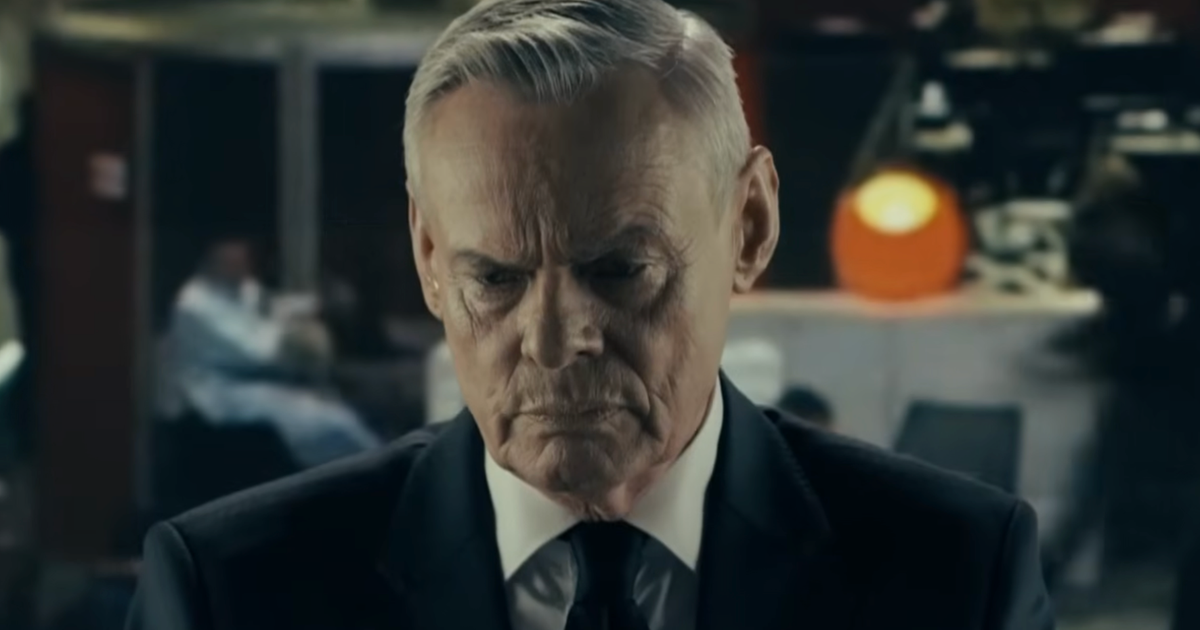
The executives behind 5’s new drama about Huw Edwards have opened up about the show’s surreal final moments.
Power: The Downfall Of Huw Edwards aired on Tuesday night, starring Martin Clunes as the disgraced former BBC News presenter.
While the feature-length drama opened with a recreation of Edwards announcing the news of Queen Elizabeth II’s death to the nation, in what was intended to serve as a reminder of the position of authority he held before he became embroiled in scandal, it ended with an imagined news broadcast featuring him reporting on his own fall from grace.
On Tuesday, Variety published an interview with 5 commissioners Guy Davies in which they reflected on how these book-end scenes came to be.
Testar said the opening sequence highlighted that “there is no more trusted emblem of the establishment in our society than the person who’s given the responsibility of telling the public that the Queen had died”.
Davies agreed: “[Edwards was] incredibly trusted by the public, and in a way, that trust became a bit of a metaphor in the film, because that’s also about power and the abuse of power. And that’s why I think it’s such an interesting story…”
Testar said that the idea for the final scene wasn’t in “the very first draft” but arose “pretty early on” in the creative process.
“It felt like a very important thing to end the story on, to remind the audience what the scale and detail of Edward’s crimes were,” he claimed, with Davies adding: “And being, you know, finally accountable to the public in the medium which he worked in.”
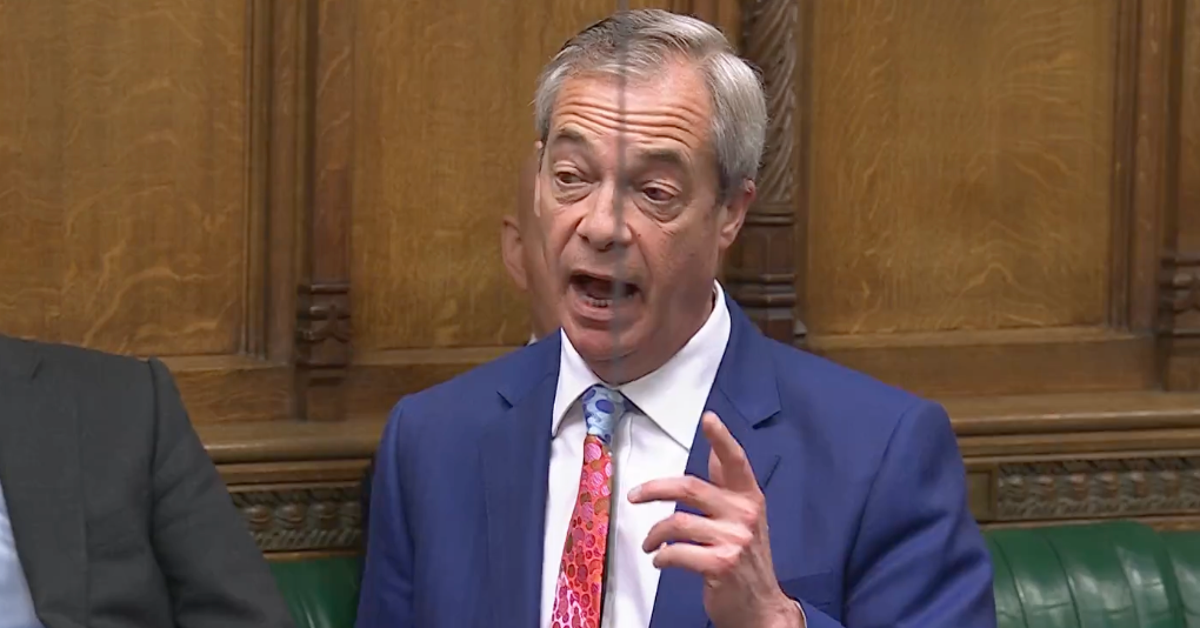
Reform UK MPs angrily stormed out of the House of Commons during prime minister’s questions today after an exchange with Keir Starmer.
The eight parliamentarians dramatically left the chamber after party leader Nigel Farage asked the prime minister about his promise to “smash” the people-smuggling gangs.
“Is it not time to admit that smash the gangs has been total abject failure, along frankly with most of his other policies?” Farage said. “Isn’t it now time that he told us, as summer approaches, what is plan B?”
When Starmer dodged the question and turned his response back onto Reform’s recent U-turns over the Iran war, Farage and his colleagues chose to walk out.
Another MP in the chamber told HuffPost UK that the MP for Clacton called Starmer a “waste of space” as he was leaving.
“Farage lost his temper,” the MP said, while also claiming that Reform MP Andrew Rosindell “didn’t want to leave”.
The walkout occurred after the prime minister claimed Farage wants to “exploit” the country’s problems, not solve them.
Starmer said: “This is the man of the party who voted against giving law-enforcement counter-terrorism to tackle them.
“He wants the grievance, he doesn’t want it sorted.
“He then said let’s join the war – a week later, a screeching U-turn, we don’t want to go to war – and he says, trust his judgement.
“It’s hard to take anything he says seriously. He promised lower tax and now Reform councils are hiking tax by 9%.”
He pointed out that Farage also said he wished Reform “hadn’t bothered” to win the Worcestershire council earlier this month because it’s bankrupt.
The PM continued: “He asks for people’s votes and then he abandons them. Reform don’t want to solve problems, they only want to exploit them.”
He called the party an “absolute disgrace”.
Reform’s departure from the packed Commons caused a huge amount of laughter from their fellow MPs.
In a following question about snooker, the prime minister then joked: “I see Reform have walked out – they obviously realised they’re absolutely snookered!”
Reform MP Sarah Pochin later wrote on X: “Yet another disgraceful performance from the prime minister today at PMQs. Why won’t you answer the question, Keir Starmer?”
On 13 June 2023, Valdo Calocane, a paranoid schizophrenic, fatally stabbed three people in the centre of Nottingham. Over the past four weeks, I have been closely following the Nottingham Inquiry – a public investigation into how Calocane, a violent psychotic and known risk to the public, was ever in a position to roam the streets freely. The inquiry has also looked at the response to Calocane’s murders – including the terrible treatment of the victim’s families by our institutions, from the police to the local authority. If ever there was a case that encapsulated a truly broken Britain, it is the story of Valdo Calocane.
Barnaby Webber and Grace O’Malley-Kumar, two 19-year-old students at the University of Nottingham, were Calocane’s first victims. It was 4am and the two friends were walking back to their student accommodation, having been out celebrating the end of term. They were nearly home when Calocane, who had been hiding in a nearby alleyway, attacked them on the street. Both were fatally stabbed before, according to a judicial summary, the killer ‘calmly’ left the scene.
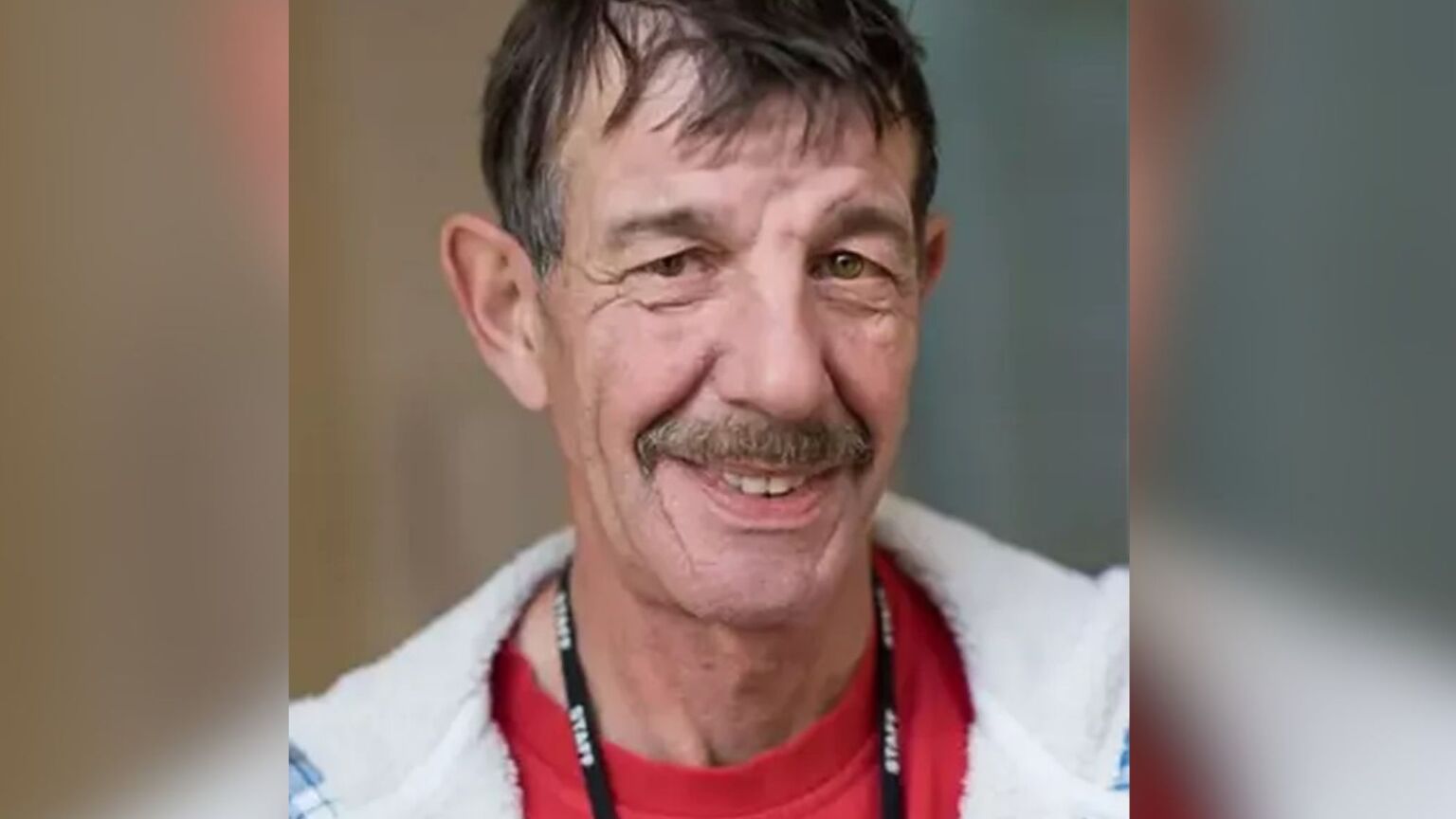
Calocane’s next victim was Ian Coates, a 65-year-old school caretaker. He was stabbed 15 times. Calocane left Coates’s body on the street before stealing his van and driving into the centre of Nottingham, where he attempted to mow down three members of the public in two separate incidents. Miraculously, all three survived, but not without significant injuries. In 2024, Calocane was sentenced to an indefinite hospital order, having had his charges downgraded to manslaughter on the grounds of his mental illness.
A month into the inquiry, one thing is crystal clear: Coates, Webber and O’Malley-Kumar were killed by Calocane, but they were failed by the British state. Calocane had been dangerously unwell for many years: in 2020, when he began to experience his first bouts of violent psychosis, health officials declined to section him because of the ‘over-representation of young black men in prison’. The Nottingham NHS Mental Health Care Trust, who became primarily responsible for Calocane’s care, did not administer anti-psychotic medication because of his fear of needles.
Despite his increasingly aggressive behaviour, which included forcing a neighbour to jump from her first-floor balcony after he broke in the door, Calocane remained at large. Prior to his fatal attacks, he assaulted police officers, emergency workers, flatmates and colleagues. He stalked strangers and repeatedly tried to break into neighbouring properties. At the time of the attack, he was the subject of an outstanding arrest warrant.
Even without these frightening outbursts, the very nature of Calocane’s thoughts should have been enough to suggest that he posed a grave risk to society. He believed that he was being spied on by MI6. He ‘heard voices’ that told him his family was going to die – voices that he believed were the ‘creation of mental-health services’. In 2021, Calocane even travelled to Thames House in London, the headquarters of MI5, asking to be arrested. How was this man ever allowed to roam the streets?
The negligence and incompetence of the responsible authorities does not end there. Over the past few days, we have learnt harrowing details of how the victims’ families were treated by Nottinghamshire Police and Nottingham City Council. Coates’s body, we heard, was left on the road for 15 hours. His son was notified of his death on Instagram after receiving a message from a family friend. Inexplicably, the inquiry has also heard that Coates’s three sons were excluded from a vigil organised by the council – a memorial they had only been made aware of after receiving an inquiry from a journalist.
The conduct of the police has been exposed as truly scandalous. Multiple officers involved in the case were found to have spent an inappropriate amount of time looking at pictures and footage related to the crimes. The consequent misconduct hearing was concealed from the families. Bizarrely, the families were kept apart by the police throughout Calocane’s trial. Each family was told that the other preferred privacy when, in fact, the opposite was true – they were desperate to connect with one another, and have since formed incredibly close bonds.
Nottingham is not the same place after Calocane’s crimes. Each victim represented something unique about the city I grew up in and where I continue to live. Coates was an avid fisherman and Nottingham Forest supporter – a classic Nottingham bloke. He was a loving father and grandfather. The school he was travelling to on the morning of his death, where he worked as a janitor, was the same school my son attended. Webber and O’Malley-Kumar were doing what all Nottingham students do – enjoying the nightlife that has become part of the city’s character.
Walking through Nottingham on any day of the week you will encounter people with serious drug and alcohol problems. This once-proud metropolis, a former centre of British industry, is now littered with the tents and sleeping bags of its many homeless residents. At times, it feels as though, everywhere you look, all you see are people with serious mental-health issues – whether they are asking you for money, or merely shouting into the ether. Nottingham, like so many towns and cities now feels abandoned and unsafe. I no longer feel proud of Nottingham, the city I grew up in and where I continue to live.
Nottingham City Council has, perhaps wisely, said nothing throughout the inquiry. A few weeks ago, however, it saw fit to share the fact that it has been awarded the ‘Purple Flag’ award for safe cities on its Facebook account. This was on the same day the inquiry uncovered the extent of Calocane’s violence during a previous arrest. Its lack of sensitivity and awareness was sadly symbolic of the state’s failures that have been reinforced over the past four weeks.
Either through neglect or design, UK institutions are failing to keep people safe. This has been one of the most glaring facts exposed throughout the last four weeks. And, when tragedy does occur, it is families that carry the load in getting justice – whether it is Hillsborough, Grenfell or Nottingham, the state’s first response is always to protect itself.
We must never forget Valdo Calocane’s victims. But it is also our duty not to let the authorities who enabled his crimes off the hook. We must not tolerate Broken Britain any longer.
Lisa McKenzie is a working-class academic.
!function(n){if(!window.cnx){window.cnx={},window.cnx.cmd=[];var t=n.createElement(‘iframe’);t.display=’none’,t.onload=function(){var n=t.contentWindow.document,c=n.createElement(‘script’);c.src=”//cd.connatix.com/connatix.player.js”,c.setAttribute(‘async’,’1′),c.setAttribute(‘type’,’text/javascript’),n.body.appendChild(c)},n.head.appendChild(t)}}(document);(new Image()).src=”https://capi.connatix.com/tr/si?token=19654b65-409c-4b38-90db-80cbdea02cf4″;cnx.cmd.push(function(){cnx({“playerId”:”19654b65-409c-4b38-90db-80cbdea02cf4″,”mediaId”:”6f363d0b-13e2-471b-bb49-05f14dbf32b4″}).render(“69c4263ee4b018d43a5a35a4”);});

The post England’s football regulator has already gone woke appeared first on spiked.
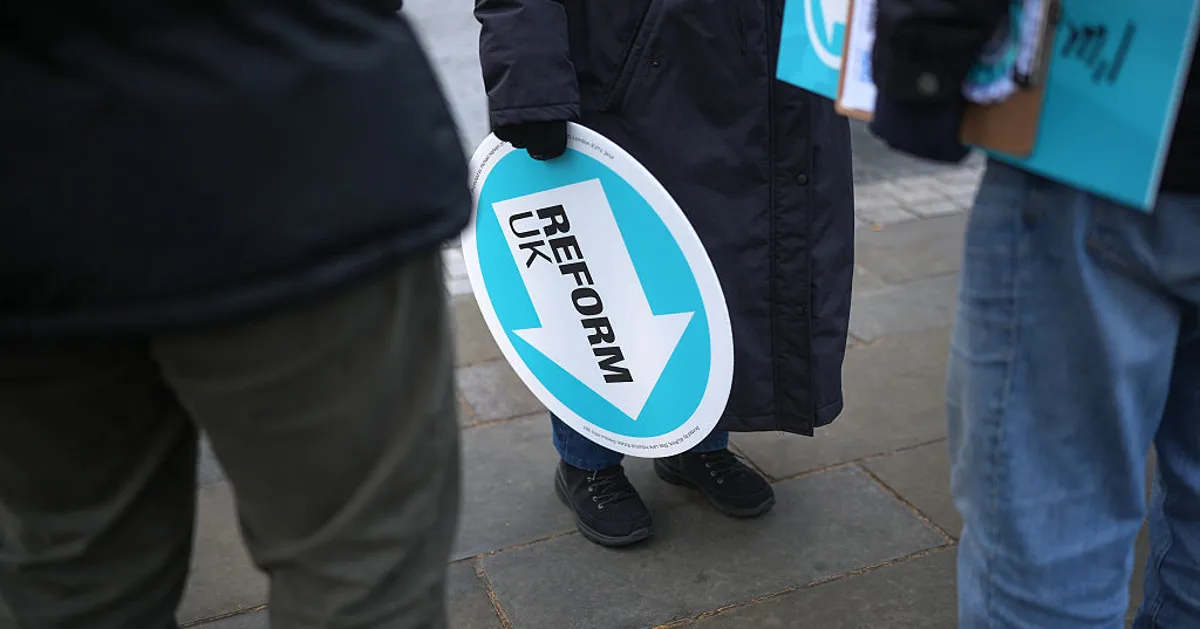
A Lib Dem councillor was left stunned after being asked by Reform UK to stand for the party at the local elections in May.
Sam Webber, who sits on Bromley Council in south east London, was phoned out of the blue by the party’s membership team and asked if he wanted to be a “paper candidate” on May 7.
A paper candidate is someone whose name goes on the ballot representing a party but is not expected to win or do any campaigning.
Speaking to HuffPost UK, Webber accused Nigel Farage’s party of “making a mockery of the election nomination process”.
He said: “Is Reform just randomly calling up people across the country and asking them to stand for election?
“Nominations open in five days time. How much vetting will the party be doing on their candidates in that time? This runs the risk people getting nominated who would be ineligible to serve even if they were elected.
“That would see costly and unnecessary by-elections having to take place after May 7, as we saw after the 2025 local elections.
“Reform UK is making a mockery of the election nomination process. As we have seen in authorities like Kent County Council, it would be total chaos if the party gets anywhere near power. I suspect voters will not like being taken for fools.”
Reform has been contacted for comment.
A staggering 65 Reform councillors who were elected at last May’s local elections have since either resigned as councillors, defected or quit the party.

Egyptian star Mohamed Salah has announced he will be leaving Liverpool at the end of the season, bringing to a close one of the greatest eras in the club’s history and a golden age in the Premier League.
Mohamed Salah is not just a departing player; he represents the end of an exceptional career that has inspired the club and fans worldwide.
Unprecedented
When Salah arrived at Anfield in the summer of 2017 from Roma for around $50 million, it seemed like just another big-money move. But the next few years proved that the club hadn’t signed an ordinary player, but an unprecedented football phenomenon.
His journey to the top wasn’t easy. He had a disappointing spell at Chelsea before rediscovering his form in Italy and returning to England as a more complete player, finding in Jürgen Klopp’s project the perfect environment to flourish.
From his very first season, Salah established himself as a formidable attacking force, scoring 44 goals and announcing the birth of the ‘Egyptian King.’
During his nine seasons with Liverpool, he scored 255 goals in 435 appearances, placing him third on the club’s all-time top scorers list. He also contributed 281 goals in the Premier League, the most by any player for a single club. He won the Golden Boot four times, equaling Thierry Henry’s record, confirming his dominance and consistent goal-scoring prowess.
His impact wasn’t limited to individual statistics; it extended to major titles. He was instrumental in Liverpool’s triumphs, securing eight significant trophies: two Premier League titles, a Champions League title, an FA Cup, two League Cups, a Club World Cup, and a UEFA Super Cup. The highlight of his career was winning the Champions League in 2019, following the heartbreak of the 2018 Kyiv final, when he scored in the final against Tottenham and led the team to European glory.
An enduring legacy
Salah’s impact wasn’t limited to the pitch; it extended to the human dimension as well. He went through difficult times, most notably the death of his teammate Diogo Jota, and witnessed some tensions within the team, but the relationship between the player and the club remained based on respect and achievement.
When Mohamed Salah leaves, it’s not just a goal-scoring player who departs, but an entire chapter in the club’s modern history closes. A player who transformed Liverpool, inspired fans around the world, and etched his name in gold. The legacy of the “Egyptian King” will live on, etched in the memory of Anfield and in the heart of every fan, forever. Mohamed Salah was more than just a goalscorer; he wass an entire era in Liverpool’s history.
Salah’s extensive achievements with Liverpool
• Most Premier League goals by an African player: 189
• Most assists by an African player: 92
• Most Premier League goals as a winger: 190
• Most Premier League goals with his left foot: 152
• Most goal contributions in a 38-game season: 47
• Most goals in a single season with Liverpool: 44
• Most goal contributions against Manchester United: 19
• Most goal contributions in a single month: 14
• Most goal contributions for a single club: 281
• Premier League Golden Boot: 4 times
• Player of the Month: 7 times
• More Liverpool’s Premier League goals: 189
• Most Champions League goals for an English club: 45
• Liverpool’s all-time Champions League top scorer: 50
• First player to have over 40 goal contributions in two seasons
• First player to have 10+ goal contributions in three months
• Only player to score a hat-trick at Old Trafford
Featured image via the Canary
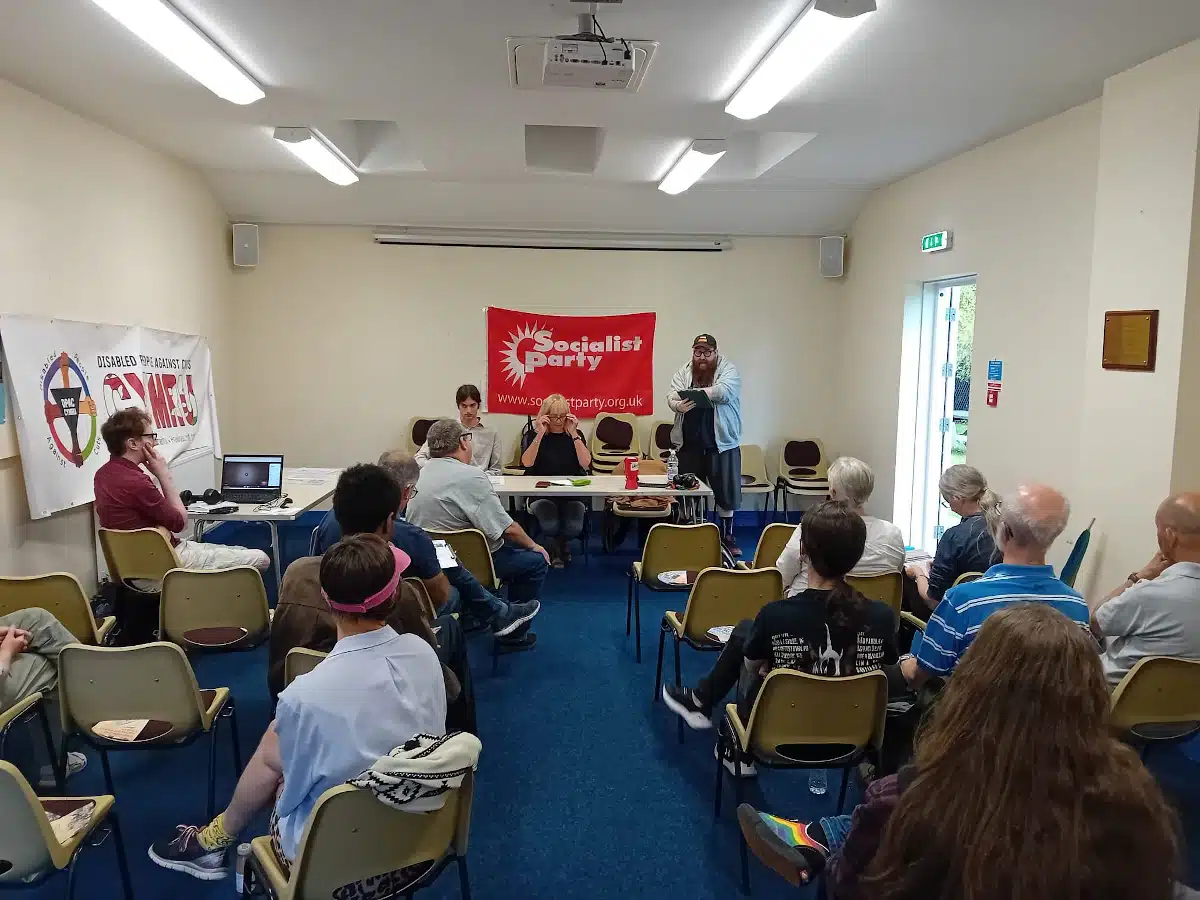
The Socialist Party has announced today that it will be standing in the Senedd elections under the banner of the Welsh Trade Unionist and Socialist Coalition (TUSC).
The candidates are standing to make the case for trade unions taking the lead in forming a new workers’ party. This is to address what the party calls “the crisis in working-class political representation.”
The Socialist Party says that its candidates are proven campaigners in their workplaces and communities. Its key policies are “democratic public ownership; a future for young people without debt, war or climate disaster; and a united fight for jobs, homes and services to combat racism and division.”
Ben Golightly and Mark Evans
In Gŵyr Abertawe, the lead candidate is Ben Golightly, one of the elected coordinators for Disabled People Against Cuts Cymru, a high-profile campaign fighting disability cuts.
Joining him on the TUSC party list for Swansea & Gower is Mark Evans, a long-standing Unison trade unionist, and Secretary of Swansea & District Trades Council. Mark has been a consistent campaigner against local government job cuts, council tax increases, and cuts to services.
The party is also standing three candidates in Caerdydd Ffynnon Taf.
John Williams
John Williams is a hospitality worker, LGBT+ activist, and chair of the Cardiff general branch of Unite the Union.
He says he is “proud to have supported striking workers across Cardiff and South Wales, including ambulance staff, nurses, and bin workers. I’m proud also to have stood shoulder to shoulder with reps facing anti-union tactics from Cardiff Council, and of my work bringing trade union solidarity to Trans Day of Remembrance and Trans Pride.”
Helen Perriam
Helen Perriam is a nurse at Llandough Hospital. She is a Unison member and trade union campaigner.
She says she has “seen first hand what Labour and Tory cuts and privatisation have done to our NHS” and “will stand up in the Senedd to fight every cut and speak up passionately for more resources to allow nurses and health workers to provide the services we need.”
Dave Bartlett
Dave Bartlett is secretary of Cardiff Trades Union Council and a leader in the campaign that saved health facilities at Cardiff Royal Infirmary.
He says that “campaigning in our communities isn’t enough, we need a voice for the working class in the Senedd. It is time for the trade unions to end the funding of Labour and to form a mass new workers’ party instead.”
Wage Pledge
All Welsh Trade Unionist and Socialist Coalition candidates have pledged that, if elected, they would forgo the full £76,380 Senedd member salary, and take home only a worker’s wage.
The coalition is also standing nearly 200 candidates in the English council elections.
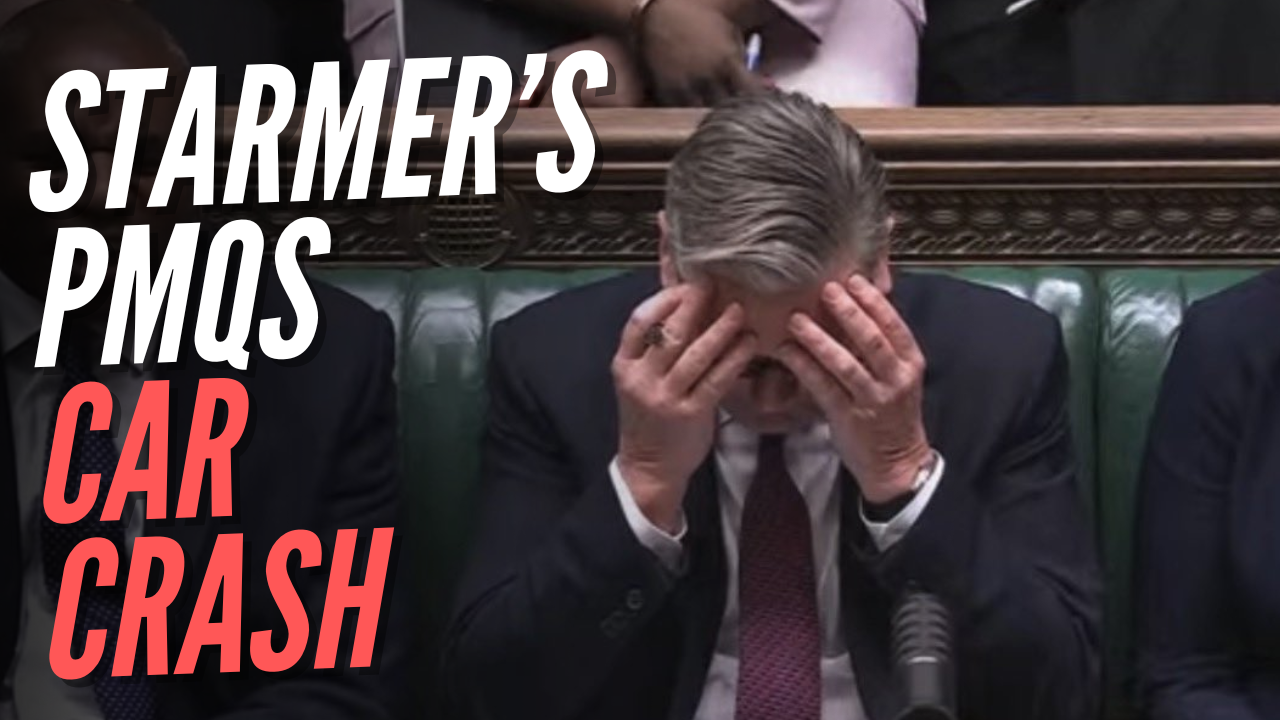
Starmer’s worst performance in a long time, and the bar is low. There is always a “process” that stops him doing anything. Always another ‘review’. Is he aware he lives in Number 10?

CLARITY’s stablecoin yield ban shifts bargaining power from Coinbase to Circle
“Daredevil: Born Again” season 3 will feel like 'a new dawn' after Mayor Fisk arc, Charlie Cox says

London Marathon in advanced talks to make race a two-day event next year


-
 Crypto World5 days ago
NIO (NIO) Stock Plunges 6.5% as Shelf Registration Sparks Dilution Worries
-

 Fashion5 days ago
Weekend Open Thread: Adidas – Corporette.com
-

 Politics5 days ago
Jenni Murray, Long-Serving Woman’s Hour Presenter, Dies Aged 75
-
 NewsBeat10 hours ago
Manchester United reach agreement with Casemiro over contract clause amid transfer speculation
-

 Crypto World4 days ago
Best Crypto to Buy Now: Strategy Just Spent $1.57 Billion on Bitcoin During Fear While Early Investors Quietly Enter Pepeto for 150x Potential
-

 Crypto World4 days ago
Bitcoin Price News: Bhutan Sells $72 Million in BTC Under Fiscal Pressure, but the Smart Money Entering Pepeto Sees What the Market Does Not
-

 Tech6 days ago
inKONBINI Lets You Spend Summer Days Behind the Register
-

 Sports2 days ago
Remo Stars and Kano Pillars Strengthen Survival Hopes in NPFL
-
 NewsBeat7 days ago
Residents in North Lanarkshire reminded to register to vote in Scottish Parliament Election
-

 Politics6 days ago
Gender equality discussions at UN face pushbacks and US resistance
-

 Business3 days ago
No Winner in March 21 Drawing as Prize Rolls to $133 Million for Next
-

 Business7 days ago
Who Was Alex Pretti? 5 Key Facts About the ICU Nurse Killed by Federal Agents in Minneapolis
-

 Sports2 days ago
Gary Kirsten Accuses Pakistan Cricket Board Of ‘Interference’, Mohsin Naqvi Responds
-

 Tech3 days ago
Give Your Phone a Huge (and Free) Upgrade by Switching to Another Keyboard
-

 Tech7 days ago
Inventec’s bizarre VeilBook laptop hides its touchpad under a sliding keyboard just to give cooling fans a little breathing room
-

 Sports5 days ago
2026 Kentucky Derby horses, odds, futures, preview, date: Expert who nailed 12 Derby-Oaks Doubles enters picks
-
Sports6 days ago
Vikings Free Agency Enters Phase 2 with Key Questions
-

 Tech3 days ago
AI enters the chat: New Seattle dating app relies on tech to facilitate meaningful human connections
-

 News Videos7 days ago
Amazing Cardboard Gadget That Turns Paper Into Money #techgadgets #ytshorts
-

 Tech7 days ago
Corsair K100 Air Wireless Mechanical RGB Keyboard Packs Full Power Into a Slim Frame
You must be logged in to post a comment Login