

Politics
Democrats look to World Cup watch parties to register thousands of voters

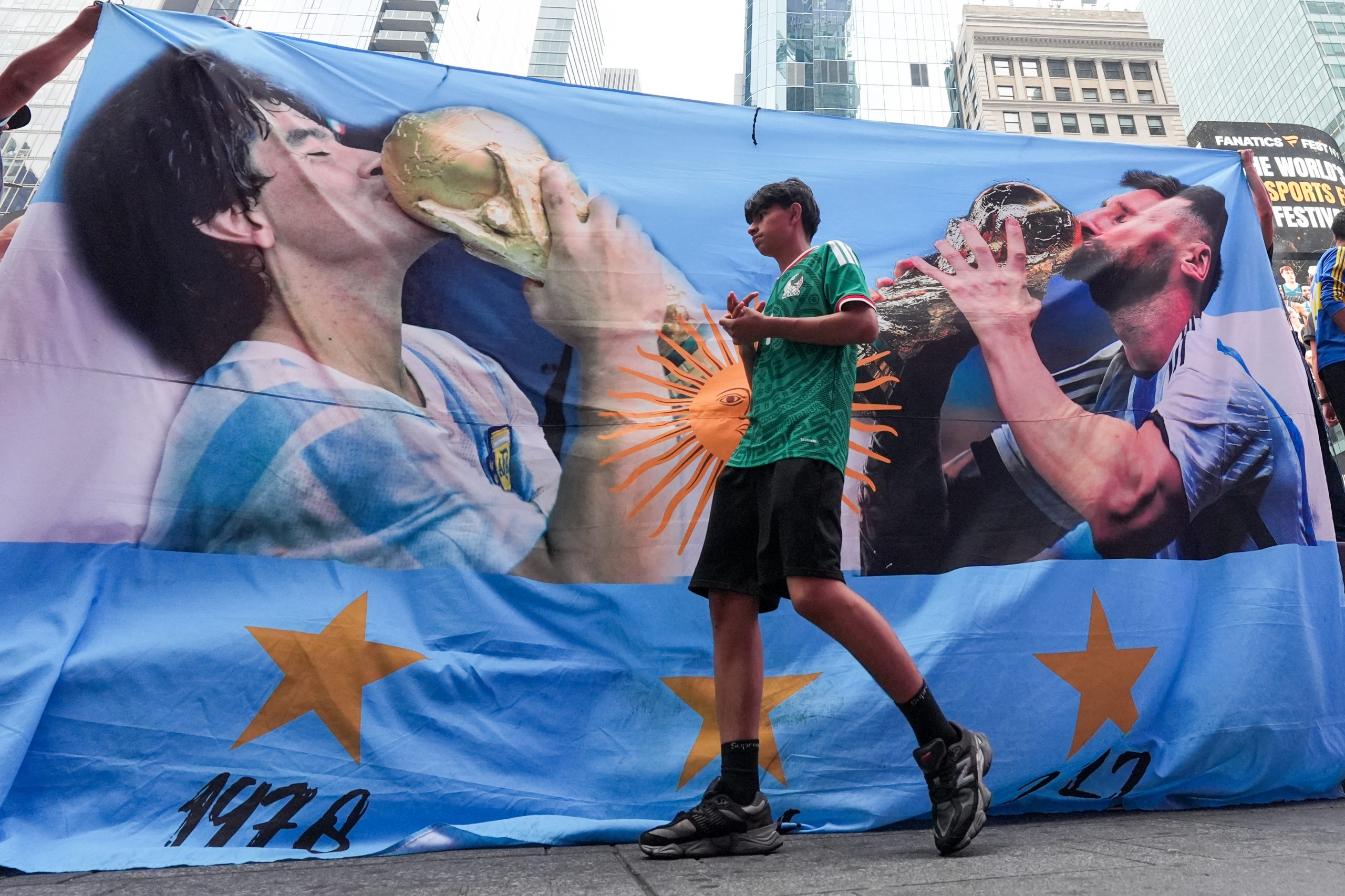

The Democratic National Committee is betting the world’s biggest sporting event can help build its voter base.
The DNC is launching a nationwide voter registration effort for Sunday’s World Cup final, dispatching organizers, volunteers and campaign staff to FIFA Fan Zones, sports bars and community watch parties with the goal of registering more than 3,000 new Democratic voters.
The effort underscores how both political parties are increasingly viewing major sporting events as opportunities to reach voters — particularly young Americans who may be less likely to attend traditional political events but are gathering in large numbers around the monthlong tournament. In the case of the World Cup final, more than 80,000 people are expected to attend in person.
“From outside FIFA Fan Zones and at World Cup watch parties to bars, restaurants and parks, we’ll spend the weekend registering thousands of new Democrats and having conversations about how we win races up and down the ballot,” DNC Chair Ken Martin said in a statement.
The weekend push spans nearly two dozen states, with Democratic organizers attending events in battlegrounds including Arizona, Pennsylvania and Florida. In Arizona, Democrats plan registration efforts in Phoenix, Chandler, Tempe, Tucson and Yuma.
The campaign builds on the DNC’s broader “When We Count” initiative focused on young voters ahead of the 2026 midterms.
Unlike traditional registration drives centered on college campuses, the program deliberately targets young Americans who are already in the workforce.
About one-third of the program’s fellows are native Spanish speakers.
The party is pairing the registration effort with a four-part national training series that it says will equip more than 1,500 organizers, campaign staff and volunteers with best practices for partisan voter registration.
Professional sports leagues have increasingly embraced civic engagement around elections, and the NBA and WNBA are some of the most visible examples, using arenas as polling locations and partnering on nonpartisan voter registration drives. And conservatives have previously registered voters at NASCAR events.
“The power in sport is that people gather. It creates a sense of belonging,” said Lee Igel, a professor of global sport at New York University. “If you want to get 3,000 people registered to vote at a watch party for a sports mega-event, you’d be hard-pressed not to get closer to 30,000 people” registered.
Igel said the DNC’s initiative takes that relationship between sports and civic participation a step further.
“There’s some precedent when it comes to voting and sports,” he said. “But this picks up on a more recent trend of politicians, elected officials and the organizations they’re connected to tapping into the power of sport.”
He pointed to leaders across the political spectrum, including President Donald Trump and New York City Mayor Zohran Mamdani, as examples of politicians increasingly recognizing sports’ cultural reach.
“Sport is fun and games,” Igel said, “but the attention it attracts in communities — from eyeballs to people in person — is enormous.”


(Aldo Ciarrocchi/Alamy)

11 min read
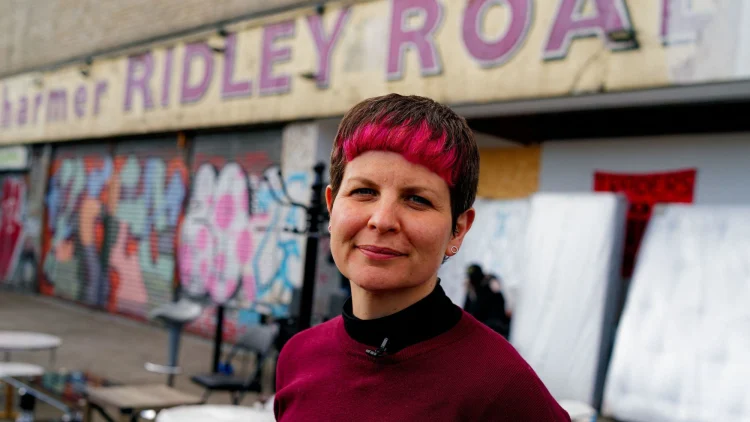
Hackney’s new Green mayor Zoë Garbett talks to Noah Vickers about winning a Labour stronghold, taking Sir Sadiq Khan to court and why she wants Andy Burnham ‘to succeed’
Zoë Garbett had expected a good showing for the Green Party in May’s local elections, but the scale of her victory in the Hackney mayoral race came as something of a shock.
“I kept saying before the election, ‘This is going to really change politics in London,’ but I had no idea I’d be sitting here with the majority we got,” says the 39-year-old mayor.
The Greens had war-gamed for several scenarios as they sought to wrest control of the Labour stronghold, including some where they won a majority of councillors without also taking the mayoralty, which is separately elected.
“We really were planning for all eventualities. At our worst prediction, we thought we’d have 10 councillors.”
In the event, the party went from winning two of the borough’s 57 seats in 2022 – of whom Garbett was one – to 42 in 2026. Labour were reduced to nine seats, down from the 50 they won four years ago.
Garbett, raised in Somerset by teacher parents, worked in public health at Labour-run Barking and Dagenham council and later in an officer role at Conservative-run Barnet council. Non-clinical posts in the NHS followed, including in children’s mental health and as an assistant director for health inequalities.
In 2024, she took voluntary redundancy to focus on her campaign against Sir Sadiq Khan in that year’s London mayoral race. While she lost the contest by a wide margin, Siân Berry’s unexpected departure from City Hall opened up a vacancy for her on the London Assembly, where she spent the last two years with Green leader Zack Polanski.
A Green member since 2013, Garbett was an early supporter of Greens Organise, a group seeking to “build the left within the party”, which shared activists and an ethos with Polanski’s leadership campaign.
Khan texted Garbett his congratulations following her victory in Hackney. But within weeks of taking office, she is already on the warpath against him, as she has joined a legal challenge against City Hall.
Working with Lewisham’s Green mayor Liam Shrivastava and Tower Hamlets mayor Lutfur Rahman – who leads his own Aspire Party – the three borough leaders are applying for a judicial review in the High Court. Their aim is to overturn Khan’s decision last year to temporarily reduce London’s affordable housing requirements.
Previously, all major developments on private land in London needed to include at least 35 per cent affordable housing in order to be ‘fast-tracked’ through the planning system, but in October 2025 Khan agreed with the government to slash the requirement to 20 per cent.
With London housebuilding having reached record lows in recent years, the change was agreed as part of a wider “emergency package” of measures to help the construction industry, which has struggled with inflated costs, high interest rates and new regulations.
Khan and the government argue that lowering the threshold will allow more affordable homes to be built, following the maxim that 20 per cent of something is better than 35 per cent of nothing.
But Garbett says there should have been more focus on building already-consented homes first.
“There’s loads of planning applications that have been approved that haven’t been built out. I think it’s thousands across London, a few hundred in Hackney. What are we doing to make sure those are being delivered?”
She’s also unconvinced that reducing the threshold to 20 per cent will actually result in more affordable homes getting started, saying: “It did very much feel like it was just developers pushing for it and it wasn’t in conversation with local authorities.”
Labour lost Hackney partly due to anger from some in the borough over the impact of Low Traffic Neighbourhoods (LTNs), where roads are closed to through-traffic to discourage car use. Hackney Greens have had to walk a delicate line on the issue, with their manifesto noting the “hard truth” that LTNs “have not yet delivered fair outcomes everywhere”.
The party said that “while rollout of recent schemes by the Labour-led council has been rushed, reactively scrapping schemes can recreate the original problem – bringing rat-running and road danger back”. Instead, the Greens pledged to take a fresh approach to new LTNs, with “community-led design, fair impact assessments, full data transparency, and scheme-by-scheme decisions”.
Hackney’s Labour administration, Garbett says, talked about LTNs as a way of improving air quality, but she believes road safety has been overlooked as an “absolutely paramount” factor.
“If you speak to people who are upset about some of the road changes, if I say, ‘Yeah, but school streets are all about children being able to walk to school,’ most people say they can understand that.
“We need to do some work to really be transparent about the evidence, where things are working and not working, and where we’re collectively measuring what that looks like.”
The installation of a bus gate on Chatsworth Road has proved especially controversial among locals, who made their feelings known to Garbett during the campaign.
“We had some quite robust challenge from people about the [Greens’] approach,” she admits, “but, as I said, people can find commonality around road safety.
“People do feel like it’s connected to a push against people’s freedoms to move around, and I do really hear that, so we need to really make sure that alternatives are there.”
Garbett is also pushing for a “pause” in the use of Live Facial Recognition in the borough by the Metropolitan Police. In Hackney, Garbett says the technology – which has sparked concerns about civil liberties and racial biases – is usually found in busy retail areas like the Narrow Way and Ridley Road.
“Traders report that less people come. A van sits there with its engine on for six hours, with its cameras pointed around,” she says. “Yesterday I went up to the Narrow Way and I think at one point there were 12 officers. It’s such a heavy police presence.”
In the north of the borough, Stamford Hill is home to Europe’s largest population of Charedi Orthodox Jews. The mayor says she is “really proud” of the community and has already met with its leaders a number of times.
But amid media reports of alleged antisemitic comments made by some Green candidates and councillors elsewhere in the country, did Garbett in her new role as mayor feel the need to give them any kind of assurance?
“Yes,” she says. “I did a little speech with some of the community leaders and they kind of looked a bit perplexed. They were like ‘We know that you’re local, we know that you care about our community’…
“It was interesting, because I did just want to put it on the table. I want people to talk to me – I don’t want you to feel that you can’t.”
“I had no idea I’d be sitting here with the majority we got”
In March, the Greens’ spring conference looked set to discuss a motion titled ‘Zionism is racism’, though it was not ultimately debated. Former Green leader Caroline Lucas recently told The House she was “not sure it’s a very helpful debate” as “Zionism can be interpreted in so many different ways”. Does the subject need more nuance?
“Motions are brought to conference and get debated, which is the beauty of the Green Party in the sense that any members can bring anything they want to discuss,” replies Garbett. “I think there’s been some feedback on the motion as it was written, to make sure that it’s as helpful and practical as possible.”
Would she say, straightforwardly, that Zionism is racism?
“Well, I think the framing is…” she says, finding her words. “It depends on context and who you’re speaking with and what our aim is. I think our aim has to be bringing people together and focusing on a solution.
“Like here in Hackney, we’re doing as much as possible to divest our pension funds [from companies complicit in territorial human rights violations]. That process was started off last week, which is really exciting. We know it’s going to be a long road.
“So, I think anything that helps us be practical, but I know that that framing is really important to people who are Palestinian or have family in the area, so I think it’s important that we’re able to, you know – we need to listen to them.”
Garbett speaks to The House the day after Andy Burnham has given his speech in Manchester promising “the biggest rebalancing of power our country has ever seen” through a sweeping devolution programme.
“The proof’s going to be in the pudding,” says Garbett, adding: “There is some nervousness about some of his rhetoric around moving money out of London, because I’d like there to be a focus on the issues. What are we doing about children with SEND needs? What are we doing about child poverty?
“People have got this perception that London is rich and we’re all living the best life, but 50 per cent of children in Hackney live in poverty.”
She also urges the next PM to empower her and other mayors to set rent controls on private tenancies.
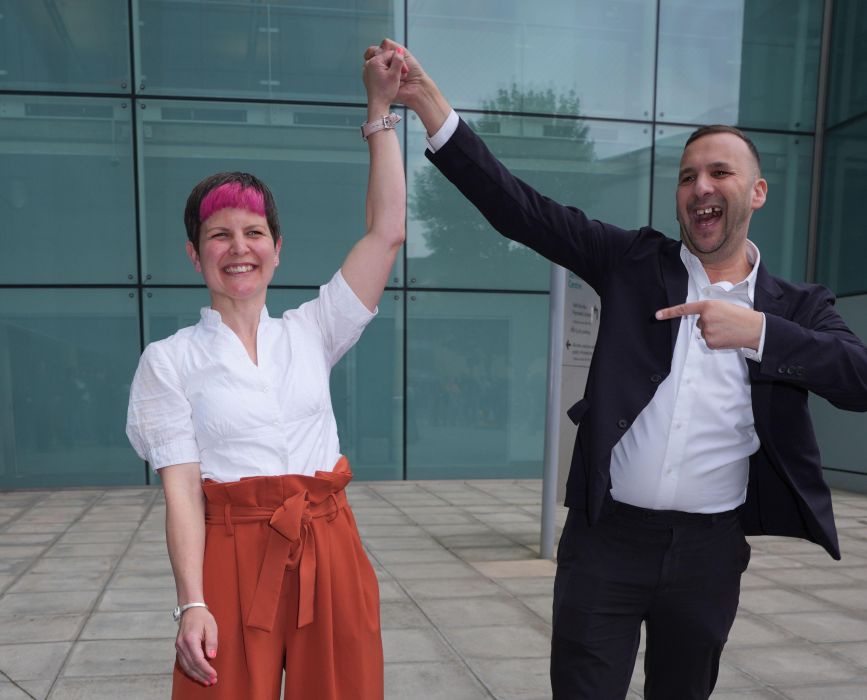
“I think it would make such a huge difference,” she says, pointing out that as long as rents remain as high as they are, billions of pounds will continue to be transferred from the government to private landlords every year in housing benefit. Notably, Burnham himself called for the then-Tory government to freeze private rents in 2023.
Nor should Burnham’s devolution vision be limited to metro mayors alone, Garbett warns.
“We don’t want the powers to just go to the Mayor of London. There needs to be powers coming to [borough] authorities.”
Garbett brushes off concern about Burnham winning back disaffected Labour voters who have drifted to the Greens.
“A lot of people support the Greens because we are pushing for things like rent controls, because we are very bold against the complicity in the genocide. We want climate action and I know he’s already making some mutterings about gas and oil drilling, and migration – him sticking to some of the horrendous migration laws… I think it will be that first 100 days, about what decisions he prioritises.”
There will remain enough distance between the parties, then, for him not to threaten the Greens?
“This is really difficult, because I don’t want people to continue to suffer,” she replies. “I want him to succeed in doing things like nationalising the railways so that people can get around more cheaply, making energy cheaper, making food cheaper. I really want to see him making those good decisions.”
While Polanski’s arrival as leader saw the Greens enjoy a sustained surge in the polls, their standing in opinion surveys appears now to be ebbing. Garbett doesn’t seem sure why.
“I don’t know what’s going on,” she says. “I’ve been very focused on Hackney, where we’ve had the most amazing election, and that is in part [thanks] to Zack’s leadership. But I think it’s just changing times as well, like what happens with Andy Burnham.”
Will Polanski face a challenge in keeping the party’s momentum going?
“He’s suffered a huge amount of scrutiny. The press have been through his bins and calling everyone he’s ever known. I think that has been really difficult.
“He’s apologised where he’s needed to. Some of it wasn’t even a story, but obviously the headlines run away, don’t they. He has been really under attack recently.”
The Greens have now set their sights on the Greater Manchester mayoral by-election. Can the party win there, even with the change back to the supplementary vote system?
“No,” she blurts out, before moderating her answer: “Well, it’s a big step up, isn’t it?”
The party is pleased, she says, that the government has ditched first-past-the-post in favour of a more democratic system for mayoral contests.
“It’s going to be a big-scale [election], we’re just going to do as best as we can. It’s like here – we tried our best,” she laughs. “The polls didn’t look good for us a year ago.”
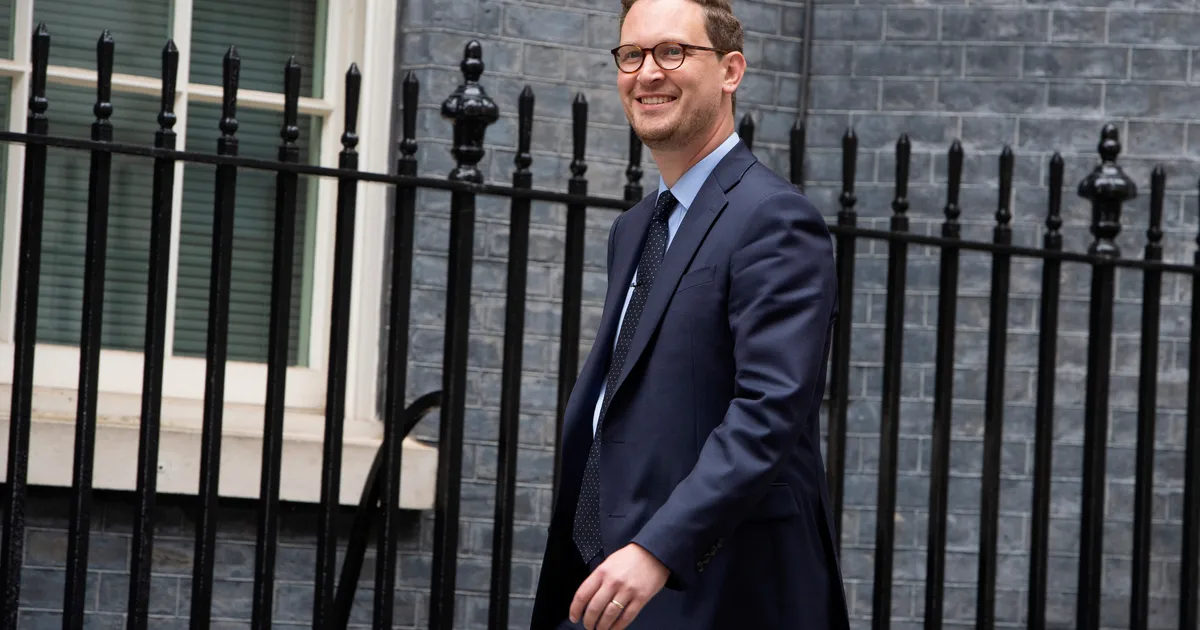
A close ally of Keir Starmer who was sacked by Andy Burnham on his first day as prime minister has hit out as his decision to cut VAT from electricity bills.
Darren Jones, who was chief secretary to the prime minister in Starmer’s cabinet, said the policy was “unfunded”.
Burnham announced on Tuesday morning that VAT on electricity bills would be reduced from 5% to zero from October 1, saving householders around £45 a year.
He said the £850 million cost of the policy would be covered by his decision to axe Starmer’s digital ID scheme.
According to the Office for Budget responsibility, that project was due to cost £1.8 billion over three years.
But in a post on X, Jones, who was responsible for promoting the digital ID scheme, said: “Good news that VAT will be cut on electricity bills. It’s a simple way for families to save a few quid, and to mechanically help to keep inflation that little bit lower.
“But the Digital ID program was unfunded. The government will have to set out how it will pay for its new policies at the Budget.”
A source close to Burnham said the proposed cost of digital ID was “in government spending” and therefor was not unfunded.
In a post on X, shadow chancellor Mel Stride said: “It’s falling apart already. Labour say they will fund a VAT cut to energy bills by scrapping their proposed digital ID cards. But the cuts to the digital ID card budget are not real because the money was never provided for in the first place.
“As the OBR stated in November last year, the annual £600 million cost was unfunded as the government was relying on absorbing the provisional spend across departments without specifying where the savings would be made.
“We are only one day in and already Labour are playing fast and loose with the public finances. Labour should be doing what the Conservatives called for months ago – taking VAT off energy bills in a fully funded way by scrapping net zero subsidies.”
Listen to Commons People, the podcast that makes politics easy. Every week, Kevin Schofield and Kate Nicholson unpack the week’s biggest stories to keep you informed. Join us for straightforward analysis of what’s going on at Westminster.
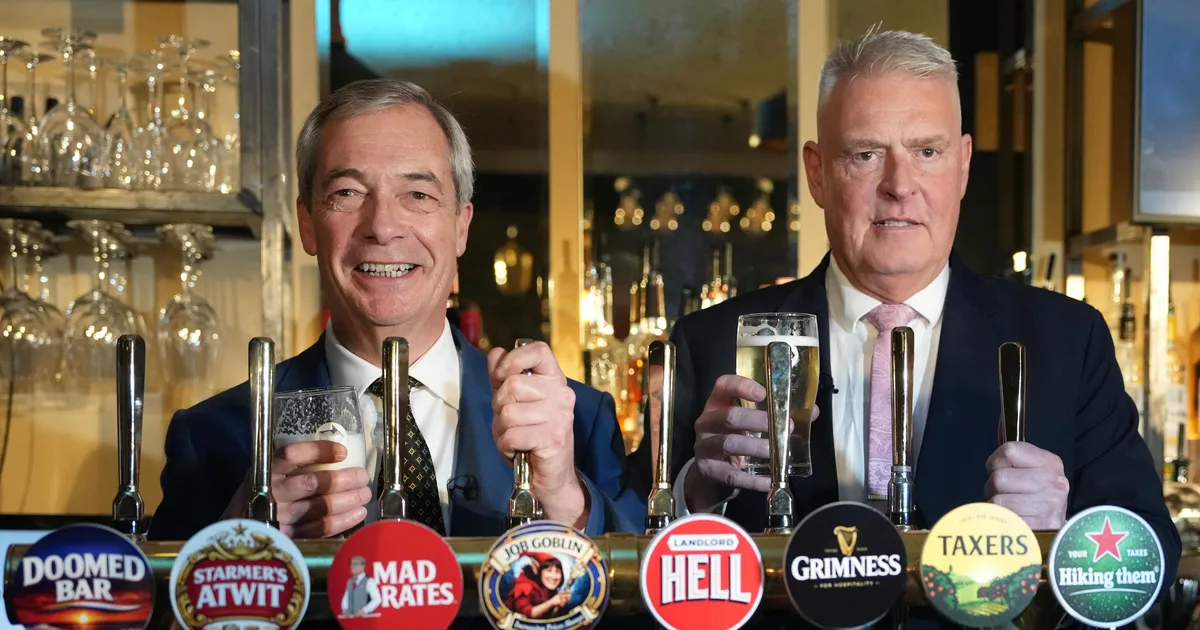
Reform’s Lee Anderson furiously rebuffed fresh questions about Nigel Farage’s finances when pressed on live radio.
The Ashfield MP was asked about last week’s Guardian report that the Reform leader told party colleagues in March 2024 he would need £5 million to stand as an MP to compensate for lost earnings.
Farage received a £5m lump sum from crypto billionaire Christopher Harborne shortly before he ran to be an MP in May 2024, which he failed to declare to parliament once elected.
Farage claims he has not done anything wrong and that the gift was personal, not political, so did not need tell parliament about it.
After a parliamentary probe was launched into the undeclared sum, Farage stood down as an MP earlier this month to trigger a “people versus the establishment” contest in his constituency of Clacton.
He is now running to be elected again but all other main parties have pulled out of the race – meaning he is only in a fight for votes against comedy candidate Count Binface.
Harborne’s lawyers told the Guardian the billionaire “expected nothing in return” for the money.
On Times Radio, Anderson was asked about the new claims Farage wanted £5m to run as an MP.
“Is it a lie Lee, is it a smear?” Presenter John Pienaar asked.
The Reform MP replied: “John, I was invited on this interview today to talk about Andy Burnham’s speech. What’s this got to do with Andy Burnham’s speech?”
Pienaar said they were talking about politics and Reform’s relative position to the new prime minister.
Anderson repeated his complaint, adding: “What’s this last question got anything to do with that? It’s got absolutely nothing to do with that.”
“It bears on the standing of your leader,” Pienaar replied.
Anderson angrily hit back: “You’re talking absolute nonsense, John, for the third time, I came on this interview today, you asked me to come on to talk about Andy Burnham’s speech today, what you’re saying now has nothing to do with that.”
Listen to Commons People, the podcast that makes politics easy. Every week, Kevin Schofield and Kate Nicholson unpack the week’s biggest stories to keep you informed. Join us for straightforward analysis of what’s going on at Westminster.

On the steps of Downing Street yesterday, we heard a clear call to turn the page on forty years of economic mismanagement. Our country’s reckless experiment in extreme deindustrialisation is at the heart of this broken paradigm. As the prime minister put it, “large parts of the country de-industrialised, and they still haven’t recovered.”
That is why we are proud to serve as officers to the newly formed Reindustrialisation Research Group. Our ambition is bold but simple: create one million jobs in production over the next decade and ensure that every part of Britain has a stake in making things again.
While it’s important to measure economic success through national GDP, let’s also not overlook where that growth happens, who benefits from it, and whether it creates the kind of lives people actually want. We need to ensure that jobs are secure, not concentrated in a handful of places or industries, or disconnected from the communities that need them most.
That’s why production is an inherently Labour project. It’s about ensuring that the entire country can play a part in our national story – not just a sliver of places. As the prime minister has said, it has to reach every postcode, not just our biggest cities. Expanding production means good jobs: skilled jobs, well-paid jobs, secure jobs and, where workers choose, unionised jobs. It means apprenticeships, career progression and dignity at work. This is True Labour.

MDU warns Chancellor clinical negligence system ‘not fit for purpose’

Northern Ireland RE curriculum is ‘indoctrination’ – Supreme Court
Reindustrialisation is also critical for political reasons. Labour needs a second term – previous transformative governments have almost always depended on them to deliver real change. It will certainly be essential to deliver the prime minister’s new ten-year plan for Britain – which we expect reindustrialisation to be at the heart of. Many of the constituencies that will determine whether Labour governs after the next election are the very places that once made Britain’s steel, chemicals, buses, machinery and advanced components.
They are coastal towns, former industrial communities and manufacturing centres where people are less interested in abstract economic statistics than in whether their children can find a skilled, well-paid job without moving away. The phrase “red wall” isn’t always useful as the areas the phrase was used to describe are far from uniform, and it also excludes parts of the United Kingdom that share its industrial past, but there is nevertheless a clear overlap between many of Labour’s key electoral battlegrounds and the areas shaped by Britain’s industrial past.
That means reindustrialisation is an electoral strategy just as much as it is an economic one. If people can see new factories opening, apprenticeships expanding, colleges teaching the skills employers actually need, and secure, unionised jobs returning to their communities, then they will have tangible evidence that government is making a difference. If growth remains something that happens somewhere else, measured in spreadsheets rather than pay packets, we should not be surprised if voters conclude that nothing has really changed and they roll the dice again on a different type of government.
This is why an ambition to create one million new jobs in production matters so much. It speaks directly to the question many voters are asking: not “Is UK plc growing?” but “Is my town benefiting?” and “Will my family be better off?” This sort of framing is a far more powerful political test than GDP alone, and one that any successful Labour government must be prepared to meet.
The lesson from Joe Biden’s Inflation Reduction Act is instructive. The IRA succeeded in attracting enormous private investment into new industries. Successful economies, though, need more than just investment in the abstract. If people don’t see better jobs in their own towns, if wages don’t rise, if supply chains remain overseas, and if local people aren’t equipped with the skills to fill those new roles, then political goodwill quickly evaporates. The Democrats, as we know, failed to win the presidency in 2024. Britain has the chance to learn from that experience.
Alongside a long-term vision, there are practical steps the new government could take. First, introduce targeted fuel duty support for the minerals sector, recognising the combined impact of the removal of the red diesel rebate in 2022 and recent global instability of fuel costs. Red diesel fuel duty reductions were welcome for the agricultural sector, but we must support the sectors driving our housebuilding agenda.
Second, make greater use of national security designations where strategically important industries are being undercut by unfair international competition. Bus manufacturing is one obvious example where new registration electric buses are now majority foreign-built. If we want resilient domestic supply chains, government should be prepared to defend them.
Third, accelerate the introduction of the Carbon Border Adjustment Mechanism for the refining sector. British industry should never be penalised simply for producing to higher environmental standards than its overseas competitors. The Tories’ inaction on this lost us Grangemouth and had been a barrier to investment in biorefining. We can and must expedite this.
Reindustrialisation is about so much more than mere sepia-tinged nostalgia. It’s about facing up to the challenges of the future. It’s about making sure that when Britain grows again, working people grow with it. That is the kind of economic mission the country has been waiting for. We look forward to supporting the prime minister to deliver it.
Politics.co.uk is the UK’s leading digital-only political website. Subscribe to our daily newsletter for all the latest news and analysis.
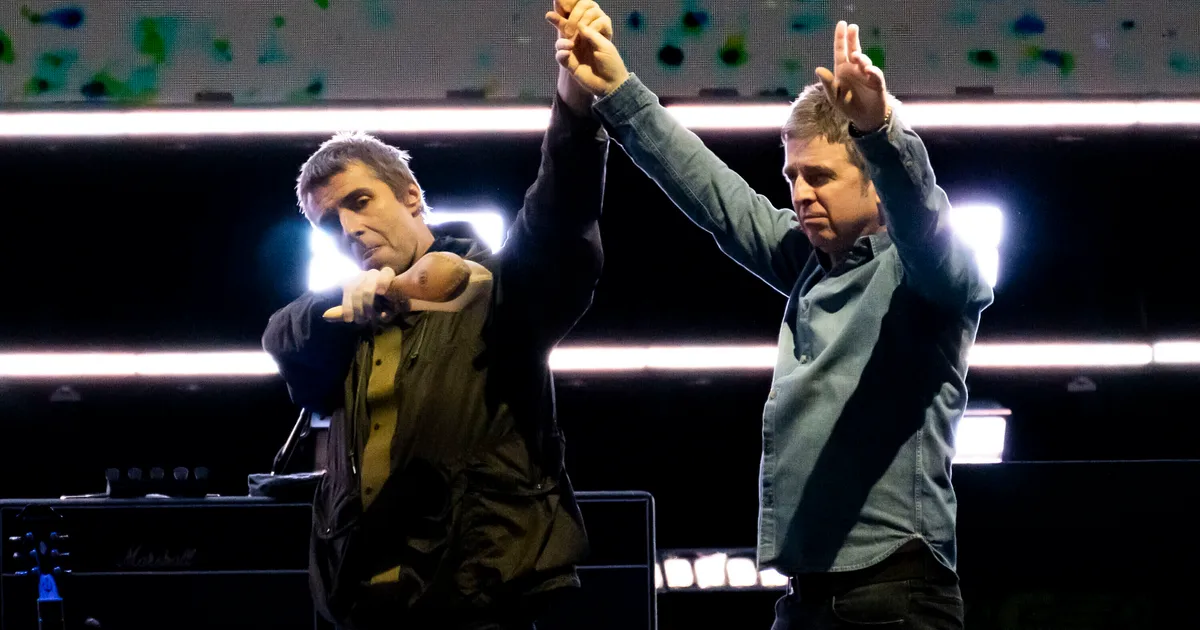
Between last year’s sold-out stadium tour and their current chart resurgence off the back of the World Cup, it seems that Oasis are as hot a property as ever, despite not having released any new material for the better part of 20 years.
And while many fans are hoping that, now the Gallagher brothers have put their differences aside, they might be able to create more music together, this evidently isn’t something people should be holding their breath for.
Responding to one fan on X about the prospect of a new Oasis album, frontman Liam Gallagher responded: “NO, I’m just not prepared for the criticism if it doesn’t sell 100 million copies in the first hour, cure bad breath and constipation for the nation, if it doesn’t turn back time for Cher and some other shit…”
He insisted: “Let’s just [do] some gigs and be happy, thank you.”
Since Oasis parted ways, both Liam and Noel Gallagher have continued to release and record music.
Liam released two albums with his group Beady Eye, before embarking on a solo career, releasing four number one albums between 2017 and 2024.
Noel has also enjoyed success with his group Noel Gallagher’s High-Flying Birds, releasing four albums between 2011 and 2023.
The first three of these all reached number one in the UK, while the group’s latest offering Council Skies peaked at a still-extremely-respectable number two, held off the top spot by fellow rock group Foo Fighters.
Earlier this year, Noel weighed in on rumours claiming that he and Liam would be writing the next James Bond theme, when the franchise is finally revived.
“Of course, it would be an absolute honour,” he told TalkSport, insisting that “those kinds of things should be done by Brits and not Yanks”.
Liam had joked on X weeks earlier: “It’s happening you wait till you hear it it’s the best BOND tune ever.”
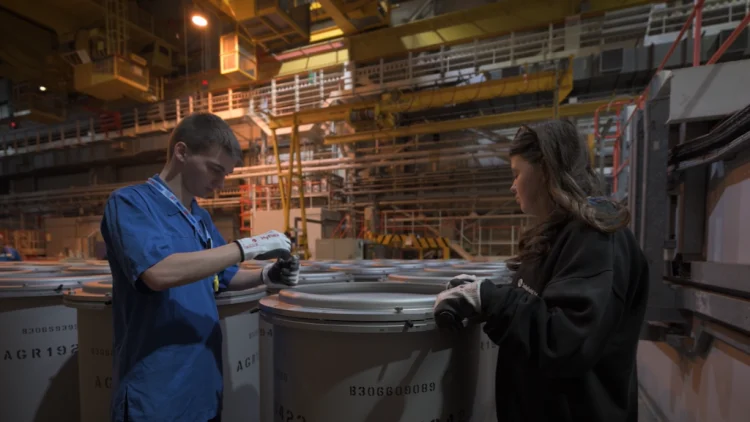

Nuclear operators preparing waste drums that will store graphite and stainless steel waste from AGR fuel dismantling.
When Parliament debates nuclear energy, the conversation is usually about tomorrow’s reactors. Yet far less attention is paid to the Advanced Gas-cooled Reactor (AGR) stations that have powered Britain for decades, the electricity they continue to generate, and the vital work that begins once they stop.
Behind the UK’s ageing reactor fleet moving from generation to defueling and decommissioning, sits a wider national system: the people, facilities, transport capability and long-term stewardship needed to manage nuclear materials safely, securely and responsibly. It is complex work, often unseen, but essential to the UK’s energy security, environmental responsibility and value for the taxpayer
Across the Nuclear Decommissioning Authority (NDA) group, our responsibility is at the heart of the national system to keep the lights on and support our generation fleet.
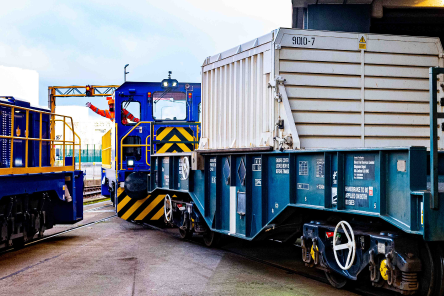
For decades, the UK’s AGR fleet has played a central role in the country’s electricity system. Since the 1960s, AGR stations have provided reliable, low-carbon power. Today, four stations from the original fleet continue to generate, while others have moved into defueling and decommissioning.
Working in close collaboration with EDF, the operators of the AGRs, the NDA group brings together the complementary capabilities of Sellafield Ltd and Nuclear Transport Solutions to safely transport, receive, dismantle and store spent fuel from those stations. Every tonne of fuel received represents electricity already delivered to homes, schools, hospitals and businesses across the UK.
Today, Sellafield receives around 200 tonnes of spent AGR fuel each year. That fuel has already generated the equivalent electricity needed to boil more than 1.7 trillion kettles of water.
Supporting a national programme
Sellafield is often described as a decommissioning site. That is true, but it is not the full picture as it also plays a critical role in supporting the UK’s AGR operating programme.
It safely receives used fuel from power stations that are still generating electricity, helping those stations continue to operate. At the same time, it supports stations that have finished generating, enabling them to defuel safely before moving into the next phase of their lifecycle.
That places Sellafield at the heart of a nationally important collaboration between EDF, the NDA and its group, in conjunction with the Office for Nuclear Regulation, the Environment Agency and Scottish Environment Protection Agency. Once reactors are defueled and the fuel transported to Sellafield, ownership of the AGR sites transfer to NDA and stewardship passes to Nuclear Restoration Services (NRS), the NDA group’s centre of excellence for reactor decommissioning. Drawing on decades of expertise gained through the decommissioning of the UK’s Magnox and research reactor sites, NRS will apply proven skills, innovation and experience to safely decommission the AGR fleet, reduce long-term hazards and restore sites for future generations.
It is a reminder that decommissioning is not simply an end point. The NDA group sustains national capability, protects specialist skills, supports communities and gives the UK confidence that it can manage its nuclear legacy responsibly.
Adapting to meet the country’s needs
At the centre of this work are some of Sellafield’s most important operational facilities: the Fuel Handling Plant, the interim AGR Storage Pond, the Thorp Receipt and Storage Pond, and the Flask Maintenance Facility. These facilities have supported the UK’s nuclear programme for decades and they continue to evolve to meet national need.
As AGR stations move through different phases of their lifecycle, that ability to adapt matters, as demand across the system changes. Fuel movements increase, operational requirements shift, and reliability becomes even more important.
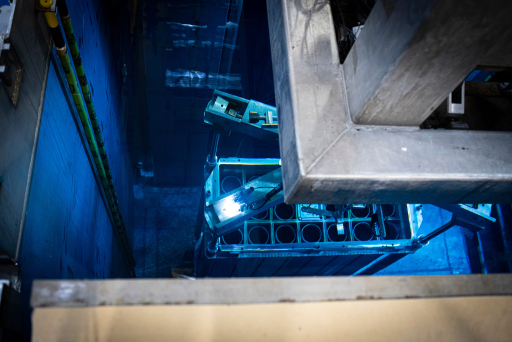
In recent years, Sellafield has introduced more efficient storage arrangements so that 50% more spent fuel can be safely stored in the same pond. It has improved how fuel is received and handled, strengthened the management of pond conditions, and enhanced process flows to support more reliable flask maintenance.
Without the development of the new storage rack, a new storage pond would have been required, potentially costing billions of pounds. This has helped Sellafield meet the needs of the national programme without requiring new infrastructure and ensures we protect value for the taxpayer.
Ready for the next phase
The UK has already entered a major period of AGR transition. The NDA group successfully supported the defueling of Hunterston B and Hinkley Point B on time and on budget, and continues to support the defueling of Dungeness B. In doing so, the system has managed a significant increase in fuel movements, rising from a historic average of around 150 tonnes per year to between 200 and 300 tonnes in recent years.
On April 1st 2026, 246 staff transferred from EDF to NRS at Hunterston B, bringing their existing expertise and ensuring the continuation of skilled, well-paid jobs at the site. It involved the transfer of thousands of files and records, more than 20 contracts and six site licences and permits from EDF to NRS.
This transfer provides the template for Hinkley Point B transferring to NDA/NRS in October 2026, where we will continue to build on this success that was the result of careful planning, strong partnerships and the ability to adapt facilities and operations to changing national demand.
Looking ahead, there is more to do. While further AGR life extensions may still come forward, planning is already under way for the next peak defueling phase. The four remaining AGR stations are currently expected to commence defueling by the end of the decade, which will once again increase the volume of fuel moving through the system.
The bigger picture
The decisions being made today will shape the UK’s ability to manage nuclear materials for decades to come.
By making the AGR defueling programme efficient and reliable, Sellafield, with the support of the capabilities across the NDA group, is helping reduce the overall cost of decommissioning for the UK taxpayer. By safely managing spent fuel, it supports environmental responsibility and long-term stewardship. And by maintaining the capability to receive, handle and store AGR fuel, it helps keep future options open as policy and technology evolve.
The UK’s nuclear story is not only about the electricity already generated. It is also about how the country responsibly manages what comes afterwards.
The NDA group has been solving complex nuclear challenges for generations. As the AGR programme evolves, so will we. By strengthening resilience across our facilities and operations, we are preparing for what comes next and continuing to play our part in the UK’s nuclear fuel cycle.
We have been innovative problem-solvers for 80 years. The next challenge is already in front of us, and we are ready to meet it.
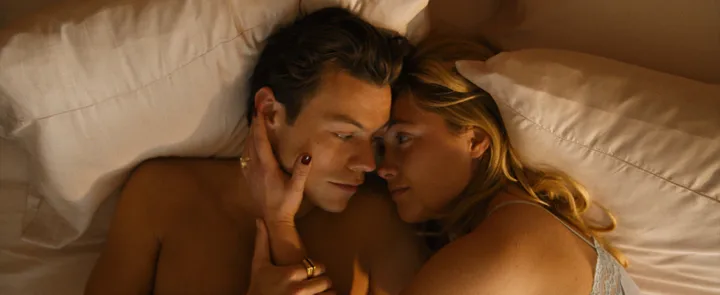
Olivia Wilde has opened up about the media frenzy that surrounded the release of her 2022 film Don’t Worry Darling.
Directed by Olivia and starring Florence Pugh and Harry Styles as its leads, Don’t Worry Darling’s cinematic release was blighted by reports of behind-the-scenes chaos.
All the while, Olivia was dealing with a very public split from her ex-husband Jason Sudeikis, and scrutiny over her then-relationship with the As It Was singer.
By the film’s release, it had been panned by critics, but there was still time for one last drama, over a bizarre online rumour that Harry had spit on co-star Chris Pine as they took their seats to watch Don’t Worry Darling at the Venice Film Festival.
As you can imagine, Olivia has now admitted that the plagued release of Don’t Worry Darling gave her cause for concern when it came to promoting her latest movie, The Invite.

Warner Bros/Moviestore/Shutterstock
Speaking on The Louis Theroux Podcast, Olivia voiced her opinion that the furore around Don’t Worry Darling’s release “did hurt the film for sure” because “we didn’t get to have the conversations about what the film was trying to say, which was a shame because so many people worked so hard to make that film in the depths of Covid”.
Praising the work of those who worked on Don’t Worry Darling in “uncertain times”, she continued: “But we never got to talk about that, so I think it hurt the film.
“It hurt me for sure, because I was so naive up until that point about the grinder, the garbage disposal that the internet can be.
“So, at this point, I have enough of a perspective on it, and that allows me to experience it as a fascinating time. It is interesting to witness a tornado from the inside. But now I look back and I think, ‘oh, the people were being given headlines without context, and it’s a natural instinct to start trying to fill those in’.”
Olivia continued: “It’s interesting because this is my first time back into the press cycle since then and I did wonder, ‘would this feel quite traumatising?’.”

Fortunately, she shared that the “conversations” she’s been having while promoting The Invite have been “so wonderfully interesting to me” that it’s “been actually kind of healing because I understand that it’s not always a garbage disposal”.
As well as directing The Invite, Olivia stars in it alongside Seth Rogen, Penelope Cruz and Edward Norton, as two couples during a dinner party whose evening spirals out of control into unexpected places.
Unlike Don’t Worry Darling, the domestic drama has received rave reviews from critics and viewers, and currently holds a critical score of 97% on Rotten Tomatoes and a Letterboxd rating of 4.1 stars.
Last month, Olivia told New York magazine that the producers behind Don’t Worry Darling had encouraged her not to address any of the headlines around it, which she now has mixed feelings on.
“I was told, ‘Don’t say a fucking word. Just go out there and smile’,” she said. “I resent that, but it taught me it’s not the way I want to handle things.”
She also told the podcast Call Her Daddy: “I wanted to be like, ‘Can I just talk to people?’. Can I just go and say like, ‘That’s not true?’. And it was like, ‘No, that won’t help’. And that was really hard.”
“There was all this public madness, but my private life was very far from it,” she claimed, recalling how it felt “like the tornado was right outside the door and if you were inside, you were like, ‘it’s so nice’, and then you’d open the door and a fucking, like, cow and a tractor would fly by”.
“I’ve never felt more disconnected from the person that people were talking about,” she concluded. “It was also very strange to see complete fiction traded as fact.”
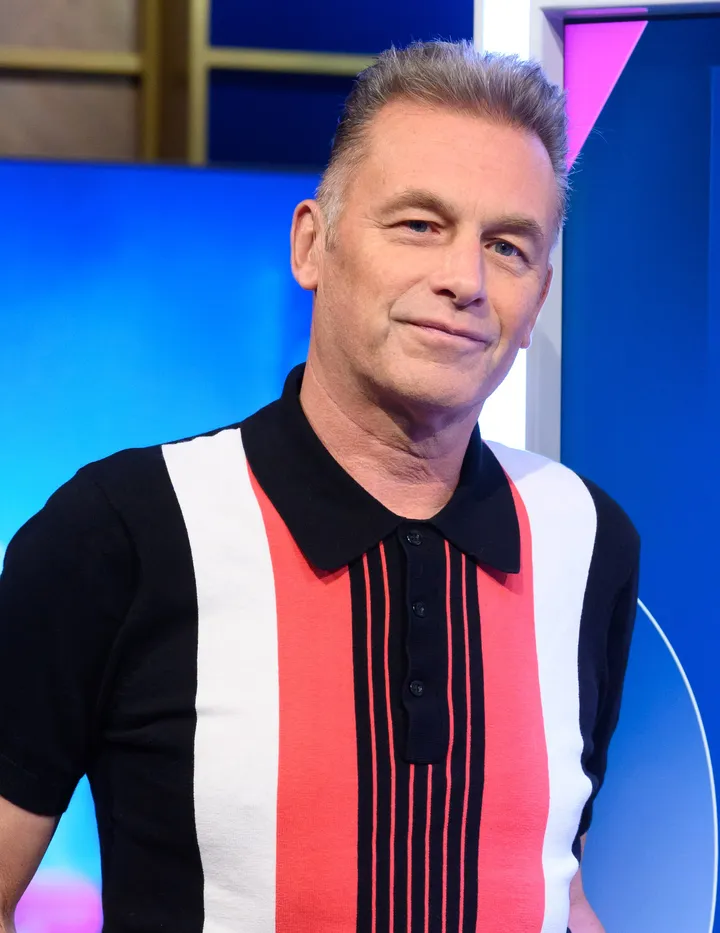
Jeremy Clarkson has apparently been doing some reflecting on his recent public beef with Chris Packham.
Earlier this month, Clarkson’s Farm was one of the shows being reviewed by the cast of Celebrity Gogglebox, including the Springwatch host and his stepdaughter and fellow conservationist Megan McCubbin.
Reacting to the opening titles, Packham said at the time: “That’s not what a farm looks like. Most farms are horrible monocultures which have been sprayed with deadly chemicals, time and time again, the ground pumped full of fertiliser, and loads of the animals are indoors – in crates, being crushed and kept in the dark.”
“That’s an idealistic view of a farm, and it puts the wrong idea in people’s minds,” he added. “And that’s only the [opening titles]!”
Clarkson subsequently fired back with a column in The Sun, in which he wrote: “The endlessly angry Chris Packham went on Gogglebox this week and erupted in blind fury about the Winnie the Pooh-ish opening credits to my farming programme.
“Now, of course this kind of stuff plays well in a room full of nose rings and Palestine flags at a vegan activist meeting in Hackney. But he was on a television programme, and it didn’t play well at all. Because it’s b*****ks.”

Jonathan Hordle/ITV/Shutterstock
Since then, Clarkson has penned a second piece addressing the matter, this time in The Times.
The former Top Gear host began by explaining that he was someone who’d “always quite enjoyed being in trouble” since his school days, but since the reaction to him disclosing that his recent bout of ill health, he’d come to enjoy “being seen as a nice person rather than a troublemaker”.
“For the past few weeks, I’ve been wondering if maybe, at the age of 66, I should become an adult. A kind person, a tolerant person,” he suggested.
“That brings me on to Chris Packham,” he continued. “Just recently, he went on Gogglebox and said that the opening credits on my farm show were in no way representative of modern-day agricultural practices.
“Of course, I was very incensed by this and immediately wrote in The Sun that he was talking bollocks. But in the new age of tolerance and respect, I shouldn’t have done that. I should have kept schtum.”
However, he conceded that “offering up your left cheek to be slapped after someone has hit the other one” is “bloody difficult”, particularly for “someone like me, who’s spent his life throwing rocks in ponds to watch the ripples it creates”.
Clarkson’s column was published on Sunday. A day earlier, Packham’s representative had issued a statement to HuffPost UK, accusing the divisive broadcaster of “being disingenuous” and insisting that “industrial farmers are making a smokescreen to hide their horrors”.
Packham said: “I made the comments about the silly idealistic stereotyped cartoon at the top of his programme, he knows that. And he knows it paints an entirely unrealistic image of most of [the UK’s farms].
“The industrial farming fraternity love Clarkson’s Farm because it gives them something pretty to hide behind, a friendly flagship of good ol’ wholesome values. The truth is so very different, and it’s a truth that needs to be told for the sake of animal welfare, wildlife, human health and a secure environmental future.”
He added: “They can shoot at the messenger, but they will not silence the truth, even if Jezza has a big mouth.”
Jeremy Clarkson’s team have been contacted for additional comment.
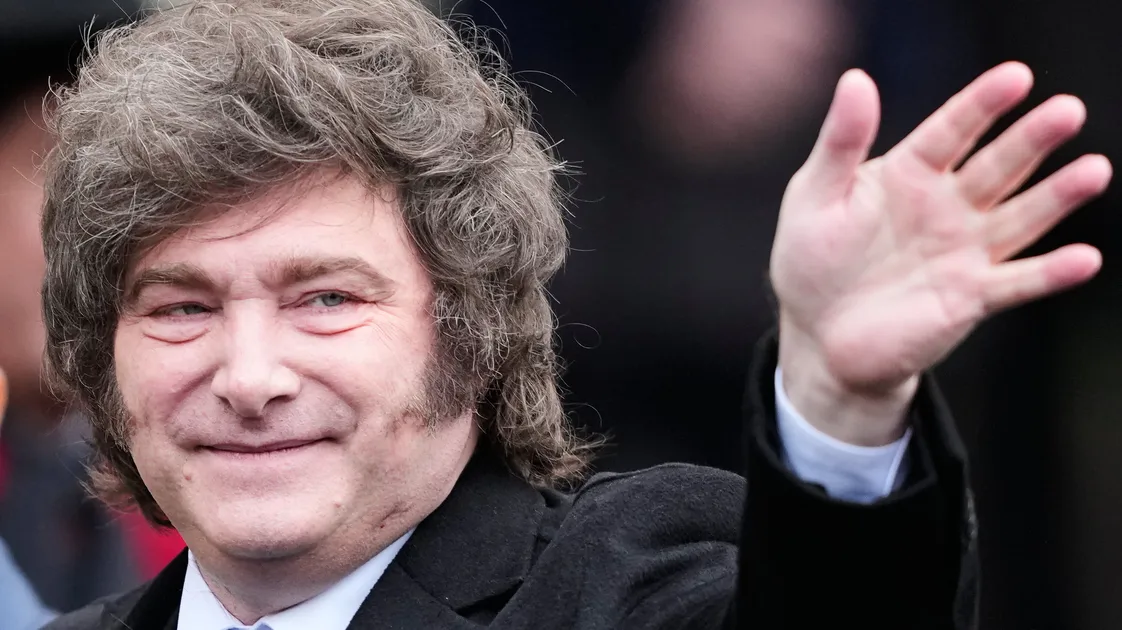
After the game, Milei posted a tweet declaring a “WORLD CELEBRATION,” and promised a national holiday to honour “the achievement reached by the Argentine National Team.”
“Given the concern about the celebrations for the achievement reached by the Argentine National Team, I inform the population that, depending on what the Players and the Technical Staff decide regarding the day to celebrate, it will be declared a national holiday,” he wrote, according to an X translation.
But given Argentina lost, many people on social media wondered if the president had prewritten his post, assuming the team would win.
It appears the celebration for the Argentine team’s second-place showing is legit, as Milei’s post, which has been liked more than 157,000 times, remained up on social media as of Monday afternoon.
A while back, clever commentators of working-class origin worked out that what we call ‘woke’ has nothing whatsoever to do with ‘Being Kind’, or wishing to include people previously excluded from the pleasant parts of life. No, in an age when it is not done to openly look down one’s patrician nose at the great unwashed, being woke is a way to disdain the demos – now the ‘gammons’ – in the name of radiant righteousness rather than simple snobbishness. We saw this in Emily ‘Lady Muck’ Thornberry’s condescending tweet in 2014 (during another World Cup) of an England-flag-festooned Kent council house with a white van in the driveway, which lost her her job in Ed Miliband’s shadow cabinet.
Even more (and in a wonderfully comic and surreal manner), we see it in the ‘progress’ of Vogue from a proudly elitist publication into the house journal of woke. Rob Henderson’s wonderful term ‘luxury beliefs’ could not find a better illustration than in this magazine’s journey. Once concerned with hemlines and hairstyles, it has been committed wholeheartedly to the quasi-political lunacy of our times for some time now, even before it threw its minuscule BMI behind BLM back in 2020.
Vogue has fawned over most of the preposterous females of our era, from Greta Thunberg (an unlikely cover girl) to Mrs Mamdani, paying lip service to the strength of such ‘powerful’ women. Somewhat paradoxically, in 2017, Teen Vogue, which has attempted an even more extreme pivot from frivolous fun to po-faced protesting, instructed teenage girls on how to have anal sex with the help of an anatomical diagram that left out the clitoris, while the article referred to females as ‘non-prostate owners’ and ‘vagina owners’. When the backlash came, the ‘queer’ community predictably branded such outrageous criticism ‘homophobic’, while editor-in-chief Elaine Welteroth doubled down by telling the Guardian: ‘We say “woke” here. We’re a woke brand, and our readers are woke, too.’
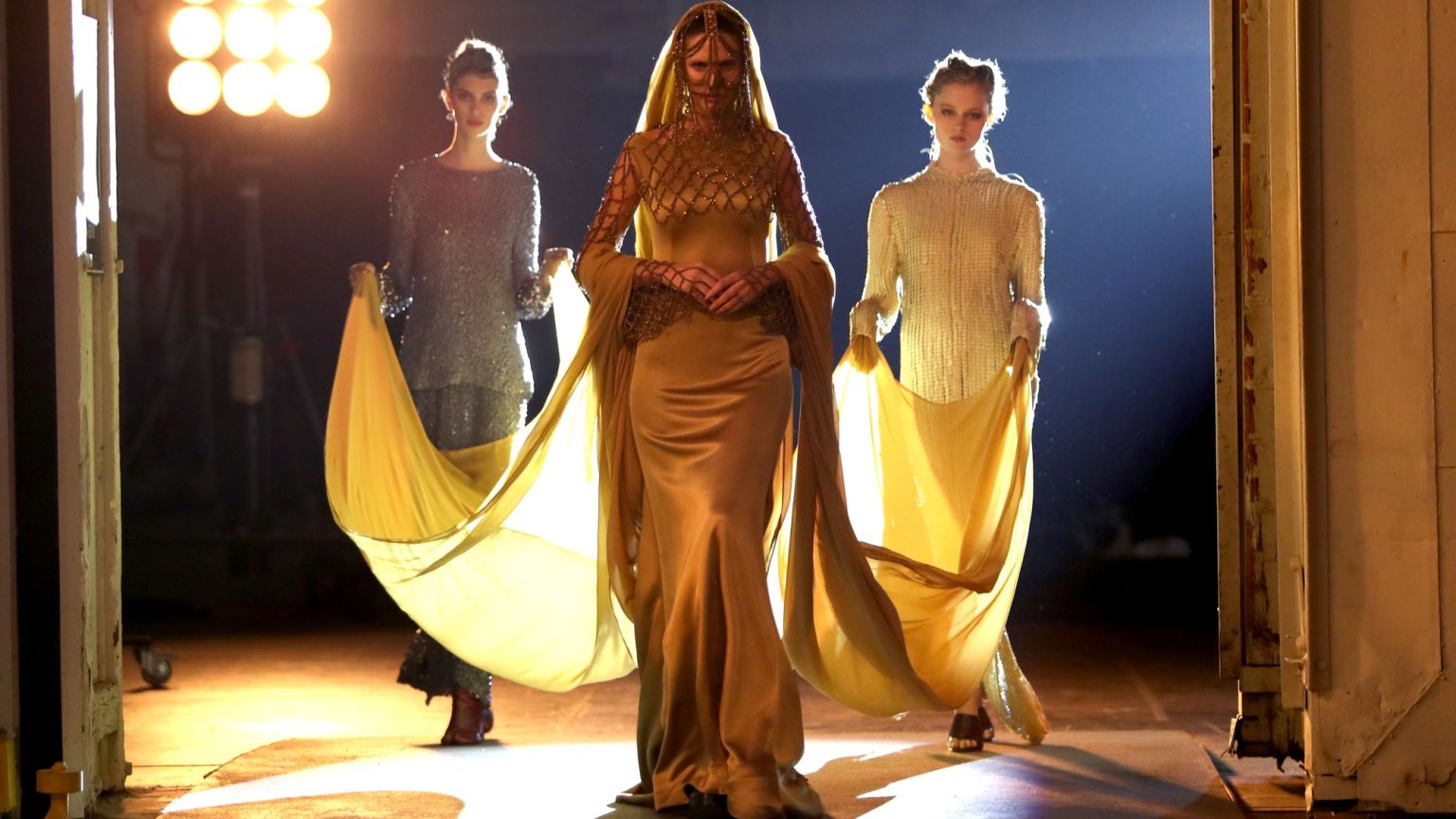
Go woke, go broke? In a piece this year called ‘Vogue is dying and taking down the magazine industry, too’, Aleeza Gani wrote, ‘There was a time when Vogue defined fashion, shaping trends, telling stories, and spreading messages through art. But now, its influence is gone; its articles are bland and subpar, and its covers and editorials are one-dimensional and meaningless.’ A monthly magazine since 1973, Vogue went down to 10 issues a year in 2023, and now this year to only eight. I hadn’t read it in years (and was surprised to see the August issue on sale for £3.99 – Grazia is £4.50), but I had kept up to date on risible tidbits over the years, such as nepo-baby supreme Bella Hadid (a whopping 27 covers) becoming the catwalk’s foremost advocate of ‘Palestine’ and whining to Vogue that she regretted having a nose job at 14 because ‘I wish I had kept the nose of my ancestors’. The mag recently featured the ‘mood board’ of a practising Muslim fashion designer called Kazna Asker, which showed photographs of women wearing burkas so extreme that even their eyes were covered by a mesh.
Vogue’s editors – like so many thick, rich Westerners whose decadent ways would find them first up against the wall – really have gone gaga for Islam in all its forms. Take the recent drooling over Francesca Albanese, the UN special rapporteur for Palestine, who claimed that America is ‘subjugated by the Jewish lobby’ and, the day after the Charlie Hebdo massacre, shared an Iranian state-media item claiming that the CIA and Mossad carried it out. They also made total tits of themselves way back in 2011 with a profile of Asma al-Assad, entitled ‘A rose in the desert’ – a lyrical tribute to the wife of the Syrian dictator. There may be a method in this apparent madness, however. After all, these days, the vast majority of those women who buy couture are from the filthy rich Arab world.
But back to the current issue. The cover girl is actress Daisy Edgar-Jones, a lovely waif of the kind beloved by Vogue since the 1960s, when it (first) pretended not to be posh and tried to climb on board Swinging London with the likes of Jean Shrimpton. It seems a long time since the 2023 cover that featured three gorgeous plus-size models – Precious Lee, Jill Kortleve and Paloma Elsesser – on the cover and called them ‘the new Supers’. The trio could be seen on catwalks and in campaigns for a while, but then fashion moved on, as it must by its fickle nature. Inside the latest issue, there’s a piece by a fat – sorry, ‘body-positive’ – girl which bemoans how the fashion industry is ‘largely white and thin-centric’. Looking at the models, suffice to say there’s an elephant in the room – but certainly not in Vogue.
The BS doesn’t quit. ‘Awareness is the beginning of agency’, a ‘Vogue Values’ infomercial for the new Samsung smartphone lectures us. A piece tells us that there is ‘something subversive’ about sports clothes that cost a week’s average wage. A gospel choir is featured as an afterthought in a clothes shoot. And then, here is Lila Moss, daughter of Kate; here are Elizabeth and Georgia Jagger, daughters of Mick; here is Savannah Miller, sister of Sienna; Daisy Edgar-Jones is the daughter of Philip, an entertainment television bigwig. If you were an alien coming to Earth today, you’d suppose that you had to be born into showbiz to succeed in it, like being royal. Woke notoriously finds the concept of meritocracy suspect, and perhaps this is why none of its adherents can acknowledge the very obvious fact that social class – not colour or queerness – is the greatest predictor of social mobility.
I remember an old Vogue interview with the bright and beautiful Big Brother presenter AJ Odudu, daughter of a cleaner and a bus conductor, in which she practically had to spell it out: ‘Someone asked me once what it was like being a black female coming up in the industry; I was like “Oh my gosh, being black was not even the hardest thing”. We just didn’t have the means.’
Vogue wouldn’t have been any help to her, despite its concern for how her colour might hold her back. Notorious for unpaid internships (even under the editorship of the gay, black Edward Enninful, who came out with the usual blather about bringing ‘diversity’ to the youngsters recruited), Vogue was reported to HMRC in 2018 by the estimable Tanya de Grunwald, who said that the magazine’s month-long ‘workplace shadowing roles’ ought to qualify its interns as actual workers. Only the children of the rich can afford to work for free – and so journalism, once a trade open to bright working-class upstarts, is now firmly in the glamour-job camp. When Anna Wintour stepped down as editor-in-chief of Vogue last year, she was replaced by Chloe Malle (daughter of actress Candice Bergen and director Louis Malle). Her first issue featured Kendall Jenner and Gigi Hadid on the cover – a nepo-baby hat-trick!
But despite – or perhaps because of – this level of in-breeding, the future does not look bright for Vogue. At this year’s Met Gala, Vogue was very publicly snubbed by its pin-up Zohran Mamdani, who presumably saw the dodgy optics of swanking along the red carpet at a $350,000 per table party sponsored by Jeff Bezos. Instead, the NYC mayor took to Instagram where he wrote: ‘While the world’s eyes are on fashion’s biggest night, we’re turning ours to the garment, retail and warehouse workers who keep the industry running.’ One can only imagine the amping up of Anna Wintour’s resting-bitch-face on reading this.
It’s pleasing to think that old-fashioned class politics (and the rise of the social-media influencer, a position that’s much easier for a kid with no connections to achieve) might bring down Vogue, after its pathetic and extended attempts to sashay along the radical-chic side of the street. You can understand why it tried to ignore the spectre of social class. It’s fine to patronise every minority from the ‘queer’ to the ‘neurodiverse’ as they are relatively few and can be easily absorbed. But there will always be far more Have-Nots than Haves – and the stringing up of the leisure classes that occurred in 20th-century Europe can never truly be said to be out of fashion. No hack really relishes the demise of a publication in this online age, but the market does as it will, and one would have to have a heart of stone not to smirk at the continued unwinding of woke Vogue.
Julie Burchill is a spiked columnist. Follow her Substack, ‘Notes from the Naughty Step’, here.

Andy Burnham Plans Business Rate Cuts For Hospitality Sector

At Close of Business podcast July 21 2026
Arthur Hayes Buys More ETH as Analysts Eye $2.3K and Beyond


-
 NewsBeat5 days ago
London Mayor Sadiq Khan handed a peerage by Keir Starmer alongside 15 other Labour figures… just days before the PM leaves No10
-

 Fashion4 days ago
Weekend Open Thread – Corporette.com
-

 Politics3 days ago
The House | The City of London can help the new chancellor deliver growth in every postcode
-

 Politics6 days ago
Young campaigners urge incoming PM to act on outdoor junk food ads
-

 Crypto World5 days ago
CFTC blocks Kalshi from unwinding Michigan trades after court order
-
 Crypto World4 days ago
Two July Windows Left: The CLARITY Act’s Senate Fight and What Failure Means
-

 Crypto World3 days ago
Ripple Payments Joins MiCA With 14 Firms, Does It Mean Anything For XRP?
-

 Business5 days ago
Nvidia Stock Slips After Big Tuesday Rally as Huang Confirms Vera Rubin Chip Is Now in Production Today
-
 Entertainment6 days ago
Disney’s Most Ambitious Failed Star Wars Attraction Is Coming to SDCC
-

 Crypto World3 days ago
Ripple wins EU-wide access as ESMA adds it to MiCA register
-

 Crypto World4 days ago
Injective Submits SEC Transfer-Agent Registration to Onchain Ownership Records
-

 Business5 days ago
Palantir Shares Rise After Expanded Nvidia Partnership and Fresh Analyst Upgrades Ahead of Earnings Day
-

 Tech7 hours ago
Sail Virtually Aboard The “Itanic” With IA-64 Emulator
-
 Tech5 hours ago
Turtle Beach Command Series KB7 review: a nifty screen-equipped gaming keyboard
-

 Tech6 days ago
Dark Secrets Emerge When Jailbreaking LLMs
-

 News Videos7 days ago
XRP BOMBSHELL… XRP OMBOARDED FOR TRANSACTIONS!!!
-

 NewsBeat4 days ago
Registration is now open for March for Men with Kev 2026
-

 NewsBeat21 hours ago
Unregistered fitter used Gas Safe logo on business flyers
-
 Sports5 days ago
New Cornerback Enters Vikings Trade Rumor Mill
-

 News Videos4 days ago
Money | Class 12 Economics | CBSE Board Exam 2026-27
You must be logged in to post a comment Login