Politics
Ditch The Commute Stress With These Biking Essentials For Beginner Cyclists

We hope you love the products we recommend! All of them were independently selected by our editors. Just so you know, HuffPost UK may collect a share of sales or other compensation from the links on this page if you decide to shop from them. Oh, and FYI — prices are accurate and items in stock as of time of publication.
For years, I’ve steered as far away from cycling as possible. Seriously, friends and partners have tried to force me to do it, but I have an aversion in me that I simply can’t shake no matter what.
Lately, though, something has shifted. Maybe it’s the endless tube strikes, the heatwave, or the sheer cost (monetary and mental) of commuting in, but I just can’t hack it anymore.
It’s gotten so bad that I’m even considering starting cycling to work. There’s just one problem: I have absolutely no idea where to begin.
Although I can ride a bike (to the surprise of everyone I know) I would have no clue when it comes to buying the right one for cycling, let alone all the other bits and bobs I’d need.
If, like me, you’re considering getting into commuter cycling for the first time, I consulted Josh Hale, general manager of London-based bike shop, Quella, for his tips.
What to consider when buying your first bike
First, the bike. The last time I owned a bike was at school, so I am well and truly out of my depth.
Although there are lots of different types of bike out there, Hale suggests finding one that fits you and your needs.
“When purchasing your first bike, the most important thing is finding one that suits both your body and the type of riding you plan to do,” he says.
“The right bike should make you feel stable, comfortable and in control. To find the right size, you should be able to stand over the frame with a small amount of clearance and reach the handlebars comfortably without feeling overstretched. Your elbows should have a slight bend, rather than being fully extended, to help you ride comfortably and confidently.”
The kind of cycling you’ll be doing matters as much as the fit of the bike, he explains. “Are you planning to commute to work, ride around town or head out on weekend adventures? The bike and tyres you choose should reflect how and where you’ll be riding.
“For example, if you have a relatively flat commute, a single-speed bike can be an excellent choice thanks to its simplicity and low maintenance. If your route includes hills, however, a geared bike will make climbing much easier.”
The best single-speed and geared road bikes to shop now

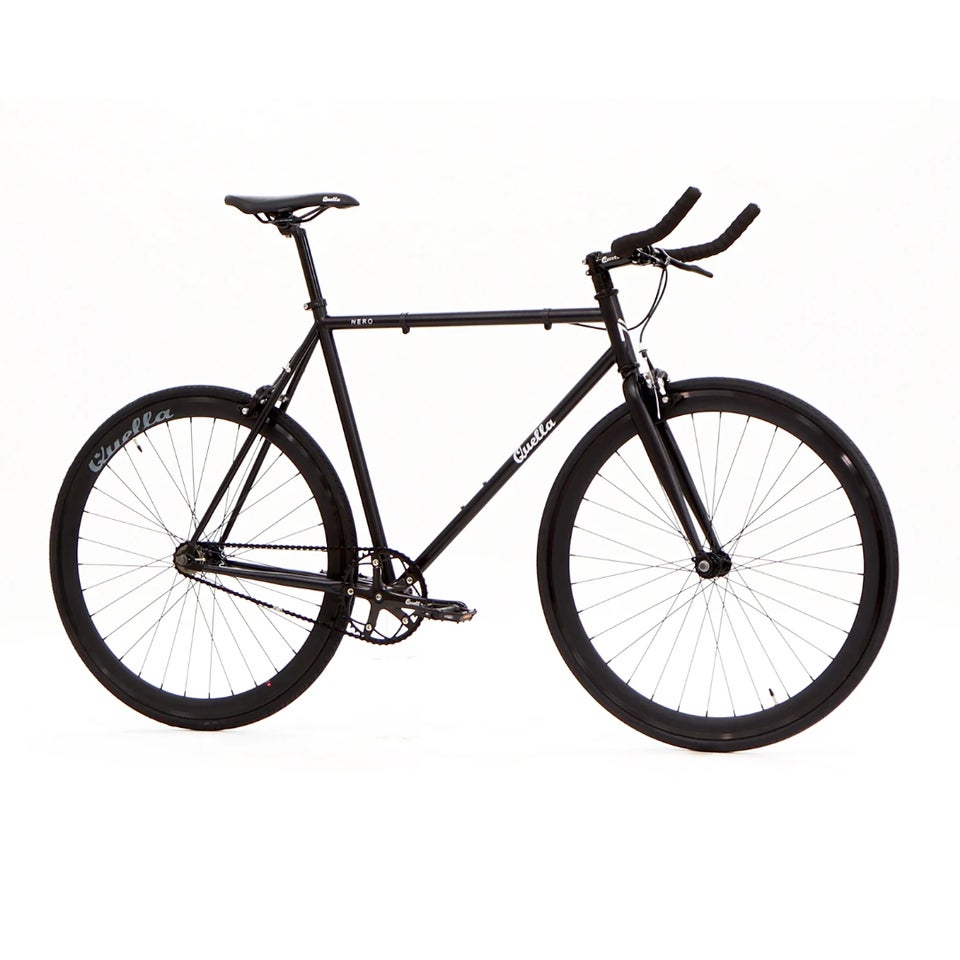
British brand Quella has made it its mission to create the perfect commuter bike; if you’re after one that’s low maintenance and lightweight, its bestseller Courier ticks all the boxes. It can be used fixed gear or single speed, and comes with a riding saddle so you can get some speed on if you have a flat commute. You also won’t have to mess around with assembly as it’s quick and easy to put together out of the box, or if you’re London based you can pick it up from its Shoreditch store.
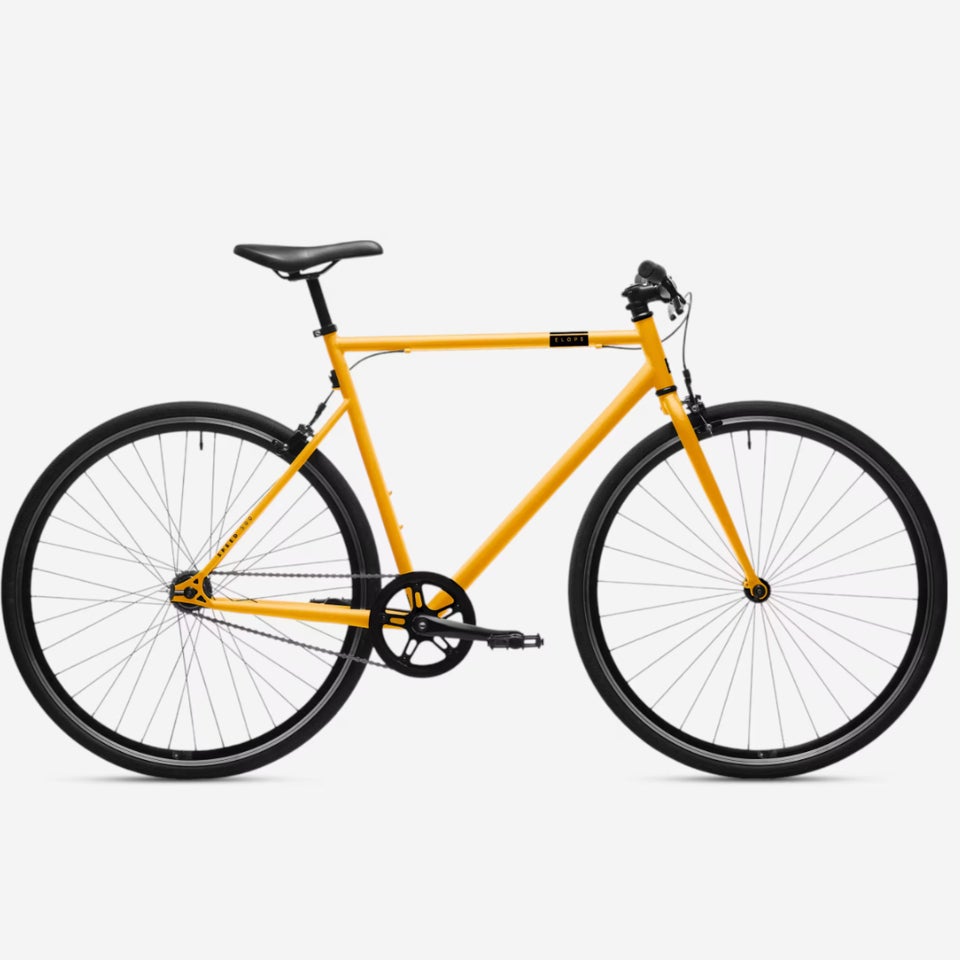
Riding in the city comes with a lot of dodging, and this affordable single-speed bike is as speedy as it is agile thanks to its super-responsive brakes. While it’s designed for a quick commute, you can also transform it into a fixed-gear with a couple of adds-ons.
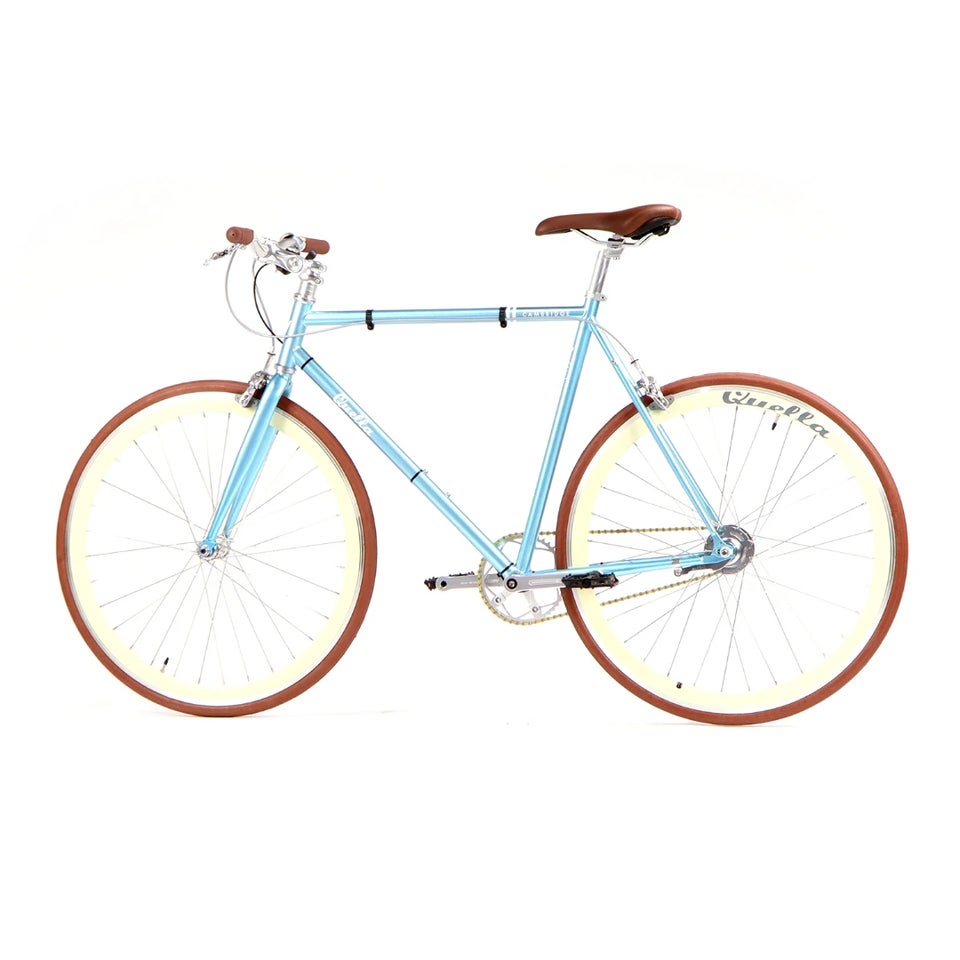
For a more versatile ride, this sleek geared bike can withstand everything from country roads to steep city hills. It has a seven speed hub system, and comes with an adjustable seat, for a truly personalised riding set up. Not to mention its looks: this one comes in Cambridge blue with tan accents, so you can rest assured that you‘ll always arrive in style.
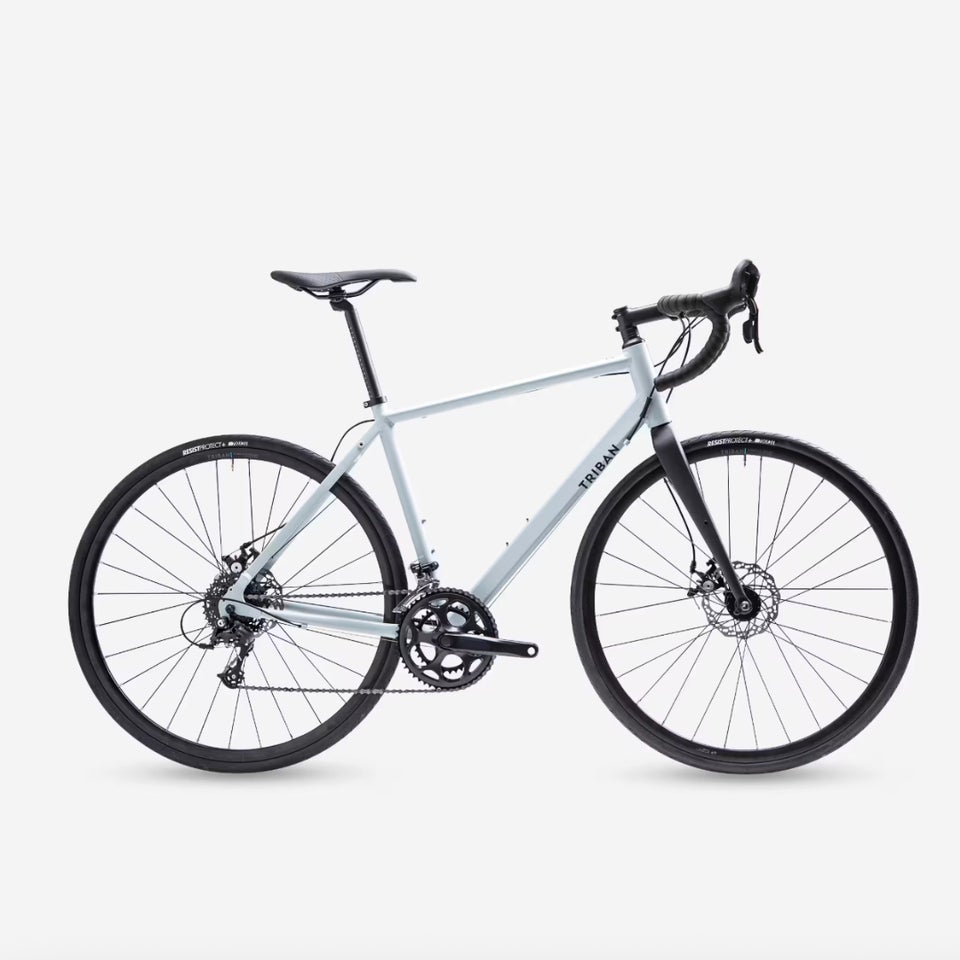
If you prefer to cycle upright, this geared bike from TRIBAN has a raised seat and ergonomic handlebars for fully vertical positioning. With eight speeds to choose from, it’s a great bike for complete beginners who are getting to grips with road cycling, and its mechanical brakes also mean you’ll have full control over stopping and starting, even in wet weather.
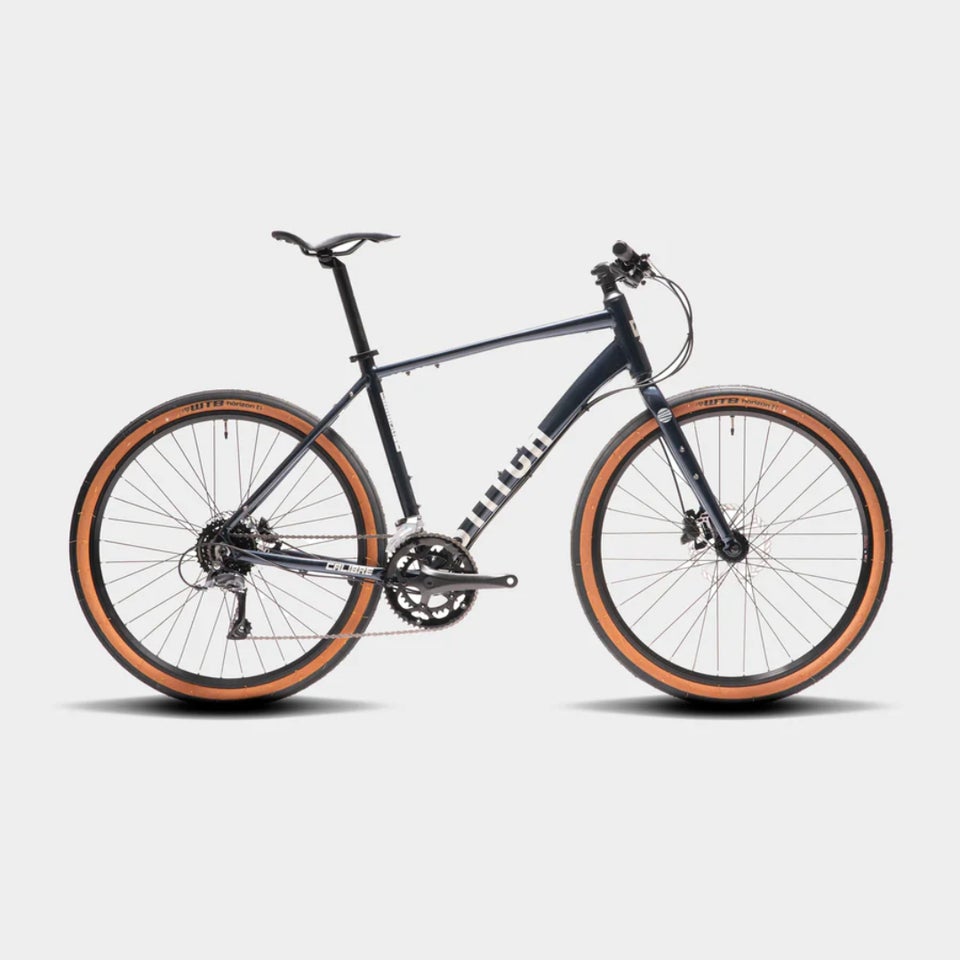
Should the call of adventure hit you, this bike works just as well on paved roads as it does traversing gravel tracks. That’s thanks to its 16 range gearing and large tyres, which provide extra stability on any kind of terrain you’d want to explore. It also comes with flat pedals, mudguard mounts, and rack mounts to match the set up to your exact needs.
Essential cycling accessories
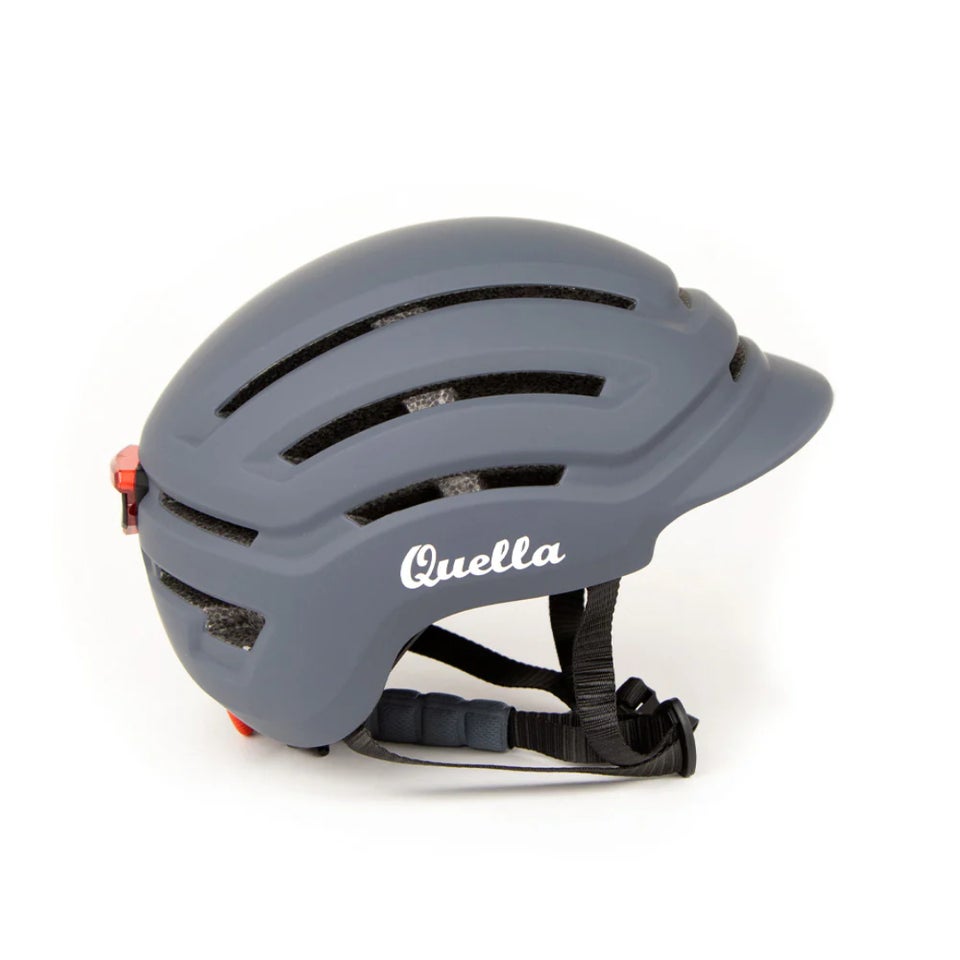
No more helmet head: this one from Quella is super lightweight at just 260g, but without compromising on safety. With a fully adjustable fit and padded interior, it’s both comfortable and functional. Not to mention, it features a rechargeable rear LED light to make you more visible on busy roads at night – so it wins extra points for practicality!
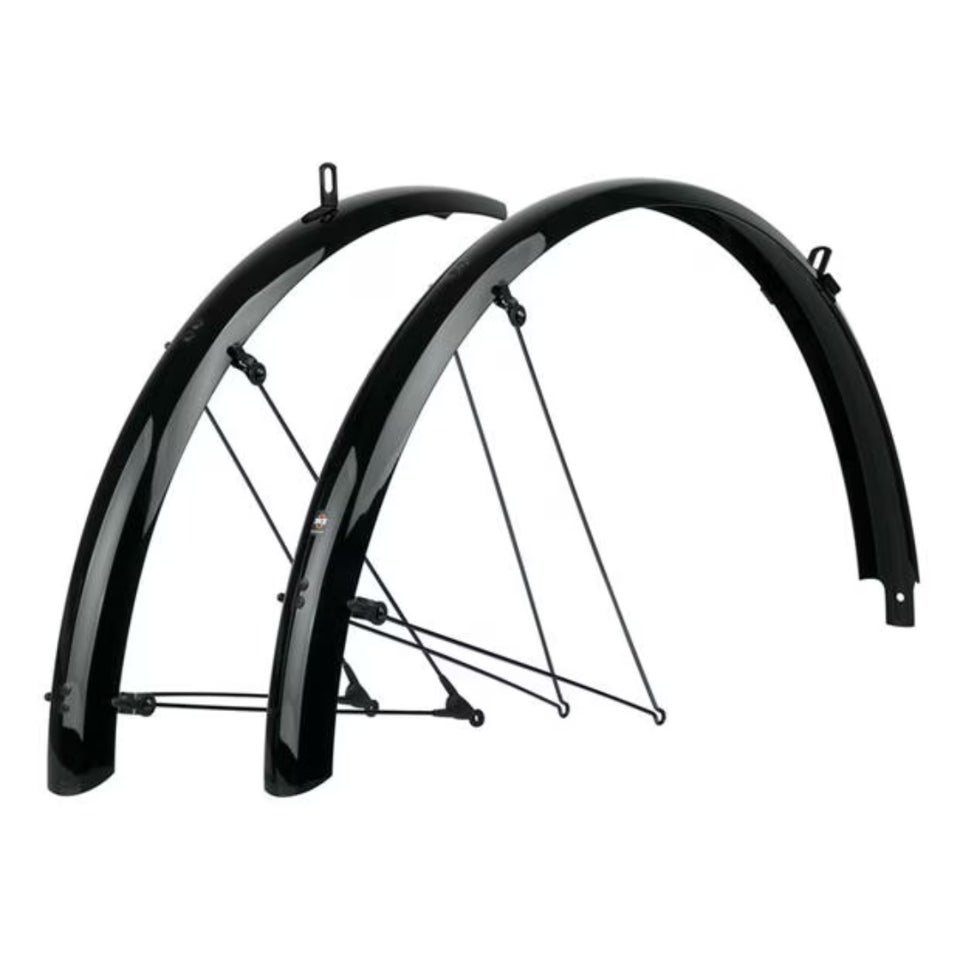
“Mudguards keep you dry in wet weather and reduce spray for riders behind you,” says Hale. This set comes in nine sizes, which are easy to install on the go, and are fitted with V-stays so you can adjust them easily to your bike.
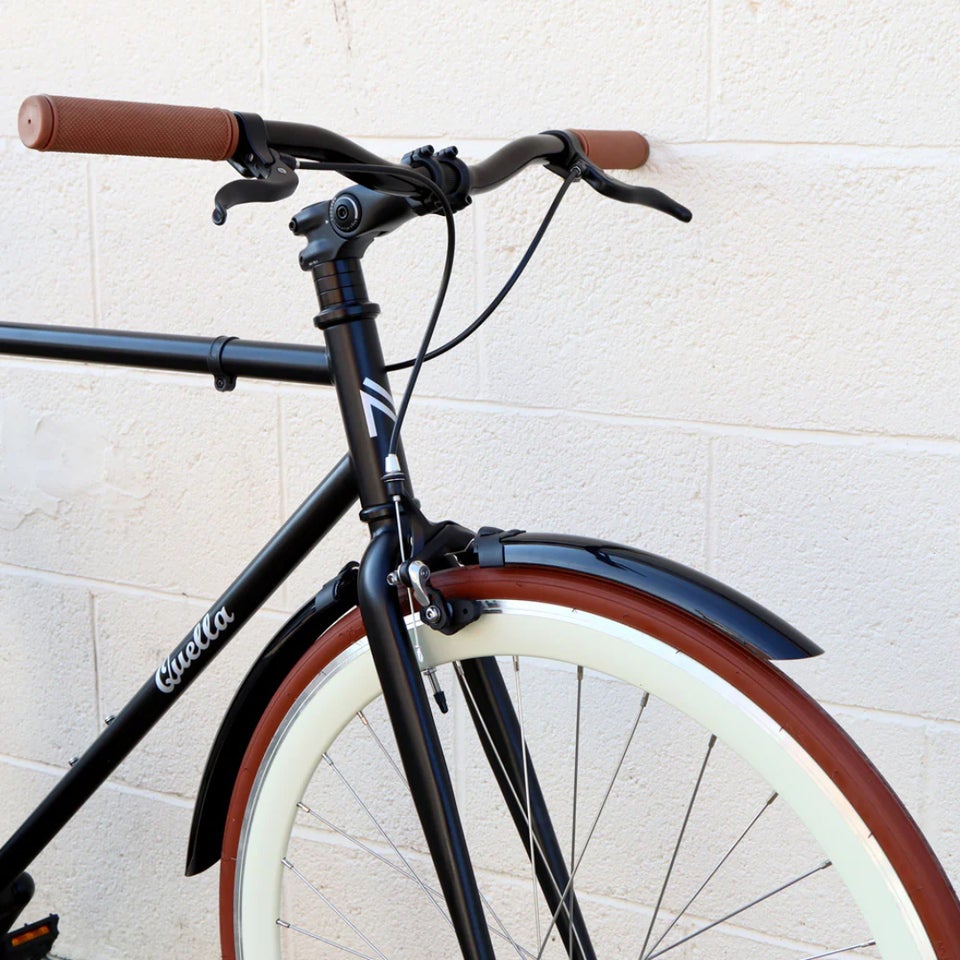
To save your bike when you’re out and about, Quella’s mudguards click in to place, and can be removed in seconds when you’re done with them.
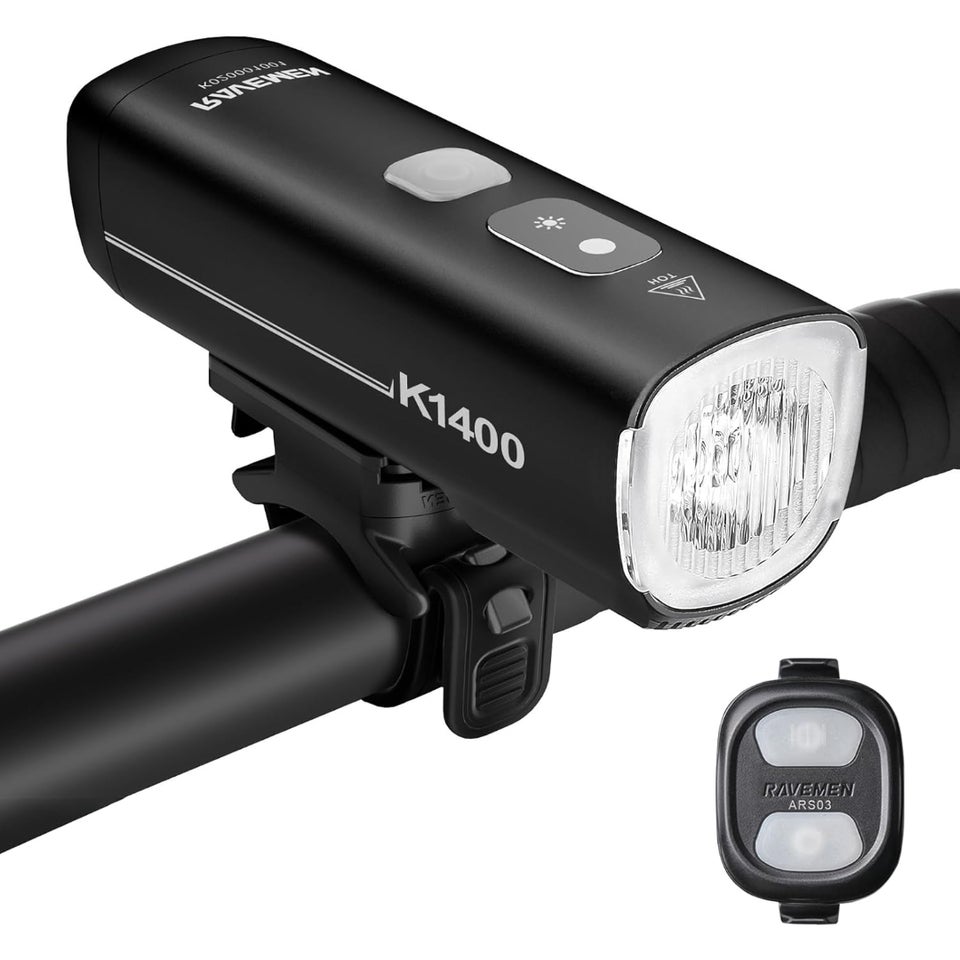
“Good-quality front and rear lights help you see and, more importantly, help others see you,” says Hale. “Rechargeable lights are a cost-effective and convenient option.” Not only is this light from Ravemen USB-C rechargeable, so you can power it up on the go, but you also won’t accidentally leave it running as it’s loaded with light sensor that adjusts the brightness based on how dark it is outside. It also has a power level indicator so you’ll always know when it’s about to run out.
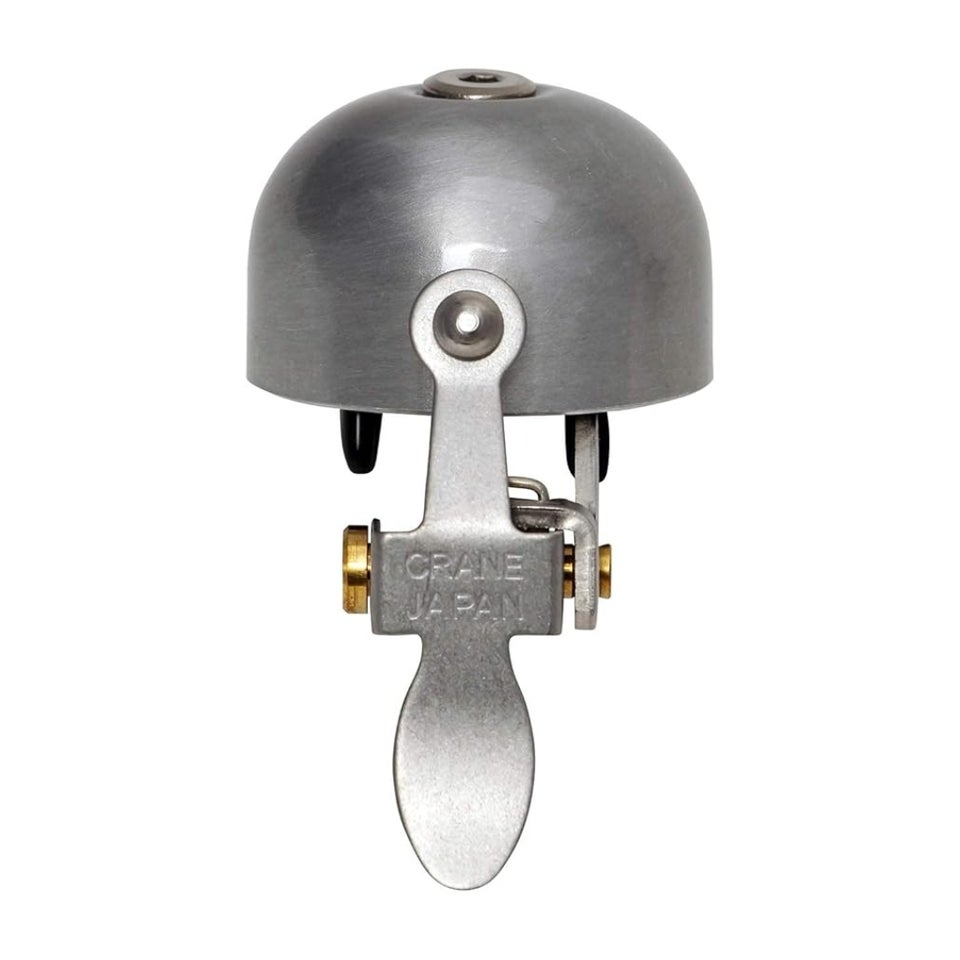
“A bell or horn helps alert pedestrians and other road users to your presence, improving safety for everyone,” explains Hale.
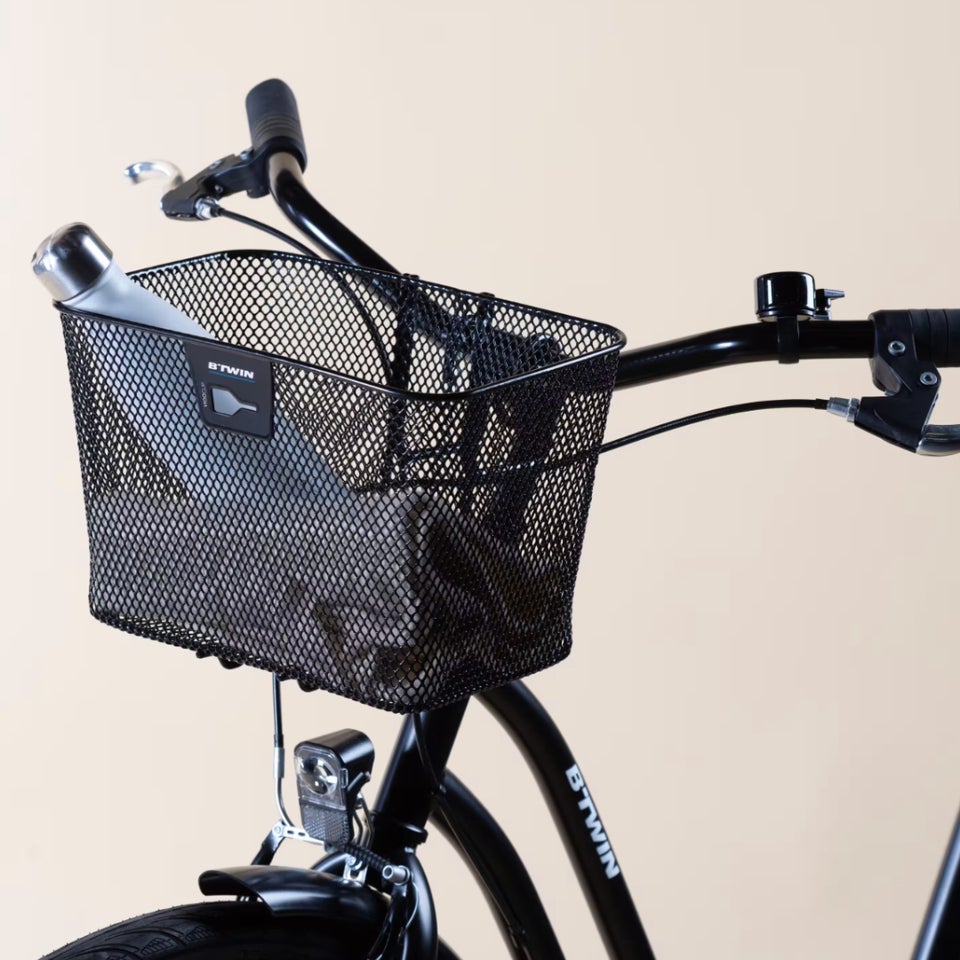
“Racks and baskets are ideal for commuting, allowing you to carry bags on your bike rather than on your back for a more comfortable ride,” Hale says. There are plenty of options for racks and baskets depending on your bike, but this front basket holds eight litres and clips on to a range of handlebars.
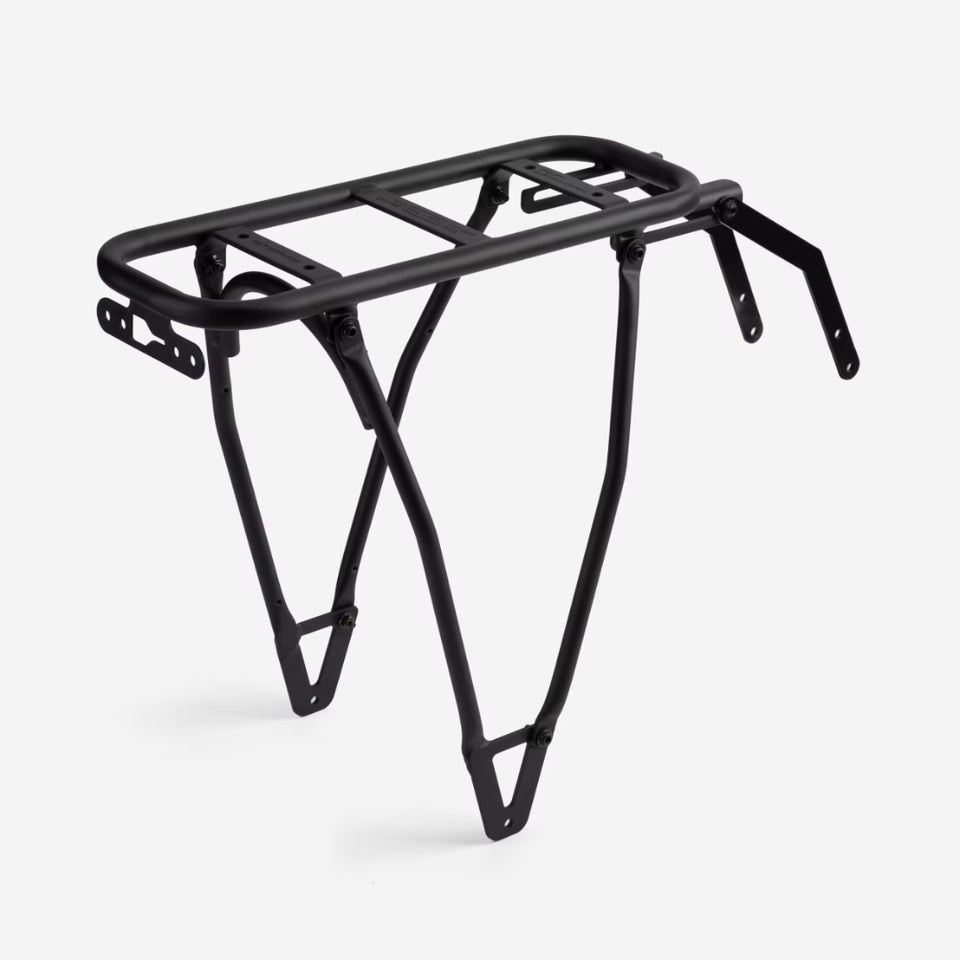
You’ll need a B’Clip to attach this, but if you’d prefer to carry heavier loads, a rear rack could be the way to go.
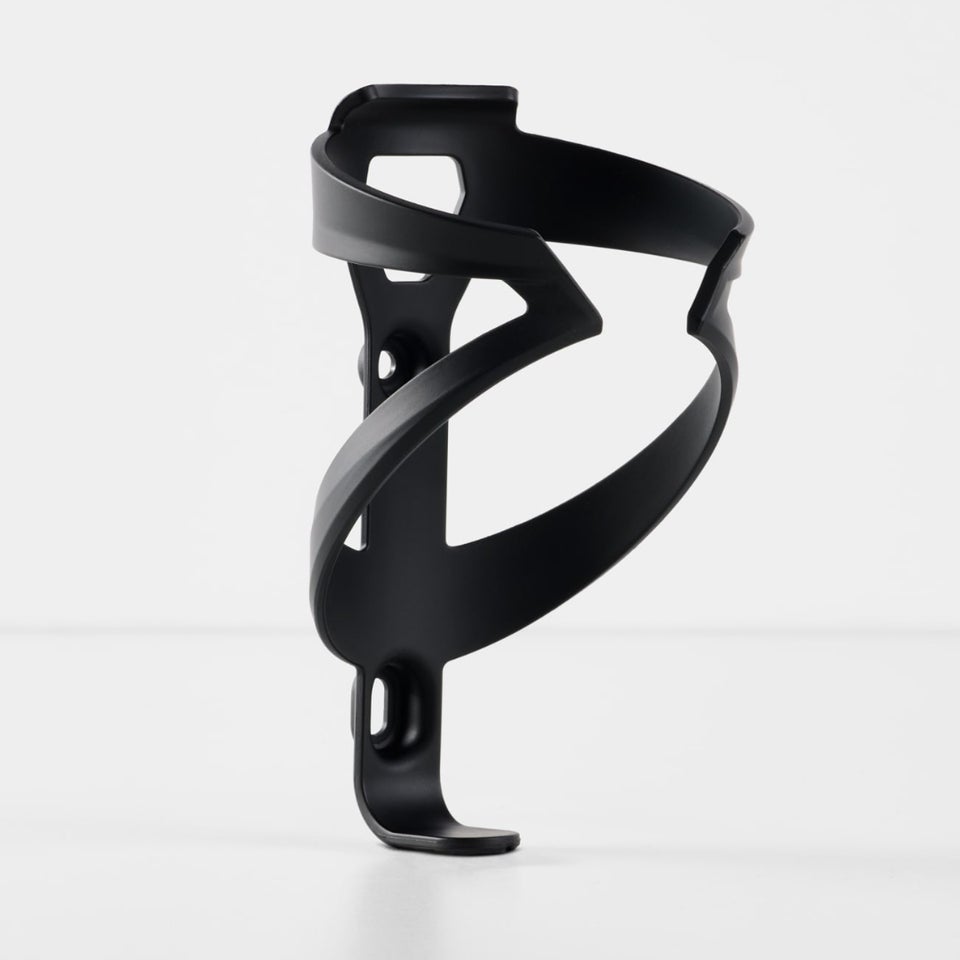
“Staying hydrated is important, particularly on longer rides, and having easy access to a water bottle makes it much easier,” says Hale. This one from Tredz is made completely from recycled materials, and comes in a range of colours so you can match it to your bike.
What is the difference between road and mountain bikes?
If you’re still not sure you fully understand road biking, we asked Hale to explain the difference between commuter cycling and more adventurous mountain cycling to make sure you use the right kind of bike.
“Road and mountain cycling require different setups because the environments place different demands on both the rider and the bike,” he says.
“Road bikes are designed for efficiency and speed, with a more aerodynamic riding position, narrower tyres and lightweight frames that perform best on smooth surfaces.
“Mountain bikes, on the other hand, are built for control and durability. They feature wider, grippier tyres, suspension and a more upright riding position to provide greater stability over uneven terrain.”
You must be logged in to post a comment Login