Politics
Experts Say You Should Wash Your Hands After Touching These Common Items

Every day, we use our hands to pick up packages, hug friends, make calls – and touch disease-carrying germs.
“Most gastrointestinal and respiratory infections spread when contaminated hands touch your eyes, nose or mouth,” said Dr. Supriya Rao, a gastroenterologist.
Spraying our hands immediately with hand sanitiser can make all the difference in whether you get a cold the following week.
But first, you need to know which surfaces carry the most germs. The grossest surfaces are never quite what we think. Here are the three biggest culprits most people overlook, according to germ experts:
1. Pin pads

Ekaterina Demidova / Getty Images
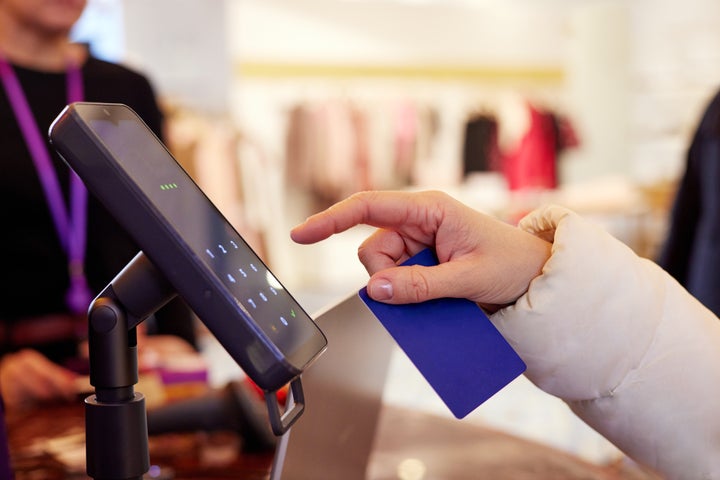
Every time you check out a purchase at the supermarket or coffee shop, you are likely tapping a pin pad on a payment terminal to check out what you bought. But this surface has been touched dozens of times by other grimy hands.
Out of all the many items we touch on an everyday basis, microbiologist Jason Tetro, aka “The Germ Guy,” said, pin pads are the most unsuspecting germ carrier.
“In order for you to get the pin number inputted, you have to put pressure, and the pressure is enough to really leave behind a large amount of microbes from your hand,” Tetro said.
“And then there’s such a high turnover that anybody who may not have washed their hands or washed their hands properly” is going to leave germs on that pin pad, he said.
Tetro cited flu and COVID viruses, in addition to salmonella, if someone touched raw meats beforehand, as the big risks of what you can get from a pin pad.
Because a pin pad requires focused pressure, it is a surface “where you’re going to have the greatest threat for transmitting any kind of pathogen,” Tetro said.
2. Trolley handles
Beyond pin pads, consider the unsuspecting surface of a trolley handle. Both Tetro and Rao said the handles in a grocery cart were common culprits for carrying germs.
“It is the one thing that people will overlook more than anything else, because they don’t think about it, because they’re too focused on purchasing” food, Tetro said.
Since the handle is an easy way to transfer viruses, “people will probably end up having a sore throat, or maybe a cold” from touching a germ-filled grocery-cart handle without sanitising their hands after use, Tetro said.
3. Phones
MengWen Guo / Getty Images
For many of us, our phone is attached to us at all times, and picking up germs wherever we go.
“You take it everywhere with you – the grocery store, the bathroom, the airplane, the gym. It’s always with you. And how often do you actually clean it?” Rao said. For Rao, a phone was the dirtiest surface people touch that should make them wash their hands.
Make a point to regularly clean your hands before using your phone. “Ideally people should have clean hands before using their phone and should try and sanitize their phone several times a week,” Rao said.
Until you get a chance to wash your hands, you can also simply use hand sanitiser – if you do it properly. “It usually kills enough, so that you don’t have a chance of getting exposure or sick from what happens to be on your hands,” Tetro said. But he noted that many people don’t use hand sanitiser right, so here’s a quick refresher.
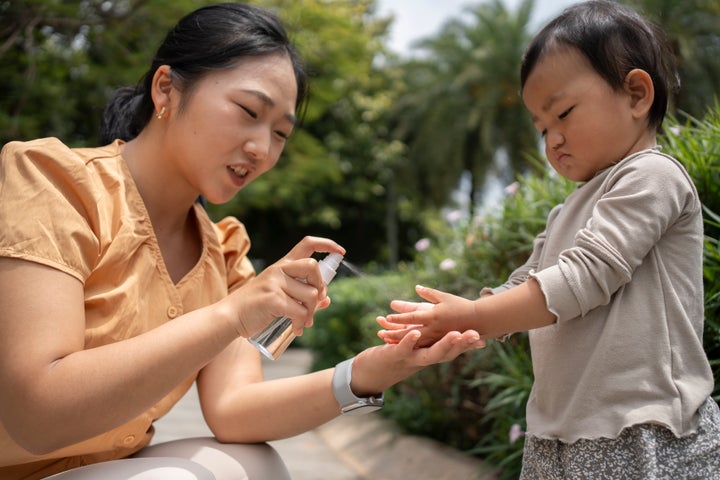
Hand sanitisers often use ethanol to kill germs. And to get the most out of these germ-killers, you should keep your hands damp for 15 seconds after spraying. “A lot of people will just put it on and rub as hard as they can, and will be done in three or four seconds,” Tetro said. But let the hand sanitiser sit on your hands for 15 seconds before letting your hands dry.
Sanitising your hands after touching these three everyday surfaces is a small intervention that can make a big difference in whether you get sick this year.
Every time people report not knowing where they got a cold from, Tetro said he will ask, “Did you use a pin pad? Did you touch your face after you touched the pin pad?” If you did, then you know what to blame.
You must be logged in to post a comment Login