

Politics
Finally, a police officer has stood up to Islamic sectarian bigots

Is it legal to preach Christianity in London? Apparently, the answer to this question isn’t obvious – at least to some residents of Whitechapel in east London.
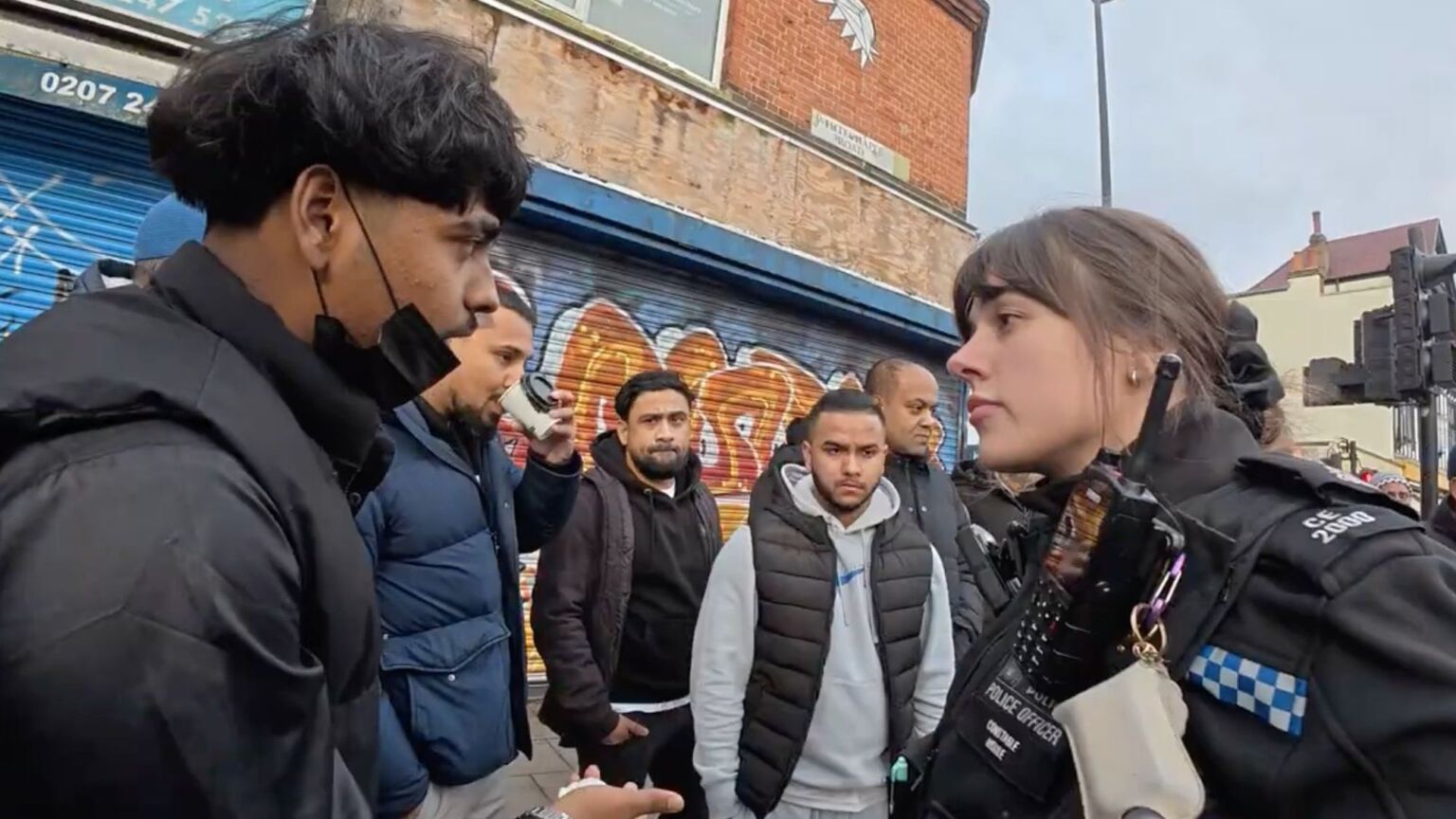
Last week, a truly depressing video emerged. It showed a young, female Metropolitan Police officer, surrounded by Muslim men on a street in Whitechapel. They demanded to know why a Christian preacher, proselytising outside the nearby East London Mosque, had not been arrested.
To her immense credit, the officer did not allow herself to be cowed or intimidated. ‘In this country we have freedom of speech’, she told them forthrightly. ‘You guys don’t have to see eye to eye, you don’t need to agree, and you’re all more than welcome to stand here and have conversations with them’, she said.
But these men were not interested in ‘conversations’. They wanted the preacher to be punished – presumably for blasphemy, for daring to declare a belief in a faith other than Islam. One of the Muslim men said he called the police because he heard a man say ‘an offensive word about the religion’. According to the Daily Mail, one of the mob told the preacher not to ‘say Muhammed’. Another said, ‘Your God is a Jew’. When the policewoman arrived, a man implored her to recognise that ‘This is east London, this is Whitechapel – it’s a Muslim area’. Another chimes in to say the Christian preacher was ‘offending our prophet’. ‘I would recommend you just move away and don’t listen to him’, she said in response.
It was a relief to see a police officer actually upholding freedom of speech for once – particularly when faced with an intimidating mob. Nevertheless, it says something about how far free speech has been undermined in Britain that this is even worth commenting on. Indeed, the mob themselves appeared stunned by the fact that a police officer refused their orders to lock someone up on the basis that he had offended their religion.
And no wonder. Islamic sectarians have been remarkably successful in using the police for their own ends. Whether the police feel intimidated or simply believe it is their role to respond to the demands of certain ‘community leaders’, they have been more than willing to keep certain areas ‘Muslim’ at the behest of sectarian bigots. Just last month, the Met banned a ‘Walk with Jesus’ march, planned by UKIP, from going through Whitechapel on the grounds that it would be ‘provocative’ to local Muslims. Last year, West Midlands Police banned Jewish Israeli supporters from travelling to Birmingham to watch Maccabi Tel Aviv play Aston Villa, after learning that some local Muslims were arming themselves in preparation for the visit. Worse still, the police fabricated evidence to suggest the Jews were the group most likely to stir up trouble. They colluded in a lie to placate Islamic sectarians and to cover their violent intentions.
Appeasement of Islamic intolerance is now rampant in every arm of the state. Last year, a magistrate’s court convicted Hamit Coskun for burning a copy of the Koran during a protest outside the Turkish embassy in London. The fact he was attacked with a knife by a Muslim passer-by was held up as proof of just how inflammatory his blasphemous act was. Mercifully, he successfully appealed his conviction in the High Court on free-speech grounds. Yet shockingly, the Crown Prosecution Service is now appealing the acquittal, such is its determination to criminalise critics of Islam. The Labour government, meanwhile, remains committed to drawing up an official definition of ‘anti-Muslim hostility’, which will effectively institutionalise an Islamic blasphemy code within the public sector.
The viral video of the confrontation in Whitechapel has exposed the lie of British multiculturalism. In many areas of our major cities, we do not see people of different races and faiths getting along, living in harmony, showing tolerance and understanding. We see blatant religious sectarianism, which the authorities are usually only too happy to acquiesce to.
The policewoman who stood up to the mob should be commended for her courage, for her plain-speaking and for her defence of freedom of speech. But the crisis of multiculturalism that this viral confrontation exposed cannot be solved by one brave officer alone.
Hugo Timms is a staff writer at spiked.

The BBC has confirmed that it will be censoring an utterance of the N-word by an audience member with Tourette’s at this year’s Baftas in its iPlayer coverage of the event.
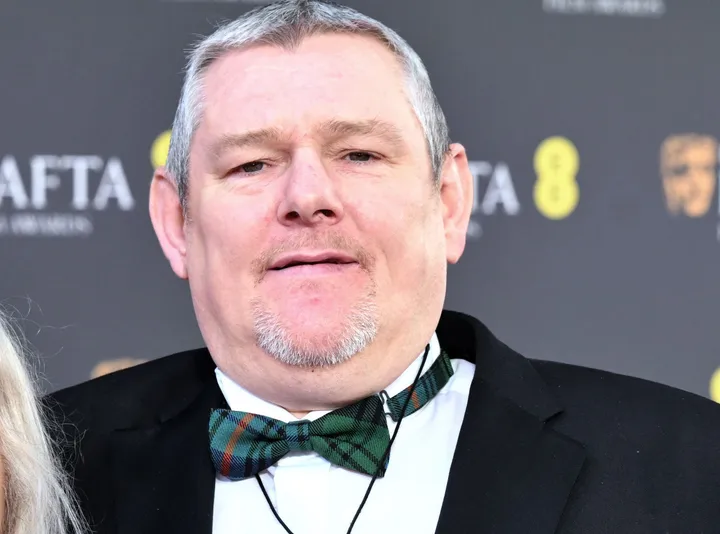
On Sunday night, Tourette’s campaigner John Davidson attended the Baftas alongside the cast and crew of I Swear, the 2025 film inspired by his life story.
Variety reported that, before the ceremony, the event’s floor manager told guests that they “might hear some involuntary noises or movements during the ceremony”.
This incident was included in the BBC’s coverage of the 2026 Baftas, which aired on a time delay of around two hours.

Alan West/Hogan Media/Shutterstock
At the time, Baftas host Alan Cumming acknowledged the “strong language in the background” and thanked audience members for “understanding and helping create a respectful space for everyone”.
He added later that night: “Tourette’s Syndrome is a disability and the tics you’ve heard tonight are involuntary, which means the person who has Tourette’s Syndrome has no control over their language. We apologise if you are offended tonight.”
On Monday, the BBC also apologised “for any offence caused by the language heard” and has since confirmed that it is being removed from the version of the Baftas ceremony streaming on BBC iPlayer.
“Some viewers may have heard strong and offensive language during the Bafta Film Awards,” a spokesperson told HuffPost UK. “This arose from involuntary verbal tics associated with Tourette syndrome, and as explained during the ceremony it was not intentional.
“We apologise that this was not edited out prior to broadcast and it will now be removed from the version on BBC iPlayer.”
The NHS’ official website describes Tourette’s syndrome as a “condition that causes you to make sudden, repetitive sounds or movements”, known as tics.
It also lists examples of tics including whistling, sniffing or clearing your throat a lot, making animal sounds, repeating a sound, word or phrase and swearing, though it’s noted that this is only in rare cases.
“Tics can be triggered by different things including stress, excitement or tiredness,” the NHS also advises.
Since the Baftas aired, the BBC has faced considerable backlash for cutting a pro-Palestine message from one winner’s acceptance speech, while leaving in the use of the N-word.
A rep for the broadcaster previously said: “The live event is three hours and it has to be reduced to two hours for its on-air slot. The same happened to other speeches made during the night and all edits were made to ensure the programme was delivered to time.”
If you ever find yourself confused by the complexities of the ever-evolving hierarchy of oppression, the ‘compassionate’ left is happy to fill you in. Certain identity markers – particularly race and gender identity – place you comfortably in the upper layers of the victimhood trifle. But having a life-inhibiting neurological disorder? That, it seems, gives you little more than the soggy sponge at the bottom.
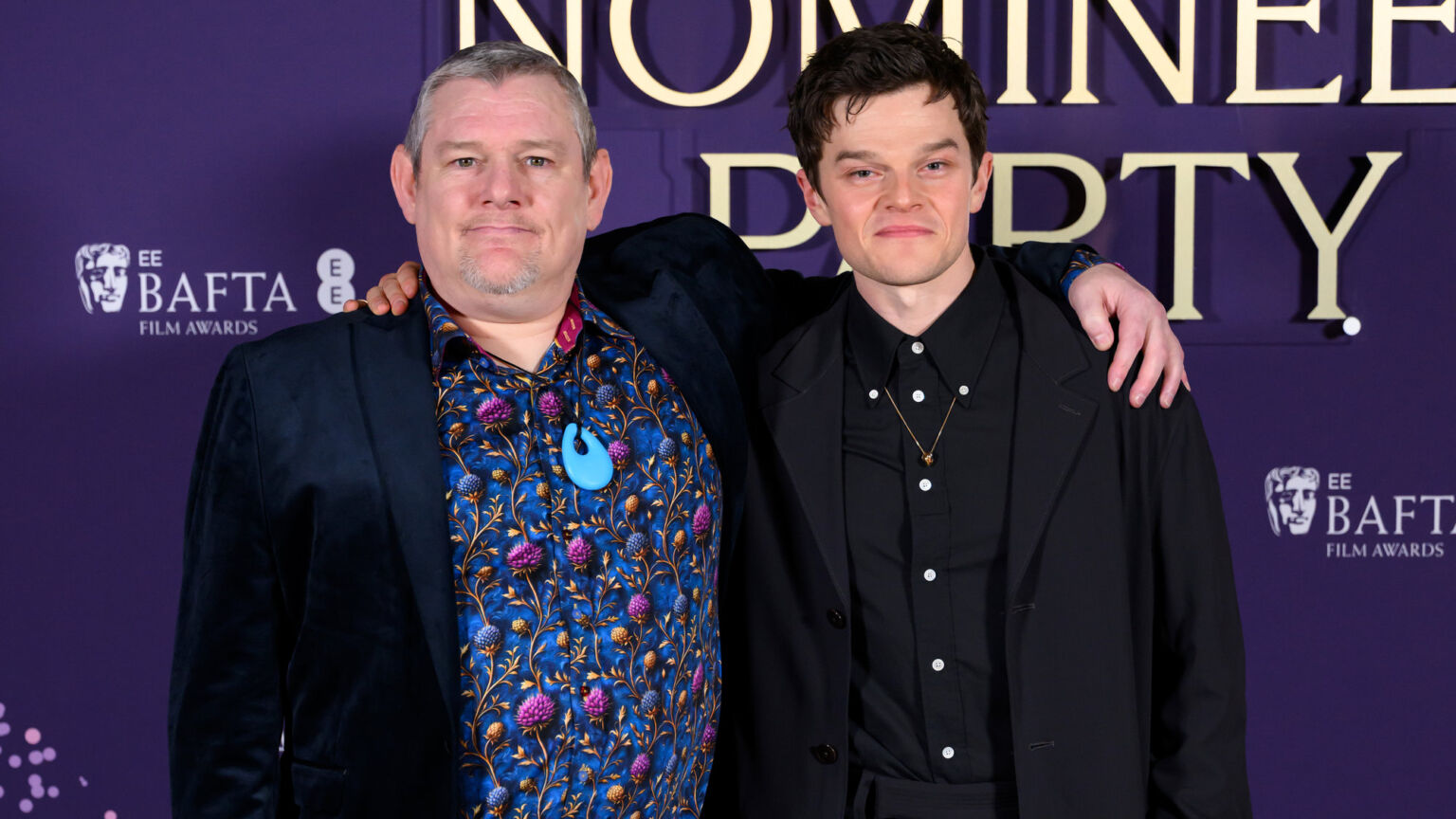
Proof of this arrived last night at the 2026 BAFTAs. The best and brightest of the global entertainment elite gathered to sip champagne and receive accolades for various achievements in film and television. Also present was Scottish campaigner for Tourette’s Syndrome, John Davidson. The 54-year-old is both the executive producer and the subject of the biopic, I Swear, which depicts his personal struggles living with Tourette’s through the Eighties and Nineties. Like all of Davidson’s work, the film’s aim is to raise awareness for a condition that few people understand. It portrays the reality of the disability in unflinching detail. This includes his profane verbal tics at inopportune moments – known as ‘coprolalia’, which around 10 per cent of people with Tourette’s exhibit. Since Davidson does not have the ability to switch off his condition when the cameras are rolling, these very tics made several appearances over the course of Sunday evening’s BAFTAs.
As Sinners stars Michael B Jordan and Delroy Lindo, two black men, took to the stage to present an award, Davidson could be heard yelling the n-word from the crowd. Jordan and Lindo paused, then carried on with professionalism. Immediately afterwards, BAFTAs host Alan Cumming acknowledged the ‘strong and offensive language’, explaining that ‘Tourette’s syndrome is a disability, and the tics you’ve heard tonight are involuntary, which means the person who has Tourette’s syndrome has no control over their language… We apologise if you were offended.’
Throughout the night, somebody in the crowd – presumably Davidson – was also reported to have shouted, ‘Shut the fuck up!’, at BAFTA chair Sara Putt and, ‘Fuck you!’, during the presentation of the best children’s and family film award. Unsurprisingly, however, these were not the tics that drew the most attention online.
‘Calling black men the n-word is racism’, declared Dr Allison Wiltz, a ‘pro-black womanist writer and scholar’, in an X post which garnered thousands of likes. If Davidson ‘can’t control the slurs he says, he should watch from a separate area, not in the main audience where black people are exposed to slurs’. Note the word ‘exposed’ – as if Davidson’s disability were some viral infection he was selfish to leave the house with. ‘He could watch in a VIP side room while black people are on stage’, Wiltz added. ‘No way they should have someone in the audience who’s known for yelling slurs. There are some people who expose themselves in public’, she said. ‘We segregate them from children so they won’t be exposed to inappropriate things.’
Dozens of other race warriors joined the chorus. ‘Why would having Tourette’s make you blurt out racial slurs at black people on stage?’, tweeted one. ‘This is just overt racism, call it what it is’, said another. Soon a grim consensus formed – that Davidson’s outburst meant he should be excluded or segregated from an event like the BAFTAs. ‘Maybe he shouldn’t be invited to [a] space where black people are present’, opined one identitarian. ‘Ban that mentally ill racist from awards shows’, posted another.
It wasn’t just random X users displaying their ignorance of Davidson’s condition, either. As TV rent-a-gob Narinder Kaur insisted, Jordan and Lindo had been subjected to ‘racial trauma’. And so by inviting Davidson, BAFTA had continued in ‘a long tradition of prioritising white comfort’. ‘Black people are just supposed to be okay with being disrespected and dehumanised so that other people don’t feel bad’, claimed Jemele Hill, a contributing writer for the Atlantic.
Perhaps most upsetting of all were Oscar-winning actor Jamie Foxx’s throwaway comments on Instagram. ‘Nah he meant that’, Foxx said of Davidson. ‘Unacceptable.’ Foxx is a celebrity with huge influence and devoted followers. For someone with his sway to imply Davidson was hiding behind a neurodevelopmental condition as an excuse to express racism is beyond irresponsible.
For Jordan and Lindo’s part, it must have been deeply disturbing to have had a racial slur yelled at them on live television. But I would wager that navigating life with Tourette’s is far harder than any of the discomfort faced by the Hollywood set last night. Would Foxx really be willing to trade his life as a black multimillionaire filmstar for that of a neurologically disabled white man? Of course not. Because if he or any of the other ‘progressive’ elites who joined the pile-on against Davidson had an iota of actual compassion and empathy, they might have been forced to confront their own relative ‘privilege’.
I Swear is a heartbreaking watch at times. It shows how difficult it is to navigate daily life with involuntary verbal and motor tics, even today. What’s more, in Scotland during the Eighties and Nineties, understanding of Tourette’s was virtually non-existent. Davidson would involuntarily backhand friends and family in the face. He would shout insults at the police. He struggled to find employment. Yet since few understood his behaviour, he was bullied and beaten. His life, by anyone’s standards, has been incredibly difficult as a result of his disability.
‘Tourette’s is such an awful condition that most of the time I don’t want to be the centre of attention’, Davidson told the BBC. ‘I want to be able to walk down the street and not be noticed because I’m shouting or swearing.’
In fact, Davidson’s tics had made him so self-conscious that the premiere of I Swear was the first time he had been to the cinema since he was 10 years old. Yet as soon as he found himself in the company of the ‘enlightened’ woke elites for just a few hours at the BAFTAs, the self-satisfied, self-righteous identitarians were calling for him to be banished from public spaces, segregated from polite society, cancelled even – solely for his disability.
Since the post-BAFTA’s woke meltdown, a handful of people with Tourette’s – many of them black – have come forward to fight Davidson’s corner. Coprolalia ‘is something that is already very embarrassing for all of us’, explained one young influencer on TikTok. ‘It’s not something that somebody can control. It’s not something that somebody wants to say… You can’t be offended when a disabled person is disabled.’ Another stressed that coprolalia is not a case of people ‘saying their hidden thoughts and opinions… It’s the thing you want to say least in the moment.’ Hence why some Tourette’s sufferers might blurt out things like ‘I have a bomb’ at an airport, or request sexual activity that they don’t really want. It is almost certainly the case that Davidson shouted the n-word not because he meant it or he is racist, but because it would be the most embarrassing, excruciating thing possible to blurt out in the presence of black people.
Undoubtedly, the voices of reason will be lost beneath those of our official moral arbiters. After years of telling the rest of us to platform marginalised voices, to defer to ‘lived experience’, to generally ‘do better’, they have proven to be themselves shockingly ignorant of a condition that causes genuine hardship. There is no awareness that they themselves are ‘exclusionary’. Those who bristle about having to be in close proximity with disabled people will not stop to wonder if they, themselves, are the bigots. ‘The best at hate are those who preach love’, Charles Bukowski once said. Perhaps, too, those most quick to tell the rest of us to ‘educate yourself’ are the ones most in need of taking their own advice.
Georgina Mumford is a content producer at spiked.
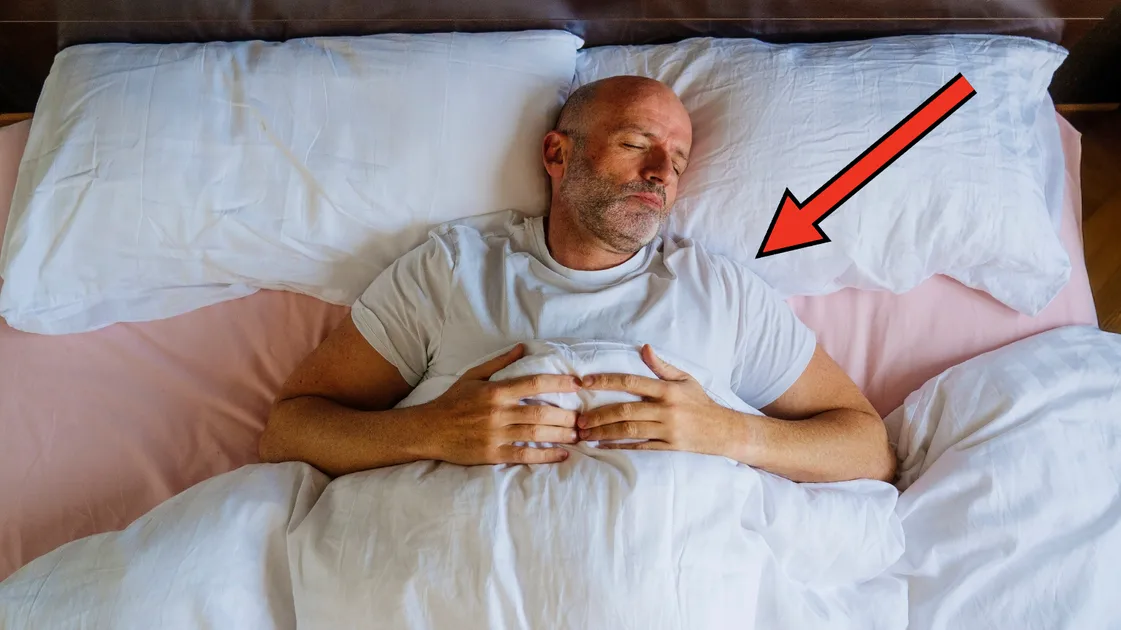
When you wake up in the middle of the night, do you find that you’re sleeping on your stomach or your side? Or do you consistently wind up on your back with the sole of one foot tucked against the calf of your other leg?
If so, you sleep like a flamingo. And if you’re on TikTok or Instagram, you might come across an influencer claiming this sleep position signals you’re stressed out or carry pain in your hips.
While this sleep position isn’t inherently dangerous – and, in fact, may be most comfortable for your body – it may suggest you need some extra support in certain cases, said Laura Nolan, a psychotherapist who specialises in somatic therapy. Here’s what to know.
Why do people end up in the “flamingo position”?
Nolan said she most commonly sees people sleeping this way when they have hypermobility, a condition in which joints stretch beyond their typical range of motion. Many people with joint hypermobility syndrome experience loose joints, joint instability and chronic pain.
“Hypermobility is linked to neurodivergence and many of the neurodivergent adults I work with report sleeping in more unconventional ways, including in the flamingo posture as well as with clenched fists or T. rex hands,” she said.
Sleeping in the flamingo position may be a habit acquired through experience and repetition. Or perhaps you wind up in this position because of chronic pain or a physical injury, Nolan added.
It’s also possible that consistently sleeping in this position – which could be unstable for some – could further strain your joints or even result in muscle stiffness, she explained. “Our bodies are complex,” she noted.
The flamingo position doesn’t immediately mean you are hurting your joints
The flamingo position isn’t an automatic red flag. Nolan said it’s entirely possible that this position is simply a cosy way for you to sleep. “It can be normal and healthy to sleep in the flamingo position,” she explained.
Jade Wu, a board-certified sleep psychologist, similarly said we naturally sleep in positions that are most comfortable to us. “Often being in this position simply shows that someone feels most comfortable doing it,” she added.
In fact, if you’re on your side with a leg up – a variation of side sleeping – the flamingo position may lower your risk of sleep apnoea and other breathing problems, Wu noted.
As a somatic psychotherapist, Nolan is more curious about what feels good about sleeping in this position rather than assuming you have “stuck stress” in the body or that something is wrong.
How to find a comfortable (and safe) sleeping position
Nolan encourages people to have a relaxed, easeful approach to sleeping. “Having too much scrutiny over how you sleep, including by thinking you are sleeping wrong or engaging in sleep perfectionism, will likely worsen sleep quality for those with existing issues,” she said.
Unless an orthopaedic health care provider or another physician has advised you to stop sleeping like a flamingo to avoid putting pressure on certain joints, there’s no need to stop, according to Wu.
Rather than forcing or training yourself to sleep in certain positions, get creative about how you can support your body while you snooze, Nolan advised.
For example, if you tend to sleep like a flamingo, consider adding a pillow underneath your knees. If you’re more of a T. rex sleeper, consider holding something in your hands, like a stuffed animal or pillow. “Be creative,” Nolan said.
If you feel stressed at bedtime, carve out some time to unwind – by practicing yoga, mindfulness or deep breathing – after dinner. Another technique Nolan recommends is progressive muscle relaxation, which involves tensing then relaxing various muscle groups. As you move between body parts, notice how each one feels.
“Remind yourself that stress is not all bad and we have many easy and quick ways of completing the stress response,” Nolan said.
(Alamy)
5 min read
The government has set out highly-anticipated plans to overhaul the special education needs and disabilities (SEND) system, pledging that, under “decade-long reforms”, children with additional needs will “get the rights they deserve”.
Under the plans, announced by Education Secretary Bridget Phillipson on Monday, only those children with the most severe and complex needs will receive an education, health and care plan (EHCP). This is the current legal document that identifies the specific needs and sets out tailored support.
In practice, it means fewer children will be given ECHPs than would have been under the current system.
There is a cross-party agreement that the current SEND system is not sustainable, as it is putting extreme pressure on councils and resulting in long waits for parents trying to secure support for their children. The Labour government pledged to fix the system when it was elected in July 2024.
Speaking to reporters today, Phillipson said the changes would be a “really careful and phased transition” and would be a “decade-long reform”.
“I know that parents’ confidence is low in the system. That’s why the fact we’re taking our time to get this right is essential,” she said.
Why is SEND being reformed?
SEND has been a growing talking point in Westminster in recent years as pressure on the system has increased to extreme levels.
Under the current rules, pupils requiring extra support can be issued an EHCP, a legal document that identifies the specific needs and sets out tailored support.
Since 2018, the number of pupils with EHCPs has increased by almost 80 per cent, while funding to deliver the service has failed to keep pace, putting local government finances under significant pressure.
Nearly 80 per cent of local authorities told a recent Local Government Association survey that they would become insolvent in the next few years without reforms to the system.
At the same time, some parents are waiting months and sometimes years to secure support for their children.
What has the government announced?
Speaking today, Phillipson stressed that EHCPs for children with the most complex needs will remain.
However, fewer children will be granted EHCPs overall under the reforms.
The Department for Education estimates that around one in eight children and young people who currently have an EHCP will shift to new support between 2030 and 2035.
Instead, three layers of support will be available to those with additional needs, set out as “Targeted”, “Targeted Plus” and “Specialist”, the latter of which will be the basis of EHCPs.
The government has pledged £4bn over three years to improve SEND support in mainstream education settings.
Millions of children will also have access to a new, digital ‘Individual Support Plan’ (ISP), which will be put on a statutory footing, provided by the school and developed alongside parents.
The ISP will set out what support a child with additional needs requires from the school, and could include support from health professionals.
Phillipson insisted that the changes were about “improving” support, not removing it”.
The reforms announced on Monday will not come into effect until 2030 at the earliest.
The government is hopeful that the period of transition, in which the focus will be on training and investment to build capacity in the system, will allow for a smooth changeover.
What is the reaction so far?
The government had originally planned to publish the planned SEND reforms last year.
However, as PoliticsHome reported at the time, there was nervousness within government about a potential Labour MP backlash similar to the rebellion that forced Prime Minister Keir Starmer to abandon plans to reduce welfare last year.
In a bid to ensure Labour MPs feel that their concerns and points of view are being listened to throughout the process, Phillipson and minister Georgia Gould have held many meetings with Labour MPs in recent months to discuss the reforms.
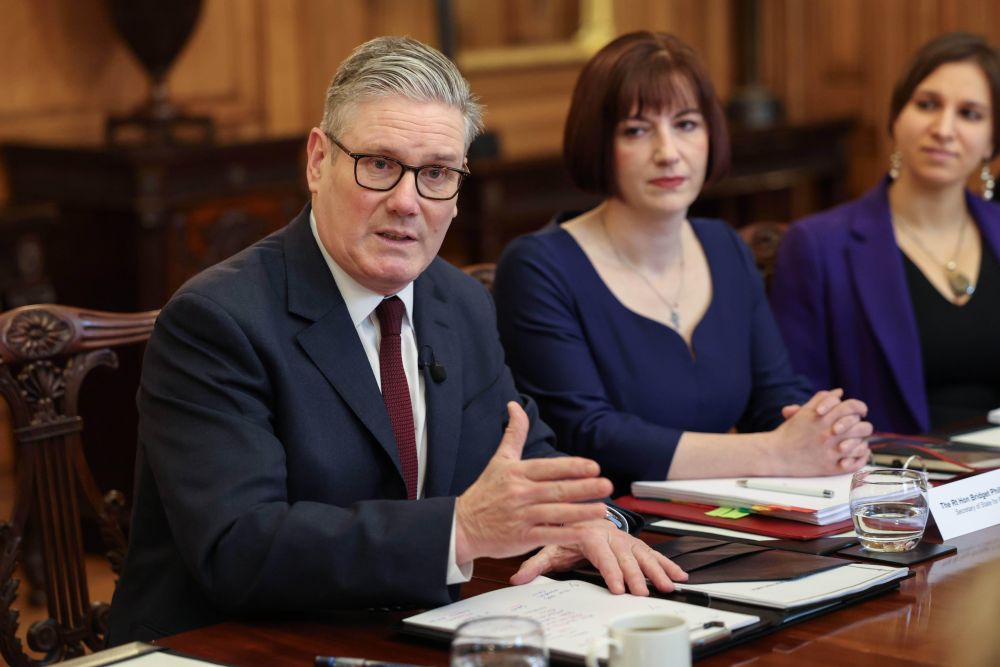
Asked by PoliticsHome on Monday what message she had for MPs worried about the changes, the Education Secretary said: “This is a once-in-a-generation opportunity to deliver a better system for children”.
“Opportunities like this really only come around once, and it’s a big responsibility on all of us to reassure parents, to explain the process of change that we’re embarking upon, and it’s a responsibility that I take incredibly seriously.”
Labour MPs will now take time to study the proposals in detail, while ministers will hope that they can win the support of as much of the Parliamentary Labour Party as possible.
One government source told PoliticsHome that they are not seeing this as the end of the conversation, and the Labour MP outreach that Phillipson has carried out in recent months will continue.
Paul Whiteman, general secretary of school leaders’ union NAHT, said that he was “cautiously optimistic” that the White Paper published today “contains the foundation of a successful new approach to SEND education”.
However, there are concerns that the funding announced may not be adequate.
Matt Wrack, general secretary of teachers’ union NASUWT, said that it was “absolutely ridiculous to suggest that SEND provision can be adequately overhauled with this low level of funding”.
Dani Payne, head of education and social mobility at the Social Market Foundation think tank, said that it was “good to see government take on an area that is both complex and politically challenging”.
“The government’s planned approach, of prioritising mainstream inclusion for pupils with SEND and strengthening universal support offers, is the right one.”
!function(n){if(!window.cnx){window.cnx={},window.cnx.cmd=[];var t=n.createElement(‘iframe’);t.display=’none’,t.onload=function(){var n=t.contentWindow.document,c=n.createElement(‘script’);c.src=”//cd.connatix.com/connatix.player.js”,c.setAttribute(‘async’,’1′),c.setAttribute(‘type’,’text/javascript’),n.body.appendChild(c)},n.head.appendChild(t)}}(document);(new Image()).src=”https://capi.connatix.com/tr/si?token=19654b65-409c-4b38-90db-80cbdea02cf4″;cnx.cmd.push(function(){cnx({“playerId”:”19654b65-409c-4b38-90db-80cbdea02cf4″,”mediaId”:”8ada6b79-325c-4aef-9b1d-9f05b4b23378″}).render(“699c9941e4b01da5015279a6”);});
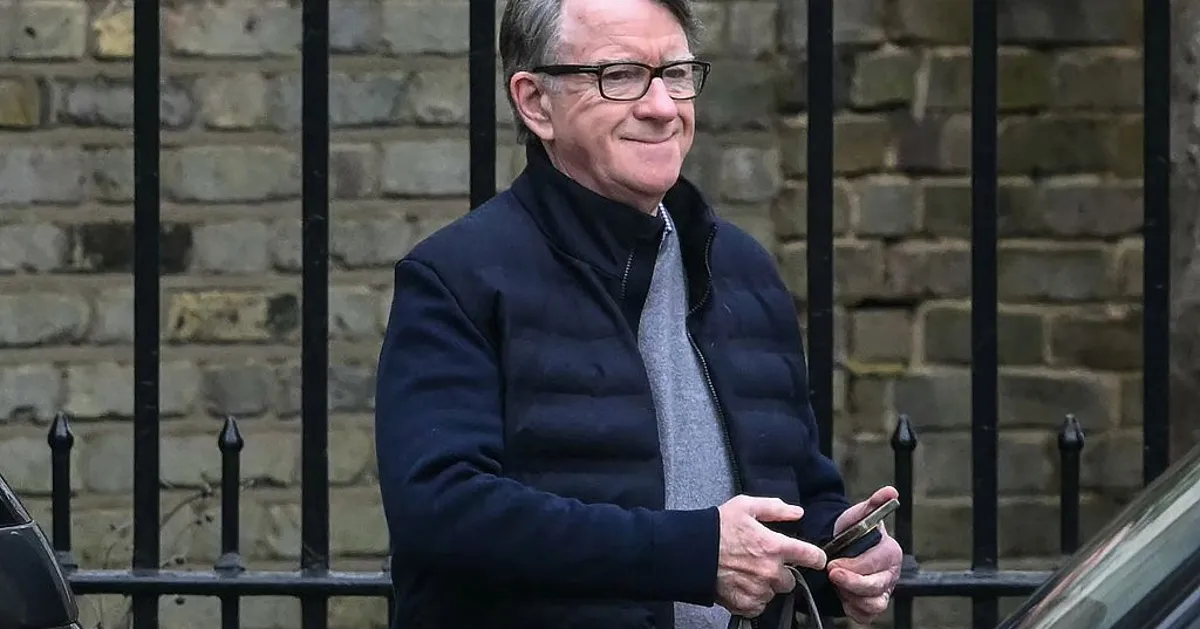
Lord Peter Mandelson has been arrested on suspicion of misconduct in public office.
The former Labour minister and US ambassador has been accused of passing on market sensitive information to paedophile financier Jeffrey Epstein when he was business secretary in the wake of the global financial crash.
Two of his properties have been searched by police. Mandelson denies any wrongdoing.
A Metropolitan Police spokesperson said: “Officers have arrested a 72-year-old man on suspicion of misconduct in public office.
“He was arrested at an address in Camden on Monday, February 23 and has been taken to a London police station for interview.
“This follows search warrants at two addresses in the Wiltshire and Camden areas.”
Footage shown by broadcasters shows a plain clothed police officer leading Lord Mandelson out of a house.
Lord Mandelson then gets into the left rear seat of a waiting unmarked Ford Focus police car.
Mandelson was sacked as the UK’s ambassador to Washington last September, just seven months after being appointed by Keir Starmer, after more details emerged about his links to Epstein.
The fresh allegations about his conduct followed the release of millions of documents about Epstein by the US Department of Justice last month.
Earlier this month, the scandal led to the resignation of No.10 chief of staff Morgan McSweeney, who said he was taking responsibility for advising the PM to give Mandelson the plum diplomatic role.
Mandelson also resigned his seat in the House of Lords, although he still retains his title.
His arrest comes just days after Andrew Mountbatten-Windsor, another former associate of Epstein, was also arrested over allegations he committed misconduct in a public office when he was a UK trade envoy.
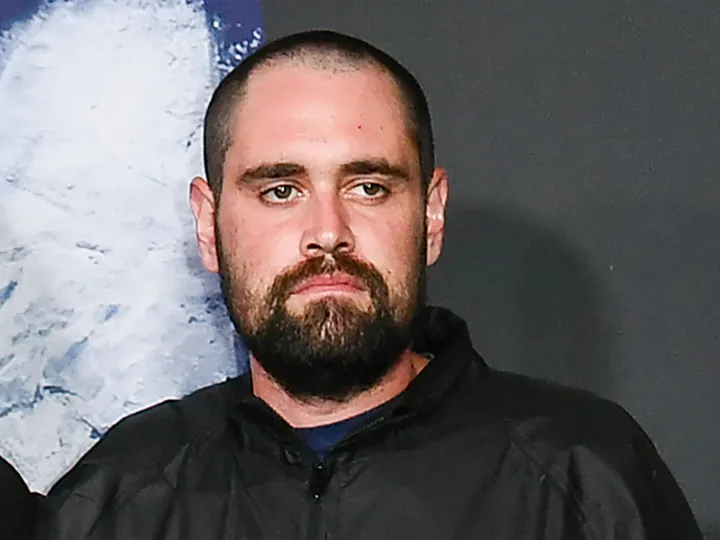
Nick Reiner pleaded not guilty to the killings of his parents, Hollywood director Rob Reiner and producer Michele Singer Reiner, in a Los Angeles court Monday.
The 32-year-old’s plea to charges of two counts of first-degree murder, with the special circumstance of multiple murders, was entered by his public defender, Kimberly Greene.
The charges carry a maximum sentence of life without possibility of parole or the death penalty.

A not-guilty plea is common for criminal defendants at this stage of the case, as The Associated Press reported.
He had been set to enter a plea last month in the December stabbings but his defense attorney withdrew from the case during his last court hearing. Nick Reiner, who has since been represented by a public defender, waived his right to a speedy arraignment.
He is being held without bail.

Nick Reiner’s parents were found stabbed to death in their Los Angeles home on December 14. He was taken into custody hours later without incident, authorities said at the time.
Nick Reiner, who is the third of Rob Reiner’s four children, has a history of substance use. Authorities have not said anything about possible motives.

The Metropolitan Police have arrested Peter Mandelson on suspicion of misconduct in public office.
Police escorted Mandelson from his home in Camden at around 5pm on Monday, 23 February.
He has been under investigation over allegations of his links to – and insider trading with – paedophile and child rape trafficker Jeffrey Epstein whilst he was a serving government minister.
This comes after the Met Police confirmed earlier this month that it had launched an investigation into Mandelson. This was for allegations of misconduct in public office.
He then resigned from the House of Lords.
In a statement shortly after his arrest, the Met Police said:
Officers have arrested a 72-year-old man on suspicion of misconduct in public office.
He was arrested at an address in Camden on Monday, 23 February and has been taken to a London police station for interview.
This follows search warrants at two addresses in the Wiltshire and Camden areas.
For more coverage of the Epstein files that centres victims and survivors please click here.
Featured image via Sky News/YouTube
The term ‘woke’ is sometimes hard to define, and that’s become more true over time. Initially, the term was used to describe things like equality laws, charity, and activism. Now, right-wingers have overused it to the point that ‘woke’ is basically anything which doesn’t reflect them personally:
Can you guess their band name? pic.twitter.com/V0AvEtUHqA
— Anti Woke Memes (@AntiWokeMemes) February 20, 2026
The right will also describe anything to the left of their current position as ‘woke’. And this is a big problem for Reform UK, because the new party Restore is to their right.
In other words, Farage & co are the woke mob now.
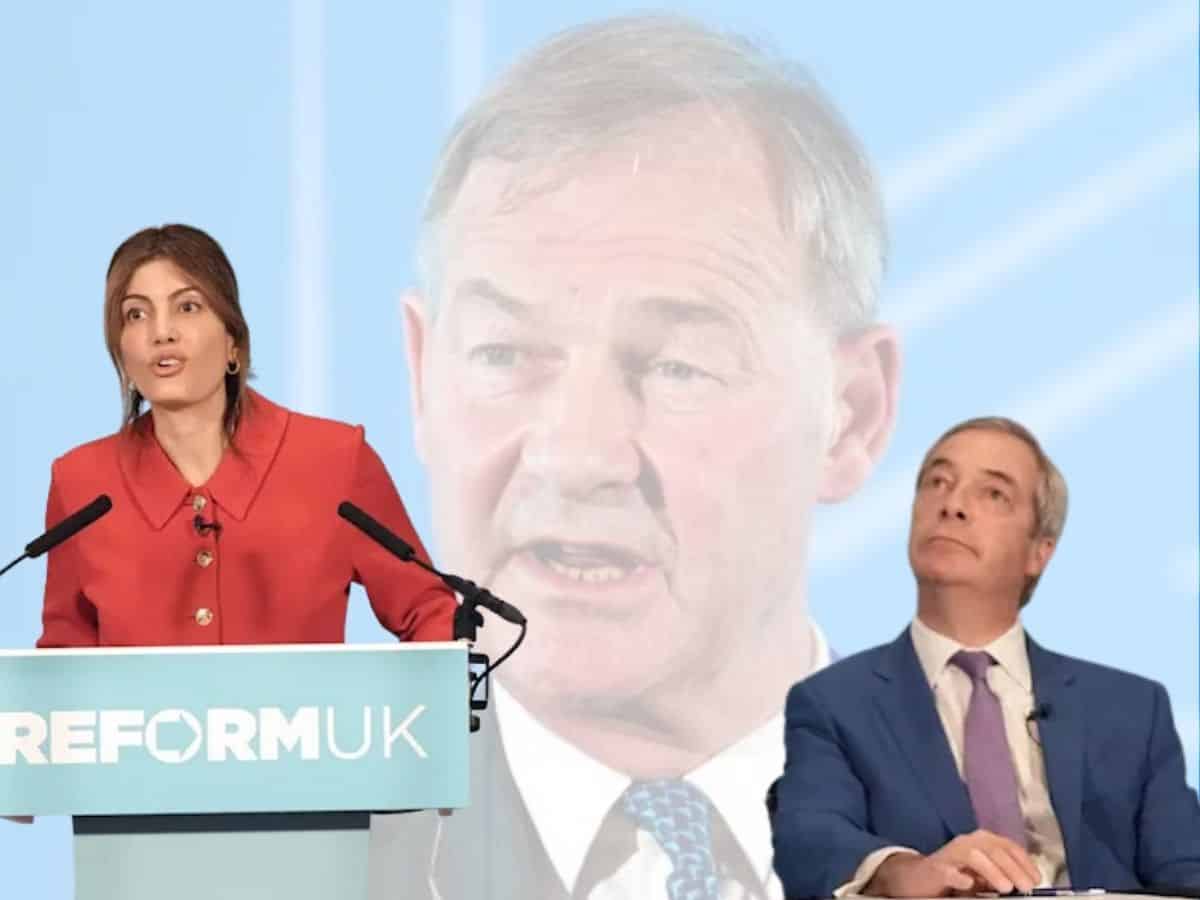
And the right are gunning for London mayoral candidate Laila Cunningham in particular:
Difficult to see the difference between Laila and a typical leftist.
-Attacks the right
-Attacks Christianity
-Gets basic facts wrong
-Shouts a lotIt’s all there.pic.twitter.com/hCoEuq6j2F
— Nick Dixon (@NickDixon) February 22, 2026
Reform go woke
Firstly, we should point out that we don’t agree with any of the people we’re going to be referencing in this article. We’re enjoying watching them fight, though.
We should also say that we do think there’s a big difference between Cunningham and a “typical leftist”. In fact, we covered her debate with arch leftist Lowkey just yesterday – a debate in which Cunningham literally fled the scene. And if there’s any doubt if that was to do with her debating skills, here’s a quote from her argument:
And!?
And!?
Has he done any wrongdoing!?
And!?
And!?
Feel free to read the article, but the additional context doesn’t make her look better.
Getting into it, the right are mad at Cunningham because she said this:
Laila Cunningham slams Rupert Lowe: “British people will not vote for a party that believes you can only be British if you are WHITE and CHRISTIAN.”
Kevin O’Sullivan: “Rupert Lowe did NOT say that.”
🚨 PLANK OF THE WEEK: https://t.co/LceoDsDbgt@TVKev @policylaila @PCBarnes123 pic.twitter.com/6pFbRNWiU2
— Talk (@TalkTV) February 22, 2026
Regardless of the finer details, when Reform politicians like Cunningham attack Restore for being too far right, what they’re saying is Rupert Lowe & .co need to be more woke.
Her accusation comes from a point made by Restore spokesperson Charlie Downes:
Bad news if you’re white, British, and of no faith – according to this new political party, not even you are actually British. pic.twitter.com/C5vQCifgpU
— Ash Sarkar (@AyoCaesar) February 17, 2026
Although you can read what Downes said above, he has claimed he didn’t say it (or didn’t mean it?):
I actually can’t believe she’s doubling down on all this.
[Cunningham] has once again asserted that I said you have to be “white and Christian” in order to be British.
I have never said this, on TalkTV or elsewhere, and this is not Restore Britain’s position. If you want to know where we stand on these matters, look at our page.
Reform have again shown themselves to be incapable of engaging in good-faith debate, instead resorting to name-calling. Truly pathetic.
They should sack whoever is briefing Cunningham to stay these things. Dreadful messaging strategy.
There’s a problem for the Reform lot, though, and it’s that lots of people on the right agree that only white people can be British. Take weirdo Jess Gill for instance:
Charlie Downes said if you don’t have British ancestry then you’re not British.
I’m sorry but if I go to Japan and get really into Japanese culture, I’ll never be Japanese. That isn’t an insult. It’s just reality.
What do Reform actually believe in?
— Jess (@jessgill03) February 18, 2026
Carl ‘milkshake’ Benjamin described Reform as “fake meat”, which must burn if you’re a carvery warrior like Farage:
Reform YooKay is just a tepid, watered-down, weak sauce version of Restore Britain. They know what needs to be done, hence this containment policy, but lack the guts to actually do it.
Why would I choose fake meat when steak is on the menu? https://t.co/DH5WrFE074
— Carl Benjamin 🏴 (@Sargon_of_Akkad) February 22, 2026
Cunningham also labelled Restore ‘neo-Nazis’, which led to GB News apologising on her behalf:
I will not tolerate such vile lies about my team.
GB News did the right thing clarifying.
— Rupert Lowe MP (@RupertLowe10) February 22, 2026
It’s going to keep on kicking off too, because Farage is also calling these people ‘extremists’:
🧵Let me explain what is really going on:
Nigel Farage’s selective criticism of ethno nationalism is the stick with which he hopes to beat Rupert Lowe’s Restore Britain. It threatens to split the Reform UK vote – esp following Elon Musk’s endorsement of Restore/Lowe. 1/ https://t.co/FWCbgUn0yi
— Sangita Myska (@SangitaMyska) February 23, 2026
The following account is not someone we trust, but what they’re suggesting does feel like what’s happening. GB News have avoided talking about Restore, and the right wing host in the video below is clearly terrified she’ll be called ‘woke’ next:
I’m told GB News is in a bit of a panic about what to do with Restore Britain.
Many of their viewers support Restore but their cash cow @Nigel_Farage has previously all but banned coverage and platforming of @RupertLowe10 at GBN.
GBN are caught in a mess of their own making. https://t.co/6yFL1lPnEe
— Wolf 🐺 (@WorldByWolf) February 22, 2026
Making problems for Nigel
Gobshite Tommy Robinson has also spoken out against Reform, and what he’s pointing out isn’t wrong:
You see what happens when there is a party on Nigel’s arse, he’s forced to change . But I don’t believe a word reform say pic.twitter.com/FGnbsodIki
— Tommy Robinson 🇬🇧 (@TRobinsonNewEra) February 22, 2026
Reform can’t stand the thought of being the woke party, so they’re copying Restore. Restore will respond by moving even further right, and eventually Reform will have to accept that they’re woke now, or they’ll have to go so far right they become unelectable.
In the meantime, pass the popcorn.
Featured image via The Canary
Medical advice provided by Dr Suzanne Wylie, a GP and medical adviser for IQdoctor.
From Japanese walking to retro walking, it turns out there are plenty of ways to enjoy the health benefits of a stroll without fixating on 10,000 steps (experts think 7,000 steps daily might do the job just as well, anyway).
And some research suggests that incline walking, or walking on a slope, could burn 7% more fat as a proportion of calories expended than running without placing as much strain on your joints.
But running does the job faster, meaning a 15-minute sprint will probably still burn more than a 15-minute incline walk. And that’s only one metric.
“Both incline walking and running can be excellent forms of exercise, and the question of which is ‘better’ really depends on the individual’s current health, fitness level and goals,” GP Dr Suzanne Wylie told us.
Here, the doctor shared the health pros and cons of both.
What are the benefits of incline walking?
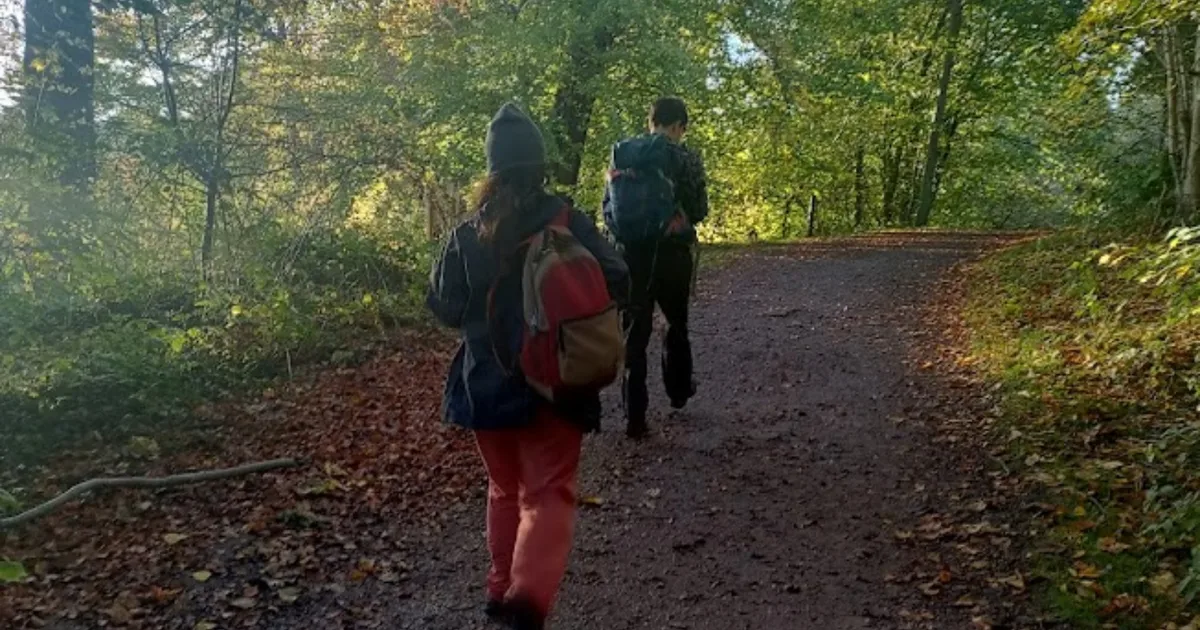
“Incline walking, particularly on a treadmill or up hills outdoors, can significantly raise the heart rate while remaining low impact, which means it places less stress on the joints than running does,” Dr Wylie said.
A 2021 study found that walking on a treadmill with either a 10% or 16% incline (slope) engaged participants’ muscles and raised their heart rates more than walking at a 0% incline, or flat ground.
“For many people, especially those who are new to exercise, carrying excess weight, managing joint pain or recovering from injury, incline walking can provide meaningful cardiovascular benefit and muscle engagement, particularly in the glutes and calves, without the repetitive impact that running involves,” Dr Wylie told us.
“It can also help build lower body strength and endurance over time while being more sustainable for some individuals.”
What about running?
Running, the GP told us, “is generally more time efficient in terms of cardiovascular conditioning and calorie expenditure, and it can improve aerobic fitness more quickly in those who are able to tolerate it”.
And, Dr Wylie said, “It also places greater demand on the bones, which can be beneficial for bone density, and on the heart and lungs, which can improve overall stamina”.
For healthy people, the idea that running damages your joints may be a myth: the strain could actually make them stronger.
“However, it is not suitable for everyone, particularly those with certain joint conditions, significant obesity, pelvic floor concerns or a history of recurrent injuries,” the doctor said.
And in one study, almost a third of new runners gave up the more taxing sport within six months of picking it up.
So, which is best for me?
“In practice, I would encourage patients to choose the activity they are most likely to maintain consistently, because long-term adherence matters far more than whether one exercise burns slightly more calories than another,” Dr Wylie ended.
“For many people, a combination of both, adjusted to their ability and health status, can offer a balanced approach to fitness, strength and overall wellbeing.”
In case you needed any more motivation, recent research has suggested that a mixture of exercise – including cardio, strength training, and a range of activities from tennis to dancing – seems to be best for longevity.
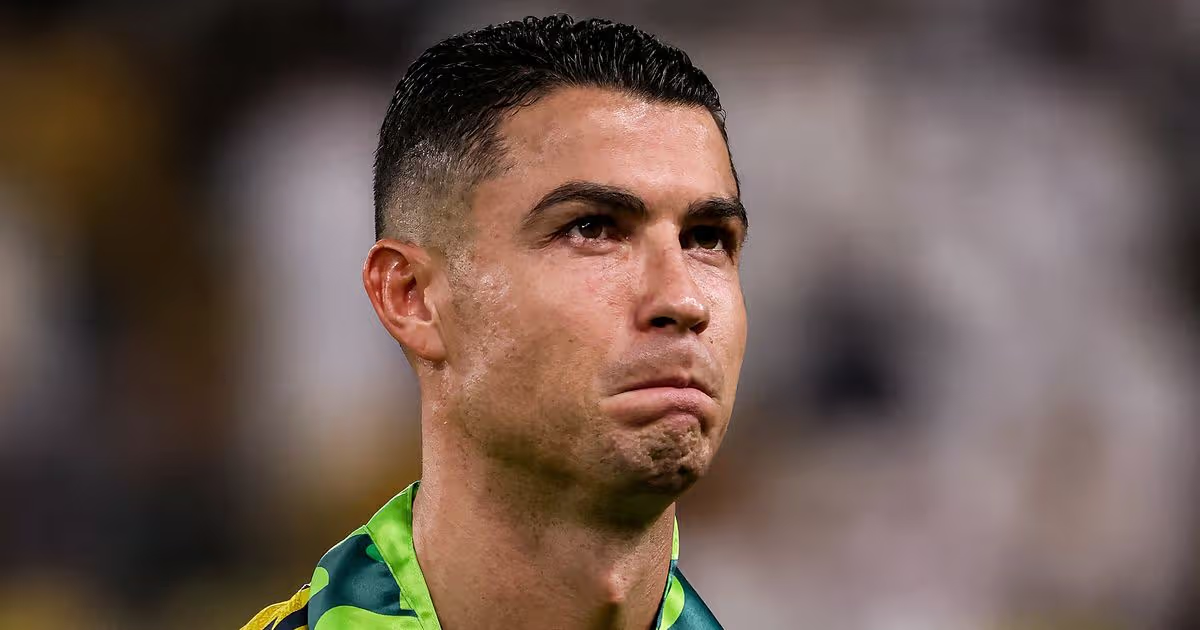
Cristiano Ronaldo’s message to Lindsey Vonn speaks volumes after amputation avoided

Dates, Schedule, Top Prospects to Watch and Key Storylines

Kaspersky flags RenEngine loader spread via pirated software


-

 Crypto World6 days ago
Can XRP Price Successfully Register a 33% Breakout Past $2?
-

 Video4 days ago
XRP News: XRP Just Entered a New Phase (Almost Nobody Noticed)
-

 Fashion3 days ago
Weekend Open Thread: Boden – Corporette.com
-

 Sports7 days ago
GB's semi-final hopes hang by thread after loss to Switzerland
-

 Politics2 days ago
Baftas 2026: Awards Nominations, Presenters And Performers
-
 Tech7 days ago
The Music Industry Enters Its Less-Is-More Era
-

 Business6 days ago
Infosys Limited (INFY) Discusses Tech Transitions and the Unique Aspects of the AI Era Transcript
-

 Entertainment5 days ago
Kunal Nayyar’s Secret Acts Of Kindness Sparks Online Discussion
-

 Video6 days ago
Financial Statement Analysis | Complete Chapter Revision in 10 Minutes | Class 12 Board exam 2026
-

 Politics2 hours ago
Nick Reiner Enters Plea In Deaths Of Parents Rob And Michele
-

 Tech5 days ago
Retro Rover: LT6502 Laptop Packs 8-Bit Power On The Go
-
 Sports5 days ago
Clearing the boundary, crossing into history: J&K end 67-year wait, enter maiden Ranji Trophy final | Cricket News
-

 Business1 day ago
Mattel’s American Girl brand turns 40, dolls enter a new era
-

 Business1 day ago
Law enforcement kills armed man seeking to enter Trump’s Mar-a-Lago resort, officials say
-

 Entertainment5 days ago
Dolores Catania Blasts Rob Rausch For Turning On ‘Housewives’ On ‘Traitors’
-

 Business6 days ago
Tesla avoids California suspension after ending ‘autopilot’ marketing
-
 NewsBeat10 hours ago
‘Hourly’ method from gastroenterologist ‘helps reduce air travel bloating’
-
 Politics6 days ago
Eurovision Announces UK Act For 2026 Song Contest
-

 Tech1 day ago
Anthropic-Backed Group Enters NY-12 AI PAC Fight
-

 Sports1 hour ago
Women’s college basketball rankings: Iowa reenters top 10, Auriemma makes history