Politics
Foods That May Benefit Children With ADHD, According To Psychiatrist

We know a healthy, balanced diet can benefit people with attention-deficit hyperactivity disorder (ADHD) – particularly children – and might even improve some of their symptoms.
It’s estimated almost 882,000 children in the UK have ADHD, which is typically characterised by symptoms such as struggling to pay attention, hyperactivity and impulsive behaviour.
Once diagnosed, it’s typically managed with lifestyle changes (like prioritising activity and healthy eating), adaptations at school and at home, and/or medication.
But are there specific foods you should be aiming to prioritise in their diets to manage overall wellbeing?

ADHD is widely considered a neurodevelopmental disorder, which means it affects how the brain develops. Dr Kripalani highlighted that the brain needs nutrients including iron, zinc, magnesium, vitamin D and omega-3 to function properly.
Yet research suggests people with ADHD might be more prone to deficiencies in omega-3 fatty acids, zinc, magnesium, and iron, compared to those without ADHD.
Iron, zinc and magnesium are all involved “in regulating or making the neurotransmitters that affect attention and concentration”, according to UCLA Health, while omega-3 and omega-6 fatty acids “show promise for improving hyperactivity, impulsivity and attention”.
“ADHD is a complex condition, and diet isn’t a treatment in itself but it can help,” Dr Mukesh Kripalani, a consultant psychiatrist at The ADHD Centre, told HuffPost UK.
Dr Michael Milobsky, a father-of-seven and paediatrician, shared a video in which he discussed which foods specifically might be beneficial for children with ADHD.
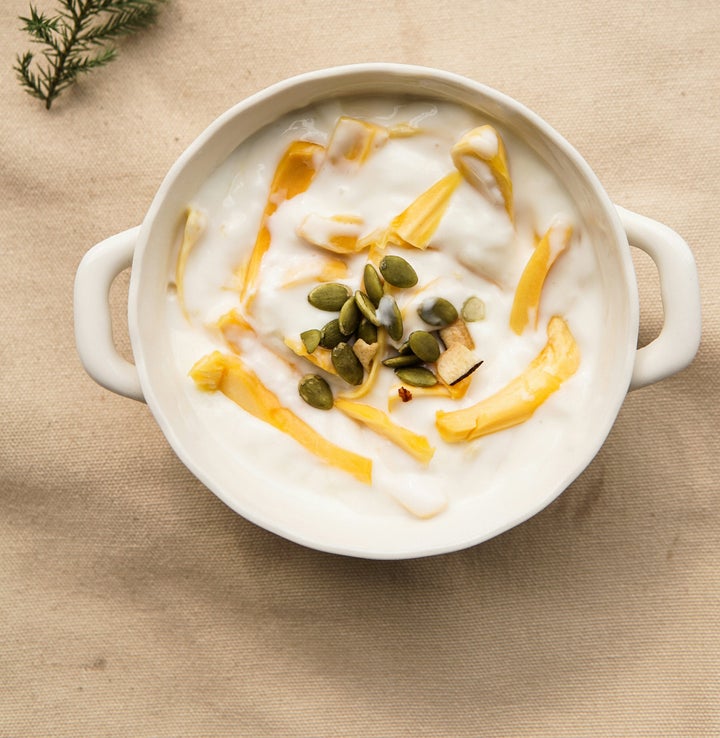
In his view, it’s important to offer red meat for iron, which he said is “the building block for dopamine” (ADHD may be linked to the dysfunction of dopamine); pumpkin seeds “for zinc and magnesium”; and plain Greek yoghurt for protein, which “can help maintain focus”.
We know fruit and veg is important generally for health – and it might be crucial for limiting ADHD symptom severity, too. One study suggested eating fewer fruits and veggies was associated with more severe ADHD symptoms. So, prioritising those five-a-day is (as always) key.
“Eating a balanced diet with plenty of protein, such as eggs, fish, yoghurt, beans and lentils; alongside vegetables, wholegrains, nuts and seeds is a good place to start,” said Dr Kripalani. “Oily fish is also a good source of omega-3.”
Oily fish, like salmon, mackerel, sardines and fresh tuna, can be an acquired taste at the best of times, so it might help to disguise these in fishcakes, homemade fish fingers or pasta dishes.
Pumpkin seeds could be ground and sprinkled on porridge or yoghurt, or mixed into pancake batter or homemade muffins.
Children with ADHD who struggle with impulsivity may be prone to binge-snacking on sugary foods which can increase blood sugar levels and worsen their ADHD symptoms. While it’s not really about cutting these out, moderation is key.
“There isn’t good evidence that everyone with ADHD needs to avoid sugar or particular foods. However, it’s important not to underestimate the importance of following a healthy diet,” said Dr Kripalani.
He ended: “Eating regularly and not relying too heavily on ultra-processed foods and sugary drinks is much more useful than following a restrictive ‘ADHD diet’.”
You must be logged in to post a comment Login