
Politics
Gillian Anderson Calls The Salt Path Controversy ‘Such A Betrayal’

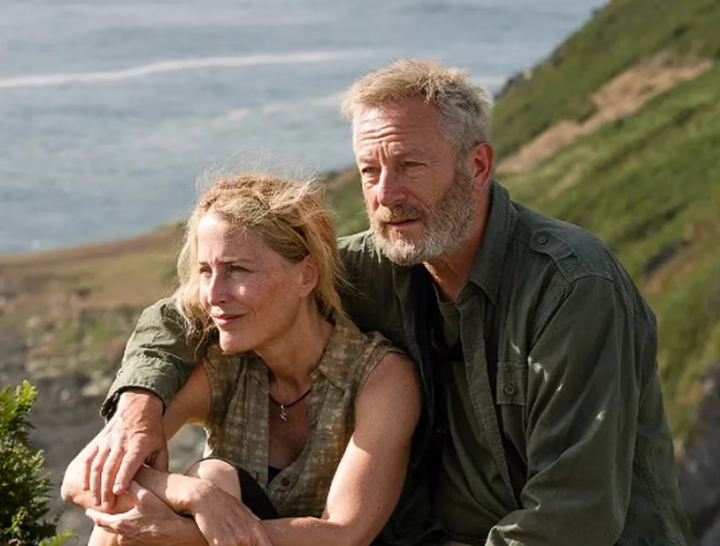
Gillian Anderson has opened up further about the controversy surrounding the source material her film The Salt Path.
In 2024, Anderson starred alongside The White Lotus’ Jason Isaacs in a big-screen adaptation of Raynor Winn’s book of the same name.
However, last year, Winn’s book – which was marketed as a memoir upon its release in 2018 – came under scrutiny after The Observer published a lengthy piece casting doubt on the legitimacy of some of the claims outlined within it.
“It was really disappointing, a huge letdown,” she told The Times of the debacle. “The story came out the week we were signing US distribution and Sony withdrew.”
She admitted: “We had been so surprised by its success: ‘What, really, this film about two old people going on a walk?’. It felt like such a betrayal because we’d spent time with [the Winns].”
Noting that she hasn’t heard from Winn since the Observer’s piece was published, Anderson added: “I was interested in the due diligence – like, how has it come to this? What degree of proof was there?
“They had told us that they couldn’t talk about [a previous] legal case because it was ongoing. Anyway. It was unfortunate.”

Last week, Anderson broke her silence on the controversy, telling Radio Times: “I think we were about to sign with Sony Classics [to distribute The Salt Path] for the United States the week when the article came out, so it sucked, and continues to suck.”
Around the same time, Isaacs also spoke about the thorny matter for the first time, insisting that he and Anderson had made a “beautiful film” and that “much of it is still completely valid”.
In Winn’s first book, she claimed that she and her husband Moth had walked the 600-mile length of the South West Coast Path after being made homeless.
She also wrote about Moth’s struggles with the neurodegenerative disease corticobasal degeneration (CBD), with which which he was diagnosed shortly before the couple lost their home.
The Observer’s original 2025 article raised questions about a number of parts in The Salt Path, including exactly what led to the couple being made homeless, and specific parts of Moth’s illness.
At the time, the writer’s legal team provided a statement to the outlet, which read: “The Salt Path lays bare the physical and spiritual journey Moth and I shared, an experience that transformed us completely and altered the course of our lives. This is the true story of our journey.”
The Telegraph also published a longer version of this statement, which added: “[The] Observer article is highly misleading. We are taking legal advice and won’t be making any further comment at this time.”


Donald Trump’s attitude towards the Nato and the Ukraine war has emboldened Russia with its growing threats towards the UK, according to a former Russian minister.
It comes after it emerged Ukraine is using British drones to hit targets within Russia, triggering a fresh warning from Russian delegates last night.
The Russian Embassy in London posted on X: “Seeking to contain Russia by proxy, the UK is acting as an accomplice and co-perpetrator of the bloody crimes and terrorist attacks committed by Ukrainian neo-Nazis.
“London’s actions will inevitably carry consequences for which it will have to answer.”
Andrei Federov, former deputy foreign minister of Russia, told BBC Radio 4’s Today programme that this was not necessarily an empty threat.
He said: “Nothing can be excluded from my personal point of view because there is confrontation which is now growing.
“Escalation in war in Ukraine will increase quite soon again, we have many problems linked to the situation in the Baltic Sea and the situation with a possible seizure of tankers carrying Russian oil, maybe even close to UK shores.”
He added: “There are a lot of people in the military community who are saying Russia can strike the UK and Nato will do nothing. Trump will not allow Nato to answer.”
Asked if he believed Nato would not intervene if the UK was attacked by Russia, Federov said: “Taking into consideration the current instability in Nato, problems within Nato, it’s quite possible that Nato will do nothing. Make a statement or use article 4, but not article 5.”
Article 4 allows any member state to formally request an emergency consultation if their territory is threatened.
Article 5 is the mutual defence clause whereby an attack on one member state is seen as an attack on all.
Federov said this speculation can all be linked back to Trump, who is “still the keeper of the keys to Nato”.
He acknowledged that the UK is a nuclear power and could retaliate itself, but noted that British government knows such a reaction would be a sensitive issue.
Vladimir Putin has consistently avoided being drawn into a war against Nato throughout his four year conflict with Ukraine.
But Federov warned that Ukraine’s increase in strikes within Russia and the use of drones produced in the UK have “raised concerns in the Kremlin” about the impact on the economy.
He said: “It’s very easy sometimes in Moscow to interpret such kind of strikes that the UK is part of the war, and that Russia has the full right to strike the country which is supporting Ukraine.”
“The situation now is very dangerous, because the tension of conflict in Ukraine really is increasing,” the former minister warned. “The coming couple of months will face this tension, this escalation which can bring us to totally different situation unlike ever before.”
Minister Lilian Greenwood later told Times Radio that the UK “won’t be bullied” by these threats from Russia.
She said: “Well, our message back to the Russians is that we stand with Ukraine. We’ve stood with Ukraine throughout this time when the Russian illegal invasion. We will continue to do so. We won’t be bullied in this way.”
Listen to Commons People, the podcast that makes politics easy. Every week, Kevin Schofield and Kate Nicholson unpack the week’s biggest stories to keep you informed. Join us for straightforward analysis of what’s going on at Westminster.
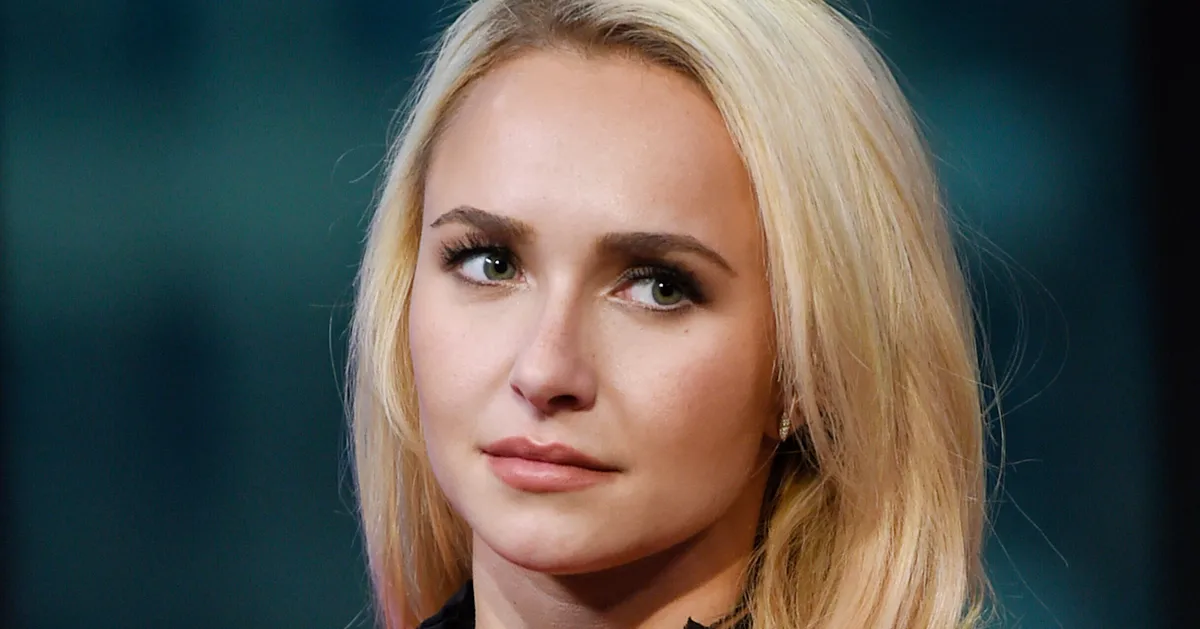
An autopsy indicated “no signs of trauma” that could have contributed to the death of actor Hayden Panettiere, the coroner’s office in Greenville, South Carolina has said.
The Heroes, Nashville and Scream star died over the weekend at the age of 36, with police subsequently confirming that a police investigation was underway.
In a statement released on Monday evening, the Greenville County Coroner’s Office said (as reported by BBC News): “An autopsy was completed today. At autopsy no signs of trauma were discovered that would have contributed to the death.”
They added: “The cause and manner of death remain pending further investigation and the completion of additional studies.”
Greenville Police previously said that they’d been called to an apartment block in the South Carolina city on Sunday night, after an “acquaintance” of the Golden Globe nominee contacted emergency services.
“Upon arrival, medical assistance was administered; however, the individual, later identified as Hayden Panettiere, was pronounced deceased at the scene,” a spokesperson explained.
The statement continued: “The case is under investigation by the Greenville Police Department in conjunction with the Greenville County Coroner’s Office. The preliminary investigation has not indicated any signs of foul play or suspicious circumstances.”
Hayden began her acting career at the age of five, appearing in numerous US daytime soaps before landing recurring roles in shows like Malcolm In The Middle and Ally McBeal, as well as voice work in Disney’s A Bug’s Life and Dinosaur, and the Kingdom Hearts video game series.
She was twice nominated for a Golden Globe for her supporting performance in the musical drama Nashville, in which she played aspiring singer Juliette Barnes.
Following the news of Hayden’s death, many of her famous friends and former colleagues have been paying their respects on social media, including Oscar winner Viola Davis, who remembered her as an “amazing talent”.
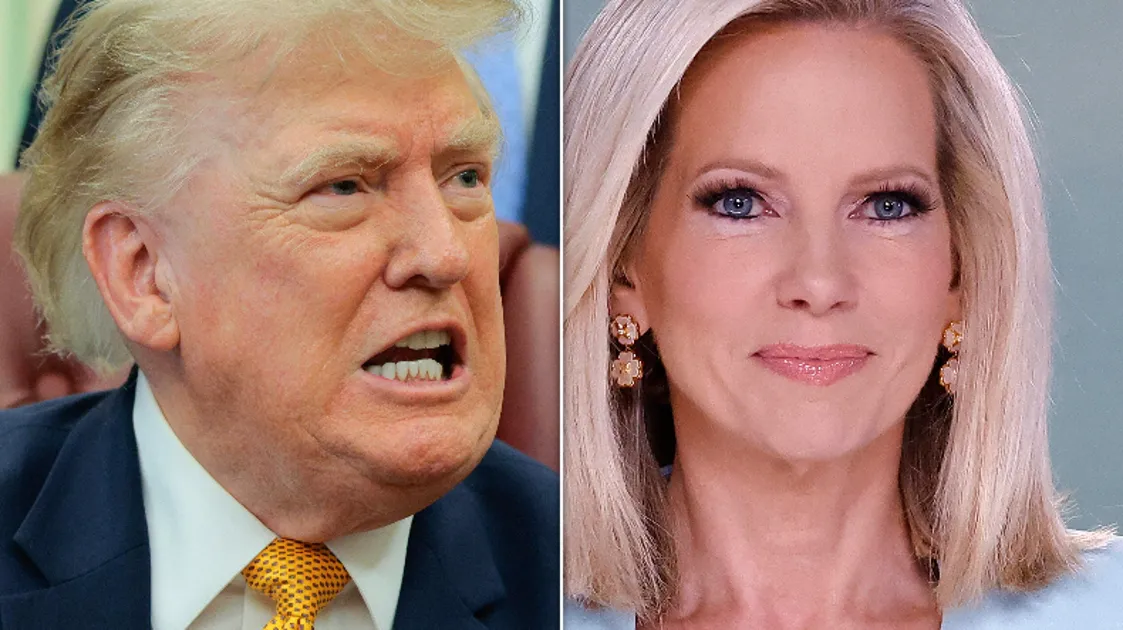
Donald Trump trained his fury on Fox News’ Shannon Bream this weekend, accusing her of bias against himself and his MAGA movement and slamming her Fox News Sunday show as “beyond redemption.”
The president flipped out at the anchor in two lengthy posts on his Truth Social platform after she challenged Attorney General Todd Blanche during an on-air interview about the so-called anti-weaponization fund, the controversial construction of the White House ballroom and more.
In Trump’s first post, he called Bream “milktoast,” presumably meaning to write “milquetoast” or spineless. He also slammed Fox News for showing polling results that don’t favour him, calling them “Fake.”
Trump fumed in a second post that watching Bream “is always like watching the Worst of Fake News CNN.”
He wrote, “I don’t know Shannon, but she always seems to pick guests, charts, and ‘polls’ that are negative,” later claiming she never talks “about all of the incredible things that the Trump Administration has done,” before listing his perceived victories.
Bream has not responded to the attacks.

Natalie Harp has managed to escape much public scrutiny even as she stands, day after day, in the shadow of one of the most heavily scrutinised individuals on Planet Earth, US President Donald Trump.
Harp, one of Trump’s very closest aides, was the target of a pointed barb from Sen. Jon Ossoff (D-Ga.) on Sunday, when the senator told a large crowd that Trump “doesn’t want to do the job” of president, as evidenced by his golf habits, the mess he’s made in Iran and his continuing habit of appearing to fall asleep in meetings.
“He wants to build his ballroom and travel with Natalie on their apparently defenceless flying palace gifted by the emir of Qatar,” Ossoff said.
Just days earlier, a series of bombshell reports revealed that the US Secret Service had spirited the 80-year-old president away from a conference in Turkey aboard a secret aircraft, leaving top Cabinet members and the entire White House press corps to ride home on the craft usually designated Air Force One because that plane was at risk of being shot down by Iran.
Who was reportedly brought inside this international caper? Just three aides — including Harp. Not even Secretary of State Marco Rubio, seen as a potential successor to the MAGA movement, was with the president.
In short: a California-born, homeschooled Christian ex-TV host who adores — adores — Donald Trump.
She is young, in her mid-30s. The Daily Beast reported that she celebrated her 35th birthday on Aug. 8, although HuffPost was unable to immediately confirm that.
Her path to Trump’s inner circle included stops at Fox News, the 2020 Republican National Convention and the One America News Network before ascending to the White House, where she follows Trump around minding his Truth Social account and printing out glowing articles about him for him to read.
She is, in essence, a one-woman presidential cheerleading squad.
A Creature Of The Right-Wing News Ecosphere
In 2019, Harp appeared on Fox News to praise Trump for supporting the Right to Try Act, which she said had allowed her to try experimental medical treatments for bone cancer. The following year, she stood at a podium on an empty pandemic-era stage to say to Trump: “I wouldn’t be alive today if it wasn’t for you.” (Experts consulted by The Washington Post doubt that is true.)

AARON SCHWARTZ via Getty Images
Harp then spent a couple years hosting an OANN show with her name on it before she joined Trump’s campaign in 2022, according to political columnist Michael Wolff, who wrote in his 2025 book All Or Nothing that Harp was eventually considered “a potential danger to herself as well as to the president” due to the security risk she presented. No one, however, apparently wanted to be the one to have that uncomfortable conversation with him, as Trump has always prized loyalty in his staff.
Harp once wrote Trump a “series of devotional letters,” The New York Times’ Maggie Haberman and Jonathan Swan revealed in a 2024 report.
“You are all that matters to me,” she reportedly wrote in one letter to her boss. In another, “I want to bring you joy.” One missive thanked Trump for being her “Guardian and Protector in this Life.”
The letters apparently alarmed even Susie Wiles, now Trump’s ever-composed chief of staff, Haberman and Swan noted in Regime Change: Inside The Imperial Presidency Of Donald Trump.
(Wolff addressed speculation that Harp’s relationship with Trump, a notorious cheat, may have gone beyond just work, but he concluded that the president was “post-sex,” having replaced it with politics. Which may be worse.)
The New York Times duo gave Harp a small supporting role in their book, describing her as a frequent presence in the Oval Office, on hand to “gush with delight” at whatever Trump’s latest gilded addition to the historic office walls turned out to be.

AP Photo/Mark Schiefelbein
The portable printer Harp carries has inspired some in Trump’s orbit to refer to her as the “Human Printer” — although Maggie Haberman says she is more like a human comfort blanket, or Trump’s “binkie.”
At another point in Regime Change, Harp is showered with praise after Trump directs her to get “the real numbers” on tariffs imposed by India and China on the United States, as he did not trust the ones being provided to him by his own commerce secretary.
As Haberman and Swan wrote:
“Natalie, give me the real numbers. Do your Google, do your computer thing, and get me the real numbers.” … Trump had taken to telling his staff that Natalie (or “Nathalie,” as he would call her, using a French pronunciation) was the only one who loved him as much as his wife and kids. “All of you will go off and make money,” he would say. “She’ll never leave me.” … Harp, despite her best efforts, was not finding the numbers that didn’t exist.
A quick search through newswire image databases shows Harp hovering in the background of Trump’s second presidency — exiting Air Force One, smiling alongside Trump’s children, standing at attention in the Oval Office. During the last campaign, when Trump was being tried for fraud in New York City, Harp was there.
Earlier this month, she reportedly spent her birthday with him at his Bedminster, New Jersey, golf course.
Her brother has called her relationship with Trump “very unhealthy.”

MANDEL NGAN via Getty Images
“She’s just like his fan club,” Preston Harp, 38, told the Daily Mail earlier this summer. The older Harp said he has been estranged from his sister and his mother, Jill Harp, after the 2020 death of Robert Harp, the siblings’ father, who, like Trump, was a real estate businessman.
The siblings were homeschooled together in their childhood, Preston Harp said.
“The focus for my mom’s kind of Christianity just really seemed about preaching about hellfire,” Harp told the Mail, adding: “Natalie just kind of followed my mom.”
A Touchy White House Subject
Ossoff’s focus on Harp appears to have hit a nerve at the White House.
Communications director Steven Cheung lobbed a crude nickname Ossoff’s way in a social media post on Monday.
“Jon Jackoff has to be the biggest cuck loser in politics,” he wrote. “Instead of denigrating hard working people serving their country, Jon should look deep into his soul and ask himself why he’s a miserable person who hates this country. It’s because he’s a radical, extremist Dumocrat.”
Trump himself demurred when asked about Ossoff’s remarks.
“You mean Pee-wee Herman? Pee-wee Herman look-a-like?” he said of the senator, going on to pat himself on the back for his White House renovation work.
Correction: A previous version of this story incorrectly stated that White House press secretary Karoline Leavitt had been left to fly home on Air Force One. She was not in Turkey.
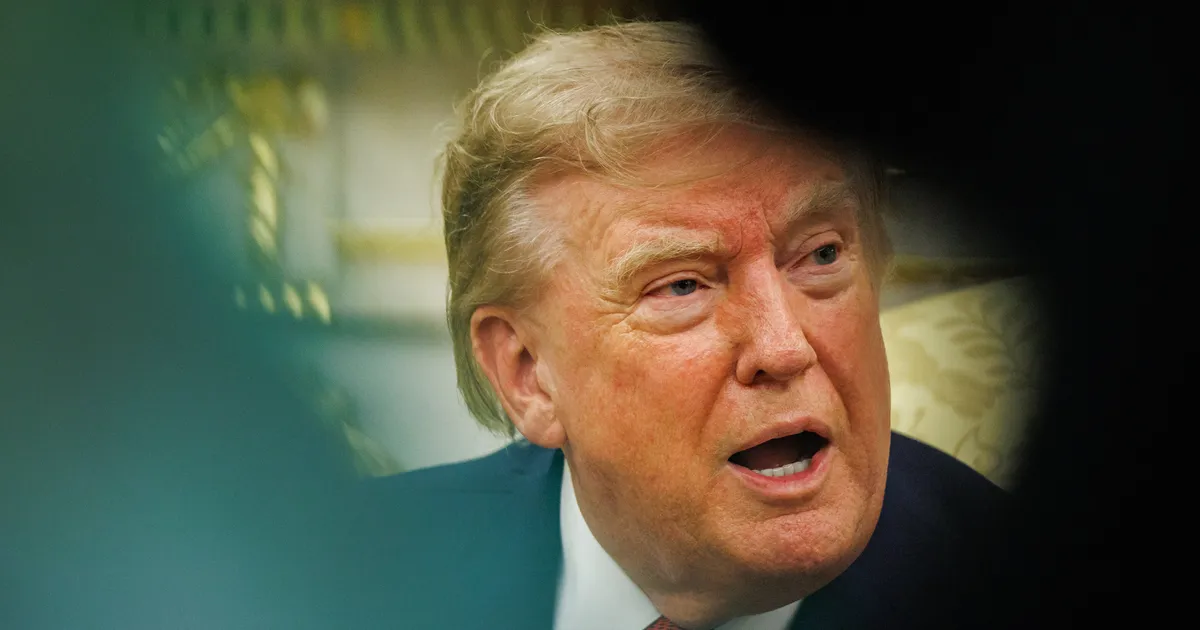
President Donald Trump lashed out CNN’s Kristen Holmes on Monday after she attempted to ask about North Korean dictator Kim Jong Un and whether Trump canceled a joint US-South Korea military exercise at his request.
“Did [Kim Jong Un] ask you to scale back on those?” she asked.
Instead of answering the question, Trump pointed a finger at her: “Quiet! Quiet! Quiet! Quiet!”
“You’re very disrespectful in front of this young man,” Trump said, turning to a boy who was seated on the couch for an unrelated Oval Office meet-and-greet. “Don’t you find her disrespectful?” he asked the boy, laughing to himself.
Trump then asked what outlet Holmes was with and fell back on his old standby of yelling “fake news” after learning the answer was CNN.
“I just want to follow up on the South Korea question,” she persisted.
“FAKE NEWS,” he yelled back. “YOU’RE FAKE NEWS. You’re loud. You’re a loud, boisterous person; you’re fake news.”
Undeterred, Holmes asked again: “I’m trying to find out if you have been talking to Kim Jong Un and if he asked you…”
Trump again cut her off: “Be quiet. Be quiet. Be quiet. You’re a fake reporter. And you report fake news.”
Following the president’s Oval Office outburst, a social media account associated with the White House doubled down on attacking Holmes hours later. It called her a “disgraceful, humiliating embarrassment to her alleged profession.”
Avoiding the question of North Korea entirely, the account seemingly blamed Holmes for an earlier “cheap shot” question about Trump’s close relationship with aide Natalie Harp, which Sen. Jon Ossoff (D-Ga.) had publicly questioned over the weekend.
(In the meantime, White House Communications Director Steven Cheung responded to Ossoff’s criticism by calling him a “cuck loser.”)
Holmes was attacked a third time in a follow-up White House post:
“Someday, your children will come across your disgusting and inhumane question,” read the post. “They will be sickened and embarrassed to have a parent be so callous and vindictive. It’s quite troubling.”
CNN responded to the attacks by affirming its support for Holmes in a public statement:
Kristen Holmes is one of the most respected and accomplished journalists covering the White House. This afternoon, she did her job and asked the President of the United States a tough, relevant, and newsworthy question on behalf of the American people. Public officials are free to challenge reporting they disagree with, but personal attacks on journalists for asking questions are beneath the office and inconsistent with the principles of a free press. We stand firmly behind Kristen and reject these attacks in the strongest possible terms.
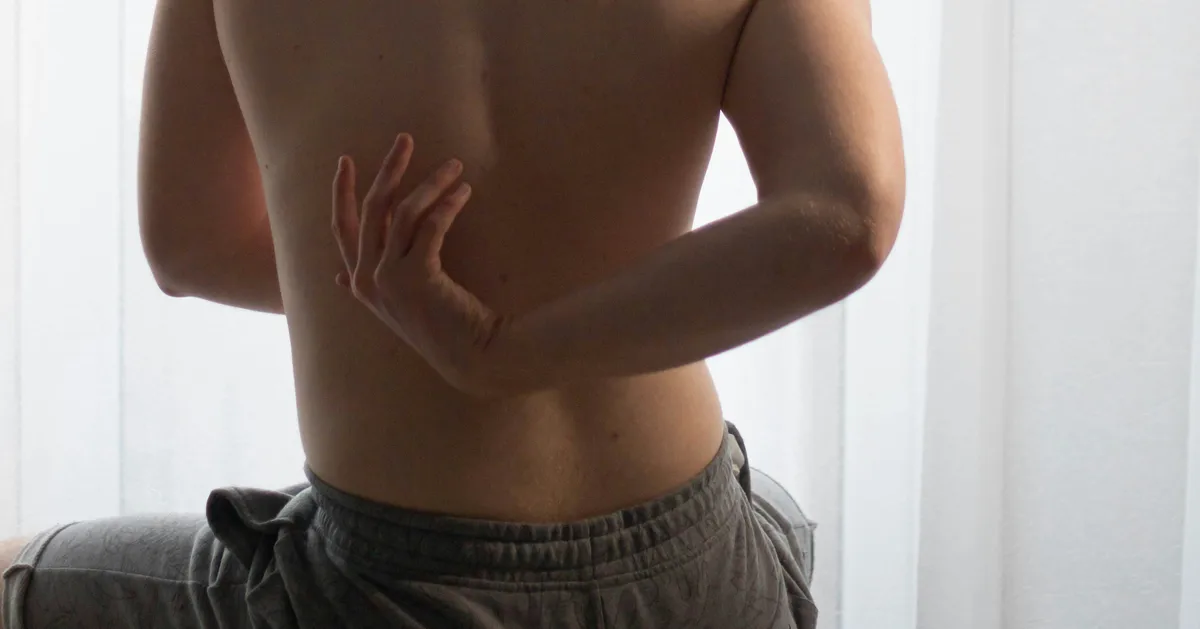
Around one in 30 people are thought to be hypermobile, meaning their joints can bend beyond the typical range of movement.
The Hypermobility Syndromes Assocation notes that the issue is more common in women and children, and people of Afro-Caribbean and Asian descent.
While there are certainly some benefits to this level of flexibility, people with hypermobility might also experience prolonged periods of fatigue, joint and muscle pain, as well as being prone to sprains, strains and dislocations.
Back pain, in particular, can be troublesome for those with hypermobility, which can impact their quality of life and make everyday activities difficult.
Back pain is common for people with hypermobility
Dr Dani Gordon, founder and medical director for The London Resilience Clinic, told HuffPost UK that back pain is one of the most common types of pain in people who present with clinical symptoms of hypermobility.
It is “almost always” an issue in those who have hypermobile Ehlers-Danlos syndrome (hEDS) or hypermobility spectrum disorder (HSD), she added.
There are a few reasons why this pain can occur – and Dr Gordon noted the type of pain can vary. You might suffer nerve, joint, fascial and/or muscle pain.
“When you are hypermobile, it is more common to have a weaker deep core, which is involved with helping support the back,” explained Dr Gordon.
“At the same time, the postural muscles tend to be locked in place or in spasm, due to needing to constantly contract to keep the hypermobile joints from moving about. This creates reactive muscular pain.”
It can also impact the joints, which are “often more wobbly or lax”. The ligaments around the spine can become impacted, “which can contribute to earlier than average degenerative disc disease, due to wear and tear, over time”, she said.
Sitting down all day, particularly with poor posture, “is one of the most common things that makes back pain worse in hypermobility”, said Dr Gordon. She advises changing positions often and doing one or two minutes of “micromovement exercises” at the beginning of the day and lunchtime, with walking breaks every few hours, to help prevent the issue.
Relieving back pain when you have hypermobility
If you’re struggling with back pain, it’s important to seek medical advice – either reach out to your GP or book directly with a physiotherapist who can tailor advice and exercise to your individual needs.
Dr Gordon noted that one of the best ways to help back pain in the long run is through exercises to build muscle and support the spine – from small micromovement exercises to gentle laying and sitting exercises.
According to Jason Parry, a physiotherapist at University College London Hospital and The Hypermobility Unit, Pilates and yoga can also be beneficial for hypermobile individuals, but he warns against overstretching into hyperextended positions. T’ai Chi, wobble board and gym ball activities can also help increase balance and stability.
The NHS advises gentle exercise for people with hypermobility, particularly low-impact activities like swimming or cycling.
It also encourages people with this issue to maintain a healthy weight, wear supportive shoes and opt for special insoles if a podiatrist has recommended them.
If burning or tingling type pain is involved, Dr Gordon urges patients to request an MRI imaging test to see whether there are disc issues at play.
Investing in an ergonomic chair (or requesting one at work) which moves with the pelvis when you tilt up or back might also help relieve strain throughout the day, she added.
Lastly, the NHS advised painkillers like paracetamol and ibuprofen can also help to ease any joint pain and stiffness, as can warm baths, hot water bottles and heat-rub cream. (If your pain is severe, speak to a pharmacist who may be able to offer something stronger.)
Dr Gordon concluded: “When pain is so bad that it is preventing someone from doing the exercises they need to do to get better, I also use low dose cannabinoid medicines to help with muscle relaxation and central pain.”
The post An alarming insight into the warped priorities of the British state appeared first on spiked.
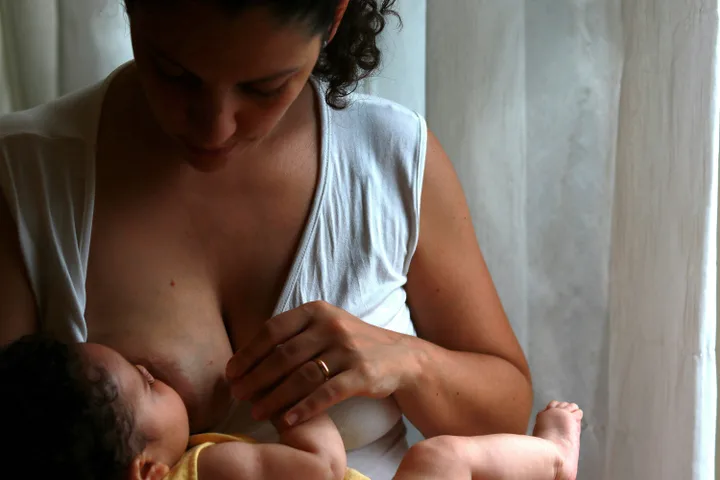
The first year after a baby is born can be a complete blur for new parents – I’ve been there twice, and I feel like I was delirious for about 90% of it.
Between the sleep deprivation, the constant state of high alert and the mental and physical recovery, it’s really no wonder so many new parents feel so exhausted.
Those who choose to breastfeed might also notice this makes them feel more wiped – even after months of milk production. (I breastfed for two years and felt just as exhausted by year two than I did earlier on in my journey.)
Google searches for “does breastfeeding make you tired?” have gone up by more than 5,000% recently, according to analysis by Proceive Breastfeeding. The answer is certainly, yes. But why?
Why does breastfeeding make you SO tired?
Well, there are several reasons.
Dr Nikki Ramskill, a GP verified on the healthcare review platform Doctify, and founder of The Female Health Doctor Clinic, told HuffPost UK: “Firstly, your body is doing a huge amount of work behind the scenes. Prolactin, the hormone responsible for milk production, naturally has a calming, sleepy effect, and levels rise overnight.
“Producing breast milk also requires extra energy, roughly 300-500 calories a day, at a time when your body is still recovering from pregnancy and birth.”
Broken sleep will also play a part. “It’s not always about how many hours you’re getting in total. If you’re waking every couple of hours to feed, you’re repeatedly being pulled out of the deeper, restorative stages of sleep,” Dr Ramskill explained.
“You can technically have had six or seven hours of sleep across a night and still wake up feeling absolutely shattered.”

There’s the nutrient loss to consider, too. Registered nutritionist Charlotte Grand, who works with Proceive, said: “The mother’s body prioritises the baby above all else. Breastfeeding actively draws critical micronutrients, including B vitamins, vitamin D, zinc, and iron, directly from the mother’s tissue stores to ensure the milk is perfectly balanced.
“Because this continuous nutrient loss drains her internal reserves, it can quickly lead to systemic depletion and profound fatigue if those vitamins are not actively replenished.”
And as if all of that wasn’t enough, there’s another factor that can be fuelling breastfeeding fatigue over the summer – and that’s the hot weather. In Japan, summer exhaustion has an actual name: “natsubate”.
“During a heatwave, your body has to work much harder to keep your core temperature in a safe range,” Dr Ginni Mansberg, a GP and co-founder of ESK, previously told us. “That means diverting blood to the skin, increasing sweating and making your heart work a little harder.”
When it’s hot, you’re at risk of dehydration – and breastfeeding increases your fluid requirements, so it becomes even easier to become dehydrated. Dr Ramskill noted even mild dehydration can leave you feeling tired, headachy and generally wiped out.
What can I do about it?
Thankfully, there are a few ways to help try and ease the feeling of fatigue.
Dr Ramskill suggested keeping a bottle of water next to you every time you feed, and making sure you’re eating enough. “I’d favour small, regular meals or snacks containing protein and iron rather than trying to keep yourself functioning on caffeine and sugary snacks,” she added.
Grand recommended also introducing a supplement to replace the micronutrients being depleted. (Proceive offer one, as do brands like Vitabiotics and Wild Nutrition).
She also urges mums to “honour the prolactin window”. Explaining this further, she said: “Since prolactin naturally induces drowsiness during a feed, mothers should try to align their rest with the baby’s schedule where possible. Even a 20-minute resting block immediately following a morning feed can help reset the nervous system.”
Don’t assume extreme tiredness is caused by breastfeeding
“Postpartum blood loss, combined with the iron demands of breastfeeding, makes subclinical iron deficiency a major driver of fatigue,” said Grand, who advised incorporating iron-rich foods (like lean meats, lentils, and leafy greens) alongside vitamin C (which optimises iron absorption).
Dr Ramskill agrees, noting that iron deficiency and anaemia are “incredibly common” after pregnancy, particularly in those who lost a significant amount of blood during birth.
Signs of iron deficiency anaemia can include: tiredness, lack of energy, shortness of breath, heart palpitations, looking paler than usual and headaches.
“B12, vitamin D and thyroid function are also worth considering if the exhaustion feels excessive or simply isn’t improving,” the GP added.
“Postpartum thyroid problems, for example, can easily be mistaken for the normal tiredness and upheaval of having a new baby.”
Most new mums are going to be tired – but that doesn’t mean it should be ignored. Don’t be afraid to ask your support network for help with feeds or taking the baby so you can get some rest.
And if the tiredness feels overwhelming, is getting worse rather than better, or doesn’t improve at all when you do manage to rest, speak to your GP.
“Symptoms such as breathlessness, dizziness, palpitations, significant weight changes, feeling unusually hot or cold, or heavy or prolonged bleeding are also worth investigating,” claimed Dr Ramskill.
“And I’d pay particular attention to mental health. Persistent low mood, anxiety, intrusive thoughts or feeling unable to cope shouldn’t simply be put down to being a tired new mum.”
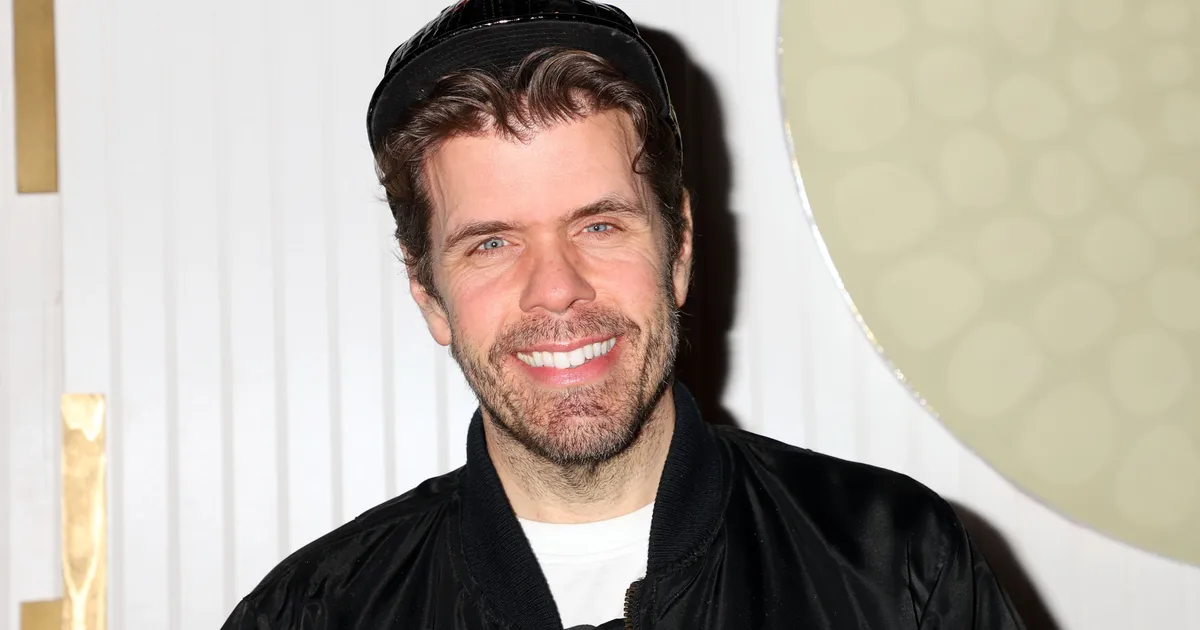
Perez Hilton is receiving inpatient treatment two weeks after he was hospitalised following a mental health episode in which he appeared to self-harm during a TikTok livestream.
On Sunday evening, a fresh update was posted on Perez’s blog, attributed to his family, in which they said: “To everyone who has reached out, checked in, and kept Perez and our family in your thoughts, THANK YOU!
“At this time, Perez remains hospitalised and is receiving the medical care he needs. His treatment is continuing in an inpatient setting under the care of a dedicated team of medical and mental health professionals.”
They also shared that Perez’s team will begin updating his celebrity blog from this week onwards while he continues his recovery.
“For now, Perez’s health remains the priority as his team keeps the site active and moving forward,” they added.
Earlier this month, police officers were called to Perez’s home in Miami in the wake of a TikTok livestream in which he was apparently seen self-harming.
The former Celebrity Big Brother housemate – whose legal name is Mario Lavandeira – was subsequently taken to a nearby hospital for medical attention.
“Perez’s condition remains serious but stable,” his family said last week. “He experienced significant blood loss and sustained additional injuries that will require surgery in the coming days.
“His treatment and recovery will be a long process. We are grateful that Perez was able to spend time with his mother and sister yesterday.
“As our family remains focused on Perez’s treatment and recovery, we also need the space and privacy to care for everyone affected by this situation.”
Before that, the family had said their “highest priority” was helping Perez’s children – aged 13, 11 and eight – “begin to heal from what they experienced” following the episode.
They noted that his children, niece and sister had all been at Perez’s home before the livestream got underway, but “immediately fled to protect the children from witnessing any further trauma” when it “became clear that Perez was experiencing a severe mental health crisis and harming himself”.

4 min read
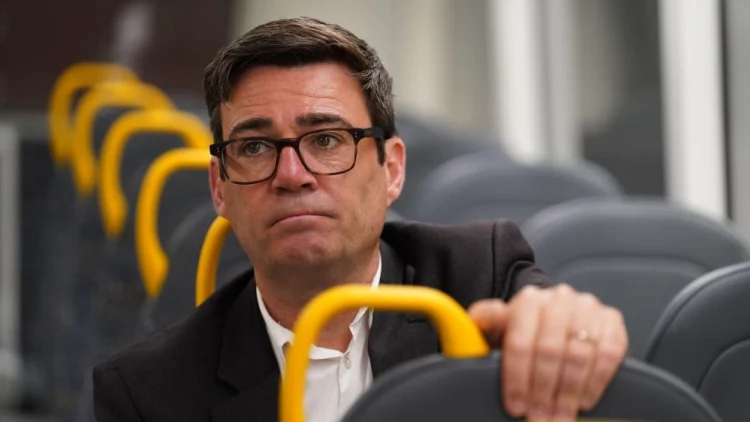
Andy Burnham is right to say that this is the last chance for the government to show it can deliver. That’s why he needs to be bolder.
British politicians have long complained that the levers of government are jammed. They pull the lever, but nothing happens. If Andy Burnham’s new government is going to prove that the state can still deliver, he must stop tinkering around the edges and introduce a bold sweep of policies to rebuild the public’s trust in the social contract between government and citizens.
Looking at the broad themes he has chosen to act on, he has certainly identified the pressure points correctly. Transport fares, especially buses, which are used by half the country, are a real driver of the cost of living.
At the same time, big, unsolved problems hanging over society and left over from previous failures, like youth unemployment, a stagnant housing market, rough sleeping, and social care, are brave and worthy targets for action.
However, Burnham needs to spark a new conversation in every living room across the country, and unfortunately his announcements so far have lacked ambition.
The £2 bus fare cap is a prime example of this. Instead, he should have started with free buses for all, nationwide, paid for by increasing Air Passenger Duty (APD). According to the modelling we conducted for the Prosperity 2030 report, a fully costed reform programme by the UCL Institute for Global Prosperity, adding an average of £26 to European flights would generate £8bn a year. That is enough to make buses free for everyone.
The mechanics are already in place. APD can be increased without primary legislation, and August’s nationwide discounted bus fares scheme proves the government can coordinate to compensate bus providers instantly. The benefits would fall squarely on lower-income households most reliant on buses, while 69 per cent of the costs are borne by upper-income households taking frequent overseas flights.
Furthermore, if the slight increase in flight costs encourages just one in ten travellers to holiday in the UK instead, it could generate £1.3bn in VAT, a win for domestic tourism. More importantly, it establishes a powerful principle that bold reform is achievable and can happen immediately, rebuilding the social contract between government and citizens. You get free everyday transport to work, hospital or the high street in exchange for a slightly more expensive holiday abroad. It is a trade most people can understand, and it clearly signals this government’s priorities for both people and the planet.
But free buses are only the vanguard of what must be a broader, more profound transformation of the British state. Once the public sees that the government can deliver tangible benefits in exchange for fair contributions, Burnham will have the political capital to sequence sweeping reforms across his premiership with one eye on the next general election.
Beyond the immediate introduction of free buses, the Prosperity 2030 framework also contains 30 other policies designed to be fiscally neutral over a parliament to lower the cost of living, while creating 547,000 net new jobs. It shows that carefully sequenced policies can achieve widespread structural change for the UK.
Inspired by the NHS principles of unconditional access, we propose creating ten new Universal Services across transport, energy, water and local services. The underlying logic is that the state can leverage collective provision to deliver more value, particularly for things everyone needs to drive down the cost of living.
The PM could also generate widespread support for introducing a 1 per cent annual tax on property value, replacing Council Tax (frozen since 1991) and abolishing Stamp Duty, which suppresses housing mobility. It could be phased over three years and includes deferral provisions so no one is forced to move.
Burnham has rightly called this the “last chance” to demonstrate that government can work. He has identified the right pressure points, but sequence is everything. He must earn credibility, permission, and efficacy in rapid succession.
If the new administration wants to turn its promises into reality in the short time it has available, it must be brave enough to ask something of us. Start with the buses. Let the country see that when we chip in together, the levers of government still work.
Andrew Percy is co-chair of the Social Prosperity Network at UCL’s Institute for Global Prosperity

2026 FedEx St. Jude Championship money: Total purse, payout breakdown, winner’s share

South Korea leader stresses US alliance in face of Trump order to cut exercises

The Biggest Challenges Growing Companies Face


-

 Fashion4 days ago
Weekend Open Thread: Ann Taylor
-
 NewsBeat6 days ago
Communication cards help banking customers access services or report scams
-
 Sports4 days ago
This U.S. Amateur is a glimpse into golf’s future in more ways than you think
-
 NewsBeat3 days ago
Myanmar says over 300,000 Rohingya refugees verified for repatriation as exodus enters ninth year
-

 Sports3 days ago
Birmingham 2026: Day 6 Timetable for Irish Athletes
-

 Politics3 days ago
SEQ Code: The Three Letter Boarding Pass Code That Could Give You The Worst Seat
-
 Entertainment6 days ago
Keke Palmer Subtly Hints At Sean Evans Drama With Cryptic Post
-
 Fashion7 days ago
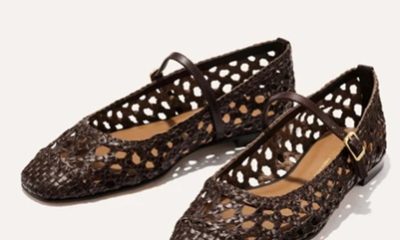
Coffee Break: The Fonteyn Jane Flat
-

 Tech7 days ago
Zoom Screen-Sharing Bug Let People Fully Take Over Other Devices On A Call
-

 Tech4 days ago
11 Ways to Rank Your Videos
-
 Fashion7 days ago
Should you refinance your debt? Pros, cons, and real numbers
-

 Fashion7 days ago
Claire Life: Kicking Off MVAAFF With the C Suite Luncheon Featuring Phylicia Rashad, Letoya Luckett, and More!
-
 Crypto World6 days ago
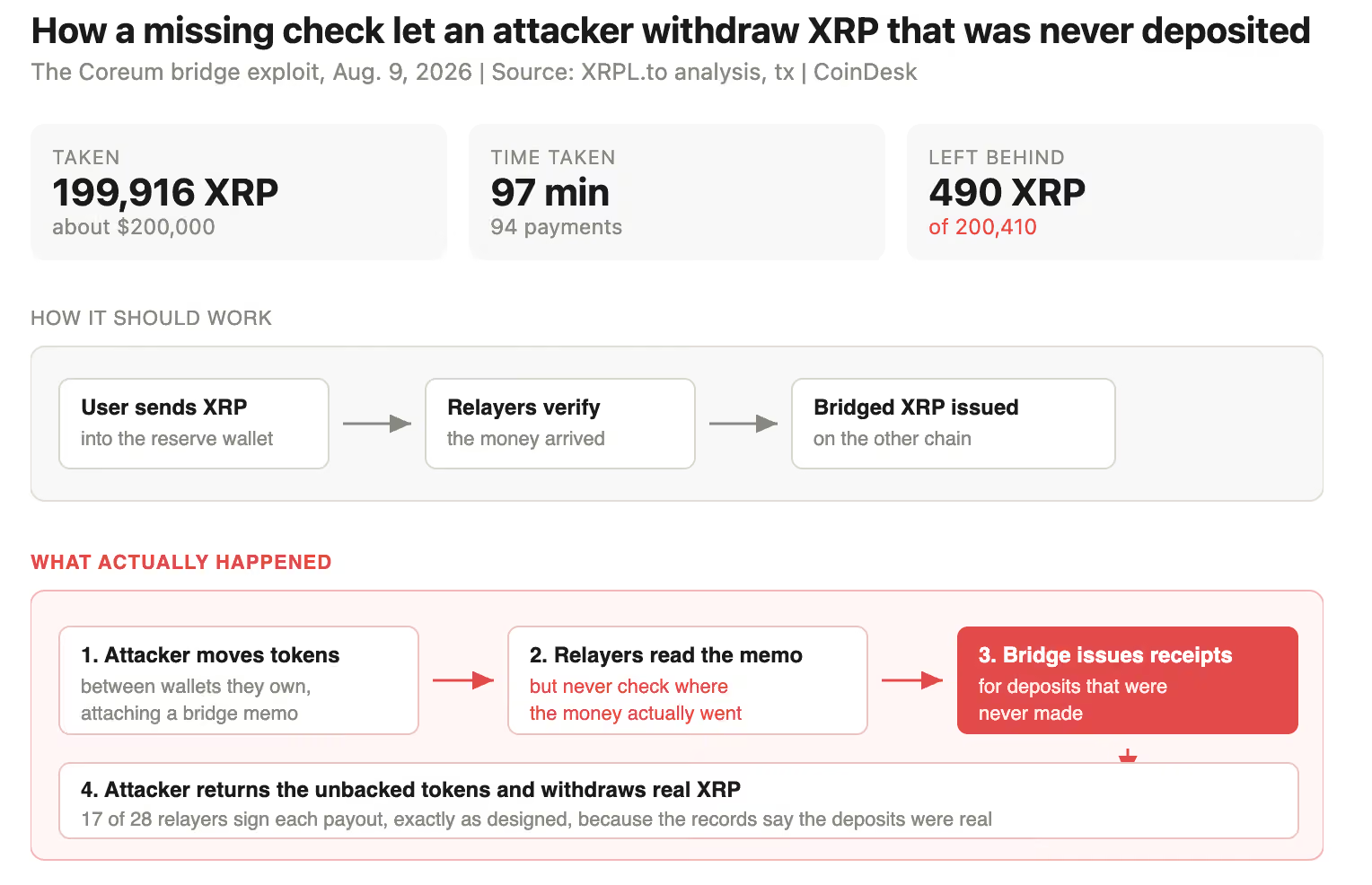
XRP bridge drained after software mistook fake deposits for real ones
-
 Sports6 days ago
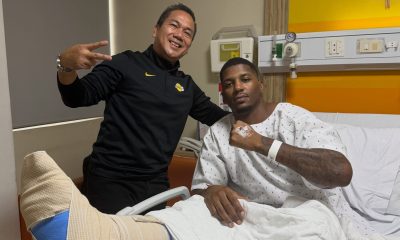
DeQuan Jones in ‘high spirits’ after successful leg surgery
-
 Entertainment7 days ago
Star Wars Officially Continues ‘The Last Jedi’ With a New Spin-Off
-
 Tech5 days ago
DeepSeek Harness launches as open source rival to Claude Code, alongside V4-Pro on API with higher prices
-
 Crypto World6 days ago
Perplexity AI Predicts an XRP Scenario Few Analysts Are Discussing
-

 Politics7 days ago
In the Chris Kaba case, the police watchdog capitulated to the mob
-
 Tech6 days ago
SpaceXAI’s Grok Bot turns agents into persistent digital coworkers that can operate your apps for $120-per-month
-
 NewsBeat6 days ago
‘Regret is a major theme of my work’: Matt Haig on finding acceptance
You must be logged in to post a comment Login