Politics
How the needs explosion is destroying education’


Image by: PA Images / Alamy


3 min read
Dave Clements has written a lucid examination of the impact of unnecessary SEND diagnoses on both children and the education system
Dave Clements’ book is lucid, well-informed and honest, highlighting a plethora of problems in the SEND system that many in education are reluctant to acknowledge. It is also is a deep cry of parental pain: the author has skin in the game.
As he lays out, the recent explosion in SEND is not about physical disability or cognitive impairment. Instead it is overwhelmingly about children like Clements’s son, diagnosed with one or more conditions of autism, ADHD and other disorders linked to behavioural problems.
Clements shows that some (not all) of this come from overdiagnosis. He does not mention the highly influential 2013 American DSM-5 definition of autism, which lowered the diagnostic bar substantially. One participating psychiatrist has apologised for his part, saying the wider definition is contributing to “massive, careless over-diagnosis of autism”. The book discusses how unnecessary diagnoses can affect children, reducing their agency and self-belief as well as lowering others’ expectations of them. And it recognises the problems when services are overwhelmed by demand from children who may not need or benefit from them, at the expense of those who really do need them.
It is easier for the state to be kind than to be honest
He bravely tackles parenting: some children’s very real problems may not be intrinsic to the child but about poor parenting, without the boundaries and certainties that children need to develop healthily. But our reluctance to stigmatise makes it easier to label children without naming the likely cause.
And equally bravely, he tackles the perverse incentives in the education, benefits and welfare systems. A SEND label can unlock extra help at school and other accommodations and dispensations: a reader and scribe and extra time for tests and exams, and may entitle the family to extra benefits. A rational parent will fight to keep this even if a child no longer needs the package.
Clements describes the burdens this creates for schools, but omits the evidential gap: we know little about what (beyond coherent and well-sequenced curriculum, well taught in an orderly classroom) is effective for different types of SEND, and almost nothing about what represents good value to the public purse – there is no NICE for SEND.

The tragedy is that the current system was created with good intentions, by governments of all colours. Statutory entitlements for SEND (and social care) were never expected to bankrupt local authorities and starve them of resources for other functions. But even bad law is difficult to unpick. The current government has already essentially ducked with its SEND white paper, which will create more workload in schools and, probably, more dissatisfied parents believing their children are being short-changed. Time to think again.
Baroness Spielman: Conservative peer and former Ofsted chief inspector
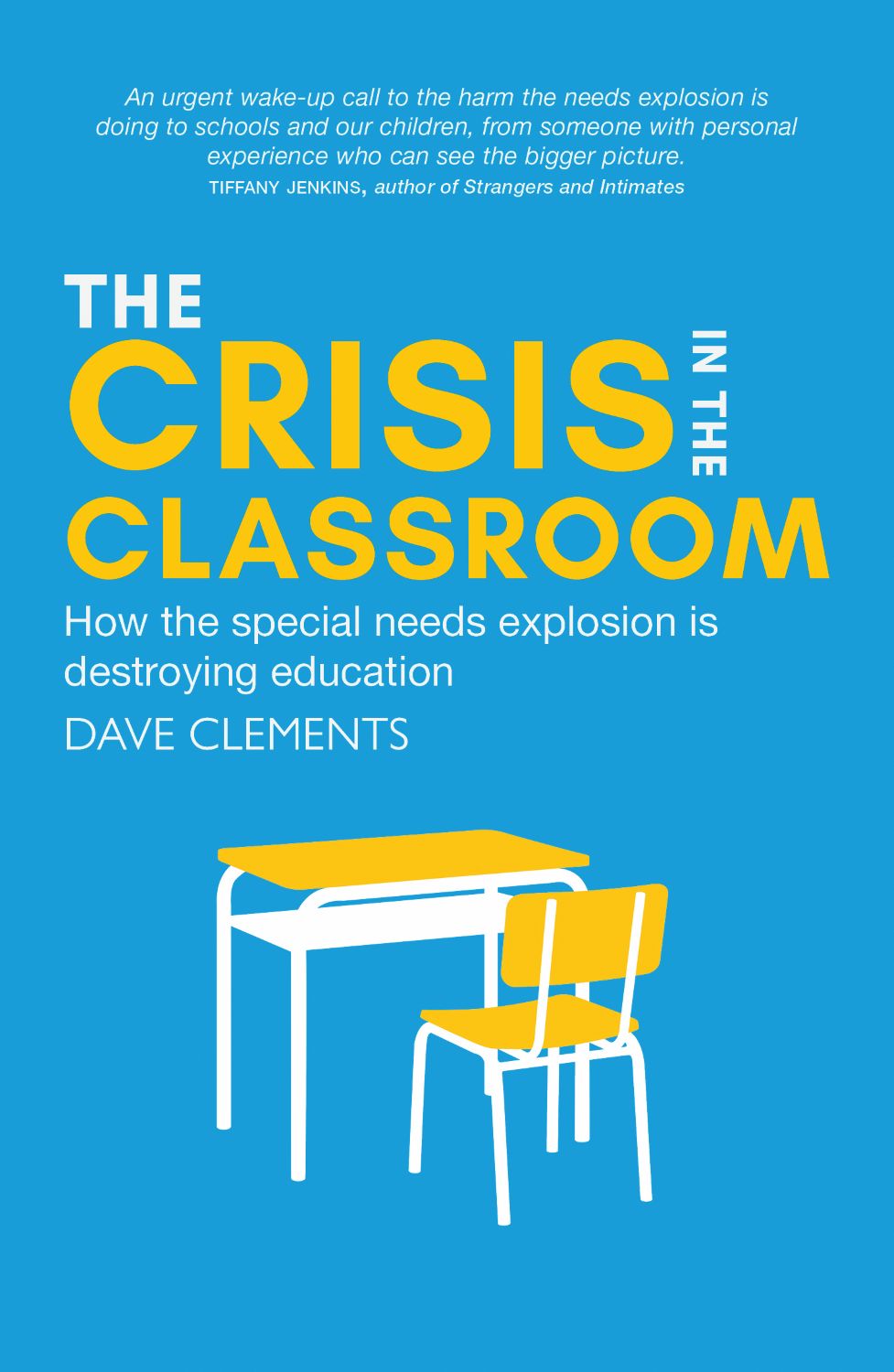
The Crisis in the Classroom: How the needs explosion is destroying education
By: Dave Clements
Publisher: Luath Press

You must be logged in to post a comment Login