I’m the type of woman who prefers to ask for forgiveness rather than permission, so when I enrolled in school to become a phone sex operator, I figured it was in my best interest not to mention it to my husband.
To be fair, it’s not something I intentionally set out to do. I was a happily married, middle-aged mom whose days were consumed with a calendar chock full of play dates and PTA obligations and whose nights were spent working as a freelance reporter.
When it came to talking dirty, I was pretty much batting zero. The last time I’d groaned was after stepping on a fidget spinner in the dark during a failed attempt to sneak out of our sleeping 9-year-old daughter’s room without waking her.
But late one night while my other half lay blissfully snoring in our marital bed, I was hunkered down in my home office, just a few feet away, furiously scouring the internet for some jaw-droppingly juicy content to inspire my next story.
Advertisement
I had once again fallen down the internet rabbit hole, and on this particular occasion, I landed smack-dab on the home page of an internet school, which, according to its enterprising young female founders, was the world’s first sex work academy specialising in training the next generation of phone sex operators.
Like most teenagers who grew up in New York City in the 1980s, I was well aware that one press of a switch on the ubiquitous Manhattan cable-TV box led to Channel J, a sexually themed late-night public access station filled with soft-core porn programming and commercials showcasing tanned, half-naked women sporting G-strings and urging viewers to call and engage in what promised to be mind-numbingly hot phone sex.
But that was the’80s, I told myself, a time when people still used phones that were connected to their walls.
How could something as antiquated as phone sex still exist today when free porn was only a search engine away, not to mention more high-tech options for getting off like webcamming were available?
Advertisement
I had so many questions, and although my initial thought was to contact the founders for an interview, my gut told me there was really only one way to get all the answers I was looking for. So, I coughed up $149.99 and registered for Phone Sex 101.
Within moments an email arrived in my inbox with a link to the course and a warning that students had 30 days to complete the six-hour video modules and score 100% on each test or risk losing access.
Graduates earned a certificate of completion suitable for framing, although I was certain when and if my time should come, mine would never see the light of day. We would also gain entry into a secret Facebook group exclusively for students.
The founders were so confident in their training that they offered a money-back guarantee to anyone who completed the course, implemented the lessons, and did not at least double what they paid for the lessons within six months.
Advertisement
I figured I had nothing to lose ― at least financially. On every other level, I wasn’t quite as certain, so I operated in stealth mode, keeping my tutelage under wraps from my family and friends. This is research! I told myself.
Call it a delayed reaction, but that first morning, as I pressed the play arrow on the video tutorial, it dawned on me that despite being nearly half a century old, I had never talked dirty to anyone in my entire life.
It was then that the instructor appeared on screen and said the words I needed to hear: “If you’ve ever told a lie, you can do this.”
We were off to the races.
Advertisement
Each morning after dropping my daughter off at school, I’d head home just in time to kiss my husband goodbye and send him off to work. Then I’d begin my lessons.
I became immersed in a completely foreign world, suddenly realizing the job was way more than simply moaning and groaning and tossing in some provocative language here and there.
I learned there are two ways to present yourself: create a character or portray yourself. Opting for the former literally meant I had to develop a persona from scratch.
For starters, I had to determine which category my character would fall into, ranging from identities like “barely legal” to “MILF” to “ethnic” to “submissive” to “financial dominatrix” ― which involved blackmail and all sorts of pay-to-play activities ― to “woman home alone.” Since I was essentially a woman home alone, I chose that one.
Advertisement
Next, I had to come up with fictionalised details about my character, including a first name that was easy to spell, pronounce and remember to increase my chances of getting repeat callers, as well as my marital status, the city I lived in (ensuring it was one I was familiar with), a high school and college alma mater if applicable, my birthday and corresponding zodiac sign, and most importantly, body measurements. In reality, I didn’t even know all of my own body measurements, but I soon learned it was the first thing many callers would ask.
When it came to character development, one of the most unexpected and time-consuming aspects I encountered was the process of securing legal model photos to use as part of my online profile, since I obviously wasn’t going to use my own.
Finding the images to buy was the easy part ― a quick Google search of “phone sex model images for sale” yielded hundreds of adult website listings where one could snap up image collections of 18-year-old-plus models explicitly for these purposes ― but deciding which model I was going to be turned out to be a challenge.
It took me three days to “shop” for a woman who looked nothing like me and yet I’d feel comfortable enough pretending to be.
Advertisement
In the end, for the bargain price of $11.95, I bought a photo package from a blonde bombshell named Lola containing 100 images in various poses ranging from casually lounging on a bed in lingerie to pretty much fisting herself.
With my character in place, we moved on to how to keep a caller on the phone as long as possible, which was the ultimate goal since you’re paid by the minute.
Much like what I’d learned in my journalism classes at NYU decades earlier, the importance of open-ended and follow-up questions was stressed. “Yes” or “no” questions were a dead end and certainly weren’t going to pay the bills.
We were instructed to ask “How was your day?” instead of “Did you have a good day?” And if someone asked what we were wearing, which inevitably most callers would, more clothing was always better because it ate up time. Building up the moment by dragging it out was the name of the game.
Advertisement
“Remember you are selling minutes ― not sex,” the founders drilled into us, which made me feel somewhat less guilty about how I was spending my days when the recyclables bin was overflowing and the dry cleaning needed to be picked up.
From there, the fetish module taught how to decipher clues as to what a caller might be into since it’s rare they just come right out and say it.
We were also instructed how to assemble a toolbox of props to be kept at arm’s length to help with special effects.
Is your caller begging for a golden shower? Pop open your toolbox, grab that reusable water bottle, and slowly pour its contents into the toilet in an effort to simulate a more genuine performance.
Does someone deserve a spanking? Put that hairbrush to good use by smacking it into your palm flat side down.
Advertisement
Did a caller interrupt your afternoon vibrator session? Reach into your bag of tricks and break out the loudest vibrator you can find (thank you, Amazon Prime).
After retaking a few tests because I didn’t score 100% (I mean, how was I supposed to know that water sports had everything to do with piss and nothing to do with actual water sports?), I received my certificate of completion along with access to the Facebook group where I was able to connect with other students, many of whom had already taken to the phone lines.
This is where I thought my journey would end, but as it turned out, a whole new crop of questions arose, starting with: Could this crash course really make you a pro when it came to phone sex?
There was only one way to find out.
Advertisement
I headed over to the largest online marketplace for phone sex and set up an operator account.
The first time I pressed the “Available for Calls” button, I thought I’d faint. It turned out there was plenty of time for the shock to wear off, as the calls didn’t exactly roll in.
After two days of radio silence, I sought advice from students in the Facebook group who explained the site’s algorithm worked much like other online marketplaces: You essentially had to put up some money to get your listing seen.
I followed their instructions, and on day three my phone rang.
Advertisement
I almost didn’t answer the call, but after reminding myself that, thanks to the online marketplace’s anonymous routing system, whoever was on the other end didn’t know who or where I was and that I could always hang up, I picked up.
The voice on the other end of the line belonged to a soft-spoken man who apologized in advance should he have to hang up unexpectedly, as he was his elderly father’s caregiver. I don’t know what I expected but this certainly wasn’t it.
We began innocently chatting about the news and the weather when he suddenly asked if I was ticklish. I mentally racked my brain to determine what type of fetish he had and in the meantime, found myself admitting I was indeed ticklish.
He asked if I’d mind if he tickled me. I wasn’t exactly sure how that was going to work but I said sure.
Advertisement
When he suddenly began saying “tickle, tickle, tickle” in a playful voice one might use on a child, I burst out laughing only to quickly cover my mouth with my hand so as to not offend him, but apparently my gut reaction was the one he was looking for.
“Louder, don’t be shy,” he whispered and so I got louder. “From your belly,” he said, directing me.
I continued laughing for my eager audience of one when suddenly I heard an elderly man’s voice in the background, calling out for something.
“Gotta go. Thank you. You were amazing,” the caller said and hung up.
Advertisement
A glance at my account revealed our call lasted 15 minutes. At my set rate of $1.69 per minute, after deducting the site’s connection fee and 30% cut, close to $18 would hit my direct deposit.
I had literally laughed my way to the bank.
That’s when my laughter turned to unexpected tears in what I can only imagine was a combination of relief, surprise and oddly a sense of pride. I’d actually done it and not been called out for being some two-bit imposter.
I continued taking calls ― testing out everything I’d learned ― in the mornings and afternoons when I was home alone. Over the course of close to a year, I spoke to more than 100 men and one woman, brought in a couple thousand dollars, and managed to earn a 5-star rating on the phone sex site I used to receive calls.
Advertisement
My customer reviews called me everything from “bright” to a “good conversationalist.” One caller said he “truly cherished his time with such an incredible human being.”
While I hid what I was up to from my husband, I did tell a few girlfriends. While fascinated by my confession, they were not as surprised by my actions as one might think, which should tell you a little something about my impulsiveness and how those closest to me view me.
Keeping such a big secret from my husband haunted me day in and day out, but there never seemed to be a good time to tell him. I mean, is there ever a good time to tell your husband that when he goes to work every day, you engage in phone sex with strangers for money?
Not only was I riddled with guilt, but I also feared he’d bust me before I had a chance to confess.
Advertisement
I knew I would have to come clean with him ― after all, as a reporter, I planned to one day share my experience ― but my biggest concern was he would consider it cheating.
When watching the news or reading the paper, my husband had been known to often proclaim, “The cover-up is worse than the crime,” so around nine months in, I came to the realisation there would never be an ideal time to tell him about what I had been doing. So, I sat him down and told him everything.
Initially, he was silent. Then he was disgusted. In the end, he was primarily concerned about how others would react if they found out. But he was never angry, which was a huge relief.
One day a few months later, I realized all my questions had been answered and so I gave it all up cold turkey.
Advertisement
Never in my wildest dreams would I have imagined the level of dedication and commitment and various skill sets one must have in order to earn a living as a professional phone sex operator.
These women are not just one-trick ponies well versed in getting customers off.
They may refer to themselves as “hustlers” and “wallet snatchers,” but many are entrepreneurs in the truest sense of the word, and they have my utmost respect.
From developing a product in the form of their characters to marketing their business to creating additional offerings such as live calls and messaging, recorded MP3s, and virtual goodie bags filled with X-rated images, the most successful operators have to be proficient in social media and online sales promotions, database management and even coding to stand out among their competition, all while providing excellent customer service.
Advertisement
I also understand that not everyone has the privilege to do what I did. For many people, being a phone sex operator (or do any kind of sex work) is not an adventure they can call off any time they choose ― it’s a means of survival. What’s more, not everyone has the positive experiences that I did and, because they need the paycheck, they can’t simply quit.
As for the callers, I assumed they all had a one-track mind and were only in search of one thing: an orgasm. But I soon realized the majority were simply looking for human connection ― something that porn and most other options out there don’t offer.
I discovered people want to feel like they’re being heard, whether they’re sharing the mundane details of their day, mourning the loss of a loved one or waxing poetic about foot worship.
They also want their deepest, darkest desires and kinks to be accepted.
Advertisement
In the real world, society frowns upon and often penalizes those who don’t meet its norms. So at the end of the day, phone sex might truly be the last bastion of acceptance when it comes to living out your fantasies in a judgment-free zone, where there is no risk of rejection and your predilections and desires are entertained or at the very least tolerated.
As for me, the job taught me how to be a better listener, gauge people’s needs, think on my feet, and slow down when all I want to do is speed up. It also taught me to be less judgmental of people’s turn-ons, and that while all of our desires differ, our desire for human connection remains the same.
Every now and then my mind will wander to some of my regular callers, and I wonder whether I ever cross their minds or if they wonder why I vanished into thin air.
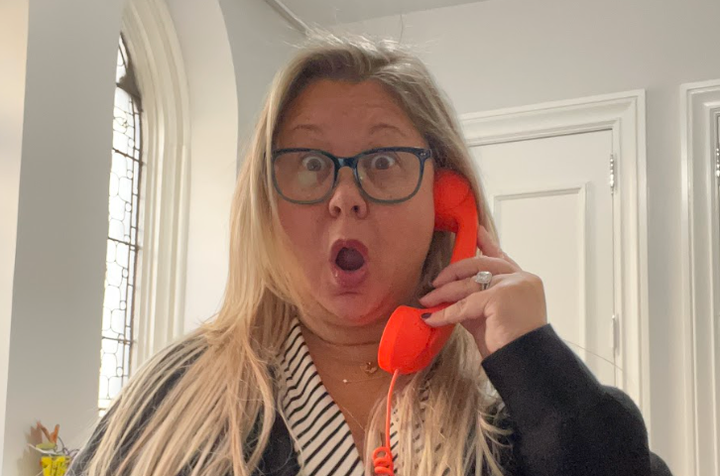
To this day, whenever my phone rings with an unknown caller, I pause for a moment, but then I remember I’m retired and send it straight to voicemail.
Advertisement
Jenny Powers is working on a memoir-in-progress, “Smooth Operator: Confessions of an Accidental Phone Sex Vixen.” You can see more of her work here.
This piece was previously published on HuffPost and is being shared again as part of HuffPost Personal’s “Best Of” series.
Do you have a compelling personal story you’d like to see published on HuffPost? Find out what we’re looking for here and send us a pitch.
Speaking to HuffPost UK previously, Elisabeth Neumann, a sexologist at Lovehoney, said menopause can “make sex feel unfamiliar and frustrating, especially when things that once worked perfectly well no longer feel as comfortable”.
Pharmacist and author of Love Your Vulva: Celebrating Women’s Bodies, Laura Dowling, said: “As oestrogen falls, the vulva and vagina can become drier, more sensitive and less elastic, so sex may become uncomfortable or painful. And if sex hurts, you’re hardly going to be thinking, ‘Great, now let’s have an orgasm’.
Advertisement
“Then add poor sleep, hot flushes, stress, body-image changes, medications, relationship pressures and being absolutely exhausted.”
Here, she shared how to up your odds of the big O.
How can I increase my chances of orgasm during menopause?
Neumann said some ways to increase your odds of orgasm during menopause include:
Listening to your body – “If sex is dry or painful, don’t just push through it.”
“One of the reasons I wrote Love Your Vulva is because so many women were never properly taught about their own anatomy,” she added.
“Knowing what feels good and being able to say it out loud is a very good place to start.”
Anything else?
Yes – paradoxically, Neumann said, focusing less on the big finish could sometimes make sex and masturbation more enjoyable.
“Sex does not have to be a race towards an orgasm,” she told us. “It can be about touch, pleasure, intimacy, laughing, feeling close to somebody or simply enjoying what feels good.
Advertisement
“And what you enjoy may change as you get older. That doesn’t mean your sex life is finished. It just means the rulebook might need a rewrite.”
We know, for instance, that hormone changes in menopause might mean some people take longer to “get going” in the bedroom, as their levels of sensitivity change.
And some people find that penetrative sex becomes uncomfortable during the life stage, too.
The author ended, “I’d much rather a woman have sex that feels pleasurable and connected than spend the whole time worrying about whether she is going to finish.
“There is no gold medal for having an orgasm. If it feels good and you enjoyed yourself, that counts.”
The Israeli brand had been a primary sponsor of Eurovision since 2019, the same year the contest took place in Tel Aviv.
However, on Thursday, organisers announced that the haircare company had pulled its sponsorship after six years.
“We can confirm that, after six successful years, Moroccanoil has chosen not to renew its sponsorship of the Eurovision Song Contest,” a Eurovision rep said, adding: “We wish Moroccanoil every success for the future.”
Moroccanoil branding was previously prominently displayed during its sponsorship of the Eurovision Song Contest
There have been some major updates regarding next year’s Eurovision Song Contest in the last few weeks.
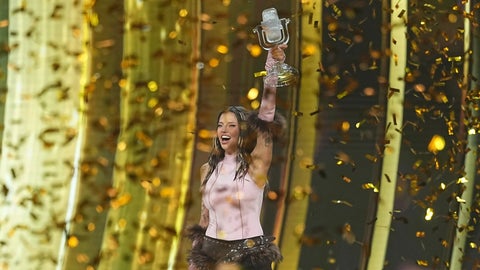
Since then, it has also been revealed that there have been changes to next year’s contest, which will take place in Bulgaria for the first time following Dara’s victory back in May.
A winning country will also no longer be permitted to serve as the following year’s host if it is involved in any kind of “sensitive geopolitical situation” or “any other situation [which] materially affects the security, safety or stability of their state or immediate region”.
Should a country that falls into any of these categories win, organisers will “identify an alternative host broadcaster” which will “not be required to stage the event on behalf of another member” as the UK did with Ukraine in 2023.
Advertisement
Finally, the host city for Eurovision 2027 has now been named as Burgas.
“[Burgas] is a vibrant, welcoming city on the Black Sea with a strong musical and cultural identity, and it has the ambition, infrastructure and passion needed to welcome the Eurovision family,” Eurovision director Martin Green enthused.
“For the first Eurovision Song Contest ever to be held in Bulgaria, we want to create something that feels truly Bulgarian while also being unmistakably Eurovision – a celebration that brings people together through music.”
Just as we had gotten used to the idea of eating our five-a-day, new research has revealed that, actually, these five a day need to contain a specific micronutrient to be truly effective.
Now, of course, all fruit and vegetables are good for you and there is no reason to cut any out. However, according to the study, undertaken by scientists from Harvard University and the University of Reading, found that many of us aren’t getting the recommended amount of flavanols that we need every day.
Hang on a minute, what are flavanols?
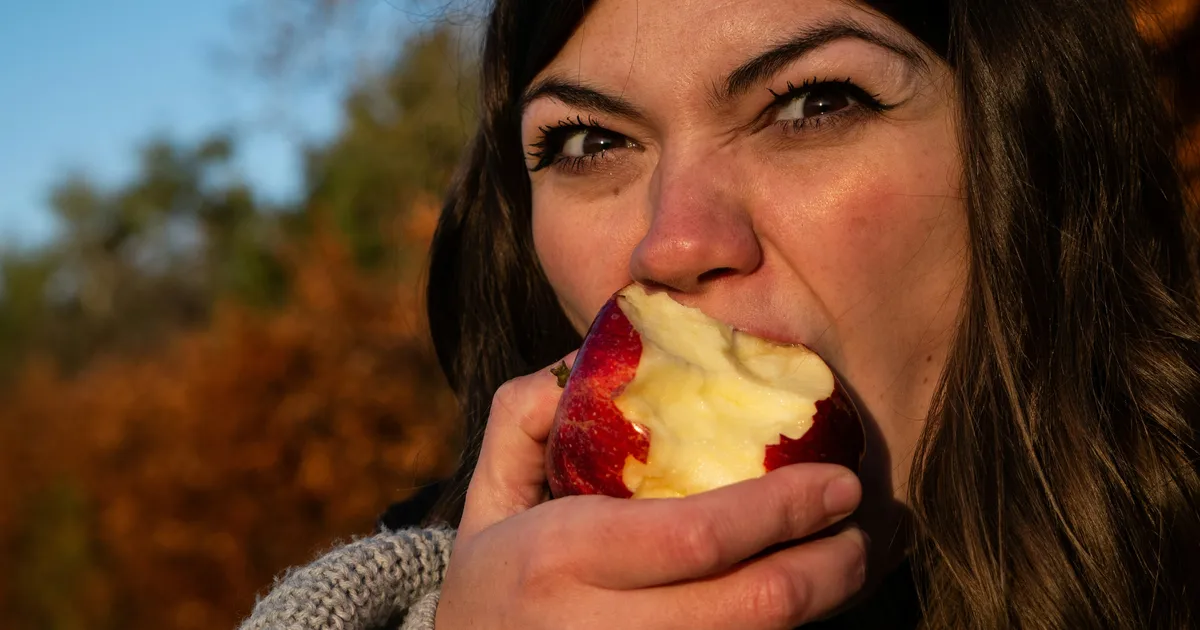
Writing on the University of Reading website, Gunter Kuhnie, a Professor of Nutrition and Food Science says: “Flavanols are a group of compounds that are found in many plants – including apples, berries, plums and even beverages such as tea.”
Advertisement
He adds: “People who eat a diet high in flavanol-rich foods may have better memory compared to those who have a low intake. A study also found that people with a low intake of flavanols were at higher risk of heart disease. Overall, there’s convincing evidence that consuming enough flavanols has health benefits.”
So, which foods are high in flavanols?
Web MD explains: “Flavanols are also called flavan-3-ols or catechins. Black tea, oolong tea, and chocolate are rich in catechins. They’re also found in fruits, including:
Bananas
Blueberries
Peaches
Apples
Pears
It’s still not as simple as it seems
Speaking to the BBC, Dell Stanford, from the British Heart Foundation (BHF), says how much flavanol is contained in different products depends on where the food is grown, the climate, its ripeness, and how it is stored or processed – and also on who is eating it.
Advertisement
“Small amounts are absorbed directly. Our gut bacteria help break down flavanols into forms the body can use, but everyone’s gut bacteria are different, so the benefits people get from flavanols may vary too.”
The BHF and the British Nutrition Foundation say the best way to support your heart health is to follow established advice to eat a balanced diet containing a wide variety of fruit and vegetables.
The BHF also has a quiz for finding out if you have a healthy diet, and tips on improving your diet to improve heart health.
“I have an instinct on the answer but I feel compelled to ask… Harry Potter? Hard no?” they ask, to which she apparently responded: “Absolutely fucking not! Lol (But thank you for asking).”
While Rowling has previously denied being transphobic, she has become a divisive figure in recent history thanks to her views and ongoing commentary on issues relating to transgender people.
After the ruling, she shared a celebratory post, depicting herself smoking a cigar on a yacht.
The new Harry Potter series will premiere later this year, with cast members including John Lithgow, Nick Frost and Bel Powley among those to already face questioning about Rowling.
Day-to-day, you’re rushing between meetings, battling a barrage of emails, and spilling crumbs from your wolfed-down lunch over the laptop you spend your break hovering near.
You might not take many, or any, sick days; though you’re stressed, your immune system seems to be playing ball.
But somehow, the second you get some rest – a well-earned holiday – your body seems to turn against you. You get a cold, or a sore throat, or the type of flu you never seem to experience while working.
If this – or something like it – sounds familiar, it turns out there’s a name for your experience. Professor Mark Schoen, an Assistant Clinical Professor of Medicine at UCLA’s Geffen School of Medicine, coined the term “the let-down effect” to describe negative health effects during conditions like these.
Advertisement
Here’s what Dr Mitra Dutt, Associate Medical Director of Clinical Innovation at Pharmacy2U, says about the phenomenon.
What is the “let-down effect”?
Basically, it’s when a break from stressful or very active periods of your life seems to negatively affect your physical or mental health. Prof Schoen said it could apply to everyone from athletes who’d just reached career high to recent retirees.
Dr Dutt said that “After long periods of pressure, the stress hormones that help to keep us going during these times begin to fall. So a sudden switch to relaxation, such as the start of the holiday, can make hidden illnesses or symptoms quickly start to appear.
Advertisement
“This can trigger things like migraines, increase inflammation and make viral infections, like colds, more noticeable.”
She added this might be more common among “those who are often under sustained pressure, whether that’s to do with their job, lifestyle or other factors such as caregiving responsibilities”.
One study has found that the “let-down effect” seemed to increase the chance of migraine among people who get them.
In his book, When Relaxation is Hazardous to Your Health, Prof Schoen also linked it to flare-ups in chronic conditions like psoriasis and chronic fatigue.
Advertisement
Some doctors think this may happen because stress changes how our immune system works, potentially making it less reactive to illness. And when it’s free to work as usual, it might shut down, leaving us vulnerable to infection.
How can I beat the let-down effect?
Dr Dutt shared that “One of the best ways to reduce the risk of the let-down effect is to manage stress before it builds up”.
That can include taking steps like:
Advertisement
Having regular breaks,
Prioritising sleep, exercise, and a balanced diet,
Trying stress-management techniques like deep breathing, meditation, or mindfulness,
Tapering down activity rather than hitting the brakes fully: “stay gently active during the first few days of your holiday, rather than going straight from a hectic schedule to doing nothing,” advised the expert.
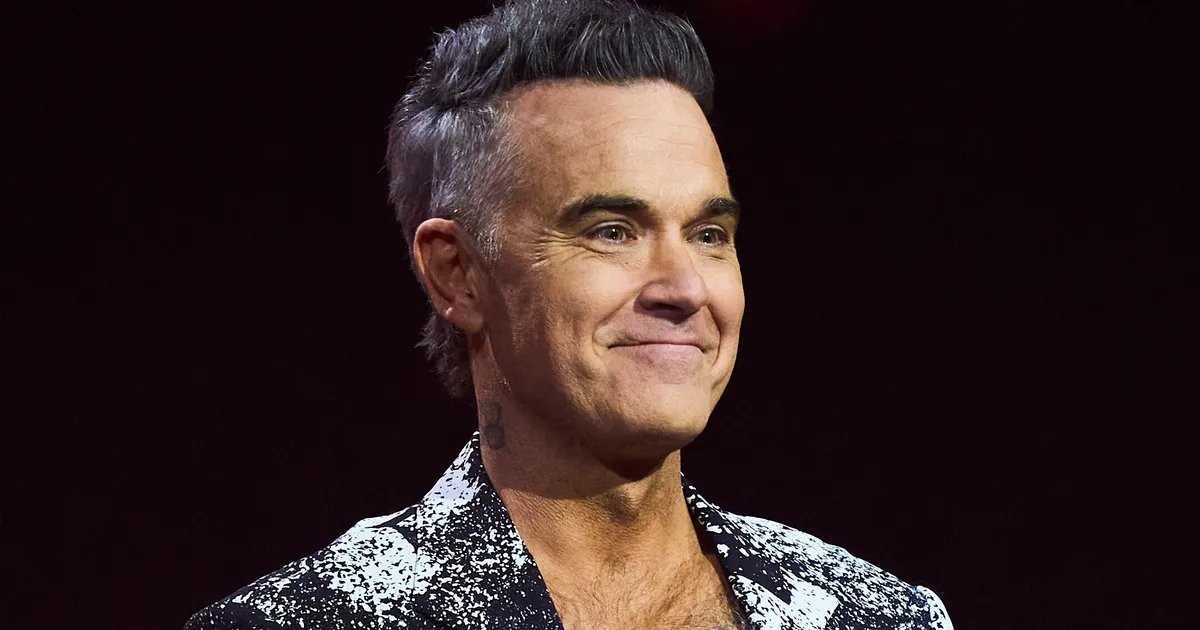
The Daily Mail reported on Thursday night that the chart-topping singer told fans during a Q&A session to promote his clothing range: “I have ADHD, and I just found out I have a bit of autism as well”.
The Angels singer went on to claim that he “actually fucking loves” his diagnosis with the neurodevelopmental condition “because it explains so much” about himself.
“It is my get-out-of-jail-free card now,” he quipped, claiming that he will now “just say, ‘sorry, I’m autistic’” as an explanation for what he described as “all the weird shit that I do”.
Robbie previously claimed that he’d received three different ADHD diagnoses over the years, the first being in 2006.
Advertisement
He’s also shared his experiences of living with “intrusive thoughts”, which he has compared to “inside Tourette’s” that “don’t come out”.
Robbie first rose to fame when he was a teenager, as part of the pop group Take That, with whom he racked up seven UK number ones in the early 1990s.
He also holds the title for the most Brit Award wins, with a total of 18, as well as two Grammy nominations.
So you’re about to go off to uni – if there’s one thing you want to get right in your student haul, it’s your laptop.
Aside from nights out and lie ins, you’ll be spending most of your time glued to a screen, whether you’re at a lecture or lying in bed.
Your bank account hates to see it, but it’s the thing you’ll spend the most money on.
Advertisement
And it’s not just a case of buying whatever laptop is calling your name – you’ll want it to last all three or four years of your degree, and you’ll also need to consider what your coursework will ask of you.
Engineering students will need a very different laptop from English literature students, so keep an eye out for things like battery life, storage, and memory, as well as whether your laptop can handle things like video editing, design projects, and juggle having multiple (read: hundreds) of tabs open at once.
To help you on your search, we’ve rounded up some of the most recommended laptops for uni students to shop now.
Just remember: use that student discount while you can!
Advertisement
Best laptops for university students
If you’re doing a humanities degree that mostly relies on research and writing, a laptop like the Apple MacBook Neo will give you everything you need.
The battery lasts up to 16 hours a day, so you won’t have to make sure you’re near a charging port in the library or lectures. But, even if you do forget to charge it, it can charge up to 50% in 30 minutes.
It’s powered by an A18 chip, which uses AI to make it quick and responsive when you’re switching between tasks, opening apps, and summarising class notes.
Storage: 256GB or 512GB Memory: 8GB.
Advertisement
The MacBook Air is another great option for humanities and creative students. The M4 chip is two times faster than an M1 chip, which means that, crucially, it doesn’t lag.
The battery lasts up to 18 hours, and the screen quality is super crisp, so you’ll be able to catch every detail of films, video calls, or creative projects.
Again, it’s loaded with Apple Intelligence, for a speedy workflow, and you can even sync your phone up with it to open documents on the go.
Storage: 512GB Memory: 16GB.
Designed to handle everything from essay writing, to streaming, editing video, and joining video calls, the Galaxy Book 6 is Samsung’s recommended laptop for student life.
It comes in two sizes: 14 and 16 inch, but rather than growing widthways, it grows vertically. You can also choose between touchscreen and non-touchscreen, depending on whether you want to draw on the screen or organise spreadsheets and powerpoints by hand.
Advertisement
Even better news for occupied minds: the charge on this lasts for up to 24 hours, so you can guarantee you’ll be able to use it on the go.
Storage: 256GB or 512GB or 1TB Memory: 16GB or 32GB
STEM students would be better off going with a Lenovo laptop that has plenty of memory and can handle long study sessions.
Go for something with at least 16GB of memory, and minimum 32GB if you’ll be doing lots of design projects.
You’ll also want a decent amount of storage; this one is loaded with 1TB but you can choose between 516G and 2TB depending on how much coursework you’re expecting to do over the next four years.
Advertisement
Storage: 516GB to 2TB Memory: 16GB to 64GB.
If you’re more of a PC fan, this ASUS laptop calls itself a “productivity machine”, which we’re taking as a good sign.
It boasts a Copilot chip, which on top of making it extremely responsive also means the file storage is extremely intuitive, and lets you edit pictures in just a few short prompts.
It’s loaded with up to 32 hours of battery life, and weighs just 980g, so you’ll barely notice it in your backpack.
Plus, it’s made of ceraluminum, a mix of ceramic and aluminium, which makes it durable against scrapes, so you won’t have to worry about dropping it.
Advertisement
Storage: 512GB Memory: 16GB.
If you’re not in the market to buy a completely new device, sites such as Backmarket are a great place for buying a refurbished laptop.
Backmarket professionals inspect each device to make sure it’s fully functional, and the site has a ton of PC and Mac options to choose from.
This Dell XPS comes highly rated for students, thanks to being smaller and lighter than the MacBook Neo with essentially the same functionality (just less screen brightness) but is less than half the price of buying it new.
In a subsequent interview with TMZ, Tyga laughed off Doja’s comment, claiming: “Listen, I love Doja, but she made a demonic album. But I still love her.”
The Ayo star released his new album under the moniker Starface at the end of July, taking inspiration from 80s synth music.
Advertisement
He later admitted to Vibe: “We definitely used AI as a [tool on the album]. And I know people are going to be mad about me saying this, but it’s where technology is going.”
“It’s no different than when autotune came out,” he insisted. “Some people were opposed to it, but real artists took it and used it.”
Tyga added: “We were like, ‘You know what? I need some ‘80 synths for a certain part of this song. I need a guitar solo done ASAP’. It is what it is.”
Since then, he’s been facing backlash over his use of AI – not least from the music outlet Pitchfork, who gave his album a rare 0.0 score while reviewing it.
Advertisement
“I don’t really know what Pitchfork is. All I know is the devil uses a pitchfork,” he told TMZ.
Turning his attention to the more general controversy surround his AI use, he claimed: “Unfortunately for Gen Z, they can’t read. Nobody reads. You know what I mean? What I said was that I used AI-assisted things in the production. I said that all the vocals are me, I wrote all the songs.
“When it comes to the 80s synths and some of the guitar solos, yes, I used AI for that. But I didn’t make a full AI album. That’s not what I did. I was in the studio for three months working on this.”
😬 Tyga defends “$TARFACE” after Pitchfork’s 0/10 rating, and responds to Doja Cat diss.
AI is an increasingly contentious issue across the entertainment industry, with artists like Madonna, Beyoncé and Ariana Grande among those to have spoken out against its increased usage.
The technology has proved to be just as divisive a subject among creatives in both television and cinema, and was a major contributing factor to the industry-wide Hollywood strikes of 2023.
Back in 1997, James Cameron brought the story of Titanic to the world stage. With a total running time of over three hours, the film was an epic, telling the story of the ship and using fictionalised characters to depict the wide range of passengers on the ship.
It was a real moment in movie history and one that many of us remember being a part of. I was only seven at the time and still distinctly remember the music and the magic of Titanic. Kate Winslet’s dresses, Leonardo Dicaprio’s 90’s curtain hair, the stunning interiors of the ship and of course, the politics woven throughout.
It is still celebrated to this day, almost 30 years later (sorry) because there hasn’t quite been a film like it since. However, the original pitch for the film is… not quite what you would likely expect.
James Cameron is a bit of a Titanic nerd
Advertisement
Make no mistake, James Cameron is nothing if not a shipwreck obsessive. He is a famously passionate director and this film was no exception. In fact, he has released a book called Exploring the Deep, which provides his accounts of exploring the shipwreck.
According to Encyclopaedia Titanica: “Having undertaken more than thirty dives to the wreck of Titanic, acclaimed director James Cameron has probably gained more firsthand insight into the sinking of the ship than any person alive today.”
Speaking to Hollywood Insider, James said about the making of the film: “One of the best reference books at the time, was a beautiful book called The History of Titanic that was done by Ken Marshall and Don Lynch.
“Don Lynch was the history, Ken Marshall the preeminent artist. If you open that book in the middle… There’s a painting of the Titanic in the middle stages of its sinking, beautifully lit, lifeboats leaving, rockets going off, illuminating the night sky. It’s somber, it’s sad, it’s beautiful, it’s spectacular.”
Advertisement
Of course, we are all familiar with this image from the film itself but this was the very beginning of creating the film as James reveals that he spoke to an executive, opened the book on that dramatic page and said: “Romeo and Juliet… on that.”
That’s right, Romeo and Juliet, another story that brought Leo to the mainstream, heavily inspired the love story in Titanic.
Star-crossed lovers, forbidden relationships and a tragic ending… that checks out.
Britain is a “tinderbox” and it may be October before the country sees enough rain, Andy Burnham has warned.
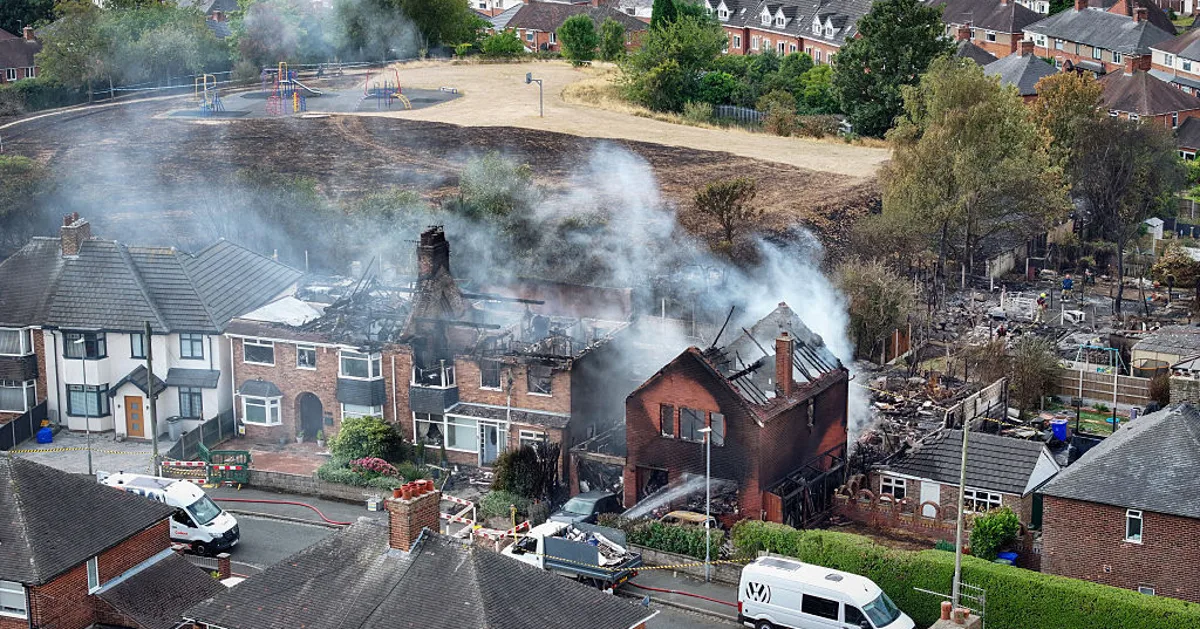
The prime minister pleaded with people not to start fires outdoors after a number of homes in Stourbridge in the West Midlands burned down on Thursday.
Burnham also told Radio 5Live that he has called in the military and confirmed a ban on disposable barbecues in a bid to prevent more devastating wildfires.
He was speaking as he visited Stourbridge, where he saw “absolutely devastating” scenes.
Advertisement
Burnham said: “Whole homes have been randomly taken out by the fire and it’s quite an eerie sight to walk past a home that would have been a family hub just yesterday now completely gutted by fire. And I met one of the families whose home has been completely destroyed.
“You just can’t begin to imagine can what that must feel like, so I wanted to be on the ground to show my support to them today.”
Parts of England are currently in their fifth heatwave of the summer, with little or no rainfall seen in weeks.
However, he said he had been warned by experts at a meeting of the government’s Cobra committee this week that the UK could be hit by floods later in the year.
Advertisement
He said: “The Met Office says this dry period is possibly going to last until the end of September, going into October.
“Some rainfall but not as much as we need and then we’re heading straight into a very wet latter part of the year, where the risk of flooding will be maybe greater because of the dry ground conditions.”
The PM said he planned to commission firefighting planes, as used to douse flames in Europe and the US, to combat the spread of wildfires.
He added: “I would just say more broadly to everybody; these problems are far from over. We’re going into a difficult weekend. Please just think about the situation that we’re in.
Advertisement
“Britain is a tinderbox right now. Setting a fire in any outdoor setting of any kind is a risk to other people’s homes. It’s a risk to other people’s lives. Don’t do it. Please don’t do it.”
Listen to Commons People, the podcast that makes politics easy. Every week, Kevin Schofield and Kate Nicholson unpack the week’s biggest stories to keep you informed. Join us for straightforward analysis of what’s going on at Westminster.






 Dara celebrating her Eurovision win earlier this year
 Moroccanoil branding was previously prominently displayed during its sponsorship of the Eurovision Song Contest














































You must be logged in to post a comment Login