Politics
Iain Duncan Smith on his ancestors’ pursuit of perfection


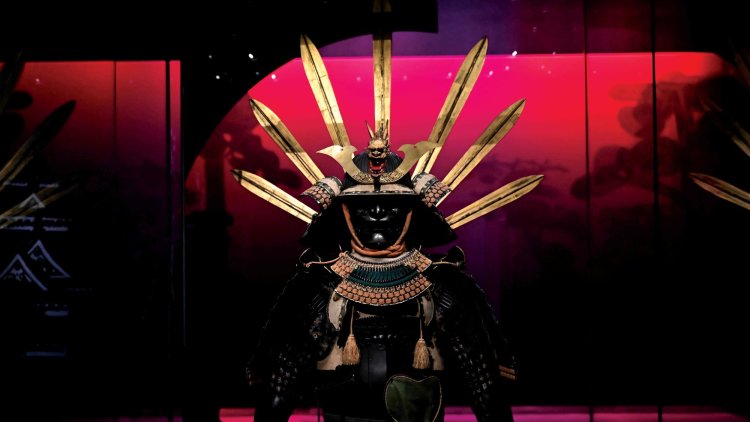
Samurai suit of armour and helmet: Iron, silk, wool, leather, gold and lacquer, 1519 (helmet), 1696 (armour) and 1800s (textiles) | Image by: Charlie J Ercilla / Alamy


5 min read
From elaborate displays of armour to exquisite costumes and art, this spectacular exhibition enabled me to see the full extent of the mastery and enduring influence of my Japanese forebears, the samurai
I was pleasantly surprised when The House magazine asked me to review the samurai exhibition at the British Museum. I had already been meaning to see it, particularly because of my great-grandmother who was Japanese and whose family had been samurai.
In the 1860s my great-grandfather had set up a trading company in Fuzhou (Foochow), a port in southeast China. It was there that he became friends with a Japanese artist who had left his homeland during the Meiji Restoration, and his sister, who later became my great-grandfather’s wife.
The emperor Meiji had ended over 250 years of Tokugawa shogunate rule, returning authority back to the emperor (the restoration is one of several periods covered in this excellent exhibition). This action catapulted Japan out of its isolation and, in an astonishingly tiny number of years, transformed Japan from a closed and feudal state into a modern, industrial and military power. It also ended the authority of the samurai and withdrew their extensive and arbitrary rights.


Photo © John Bigelow Taylor
The exhibition charts the development of the samurai from loose collections of warriors into what eventually became a highly structured organisation in the 11th and 12th centuries, loyal to their shūgo (lord), up to their eventual demise in 1868. In fact, in their last 250 years, there were few battles to fight and many of them became more like civil servants, organised into a hierarchy and running different domains for their lord. Samurai had to adhere to their code: courage, righteousness, benevolence, respect, honesty, honour and loyalty.
As I walked around the exhibition, I became aware that the term ‘samurai’ is more commonly used in the West than in Japan. Instead, the usual Japanese term is musha for warrior – or bushi to describe the ruling class.
The pursuit of perfection is apparent in everything they did
The exhibition also carefully pointed out another misunderstanding – that samurai warriors mainly used their swords in battle. Their main weapons and the ones they trained on endlessly were in fact the pike (yari) and the bow and arrow (yumi and ya). The exhibition is filled with such weapons, including their swords (katana).
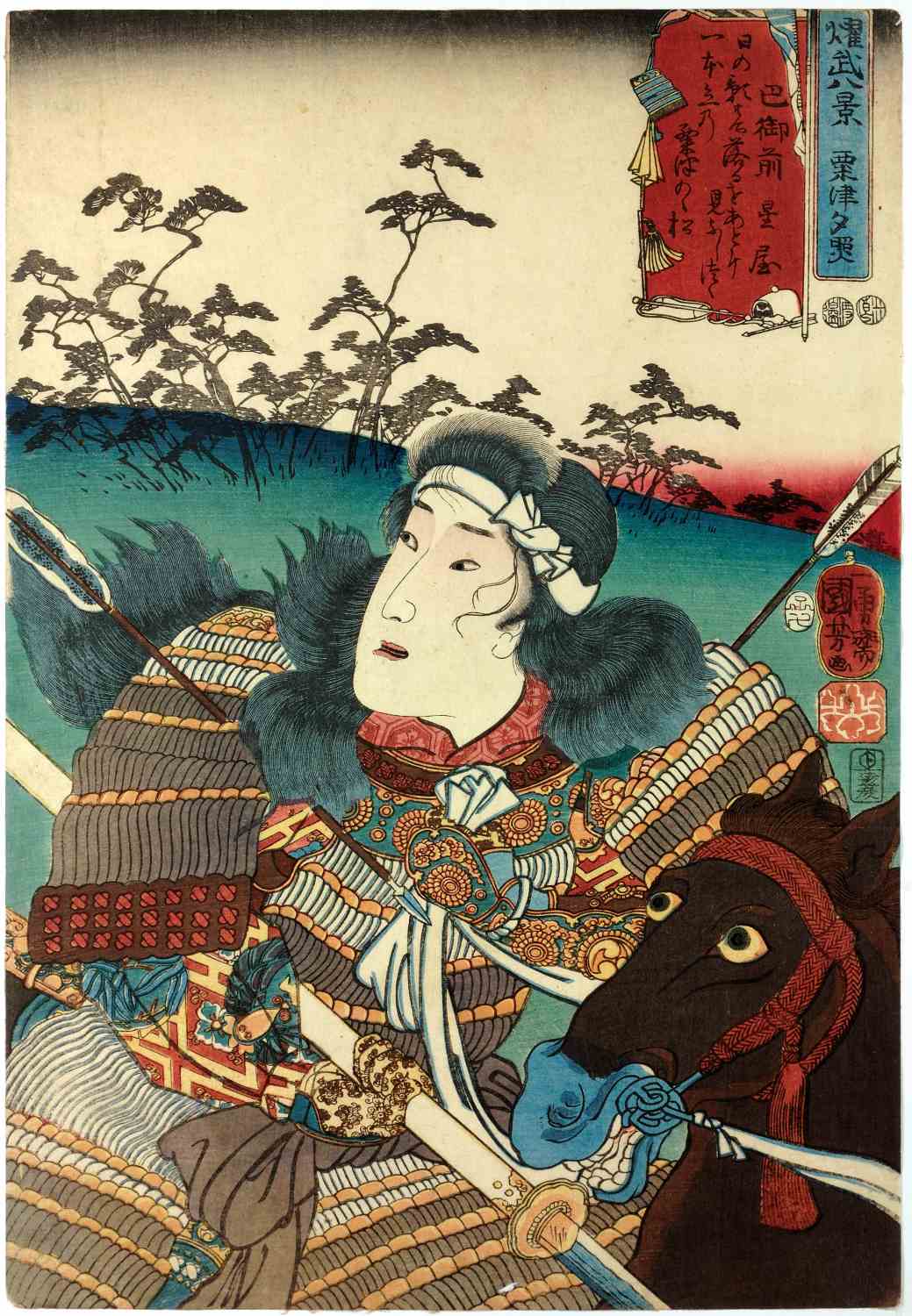

And contrary to the generally accepted view that woman stayed at home looking after the household, the exhibition reveals how many women were trained in weapons and martial arts. Tomoe Gozen was one such female warrior, an expert in bow and sword in around 1180. There were also a couple of vivid paintings of a female warrior slicing through a soldier.
Yet samurai weren’t just warriors – in fact, in the last 200 years before the Meiji Restoration, the country was pretty stable, with very little warfare. This led to them becoming artists, writers and poets, and the displays of their work were compelling. Perhaps the most illuminating was the painting of the formal procession of the courtesans in Edo (Tokyo), as well as books and paintings about the sexual proclivities of this warrior class.
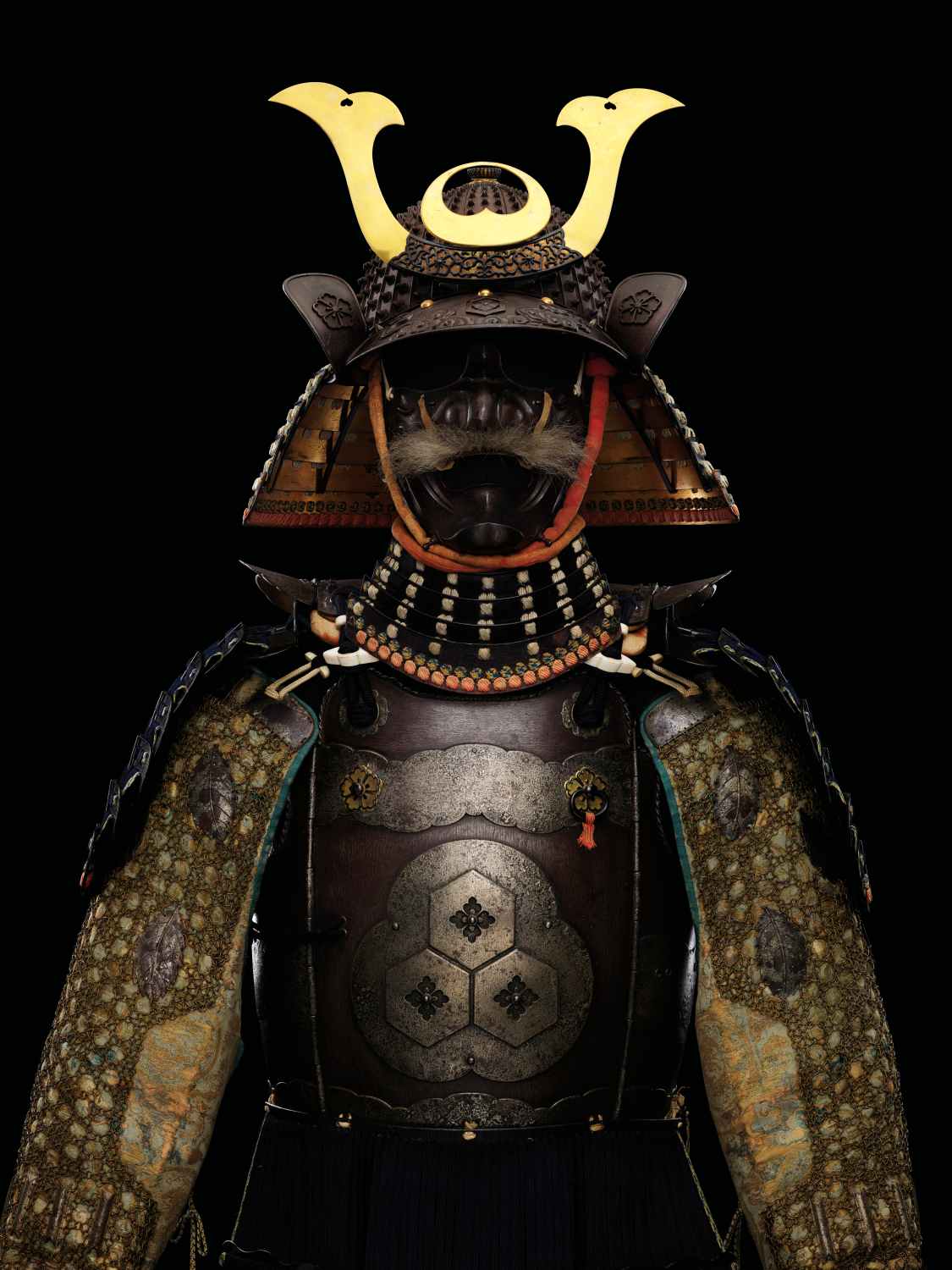
The museum had also gathered together a fascinating and stunningly elaborate array of Japanese armour. Similarly exquisite, but more understated, were the various costumes and beautiful clothes.
This spectacular exhibition enabled me to see how detailed and precise the culture of the samurai was.
From their armour and paintings to their books and swords, and even a deeply structured tea ceremony, the pursuit of perfection is apparent in everything they did – not just as armoured warriors engaged in the brutal art of war. In fact, this pursuit of perfection led even to the steel in their swords being of probably the highest quality in the world.

My great-grandfather’s brother-in-law, I understand, was one of those samurai who had become a full-time artist having moved to China – and which in turn led to their meeting.
As I wandered round the exhibition, I noticed how many young children were peering intently at the armour on display, even holding an imaginary katana above their heads. After all, much samurai culture has become part of modern western culture. You only have to look at the American film industry to see the extent of its influence. From The Magnificent Seven to Darth Vader’s helmet, cloak and lightsaber, we in the West of all ages remain fascinated by this unique group of people.
That’s why I recommend that anyone who can, should take the time to see this exhibition, and I congratulate the British Museum for putting it on.
Iain Duncan Smith is Conservative MP for Chingford and Woodford Green
Samurai
Curated by: Rosina Buckland and Joe Nickols
Venue: British Museum – until 4 May 2026
