Politics
Is Reducing Protein Key To Healthier Ageing?

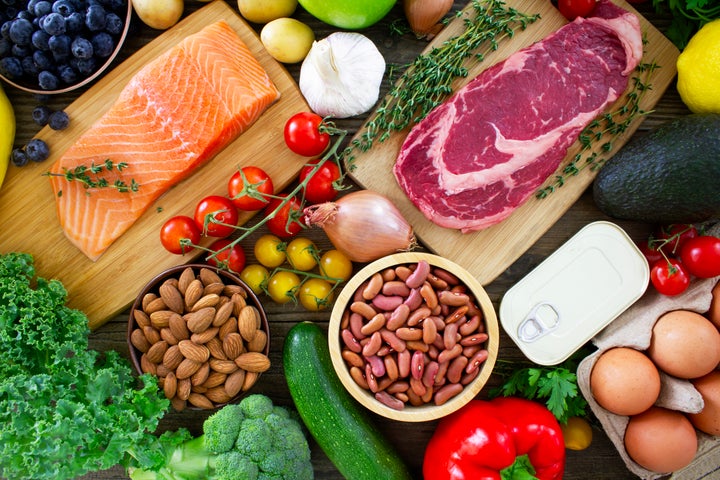
Protein is a key nutrient made up of tiny building blocks called amino acids. It provides us with energy, helps the body grow and repair, and is typically found in meat, fish, dairy, eggs, nuts, beans and lentils.
For healthy adults, the recommended daily amount of protein is about 0.75g per kg of body weight, notes the British Heart Foundation, adding that’s about 45g a day for a 60kg woman, and 55g a day for a 75kg man.
The reality is we’re easily consuming that. Helena Gibson-Moore, nutrition scientist for the British Nutrition Foundation (BNF), said people in the UK are, on average, “eating more than enough protein”.
Society has become pretty obsessed with protein, evident in the protein-fortified foods popping up everywhere and popularity of protein-rich ‘carnivore’ and ‘boy kibble’ diets touted by influencers on social media.
While protein is good for you, experts have long cautioned that not all protein is created equal. And now, a new study suggests that less – not more – protein could be key to healthy ageing in people who aren’t as active.
“It’s absolutely crystal clear that there are benefits of protein to muscle growth and exercise response of active individuals,” said study author Dudley Lamming, from the University of Wisconsin-Madison.
“But because most people are relatively sedentary, many people are likely consuming more protein than they actually need, which probably has negative health consequences.”

Synergee via Getty Images
What did the study reveal?
The review of 350 existing papers on protein restriction and ageing, published in the journal Cell Press Blue, looked into how protein-restricted diets could improve health and promote longevity.
After analysing these studies, researchers suggested cutting protein intake may slow ageing by improving metabolism, changing how cells respond to nutrients, reducing cellular damage, and preserving healthy cell function.
One of the key players believed to be behind this is a hormone called fibroblast growth factor 21 (FGF21), which can increase the body’s energy expenditure, improve blood sugar control, and reduce inflammation.
Researchers said levels of this hormone rise when protein intake is low. They also pointed to studies in mice, which have shown that animals with higher FGF21 levels lived longer than normal mice.
They also noted that consuming too many of a certain type of amino acid could trigger biological processes that promote growth, increasing the risk of obesity, inflammation, and other age-related diseases.
“These studies show that the amount of protein sedentary people are eating today may have negative health consequences, at least at the population level,” Lamming said.
While some people, like pregnant women and some older adults, have higher protein needs, for most sedentary adults, protein-fortified food may not provide the health benefits people expect, researchers added.
Discussing how athletes manage to consume large amounts of protein without developing metabolic diseases, the experts hypothesised that regular exercise may be protective.
Lamming ended: “We probably need to personalise protein recommendations based not just on age, but also on how physically active people are.”
The protein discussion ‘should consider performance and longevity’
Responding to the findings, Dr Will Hsu, a longevity expert and chief medical officer of L Nutra Health, who wasn’t involved in the review, told HuffPost UK that much of the conversation around protein is focused on physical performance, maintaining muscle, and preventing frailty.
“These are important goals. Protein is essential for supporting recovery, preserving physical function, and maintaining lean mass, particularly in older adults,” he said. “But the protein discussion should consider two objectives at the same time: performance and longevity.”
He stressed that protein and its amino acids “are not simply building materials, they are also biological signals that activate pathways involved in growth, metabolism, and cellular ageing”.
When we’re young, physically active, recovering from illness, or trying to maintain muscle, these pathways are essential.
However, keeping growth pathways continuously activated through a high protein diet “may not be ideal for long term metabolic health, particularly in someone who is relatively sedentary”, he added.
Protein intake should be personalised and plant-forward
Protein’s effects vary depending on many elements – from the amount consumed, to the food source, to your physical activity levels and age.
“The average person should not read this research and immediately start cutting protein,” said Dr Hsu. “A better question is: How much protein do I need, from which foods, at this point in my life?”
He suggested a sedentary adult who already eats plenty of meat, protein bars, shakes, and protein-fortified foods “probably does not need to keep adding more”.
But replacing some animal protein with beans, lentils, nuts, seeds, and other plant foods “may create a more favourable amino acid balance, while also providing fibre and other protective nutrients”.
This advice would then change for an older adult at risk of muscle loss, an athlete, someone recovering from illness or surgery, or a person losing weight rapidly, he noted.
“For these individuals, adequate protein and resistance exercise are critical for protecting muscle, bone, strength, and independence. Pregnant women and people who are already underweight or frail should also not restrict protein without professional guidance,” he explained.
“This is why one protein recommendation cannot work for everyone. Two people of the same age may need very different amounts based on their muscle mass, activity level, health, and risk of frailty.”
He ended: “Ultimately, the goal is not maximum protein or minimum protein. It is enough high-quality protein to preserve strength and function, without assuming that more is automatically better.
“For many people, that means shifting toward a more plant-forward pattern and personalising protein intake based on age, activity, metabolic health, and muscle needs.”
You must be logged in to post a comment Login