



Connect with us
DAPA Banner
DAPA Coin
DAPA
COIN PAYMENT ASSET
PRIVACY · BLOCKDAG · HOMOMORPHIC ENCRYPTION · RUST
ElGamal Encrypted MINE DAPA
🚫 GENESIS SOLD OUT
DAPAPAY COMING

Politics

Is Scotland on the verge of a populist surge?

Published

on

Is Scotland on the verge of a populist surge?

Reform UK’s success in this month’s Scottish parliament election is proof that the political status quo, like in England and Wales, is crumbling. At last, Reform has given voice to the longing for a real alternative that challenges the sclerotic, anti-democratic nature of political life in Scotland.

As in England and Wales, Scotland’s populist surge coincides with the decline of the establishment parties. For Labour, the recent elections proved just another stage in its long death in Scotland. It picked up just 17 seats. To add insult to injury, Scottish Labour leader Anas Sarwar lost his constituency seat, scraping a return to Holyrood via the regional list. The Scottish Tories, meanwhile, had their worst ever result, losing 19 seats and pushed into fourth place.

Despite winning its fifth consecutive election, the SNP is in dire straits. It remains dogged by allegations of corruption – namely, Operation Branchform, which last year led the former SNP chief executive and ex-husband of Nicola Sturgeon, Peter Murrell, to face court on embezzlement charges. The Sturgeon era, defined by its attacks on women’s rights and freedom of expression, lingers unpleasantly in the minds of many Scots. First minister John Swinney now heads up a government bereft of ideas.

Advertisement

This became painfully apparent in a lacklustre election campaign. Having overseen a deficit that has blown out to £26.5 billion, all the SNP could muster was a cap on grocery prices, free goodie bags to every primary school child and a minimum wage for comedians. It speaks to an exhausted political machine, running on empty after years of decline.

The SNP’s long dominance in Holyrood shouldn’t be interpreted as a sign of slavish loyalty on behalf of the Scottish people. It is much more a result of the anti-democratic character of the devolution settlement imposed on Scotland by New Labour than an accurate reflection of the country’s political beliefs. The electoral system in Scotland is significantly different from that of England and Wales. English council elections involve a straightforward majoritarian first-past-the-post system. In Wales, Senedd members are elected using a closed proportional list system.

Advertisement

Enjoying spiked?

Why not make an instant, one-off donation?

We are funded by you. Thank you!

Advertisement


Please wait…

Advertisement
Advertisement

Rather than combining the best elements of first-past-the-post and proportional representation, the Scottish system cancels out the democratic benefits of both. The result is a parliament that is neither proportional nor majoritarian in its make-up.

Given the barriers implicit in the electoral system, Reform’s breakthrough illustrates just what a complete game changer it can be in Scotland. Much like its success across England and Wales, Reform’s Scottish breakthrough has been 10 years in the making, giving voice to a populist desire for change that broke surface with the 2016 Brexit vote.

Advertisement

The EU referendum reenergised sections of the Scottish electorate, which became invested in defending the populist mandate. It was not for nothing that the Conservatives doubled their vote in Scotland at the 2017 General Election, winning 13 seats – their most seats since 1983 – despite refusing to make Brexit an election issue. Voters were searching for a vehicle to express their dissent.

For a decade, the Scottish establishment has conspired to ignore Scotland’s populist movement. Reform has now given it an electoral form.

Shortly after the election, Swinney claimed a second independence referendum would be necessary to ‘Farage-proof’ Scotland. That the political establishment should so openly declare war on the party that hundreds of thousands of Scottish people voted for, clearly illustrates that the cosy status quo engineered by devolution has been broken.

Advertisement

New battle lines are being drawn. Next May’s Scottish local council elections will be another chance to take the fight to the political class and drive home the populist message.

Dr Carlton Brick is a sociologist and researcher.

Advertisement

Source link

Continue Reading
Click to comment

You must be logged in to post a comment Login

Leave a Reply

Politics

Reform MP Criticized For Women’s Safety Remarks

Published

on

Reform MP Criticized For Women's Safety Remarks

A Reform UK MP has been called out after she bizarrely urged England’s football team to “keep winning” so women are not abused.

The day after England won 4-2 against Croatia in its first match of the 2026 World Cup, Sarah Pochin said “thank goodness” the national team won.

“On the occasions that England lose their football matches, the incidents of domestic violence go through the roof,” she said in a short video posted on X.

“So boys, keep winning.”

Advertisement

Multiple studies have suggested domestic abuse incidents increase when the national team lose a game – Lancaster University previously found reported incidents can rise by 38% when England lose and 26% when England win.

However, many took issue with Pochin’s attempt to put the responsibility for such abuse on the England players, rather than the abusers themselves.

Equalities minster Bridget Phillipson was quick to call out Pochin, replying on X: “Men should not beat up women. Full stop. No excuses.”

Labour MP Stella Creasy also criticised the social media post, writing: “Domestic abuse rises whether England loses or wins at football.

Advertisement

“Tackling that shouldn’t depend on the score line but the seriousness with which we take violence against women and ending the culture of misogyny that enables it.

“With views like this Reform continue to show they are part of the problem not the solution.”

Other users on social media condemned Pochin’s framing as the “most tone deaf thing,” “horrific” and “unbelievable”.

The scrutiny over Pochin’s comments come after her party leader, Nigel Farage, also attracted backlash for appearing to recycle a celebratory photo from 2024 to mark England’s victory last night.

Pochin herself has often drawn criticism for making gaffes or issuing divisive remarks.

Last October, she claimed there are not enough white people in TV adverts, blaming “the woke liberati that goes on inside the arty-farty world”.

Listen to Commons People, the podcast that makes politics easy. Every week, Kevin Schofield and Kate Nicholson unpack the week’s biggest stories to keep you informed. Join us for straightforward analysis of what’s going on at Westminster.

Advertisement

Source link

Continue Reading

Politics

Amazon Prime Day Is Next Week, Here Are The Top Early Deals To Look Out For

Published

on

Amazon Prime Day Is Coming, Here Are The Top Early Deals To Look Out For

We hope you love the products we recommend! All of them were independently selected by our editors. Just so you know, HuffPost UK may collect a share of sales or other compensation from the links on this page if you decide to shop from them. Oh, and FYI — prices are accurate and items in stock as of time of publication.

This is it… one of the best times of year is finally here. We love a sale, so aside from Black Friday and Boxing Day, we’re always eagerly waiting for the next Amazon Prime Day to roll around so we can stock up on our favourite essentials at a discount.

In 2026, Amazon is deciding to do things a little differently, and it’s moved its annual Prime Day Sale forward a few weeks – so it really is like Christmas has come early.

Although the sale doesn’t officially launch until 23rd June, some of the best brands out there have graced us by launching some early deals to get your hands on now.

Advertisement

That’s right, from today you can nab savings across beauty, tech, fashion, homes, and toys. Plus, some of our favourite brands are in on the fun, including Shark, Dyson, Samsung, Nothing, Russell Hobbs, adidas, Levi’s, LEGO, Garmin, and OATLY.

To make sure you’re prepared when the sale rolls around, we’ve rounded up everything you need to know to make the most of Amazon Prime Day, and some of the best early deals to shop now.

The best Amazon Prime Deals at a glance:

_______________________________________________________________________

Advertisement

Keep reading for our selection across categories, or find our round up of the best deals for each category here:

_______________________________________________________________________

What is Amazon Prime Day?

Prime Day is Amazon’s annual sale, which sees deals across hundreds of brands and a whopping 35 product categories.

Advertisement

Spread over four days, the sales are intended for Amazon Prime members only, so you’ll need to make sure you sign up here if you haven’t already to take part.

When is Amazon Prime Day 2026?

Funny you should ask, because Amazon Prime Day is less than a week away and will run from 23rd to 26th June. Although the sale usually runs in July, Amazon clearly felt our desperation and moved it forward to the end of June as a treat to our wallets (oh, and to celebrate its 20th birthday).

Expect sales to launch early on 23rd June, and end late on 26th June, with huge savings across on thousands of products.

Advertisement

How do I take part in Amazon Prime Day?

Just like in previous years, you’ll need to be an Amazon Prime member to participate in the Prime Day sale.

You can create an account, and then you’ll be able to save early deals and keep and eye on them as they drop up to 40% off in savings when the sale launches on 23rd June.

This year, Amazon will be offering curated lists exclusively for Prime members, meaning you’ll get daily recommendations based on your previous purchases and you won’t miss if there are discounts on some of your favourite essentials. Thanks, Amazon.

Advertisement

21 best early Amazon Prime Day deals to shop now

We can’t speak for you, but we simply can’t wait for the sales to begin. So to help you get your baskets prepared, we’ve rounded up some of the best early deals to shop now, or to keep an eye on ahead of the sale.

Keep reading for our selection across categories, or find our round up of the best deals for each category here:

What is Amazon Prime Day?

Advertisement

Prime Day is Amazon’s annual sale, which sees deals across hundreds of brands and a whopping 35 product categories.

Spread over four days, the sales are intended for Amazon Prime members only, so you’ll need to make sure you sign up here if you haven’t already to take part.

When is Amazon Prime Day 2026?

Funny you should ask, because Amazon Prime Day is less than a week away and will run from 23rd to 26th June. Although the sale usually runs in July, Amazon clearly felt our desperation and moved it forward to the end of June as a treat to our wallets (oh, and to celebrate its 20th birthday).

Advertisement

Expect sales to launch early on 23rd June, and end late on 26th June, with huge savings across on thousands of products.

How do I take part in Amazon Prime Day?

Just like in previous years, you’ll need to be an Amazon Prime member to participate in the Prime Day sale.

You can create an account, and then you’ll be able to save early deals and keep and eye on them as they drop up to 40% off in savings when the sale launches on 23rd June.

Advertisement

This year, Amazon will be offering curated lists exclusively for Prime members, meaning you’ll get daily recommendations based on your previous purchases and you won’t miss if there are discounts on some of your favourite essentials. Thanks, Amazon.

21 best early Amazon Prime Day deals to shop now

We can’t speak for you, but we simply can’t wait for the sales to begin. So to help you get your baskets prepared, we’ve rounded up some of the best early deals to shop now, or to keep an eye on ahead of the sale.

60% off

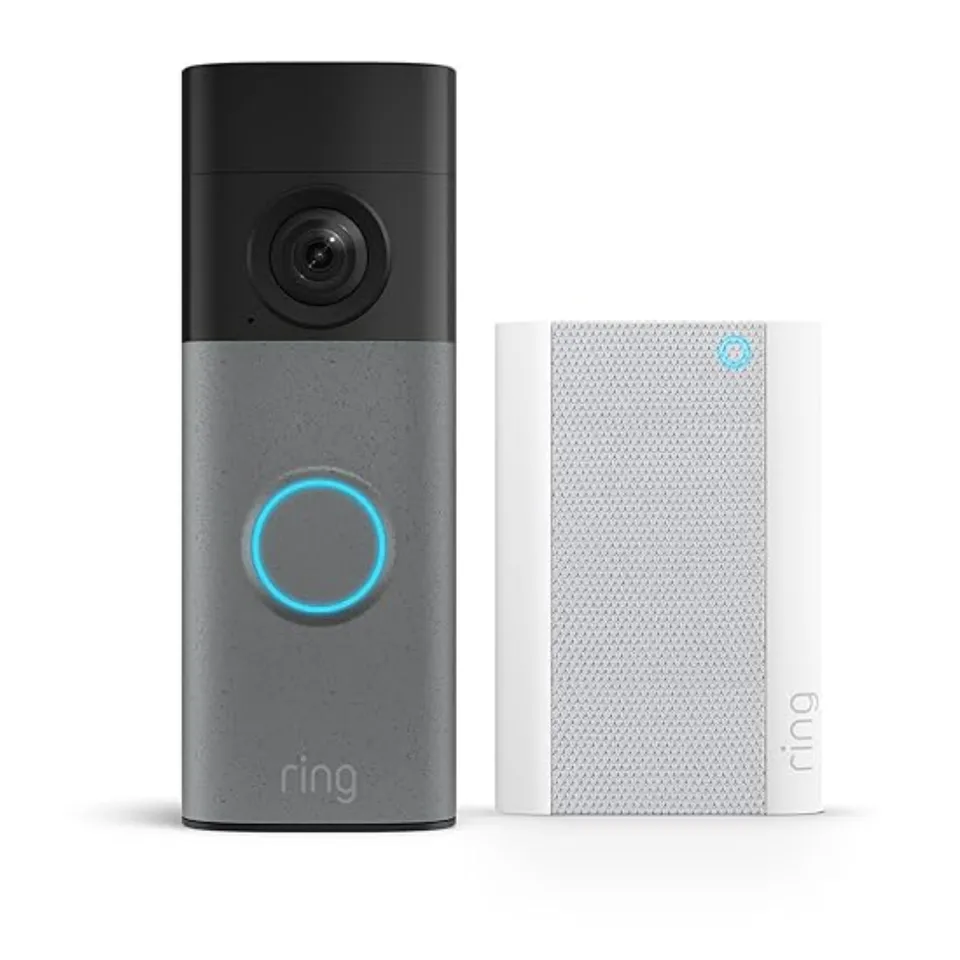
Want to ensure security for your home? You’ll no doubt know about Ring doorbells by now, but this one comes with whopping savings on not only the bell itself but a wifi extender, chime box, and nightlight, which all work to make sure you can keep an eye on your front door no matter where you are in the world.

Advertisement

Allergy season is deadly enough without worrying about pet hair all over your house. To make sure your house is completely pollen, dust, and hair-free, this cordless hoover from Shark has a HEPA filter that removes even the smallest particles of dust from the air. The charge lasts for 50 minutes, which is enough to do your whole house in one go, and it even has a handy floor light so you can see the spots you’ve missed, even of a late night manic clean (we’ve all been there). Don’t believe us? Our audience editor, Hannah, sings its praises for saving her from allergy season.

29% off

Best double air fryer

It can feel somewhat excessive to heat a whole air fryer to make a few fish fingers, which is why we’re big fans of the fact this one from Tefal has a mini compartment that’s separately operated so you can make smaller meals when the time comes. Or, when you’re cooking for the whole family, you can use both – the larger compartment is so big it can roast a chicken, while the smaller can be home to your accompanying veg, chips, or potatoes.

47% off

It’s smoothie season! So if you prefer to drink your greens, it’s time to upgrade to a blender that won’t leave you with clumps. Whether you’re making a gazpacho, frozen marg, or your favourite juice, this blender can handle up to two litres of liquid, and it’ll work with hot food come soup season, too. And, so you don’t risk nicking your fingers while you clean it, it comes with dishwasher-safe parts, too.

12% off

If you’re anything like me, being expected to choose between filter coffee and espresso is an impossible feat. To save you having to agonise, this Ninja machine allows you to do both: brew a whole pot at the start of the day or simply pop in a coffee pod for espresso in an instant. It has its own steam wand, too, so you can perfect your latte art in no time.

Advertisement

44% off

If you’re not already on board the Clinique train, it’s time to step up. It’s a brand that knows what it’s doing, and the same goes for this eye cream that’s blended with hyaluronic acid to hydrate your under eye circles and reduce puffiness, dark circles, and fine lines.

40% off

Who doesn’t want hair that makes them look like a million bucks? We’re big fans of everything Color Wow does, but this latest launch is designed to leave your hair looking shiny and smooth, like you’ve had a big blow out but without the heat. No matter your hair type, a spritz of this after your shower is enough to leave your hair frizz-free and glossy for days.

52% off

Tired of shaving every time your hair grows back? This at home hair laser will save you from shaving for up to two whole years after using it for just three months, but the good news is you’ll be able to see visible results after just one session. Unlike laser hair removal appointments that are spenny and require you go to back once your hair grows back, this device is a one-off cost, and you’ll have a 100 day money-back guarantee if you don’t like it.

All you need to do for painless hair removal is use the device for 10 minutes (because that’s somehow all it takes for a full-body session!) two times a month for three months to see lasting results. To take any doubts you might have out of the equation, sync the device up with the app, which will track your sessions and make sure you haven’t missed any areas.

Advertisement

Plus, the reviews speak for themselves, with one five-star reviewer saying: “This is a bit of a game changer for me as it’s so straightforward to use, and the app takes the guesswork out of it completely. If you’re a novice like me then you can’t go far wrong with this set up.”

56% off

No one wants cuts all over their face every time they shave. Luckily, Braun has created this razor that works on wet and dry skin, so you can get a precise and knick-free shave every time. With two settings, turbo and standard, you’ll be able to look sharp no matter how much of a time crunch you’re on. It even charges in five minutes so you won’t find yourself having to wait around for hours to make sure you can get your face presentable before a big moment.

44% off

Best TV for streaming

Gone are the days where a TV is just a TV. This one from Amazon is designed to be part of your digital ecosystem: not only does it come with a Fire TV remote, which is voice-controlled, but it holds every streaming service you could want in one place. If you’re not in the mood to watch, you can also play by downloading games from the App Store, or AirPlay whatever you want to look at from your phone – there are no limits!

Advertisement

21% off

Athletes, listen up! If you’re looking for another excuse to get to know your body better, this watch from Huawei will keep you busy. Constantly monitoring your heart rate and blood oxygen levels, it will track your performance and help boost your training, whether you’re swimming, running, golfing, or hiking. It’s fully waterproof for up to 40 metres of submersion, and the battery lasts for three weeks, so you won’t have to worry about missing out on a big work out. Once it arrives, you’ll get a free three month subscription to Huawei Health, which offers workouts and AI fitness advice, while it’s easily synced with third party apps like Clue, FiiT, and Komoot. And of course, it looks supremely sleek, so you won’t have to worry about it ruining your outfits when you’re not in sports mode.

25% off

Whether you’re working out at home or on a run in your local park, these headphones have all the noise cancellation you could want. Loaded with 30 hours of battery life, you don’t have to worry that they’ll run out of battery, and they’re sweat and water resistant to take all the heat you can give ’em while you work out. To make sure they sit perfectly in your ear, they come with four extra bud sizes, which means when you switch from transparency to noise cancellation mode, there’s nothing that could distract you from getting your sweat on.

12% off

PC crew, stand up! If you’re looking for an ultra-light laptop, look no further than this one from Samsung that comes in at under 2kg. Whether you’re coding, gaming, or making your latest reel, the AI chip on this laptop is designed to make your workflow completely seamless. It connects to other Galaxy devices in a second, and you can even use your Galaxy phone as your webcam. Plus, it has speedy charging that gets you to 33% in as little as 30 minutes, and the battery provides up to 19 hours of video runtime for endless fun on the go.

25% off

Time to block the world out – these noise-cancelling headphones are padded with the softest ear-moulding cushioning that makes sure they mould to your ears. Once both pads are firmly in place, Bose uses spacial audio that makes the sound personalised to your ears, and feels like it’s coming from inside your head. Plus, there noise cancellation is elite, and there are no sound leads, meaning you can shut the outside off and lock in to your own world.

Advertisement

39% off

Living your best analogue life? For a reading and note-taking experience with zero distractions, this Kindle has it all. As well as the regular functionality of a Kindle, it has a built-in notepad, so you can draw or write as you would on a pad (but keep it organised) or add your thoughts into the margins of books as you go.

12% off

Whether you’re trying to get a jog in or simply attempting to survive the morning commute, no one wants headphones that fall out every few seconds, so Shockz has created these specifically for premium sound and to make sure you don’t lose one of your precious belongings. Unlike other headphone models, these lightweight clip on buds won’t budge even an inch when you’re running or jumping.

30% off

In case you (somehow) missed this, most women can’t orgasm from penetration alone. But if there’s one sure fire way to get you over the finish line (and quick) it’s a rabbit vibrator: blended G-spot and clit stimulation that feels like, well, bliss. This one from Lovehoney is loaded with 10 vibration speeds, and comes with a sweet four inch shaft, making it ideal for beginners.

Best health and fitness deals

67% off

Best electric toothbrush set

Advertisement

This is why we love Amazon Prime Day: you can save on a toothbrush for you and your flatmate/lover/partner because this toothbrush set comes with two bodies, three heads, a charging kit, and storage case.

21% off

Best app-controlled treadmill

If you want to feel like you’re anywhere else, good news: this walking pad is app-controlled, and the app lets you choose from AI simulated scenery so you can feel like you’re walking through everywhere from Sydney to Lake Como. It goes up to 10km per hour, and comes with an adjoining handrail so you feel safe while working out.

47% off

Best protein bars

Advertisement

Let’s be honest, meeting you protein goal is hard, especially if you have a sweet tooth. But good news, you can do both with these Grenadine bars, which contain 20g of protein each. The outside is coated in white chocolate while the inside contains gooey Oreo goodness – and I can attest to the fact that these are the best of the brand’s flavours.

Best app-controlled toothbrush

No wonder friction maxxing is a thing, technology has made our lives so easy we don’t even have to move our arms any more when we’re brushing our teeth. Thanks to its combination of oscillation and vibration, this brush takes all the hard work out of brushing for you. That all sounds mighty powerful, so to make sure you don’t overbrush, the pressure sensor monitors your brushing force, and adjusts the speed to stop unnecessary friction on your gums. If you’re really serious about dental care, you can tailor your routine to one of thousands of brushing combinations through the synced app.

Source link

Advertisement
Continue Reading

Politics

Need A Fan, Like, Now? These Are The 7 Best Fans On Amazon

Published

on

Need A Fan, Like, Now? These Are The 7 Best Fans On Amazon

We hope you love the products we recommend! All of them were independently selected by our editors. Just so you know, HuffPost UK may collect a share of sales or other compensation from the links on this page if you decide to shop from them. Oh, and FYI — prices are accurate and items in stock as of time of publication.

You can lie to yourself, and tell yourself you don’t need a fan to get through the summer.

But then comes another heatwave, and you realise you can never outrun the weather – especially not when it’s expected to hit highs of 36 in some parts of the UK over the next week.

Advertisement

Don’t be a hero, get a fan! And if you’ve spontaneously decided you need something, there’s only one place to go: Amazon.

While Prime Day starts on Tuesday, with lashings of savings, you’ll want to stock up on any cooling fans before the peak of the heatwave.

To not waste another second, I’ve rounded up the best fans on Amazon to shop now, from desk fans, to standing fans, tower fans, and even a portable fan.

Best fans on Amazon to shop now

Advertisement

Best for hot nights

The last thing you want when you’re trying to sleep is the sound of whirring. But if you don’t want to wake up dripping in sweat, you have no choice but to sleep with the fan on. Luckily, this fan from DREO comes in at under 20dB, which is quieter than a whisper, for reference. Even better, it’s app and remote controlled, so you can increase or decrease the intensity without having to get out of bed (okay, I’m lazy!) set it to a timer of up to 12 hours via the app, or customise its nine speed settings to suit your needs. Despite being only seven inches tall, it can fill up to 85 feet of space with air.

+ Comes with a child lock function in the app
+ Super quiet
– Quite small, but it has plenty of airflow

Best silent standing fan

Often, when oscillating fans only move left to right you can feel like you’ve been left out of the cold. To avoid arguing with your loved ones about who’s getting more air, this fan from DREO moves both side to side and up and down. Again, it’s quieter than a whisper, and even saves 40% of its energy by expelling enough air volume to travel 90 feet. The accompanying app can be used to control its nine speeds and six modes, while you can set a timer for up to 12 hours for those days where the sweat gets unbearable.

+ Different oscillating options
+ Adjustable height
– You might lose that remote, but at least you’ll have the app

Advertisement

Best portable fan

We <3 fans because they keep us cool, calm, and collected… but my god are they crazy heavy sometimes. If you’re looking for one you can take with you around the house without worrying about breaking your back, this one from Meaco is portable and weighs just 3.2kg. It might be energy efficient, costing less than 1p per hour to operate, but that doesn’t mean it sacrifices on power. In fact, it creates 1056 cubic metres of airflow per hour, or 17.8m per hour – all at under 30dB. One five-star reviewer claims this is “the quietest and coolest fan I have ever used”.

+ Has a magnetic remote control so you don’t lose it
+ Handle to make it easy to carry
– Beeps occasionally.

Best rechargeable desk fan

Say it with me: we don’t need another wire on our desks. No sir! Anyway, ahem, to prevent a tangled mess from developing on your desk while you work, this fan is completely wireless and can be used for four to 14 hours on one charge. To recharge it, you can simply plug it into a USB port, which also means it can be used in the car. And, to make sure you don’t miss a single spot of airflow, the head bends a full 90 degrees, while there are four airflow modes to choose from.

+ Small and portable
+ Rechargeable…
– …Which means you’ll need to remember to charge it.

Advertisement

17% off

Best mini tower fan

If you’re not into bladed fans, this mini tower will fulfil all your dreams. Apart from being so dinky (30cm tall, to be precise) you can pop it on your bedside table or countertop while you cook, it sends a strong stream of air directly to your face. Should you not be a fan (pun intended) the whole windswept vibe, don’t worry, it also comes with a remote control so you can switch it into oscillating mode for a breeze that fills your whole room, or set it on a timer for 12 hours at the most.

+ Doesn’t use much energy
+ Bladeless
– I see a lost remote in your future.

3% off

Best tower fan overall

Advertisement

I often think fans are one example of when you think you know best, but in reality you don’t. You can get trigger happy, and end up too cold and icy, or not realise that you’re pumping barely any air out. To sidestep that, this smart tower fan from DREO syncs up with the app to make sure it adapt its airflow to your environment. It also means if you forget to turn it off when you go out, peace of mind is just a few taps away, and when you are home, you’ll be able to have precise control over the amount of air you want blasting through your house at any one time.

+ Easy to clean the filter
+ Strong app compatibility
– Not the prettiest on this list

Best portable fan

Stop struggling through your commute, this portable fan comes in at under £20, and lasts 12 hours a day, so there won’t be a second where you’re not cool (in every sense of the word x). It has a grip handle that ensures you won’t struggle to grip it as you sweat, and blasts cold air at you wherever you are at your choice of five speeds. Don’t worry though, you can still use it at your desk, by simply folding it into a surface stand rather than hand grip.

+ This colour is gorg, but it also comes in three other shades
+ Handy screen to shows how much charge is left
– Not super quiet, but that’s none of your business.
Advertisement

Source link

Continue Reading

Politics

Council busybodies are going after the England flag

Published

on

Council busybodies are going after the England flag

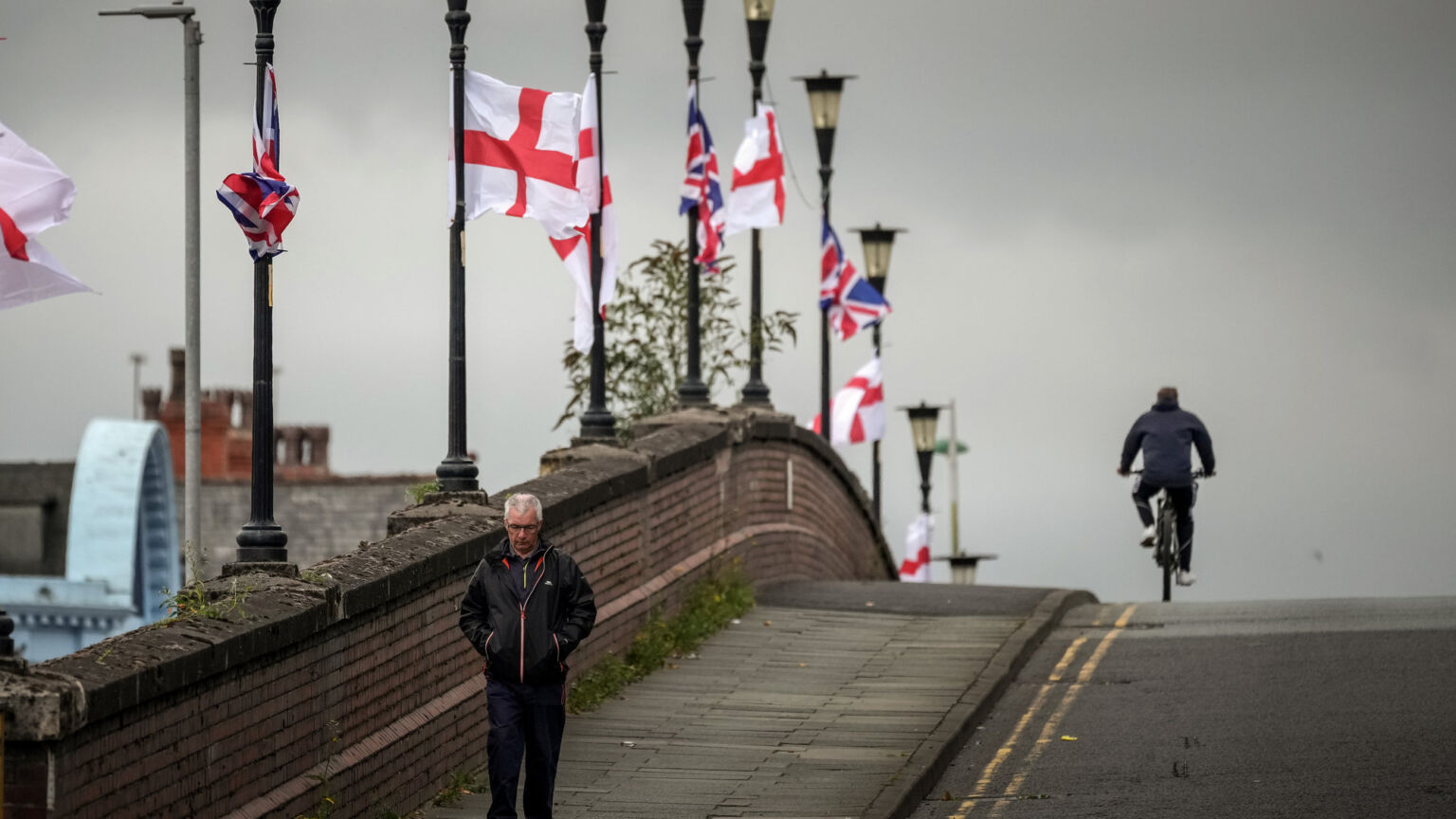
Trust local councils to try to suck the fun out of the World Cup for everyone. Oxfordshire and Bristol are trying to ban residents from flying the England flag on council property – again.

Oxfordshire County Council is taking the current outbreak of flag-flying patriotism very seriously. So much so that, next week, it is taking the matter to the High Court – where, if its application for an injunction is successful, it will obtain the power to prosecute citizens who attach flags to public lampposts for contempt of court. The punishments for successful prosecutions will be either two years in prison or an ‘unlimited fine’.

The council has framed its attempt to ban the St George’s Cross as necessary to ‘protect communities’. It claims, in part, that flags ‘on or near’ highways are a public-safety issue, which ‘breaches the council’s legal duties as highway authority’. But Oxfordshire council leader, Tim Bearder of the Liberal Democrats, has let slip what the council really means when it talks of ‘protecting communities’.

Advertisement

‘We are proud of Oxfordshire’s diverse communities and of our Council of Sanctuary status’, Bearder said in a statement. ‘[Flag flying] is not about national pride or unity. It is unlawful behaviour, which has caused fear and division within our communities.’ Basically, Beader is implying that flying the England or even a Union flag is racist because it intimidates immigrants or ethnic minorities.
It seems that displays of patriotic ‘activity’ have been bothering Oxfordshire councillors for some time. In April, its former Lib Dem leader, Liz Leffman, described flying the England flag as an ‘act of intimidation’, which had left residents feeling ‘distressed, unwelcome and unsafe in their own communities’. Back then, Leffman promised that the council would not hesitate to take ‘further legal steps where necessary to protect residents and support the cohesion of our communities’. Now it seems those legal steps are being taken just in time for the World Cup.
In Bristol, council authorities have narrowed their focus to one particular row of 80-odd houses and its lampposts. Torrington Avenue has been described as England’s most patriotic street because of its residents’ enthusiastic support for the Three Lions during international football tournaments. Not anymore – if Bristol City Council leader, the Green Party’s Tony Dyer, gets his way.

Advertisement

Enjoying spiked?

Why not make an instant, one-off donation?

We are funded by you. Thank you!

Advertisement


Advertisement

Please wait…

Advertisement

‘We are currently taking down flags in sensitive locations as a priority’, Dyer has said. ‘[The council] will be reviewing our strategy for removing other flags on our property.’ The rationale for the clampdown was provided in a council statement. It said it wanted to ‘ensure that Bristol remains welcoming, respectful and safe for everyone during the tournament’.

Dyer, it seems, has had a troubled relationship with the England flag for some time. In August last year, at the height of the ‘Raise the Colours’ campaign, he penned a lengthy blog on the ‘conflicting’ subject. He admitted that he has felt ‘pleasure [at] attending flag-raising ceremonies’, yet the ‘sad fact’ remained that the Cross of St George (‘himself… a migrant from what is now Turkey’) had been used to ‘represent anti-migrant campaigns of misinformation and hate’. ‘[T]here’s a balance to be struck’, he mused.

Advertisement

Unsurprisingly, this ‘balance’ goes out the window when it comes to flags representing ‘progressive’ causes. The Palestinian flag was hoisted above Bristol’s City Hall in September to mark the Labour government’s recognition of a Palestinian state. Oxfordshire did the same thing in December to mark the arrival of a visiting mayor from the West Bank. Bristol has even spent money on decking out its street sweepers and dump trucks with the Progress Pride flag. So neither council has a problem using public property to celebrate a political cause, but it does have a problem with people celebrating their own country.

It seems these right-on killjoys can’t even give it rest during a World Cup. They consistently treat large swathes of local residents, especially working-class, football supporting ones, as ignorant, xenophobic bigots. So much so that they see even an innocuous display of patriotism during a football tournament as a threat to minorities.

Advertisement

Beneath all the high-minded rhetoric, and bogus concerns about public safety, lies a deep contempt for ordinary people.

Hugo Timms is a staff writer at spiked.

Advertisement

Source link

Continue Reading

Politics

Brexit ten years on: the EU

Published

on

Brexit ten years on: the EU

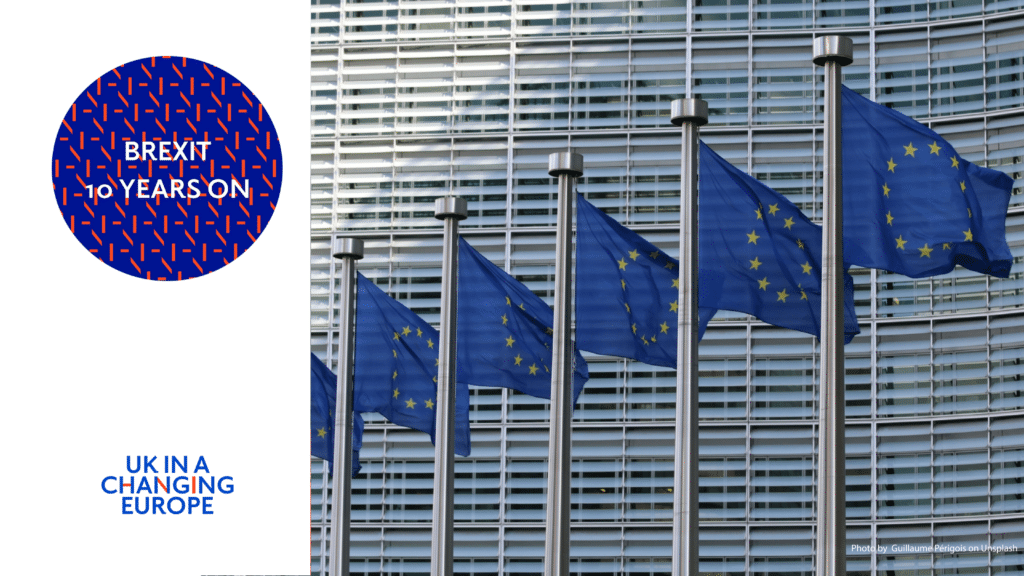
Ahead of the ten year anniversary of the EU referendum on 23 June, UK in a Changing Europe experts have written a short series of blogs reflecting on some of the issues at the heart of Brexit then and now. Here, Jannike Wachowiak reflects on Brexit’s impact on the EU.

The outcome of the 2016 referendum took many in the EU by surprise. Shocked at first, member states quickly closed ranks. Within a week, EU leaders agreed that there would be ‘no negotiations of any kind’ with the UK until Article 50 had been triggered. This was to prevent the British side from attempting a strategy of ‘divide and conquer’ whilst giving the EU time to define its negotiating position. Leaders also made it clear that access to the single market required the acceptance of all ‘four freedoms’ (goods, services, capital and people) and that any future agreement would have to strike a balance between rights and obligations. This was to signal that the UK would not be allowed to pick and choose when it came to access to the single market.

Ten years later, these principles still hold: the EU remains wary of offering the UK market access on conditions which could be interpreted as more lenient than those offered to other partners, let alone member states. In the autumn of 2024, in response to the Labour government’s stated ambition to ‘reset’ the relationship, the EU organised a series of strategic discussions which confirmed the validity of the 2017 European Council guidelines, including the wish to have the UK as a close partner whilst being clear there can be no ‘cherry picking’.

What has changed, however, is the level of attention being afforded to the UK. Back in 2016-2020, Brexit dominated one European Council summit after another. Today, relations with the UK no longer feature prominently on the EU’s list of priorities. The war in Ukraine, relations with the US and China, and the competitiveness of the single market have long replaced Brexit at the top of their agenda.

Advertisement

None of which is to say that the EU is not interested in closer relations with the UK.

There is a recognition that times have changed since the TCA negotiations of 2020, and that the UK is an important partner in a more dangerous world. The Commission’s 2024-29 political guidelines make it clear that the EU wants to strengthen relations ‘on issues of shared interest, such as energy, security, resilience and people-to-people contacts’. Conspicuously absent from this list is trade. More than five years into the application of the Trade and Cooperation Agreement, the Commission’s assessment maintains that it is a ‘very good’ agreement for the EU.

This matters more to some than others, as a function of geographical proximity and the importance accorded to bilateral relations. The German government, with its recently ratified British-German ‘friendship treaty’, has been an advocate of all-round closer relations. The Baltics and Nordics are interested in closer defence ties and would have liked to see UK participation in SAFE.

In other cases, it is more complicated. While Franco-British bilateral ties have gone from strength to strength in recent years, France has been fairly uncompromising when it comes to plugging the UK back into the EU. The French vision for a more self-reliant EU (often encapsulated in the phrase ‘strategic autonomy’) favours strengthening domestic industries (i.e. EU and, often, French) even if this means shutting out UK firms.

Advertisement

In other words, it is not just British red lines that are limiting the ‘reset’. There are political, legal and institutional constraints on the EU side also. And these have implications beyond economic cooperation. The EU’s Common Security and Defence Policy (CSDP) precludes any decision-making or planning role for third countries in CSDP missions and operations, imposes strict intellectual property rules in defence capability projects under the Permanent Structured Cooperation (PESCO), and largely limits input into defence industrial projects and supply chains to the EU, EEA countries and Ukraine.

The UK is not alone in wondering whether these limits undermine potential benefits to be had from participation, and two recent EU decisions have pushed the envelope in terms of allowing other countries to participate under certain conditions. Whilst previous EU defence industrial initiatives were mostly limited to single market members, SAFE allows procurement – of up to 35% of the value of a contract – from another country’s defence industry under the condition that a Security and Defence Partnership has been signed first.

Meanwhile, the Ukraine support loan will be open to purchases from third countries who either have a SAFE agreement or are ‘providing significant financial and military support to Ukraine’ and agree to make a ‘fair and proportionate financial contribution to the costs arising from borrowing’. This is a notable development but, if the aim is to build a common European defence market, more flexibility will be required.

The EU of today is a different organisation to the one the UK left. More deeply integrated in security and defence, more open to common borrowing (as evidenced during the pandemic), and increasingly shaped in the image of French preferences for European autonomy. And further changes are afoot. Member states have just given the green light to start the drafting of Montenegro’s accession treaty, a significant step towards the country’s aim to join the EU by 2028. On top of this comes renewed interest in membership in the EU’s Nordic neighbourhood. Icelanders will be asked on 29 August whether the country should reopen negotiations on EU membership. A positive outcome could put this back on the political agenda in Norway too.

Advertisement

There is also an open question about the future political direction of the EU project, with French presidential elections in April 2027, Polish parliamentary elections in November 2027, and German federal elections by early 2029. In France, the Rassemblement National is on track to reach the final run-off, and the Alternative für Deutschland and the Confederation of the Polish Crown are topping their respective polls. The paradox is that closer relations with the EU are seen as a distinctly ‘progressive’ project in the UK, whilst the organisation it wants to get closer to, or even rejoin, might come to be shaped by far-right governments.

All this to say that while the UK’s political class is bickering over Brexit, the EU is not standing still. It might start to look quite different over the next five-to-ten years, and the UK, whether it stays on the EU’s periphery, moves closer, or even rejoins, will have little say over the direction the EU is taking in its absence.

By Jannike Wachowiak, Research Associate, UK in a Changing Europe.

Advertisement

Source link

Continue Reading

Politics

The House | The rush to build data centres risks saddling our children with unnecessary costs and pollution

Published

on

The rush to build data centres risks saddling our children with unnecessary costs and pollution

Waltham Cross, 2026 Google’s new AI data centre (Amazing Aerial/Alamy)


4 min read

The government has put “mainlining AI” into Britain’s veins at the centre of its growth strategy.

Advertisement

But advancing data centre construction without guaranteed access to clean energy and appropriate protections for local communities could imperil UK climate targets and generate the kind of public backlash already brewing in the United States.

America has been at the forefront of the AI boom, but the massive expansion in data centres has resulted in a slew of environmental and social harms. Electricity demand from data centres is significantly increasing emissions, putting stress on local water supplies, damaging local air quality and increasing noise pollution. It’s also raising household bills: electricity prices near data centre clusters have soared as much as 267 per cent relative to five years ago. 

Unsurprisingly, recent polling shows that Americans have a mostly negative view of data centres’ local impact on the environment, home energy costs and people’s quality of life, and 57 per cent believe it will end up being a campaign issue in their area.

Advertisement

American politicians are listening: Maine has paused data centre development entirely while authorities assess the sector’s potential impacts, and at least 11 states are considering similar restrictions or bans. With an eye on the upcoming midterms, some Democratic candidates are even pushing for a nationwide moratorium on data centres.

Ireland, which historically positioned itself to attract large tech headquarters, also put a three-year moratorium on data centre expansion, only lifting the ban recently with new rules requiring large data centres to provide their own electricity generation or storage. 

UK policymakers should take note. The total pipeline of data centre projects in the UK amounts to approximately 50 gigawatts (GW) of capacity. Even if only the projects at a mature stage of development end up getting built, back-of-the-envelope calculations suggest that by 2035 the electricity demand could be as much as 50 per cent of the UK’s current annual consumption. For comparison, meeting this demand entirely with new onshore wind could require around 610,000 hectares of land – roughly 2.5 times the size of Luxembourg. 

Advertisement

Now is a particularly good time to pause and develop a measured strategy, before the concrete is poured for another historical phase of infrastructure overbuild

Without guaranteed access to clean energy, developers working on the rapid expansion of AI infrastructure will likely turn to fossil fuels – more than 100 data centres in the UK are already planning to burn gas for electricity. In a high-demand scenario, data centre-related emissions in 2035 could be up to 35 per cent of the 2040 carbon budget. Given that we are already in an energy crisis and facing relatively high electricity prices in the UK, the government will be in a difficult position to juggle the demands for affordable, clean energy for households, existing industry and new data centres. 

Now is a particularly good time to pause and develop a measured strategy, before the concrete is poured for another historical phase of infrastructure overbuild – a pretty plausible scenario, given the seven-fold difference between the highest and lowest estimates of data centre energy demand. Overbuilding now could create future stranded assets and leave billpayers on the hook for the associated infrastructure costs. 

Advertisement

Data centres are tied to the UK government’s AI and quantum computing growth aspirations, and it’s understandable that the government is hoping for a technological solution to grow its way out of the current economic malaise. But while the associated costs are very immediate, the size of the potential benefit to society is still unclear, and could even result in net job losses. The public is increasingly sceptical that they will be seeing the benefits of AI, particularly young people – a voting demographic Labour will need to work to win over. By moving forward with data centre expansion without a sustainable strategy for powering them, the government is risking clear and immediate sunk costs against the hope of future growth, on an unpredictable timeline. It would do well to learn from the political toll that this is already taking in the US. 

Sini Matikainen is the Director of economic and fiscal policy at the Centre for Economic Transition Expertise at the LSE

Source link

Continue Reading

Politics

The House | The government must protect our democracy from serious information incidents

Published

on

The government must protect our democracy from serious information incidents


4 min read

When a major public incident occurs, attention understandably turns to what is happening on the streets.

Advertisement

But another question demands increasingly urgent attention: what information were people seeing online?

The 2024 post-Southport riots and the Covid-19 pandemic showed how quickly false and misleading information can spread during periods of uncertainty and shape public understanding. The public disorder that followed the tragic death of Henry Nowak has prompted renewed debate about how the government, regulators and platforms should respond.

Full Fact first advocated for a cross-sector crisis response framework during the Covid-19 pandemic. Since then momentum has built behind the need to address viral misinformation fuelling public crises. Last week, Ofcom published its response to a consultation on crisis response protocols under the Online Safety Act. Meanwhile, as part of its social cohesion strategy, the government recently announced a review of crisis powers in the Act “to ensure that they are fit for purpose”.

Ofcom’s measures are a step forward, requiring platforms to maintain crisis response protocols, deploy crisis response teams during major incidents, conduct post-crisis reviews, and establish dedicated communication channels with law enforcement. But they can only go so far within the current framework of the Online Safety Act. The Act needs to be updated to require the largest platforms, search engines and AI systems to identify and tackle systemic risks, including risks they pose to the UK’s democratic processes and public safety.

Advertisement

Recent polling commissioned by Full Fact highlights the scale of the challenge. Four in five UK adults are concerned about political misinformation – and 42 per cent of this group say that has negatively affected their confidence that elections are free and fair. Levels of trust were generally low in institutions as sources of reliable information. And 17 per cent of people would not put their greatest trust in any institution they were asked about during a major national emergency, including the police, local authorities or the media.

That creates a practical challenge for crisis communication. Effective response depends on reliable information reaching people through sources they trust, at speed, in order to counter the spread of false and misleading claims.

The UK has established systems for managing other forms of national risks. But as Full Fact’s latest report highlighted, responsibility for major information risks is fragmented across multiple bodies, with opaque systems and laws that have not kept pace with the rapidly evolving information environment.

Advertisement

The information environment is critical democratic and civic infrastructure; yet policy has not focused on the resilience of the wider system. Protecting it requires the government to move beyond piecemeal responses and recognise the scale of the changes driven by new technology. Full Fact’s report includes recommendations to strengthen the UK’s information environment during times of crisis.

First, Ofcom should require the largest platforms, search engines and generative AI systems to maintain more expansive information incident protocols, and crisis communication plans involving other stakeholders. Ofcom’s protocols move in this direction, but stop short of requiring the systematic preparedness major information risks demand. 

Second, the government should establish a national information incident response framework. This would provide clear severity thresholds, escalation pathways, communication processes and coordination arrangements across government, regulators, platforms and other institutions.

Third, this framework should be overseen by a new Information Resilience Unit. The unit would provide a single, visible, enduring mechanism for cross-system coordination, preparedness and institutional learning on major information risks.

Advertisement

The government’s social cohesion strategy reflects a simple principle: resilience depends on more than responding after harm has occurred. This is critical in the information environment, where preparation, coordination and learning shape outcomes.

False and misleading information increasingly shapes how crises unfold and are understood. Major information incidents are a serious risk to the health of our democracy. Protecting our democracy from these risks requires laws, institutions and capabilities that can respond effectively.

Phoebe Arnold is Policy Lead at Full Fact and George Havenhand is Policy Manager at Full Fact

Source link

Advertisement
Continue Reading

Politics

The House Article | Help us act on the emergency of young people’s mental health

Published

on

Help us act on the emergency of young people’s mental health

(Shotshop GmbH/Alamy)


4 min read

The number of children and young people taking the brave step to seek help with their mental health is at an all-time high.

Advertisement

For anyone reading this article, there is a strong chance that a young person in your life has had issues with their mental health, be they your own child, a niece or nephew, a grandchild or a young family friend.

So much has changed over the last 10 to 15 years to ramp up the pressure on young people. New stresses and strains have entered children’s lives, from harmful online content to the Covid lockdowns, and pressure to pass exams and find work.

Young people’s referrals to mental health services are breaking records. According to analysis by charity YoungMinds, 932,822 people under the age of 18 had an active referral to mental health services in March, which included 134,837 new referrals. Both figures are the highest on record for a single month.

Advertisement

And the data paints another disheartening picture: those who are referred for help can face unacceptably long waits. In 2023-24, one-third of children referred to NHS mental health services waited a year for their next appointment. It goes without saying that a year is a long time in a child’s life, potentially critical to their results at the end of school, college or university.

Despite the dedication of those on the front line, public services haven’t been able to keep up. Youth services, another vital asset, have been stripped back.

How and why we got here has been well-rehearsed already. The select committees we chair – Health and Social Care, and Education – now want to investigate what is happening on the ground, in the lives of children and young people needing support.

Advertisement

As part of our joint inquiry, we want to put on record the experiences of children and young people, their parents and carers, who have tried to get help with their mental health. We want to see what lessons can be learnt and what patterns emerge from their stories.

To do this, the two committees have launched a survey to gather these perspectives – to hear where different services were lacking and how things varied between different pathways.

And we know it won’t be as simple as streamlining one or two processes, because the pathways to mental health support are many and varied, from GPs and NHS inpatient services to university pastoral support and youth clubs.

From our anonymous survey, we want to hear about the experiences of accessing support through all of these pathways – how they worked and what could have been better. Was there an issue with how far you had to travel? Did communication dry up just when you thought you were making progress? Did you have to explain yourself over and over again?

Advertisement

Young people’s referrals to mental health services are breaking records

And what should there have been more of? What was good about your experience? What helped the most?

With enough responses, this research will be invaluable for building up a picture of which areas provide the best outcomes, and which pathways are the most problem-prone and why.

Advertisement

This evidence will be put directly to ministers. Then, at the end of our inquiry, we will produce a report to the education and health departments. We will make recommendations to the government on how to ensure children and young people’s mental health services are more accessible, more equitable and more effective. At that point, ministers will be obliged to answer us and set out what they plan to do.

No child or young person should have to struggle through a system intended to help them through life’s toughest challenges. We can make that journey easier. But first, we must listen. 

To visit the survey, go to tinyurl.com/45hbwwsm

Helen Hayes is the Labour MP for Dulwich and West Norwood, and Education Committee chair. Layla Moran is the Lib Dem MP for Oxford West and Abingdon, and Health and Social Care Committee chair

Advertisement

Source link

Continue Reading

Politics

The Quibble Campaigners Focused On Life’s Little Frustrations

Published

on

'The Ministry Of Detail': The Quibble Campaigners Focused On Life's Little Frustrations


6 min read

Most political campaigns try to bring about major change. Now, two political insiders are trying to make life better by focusing on the small things. Ben Gartside investigates

Advertisement

Ever got cross trying to key in details to a parking app? Nettled by endless cookie approvals? Mildly piqued by that redundant phone box? Quibble is here to help.

Most political campaigns promise sweeping change. This one aims to remove pebbles from shoes, oil squeaky hinges and stop the dripping taps that bedevil service delivery.

Founded by human rights campaigner Jonathan de Leyser and civil servant Abigail Bradshaw, the self-styled ‘nuisance lobbyists’ have both learned the hard way that banking small wins is better than fruitless hunts for big change.

“In Britain and in the international community, progress can be very, very slow, but I think part of the experience of that is that you look for low-hanging fruit where you can,” says de Leyser. 

Advertisement

“You look for minor things: you’re not going to get regime change in North Korea, but you might be able to help an individual case for someone being extradited. So, you learn to calibrate your expectations a bit.”

Self-described as “The Ministry of Detail”, Bradshaw and de Leyser are trying to become a two-person campaign to combat Britain’s gripes with the public sector.

Quibble’s desire to “sweat the small stuff” is influenced by Rory Sutherland, the TikTok-famous advertising guru renowned for his rants on consumer issues, from whom they borrowed the phrase.

Advertisement

According to leading pollster Luke Tryl, the pair have identified a gap in the political market.

“The word Britons are most likely to use to describe the country is ‘broken’ – for many, that refers to big issues like the cost of living, migration or the NHS.

“But these macro issues are exaggerated by people’s frustrations with every day frictions, the series of things that just make life harder, more frustrating: forms that don’t work, getting stuck on hold, the 8am GP call. All of these add together to create a sense not just things are bad but that the state is actively making life harder.”

The duo are happy to be part of a new vanguard in British politics battling over the minutiae, alongside the bombastic Looking for Growth campaign or the litany of Doge impersonators which have crossed the Atlantic.

Unlike the other detail-orientated campaigns, Quibble is not planning on adopting a hostile approach. Bradshaw, who has sat in the same hot seat as many of the people she’s now trying to influence, is instinctively supportive of civil servants.

Advertisement

“Not many people go in wanting to do it badly. Part of our role is trying to help people achieve what they already want to achieve.”

The campaign has already been welcomed by MPs on either side of the political divide, with Labour’s Andrew Western and the Conservatives’ Tom Tugendhat celebrating the launch.

Bradshaw and de Leyser are trying to keep a relatively narrow Venn diagram for the issues they take on. Issues must be common, and must be the responsibility of the government or a public body. So far, the pair have identified four initial quibbles.

First has been to cut down the constant cookie permissions on webpages, which the pair say is adding an onerous amount of time for limited data protection.

Advertisement

Another is making small mistakes when keying in details at public car parks, where fines are applied liberally in spite of those paying having acted in good faith, such as errors where keying a zero instead of an “O” could land motorists a hefty fine.

The pair also want to rename the “Tax-Free Childcare” scheme, which adds an extra 20 per cent on top of any funds deposited by parents towards accredited childcare providers. Despite being launched in 2017, less than half of eligible parents are currently using the scheme – Quibble reckons a simple renaming would increase uptake.

Finally, Quibble has set its sights on the UK’s telephone boxes. Despite their iconic design, many find themselves in a decrepit state with no functional purpose. Bradshaw and de Leyser have taken it upon themselves to take a critical look at the boxes, which number approximately 20,000 across the country.

“People are angry about very specific kinds of things in their lives. But nobody is sorting them out”

Advertisement

With an array of campaigns to take on, the pair are now trying to vet the variety of suggestions they’ve received from the general public since launching, attempting to separate one person’s niche pet peeve from a systemic but finicky problem in the public eye.

Complaints to them have ranged from ambulance sirens being too loud, and martial arts swords being too hard to import, to banning Captcha forms from using letters that look too similar.

The pair’s plan to retain sanity is by keeping a pretty tight net on what they consider an actionable campaign.

Advertisement

“It’s been really interesting to hear the range of suggestions,” de Leyser says diplomatically.

“People are angry about very specific kinds of things in their lives. But there’s a lot in which people are feeling like they’re not being heard and that there are things that to them are, and to us, feel like fairly obvious wrongs or fairly minor things. But nobody is sorting them out.”

Unlike much of the political tide in the country, Quibble is not calling for an overhaul in the British polity. In fact, the pair think small tweaks can make a huge amount of difference.

Bradshaw says: “Many years of working in the Civil Service taught me that sometimes that’s true, but sometimes policy just isn’t made in an ideal way and actually, sometimes very small changes to policy and policy design have a huge impact on the way that people experience that policy.”

Advertisement

Bradshaw’s career as a civil servant meant she had sympathy for the civil servants in charge of policy. Now a stay-at-home mother, she says her experience of stepping back from day-to-day news has given her a better understanding of how some things done by the government hadn’t been fully appreciated.

“In the world of policy, you assume that everyone is interested. As the quibbles have been coming through as I’m reading them, I’m thinking, ‘Oh, that’s interesting, I’m pretty sure that the government did something on that last year.’”

As political rhetoric has ramped up, with more radical politics becoming mainstream, Quibble hopes to solve the lesser-spotted exasperations with everyday life and perhaps even bring society back together at the same time.

De Leyser says: “I think that’s the thing about Quibble. People might not agree on the best way to solve them but all of these issues are quite common sense and quite easy for people to understand why they’re a problem. And there’s not that much controversy in saying, why is there an empty phone box that doesn’t even work on the street?” 

Advertisement

Source link

Advertisement
Continue Reading

Politics

John Oxley: ‘Hear that internet curfew bell toll? It tolls for thee, kid, even if we think you can vote’

Published

on

John Oxley is a consultant, writer, and broadcasterHis SubStack is Joxley Writes.

Imagine it is the spring of 2029, polling day. You are 17.

You have completed a day of training, education or work (still compulsory at your age). You are excited to cast your first vote, exercising a new right. Before, or perhaps after, you have some time to kill. You can’t fill it by going for a pint, as you’re too young. Or having a cigarette, which will never, ever be legal for you. So instead, you pull out your phone. Perhaps go on YouTube to check the parties’ policies. Or on social media, to see if your friends are voting. But, alas, you’ve left it too late. The time says 8.31. The curfew has descended.

It sounds absurd, but this remains the course the current government are plotting. The voting age is coming down, whilst the ages for everything else rise. The plans announced this week extend this to vast sections of the internet, where the state will effectively enforce a national bedtime for the scrolling-minded. While you could have scrolled for hours in the daytime, the internet of the evening apparently poses some special, unique harm. Either that, or this is a government which really struggles to think properly.

Advertisement

I am not convinced that children should have wholly unfettered access to the internet. There are real dangers that lurk online, from the content and the people on it to the deleterious effects of excessive use. While much of that should be left to parents to protect you from, I can see why some want the law to back them up, and why the state has a role when parents can’t or won’t act. More broadly, just as we regulate the content of TV and radio, there are good reasons to regulate online content. Some things need to be illegal and that no one should be exposed to. We also need to be wary of how Britain’s enemies can exploit online channels to harm us.

Regulation, however, should be workable and proportionate. Too much of the government’s approach is predicated on drafting rules now and inventing the technology for it afterwards. Some of it is also likely to expose all of us, not just young people, to creeping surveillance and require us to provide our IDs and faces to use services online. The idea of an internet curfew is even stranger. It barely limits how much time young people can spend online, nor does it limit what they are exposed to. It imposes an arbitrary time cut-off for reasons that remain unclear. It is a bad rule, but it is also part of our muddled thinking of where childhood, adulthood and adolescence now sit.

The general trend in recent decades has been to raise the age at which certain things are allowed. Compulsory education and training have risen to 18. Marriage was abolished for under-18s, even with parental approval, as a step against familial abuse and forced marriage. Elsewhere, the pseudoscientific meme that brains don’t mature until 25 has taken hold and is used to argue for things like lower sentences for those in early adulthood. Campaigners want graduated driving licences, denying younger people the full freedom of the roads. The social media ban, and particularly the curfew, seem to fit this trend, pushing off the point at which people are set to make decisions for themselves.

At the same time, however, lowering the voting age to 16 has extended perhaps one of the most valuable privileges of adulthood. Given that young people are more coddled by the state than before, it’s easy to presume this is about mere electoral advantage. But we also expect young people to make their own lifelong decisions about training and education and to make major financial decisions regarding student loans. It is contradictory and incoherent.

Advertisement

This approach points to a problem we have in conceptualising adulthood. Our political approach is piecemeal, in a series of unconnected policy decisions rather than a philosophy. Often this tends towards safetyism and an obsession with reducing harm to zero. The online curfew is part of this, not trusting young people to make their own decisions or chart their own course. Others, like the marriage ban, are driven by real concerns and societal shifts, while reducing the voting age seems the product of smart campaigning and political advantage. It is a haphazard approach with haphazard results.

Emerging into adulthood shouldn’t be about harm elimination.

It is about encountering the world with gradually loosening supervision, making mistakes while you still have time to remedy them and developing judgment through them. Too much freedom too young will be dangerous, but so is deferring it. After all, we probably all know someone who was coddled until they left home and struggled to adjust to doing their own washing and cooking. People who have been protected from every bad decision they could make are not a success story but a denial of the sort of education that helps us become broadly functioning adults. Where the state intervenes, it should be conscious of this.

If 16 and 17-year-olds are deserving of the franchise and capable of choosing their representatives and the Prime Minister, the state should start from that assumption. In that world, internet curfews for almost adults make little sense. But if being online in the evening imperils them, if their brains are still forming, then say so openly and keep harmonising things around age 18.

Advertisement

Either way, we’d be better with an approach to young people framed by an understanding of adolescence and development that helps coach them towards adulthood than a series of arbitrary, headline-chasing decisions.

Source link

Advertisement
Continue Reading

Trending

Copyright © 2025