Politics
Is The ‘Special Relationship’ Between The UK And The US Dead?

Donald Trump has never been bothered about maintaining tradition.
Despite decades of work on both sides of the Atlantic to build and maintain the so-called “special relationship” between the UK and America, the president’s second term has put it under almost unbearable strain.
Prime minister Keir Starmer initially bent over backwards to woo Trump in a bid to secure a trade deal and keep the maverick Republic on side.
But then Trump began threatening to annex Greenland, undermining Nato, withdrawing support for Ukraine, tearing into British military capabilities and U-turning over the Chagos deal.
The scandal around Starmer’s decision to appoint, then sack, Peter Mandelson – a friend of convicted paedophile Jeffrey Epstein – as the UK’s ambassador to Washington, did not help either.
But the final straw came when Trump, together with Israel, bombed Iran.
Starmer rejected the US’s requests for UK support, leading to fresh verbal abuse from the president.
Trump said Starmer was “no Winston Churchill” and compared him to Neville Chamberlain who championed the Nazi appeasement policy before World War 2.
He’s even threatened to withdraw the US recognition of the Falkland Islands as a British overseas territory.
It’s unsurprising, then, that the UK’s ambassador to the US Christian Turner suggested the relationship between the two countries was not that special after all.
In comments dating back to February, leaked to the Financial Times this week, he said while there is a “deep history and affinity” there, the special relationship phrase was “nostalgic, it’s quite backwards-looking, and it has a lot of baggage to it”.
He’s not alone in this thinking. Less than half of Americans (43%) polled by Public First for Channel 4 News agree that the UK is one of their greatest allies.

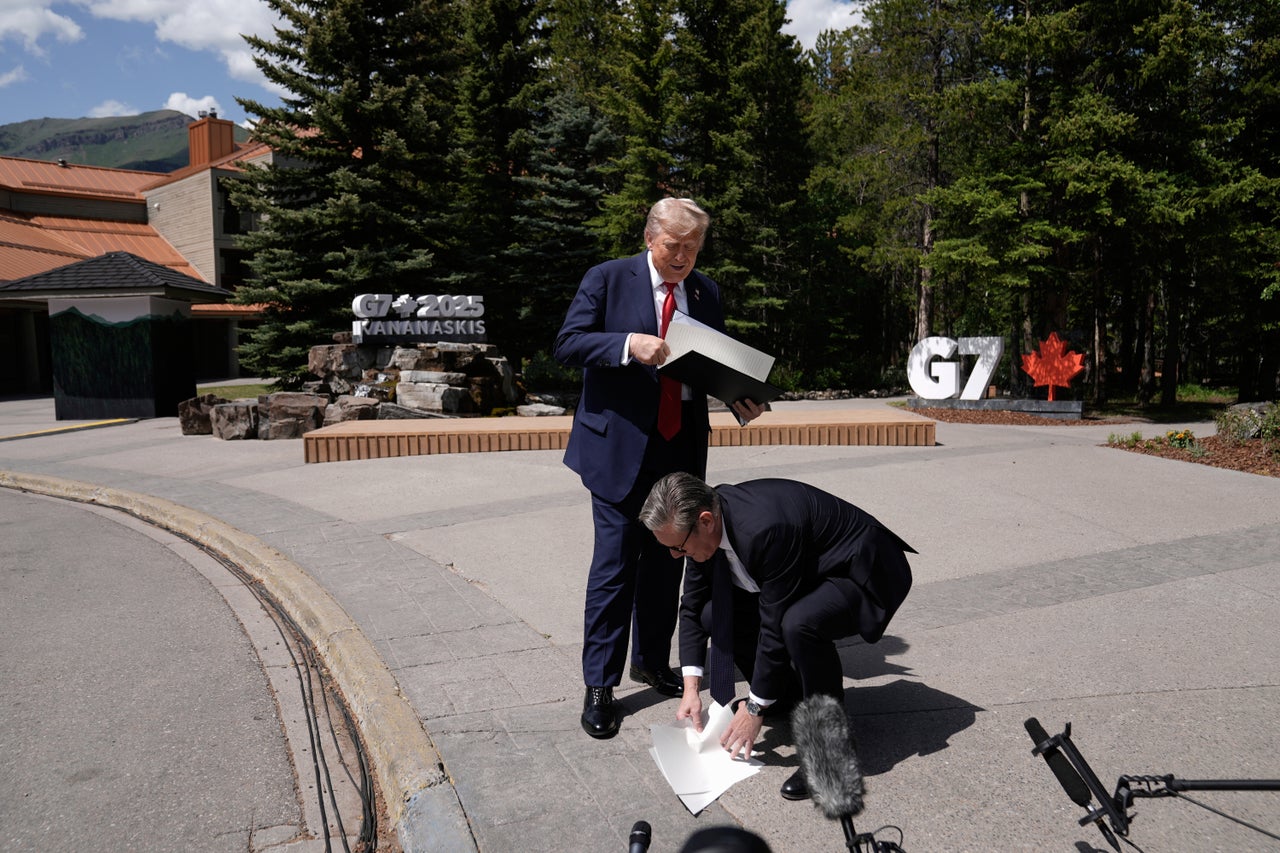
So why do we still call it a “special relationship”?
The phrase has been bandied around British and American politics for years.
First coined by Winston Churchill in 1944 after America joined the Allies’ efforts to defeat the Nazis during the Second World War, the term has played a pivotal role in trans-Atlantic politics for decades.
Margaret Thatcher and Ronald Reagan were seen as ideological soulmates in the 1980s, while Tony Blair and George W Bush took the “special relationship” to new heights following the 9/11 terror attacks and Iraq war.
Over the decades, the lower rungs of government started working together on intelligence, defence and security too, encouraged by the bond between leaders.
That’s not to say it’s always been plain-sailing. Lyndon Johnson and Harold Wilson, for example, repeatedly clashed over the Vietnam war.
But Trump’s recent behaviour threatens to take the “special relationship” to new lows.
So Starmer deployed one of the UK’s most powerful diplomatic weapons this week: the royal family.
King Charles III and his wife Queen Camilla headed to the US for a state visit in a bid to try to amend the fraying bond between Downing Street and the White House.
The King definitely won over his American audience with an extraordinary speech to US Congress, and a later one at the State dinner, where he made a series of tacit digs towards Trump.
He stressed the need for “executive power” to be kept in check and subtly reminded Trump that Nato allies jumped to America’s defence after the 9/11 terror attacks.
Charles even gave the president a golden bell from a World War 2 submarine, HMS Trump (the jokes write themselves).
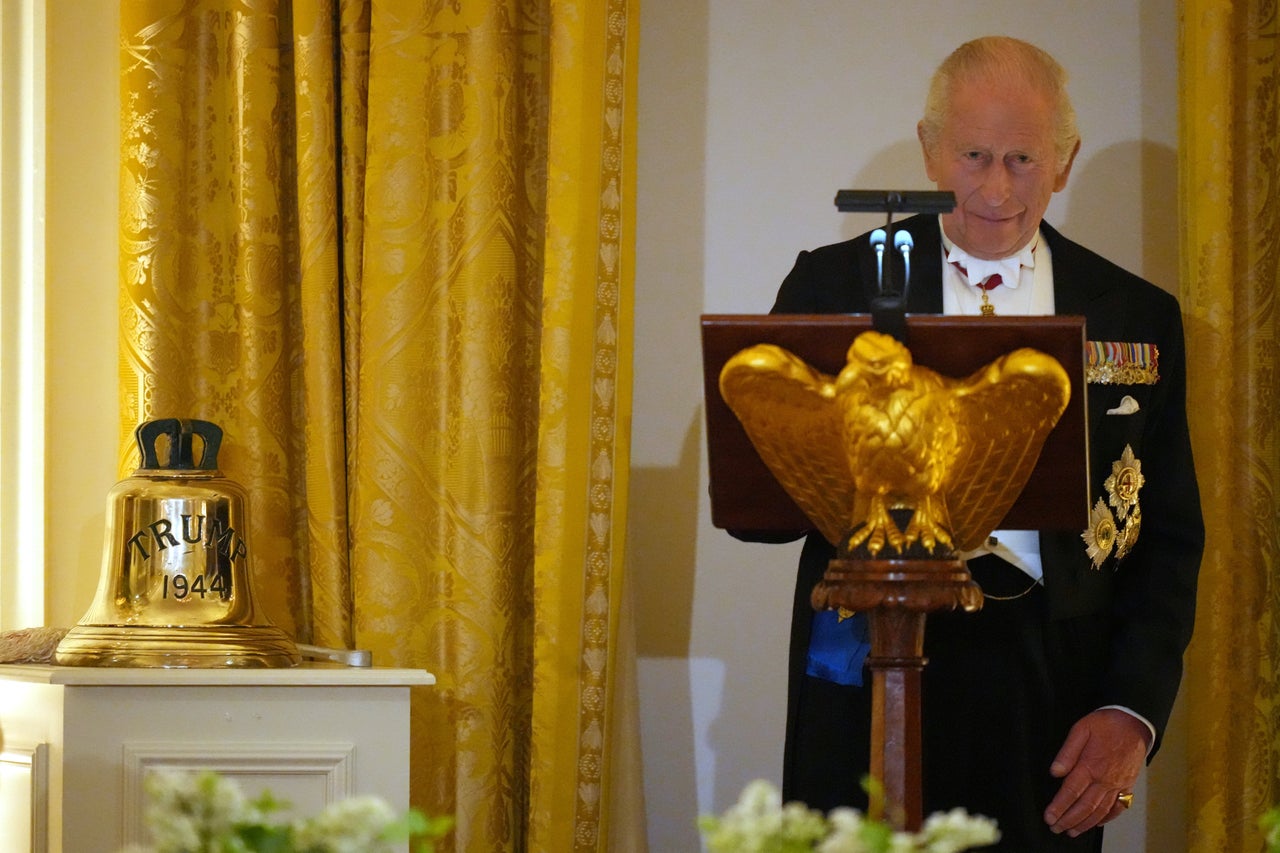
His trip marks a significant moment in the international relationship, especially as no British monarch has addressed Congress since 1991.
Trump, known for his infatuation with the royal family and their grandeur, told Charles this week: “Americans have no closer friends than the British.”
He previously told the BBC that Charles could “absolutely” fix the fraying relationship.
But any hopes that this Trump vs Starmer episode was just a blip seem to be short-lived.
Just after the monarch left Washington, Trump tried to create a fresh diplomatic row with Starmer by claiming the King agrees with him on Iran – though the Palace is yet to confirm or deny that allegation.
Considering the monarch is meant to be completely apolitical representative for Britain, their private conversations are highly confidential.
This revelation was a huge breach of diplomatic protocol.
The move suggests not only does Trump not grasp the nature of British politics, but he is clearly not be willing to “forgive” Starmer for not joining in with the Iran war.
Further tensions could come down the line, too, with so many of their initial grievances yet to be resolved.
The Ukraine war and the conflict in the Middle East rumble on, while the Trump adminstration could renew its ambitions to seize Greenland.
The UK-US trade deal still hangs in the balance too, as does the agreement to hand over the Chagos islands to Mauritius.
Former Nato secretary-general and UK defence secretary, Lord Robertson, told Chatham House pointed out that the States no longer tells Britain about its plans ahead of time.
Trump did not warn Downing Street about his air strikes on Iran, his plan to implement widespread tariffs or his threats to launch military aggression against Greenland.
Robertson said this demonstrated a “growing divergence” between the countries.
“All the while Washington’s diplomatic tone towards the United Kingdom has reached a historic low point,” he added.
While, acknowledging that the Trump administration does not represent the whole of the US, he warned that America is expected to become “more transactional” in its foreign policy – including in its approach to the UK.
British ministers have repeatedly claimed that frictions at the top were not too unusual, and that the lower levels of government would still continue to operate in sync.
But is that cooperation at threat if the leaders are at loggerheads?
Listen to this week’s Commons People as we unpack the origins of the “special relationship”, why it looks more precarious than ever and what that trans-Atlantic bond could look like in the future.
Subscribe to Commons People, the podcast that makes politics easy. Every week, Kevin Schofield and Kate Nicholson unpack the week’s biggest stories to keep you informed. Join us for straightforward analysis of what’s going on at Westminster.
You must be logged in to post a comment Login