Politics
Is White Rice Bad For You?

Rice is a staple food for more than half of the world’s population, thanks to its availability and affordability. Most of the rice produced in the US is of the white, long-grain variety, which has a reputation for being unhealthy. But is white rice actually bad for you? And what if you, like billions of people, eat rice every day?
As it turns out, white rice can be part of a healthy diet, so long as you combine it with nutrient-dense foods. Below, we talked to experts about the nutritional facts of white rice and how this popular and versatile grain can affect your health.
White Rice Is Mainly A Source Of Energy
“Even though we’re told to eat more whole grains, like brown rice, that doesn’t mean white rice is lacking in nutrition,” Amanda Sauceda, a registered dietitian and gut health nutritionist, told HuffPost. One cup of unenriched, long-grain white rice, cooked and unsalted, contains approximately 45 grams of carbohydrates, 4 grams of protein, less than 0.5 grams of fat and less than 1 gram of fibre.
Along with providing a quick source of energy, white rice is easy to digest, which can be helpful if you’re recovering from an illness or engaging in physical activity. And although rice is low in fat, it does have some drawbacks. “Unenriched white rice contains relatively small amounts of vitamins and minerals because the bran and germ, where most micronutrients are located, are removed during processing,” explained Qianzhi Jiang, a pediatric and family dietitian at The Nutrition Changer.
However, most of the rice consumed in the US is enriched with nutrients such as iron, folic acid and B vitamins, including thiamin, riboflavin, niacin and vitamin B6. “Eating rice daily is not inherently harmful, but potential risks depend on portion size, dietary balance and the type of rice consumed,” she said.
Michelle Routhenstein, a preventive cardiology dietitian and certified diabetes educator, added that filling your plate with rice could mean that you’re missing out on other nutrient-dense foods like vegetables, legumes and whole grains, which provide more fibre, magnesium, potassium, antioxidants and heart-protective nutrients. As with any diet, it’s best to aim for balance and variety while considering your health needs.

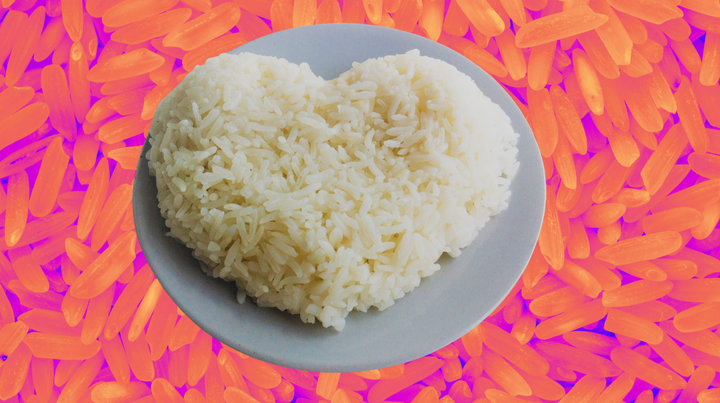
Eat Rice With Your Health Needs And Goals In Mind
Brain Health
White rice provides glucose, the brain’s main energy source. Enriched rice and brown rice additionally supply some B vitamins that support neurological functioning that regular white rice doesn’t, Jiang said. However, you can just as easily obtain these vitamins from berries, leafy greens and starchy vegetables like sweet potatoes. In addition, “diets high in refined carbohydrates like white rice may contribute to blood sugar fluctuations, which over time can affect metabolic health and cognitive function,” she said.
If you regularly eat large quantities of white rice, you might be missing out on omega-3 fats, antioxidants and B vitamins, which support brain health. “In practice, rice works best as a neutral base for meals that include nutrient-dense foods like vegetables, legumes, nuts and lean proteins,” she said. “Other grains I like to mix with or use instead of white rice in traditional Chinese meals are wild rice, millet and barley.”
Immune Health
Whether you’re concerned about a chronic illness or cold and flu season, eating rice daily has some downsides. “Diets dominated by refined grains may be lower in nutrients like zinc, magnesium and antioxidants, which are important for immune function,” Jiang said. “White rice alone contributes few immune-supportive phytochemicals compared with whole grains or vegetables.” Phytochemicals protect plants against bacteria and viruses and may offer similar benefits to people.
That said, enriched rice contains iron and B vitamins, which support immune cell function and energy metabolism. Plus, if you’re sick, rice is gentle on your stomach. Another way to boost antioxidants is to add leafy greens, broccoli, peppers or mushrooms, Routhenstein said.
Heart Health
If you’re focused on heart health, the lack of fibre is a big downside to loading your plate with white rice. “Fibre plays an important role in helping lower LDL cholesterol and supporting overall cardiovascular health,” Routhenstein said. Another concern is blood sugar spikes. “Over time, repeated spikes in blood glucose and insulin can contribute to inflammation and damage to blood vessels, which may accelerate the process of plaque buildup in the arteries,” she explained.
Still, a heart-healthy diet doesn’t mean ruling out rice. Since it’s naturally low in sodium and fat, rice can serve as a base for heart-supportive foods like vegetables, beans and fish, she said. She recommended choosing brown rice, quinoa or farro. “These whole grains provide more fibre along with nutrients like magnesium and potassium, which play a role in blood pressure regulation and cardiovascular health,” she added.
Digestive Health
Current dietary guidelines recommend that people aged 2 and older consume 14 grams of fibre for every 1,000 calories. For reference, a cup of instant oatmeal contains 4 grams of fibre. “Most people are not meeting these goals, and this can contribute to constipation,” Sauceda said. “If you’re eating a lot of white rice and not many fibre-rich foods, this can affect your gut health.”
For better results, she suggested allowing your rice to cool. “When rice and other starchy foods like potatoes are cooked and cooled, some resistant starch forms, which acts like fibre in that it resists digestion and benefits your blood sugar,” she explained. Violeta Morris, a registered dietitian at The Concierge Dietitian, agreed, adding that brown rice is a good choice for slowing digestion. In addition, “fibre from plant foods helps feed the good bacteria in our intestines,” she said.
Another way to increase your fibre intake is to mix white rice with other grains. Sauceda suggested combining brown and white rice or adding starchy grains such as lentils or quinoa. Jiang suggested cooking rice with mung beans, adzuki beans, sweet potatoes or winter squash for added flavor and nutrients.
Gluten Sensitivities
If you have a gluten sensitivity or celiac disease, you can still enjoy rice since it’s naturally gluten-free. “However, a gluten-free diet that relies heavily on refined grains may lack fibre and nutrients such as magnesium and potassium that are protective against chronic disease,” Routhenstein said. “Instead of eliminating rice, a better strategy is to build a more balanced plate.”
She suggested incorporating gluten-free whole grains such as brown rice, wild rice, quinoa and buckwheat to increase fibre intake and nutrient diversity. If gluten is an issue, you’ll want to avoid farro. “You can also mix rice with lentils or beans to increase protein and fibre,” she said.
Diabetes Management
If you have diabetes or insulin resistance, eating large servings of white rice can make it harder to manage your blood sugar. “White rice has a higher glycemic index, meaning it can raise blood sugar relatively quickly when eaten on its own or in large portions,” Routhenstein said. Following this spike, your blood sugar can drop, leading to tiredness, fatigue and increased hunger after a meal that is already high in calories, Morris said.
In a systematic review, researchers found that people who ate the most white rice had a slightly higher risk of developing type 2 diabetes. “For every additional 150 grams (about 3/4 cup of cooked rice) consumed per day, the risk of type 2 diabetes increased by about 6%, with a slightly higher risk observed in women,” she said.
Fortunately, there are ways to manage your blood sugar while still enjoying rice. For instance, pay attention to the order in which you eat. “Continuous glucose monitor data shows that eating fibre-rich vegetables and proteins, such as chicken or fish, first and saving the rice for last may help reduce the rise in blood sugar after the meal,” Morris said. She also recommended reducing your portion size to half a cup of cooked rice, whether it’s white or brown, or swapping rice for half a cup of beans or lentils.

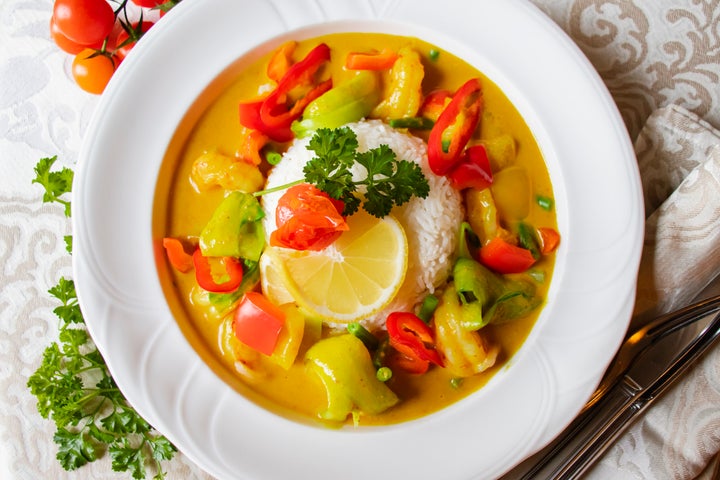
Annie Japaud via Getty Images
Along with smaller portion sizes, Routhenstein suggested including fiber, lean protein and healthy fats, for example, by eating vegetables, beans, tofu, chicken or fish. “Choosing whole-grain varieties like brown rice also provides more fiber, magnesium and resistant starch, which can help slow digestion and support better blood sugar control,” she said. She also suggested cooling cooked rice to improve your blood sugar response.
Another helpful strategy is walking after a meal. “Even a 10- to 15-minute walk after eating can help your body use glucose for energy, improve digestion and support better blood sugar control,” Morris added.
Cancer Prevention
Compared to whole grains, white rice contains very little fibre and plant compounds. “Some studies link higher refined grain intake with poorer metabolic health, which may indirectly influence cancer risk,” Jiang said. Another concern is that rice can accumulate arsenic. At high levels, arsenic is linked to cardiovascular disease, although researchers did not find higher rates of heart disease, inflammation or blood vessel problems in people who ate one or more servings of rice per day, Morris said.
In addition, inorganic arsenic is a known carcinogen (cancer-causing agent), Jiang said. The levels of inorganic arsenic in US rice are generally not regulated. Although rice itself is not a carcinogen, frequent consumption, especially among children, may modestly increase exposure to arsenic. “Prolonged arsenic exposure has been linked to skin lesions, cardiovascular diseases and gastrointestinal disorders,” she said.
However, you can reduce the arsenic level in rice by rinsing rice before cooking and using and discarding excess water in the cooking process. “While typical dietary exposure from rice in the US is considered low risk, diversifying grains can reduce cumulative exposure,” she said. “When consumed in moderation as part of balanced meals with vegetables, legumes and healthy fats, rice can fit into healthy dietary patterns associated with lower cancer risk.”
Bone Health
To stay strong and rigid, our bones need magnesium. “A 45-gram serving of brown rice has 12% of your daily value of magnesium, while white rice has only 2%,” Sauceda said. In addition, uncooked brown rice contains 303mg of phosphorus compared to 108mg in white rice.
Joint Health
If you have achy or swollen joints, you’ll want to avoid refined grains. “A diet that’s higher in refined grains can encourage more inflammation in the body, which could negatively impact your joint health,” Sauceda said. “When eating for joint health, focus on antioxidants that have anti-inflammatory properties, which you find in brown, black and red rice.”
Vision Health
“Regular white rice usually does not contain vitamin A, which is important for vision health,” Morris said. Scientists have developed Golden Rice, which contains beta-carotene, a nutrient that the body can convert into vitamin A. Golden Rice isn’t commonly available in the US, but grocery stores sell enriched and unenriched varieties. “I recommend enriched rice, since it helps replace some of the nutrients lost during processing,” she said.
You must be logged in to post a comment Login