

Politics
Mandelson and the missing messages



On Monday, I suggested that the Labour front bench would be dreading the release of further Peter Mandelson files. But instead of leaving things to chance, some ministers have followed the “missing phone” route of Morgan McSweeney fame.
On June 2nd, Keir Starmer’s office confirmed that the Prime Minister had used the “disappearing messages” function in his communications with the disgraced Epstein-associate, who he gleefully appointed as US ambassador despite the objections of UK Security Vetting.
Furthermore, we now learn that Mandelson refused a government request to hand over communications from his own phone, with an explanatory note attached to three heavy volumes stating that the government has “no further recourse to search [his] personal devices”.
Mandelson missing messages
The latest installment of the Mandelson files also disclosed that Labour’s Paymaster General, Nick Thomas-Symonds, reported his phone as stolen on October 15th, five days before Morgan McSweeney followed suit. During the “Lord Mandelson” debate in the Houses of Parliament on February 4th, it was Thomas-Symonds who was selected to move Starmer’s amendment to the motion to release the Mandelson files tabled by Starmer in February, which called for an exemption for “papers prejudicial to UK national security or international relations”. Thomas-Symonds has previously received over £35,000 worth of donations from Labour Together. A “close ally” of the ailing Starmer, he has insisted as recently as May 13th that there is “no leadership challenge” to the Prime Minister, although Messrs. Burnham and Streeting may beg to differ.
Despite his “stolen phone” account, McSweeney had stated when questioned by the Foreign Affairs Select Committee on April 28th that text messages he had received from Mandelson would be included in the files. In one newly-released exchange, Mandelson confirms that he is talking to McSweeney “a lot”, but further detail of their correspondence is notably missing.
McFadden and McSweeney
Labour’s Work and Pensions Minister Pat McFadden seems to have had less trouble with holding on to his mobile phone. In one conversation with the “Prince of Darkness”, Mandelson slams Starmer for backtracking “on his immigration speech, on welfare, now on Gaza”, before adding: “This is what Morgan senses … advance / buckle / advance / buckle.”
McFadden has previously been described as “the most powerful Labour politician most have never heard of”. During the 2024 election campaign, his and McSweeney’s desks were “right in the middle of the room” at Labour HQ. His wife, Marianna McFadden, was McSweeney’s deputy campaign director.
At the time, Mandelson said that McFadden and McSweeney complemented each other, declaring that “Pat is cautious…Morgan is a hard-driven street fighter.” Heartwarming words from the Epstein-informant.
When Mandelson was passing classified government information to the notorious predator and likely Israeli intelligence asset as Business Secretary, McFadden was one of his deputies. His other deputy at the time was David Lammy, who we now know received a handwritten letter from Mandelson promising that he would “never regret” appointing him as US Ambassador.
Friends of Israel
McFadden also happens to be a former vice-chair of the Labour Friends of Israel lobby group. Another former LFI vice-chair, Peter Kyle, thanks Mandelson in another newly-released exchange for “v good advice” regarding the use of “more positive language about AI”, which he promises to “action”.
The Labour front-bench have embarked on a veritable rebranding mission in recent days, but Mandelson’s input and influence on the Starmer project is undeniable. In many ways, what the Mandelson files have not divulged is the major story. Redactions are aplenty, but it will take more than Tipp-Ex to blot out the failures of this rotten Labour administration.
Jody McIntyre is an investigative journalist whose work can be found at jodymcintyre.substack.com. He stood at the 2024 UK general election, receiving over 10,000 votes.
Featured image via Carl Court/Getty Images



ARLINGTON, Texas — Jordan’s final World Cup match against Argentina gave its fans a chance to show their national colors one last time on the international stage. And, as they have throughout the tournament, many of them also used the opportunity to show support for Palestine.
Lots of Jordanians have roots in Palestine, and they brought those loyalties with them. Many people in the crowd wore black-and-white checked keffiyehs that are a symbol of Palestinian roots.
“Our Palestinian brothers and sisters are never far from our thoughts,” said Issah Essoh, a 32-year-old software consultant from Jordan who lives in Houston, said as fans filed into their seats.
Mohammed Abu Arayes, 37, who was visiting from Riyadh with his family for the match, is of Jordanian and Palestinian heritage. He was decked out in Jordanian colors and his wife sported a t-shirt emblazoned with “Palestine.”
He’s been happy with the reception, even amid a sea of Argentina fans sporting blue-and-white jerseys. “The Argentine people have been very welcoming,” Abu Arayes said.
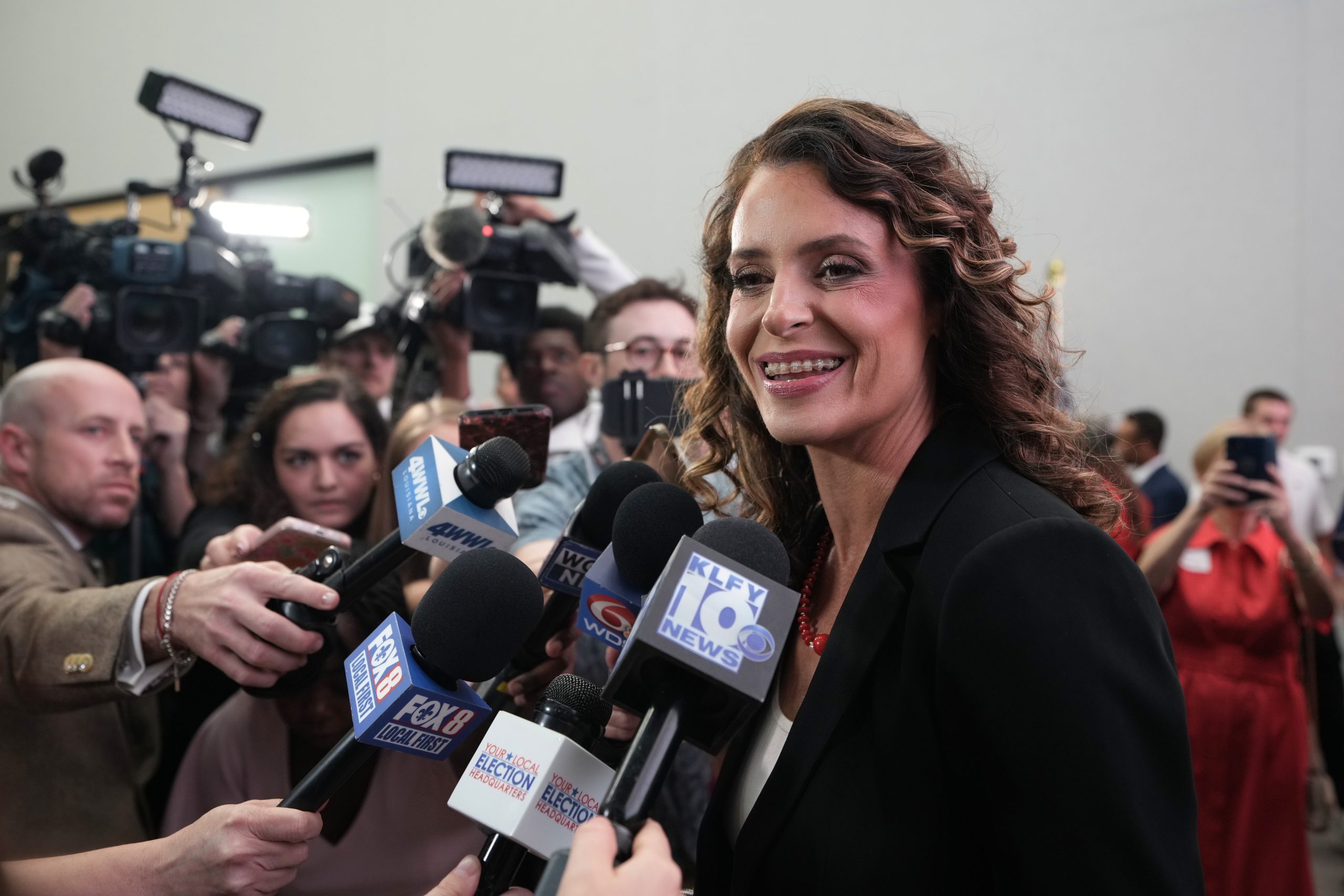

Rep. Julia Letlow clinched the Louisiana GOP Senate nomination on Saturday, riding her endorsement from President Donald Trump to defeat state Treasurer John Fleming in a contentious runoff that became a referendum on MAGA credentials.
She will likely succeed ousted Sen. Bill Cassidy, who was ostracized by MAGA over his impeachment vote against Trump and finished in third in the first round of voting in May. His failure to qualify for the runoff marked a rare primary defeat for a Senate incumbent.
Letlow built on her first-place finish in the May primary, overcoming the self-funding Fleming, who made the race competitive by touting his conservative bona fides and bear-hugging the president. Along with Trump’s endorsement, she also was lifted by backing from Gov. Jeff Landry and other prominent Louisiana Republicans, like House Majority Leader Steve Scalise.
In deep-red Louisiana, Letlow will almost certainly win the seat in November.
Landry served as Letlow’s most vocal surrogate, dispatching his own staff to her campaign and pressuring donors to open their wallets. Helping Letlow earn a Senate seat gives him another ally in Washington and puts him on solid footing in the face of a potential primary opponent when he’s up for reelection next year.
Letlow, a disciplined messenger and reliable Republican vote in the House, also earned the support of Louisiana business leaders and posted solid fundraising numbers in the race.
It’s also another endorsement badge for Trump, who has been largely successful at picking winners this primary season, with some notable recent exceptions, like Rick Jackson’s win in Georgia and Zach Lahn’s win in Iowa.
Letlow survived attacks by her opponents that she was insufficiently conservative; both Fleming and Cassidy assailed her for comments she made in a 2020 video showing her speaking in support of diversity initiatives when she was interviewing for a job as president of the University of Louisiana at Monroe. Letlow has since disavowed those programs.
She became the first Republican woman to represent Louisiana in the House when she won a special election in March 2021 to fill the seat of her deceased husband, who died from Covid in December 2020 shortly before he was supposed to take office. She jumped into the Senate race to challenge Cassidy with Trump’s endorsement.
A former House Freedom Caucus founder, Fleming also served in several roles in the White House during Trump’s first term. He also ran as a Trump ally, despite not earning the president’s endorsement.

Aging stars like Cristiano Ronaldo, Lionel Messi and Harry Kane may still fill stadiums just by showing up, but their teams’ results are only as good as their on-field chemistry and coaching. The squad that best illustrated that principle over soccer’s long history is the one that first convinced President Donald Trump that the sport was worth a look.
In the 1970s, the moribund New York Cosmos, part of the North American Soccer League, convinced the Brazilian soccer icon Pelé to come play for them. He was followed quickly by stars like Giorgio Chinaglia, Franz Beckenbauer and Carlos Alberto.
The stars, along with a sharp public relations push from club owner Warner Communications, transformed the team, the league and the arc of American soccer.
“Without the Cosmos and their panache, we wouldn’t have been in a position to bid for and get 1994,” said Jim Trecker, who served as public relations guru of both the Cosmos and that year’s World Cup, the first in the United States.
The team went from playing in a sparsely attended stadium on Randall’s Island to the very same Meadowlands where England and Panama played today. The Cosmos regularly drew over 50,000 fans, including Mick Jagger, Cher and Henry Kissinger.
“The one and only time I met Kissinger, he shoved me into Pelé’s lap,” David Hirshey, who covered the team for the New York Daily News, told POLITICO.
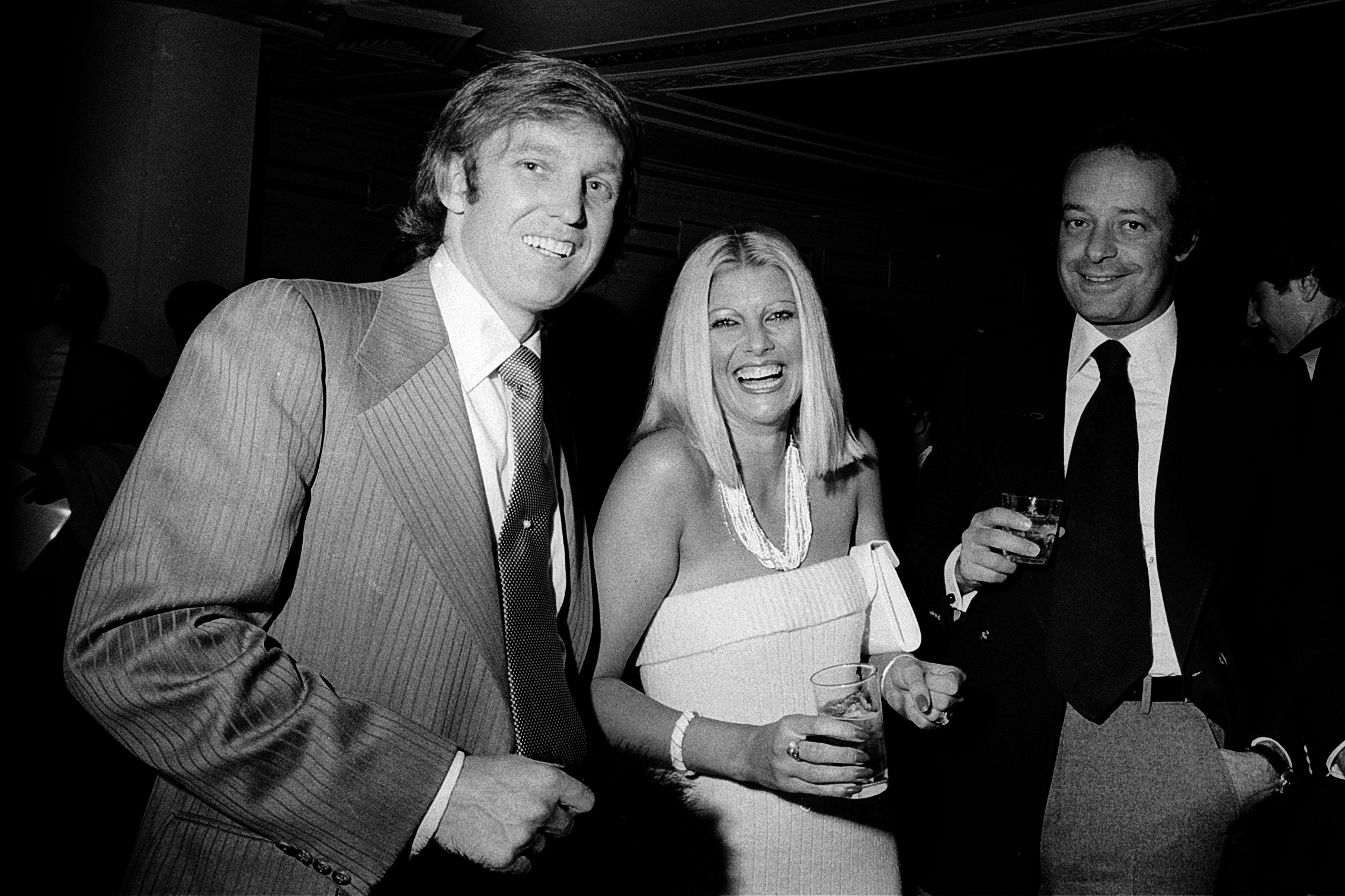
The Cosmos also convinced a young Trump, who at least once partied with Pelé at Studio 54, that soccer was worth watching. When asked about Trump’s Cosmos experience, the White House referred POLITICO to his family business, the Trump Organization, which did not respond to a request for comment. Multiple times, though, Trump has cited Pelé and the Cosmos as an inspiration for his own interest in the sport.
“Many years ago, I remember watching Pelé on a team called the Cosmos,” Trump said at the World Cup’s lottery draw in December. “I assume he is one of the greats. I said, ‘That man can play!’”
At the same event, the president seemed somewhat forlorn that the promise of the Cosmos didn’t manifest in the explosion of successful soccer across the country.
“For years, they thought soccer would be so big and big fast,” he said.
At the height of the Cosmos’ glory, Trump was a young, up-and-coming real estate scion with big dreams of filling the same rooms as New York’s most famous characters — even though he may have viewed them only from afar.
“I never saw Trump in the locker room,” said Hirshey. “You would think that’s where he would want to be.”
Read Calder’s POLITICO Magazine story about the Trump and the Cosmos here.

PHILADELPHIA — Josh Shapiro’s black SUV deposited him at a bougie cafe earlier this week, and the governor beelined to a backroom full of handpicked World Cup social media influencers and began working the room.
For roughly an hour, the Pennsylvania governor and potential 2028 Democratic presidential candidate worked to build relationships with people who could cast this host city — and, one day, his potential candidacy? — in a positive light. He regaled them with personal anecdotes, waxing eloquent about how the former NBA star turned TV analyst Charles Barkley had said nice things about him, how he once got Jerry Seinfeld to laugh at one of his jokes and how Philadelphia would play host to UFC 330. (“I am not putting a claw on the governor’s residence lawn,” Shapiro joked. “We’re going to do it in a proper venue.”)
But what the governor, wearing a navy U.S. Men’s National Team polo and FIFA-themed Adidas Stan Smiths, really wanted to talk about was the World Cup.
“I don’t know that we’re gonna make a run all the way to the end here, but there’s something really exciting — I mean people who don’t know anything about soccer are tuning in and watching and getting pumped up,” Shapiro told them. “I think sports is an amazing thing, and it has the effect of changing the psychology of the entire city.”
Shapiro, more a Sixers than a Philadelphia Union guy, is among those recent converts to the world’s game. As of this week, he’s been to three matches at Lincoln Financial Field — more than any other potential 2028 presidential candidate. Save New York City’s Mayor Zohran Mamdani, who has blitzed soccer media to chat about arcane ball knowledge such as being “personally affected when Championship Manager became Football Manager,” perhaps no other Democratic politician has so fully embraced the tournament. (Kansas City Mayor Quinton Lucas may also have a claim.)
“I’m especially proud to see people from all across the world coming here to Philadelphia and being greeted not just by a governor who’s happy they’re here, but by Philadelphians and Pennsylvanians who are thrilled to see them here,” Shapiro told me in an interview. I think we are better than [President] Donald Trump’s cruel rhetoric. We are better than his cruel policies, and I think we’re seeing that on display here during the World Cup in Philly.”
Shapiro’s approach to the tournament could pay political dividends for him. “The U.S. team is kicking ass. And Trump is ignoring it,” said Matt Bennett of the center-left think tank Third Way. “Democrats should own it all — go to games, watch them in bars with fans, brag about our team, hang out with the Scots. Show the country that we’re normal, patriotic and fun-loving.”
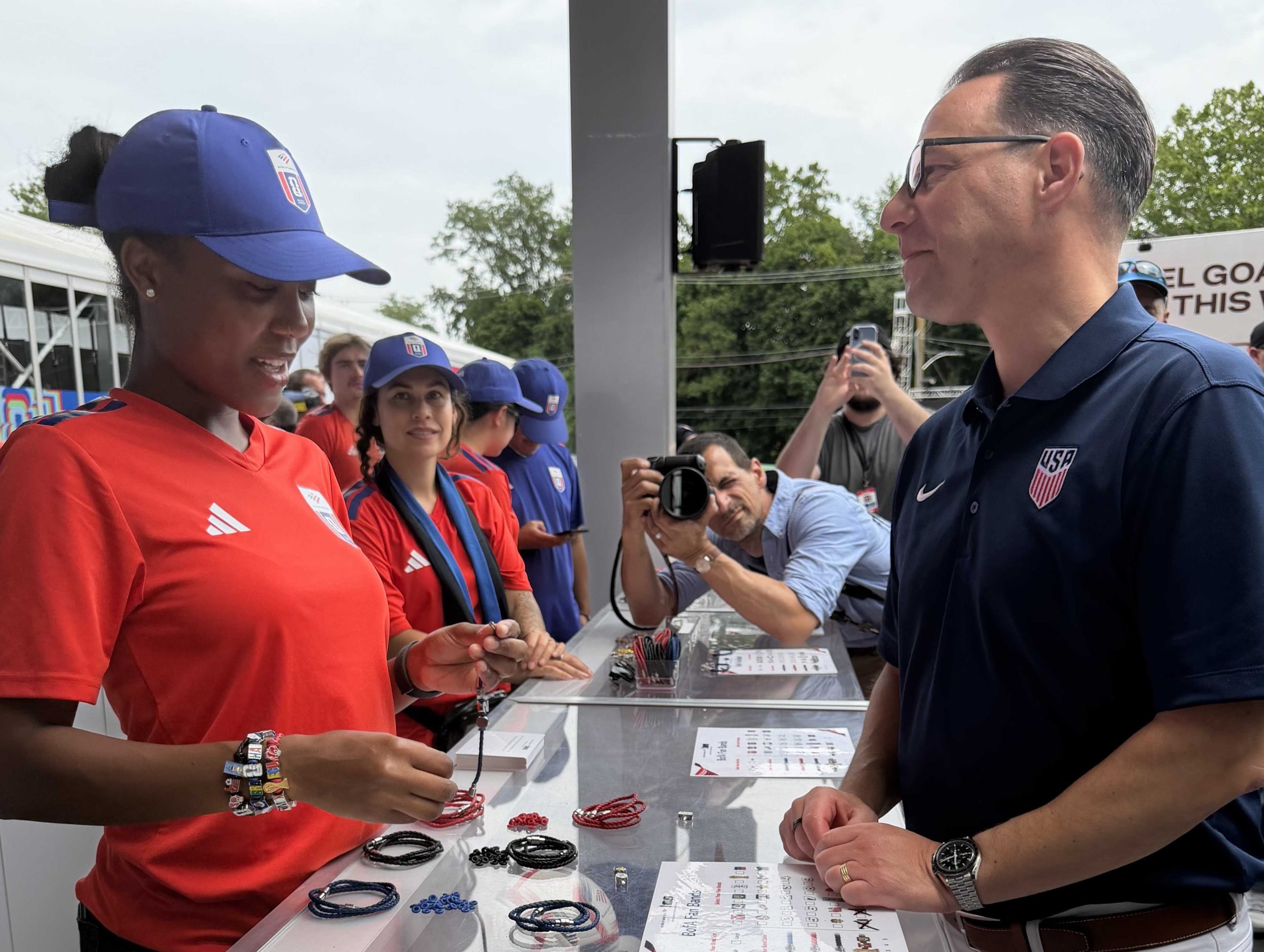
After breakfast with the influencers, Shapiro made his way to the official FIFA Fan Festival at Fairmount Park’s Lemon Hill, and fist-bumped lines of volunteers. He darted over to a fan zone area where he assembled a collectible Bank of America Fan Band, selecting charms that would spell out “250” for the Semiquincentennial.
In nearly every interaction, he conducted an informal poll on who revelers thought was the tournament’s greatest player, namechecking Argentinian and French maestros.
“[Lionel] Messi or [Kylian] Mbappé?” he’d ask. It is, one of his staffers told me, a tic he has, a way to put people on the spot and also gather intel.
Next, he went over to a makeshift arcade featuring a video game called Soccer Jawn — a homage to the old Atari Pong — posing for selfies along the way. He took the controls of the game and rotated through several new acquaintances and opponents: a staffer, then a kid visiting from Virginia. His father, who said he was a fan of Shapiro, watched.
“Who do you think is better: Mbappé or Messi?” Shapiro quizzed again.
Mbappé, the kid replied.
Shapiro fist-bumped the kid and moved on to grip more hands and poll more people, stopping for selfies along the way.
“I think the world needs some more togetherness, needs some more cheer, and this is a great opportunity,” Shapiro told reporters in a gaggle.
A reporter asked whether he disagreed with former Chicago Mayor Rahm Emanuel, who rejected FIFA and Chicago serving as a World Cup host.
“I’m not going to comment on Rahm, because I didn’t hear him say it, but I’ll just say we’re looking at $770 million in economic impact here, and remember it’s across the state with Reading, with Pittsburgh and Scranton, of course, here Philly, which is the center of the soccer universe,” Shapiro said. “I think you’re seeing with the record-setting crowds we’ve had here at fan fest, it’s not just people here, it’s people in our hotels, our restaurants, our bars.”
Later, Shapiro headed in the direction of the Linc, or Philadelphia Stadium in FIFA parlance, where he would take in the first half of Iraq vs. France, seeing Mbappé himself score a brace, including a back post screamer in the 13th minute. First, though, he sat for another interview on the World Cup, this time with NPR Sports in America.
Back at the FIFA Fan Festival, Shapiro spoke with me about his endorsed slate of congressional candidates, his recent meeting with Canadian Prime Minister Mark Carney and Philadelphia’s ties to the men’s team.
The Commonwealth is home to three U.S. players: Matt Freese from Wayne, Christian Pulisic from Hershey and Auston Trusty from Media, I pointed out to Shapiro.
“Freese first off has just been lights out at goalie,” Shapiro said. “Hopefully, Pulisic is going to be healthy for Thursday night. [He was.] I got a soft place in my heart for Trusty.”
Shapiro explained that Trusty’s mom was partners in a law firm with the mother of his own son’s girlfriend. The group went out to dinner last week, though Shapiro didn’t join. The governor did make a video for Trusty and sent it to him. “Just letting them know how proud we are of him,” Shapiro said.
Trusty, Shapiro said, is “someone who can surprise us going forward.”
A press wrangler told me I had one more question.
“Messi or Mbappé?” I asked Shapiro.
“Mbappé today may be a slightly better player,” Shapiro said. “Messi has that thing that Michael Jordan had, which is just playing it at a different level, where it’s not just that he’s the best player on the pitch; he’s just in a different universe. He just does things that others simply can’t do. So, I mean, the three goals he had in that first game, actually, the first one, was extraordinary. I think Messi overall. Mbappé is pretty damn good right now.”



4 min read
We are living in an incredibly unstable world, with decades-old global norms and institutions crumbling and serious threats to our own security.
While the threats may not feel as direct as they do in eastern Europe or the Middle East, geography is deceptive. Because whether it’s our power stations, our transport network, our banking systems or our hospitals, our critical infrastructure is already in reach of our enemies.
While our next Prime Minister is in post, escalation is not just possible but likely.
Andy Burnham is right to develop a policy agenda centred on locally powered growth and opportunity in our cities, towns and rural communities here in the UK. My fear is that ultimately it will be global events that determine the success or otherwise of this domestic agenda. To really protect and drive opportunity in these places, he will also need clarity of strategy, values and resource in his foreign policy.
It’s the lack of resources that has rightly been in the news following John Healey’s resignation. It’s personal for me too: As the former head of a humanitarian aid agency, I tolerated cuts to our international aid budget last year. I did so because I recognised the urgency of increasing defence spending and I know that means making tough choices about other budgets. But it’s now clear that the aid cuts have not supported the meaningful scale-up in defence spending needed to make us safer. In fact, I suspect time will prove the opposite, as reduced global aid flows trigger more migration, faster spread of pandemics, and further marginalisation and radicalisation of young people.
Investing in defence is the bedrock of our security, as is engaging in international development and diplomacy, given the preventative and stabilising role they play.
But equally important is strategy. We cannot go it alone in the world. We must decide whether we’re willing to remain reliant on a volatile United States for our security and prosperity, whether we forge alliances with other ‘middle powers’ in the way that Mark Carney suggests, or whether we double down on our relationship with Europe, which I personally think is our best bet. We must decide what our red lines are in our diplomatic and economic relationship with China, particularly for domestic industries like car manufacturing where cheap Chinese alternatives flood our market.
While it’s easy to jump to the alliances of foreign policy, we must also be clear about the values that guide us. Clause IV of the Labour Party’s Constitution sets a clear ambition, to “secure peace, freedom, democracy, economic security and environmental protection for all.” Yvette Cooper is dogged in her commitment to ending violence against women and girls. But our values should be woven through all our foreign policy, from tackling the threat to our democratic freedoms from misinformation, to standing with people in the world’s worst humanitarian crises. In this sense, despite the challenges we face, our international agenda can also be a hopeful one.
One final point is important. Foreign affairs isn’t just the concern of government; it’s the concern of all of us. On defence, we must work at pace to build public and political understanding of the threats we face the need to keep ourselves safe. In Estonia, every high school kid now learns about defence and security, and thousands of people are being trained in how to use drones as part of a national civilian preparedness strategy. We too need a strategy for society-wide resilience if the threats to our security worsen.
But there is also opportunity for our communities in foreign affairs. Whether it’s the trade deals that generate opportunity for small businesses, the rallying of community groups around Ukrainian refugees, or the work, study and travel made possible by a closer relationship with the EU, foreign policy offers hope too.


EAST RUTHERFORD, New Jersey — Before the World Cup began, New York and New Jersey unveiled competing transportation plans.
After several matches, $20 shuttle buses subsidized by New York keep selling out, but $98 New Jersey Transit train trips don’t.
Now New Jersey Transit is poised to lose millions during the tournament, blaming the revenue shortfall on lower-than-expected demand caused in part by the cheaper options. New York Gov. Kathy Hochul has suggested maybe that is because of the sticker shock fans face to get on New Jersey trains and buses — an observation sure to rub salt in Jersey’s wounds.
The tensions are just the latest manifestation of a dysfunctional relationship between the two jurisdictions that comprise what FIFA calls “New York New Jersey,” where England and Panama will face off today in their final group-stage match.
After the tournament’s first game at New Jersey’s MetLife Stadium — between Brazil and Morocco on June 13 — lines swelled in the parking lot for New York-run buses back to Manhattan. Worried about a crowd stuck at MetLife, the New Jersey State Police asked New Jersey’s state-run transit agency to carry some of the waiting fans instead.
New Jersey Transit had room for 40,000 people but only about 22,000 customers that night. It had spent months on a plan that was moving people quickly and did not want to suddenly upend it with an unexpected surge in passengers on its trains and buses. The agency fears a repeat of the 2014 Super Bowl, in which overcrowding left fans in the same stadium’s parking lot for hours and stained the agency’s reputation for years.
Kris Kolluri, the head of New Jersey Transit, said the bistate host committee, the New Jersey governor’s office and the State Police all decided that the transit agency would move thousands of people after 90 minutes, if needed. By then, however, the lines had calmed on their own.
The asphalt standoff stemmed in part from the cross-Hudson divide over pricing.
The border states separated by the Hudson River are symbiotic — New York companies depend on workers commuting from New Jersey suburbs — and also apt to squabble over everything from how to deal with the mob and fight wildfires to what state Ellis Island is in.
Perhaps over no issue do they bicker more than transportation. Unlike other regions that have a unified transit system, the New York City metropolitan area has three public transit agencies. The states have fought over tolls (a New Jersey governor once threatened a “nuclear option” when New York created new ones), how to split the check for big infrastructure projects and how to staff their bistate Port Authority.
“Transportation is too important for any mayor or governor to give up power to any other mayor or governor,” said Mitchell Moss, a longtime New York City urban planning adviser who is also a professor at New York University.
Things went more smoothly at MetLife following a French win over Senegal and despite a deluge before and after another Senegal loss at MetLife to Norway. After the Norway win, the first New Jersey Transit train got to Penn Station in 35 minutes. The average shuttle bus back to Manhattan took 45 minutes or less.
But there continued to be a behind-the-scenes back and forth over whether New Jersey Transit should lower its prices to get more people aboard.
For fans from the world who don’t immediately come to the region and begin following local politicians, transit planners or local gadflies on X, much of the back and forth is invisible. Yet consequences of two states that don’t see eye to eye are affecting how they come and go from the eight matches, including the July 19 final.
As soon as New Jersey Gov. Mikie Sherrill’s administration in April unveiled plans to charge fans $150 for a roundtrip ticket to the World Cup, Hochul worried it would throw “cold water” on the tournament and helped create a competing $20 shuttle bus.
Sherrill cut the price to $98, but that’s still higher than any other public transit system, and now New Jersey Transit trains are only two-thirds full. Her administration quietly blames the low-cost shuttle buses for siphoning away customers.
Allies of both governors have framed the opposite approaches as affordability-minded: Hochul wants a low price to signal that New York is welcoming the world. Sherrill wants the high price to cover the cost of providing a special service, and to prevent her voters from subsidizing trips for out-of-town fans to an event few locals can afford to attend.
In the real world, the cheaper bus tickets are selling out, while New York officials remain concerned New Jersey Transit’s high prices mean it isn’t carrying its load. New Jersey Transit, on the other hand, is proud of a smooth-running operation, which Sherrill has described as “the best option” for getting to matches.
Bistate tensions over transportation planning predate Sherrill and Hochul, but aren’t inevitable. Both Democrats only a few months ago worked together to restart construction on a new train tunnel between the states that President Donald Trump cut off funding for. But ongoing fighting could represent challenges for other bistate ventures, like a long-awaited overhaul of New York’s Penn Station on which the states will be asked to cooperate.
Alert readers will have found it hard not to notice that Wings is currently focused on trying to solve one mystery above all others: why nobody in Scotland has been prosecuted for a massive theft of hundreds of thousands of pounds, which happened in open sight, beyond any dispute, and has been openly admitted by someone who was there at the time.

Until this week, nobody in the two organisations responsible for criminal prosecutions in the country – Police Scotland and the Crown Office and Procurator Fiscal Service (the Crown Office or COPFS for short) had issued any sort of explanation why the original Operation Branchform investigation apparently fell by the wayside when it led police to discover a second crime: that of embezzlement against the SNP by its then-Chief Executive, Peter Murrell.
But this week, with very little fanfare, the BBC quietly put out two extended interviews with senior representatives of those organisations, seemingly the unused footage from their half-hour televised documentary “Peter Murrell: The Man With The Money”.
The first was with Police Scotland’s Deputy Chief Constable, Stuart Houston.
The second was with the shadowy figure of John Logue, a Crown Agent at COPFS.
You can watch them in their entirety above, although we don’t particularly recommend it – they’re both pretty dull, and largely concerned with the embezzlement case, about which they provide no dramatic new revelations.
But both also touch on (the lack of) prosecutions over the original complaint. So what happened when the BBC’s Glenn Campbell brought the subject up?
Campbell admirably persists for several minutes, but Houston refuses to be drawn on any sort of answer other than that Police Scotland passed the question on to COPFS for “advice and guidance”, and when given several opportunities to confirm Sturgeon’s claim that she was “completely exonerated” by his force, steadfastly refuses to say whether the police wanted a prosecution or not.
Now without wishing to be rude to DCC Houston, much of what he says is barely in comprehensible English sentences, so let’s get it down in writing and tidy up all the ums and emms and ehs and see what it looks like.
GLENN CAMPBELL: Why was Nicola Sturgeon not reported for prosecution?
STUART HOUSTON: So again, part of the police investigation we’ve commented upon that Nicola Sturgeon was subject to arrest and interview during the investigation, as was Colin Beattie. The circumstances of those arrests, the information that the police held was all subject of [an] Advice And Guidance Report to the Crown Office and Procurator Fiscal Service, where it was laid out what their involvement or what their position was in relation to any crime. And –
GC: Did she do anything wrong?
SH: The police, you know, and I suppose for me to say that we report the circumstances to the Crown Office and Procurator Fiscal Service [to] allow them to make the decision whether someone is prosecuted. For us, we put in the circumstances to allow them to make an informed decision –
GC: You didn’t recommend prosecution in her case?
SH: We didn’t make any recommendations to prosecute or otherwise, our role is to report the circumstances.
GC: Well, the Crown are very clear that they accepted your recommendation that there was not enough evidence for a prosecution. Is that correct?
SH: So, our our role is to report all the circumstances to the Crown Office and Procurator Fiscal Service in relation to everything that’s happened. You know, whether that be any investigation and not necessarily unique to this inquiry. We then seek advice and guidance what way they think that that should go. It is their decision in relation to the prosecution of cases.
GC: Were you happy to leave it at that?
SH: Again, we we act and work in conjunction with the Crown Office and Procurator Fiscal Service and we have to do that, and the fact is that we are there to act on their behalf to carry out investigations, and it’s essential that we work together and reach agreement on certain things to make sure how we take things forward, whether about progressing to get warrants etc.
So as I say we report the circumstances and again it is for the Crown Office and Procurator Fiscal Service to assess that as well and provide any advice and direction.
GC: And just one last thing on that – were you in agreement with the Crown that there was no case to pursue that might lead to a prosecution?
SH: So again, our line was very much “Here is all the evidence that we have collated as much as we could find”. Our job is not to to have that final decision. Our job –
GC: But hang on a minute – in the case of Peter Murrell, you’re sending in a report saying that this guy’s committed a crime and should be prosecuted. I recognize that it was a different type of report that you sent in in relation to Nicola Sturgeon, but therefore can we conclude that you did not think there was the evidence there for her to be prosecuted or for further inquiries to be made?
SH: So I think to to distinguish between the two types of report is in the fact is of Peter Murrell there is a Standard Prosecution Report to say we have carried out an investigation and we can have evidence of certain offenses that we put forward.
An Advice And Guidance Report is that – the word is in it – is the fact is “here’s the circumstances that we’ve uncovered. We’re seeking your advice and guidance on where we go next” and that’s really important, and the fact is in those occasions where there is a circumstance that you need to examine, that’s for the Crown Office and Procurator Fiscal Service to give us advice on where we go next.
GC: Would you be happy for that report, that advice and guidance file that you sent into the Crown, to be published?
SH: Again, I think that’s something that we need to be very mindful of the fact is that that is a lot of information. Some of that is sensitive information regarding other individuals. And again, that is a report that is shared between the police and the Crown Office and Procurator Fiscal Service –
GC: You’re not saying no.
SH: That wouldn’t be a matter for the police to release that that information.
GC: But would you be comfortable if eventually that was put into the public do?
SH: That [wouldn’t] be a matter for us. We’ve delivered that to the Crown Office and any release of information for that would be a matter for the Crown Office and Procurator Fiscal Service.
Now, frankly that’s still pretty much just burbling word salad, but one theme does come across loud and clear:
“Not us, guv, you don’t wanna be asking us, ask the Crown Office, it’s all on them. We’re just evidence-gatherers, the Crown Office makes the decisions”.
In that short clip alone, DCC Houston mentions COPFS no fewer than eight times in nine answers. He couldn’t be any clearer where he wants us to look for accountability.
So what happened when Campbell DID go and ask the COPFS man?
John Logue (or as we believe he’s known to all his homies in the ghetto, J-Logue) is a rather more eloquent speaker than DCC Houston. But his theme is remarkably similar to the police officer’s:
“It weren’t me, guv, the police didn’t want to prosecute and we just agreed with them. They decided it. Not us. Them.”
He mentions the police 12 times in his answers, almost all asserting that the police had made a decision – something we’ve just watched the police unequivocally deny.
Again, here it is in text form:
GLENN CAMPBELL: Why no prosecution of Nicola Sturgeon?
JOHN LOGUE: There was no prosecution because the police came to the conclusion that while they had reported Peter Murrell to us for consideration of prosecution, the police came to the conclusion that before they would submit any report, they would check with us as prosecutors, which is a normal thing that happens in any other case, whether they had enough evidence to prosecute.
And it was clear, I think, to the police that if they had had enough evidence in their eyes to prosecute, then they would have reported Nicola Sturgeon. There would have been no reason not to having reported Peter Murrell. But their investigation in relation to Nicola Sturgeon reached a point where they felt the right thing to do was to check with us as the prosecutors whether there was enough.
And we looked at it and we agreed with their assessment that there was not enough evidence to report Nicola Sturgeon to us for prosecution. And so that police assessment was entirely correct.
GC: As you mentioned, you have a power of direction. Um, did you ask them to go and do more work on her?
JL: So, in looking at that evidence that they had investigated, our conclusion was we couldn’t see any further reasonable lines of inquiry that would allow you to develop and build the case.
So, that was an obvious point that we considered, but our conclusion was there didn’t appear to be anything else that could be done. And therefore the police assessment that they did not have enough to report Nicola Sturgeon to the prosecutor was an appropriate decision.
GC: So that’s not to say there was no evidence but insufficient evidence to develop into a prosecution.
JL: Well, we have to be very careful what we’re talking about when we talk about evidence because when you talk about evidence that doesn’t necessarily mean evidence of someone’s wrongdoing.
It can be evidence particularly in a case like this of the surrounding circumstances of what were the arrangements for the management of the funds within the SNP. Did Nicola Sturgeon have knowledge of how those funds were being used? Didn’t Nicola Sturgeon know that things that were being purchased were being purchased with SNP funds?
So you look at the evidence in the totality and we’re very careful when we say there was insufficient evidence.
That doesn’t mean there is always evidence that you’re looking at because you’re looking at these financial circumstances within an organisation.
But I want to be very clear that people shouldn’t read into that that there’s any sense of a quantity of incriminating evidence, but it just wasn’t enough. That’s not the way we look at it.
We look at the evidence in the round and some evidence can be incriminating, some evidence can be exculpatory. And our job as prosecutors is to look at it in its totality and reach a conclusion about could we persuade a jury to convict someone according to the normal procedures and laws in Scotland.
GC: So in her particular case, you didn’t think she knew what was going on.
JL: We thought the police were correct in their assessment that there was not sufficient evidence to report it to the prosecutor for the question of prosecution.
The reason I’m being quite careful about that is there are important legal differences. So this was not a case where the prosecutor decided not to prosecute having had a report from the police. That’s a very different type of decision and has different legal consequences.
So that’s why I think it’s important given the public interest in the issue to be as clear as possible that this was a case where no report was sent to the prosecutor and our view having looked at what the police had done was that that was the correct thing for the police to do.
GC: Why did it take seven months to reach that decision?
JL: Because of what I’ve explained about the need to look through the type of evidence that I’ve talked about. You’re talking about really complex financial records. Some pieces of evidence had tens of thousands of pages of files with many many lines of transactions.
GC: Not in her case, right?
JL: No, but the evidence was looked at together. We were looking at the question of the evidence against Peter Murrell and at the same time we were considering whether the police had reached the right conclusion in relation to Nicola Sturgeon.
And the other reason I think you’ve got to remember why this took time was the documents didn’t all easily match up. This wasn’t a financial case where you could easily get one set of records, get a second set of records and fit them together and they were a complete match because of what we could show Peter Murrell had done to change and alter the way in which the transactions were being recorded in the SNP. Nothing matched.
And so it takes time then you’ve got to really unpick all the records that are there which have for example reasons against them which turn out not to be true. And so you can’t just easily find a corresponding entry in each system.
GC: So is it reasonable for Nicola Sturgeon to say that she was cleared as a result of all this investigatory work that she was exonerated? Is that reasonable for her to say?
JL: All I can say is that Nicola Sturgeon was not reported to the prosecutor in Scotland by the police for consideration of prosecution. How anyone else chooses to characterize that, I have to leave it to them.
But my view of it is she was not reported to the prosecutor in Scotland for consideration of prosecution because the police took a view on the evidence that had come from their investigation and our view was that that was correct.
GC: Did Nicola Sturgeon fully cooperate with the police and the Crown in their inquiries?
JL: Nicola Sturgeon was interviewed by the police and after the interview provided information through her solicitor.
GC: Was that sufficient — that statement that she gave after her no comment interview?
JL: The statement was an explanation of her position and we were able to take that account into our assessment of the evidence and it didn’t materially change in one way or another the conclusion that we reached.
So what have we just learned? Basically it goes like this:
POLICE SCOTLAND: Here is all our evidence on Nicola Sturgeon. Please give us some advice and guidance on what to do next.
COPFS: We agree with your decision that we shouldn’t prosecute her.
POLICE: But that’s not what we said. We said we didn’t know what to do, and we asked you for advice and guidance.
COPFS: Our advice and guidance is that we agree with you.
POLICE: Agree with what? We asked you a question.
COPFS: Yes, we agree with your decision.
And so on, back and forth, ad infinitum. Ping follows pong follows ping follows pong. Neither man actually makes explicit reference to the disappearing fundraiser money, and Logue in particular keeps subtly trying to steer things back towards the separate crime of Murrell’s embezzlement.
Note this passage:
“Did Nicola Sturgeon have knowledge of how those funds were being used? Didn’t Nicola Sturgeon know that things that were being purchased were being purchased with SNP funds?”
That only makes sense with regard to the embezzlement. It is, plainly, ludicrous to suggest that the leader of the SNP wouldn’t know that SNP resources were being spent on what John Swinney described as the “ongoing activities” of the party.

Why, indeed, would anyone even attempt to hide that from her? “SNP spends SNP money on legitimate SNP activities” isn’t any sort of crime.
The problem, of course, and the trigger for there having been an investigation in the first place, was that this money expressly and explicitly WASN’T supposed to be spent on the normal “ongoing activities” of the party.

And in those circumstances it IS a crime. Sturgeon insisted there was no missing money, so she must have known that it had been spent intentionally, even if she didn’t know Murrell had diverted some of it into exotic tableware for her house rather than election leaflets.
So we have incontrovertible evidence of TWO crimes, only one of them dealt with, and the other being one that Sturgeon MUST have been up to her neck in.
But after 70 minutes of video from the two men whose job it was to decide who got prosecuted, we’re still absolutely none the wiser as to why she didn’t face charges, and indeed didn’t even have to face any proper questioning. We haven’t seen the report, and Sturgeon hasn’t produced the list of written answers she sent the police, despite saying she’d be happy to publish it, but it’s up to her lawyer.

Everyone’s batting the ball to everyone else, saying THEY’VE got the answers, and that we all need to stop asking, and that they’ll be making no further comment.
But we promise you this, readers: the questions are never going to stop. And unlike the SNP, we keep our promises.

The post The NHS is systematically failing mothers and babies appeared first on spiked.
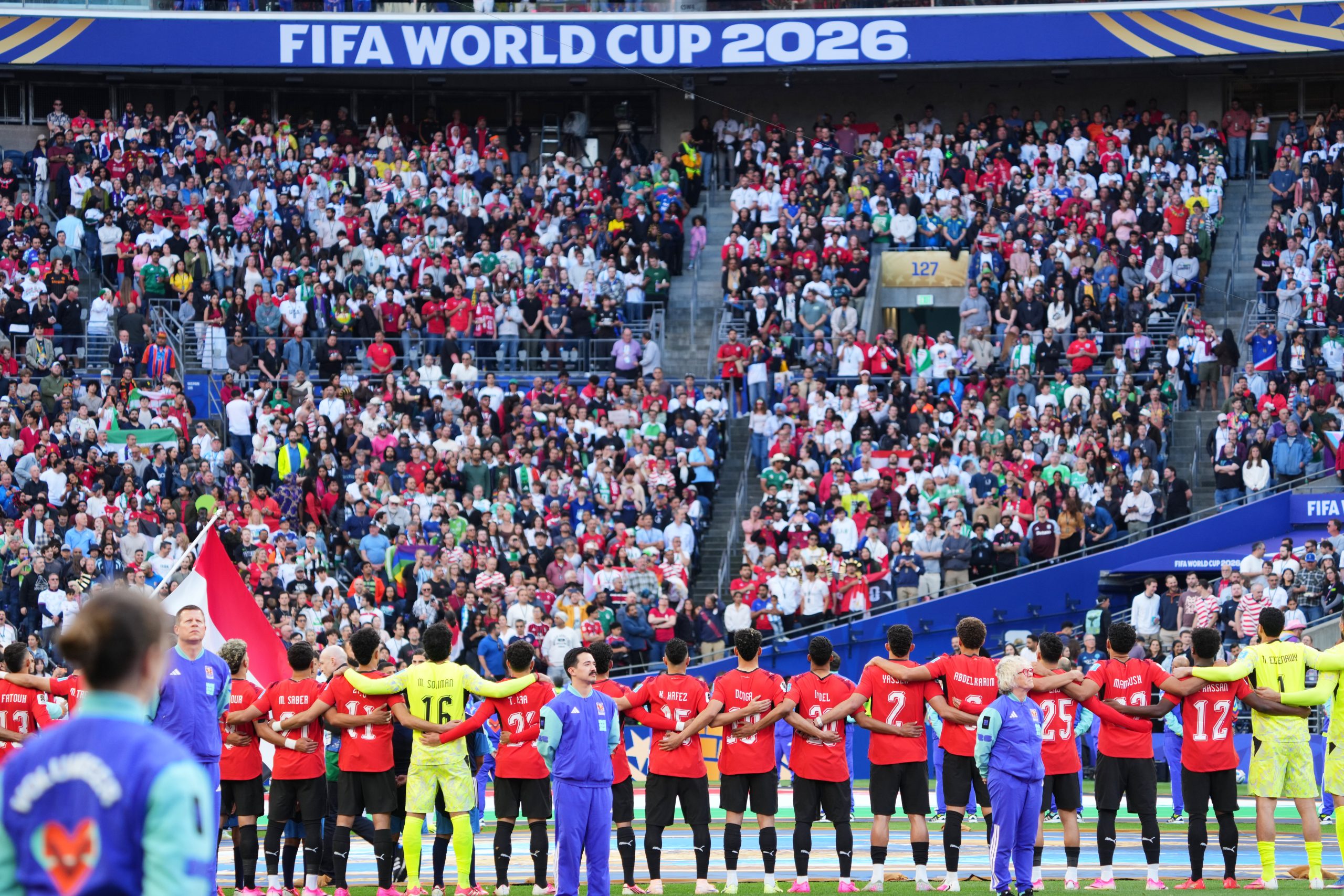

SEATTLE — As a lesbian who was born in Egypt, Noha Mahgoub could have chosen to dress for what local organizers branded a “Pride Match” in colors associated with either her sexual orientation or her country of origin. The 43-year-old Democratic legislative aide — one of the top staffers in Washington state government — chose the latter, arriving in a red Egyptian national team jersey, a black hat emblazoned with YALLA and red-white-and-black tricolor facepaint.
“I’ve seen Pride shirts, I’ve seen Pride face paintings,” she observed from a concourse minutes before national anthems began echoing around Lumen Field. “It’s been really great, but I’m seeing a lot more Egypt and Iran and people cheering for their countries and singing their songs.”
Indeed, despite FIFA’s announcement that rainbow flags would be permitted in the stadium, few were visible as the match began. Instead, the stands rippled with the colors of the two Middle Eastern countries on the field, including many of the pre-revolutionary lion-and-sun flags that FIFA has attempted to ban under a stadium code of conduct that prohibits political displays.
Mahgoub had seen Egypt’s national team in person only once before, as a child while the team was angling to qualify for the 1990 World Cup. Since then, Mahgoub and her family relocated to Washington state, where she said the local Egyptian-American community has become enlivened by new arrivals coming to work at Seattle-based tech companies.
“You know how it is, you start calling everybody your cousins — a lot of cousins that I wasn’t related to,” Mahgoub said. “Well, I think a lot of them are here.”
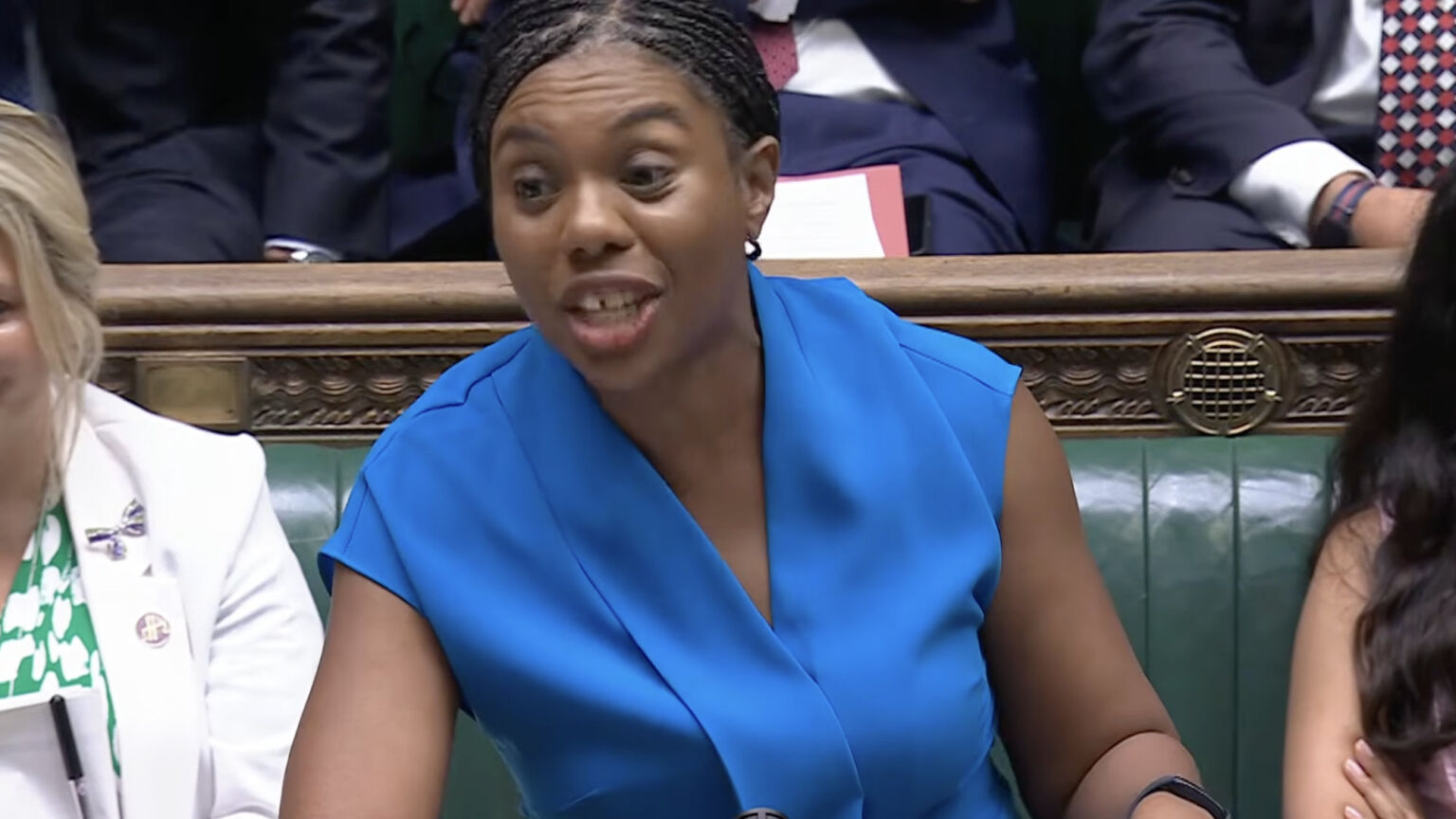
It wasn’t that long ago when the Westminster cognoscenti would assure us that Tory leader Kemi Badenoch was weak and inept. ‘Kemi Badenoch isn’t working’, declared Labour’s in-house magazine, the New Statesman, just last summer. The article quoted critics who described her as ‘fragile’ and ‘frightened’, an opposition leader who seemed incapable of holding Keir Starmer’s Labour government to account.
What a difference a year makes. Having once mocked her for being fragile and inept, Labour is now complaining Prime Minister’s Questions this week. And much of the press seems to agree.
The pearl-clutching response is mainly due to Badenoch’s criticisms of education secretary Bridget Phillipson and energy secretary Ed Miliband. Citing a poll by the National Education Union that found ‘zero per cent’ of its members believe Phillipson is doing a good job, Badenoch said, ‘It turns out appointing a spiteful class warrior as education secretary was a disaster’.
Before she turned her guns on the education secretary, Badenoch had some fun with Miliband. ‘When the going got tough, he jumped into bed with the mayor of Manchester [Andy Burnham]. It’s not the first time he’s betrayed someone close to him, is it?’, joked Badenoch, referencing Ed beating his brother, David, in the 2010 Labour leadership contest.
All of this was met with howls of dismay from the Labour Party. Starmer, apparently reprogrammed after Monday’s malfunction (close listeners to his resignation speech insist there was a brief lump in his throat), delivered a predictably robotic defense of his ministers and his premiership. Manufactured cheers broke out on the backbenches. To which Badenoch said: ‘I’ve never seen this much excitement on the Labour benches, cheering so loudly while there are 400 knives in his back.’
Apparently, these statements were enough to warrant an intervention from the speaker of the house, Lindsay Hoyle, who told Badenoch to show a ‘little bit more decorum and respect’. Phillipson was so aggrieved that she confronted the Conservative Party leader after PMQs, along with technology secretary Liz Kendall. Phillipson reportedly said Badenoch’s language had been ‘outrageous’.
She wasn’t the only one outraged. Indeed, the media response to Badenoch’s performance has been dripping with disdain. ‘Starmer dealt with this splurge of vitriol with good grace… he emerged from the exchanges as the better person’, went a sketch in the Guardian. The same newspaper published an extraordinary column only hours later. ‘It’s customary for the leader of the opposition to say something complimentary about the outgoing prime minister’, it said. ‘She has no idea how graceless she is. How charmless.’ Even the Spectator, which usually acts as the press office for the Conservative Party, wondered, ‘Did Kemi take the personal jibes too far at PMQs?’
Not only did Badenoch not ‘take things too far’, she arguably didn’t go far enough. At the very least, she should be applauded for giving Starmer and his frontbenchers the kind of send-off they richly deserved.
Phillipson, for one, has some nerve playing the hurt-feelings card. More than 100 independent schools have closed since she became the education secretary. Almost without exception, this is a direct consequence of Labour’s imposition of VAT taxes on private schools, thanks to which fees have increased by more than 20 per cent. Aspirational middle-class and lower-middle-class parents can no longer afford to send their children to these schools, so they have closed, and thousands of jobs have disappeared with them. Teachers without jobs and parents without a school to send their children to might have found even stronger words than ‘spiteful class warrior’ to describe Phillipson.
Miliband has been even worse. Putting his duplicity to one side (he was lobbying to become Burnham’s chancellor before the PM-to-be had even won his seat in Makerfield), the energy secretary has been a plague on the British economy. ExxonMobil’s ethylene plant in Scotland, Port Talbot’s steelworks, Vauxhall’s Luton factory and, more recently, the 200-year-old Denby Pottery in Derbyshire, are just some of the victims of his myopic pursuit of Net Zero. This is to say nothing about the wider economic impact of the UK’s crippling energy prices, which, thanks to Miliband, are now the highest in the developed world. A key figure behind the 2008 Climate Change Act, which established legally binding Net Zero targets, Miliband is now doing more to further deindustrialise Britain – destroying thousands of jobs in the process – than almost any of his predecessors combined. Again, history is likely to have harsher words for him than Badenoch found in the House of Commons on Wednesday.
As for Starmer, even if Badenoch had taken the Guardian’s advice and said something ‘complimentary’ about the prime minister, what would there be to say? The article certainly offered no suggestions. Even to say that he was ‘hardworking’ – a pretty low bar – wouldn’t be true of our part-time PM. This isn’t a prime minister deserving of any insincere praise.
Kemi Badenoch did her job in the Commons on Wednesday. The leader of the opposition gave this terrible government exactly what it deserves – a good kicking.
Hugo Timms is a staff writer at spiked.

Lo Celso marks his World Cup debut with a fantastic free-kick

Renewable Energy Just Hit 30% of America’s Electricity Generation

Bar with ‘incredible wine’ named the best in Yorkshire


-
 Sports4 days ago
Two goals and an assist by sheer aura: Cristiano Ronaldo just entered the World Cup chat
-

 Tech6 days ago
Microsoft accidentally kills epic Outlook email threads
-

 Fashion1 day ago
Weekend Open Thread: Staud – Corporette.com
-

 Politics2 days ago
The House | Manchesterism won’t survive the painful trade-offs unless it gets citizens on board
-

 Politics2 days ago
Potential 2028er World Cup attendee leaderboard
-

 Business2 days ago
Asia stock markets slide as tech shares slump
-

 Tech2 days ago
A Look At A Gaggle Of Transputer Boards
-
Crypto World4 days ago
Bitcoin (BTC) Dips Below $62K, Ethereum (ETH) Plunges 6% Daily: Market Watch
-

 Crypto World4 days ago
Securitize Wraps Roubini's SEC-Registered ETF as Dubai VARA Digital Security
-
 Crypto World2 days ago
Dell (DELL) Shares Tumble Over 5% Following Analyst Downgrade to Hold
-
Business4 days ago
Entergy settles forward sale agreements, raises $672 million in cash proceeds
-

 Crypto World22 hours ago
Kraken's xStocks Opens Bending Spoons IPO Registration to EEA Retail
-

 Sports1 day ago
FIH Pro League: India defeat Pakistan 7-1, register biggest win of campaign | Other Sports News
-

 Crypto World1 day ago
RTX holders must register wallets before token distribution begins
-
 Crypto World2 days ago
Hyperliquid Named on Singapore MAS Investor Alert Register
-

 Sports3 days ago
India vs Bangladesh LIVE Score, Women’s T20 World Cup: Bangladesh Opt To Bat; India Enter ‘Do-Or-Die’ Stage As Semi-Final Race Heats Up
-
Crypto World2 days ago
The DATA Foundation Launches to Tackle AI’s Multi-Billion Dollar Training Data Bottleneck
-
 Tech7 days ago
Signal’s Meredith Whittaker says AI chatbots ‘are not your friends’ and calls Copilot agents a backdoor
-
 Crypto World2 days ago
Strategy (MSTR) has a 10-month cash runway for dividends, but retail investors are losing faith
-
 Crypto World2 days ago
AAVE price tests 9-month trendline after 17% rebound as breakout hopes build
You must be logged in to post a comment Login