Politics
Ministers Face “Staggeringly Expensive” Energy Bill Support Without Targeted Scheme




4 min read
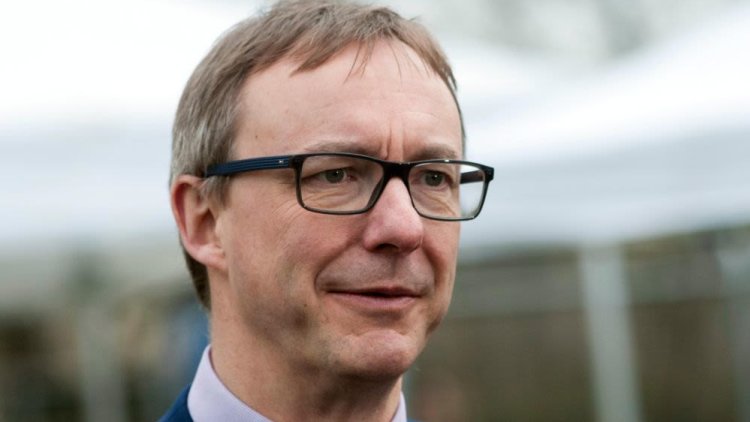
A government intervention to protect energy bills from the impact of the Iran war risks being “staggeringly expensive”, a leading economist has said.
Paul Johnson, a former director of the Institute for Fiscal Studies think tank, said Whitehall had not carried out the necessary work to produce a more “targeted” scheme than the support made available to households in 2022 following Russia’s invasion of Ukraine.
Johnson, now a senior adviser at the consultancy Frontier Economics, said it means that if the Keir Starmer government decides to step in to protect household bills from rising energy prices, it will be “just very, very expensive”.
Speaking on The Rundown podcast from PoliticsHome, the leading economist said he had urged the previous Conservative government to invest “serious” money in data collection to develop a more targeted scheme, but that this work was not undertaken.
Johnson explained that a more “sensible” scheme would allow the government to provide support to those who need it most, rather than to all households.
Appearing alongside him on this week’s episode was Bill Esterson, Labour MP for Sefton Central and chair of the energy security and net zero committee.
They appeared on the podcast as the US and Israel’s war with Iran continues. The conflict has had a major impact on international energy prices, largely due to disruption in the Strait of Hormuz, a vital shipping lane responsible for around 20 per cent of the world’s oil supply.
Esterson agreed with Johnson that the “data sharing just isn’t there” to create more targeted support for energy bills, despite calls from within the industry and his committee.
The Office for Budget Responsibility (OBR) watchdog estimated that ministers spent almost £80bn on energy support for both households and businesses in the two fiscal years after Vladimir Putin’s full-scale invasion of Ukraine.
Earlier this week, Starmer warned that the UK is exposed to international price shocks, as it was at the onset of the Ukraine war, saying “the longer this [conflict] goes on, the more likely the potential for an impact on our economy, impact into the lives and households of everybody and every business”.
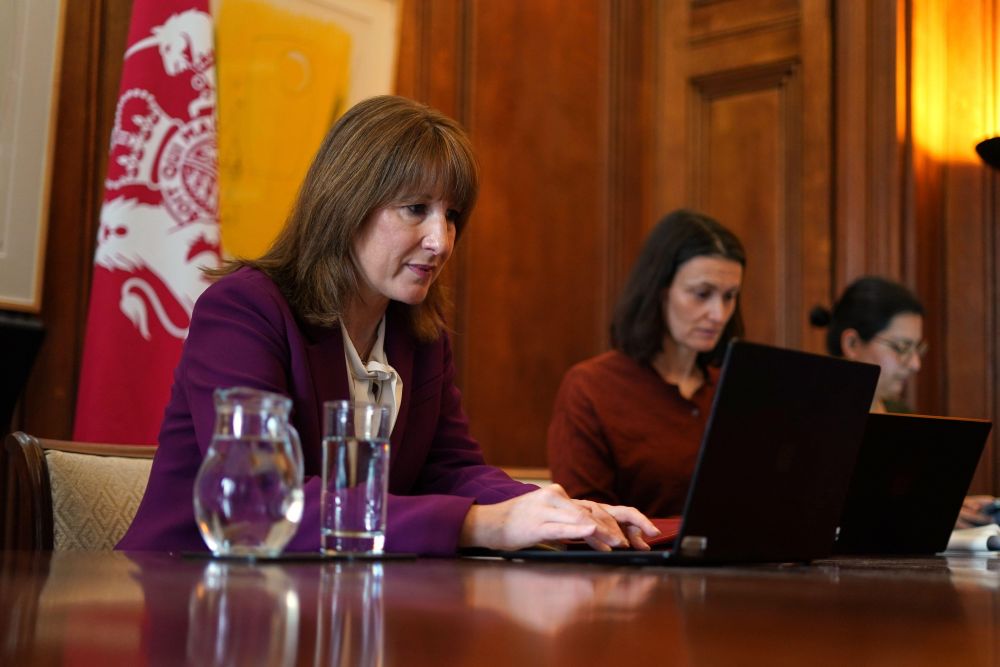
On Wednesday, Chancellor Rachel Reeves acknowledged the government may have to step in to protect energy bills, telling the Treasury select committee that “nothing is off the table”.
‘We are looking at a whole range of different scenarios,” she told MPs.
“One reason why any future package, if it were necessary, would be more affordable is that we are now less reliant on international energy price movements than we were before Russia invaded Ukraine, because we have invested more in homegrown, renewable energy.”
She added: “We are looking at targeted support as well as broader measures, but it is just too early to say what is needed.”

Johnson told The Rundown that lessons from the 2022 support package, which included a £400 grant for all domestic energy customers, on how to spend the money more effectively, have not been learned.
“What was announced then [in 2022] was staggeringly expensive and staggeringly generous, and it’s partly because it held everybody’s bills down,” he said.
“It was staggeringly expensive, and the reason was that the government simply didn’t have the information that allowed them to target this in a sensible way at people who had a combination of relatively low incomes and relatively high spending on energy.
“And I remember saying at the time it would be worth investing a couple of billion quid, I mean serious money, in making this information available.
“Now, as far as I’m aware, they still don’t have anything which would allow them to target, and so, therefore, if this [Iran war] does go on a long time and the prices go up really significantly, I suspect that the political pressure to keep everyone’s bills down again will be very significant.
“And then that does become just very, very expensive, and it’s even harder now than it was four or five years ago because debt is so high.”
Esterson added: “The data sharing just isn’t there. It’s a call that all of the major retailers have made to enable the kind of action that Paul’s been outlining there. It will be very, very important.
“It’s one of the recommendations we’ve made as a committee. Hopefully, the government will listen to it.”
The Labour MP added that there is “going to be the need for other policy measures” if higher energy prices last beyond the start of July, when the current Ofgem price cap expires.
- Click here to listen to the full conversation on the latest episode of The Rundown, or search for ‘PoliticsHome’ wherever you get your podcasts.
